
In the 1950s, school cafeterias tried to feed big crowds on tight budgets, and the tray often reflected the era’s shortcuts. Fried mains, salty canned meats, and sugar-forward desserts felt normal, even comforting, in a postwar culture that prized convenience and shelf life.
What looks nostalgic in a yearbook photo reads differently now, because modern school meal standards push whole grains, smarter portions, and tighter limits on saturated fat, sodium, and added sugars. The result is a quiet time capsule: foods that once signaled care and abundance, but would struggle to qualify for today’s reimbursable lunch.
Fried Chicken With Cream Gravy
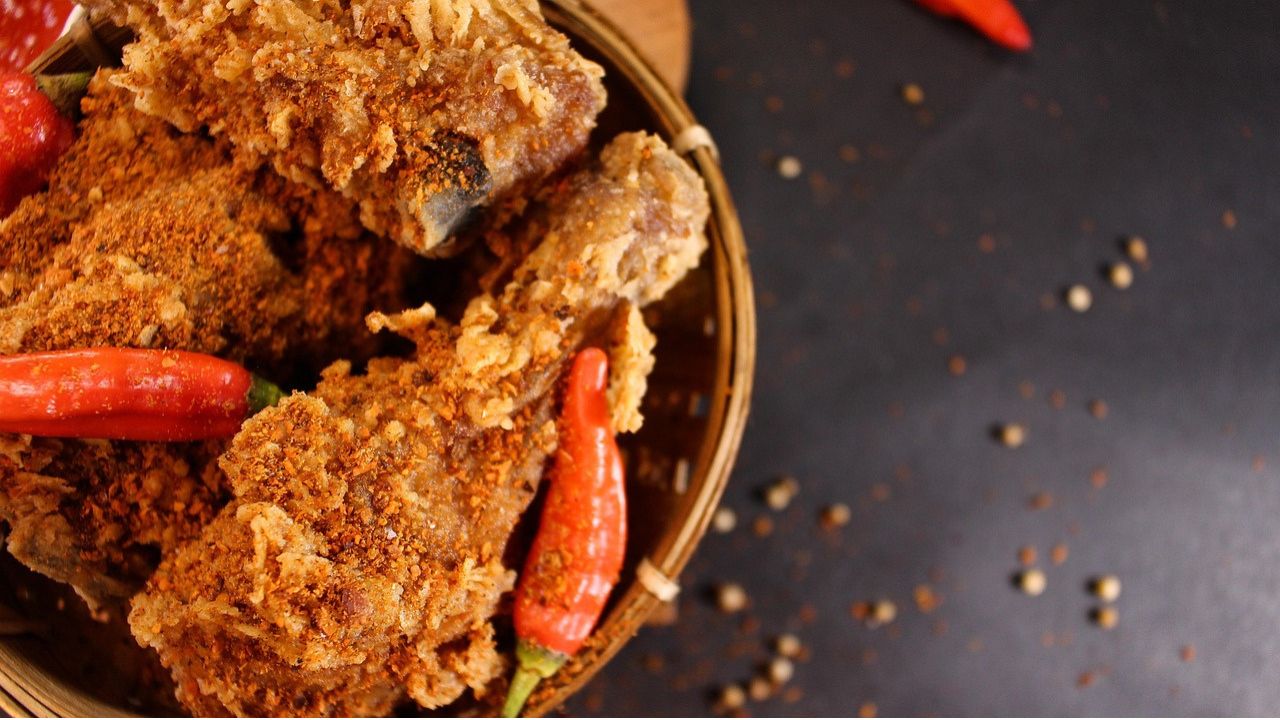
Fried Chicken With Cream Gravy was a cafeteria victory lap, crunchy skin and all, and it usually came with buttery mashed potatoes and a scoop of peas. The comfort came from fat and salt doing what they do best, especially when portions were sized for hungry post-recess kids and the breading was fried in deep vats.
Modern reimbursable meals are built on weekly nutrition averages, including limits on saturated fat and sodium, plus minimums for fruits, vegetables, and whole grains. A fried entrée paired with gravy can soak up so much of those weekly caps that it would be hard to serve it the old way and still stay compliant.
Creamed Chipped Beef on Toast
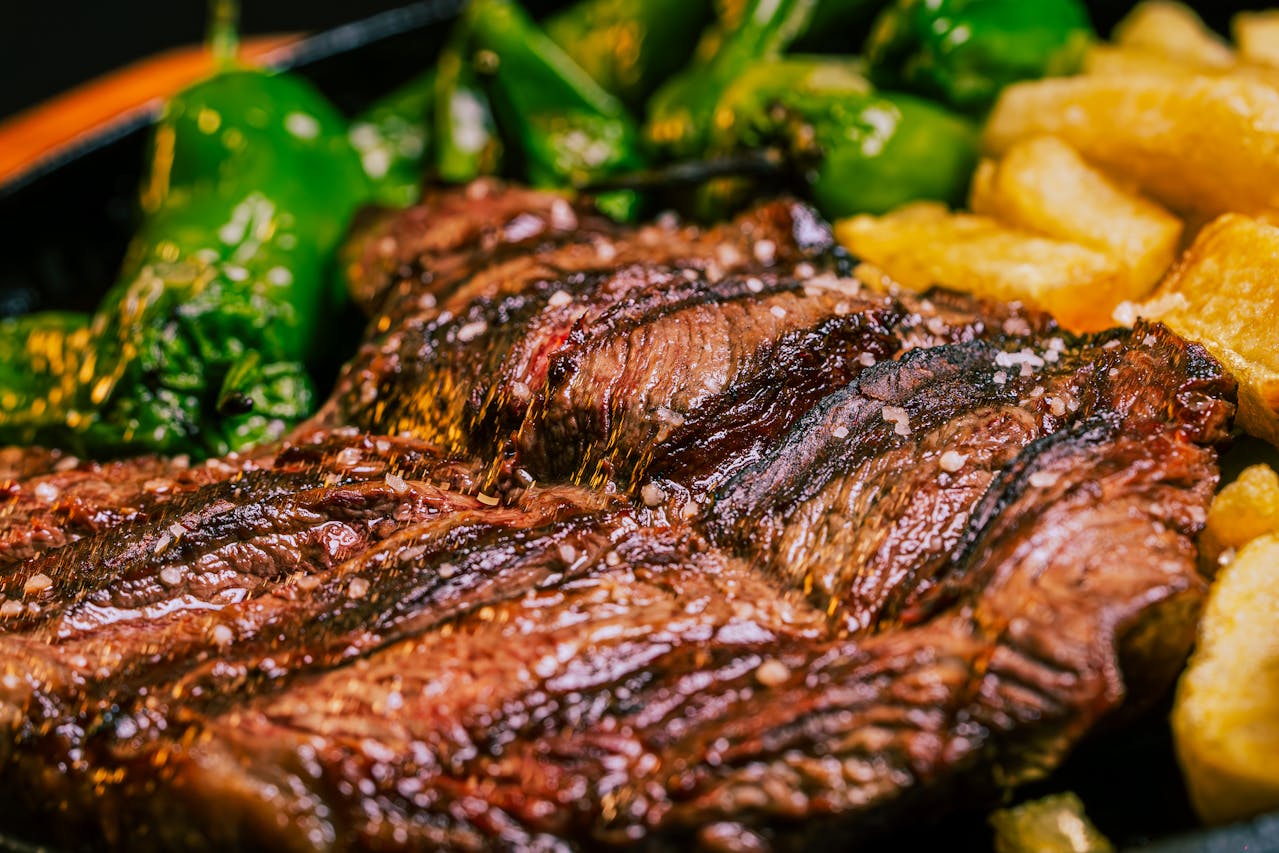
Creamed Chipped Beef on Toast looked like a warm blanket: dried beef stirred into white sauce, then ladled over soft bread. It was cheap, filling, and designed to stretch pantry staples across a whole cafeteria line, especially in districts where lunch had to hit a nickel-and-dime price point.
The catch is the dried beef itself, which is heavily salted and cured, and the sauce leans on whole milk, butter, and flour. Then comes the base: white toast, not whole grain-rich bread. With today’s sodium targets, saturated-fat limits, and whole grain expectations, the classic jar-and-gravy version would be a tough fit without a makeover.
Bologna and American Cheese Sandwiches
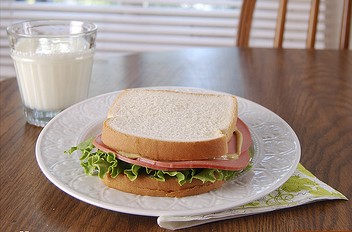
Bologna and American Cheese Sandwiches were lunchbox royalty that made it into cafeterias, too, often on squishy white bread with a swipe of mayonnaise. It delivered protein on paper, but most of the flavor came from salt, fat, and processed cheese melt, especially when the serving was two thick slices.
Today’s school meal patterns push leaner proteins, lower sodium, and whole grains, with fruits and vegetables carrying real weight on the tray. A deli-meat sandwich built on refined bread and processed slices can rack up sodium fast, while offering little fiber, so it would need a very different build to qualify at lunch.
Liver and Onions
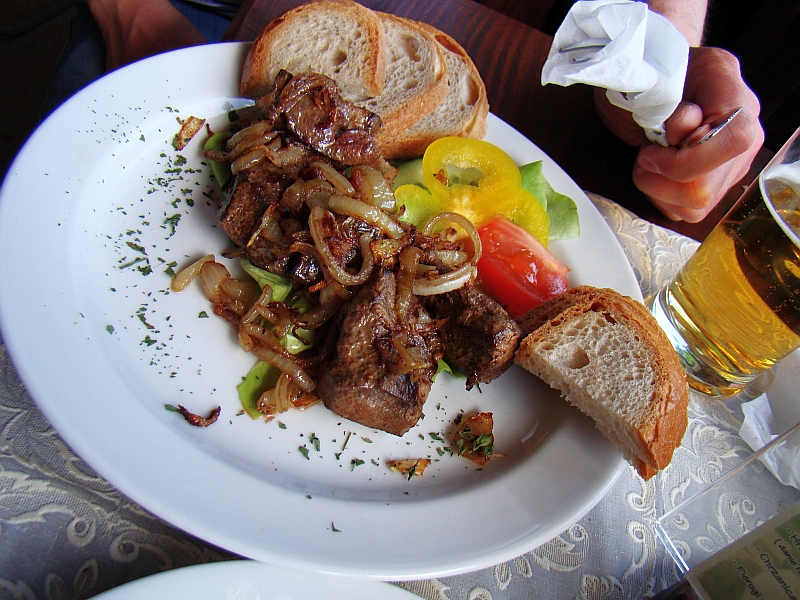
Liver and Onions showed up on midcentury menus as a serious, no-nonsense plate, sometimes finished with pan drippings and served with buttered noodles. Adults loved the thrift and iron-forward logic, while plenty of kids learned to dread the smell that drifted down hallway before the bell.
Nothing about liver is forbidden, but the cafeteria version leaned on rich cooking fats and salty gravies to make it palatable. Under current school lunch standards that cap saturated fat and sodium across the week, and reward balanced trays with produce, that classic preparation would be hard to repeat without lighter cooking and cleaner sides.
Canned Luncheon Meat Slices
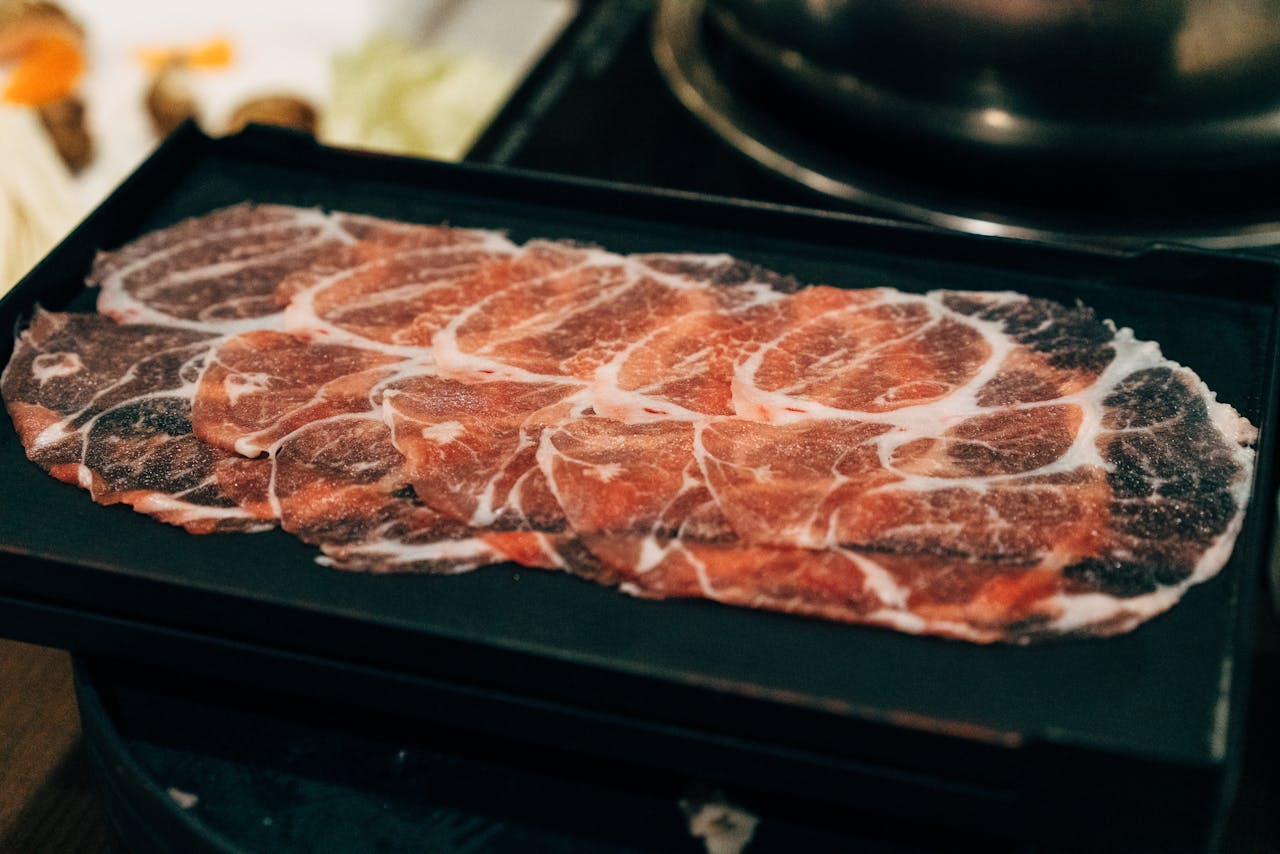
Canned Luncheon Meat Slices, think Spam-style, were easy for cafeterias to stock, slice, and griddle until the edges crisped. Paired with mustard, pickles, or a bun, it felt hearty and modern, a pantry miracle that never spoiled on the shelf and could feed a class in minutes.
The modern problem is sodium and saturated fat stacking up fast in processed meats, along with seasoning blends designed to taste bigger than the portion. With current lunch rules setting sodium limits by grade group and keeping saturated fat under 10 percent of calories, a salty canned-meat entrée would need smaller portions and a far fresher supporting cast.
Hot Dogs With Baked Beans
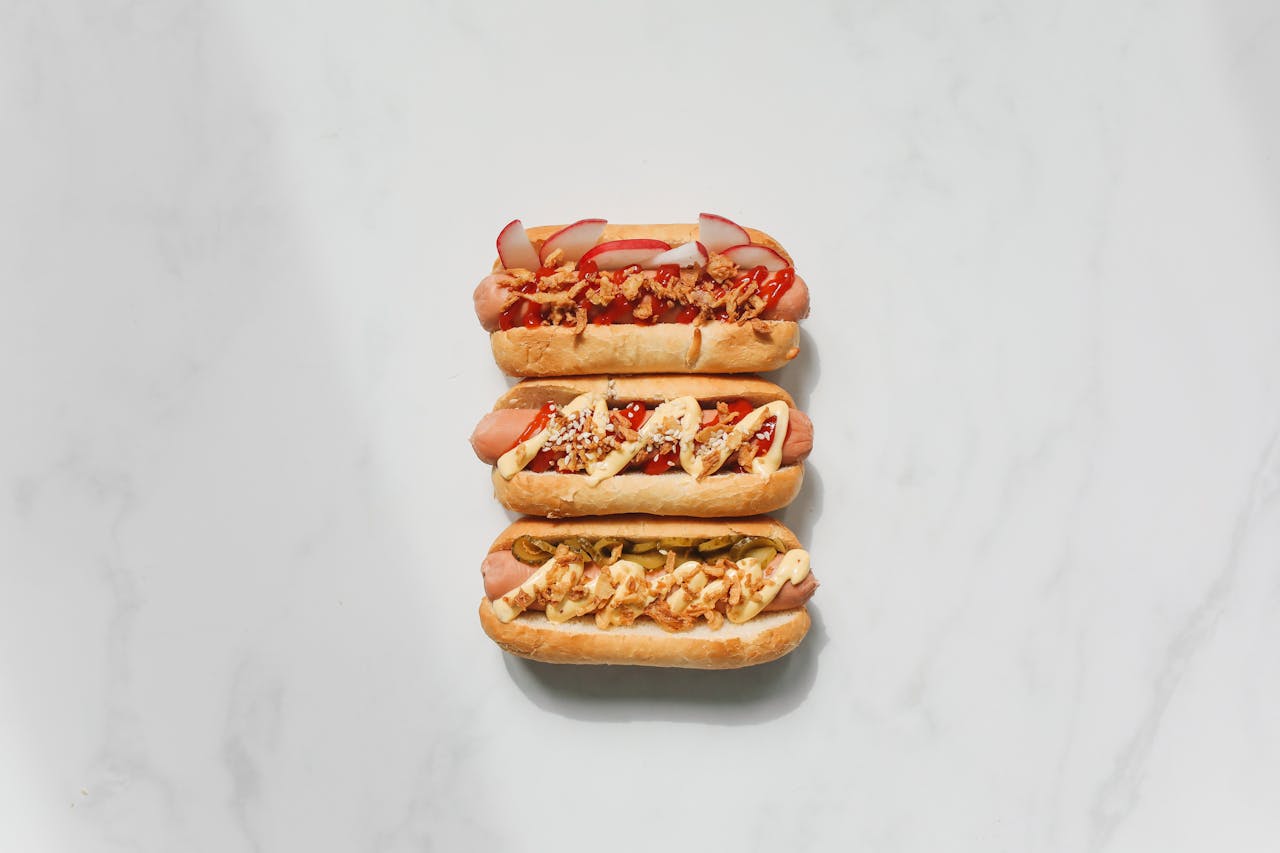
Hot Dogs With Baked Beans made an easy tray: a frank in a soft bun, beans sweetened and sauced, and maybe a scoop of canned peaches. It was kid-friendly, predictable, and built from foods that were cheap to buy in bulk, so it showed up on the calendar whenever kitchens needed a sure thing.
The hitch is how the numbers add up. Hot dogs and canned beans can run high in sodium, and baked beans often bring added sugars on top of the sauce. As USDA standards phase in added-sugar limits and keep sodium on a weekly cap, this combo would likely need lower-sodium franks, less-sweet beans, and a stronger vegetable side to make the cut.
French Fries Fried in Shortening
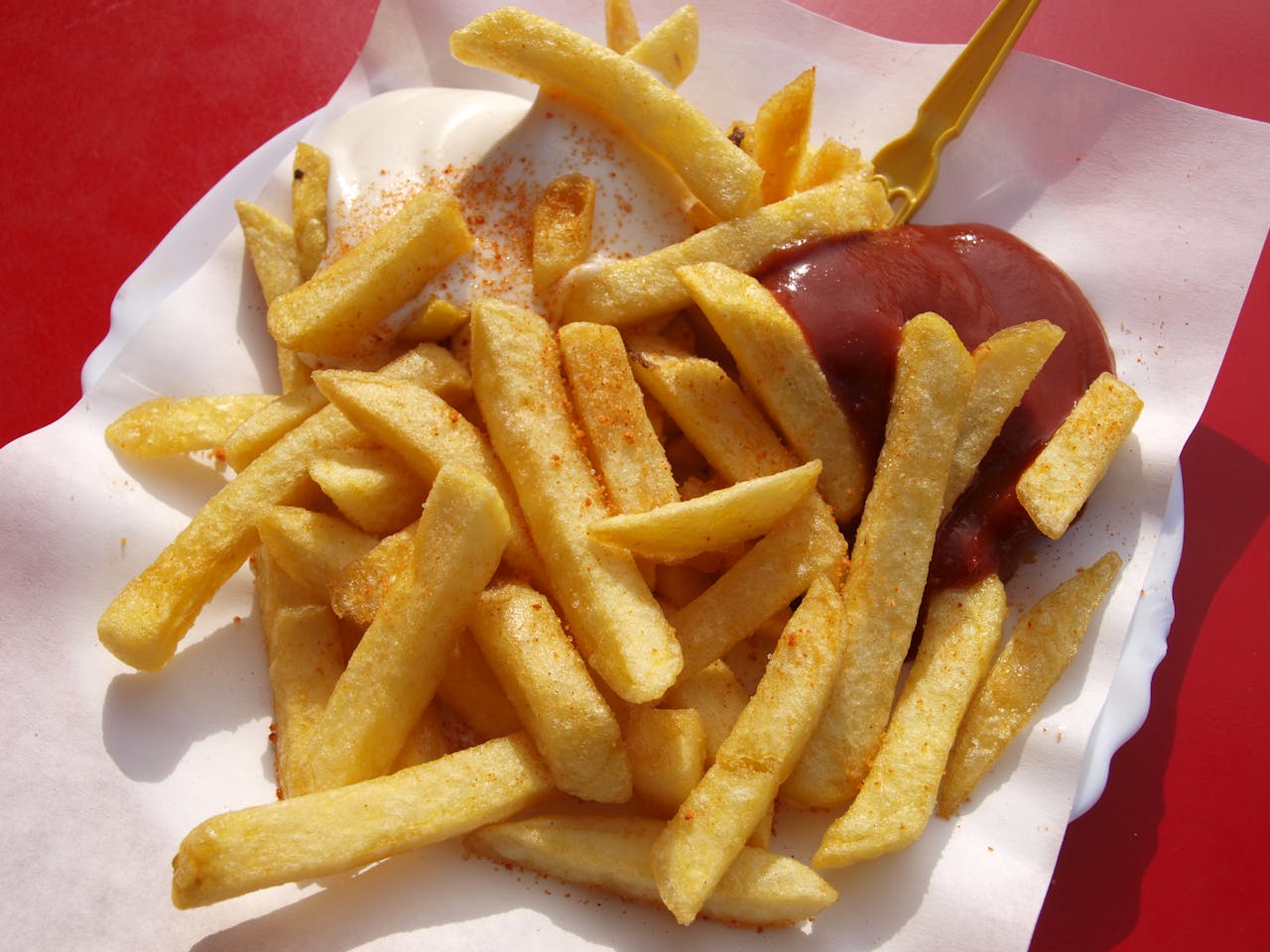
French Fries Fried in Shortening were the golden sidekick to almost anything, and midcentury kitchens often relied on solid fats that handled high heat all day. The result was crisp edges, soft centers, and an unmistakable cafeteria aroma, with salt shakers waiting at the end of the line.
What changed is the fat itself and the standards around it. Partially hydrogenated oils, once common in fryers, are no longer considered safe as a default ingredient in U.S. foods. Even when schools use permitted oils, fries still make it harder to stay under weekly saturated-fat and sodium targets, so the old, frequent-fryer routine would not fly.
Peanut Butter and Jelly on White Bread
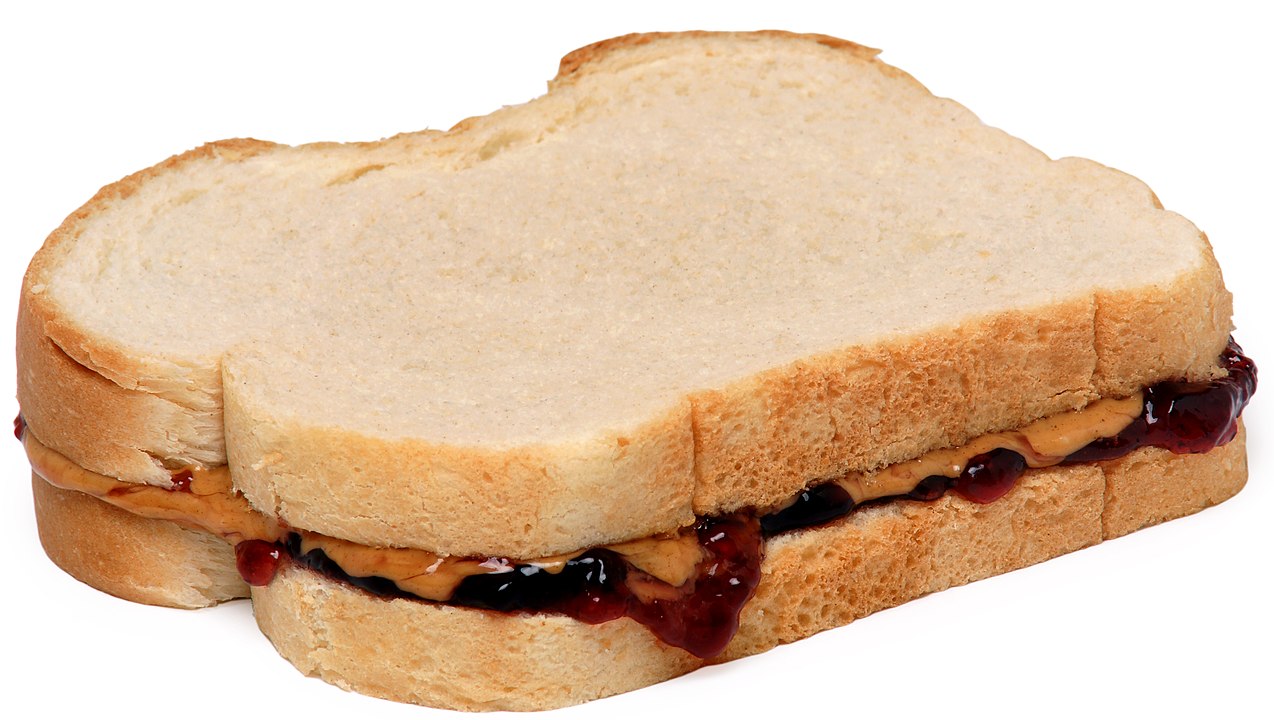
Peanut Butter and Jelly on White Bread was the lunch escape hatch: fast to assemble, easy to like, and reliable for picky eaters. In the 1950s it often leaned on refined bread and jam made with plenty of sugar for shine and shelf stability, sometimes followed by a cookie.
Today, schools juggle allergy policies alongside nutrition rules that favor whole grains and rein in added sugars over the week. A classic PB and J on white bread with a thick layer of sweet jam would struggle on both fronts, so modern versions are whole grain-forward, portioned carefully, and paired with produce that helps balance the tray at once.
Fruit Cocktail in Heavy Syrup

Fruit Cocktail in Heavy Syrup counted as fruit most days on many midcentury trays, bright cubes and cherries floating in sweetness. It was colorful, shelf-stable, and a simple way to add something that looked fresh, even in the dead of winter when produce choices were thin at lunch, too.
Modern standards still welcome canned fruit, but they strongly prefer fruit packed in juice or light syrup because added sugars are now being limited in school meals. A heavy-syrup cup can tip a day’s sugar load, especially when dessert is also served, so it would be swapped for fruit in juice, fresh options, or unsweetened applesauce.
Gelatin Dessert With Whipped Topping

Gelatin Dessert With Whipped Topping felt like a party trick: bright Jell-O, maybe suspended fruit, and a cloud of sweet topping from a tub. It was light on cost, heavy on color, and easy to portion with a quick scoop, which made it perfect for long serving lines.
The modern issue is that it is almost entirely added sugar, with little to balance it nutritionally. USDA’s updated standards phase in limits on added sugars, tightening further by July 1, 2027, so desserts built mostly from sugar lose their place. A tray that ends with gelatin and topping would need a very different main and sides to stay within weekly caps.
Chocolate Milk Made With Syrup

Chocolate Milk Made With Syrup was once mixed like a treat, with extra syrup poured in until the carton tasted closer to dessert than drink. It helped kids finish lunch, but it also normalized the idea that sweetness belonged in every part of the meal.
Flavored milk still exists in many schools, yet modern nutrition rules are putting real limits on added sugars across the week. A 1950s-style, syrup-heavy chocolate milk would push those early targets quickly, especially paired with sweet sides. To fit today’s standards, it would need lower sugar, tighter portions, and less competition from other sugary items on the tray.
Frosted Cake Donuts and Sweet Rolls

Frosted Cake Donuts and Sweet Rolls were common cafeteria add-ons, the kind that showed up next to chili or on days when lunch needed a morale boost. Soft crumb, shiny glaze, and that bakery smell turned a utilitarian meal into something kids remembered.
Under current school meal standards, desserts compete with limits on added sugars and calorie ranges that are set by age group. A full-size frosted donut can eat up that sugar allowance fast, leaving little room for the rest of the menu to stay overall balanced. In many cafeterias, that treat would be reduced, reformulated, or moved out of the reimbursable meal entirely.
Cyclamate-Sweetened Diet Drinks and Gelatins

Cyclamate-Sweetened Diet Drinks and Gelatins appeared in midcentury America as science-y shortcuts, promising sweetness without sugar. A cafeteria might serve a diet punch mix or a no-sugar gelatin cup, and it would read as modern, even virtuous, for the time.
Today, cyclamate is not permitted in U.S. foods, after federal regulators moved to ban it from consumer markets in 1970 and later reaffirmed safety concerns. Since school food purchasing is tightly specified and audited, the ingredient would never make it through. Any 1950s cafeteria item built around cyclamate would be replaced with approved sweeteners, or skipped entirely.