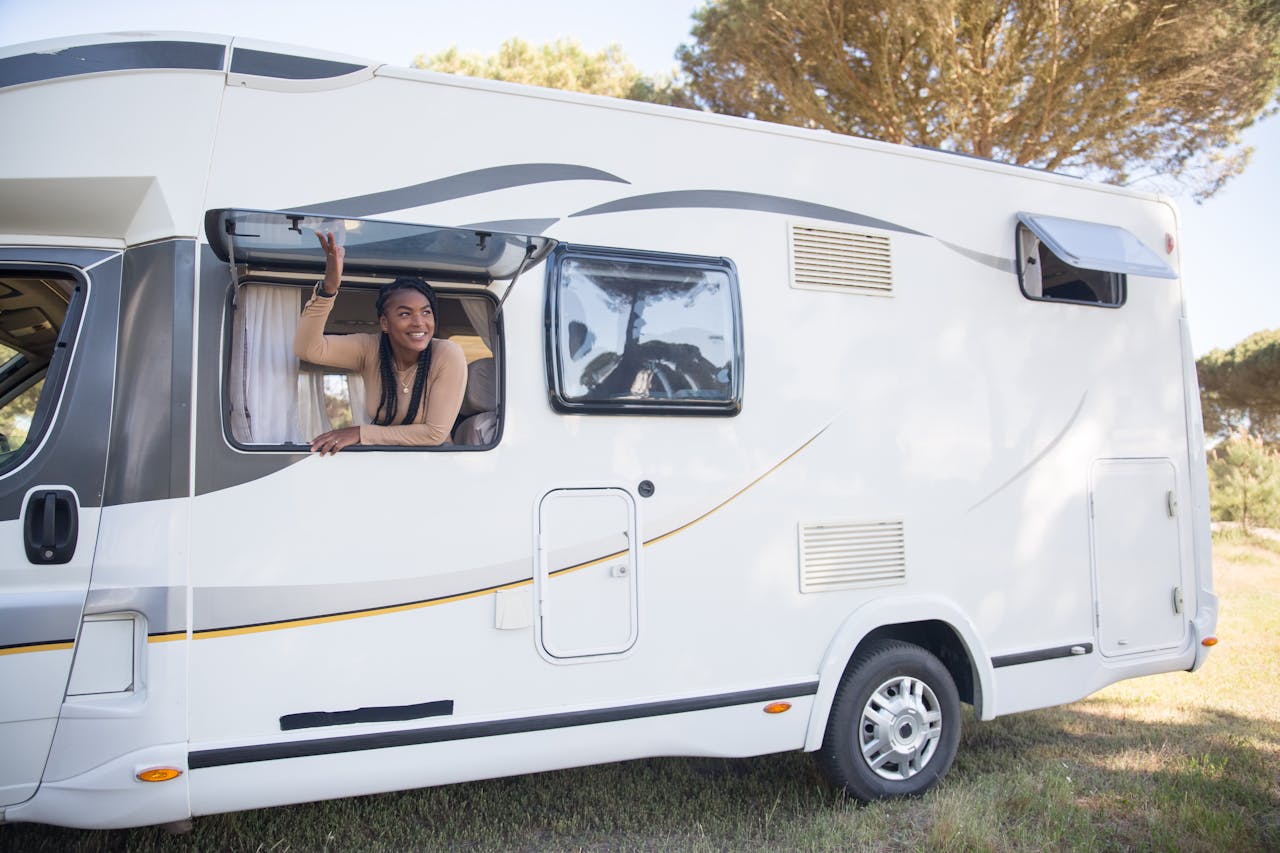
Western cities still respect RV travel, but patience thins when curbside stays start looking permanent. Officials describe the same cycle: rigs cluster near services, neighbors report blocked sidewalks and litter, and crews get pulled into cleanup and parking enforcement.
The response is not anti-travel. It is about boundaries: stricter time limits, more posted streets, and fewer gray areas where an overnight stop quietly becomes a multi-day setup. In these nine cities, the welcome depends on staying mobile, using legal lots or parks, and leaving the street exactly as it was found. That shift shows up on summer weekends and event weeks.
San Diego, California
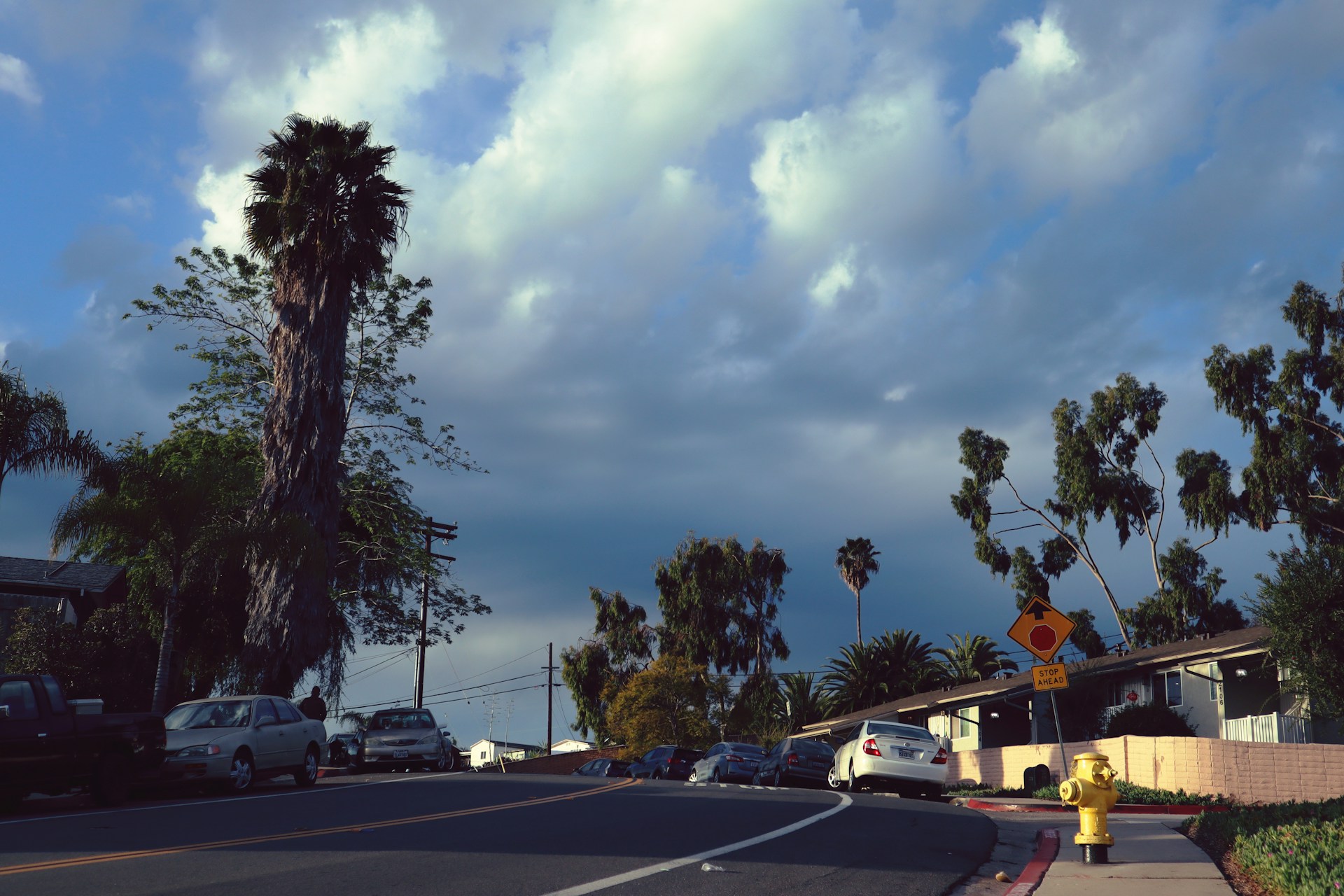
San Diego has expanded posted limits for oversized vehicles in many coastal and residential zones, and officials frame it as simple access. Large rigs can pinch sightlines near intersections, block curb ramps, and trigger complaints when trash and wastewater issues follow long stays.
For RV travelers, the change feels like fewer quiet blocks near beaches and more pressure to use paid campgrounds or designated lots. Enforcement often starts with a call from a neighbor, then escalates if a rig returns to the same stretch night after night. The city’s message is consistent: short stops are fine, but settling in on the curb is not.
Los Angeles, California
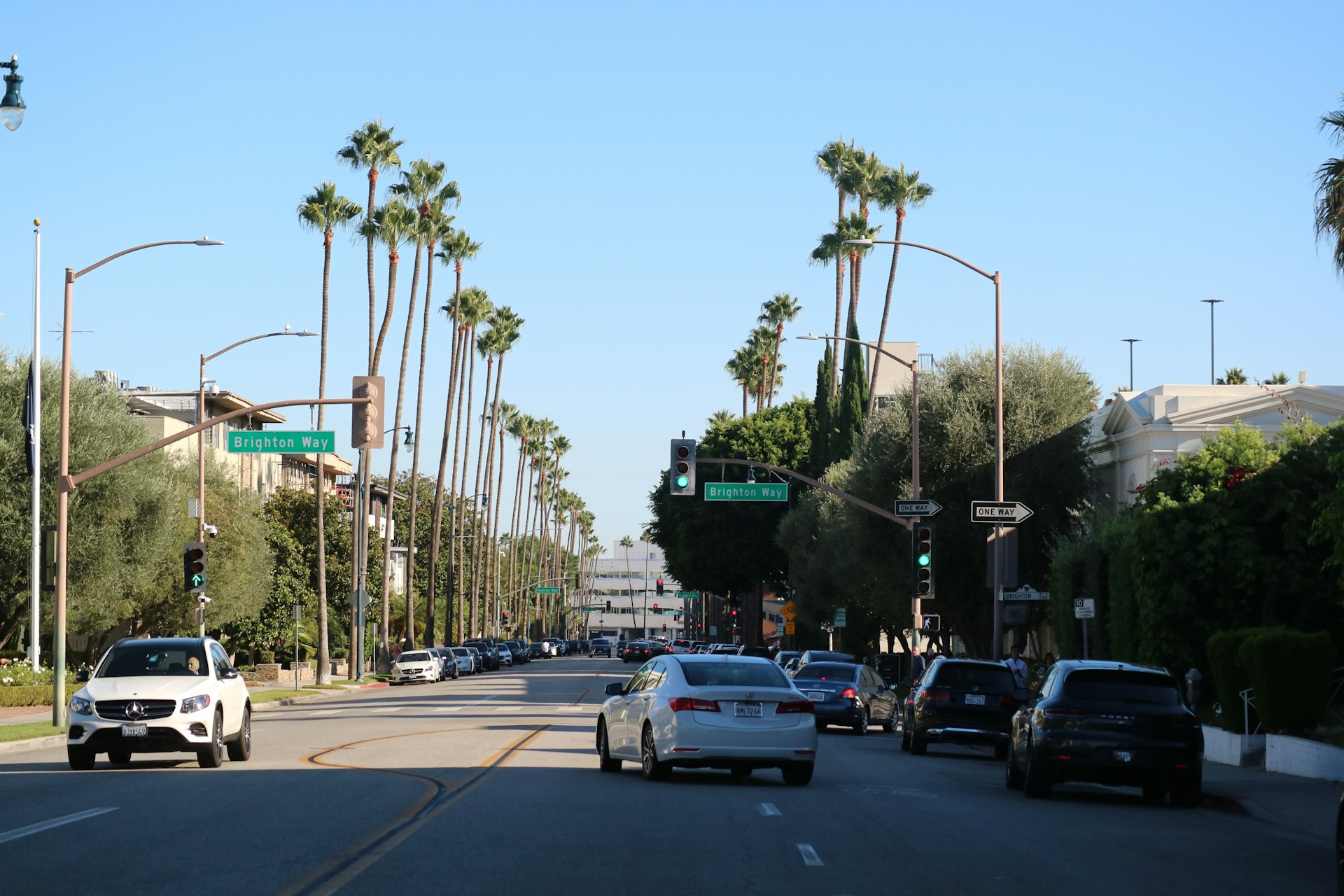
Los Angeles relies on a patchwork of posted streets to restrict overnight RV parking, especially where curb space is already tight. Officials point to blocked sidewalks, fire-lane clearance, and sanitation calls, arguing that long-stay rigs can turn public parking into storage.
Travelers feel it as uncertainty. One block may allow a brief stop, while the next becomes towaway after certain hours, and rules can shift by district. That pushes many rigs toward RV parks, private driveways, or lots farther from the core, where expectations are clear. In practice, the safest plan is treating street parking as a short rest, not a base.
San Francisco, California
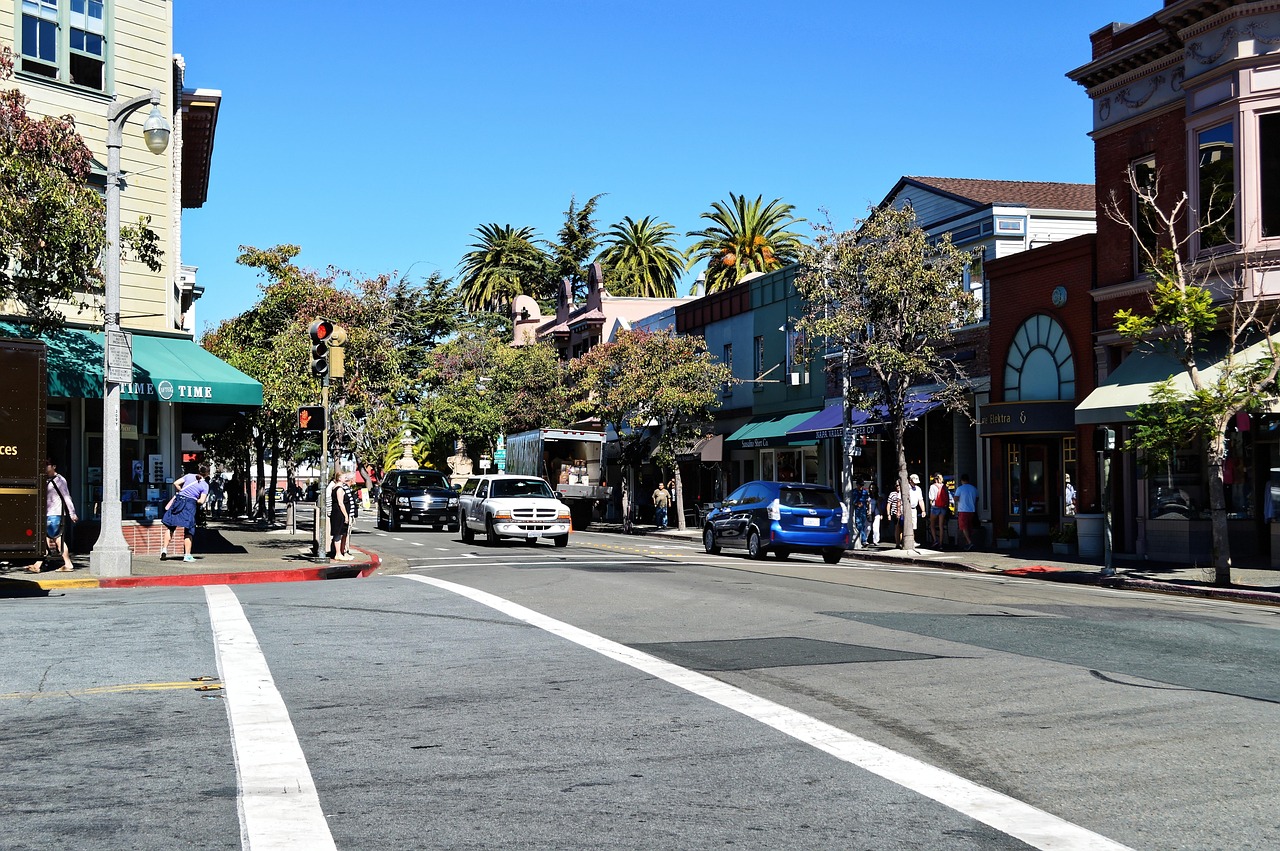
San Francisco makes long curb stays difficult through oversized-vehicle rules and tight time limits that discourage semi-permanent parking. Officials describe the aim as keeping sidewalks and transit corridors usable while reducing recurring cleanup and safety complaints.
For RV travelers, even a tidy rig can still violate the clock, and a small reposition may not help once a vehicle is noticed. The practical outcome is more reliance on RV parks, managed lots, or private hosts, especially near busy waterfront areas. The city is not rejecting visitors. It is signaling that street space is for movement, not settling in for long.
Seattle, Washington
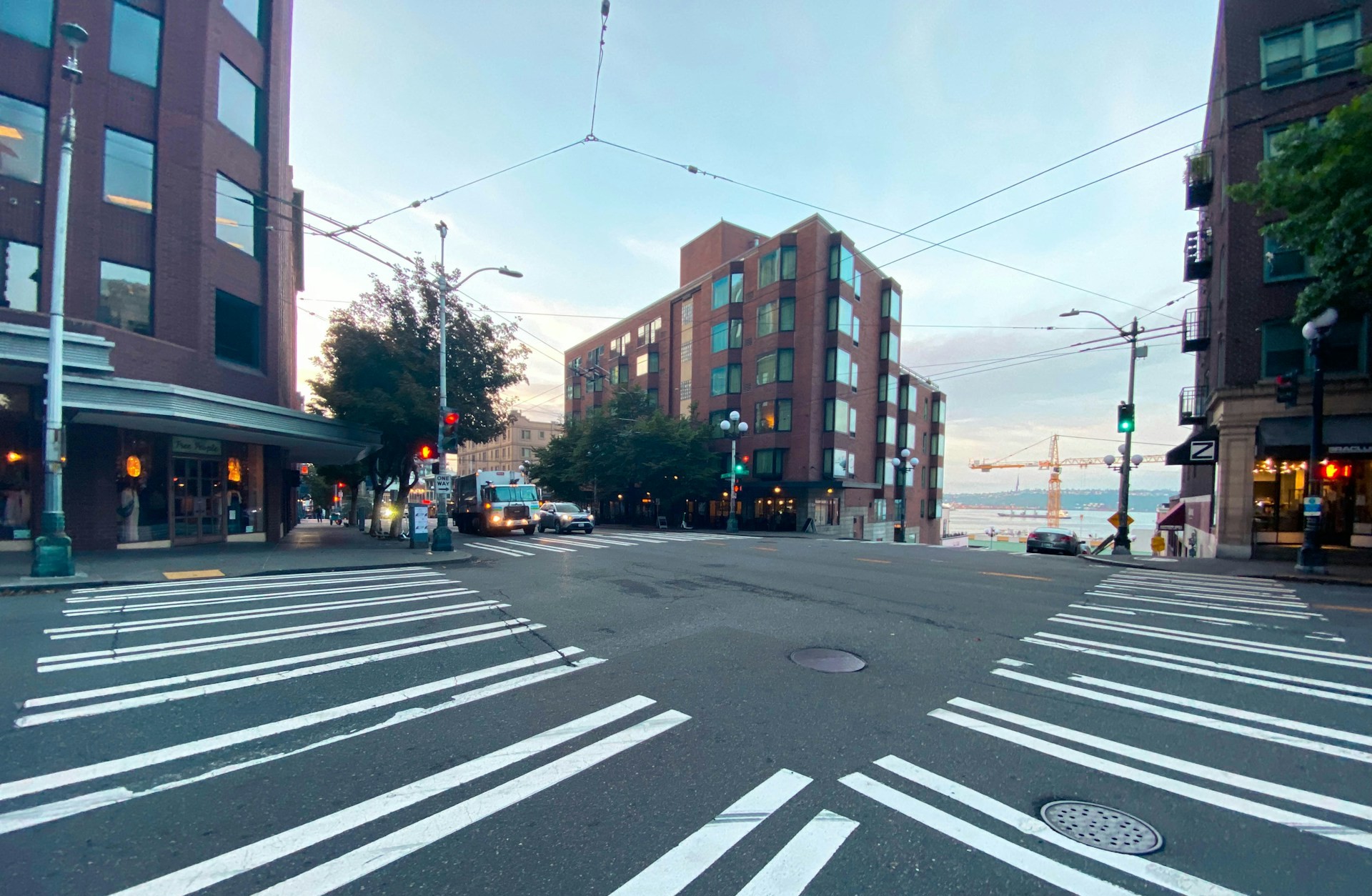
Seattle pairs general parking time limits with overnight restrictions for oversized vehicles in many neighborhoods. Officials frame it as access: curb ramps need clearance, corners need visibility, and residential blocks cannot function if a few rigs occupy the same spots.
RV travelers often learn the hard way that a legal afternoon stop can become a problem after posted hours. Short moves may still count as continuous parking depending on the street, so the safer pattern is using RV parks, permitted zones, or approved lots. The city’s tone is practical: stay mobile, stay clean, and avoid turning a quiet block into a long-stay camp.
Portland, Oregon
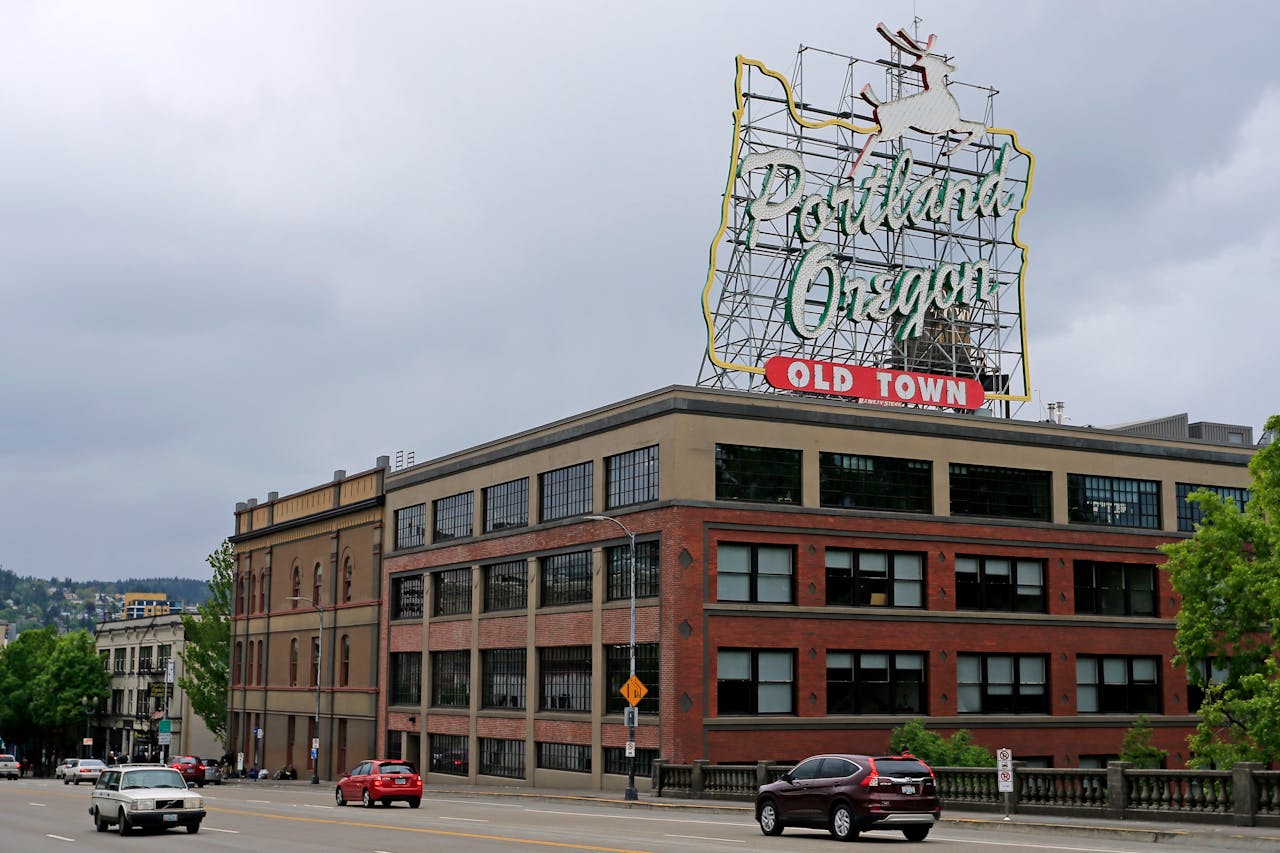
Portland has increased enforcement around vehicle camping, tying it to sanitation, fire safety, and keeping sidewalks and bike lanes open. Officials say long-stay clusters generate repeated service calls, and that cleanup and towing drain resources meant for broader city needs.
For RV travelers passing through, the risk is that a curb stop becomes complaint-driven enforcement with short timelines. Once a rig is tagged, the next steps can move quickly, and retrieval costs can derail a road plan. Most visitors adapt by using RV parks, private hosts, or designated lots where overnight use is expected and rules are simple and clear.
Bend, Oregon
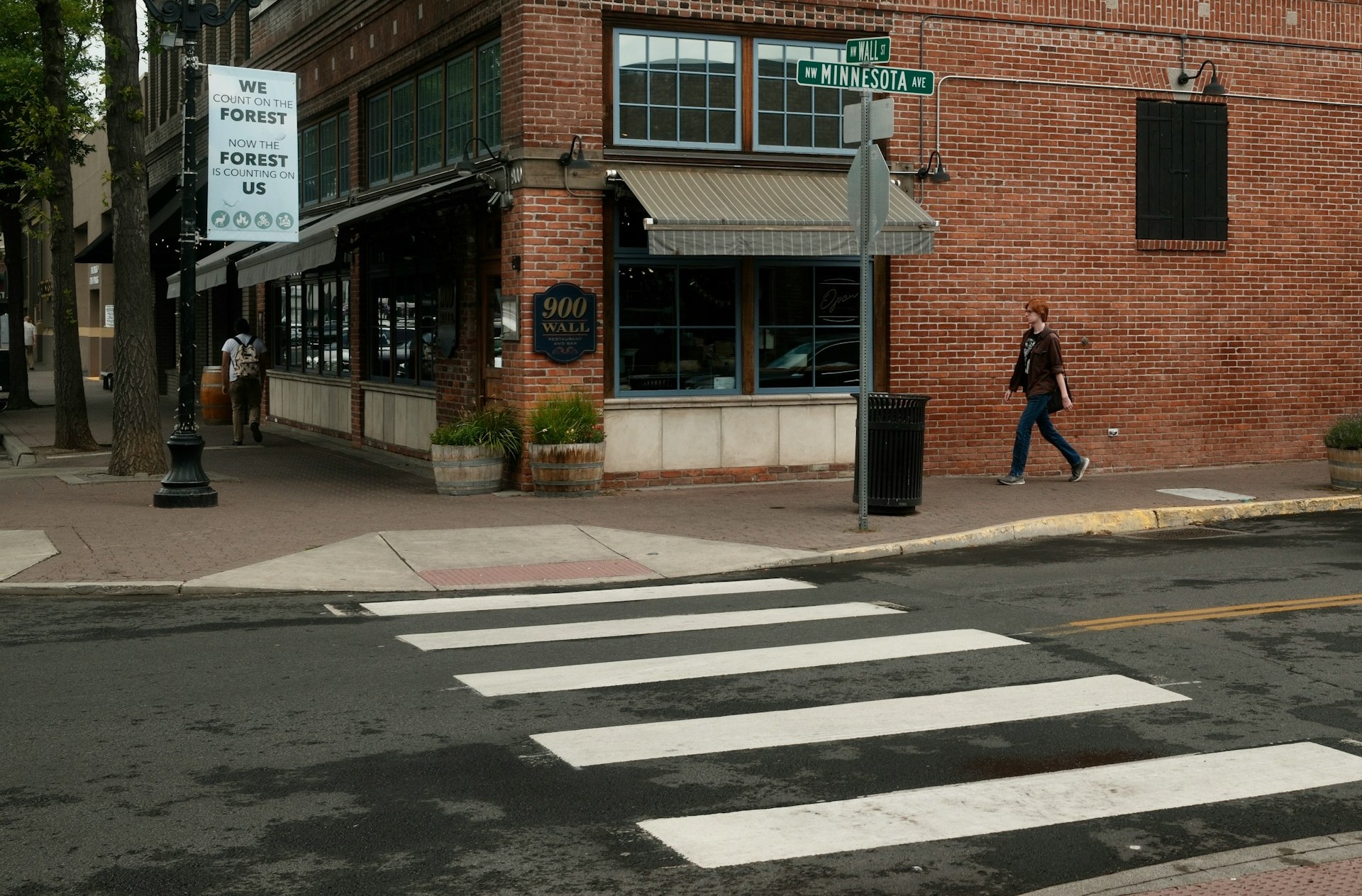
Bend has tightened rules around camping and long vehicle stays as pressure grows on parks, trailheads, and residential streets. Officials emphasize time limits and location boundaries, aiming to keep public space from turning into rotating camps that strain cleanup crews.
RV travelers feel fewer gray areas and less tolerance for repeat nights in the same zone. Moves need to be real, not a small reposition, and the closer a rig parks to busy recreation corridors, the more attention it tends to draw. The practical response is booking campgrounds early and treating street parking as a brief rest, not an overnight plan during peak season.
Las Vegas, Nevada
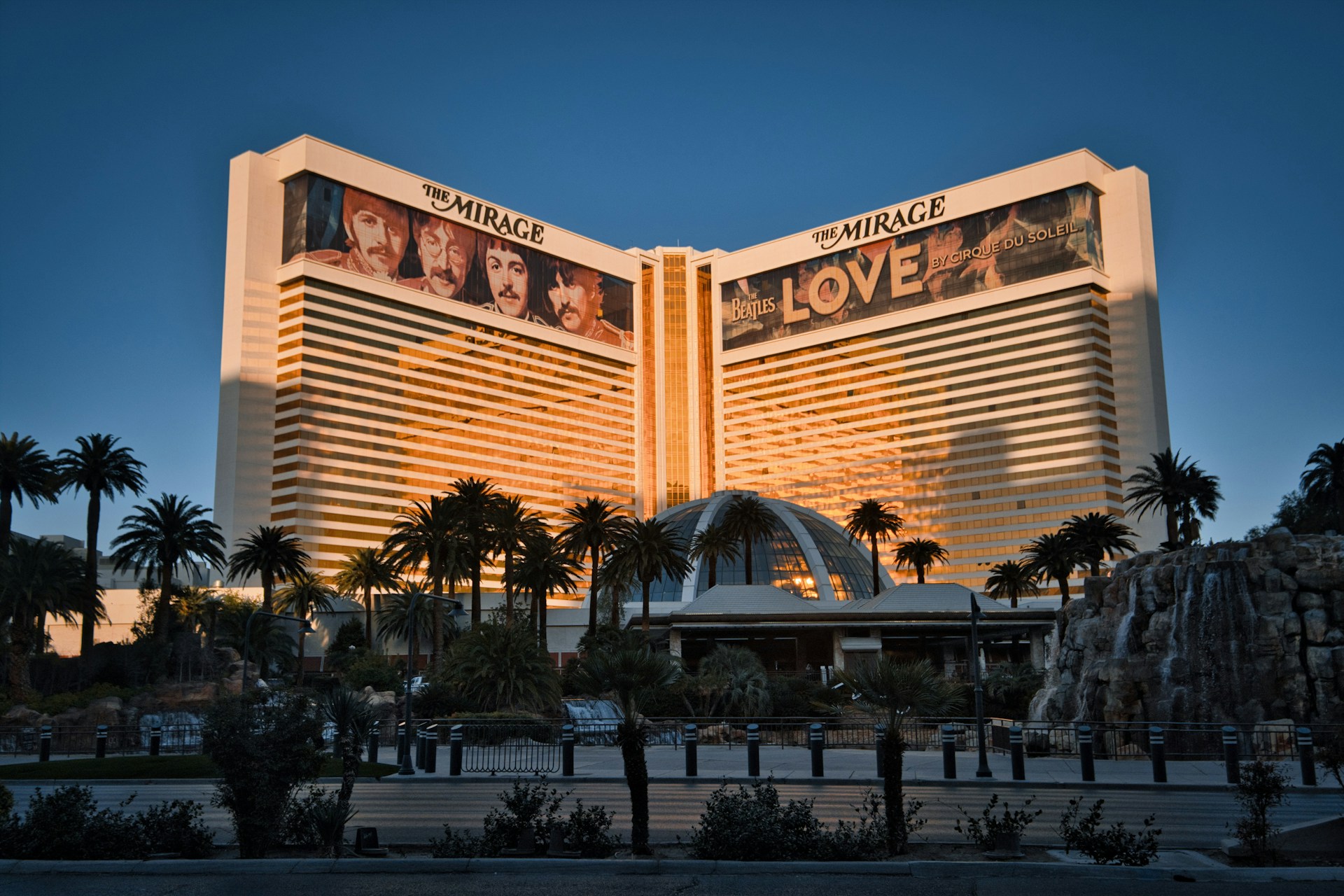
Las Vegas generally treats street RV parking as temporary, with limits that favor quick loading and unloading over overnight stays. Officials point to sidewalk access, sightline safety, and neighborhood fairness, noting that a single large rig can dominate curb space on narrow blocks.
For travelers, the issue is rarely the resort corridor. It shows up in residential streets and park edges where complaints rise if a vehicle looks settled. Leveling blocks, generators, and repeat nights are the tripwires, even when the rig is tidy. Most RV visitors do better using RV parks or private lots where overnight use is expected and services exist.
Reno, Nevada
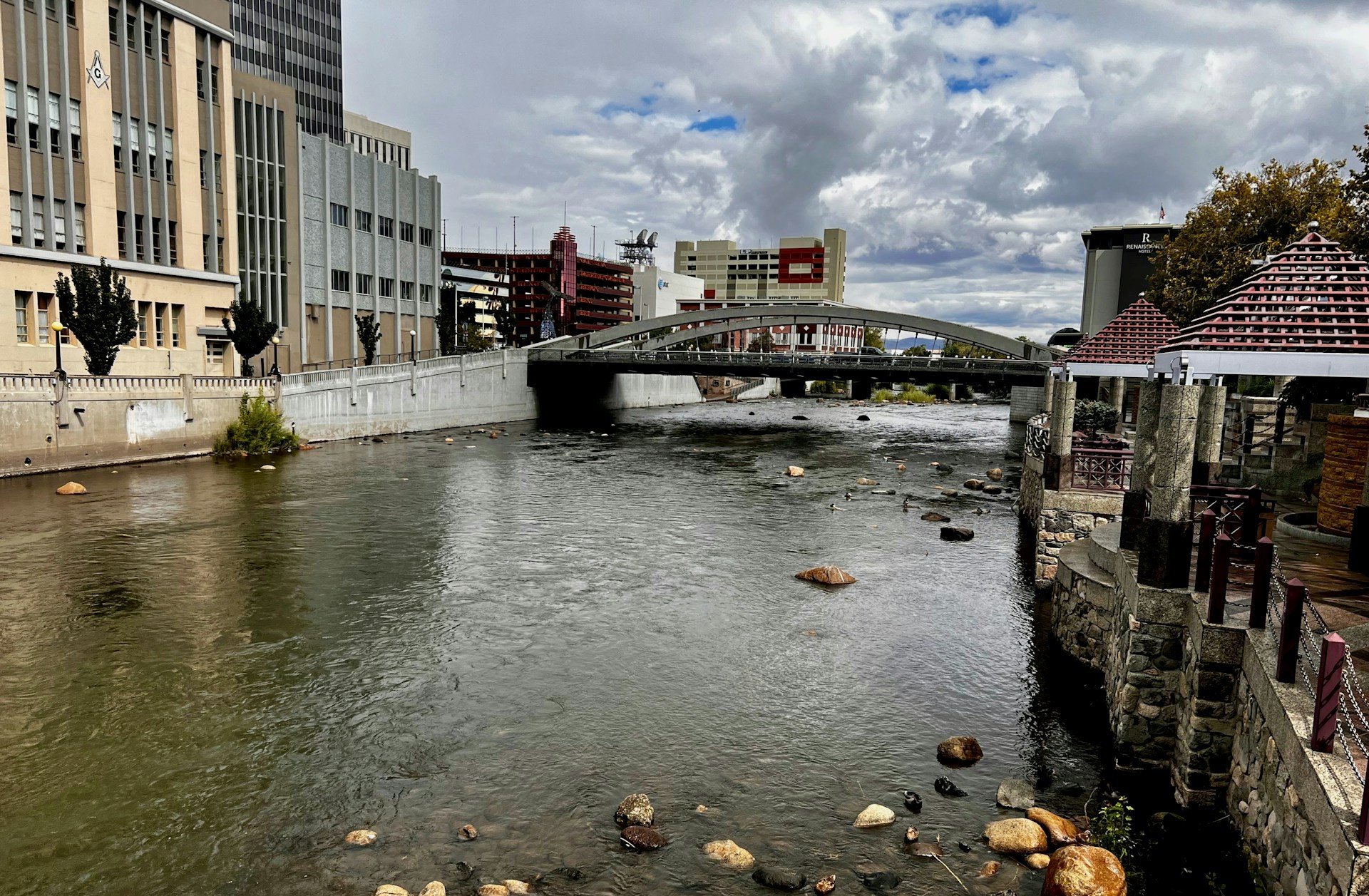
Reno has moved toward stricter responses to long vehicle stays in public space, especially when clusters appear near downtown and river-adjacent blocks. Officials frame it as keeping rights-of-way usable and reducing sanitation calls that build when rigs linger.
For RV travelers, the line between a rest stop and camping matters more now. Visible setup, repeat nights, or parking near services can trigger notices. That pushes longer stays toward RV parks and managed lots, where hookups exist and an overnight does not create friction for nearby residents. Quick, quiet stops still happen, but they require cleaner planning up front.
Salt Lake City, Utah
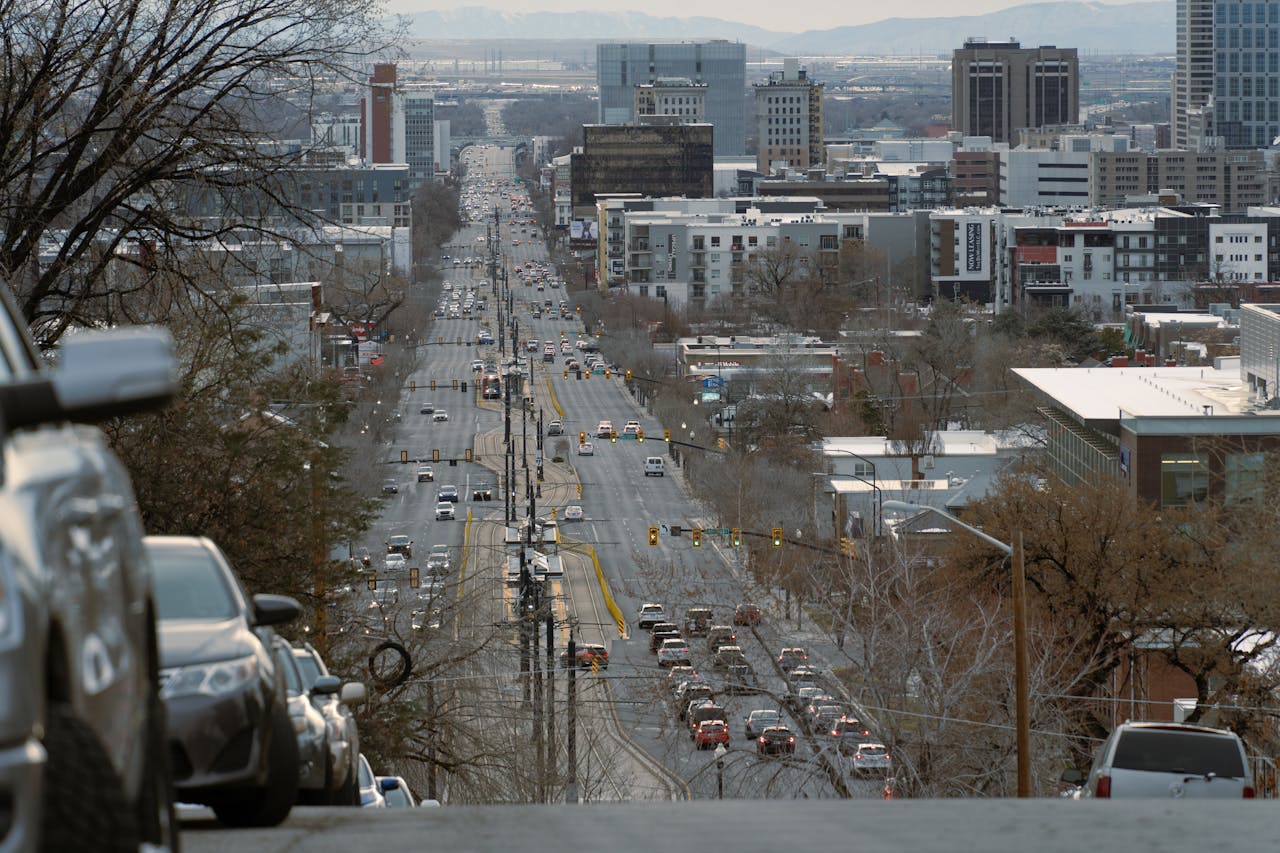
Salt Lake City enforces time limits that require RVs, motorhomes, and trailers to keep moving rather than settling on a block face. Officials tie it to access and upkeep: clear streets for emergency response and snow operations, and keep curb space from turning into long-stay lodging.
RV travelers find that a tidy rig is not enough if it stays past the limit. Small repositioning may still be treated as continuous parking once a vehicle is noticed. The safer pattern is using RV parks or approved lots, then treating curbside stops as brief and truly mobile. That reduces complaints and keeps a trip from turning into paperwork.