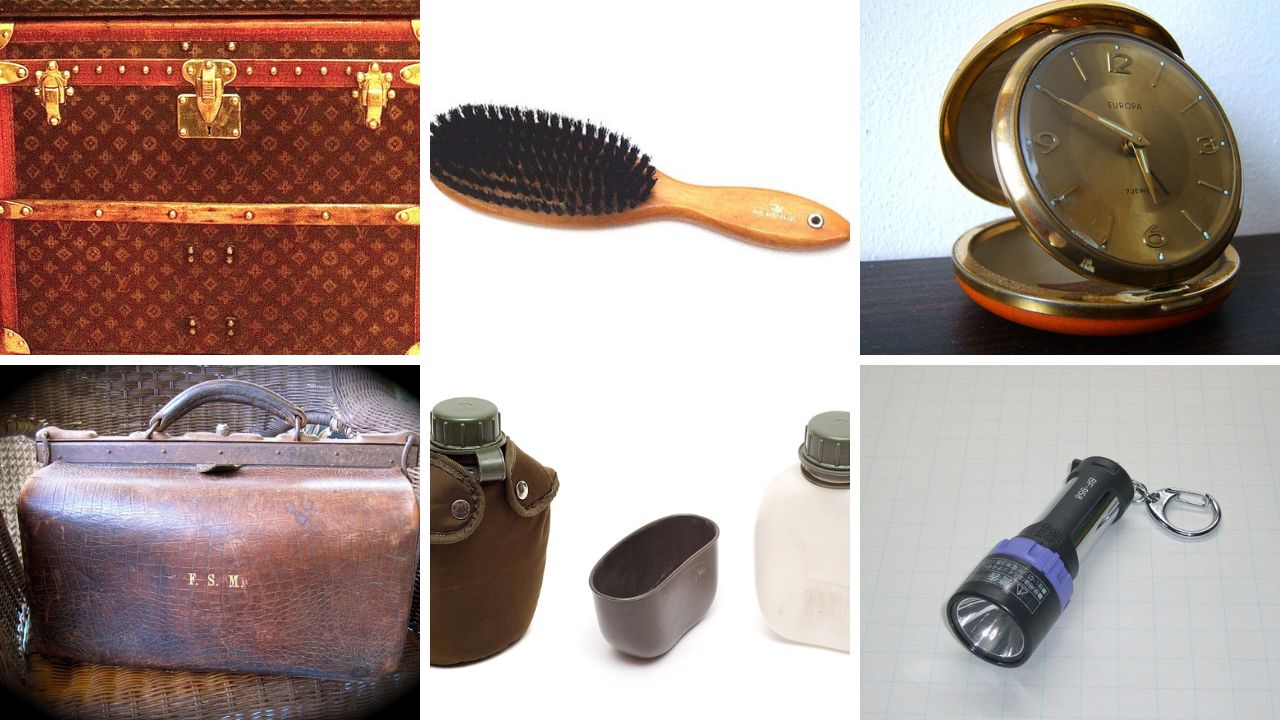
Before boarding passes lived on phones, and luggage rolled on four wheels, travel ran on patience and money. Well-off passengers carried gear that filled gaps: dim platforms, drafty rooms, and long waits between meals. A trunk behaved like furniture, and a simple flask could feel like a private safety net.
Many of those objects now sit at home, ordinary as a spoon or spare key. Seen through their travel roots, they hint at the old limits: uneven heat, uncertain water, slow messages, and the quiet labor required to stay comfortable while moving. The shine of luxury often meant nothing more than control over small problems on long routes, too.
Steamer Trunk Storage Chest
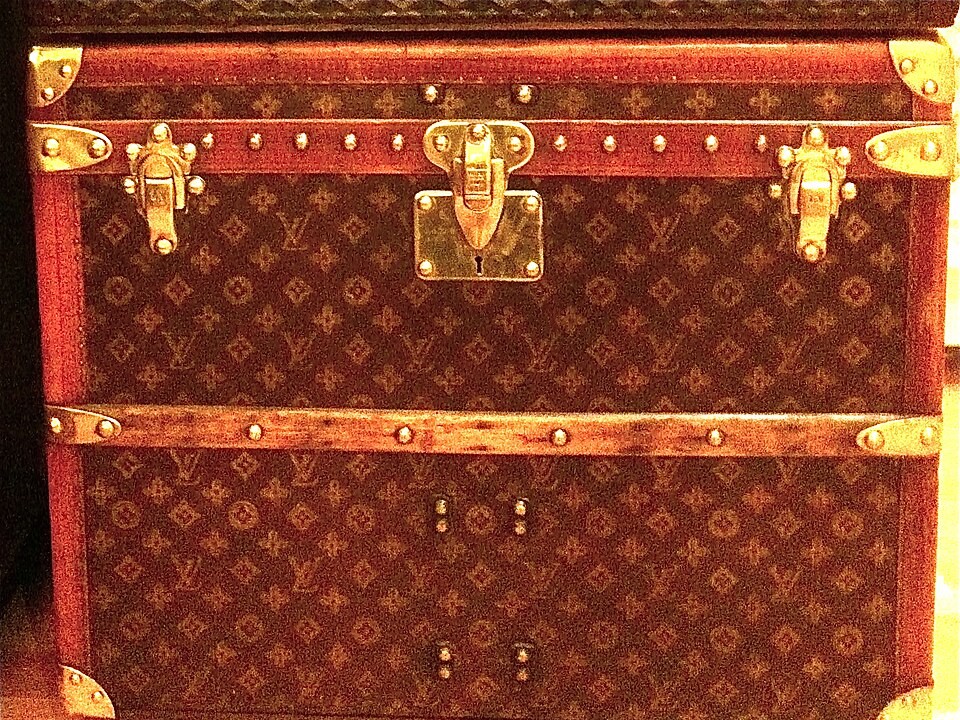
Steamer trunks were built like furniture, with wood cores, metal corners, and heavy locks that survived rail cars and ship holds. In grand hotels, trunks were unpacked by staff, then parked in closets like wardrobes, too. They signaled status because moving one usually meant porters, labeled paperwork, and extra time at each stop.
That bulk reveals an old limit: travel moved at the pace of handling. Routes assumed long arrivals, slow transfers, and luggage that could lag behind by days after a change in plans. When a trunk shows up as decor now, it quietly remembers a world where comfort traveled as cargo, not as something carried in a hand.
Hard-Sided Suitcase Without Wheels
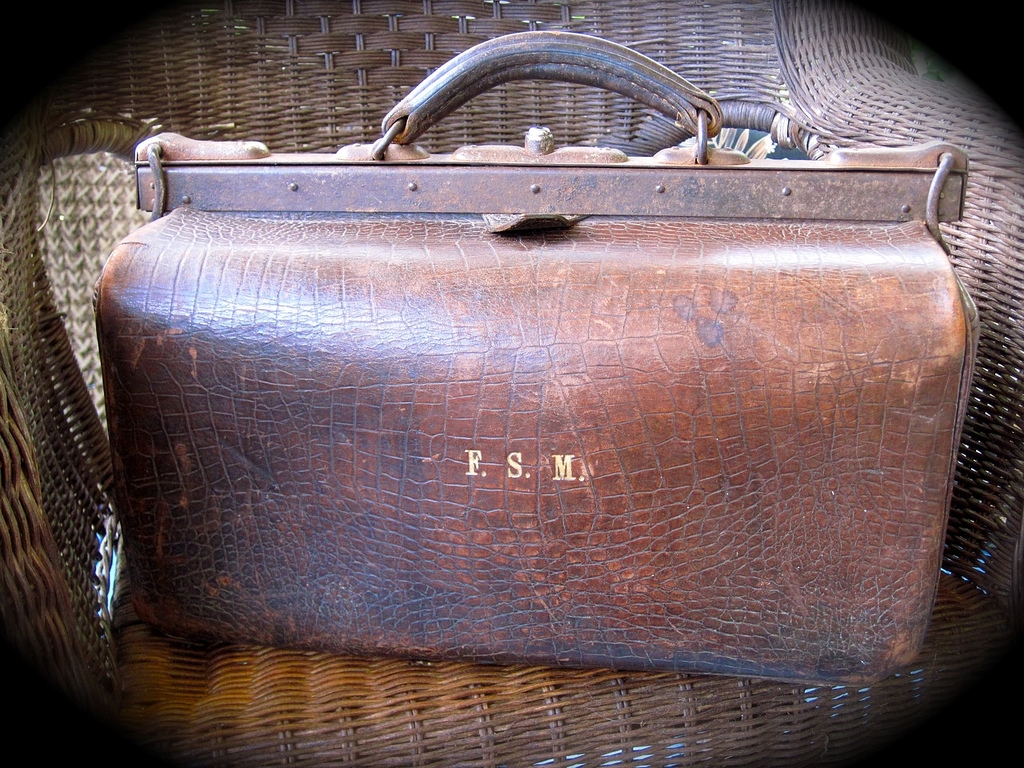
Early hard-sided suitcases and Gladstone bags were meant to look proper in hotel lobbies, with stiff frames, leather trim, and tidy compartments. Owning one implied access to doormen, porters, and rooms where bags could be opened without hurry.
The missing feature is obvious in old photos: no wheels. Cobblestones, staircases, and platform gaps made every transfer physical, so the best luggage was built to be carried well, or carried by someone else. Modern rolling cases make distance feel small, but those older boxes point to a time when even the walk from curb to counter could cost sweat, time, or a tip, and demanded calm at each step, too.
Compact Folding Umbrella
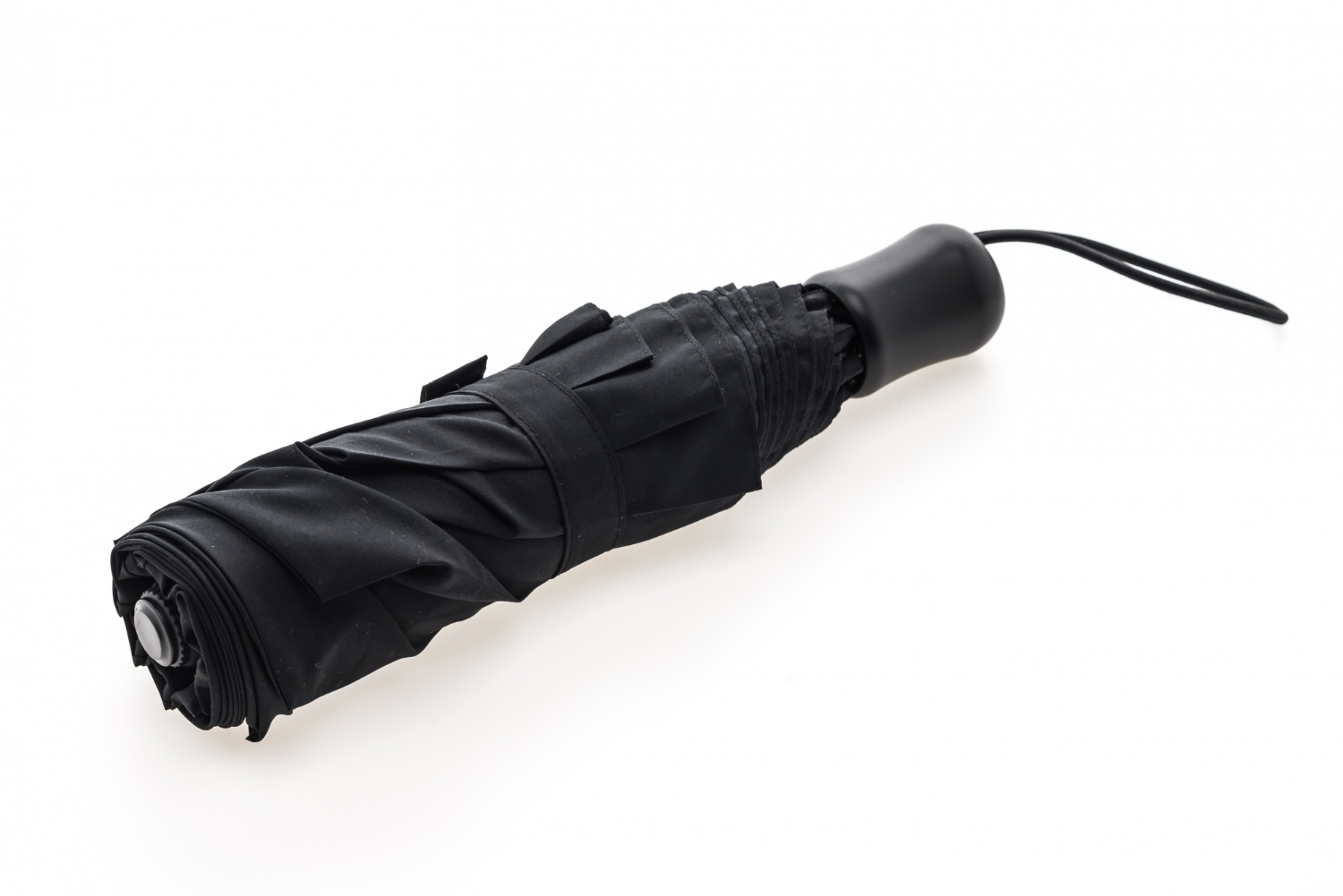
A compact umbrella once counted as premium travel gear, tucked into a coat before a train ride or city stroll. On grand tours and business trips, it was equal parts accessory and insurance when schedules left little room to wait out a storm.
It highlights an older limit: weather was harder to predict and harder to dodge. Forecasts were local, updates arrived slowly, and covered walkways were not guaranteed outside major stations, and hotels. Arriving soaked could spoil a meeting or dinner, so a sturdy canopy mattered. At home umbrellas feel casual, yet their travel roots point to how exposed everyday movement used to be in any season at all.
Vacuum Flask Thermos
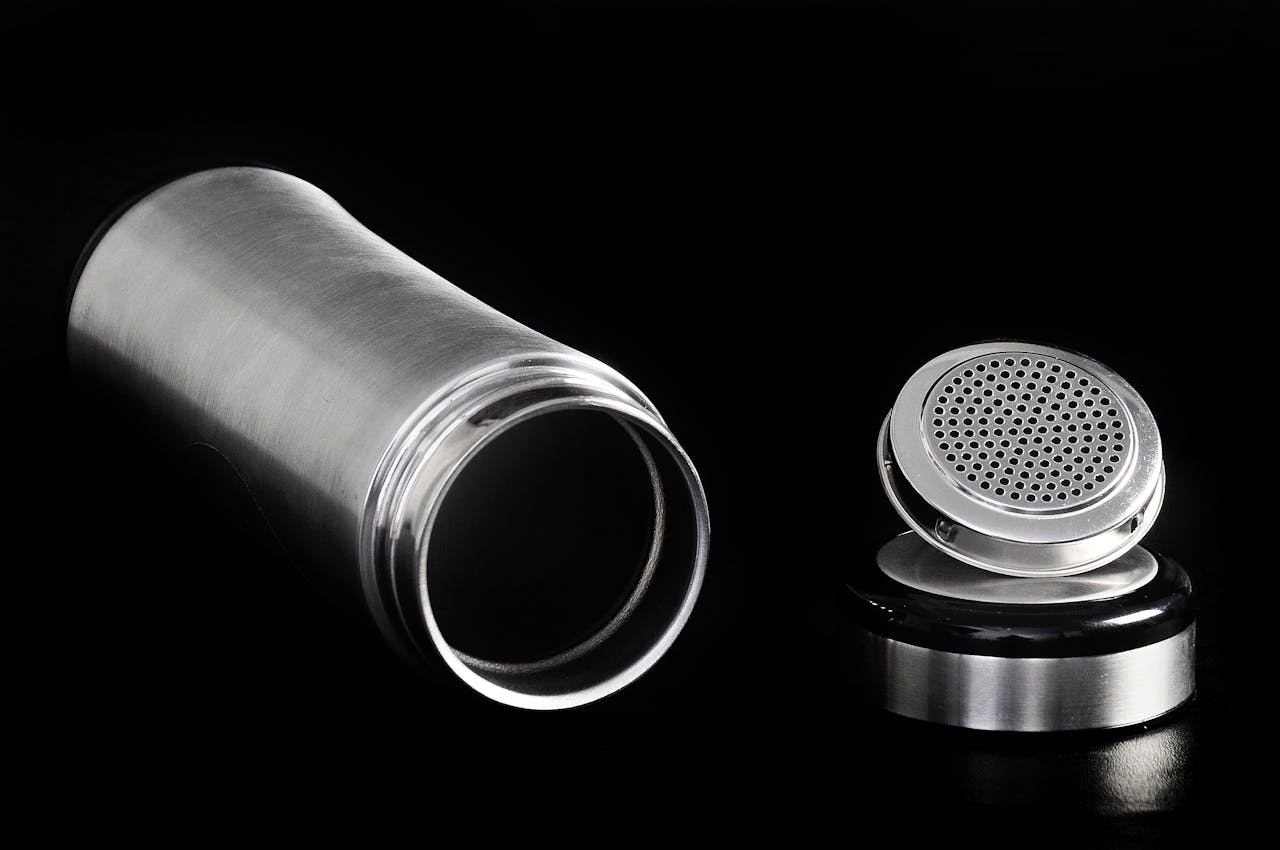
A vacuum flask was a quiet luxury on long routes, especially when dining cars ran short hours or stations offered little beyond a quick snack. Tea or coffee could be poured at dawn and still feel warm after hours of delays and platform waiting.
It points to an older limit: dependable refreshment was not guaranteed. Food service could be brief or absent, and clean cups were not always easy to find, so a sealed drink meant holding one comfort steady while everything else depended on the timetable. At home, thermoses look ordinary, but their travel roots show how thin the margin for comfort once was between stops. Warmth became portable, truly.
Travel Alarm Clock
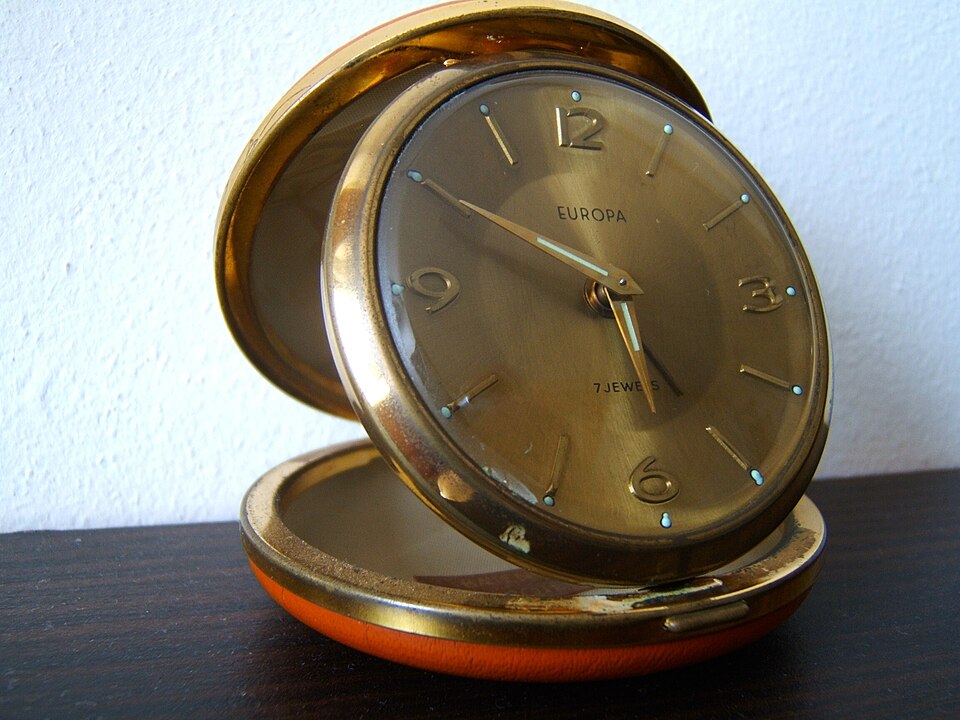
A small alarm clock was smart travel gear for guests who did not trust hotel wake-up calls or hallway bells. It sat beside the bed like a guard, protecting early trains, ship departures, and meetings set by someone else’s timetable.
The clock exposes an old limit: information moved slowly, but schedules did not. A missed departure could cost a full day, and last-minute changes might never reach a room in time. Keeping time became a kind of control in a world of paper tickets, fixed routes, and no instant updates. Kitchen clocks feel dull now, yet their travel past hints at how expensive oversleeping once was, especially on tight connections.
Compact Mirror and Powder Case
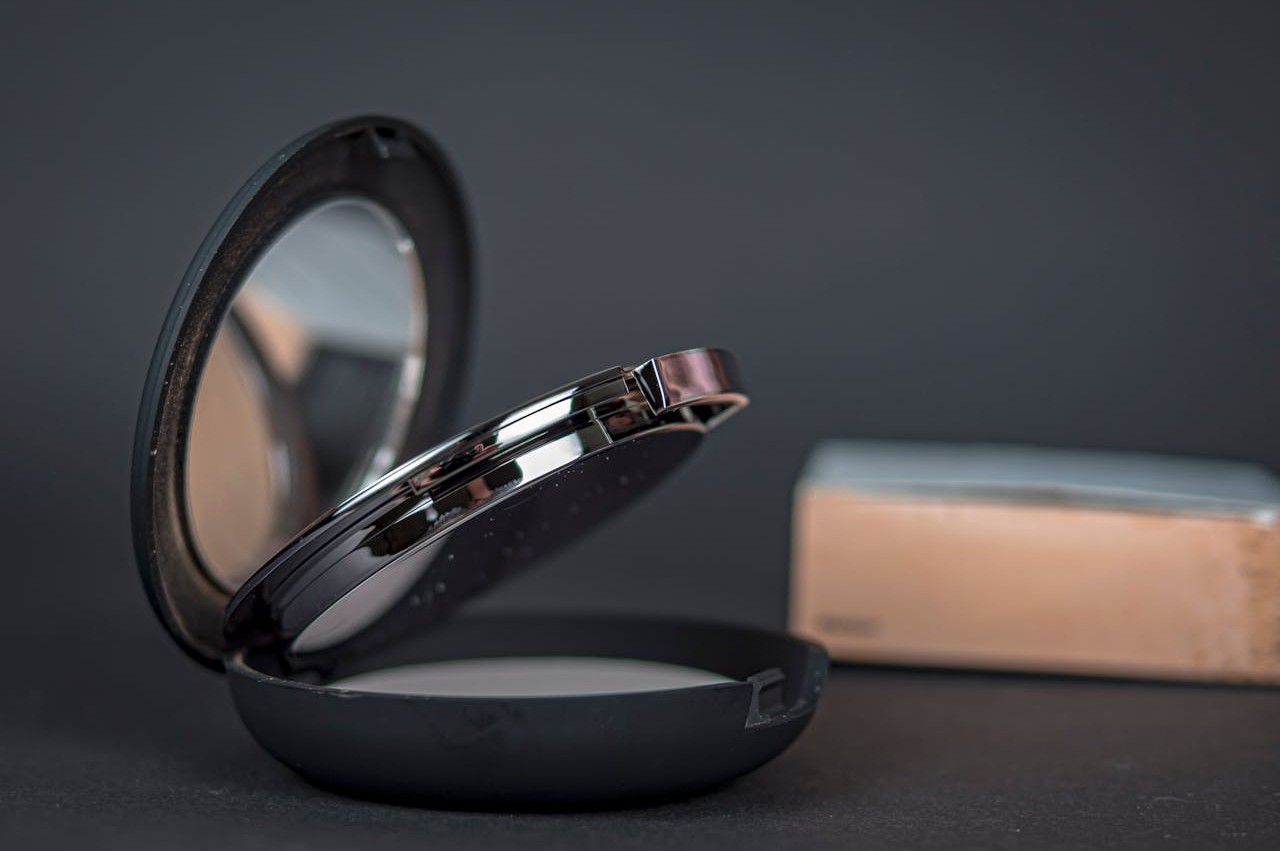
A compact mirror and powder case worked as portable dignity on trains and ocean crossings. Lighting could be uneven, washrooms crowded, and appearances still mattered at each stop, so small mirrors earned a spot in upscale bags.
They point to an old limit: privacy was scarce. A quick check of hair, collar, or lipstick often happened in a seat, a corridor, or a shared sink area, so the mirror created a tiny private zone inside public life. It kept dignity portable, discreet. In a modern bathroom it feels like a minor accessory, yet its travel history is about coping with movement that offered little room to reset between stations and dinners.
Garment Brush and Travel Iron
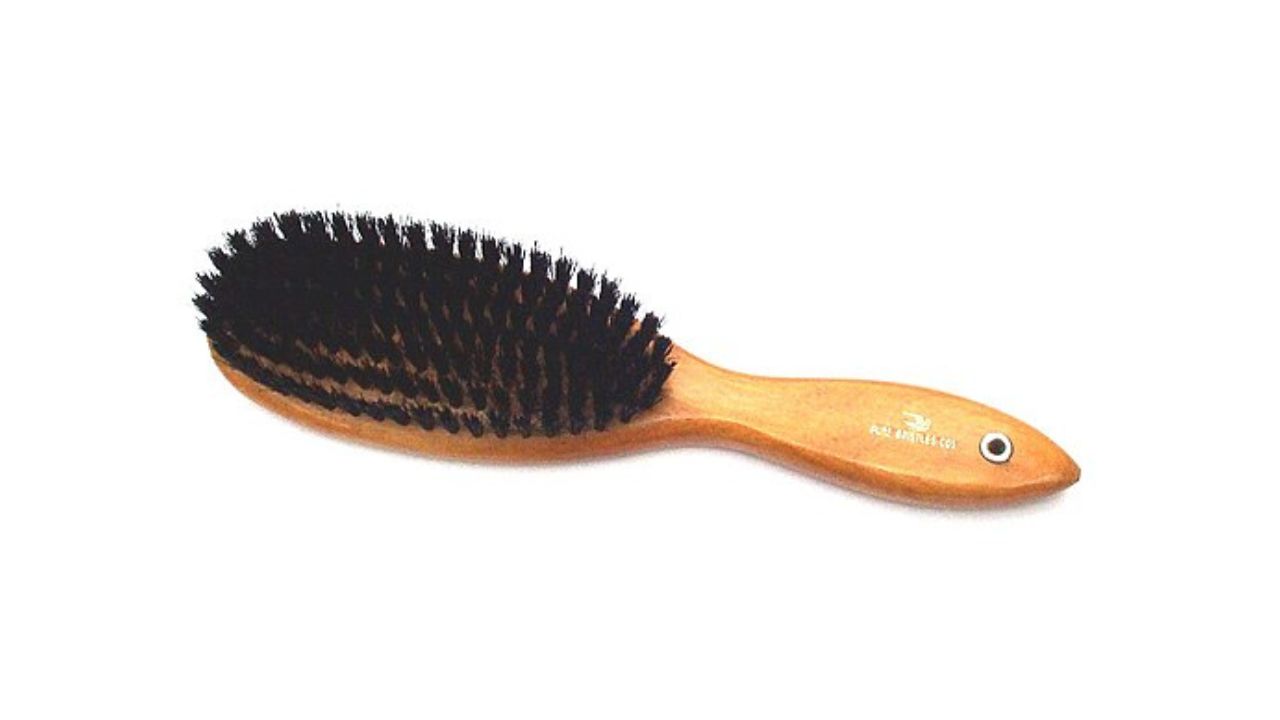
A garment brush, lint brush, or small travel iron once signaled that a trip included formal rooms and strict expectations. Train smoke, ship soot, and cramped packing wrinkled fabrics fast, and quick pressing service was not always available.
These tools point to an old limit: clothes had to present well even when conditions fought them. Brushing lint and smoothing collars became a nightly routine before dining rooms, theaters, and business calls. At home a lint roller feels mundane, yet its travel past echoes an era when looking rumpled could close doors before anyone spoke. Presentation traveled with the person, and it took work each time.
Pocket Flashlight
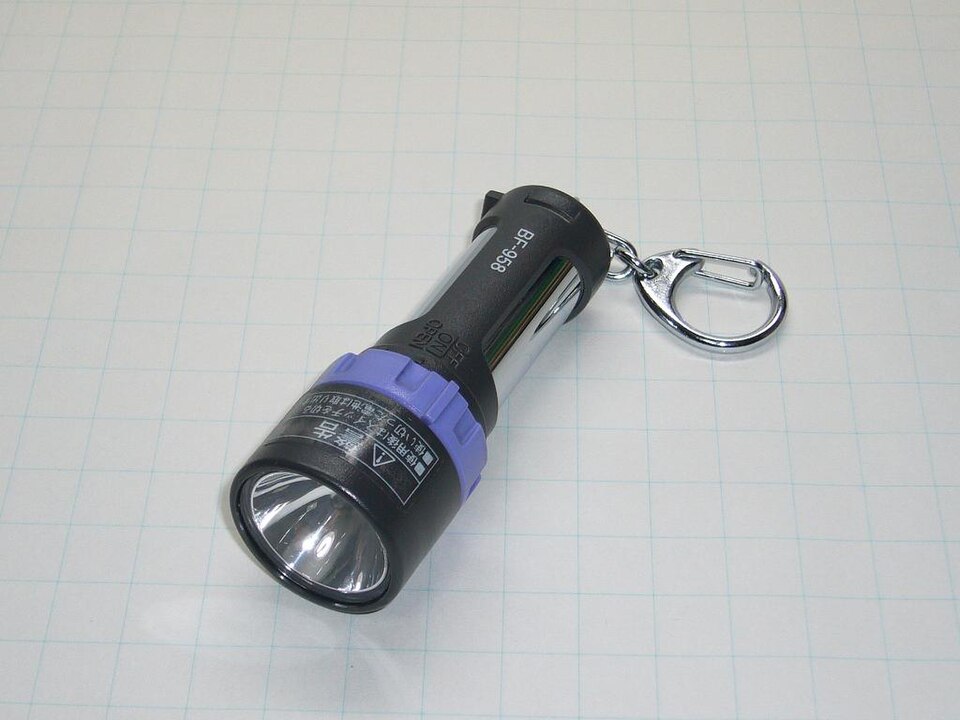
A flashlight once belonged to the well-prepared traveler, not just the camper. Hotels, train cars, and rural roads could be dim, and electricity was not always steady outside major city centers, so a personal beam earned space in a coat pocket.
It marks an old limit: night travel was darker and more uncertain. Reading a timetable, finding a room number, or locating a keyhole could require carrying light by hand. Even a brief outage turned a corridor into guesswork, and a late arrival into stress. Modern homes keep flashlights in drawers, yet their travel role was simple assurance: light on demand, when the building could not provide it, yet.
Canteen Water Bottle
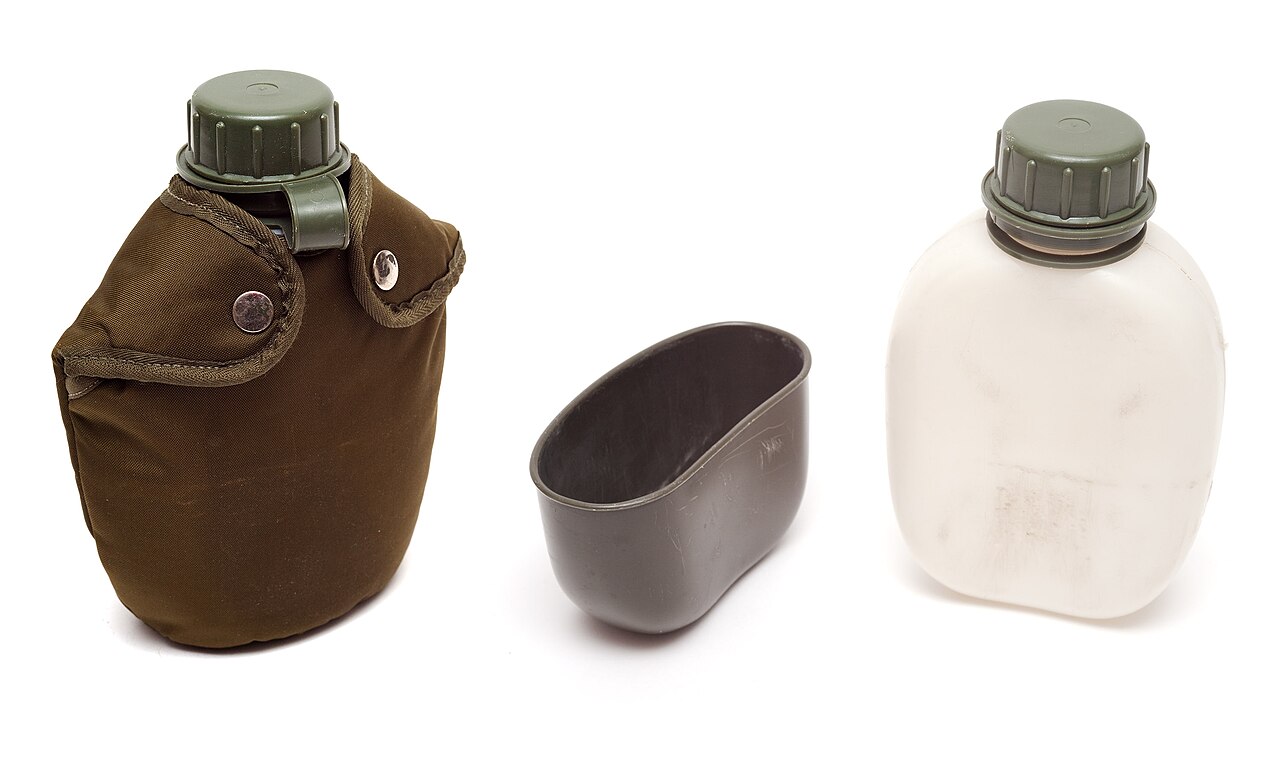
A canteen or personal water bottle was once carried by travelers who did not want to depend on station taps or shared cups. On long routes, water stops could be brief, and quality varied enough to make cautious people pack their own.
It reflects an old limit: basic services were inconsistent from town to town. A sealed container reduced surprises during delays, and it shortened the distance between thirst and relief during transfers. In modern kitchens reusable bottles signal routine, but their travel origin was control when water could not be assumed and the next clean drink was never certain. Even on famous lines during long station waits.
Folding Hand Fan
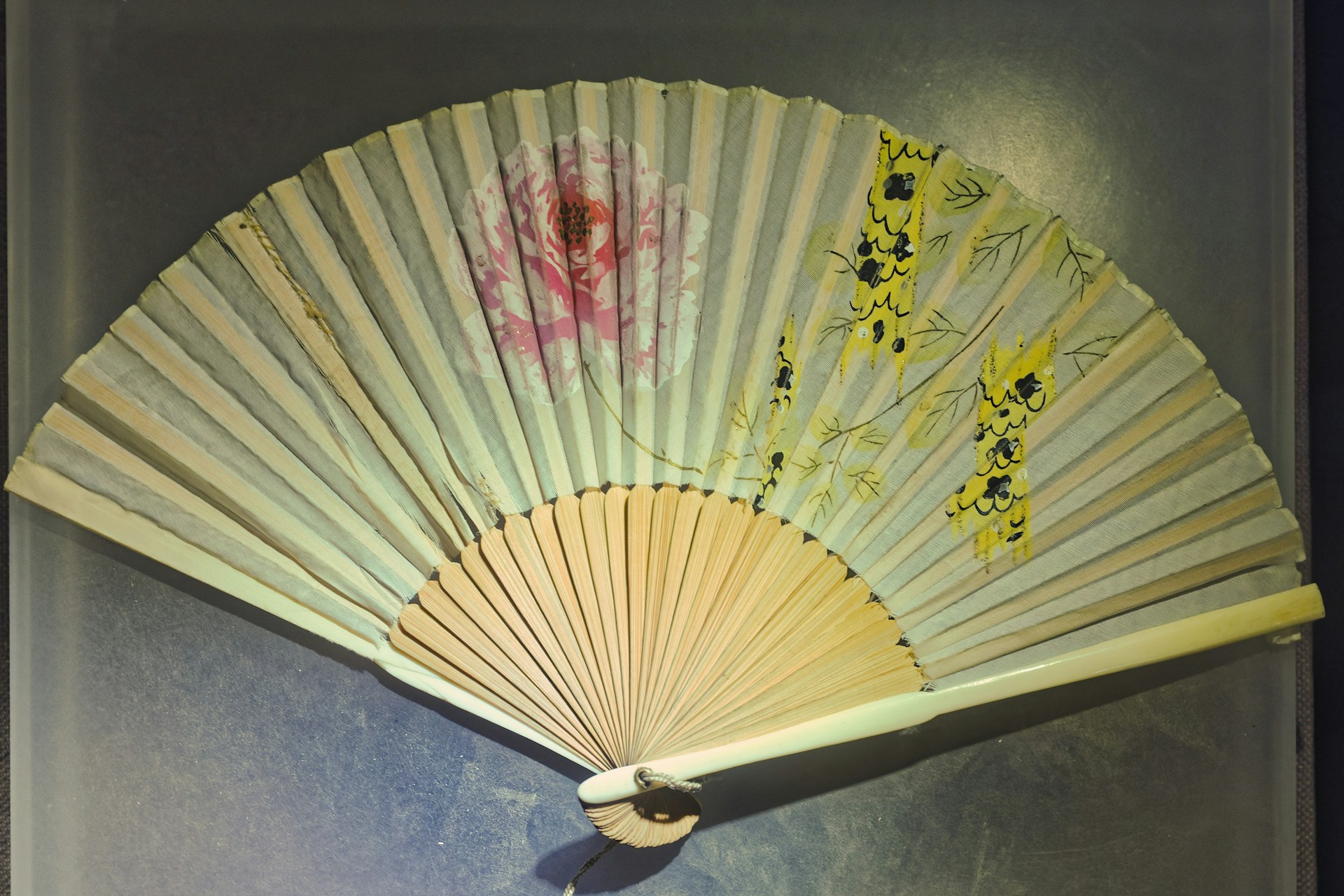
A folding hand fan once served as polite travel gear, carried onto ship decks, into rail cars, and through humid city streets. Before widespread air conditioning, summer travel meant crowded spaces, slow air, and dress codes that ignored the temperature.
It points to a simple limit: heat had to be managed by habit. Shade, open windows, and late-evening strolls were the real strategies, and they disappeared behind closed doors. A fan offered quiet relief without asking anyone to change the room. In many homes fans are background tools, but their travel history recalls trips where comfort depended on personal effort, not settings. In damp air.
Fountain Pen and Stationery
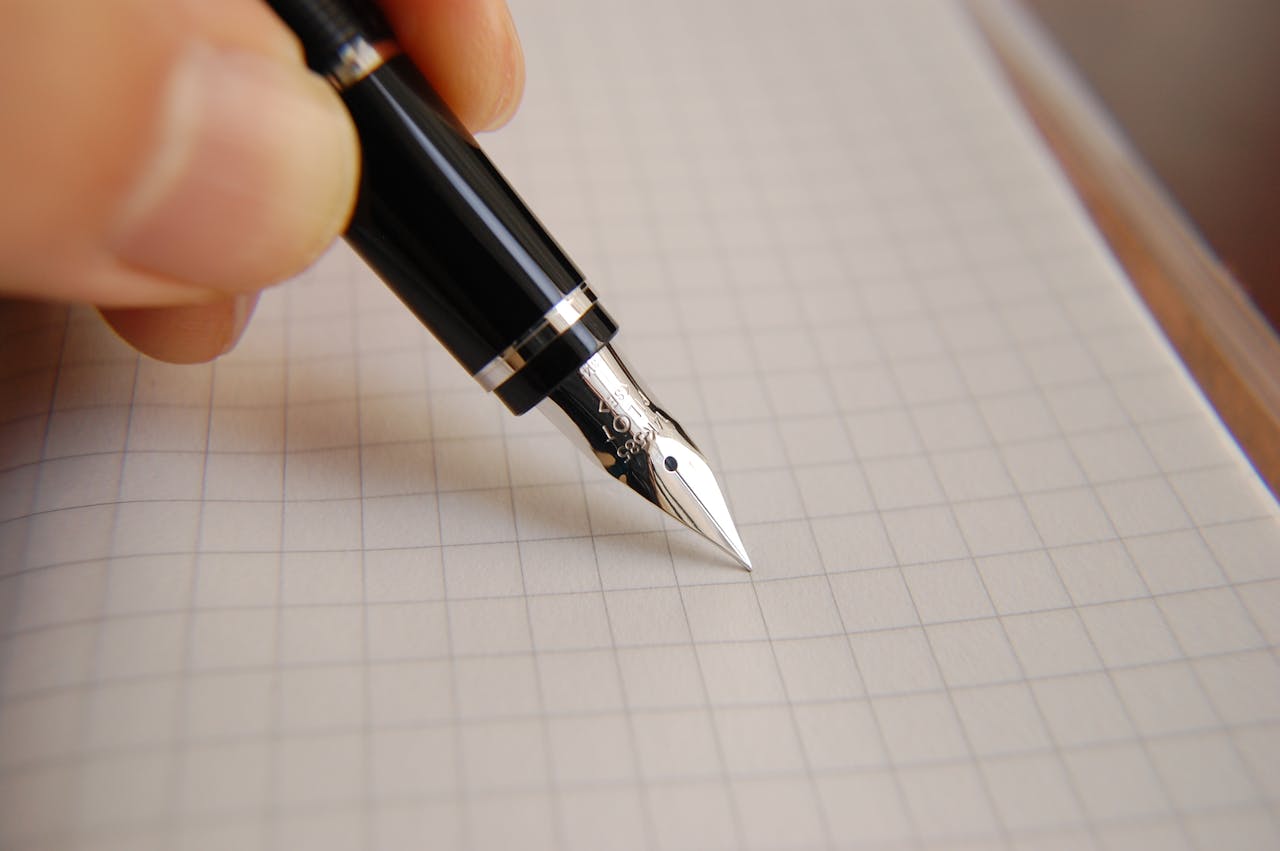
A fountain pen, blotter, and stack of stationery once belonged to travelers facing long routes and long silences. Letters were written in hotel lounges, ship verandas, or café corners, because updating family or business partners meant ink, postage, and patience.
The kit reveals an old limit: distance created delay. News arrived on paper, replies could take weeks, and a pen had to keep working after bumps, temperature changes, and poor lighting. At home pens sit everywhere, but the travel habit behind them was careful communication when the only way to stay present was to write clearly, early, and often and then wait for the world to answer.
Film Camera
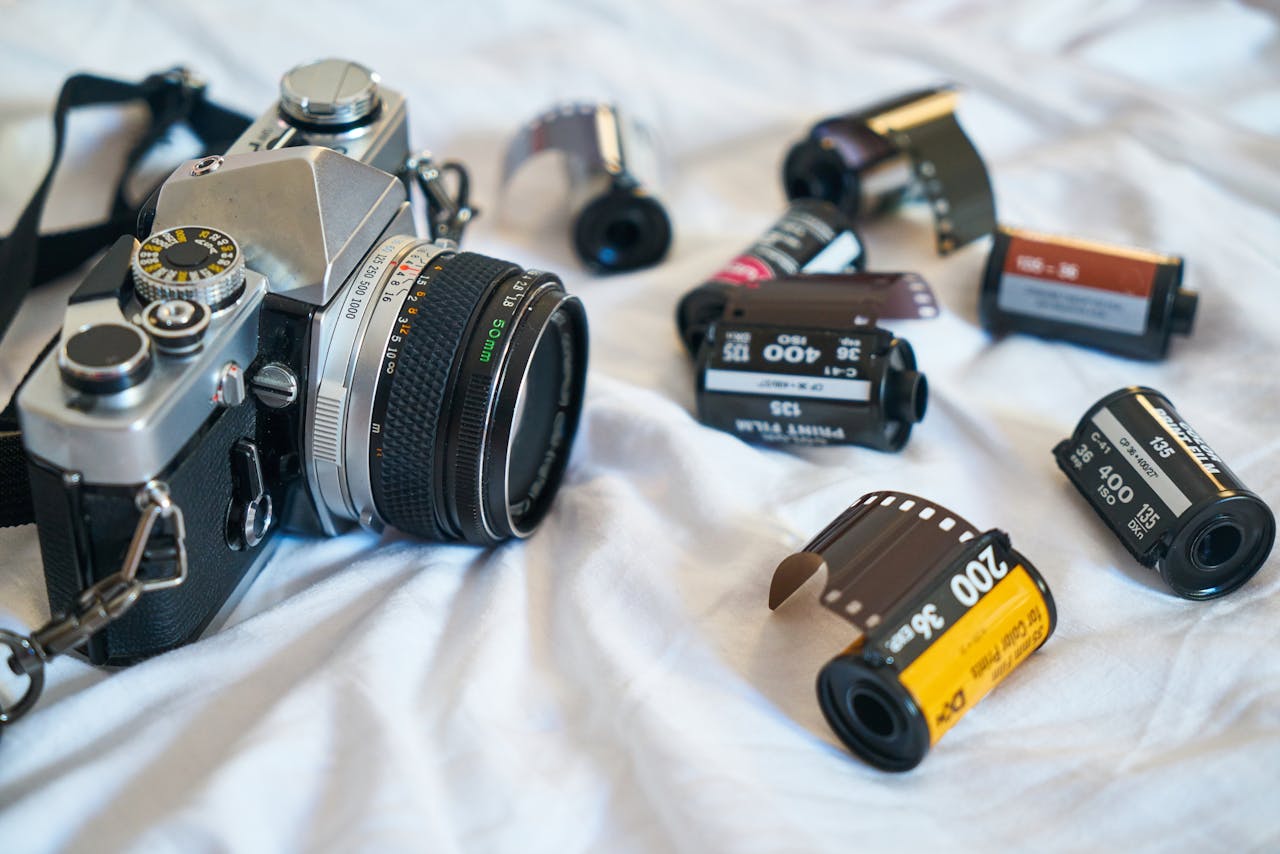
A film camera once traveled as a luxury object, packed with spare rolls and a small manual. Taking photos meant planning for light and timing, because each roll held only so many frames, and every click had a real cost.
It reflects an older limit that shaped memory: images were scarce. A moment might be skipped to save film for landmarks, and results stayed unknown until development later. Bad exposure or blur could erase an entire afternoon. Phones made photos endless, but the household camera and old albums remember trips when patience mattered and memory felt rationed. That scarcity changed what was seen and what must live as story alone.