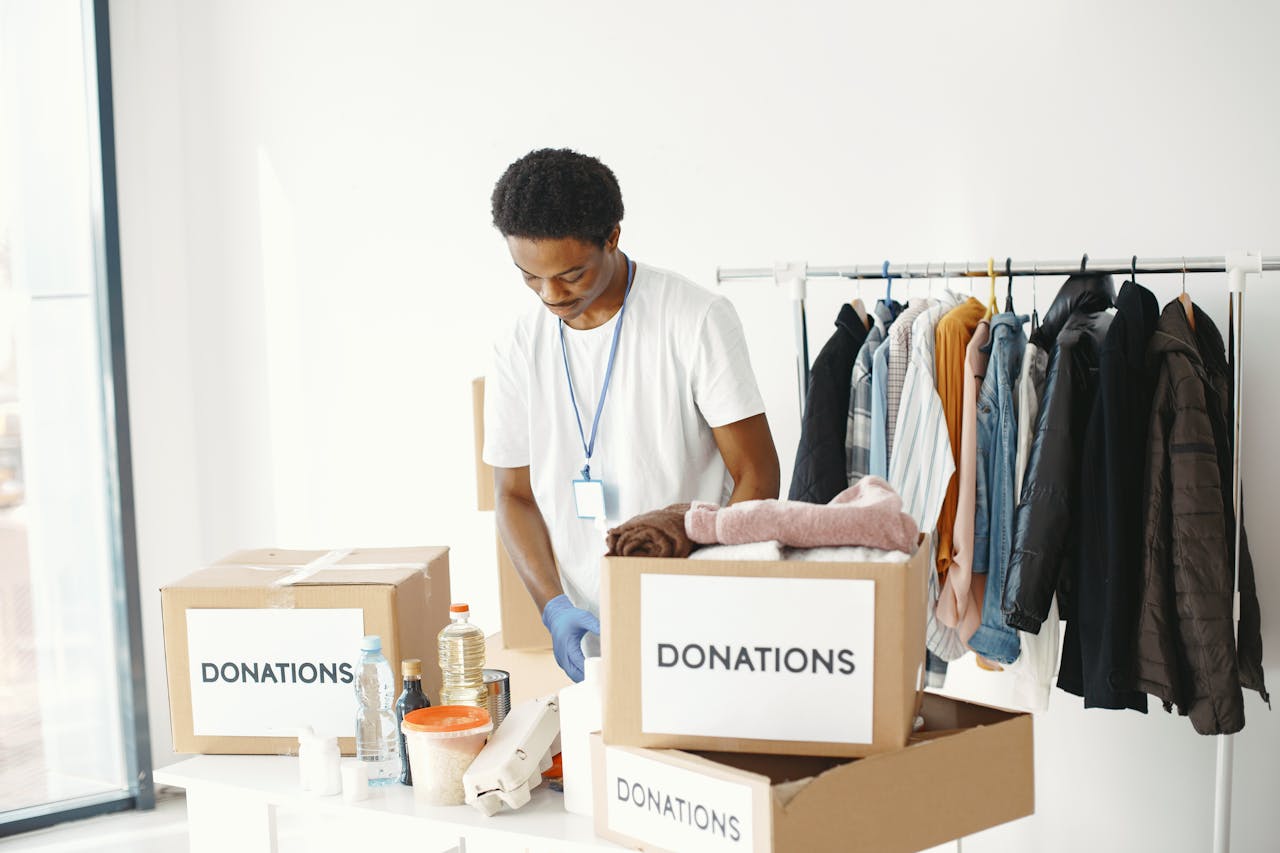
Dropping off a bag at a thrift store feels like a clean win: less clutter at home, more affordable goods in the community, and fewer items headed for landfills.
Behind the donation door, sorters make quick calls for hygiene, safety, store policy, and local rules. Recalls shift, parts go missing, and storage conditions stay unknown, so some perfectly ordinary items never reach the sales floor. What surprises many donors is how routine these rejections are, and how easily a few can be rerouted to safer, more useful second lives with a little planning and the right drop-off spot nearby. Often, the decision is made fast.
Knives

Kitchen knives, pocketknives, and even steak sets often get pulled during sorting. Some shops treat any sharp blade as a safety and liability concern, so it never reaches pricing, even when it is clean and valuable.
Staff cannot track a knife’s history, edge condition, or secure packaging, and crowded aisles leave little margin for mishandling. If a store does accept knives, it may require a sheath or taped edge and a firm bundle. High-quality knives tend to do better through direct hand-offs to family, culinary programs, or a call-ahead shop that confirms blades are accepted and displayed responsibly. Local rules can ban resale.
Car Seats And Strollers
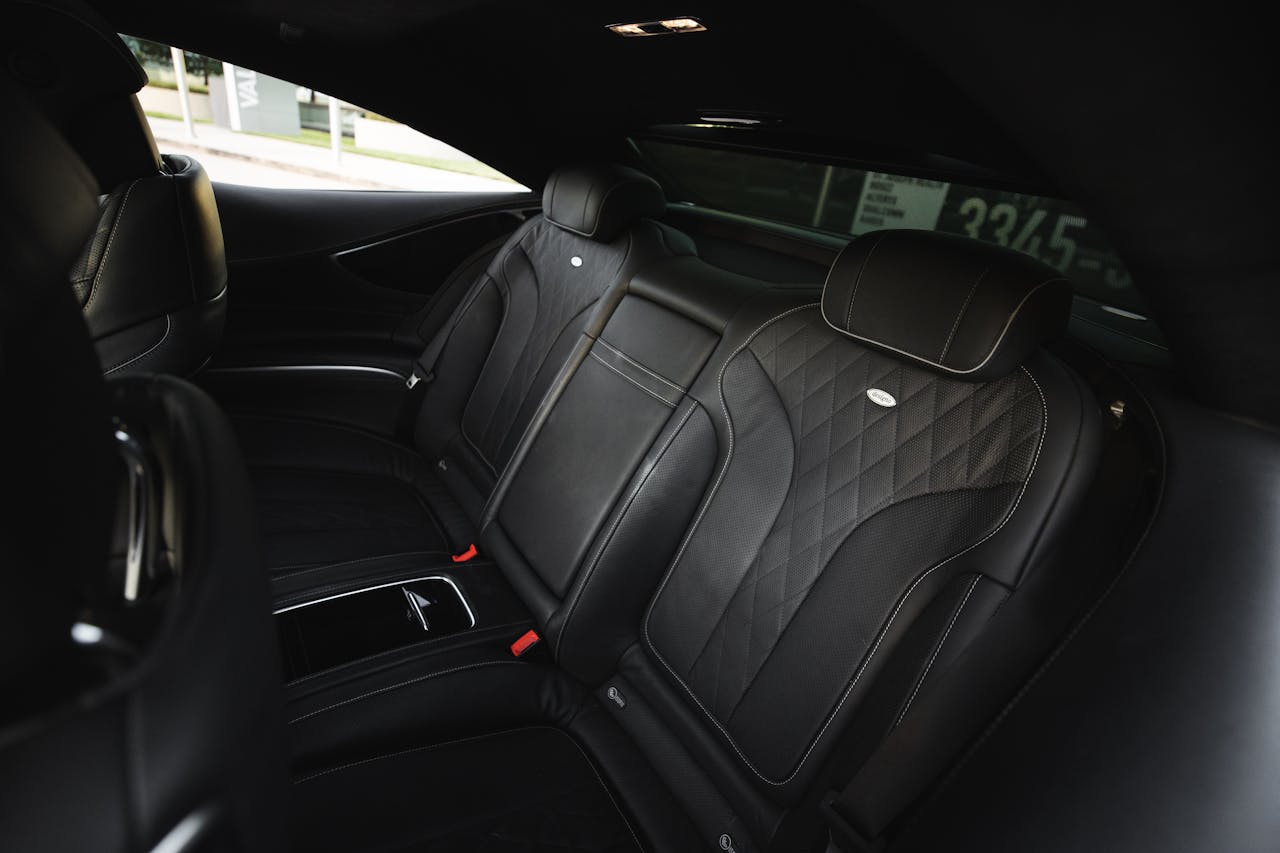
Car seats and strollers look like ideal hand-me-downs, yet many thrift stores refuse them outright. Recalls change often, and one missing clip or worn strap can become a real safety problem, even if the fabric looks new.
Sorters cannot verify crash history, model dates, or whether a seat still matches current manufacturer guidance, so the risk falls on the store. Some locations recycle them, but many do not, and storage space is limited.
Better routes include manufacturer take-back events, municipal recycling, or direct gifts to family and friends who can confirm fit, weight limits, and that all parts and manuals are included.
Partially Used Cosmetics And Skincare

Partially used makeup and skincare usually get discarded on sight. Sorters cannot confirm age, storage conditions, or whether a product was shared, and even clean-looking palettes can grow mold as formulas break down. Even samples get pulled.
Most shops only accept cosmetics that are factory sealed, since anything opened raises hygiene concerns that staff cannot sanitize or date with confidence.
Unopened items fit better with shelters or hygiene drives that request sealed products. Empty containers can still be kept: glass jars work for coins or pins, and sturdy compacts hold small craft supplies after washing without fuss.
Bike Helmets
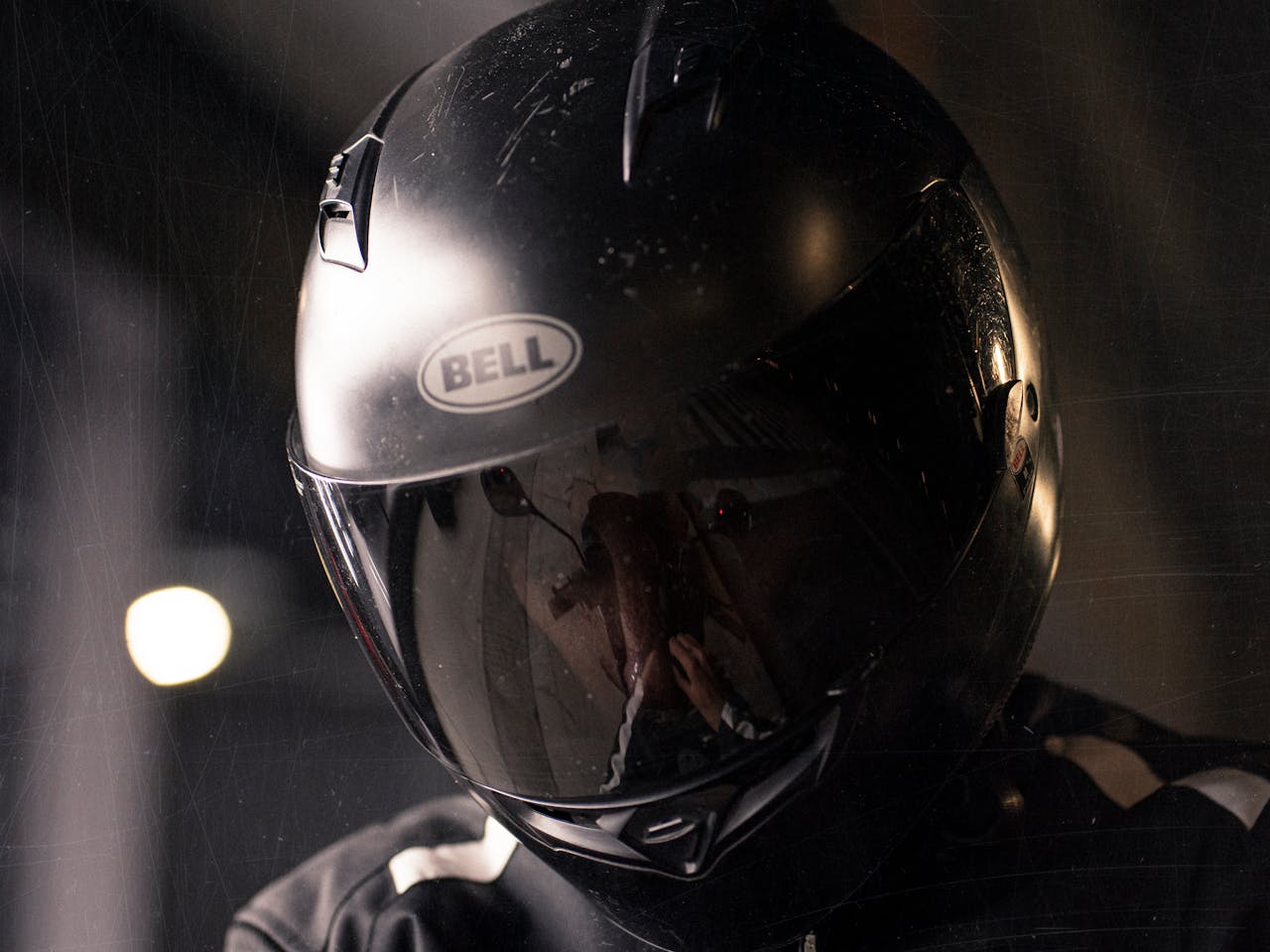
Used bike helmets often disappear before they ever reach a shelf. Protective foam can degrade with age, heat, or a past impact, and that damage is not always visible from the outside.
Thrift stores rarely have the time to match each model to current standards or recall lists, so they avoid selling something that might fail when it matters. Even a helmet that looks fine may be out of date or missing pads.
New-in-box helmets are the exception at some shops. Otherwise, community bike co-ops may sort safe models, and the rest belong in manufacturer take-back programs or approved recycling drop-offs when available locally.
Reusable Grocery Bags
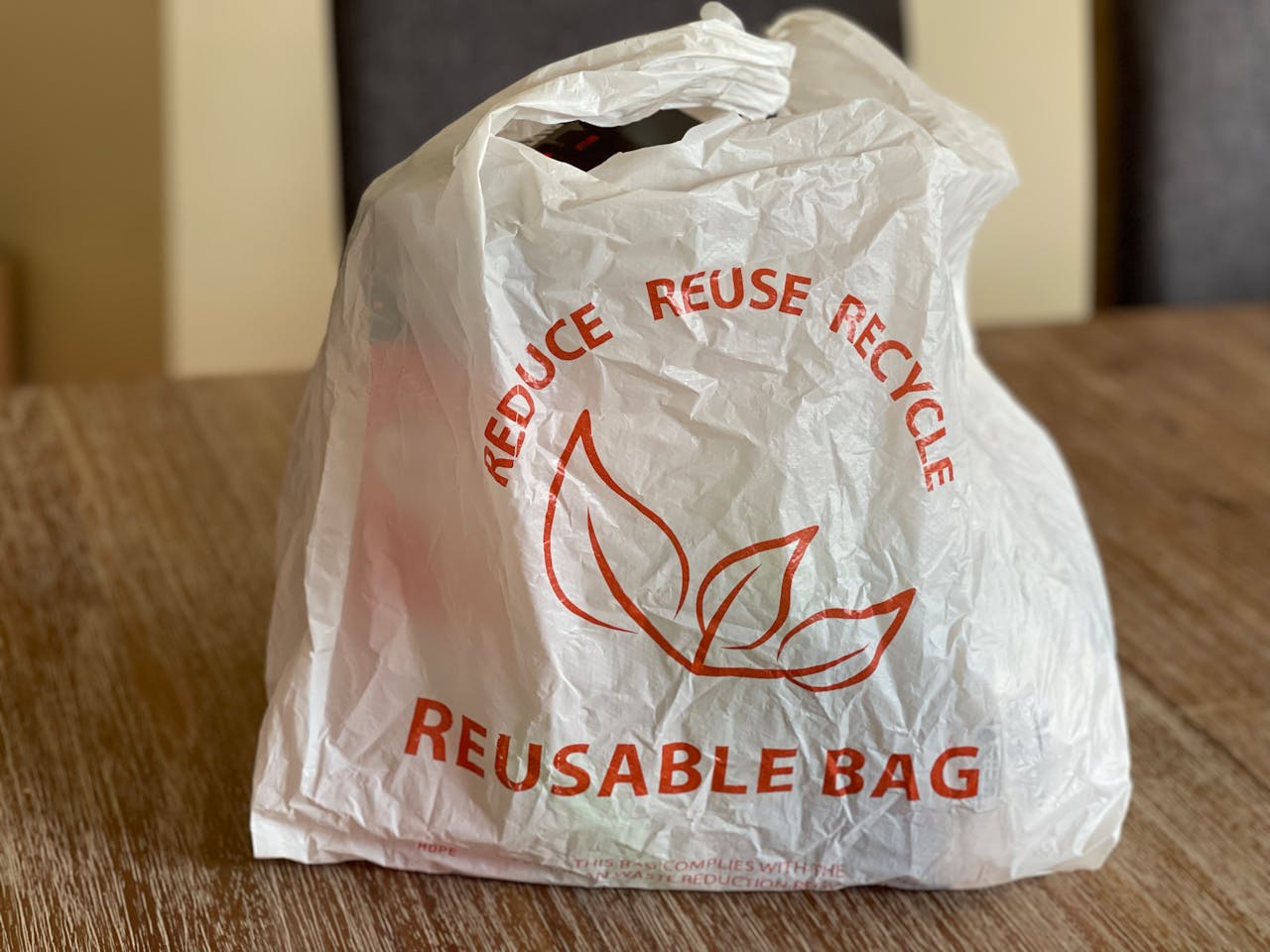
Reusable grocery bags seem harmless, but thrift stores receive mountains of them because donors use the bags to deliver other donations. The overflow becomes backroom clutter that still needs sorting and storage. It also swallows space meant for sellable goods.
Stores try to sell them or hand them out at checkout, yet only about 10% of the nicest bags are marketable. Stained fabric, strong odors, and heavy branding make the rest hard to shift.
Keeping the best bags in rotation at home prevents waste, and extras can be offered to food pantries, community fridges, or grocers that welcome spare carryout bags for busy pickup days.
Broken Mirrors

Cracked mirrors and chipped glass rarely make it to the floor, even when the frame looks beautiful. Sorters treat sharp edges as a handling hazard from the start, and buyers tend to pass on damaged reflective glass.
Antique dealers also note a stubborn superstition around broken mirrors, which can sink demand before a price tag goes on. Add the risk of shards during transport, and most shops choose disposal.
Better outcomes come from repairing the pane, salvaging the frame for art, or turning pieces into a mosaic with careful sealing. If repair is not realistic, municipal glass disposal keeps splinters out of donation bins.
Vacuum Cleaners
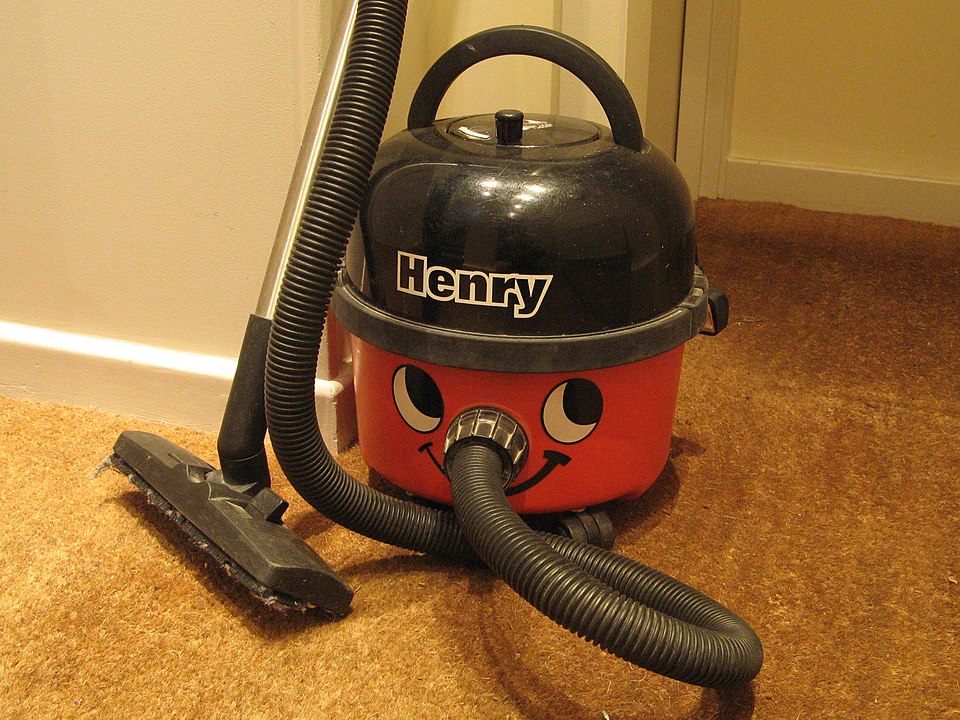
Vacuum cleaners arrive in donation bays in rough shape: clogged hoses, weak suction, missing attachments, and dusty filters, even when the power switch still works. Testing and cleaning them can cost more time than the resale value.
Sorters see too many machines that look fine but fail basic checks because a belt is worn, a brush roll is jammed, or the canister smells stale. Unless a vacuum is unused in its packaging, many stores skip it.
Local repair clinics and small-appliance shops can sometimes revive a decent model when parts are still sold. When a vacuum is beyond saving, an appliance recycling program is the clean exit.