Europe’s older cities make small habits easy to read. A voice that carries in a café, a suitcase that rattles over cobblestones, or a casual request that reshapes a menu can stand out fast. Locals rarely need a passport to guess; they notice volume, posture, and how someone moves through tight spaces. In winter train halls and summer plazas, stone surfaces bounce sound, and narrow sidewalks compress crowds. Most cues are harmless, even charming. Still, one signal comes up again and again across stations, museums, and restaurants: Americans often sound louder than the room expects, even when the mood is relaxed there.
The Volume Level
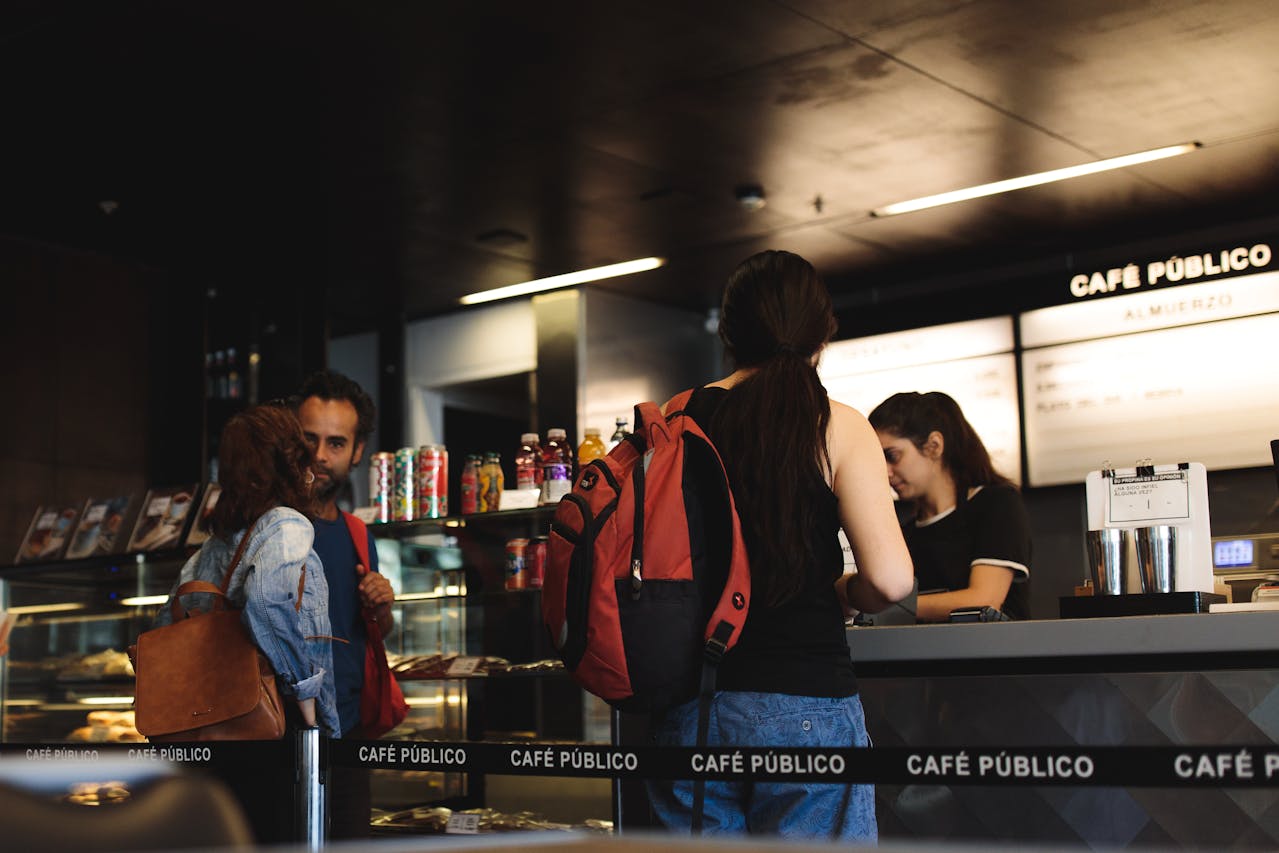
On a platform or in a soft light café, a louder voice can be the quickest tell. Many European public spaces are compact, and the hard surfaces that make old stations beautiful also bounce sound, so a casual chat can carry across the room.
In the U.S., bigger rooms, wider streets, and louder sports culture can make projecting feel normal, not rude at all. In many European cities, quiet reads as a shared favor, especially on trains and in small restaurants, so one upbeat table can draw glances even when nobody says a word. Locals often guess American before an accent appears. It is more about contrast than blame. Most days.
Baseball Caps Everywhere

A baseball cap is everyday gear in the United States, but it is less common for adults in many European city centers. That gap makes the hat feel like a travel marker, especially when it carries a bold team logo or a souvenir patch.
Locals often notice caps inside museums, historic churches, or nicer restaurants, where headwear is worn less casually. The cap is not rude on its own; it simply reads as practical, sporty, and American. In cities where street style leans muted and layered, a bright cap can stand out the way a tour map in hand does. Exceptions exist, and many wear one for sun, but the signal lands fast, too.
The American Lean
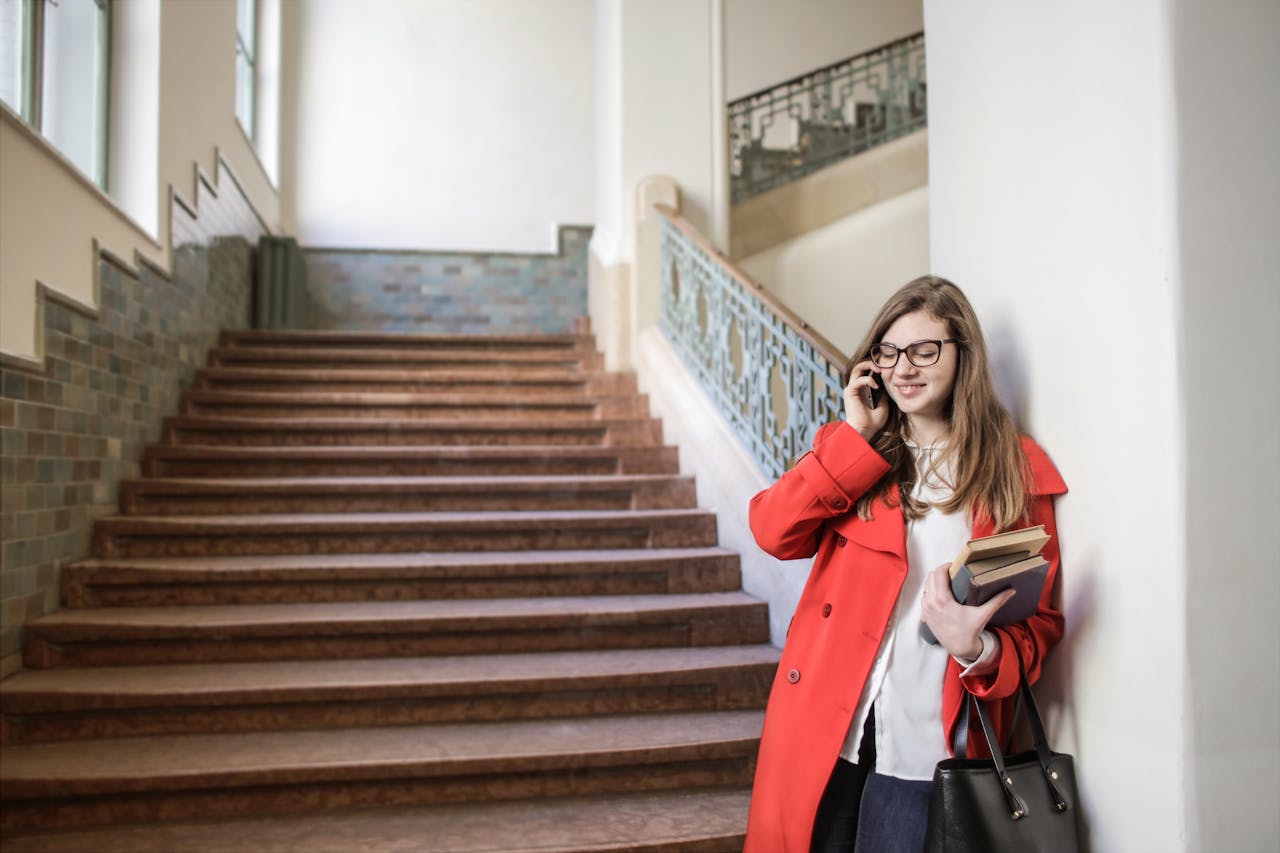
Some locals joke about a tiny posture cue: Americans often lean on walls, poles, or railings while waiting or chatting. In older districts, that relaxed stance can look like using the city as furniture, and it stands out against straighter, more contained body language.
Across many European cities, people tend to stand upright and keep their bodies close, partly because sidewalks are tight and foot traffic moves quickly. The lean, paired with a long pause at a doorway or a bus stop, can read as tourist energy before any words are exchanged. It is an easy habit to miss because it feels so natural. Locals spot it in seconds.
Requesting Substitutions
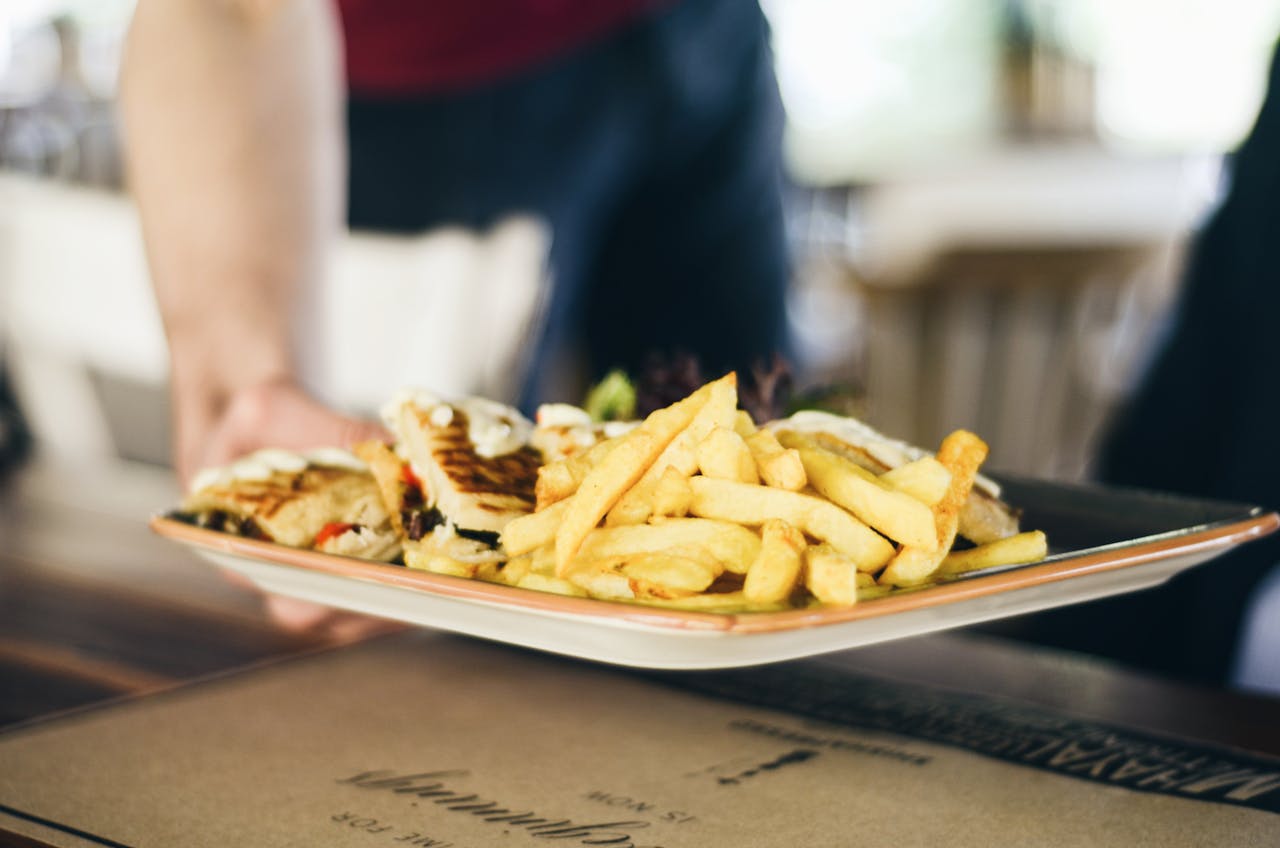
In many U.S. restaurants, swapping sides, removing ingredients, or customizing a plate is normal. In parts of Europe, the menu is treated as a finished set of choices, so frequent changes can feel like rewriting the dish mid-service.
Small kitchens often run on tight timing, and servers are not expected to negotiate each component. Allergies and dietary needs are usually handled carefully, but a long list of edits, sauces on the side, or extra swaps can mark a visitor fast. The request is not offensive; it simply clashes with a dining culture that values the chef’s balance and a steady pace. Most places still try to help.
Rolling Luggage Noises

Cobblestones were built for feet, not wheels, so a hard shell suitcase can announce itself from half a block away. In quiet morning hours, the clatter bounces between façades and turns a simple arrival into a soundtrack.
Many residents choose smaller bags or backpacks because walk-up apartments, narrow staircases, and tiny elevators make heavy luggage a constant chore. Smaller loads are also easier on packed trams and steep street climbs. When a visitor drags a large case over uneven stone, locals often assume someone has just arrived from abroad, even before a hotel door comes into view. Noise is the giveaway, not the suitcase.
Athletic Shoes In Formal Places
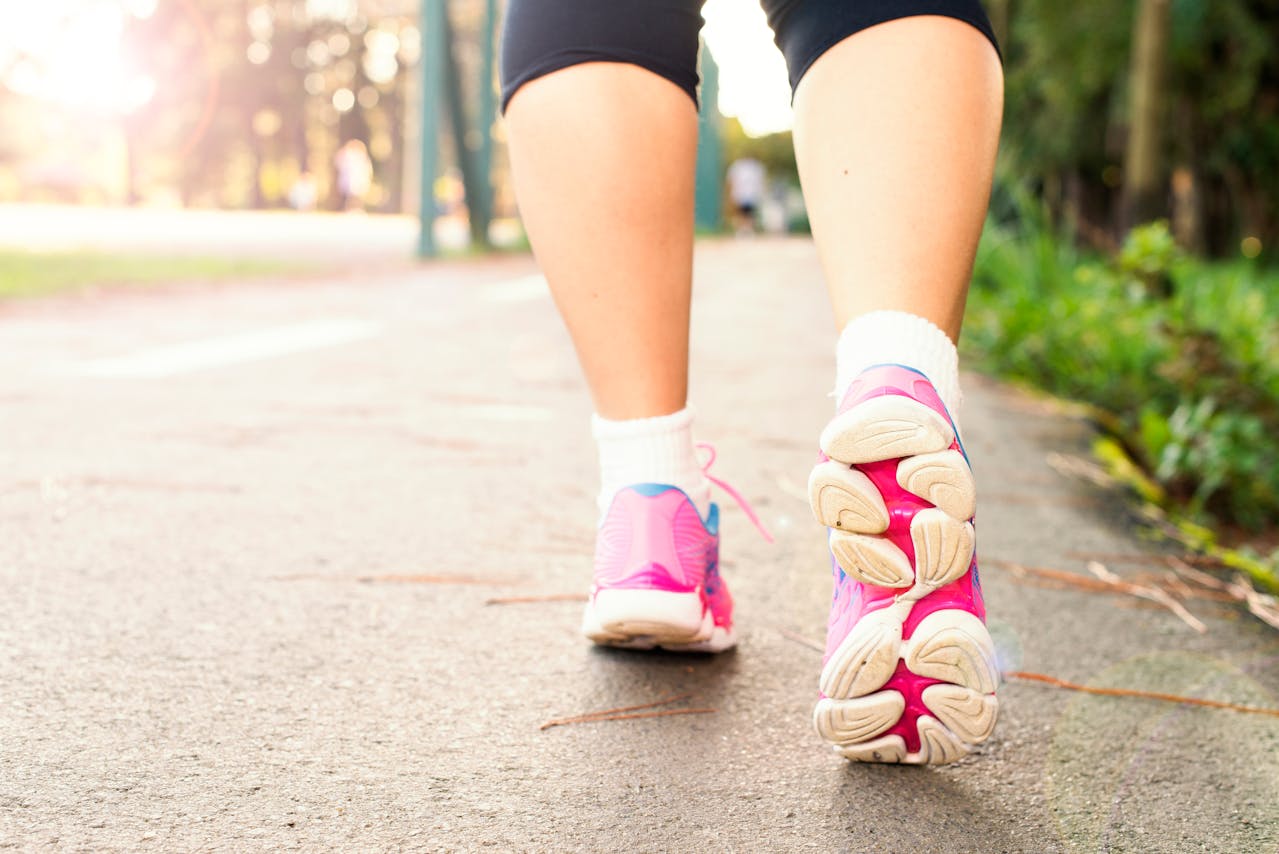
Supportive sneakers are practical for long walking days, but they can read as a tourist uniform when the style is clearly built for running. In a hushed museum or a nicer dining room, bright foam soles and neon accents draw the eye.
Europeans wear sneakers, too, yet many opt for simpler silhouettes that slide between commuting, errands, and dinner. When a visitor arrives in head to toe travel gear, the shoes become the loudest detail, even if everything else is neutral. It is a small signal, but locals spot it the way they notice a transit pass on a lanyard. Comfort wins. The contrast is what registers first. In photos.
The Oversized Water Bottle

A huge handled water bottle has become a common American travel accessory, and its scale can stand out in compact European streets. It reads like a daylong hydration plan carried in the open, especially when it is covered in stickers.
Reusable bottles are normal across Europe, too, but many are slimmer and tucked into a bag between stops. In cities built around cafés, bakeries, and fountains, carrying a massive bottle from morning to night looks unusual, not wrong. When the bottle is paired with gymwear or a lanyard, locals often file it as another quiet hint that someone is visiting, not commuting. The size is the signal.
Eating On The Move
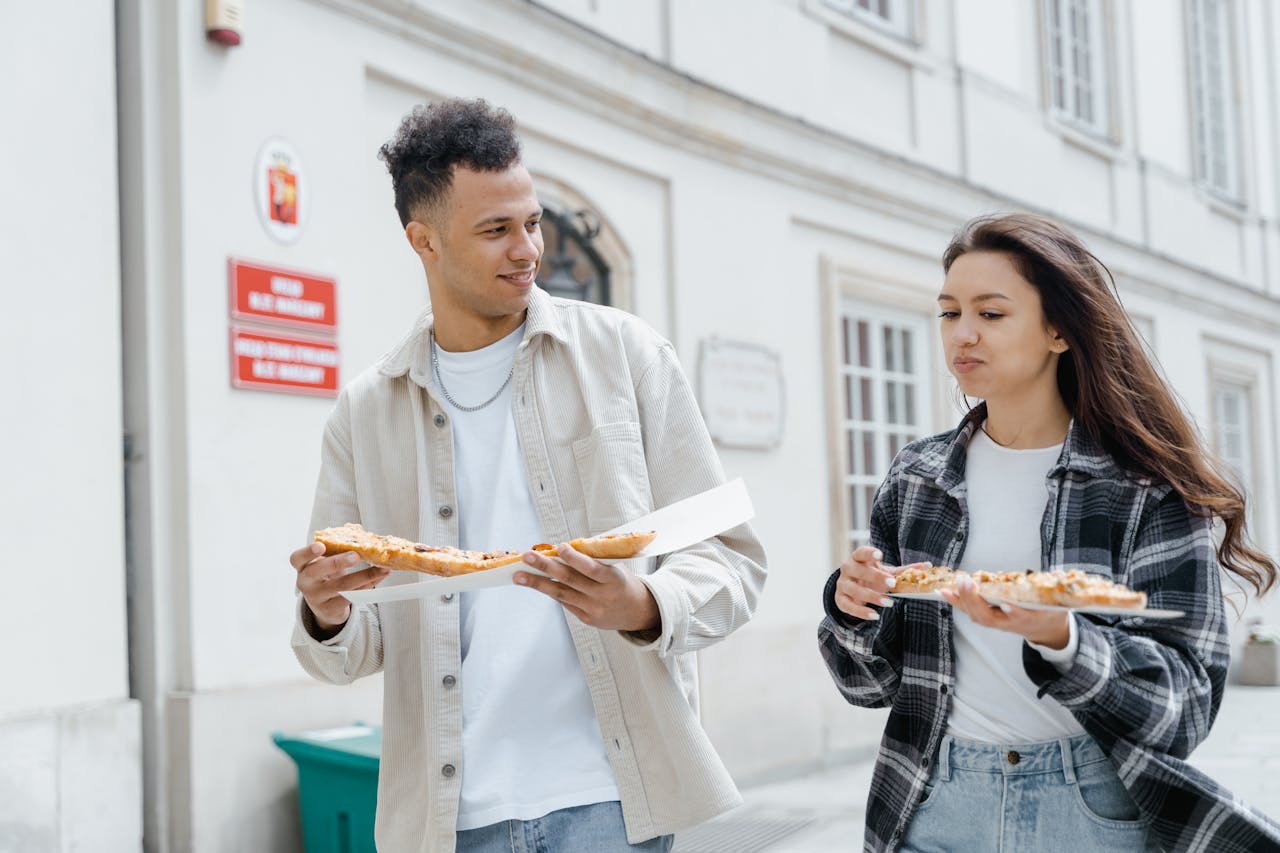
Grab and go eating is normal in the United States, but it can look out of place in European centers where meals still lean seated, even when they are quick. A full sandwich eaten mid-crosswalk, or a large iced drink sipped on the metro, can draw attention in quieter crowds.
Street food exists everywhere, yet many locals treat cafés as small pauses, not pit stops. When visitors snack constantly while walking, juggling food, phone, and a map, it reads like efficiency carried into leisure. The habit is practical and often harmless; it just breaks the slower public rhythm many cities protect, especially in historic squares.
Stopping Mid-Sidewalk

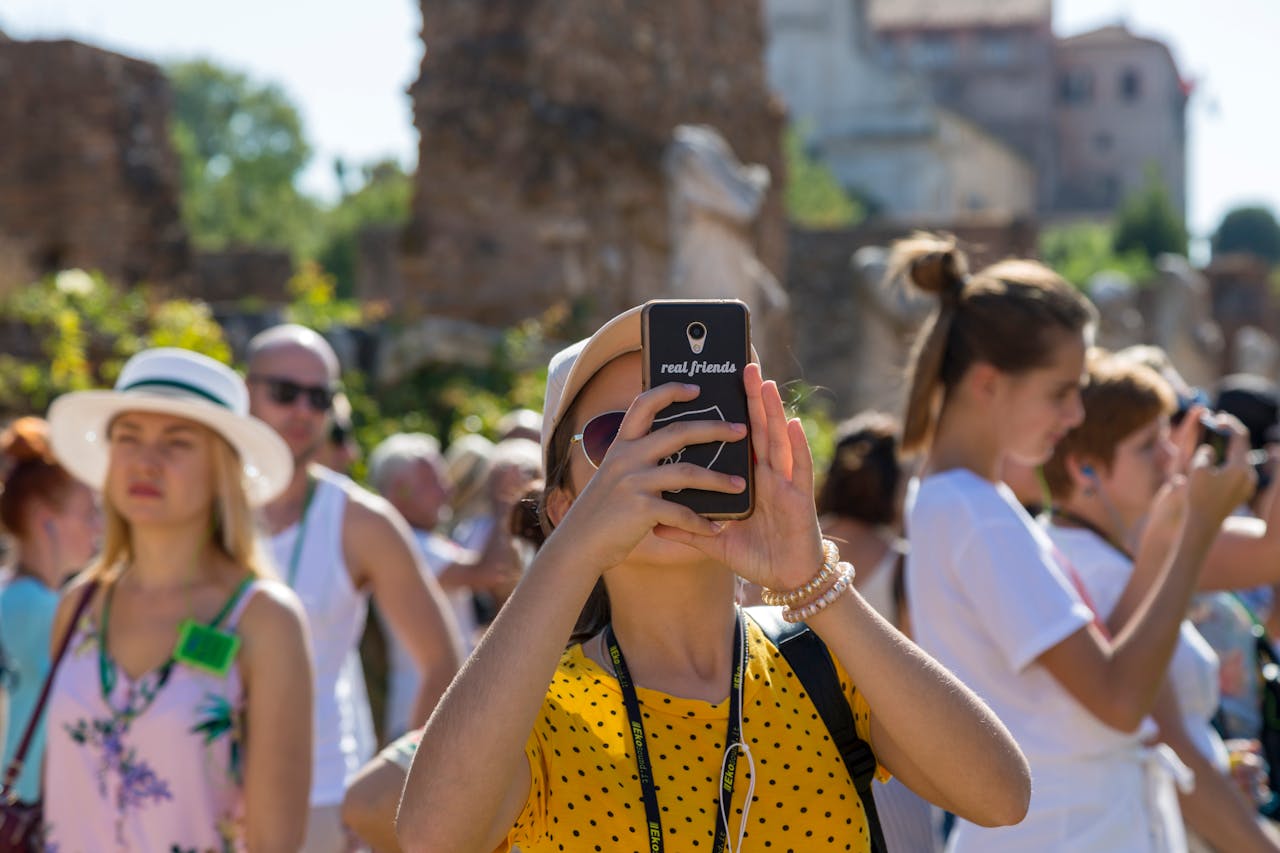
Tourist cities are crowded, and locals get sensitive to anything that blocks the flow. One common giveaway is a full stop in the middle of a narrow sidewalk to check directions, take a photo, or regroup.
In many European centers, foot traffic moves like a current around doorways and corners, and bike lanes or tram tracks add pressure. Residents tend to step to the side, tuck close to a wall, or keep moving while deciding. When a group halts shoulder to shoulder, backpacks out and phones up, locals often read it as visiting behavior, even if the language is not English. It is the pause, not the person, that stands out.
Service-Style Chatter

Americans often bring a friendly, talkative style to transactions, and it can stand out in places where service is efficient and more reserved. A loud greeting, extra compliments, or rapid questions can change the tone of a small shop.
Many European workers are warm, but they may not mirror the same conversational rhythm, especially when a line is waiting. First-name exchanges, playful banter, or a long back-and-forth about options can feel unusually personal in a quick bakery run. When the interaction stretches, locals sometimes clock it as American energy. It is not negative; it is simply a different tempo in public.
Phone Volume In Public
Another habit locals often notice is how visitors use phones in shared spaces. Speakerphone calls, FaceTime held out at arm’s length, or narrated video clips can make a tram, a museum hall, or a small café feel abruptly louder.
Across many European cities, privacy is protected by keeping sound close, and headphones are treated as basic manners. In tight restaurants and quiet carriages, even a short clip can bounce off walls and land on every table. When audio spills into the room, locals may quietly assume the visitor is American. It is not the device. It is the comfort with public volume. That habit travels more than accents do.