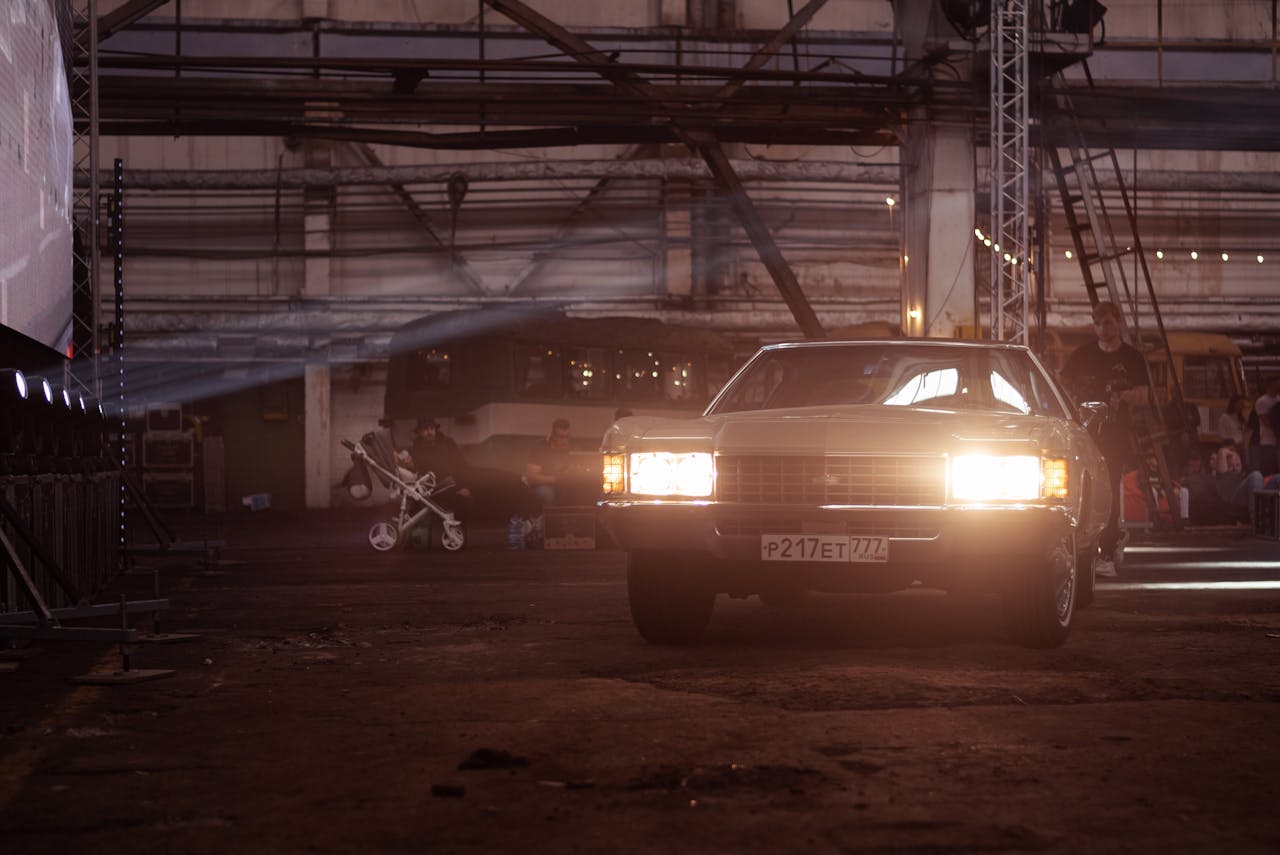
Night driving has started to feel like a negotiation with light. Powerful LEDs and taller SUVs turn ordinary commutes into squinting, tense stretches, especially on wet asphalt and on dark two-lane routes where glare can swallow lane edges. In the UK, research has found dazzling headlights are now a problem for 90% of drivers, a sign that tech has outpaced rules written for older bulbs. As complaints pile up, a mirror-and-dashboard hack is spreading fast online, promising instant relief. Safety specialists warn the urge to improvise can invite new mistakes, and turn a visibility problem into a decision-making problem.
When Bright Headlights Make The Road Feel Unreadable
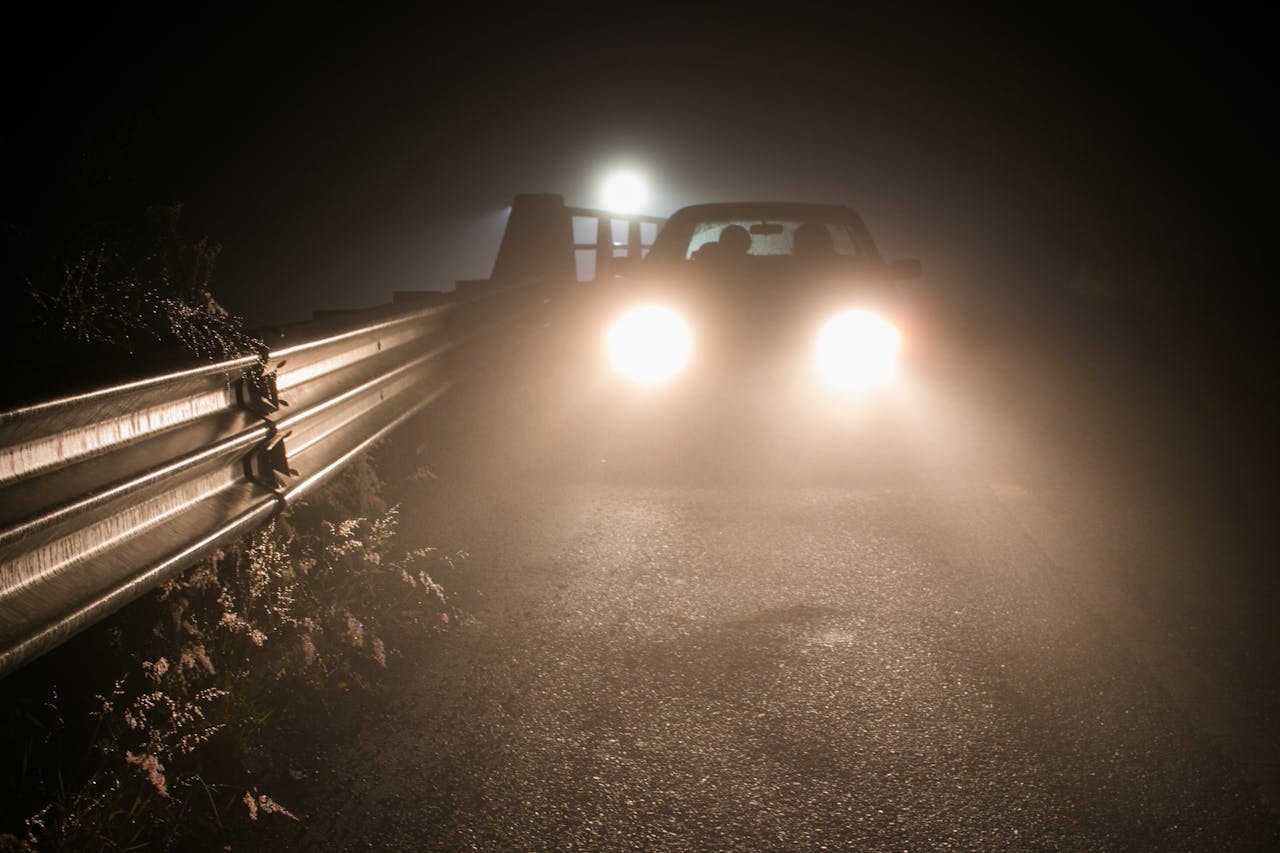
Headlight glare is not just annoying; it changes how drivers process the road. LED light, often bluer than older bulbs, scatters on dirty glass, wet pavement, and scratched windshields, turning contrast into haze. Some Matrix systems can carve dark patches around oncoming cars, which can make other vehicles’ unfiltered beams feel harsher.
Drivers describe the road vanishing in an instant, especially for many drivers when a taller SUV sits at the wrong height behind them. The stress is pushing people toward quick fixes that feel empowering. Safety experts keep circling back to a simple point: comfort should not cost attention.
The Dashboard Mirror Hack That’s Everywhere Right Now
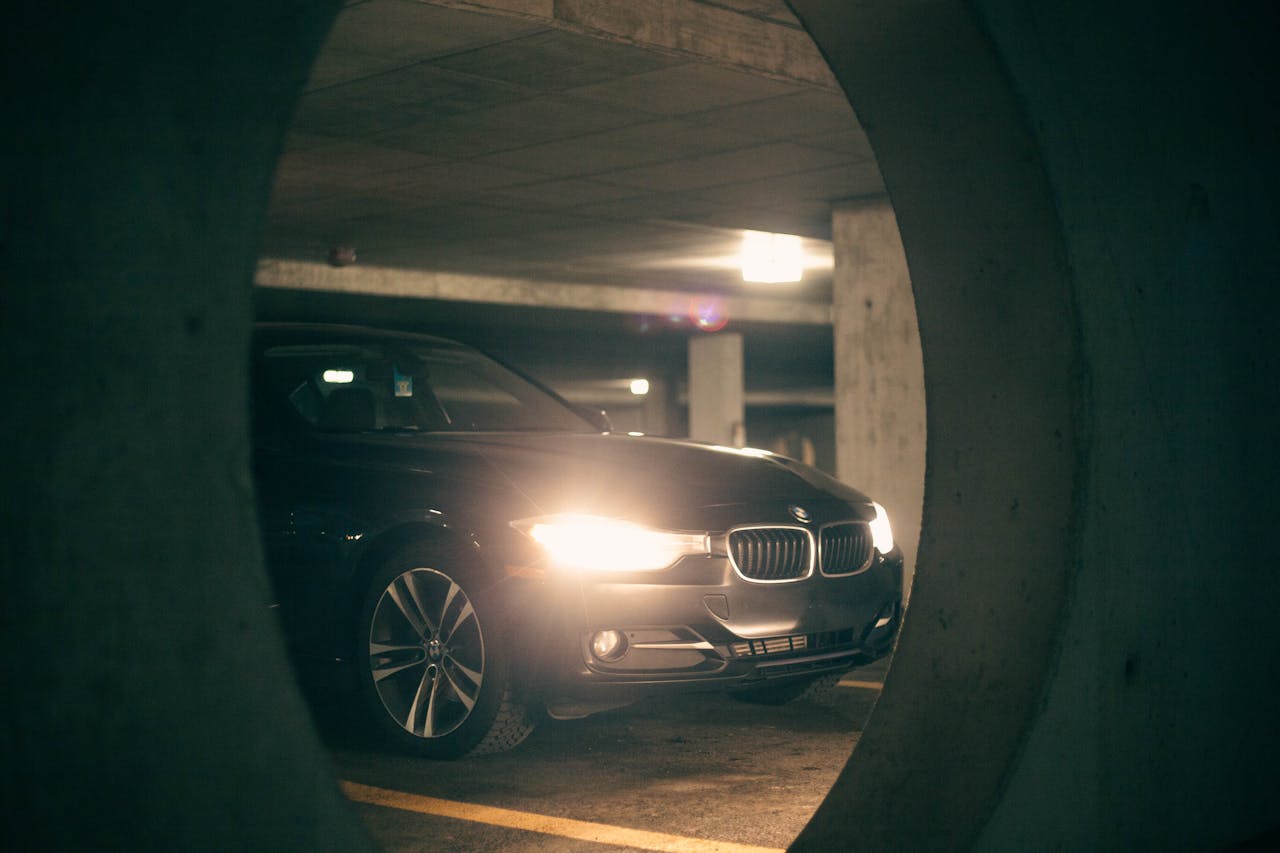
The hack spreading across social feeds sounds almost too tidy: tilt the interior mirror, and sometimes the side mirrors, so glare is redirected toward the top of the dashboard instead of straight into the eyes. It costs nothing and gives drivers a sense of agency when someone rides close with intense beams.
Motoring specialists caution that small angles matter. A mirror set wrong can bounce light back into the driver’s line of sight, or create bright hot spots that make focusing harder. If the dash is dusty, that redirected glow can bloom into a milky veil. The night setting on many mirrors aims to cut glare with less guesswork.
How “Helpful” Threads Drift Into Payback Energy
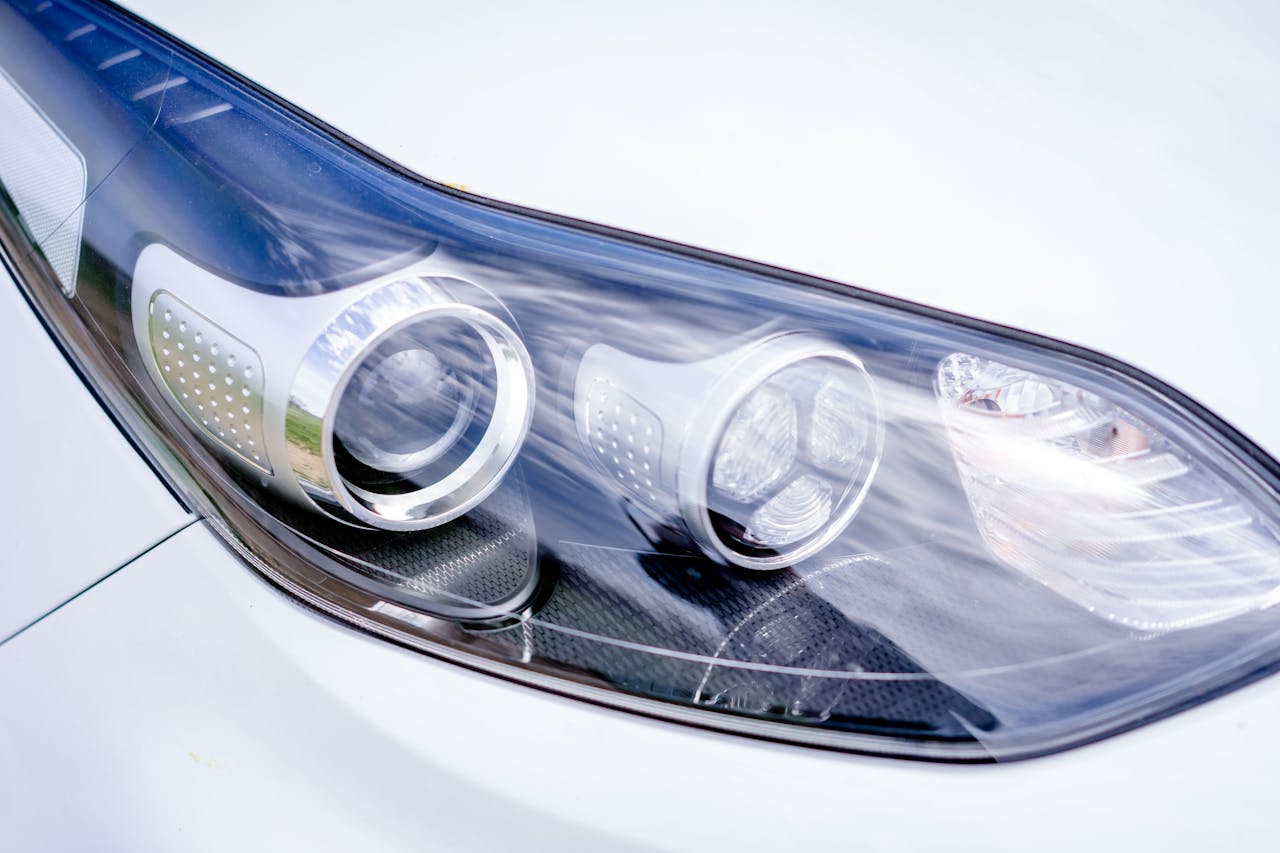
Online threads have turned headlight complaints into a crowd-sourced resistance. In trucking groups and commuter forums, drivers swap mirror tweaks, seating adjustments, and timing tricks for early-morning routes. Posts name-check high beams and light bars, and the tone can shift from practical advice to payback fantasies, as if glare must be answered.
Safety experts worry about that emotional drift. Anger narrows attention, and night driving already asks for more scanning and patience all at once. The most reliable tactics are quiet ones that reduce strain without escalating tension, because the road is not a debate stage.
Why Clean Glass Beats Clever Tricks Most Nights
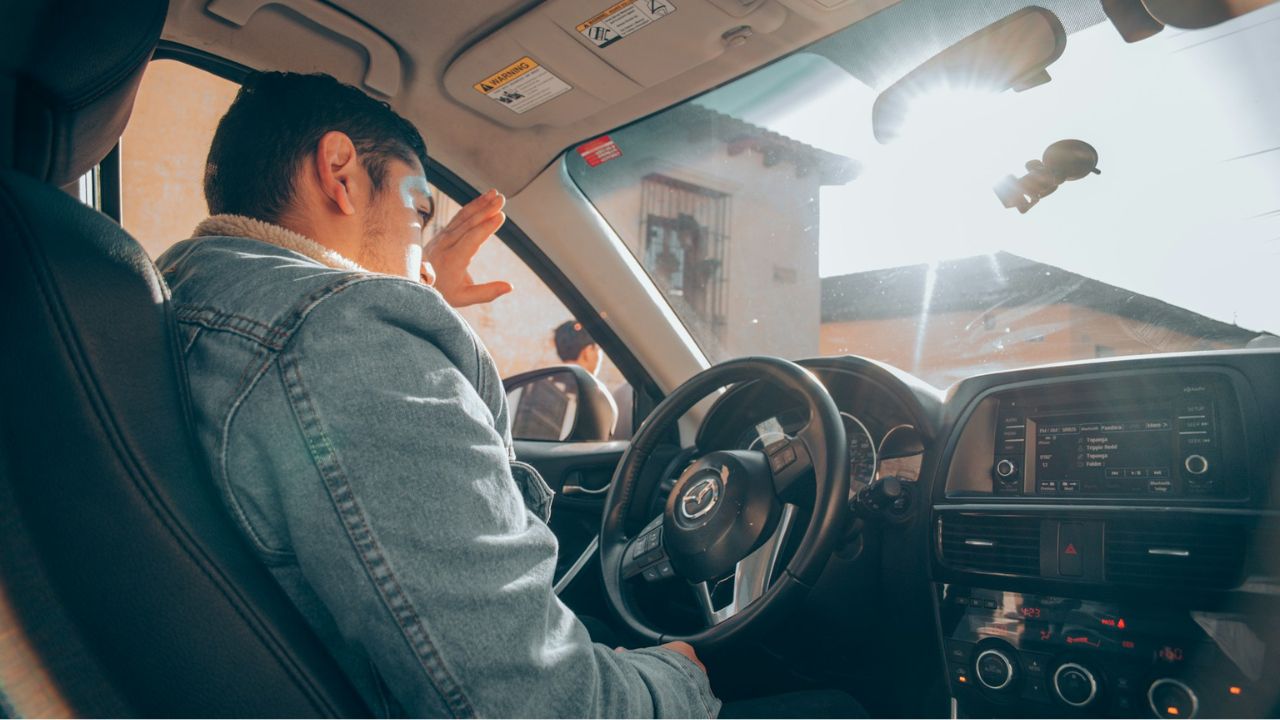
One of the least dramatic fixes is also one of the most effective: cleaning. LED glare scatters more when it hits windshield film, road grime, or a smudged mirror. The bluer cast many LEDs produce can feel harsher once it spreads. Parts suppliers note how dirty glass turns sharp points of light into wide halos, and a survey has found 28% of drivers want tighter rules on overly bright lamps.
A clean dashboard matters, too, because redirected light can flare off dust and textured plastics. Experts favor a simple baseline: clear glass, clear mirrors, and fewer loose items that catch and bounce light around the cabin at night.
The Built-In Mirror Setting That Does The Job Better
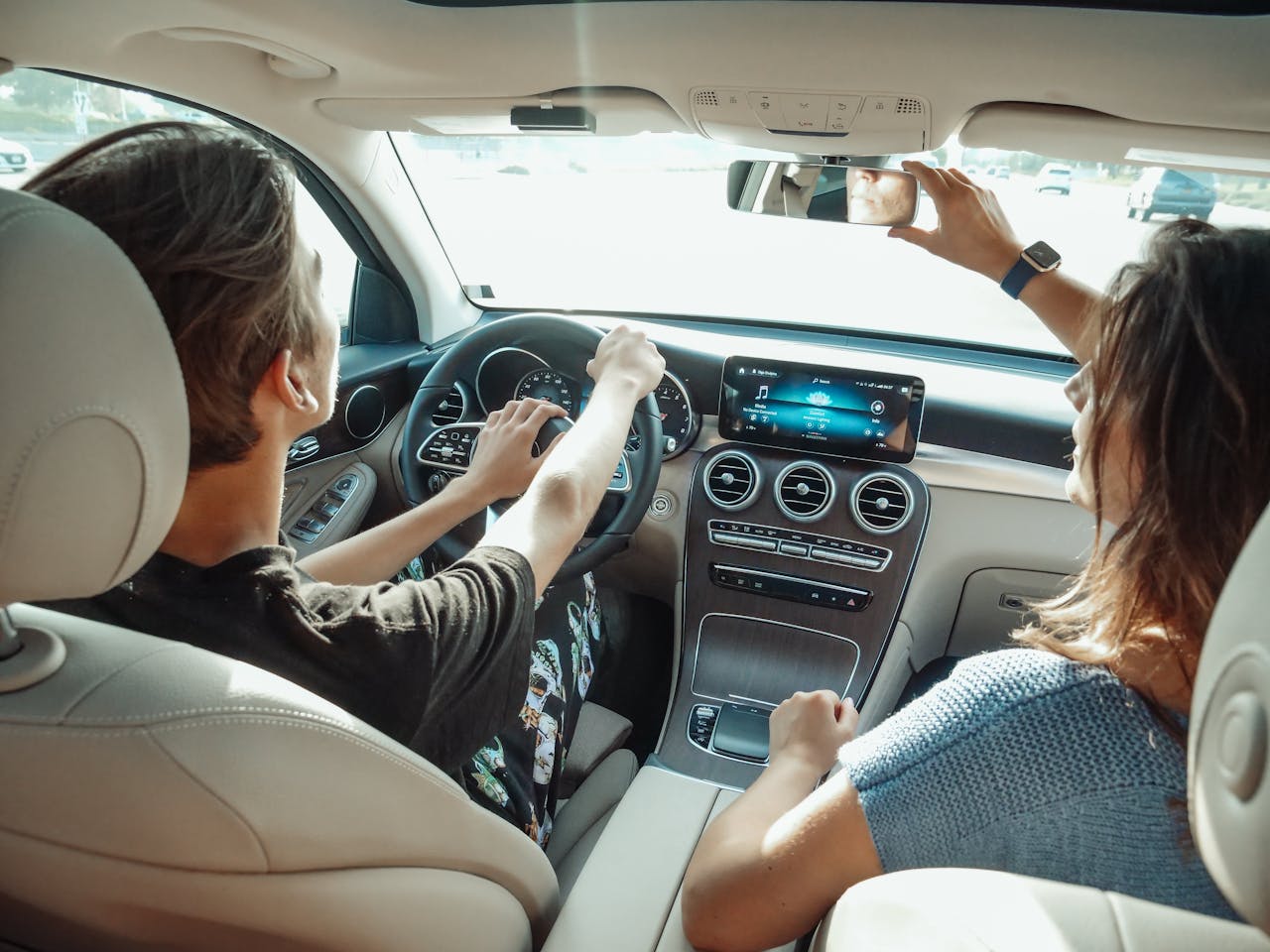
Many cars already carry a purpose-built glare reducer, and it is easy to forget it exists. The day-night rearview setting, or the small lever on older mirrors, dims the reflection from headlights behind the vehicle without changing the driver’s alignment to the road. It can take the sting out of a tailgater’s beams.
Safety guidance treats this as the “do it first” step, because it preserves distance judgment and reduces eye strain. It is basically the viral dashboard idea, but engineered to keep the scene readable. If side mirrors are swung too far to fight glare, blind spots can widen, and that trade is rarely worth it.
The Safer Way To Handle Oncoming Glare In The Moment
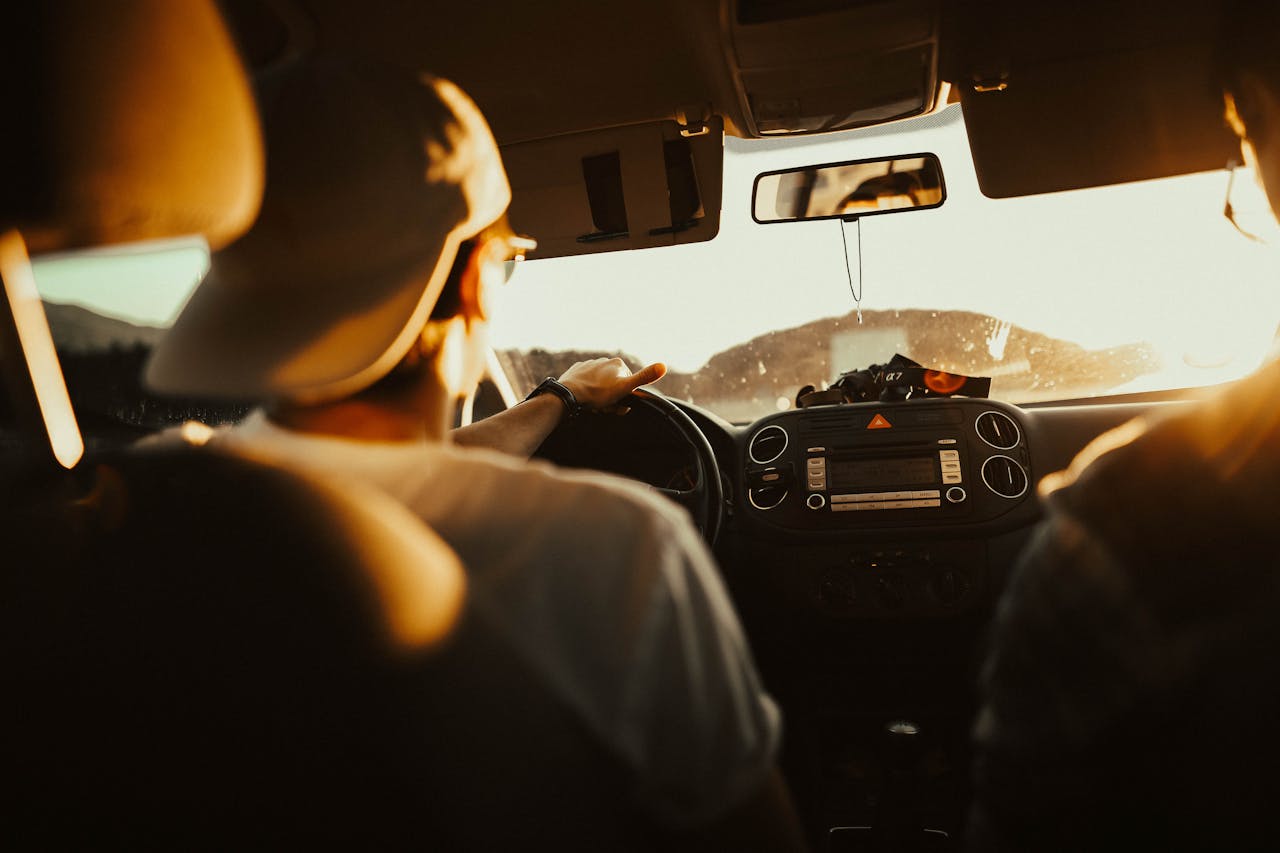
When an oncoming vehicle’s lights feel like a camera flash, the instinct is to stare into the source and tense up. Vision and safety guidance points to a calmer pattern: shift the gaze slightly right, using lane lines and the road edge as anchors, instead of fighting the beam head-on.
The second part is staying smooth. Sudden steering inputs make a bad moment worse, especially on wet asphalt and dark rural stretches where the road edges already fade. Driving instructors often advise easing speed a touch and leaving more space when conditions allow. The goal is to stay centered until contrast returns and the scene clears.
The Vision Factor Drivers Forget To Check
Glare conversations often skip a basic variable: vision. Optometrists note that an outdated prescription can turn sharp headlights into smeared streaks, and that makes LEDs feel far worse than they are. Regular eye exams help separate a headlight issue from a focus issue. Scratched windshields and film can amplify the blur.
Experts also caution against yellow “night driving” glasses pushed online. Those lenses can cut the total light reaching the eyes, which may feel gentler, but can also reduce clarity in low-light scenes. Some polarized lenses can add distortions through laminated glass. The comfort trade can shrink the margin.
Why “Reflect It Back” Turns Into A Bad Idea Fast
The darker offshoot of the trend is not about relief, but retaliation. Some posts urge drivers to angle mirrors to bounce glare back at the vehicle behind, turning the cabin into a little optics experiment. Commenters even talk about “practicing” with handheld mirrors or lining up reflections off headrests, as if it is a skill.
Safety instructors put this in the “do not do it” category. A mirror aimed for payback can also dazzle the driver in the process, and it adds mental load during a moment that already demands calm scanning. A tailgater is a problem to manage with space and predictability, not a target to light up.
What To Do When A Bright Tailgater Won’t Back Off

When a vehicle behind sits close with intense lights, the body’s stress response kicks in. Some drivers start adjusting mirrors repeatedly, which can steal attention from the road ahead. A quick windshield wash can cut the haze, and the calmer play is procedural: keep speed steady, signal early, and create an easy path for the impatient driver to pass.
Driving instructors emphasize anticipation over confrontation. An aggressive follower is often scanning for the first gap to overtake, and predictable movements reduce surprise. The moment the pressure eases, the eyes relax, and the rest of the drive stops feeling like a standoff.