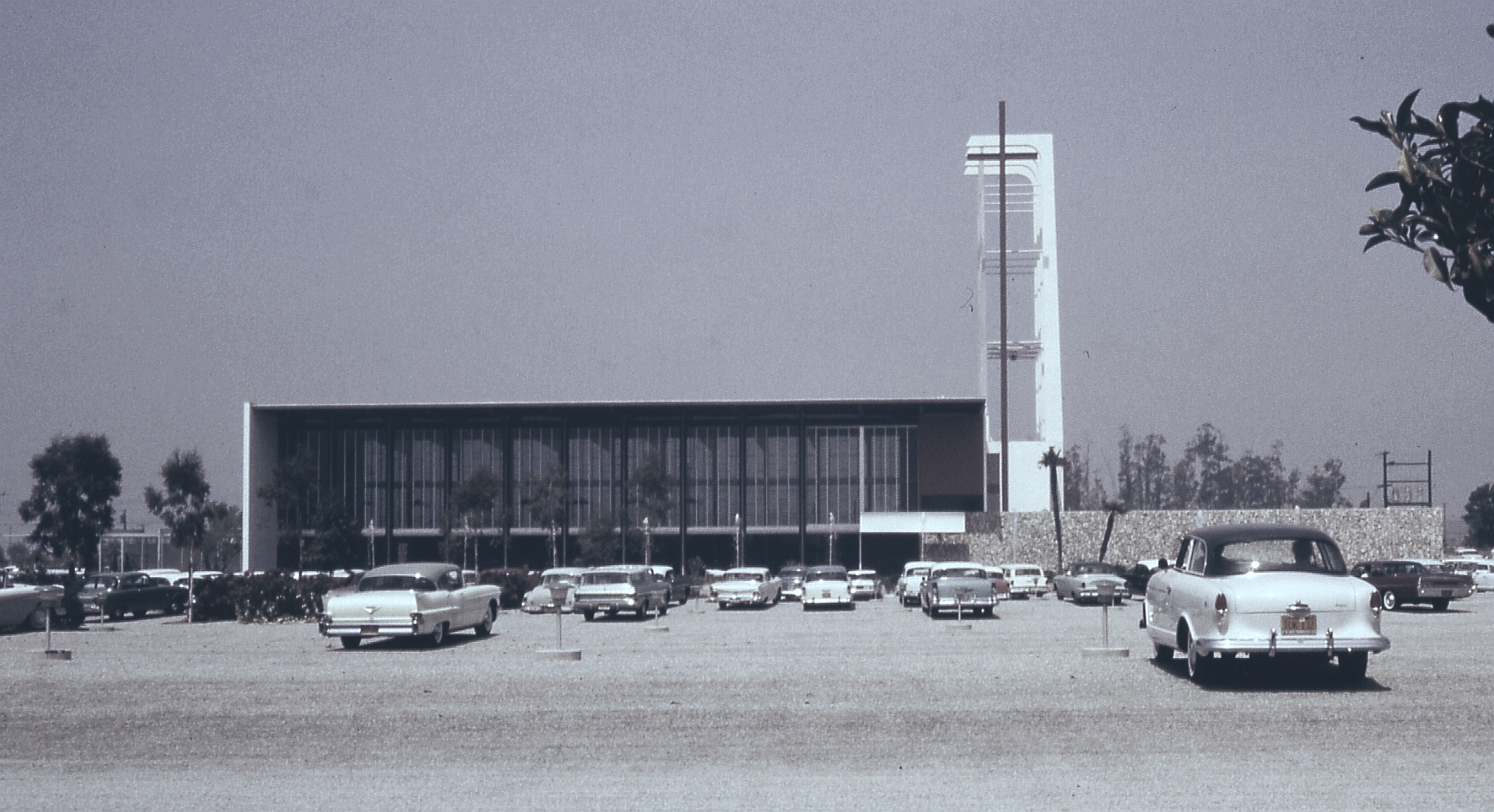
Drive-in churches sit at the crossroads of faith, mobility, and open sky. Before livestreams became routine, pastors learned to turn parking lots into sanctuaries, with car radios carrying hymns and sermons across neat rows of headlights. Some started as early drive-in chapels, others rose with postwar car culture, and many returned when indoor gathering felt risky or impractical. The feeling stayed constant: private devotion inside a familiar vehicle, paired with shared sound and common timing. Families brought blankets, seniors kept steady routines, and weather became part of the service instead of an obstacle. From flatbed pulpits to low-power FM transmitters and volunteer traffic guides, outdoor worship proved it could bend with the moment while staying anchored in ritual.
They Turned Car Radios Into Shared Hymnals
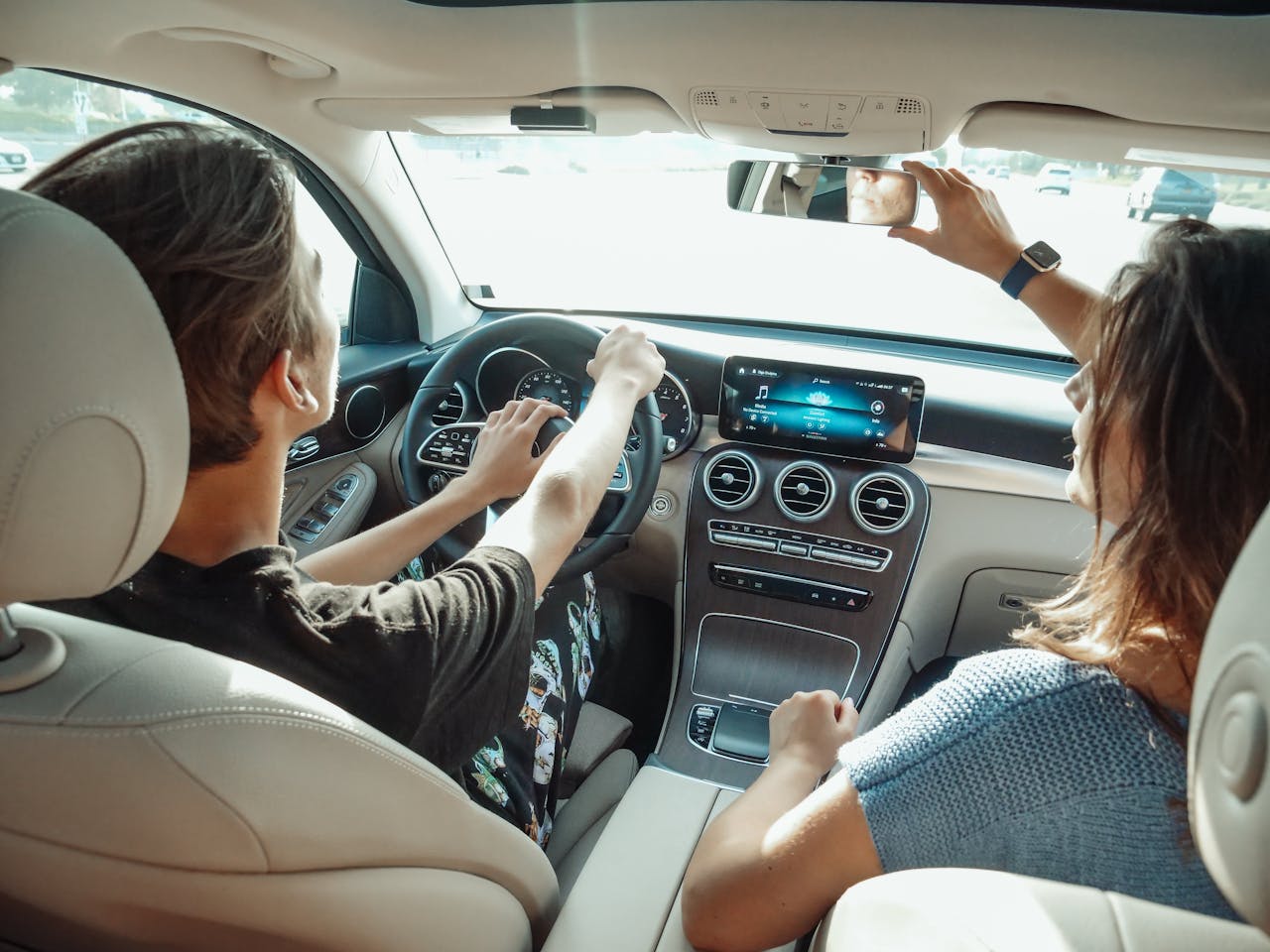
Instead of asking everyone to lean toward one crackling loudspeaker, drive-in churches treated the car radio as a personal pew and made sound the shared architecture. A low-power FM transmitter carried hymns, scripture, and announcements with clean clarity, even when heaters hummed, rain hit glass, or toddlers shifted in back seats, and the posted frequency on a big entrance sign made the setup feel friendly, not technical. Because the message arrived close and steady, the lot could stay quiet without feeling cold, and each family could choose its own volume while still moving together through every chorus and prayer, right on cue.
They Made Parking Lots Feel Like Sanctuaries

Parking lots became sanctuaries through small, disciplined choices: angled rows facing a modest stage, volunteers guiding cars like ushers, and cones creating clean lanes for late arrivals and emergency access. A cross, lectern, or banner gave the asphalt a clear center, while portable lights and simple sightline rules kept the focus forward without blinding anyone, and trash stations and restrooms were marked with the same care as pew numbers. When engines shut off and headlights dimmed at dusk, the space stopped reading as a lot and started reading as a gathered community that knew how to hold itself with respect for the hour.
They Reimagined Communion With Safe, Simple Logistics
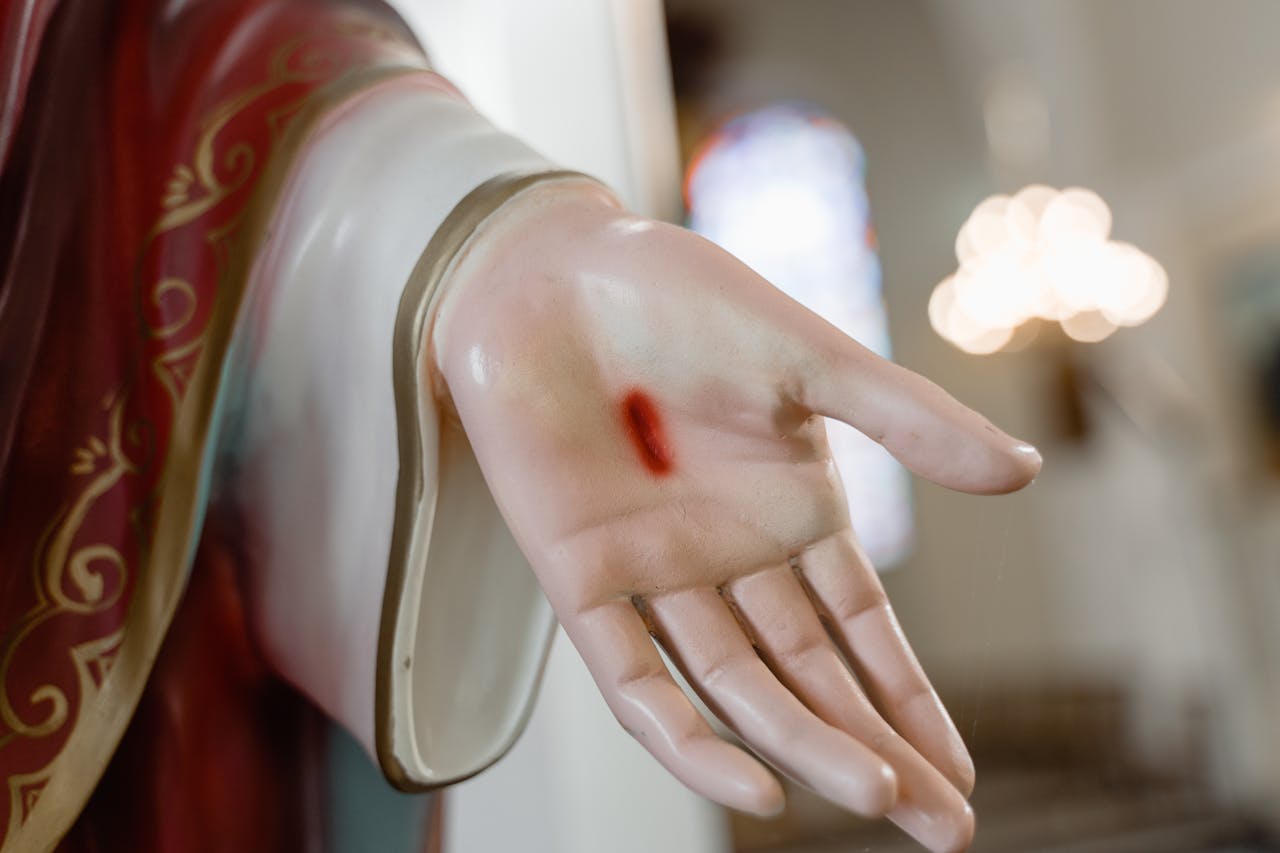
Communion did not require a shared cup or a crowded line, and drive-in services proved it with calm, repeatable logistics that still felt reverent. Many churches used sealed wafer-and-juice kits delivered window-to-window on trays by gloved volunteers, or set pick-up tables along the exit lane with sanitizer, masks, and simple arrows on signs so the moment did not turn into confusion or side talk. When the pastor spoke the words over the radio, families bowed their heads in place and received together, all at once, and that shared timing created a quiet unity built from trust, restraint, and careful attention to everyone present.
They Welcomed Families Without the Usual Fidget Guilt
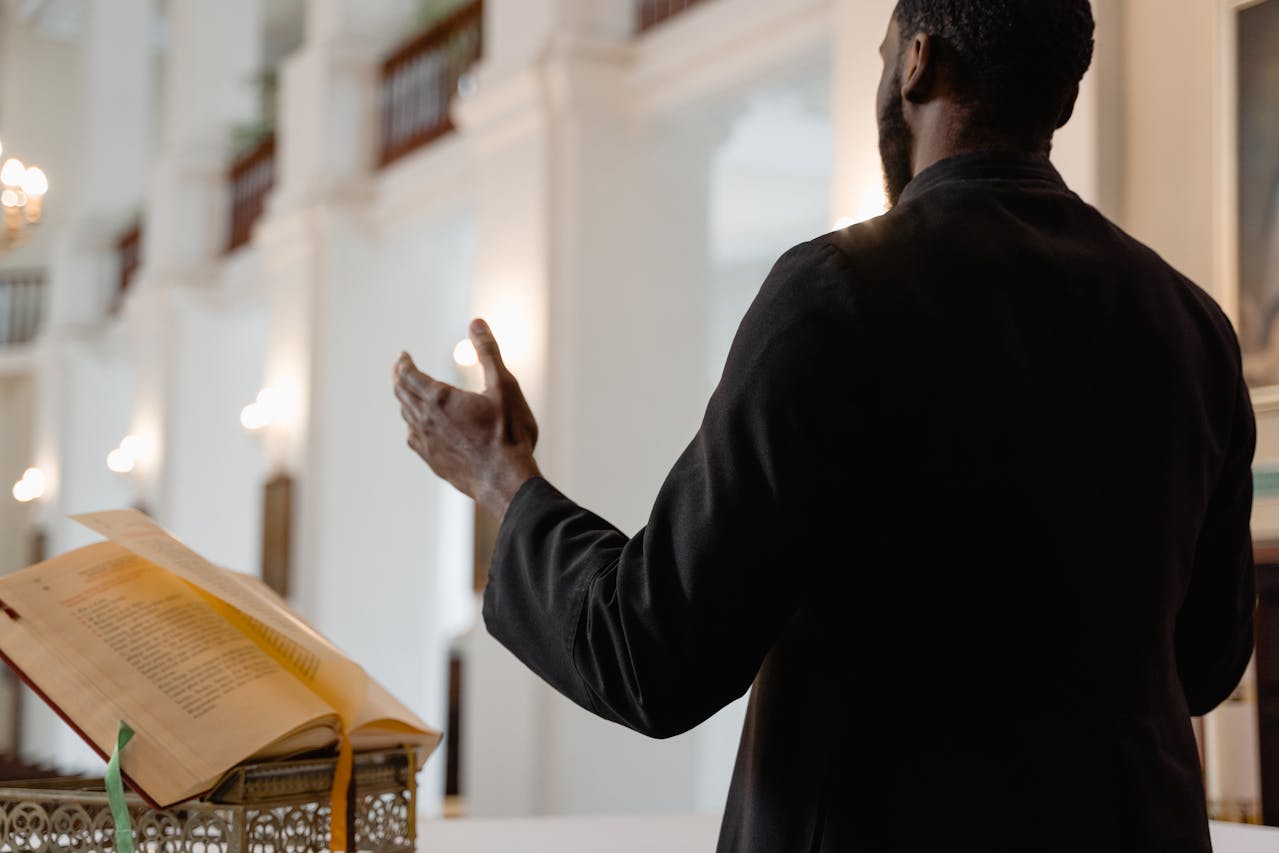
A parked car gave parents the buffer that pews rarely allow, turning the back seat into a calm zone instead of a stage where every cough or dropped toy feels amplified. Babies could nap, toddlers could wiggle, and a diaper change or snack stayed private, and kids could flip through books without turning heads, which kept families from slipping out early and lowered the pressure to look composed. Pastors often leaned into that reality, speaking with patience about ordinary noise and busy lives, and the service repeated the same point each week: belonging is measured by showing up and staying connected, not by perfect stillness.
They Built Accessibility Into the Default Setup

For many older adults and people with mobility limits, drive-in worship removed the hardest barriers at once: stairs, long walks, tight aisles, and rushed entrances. Reserved spots near the front, wide lanes, and radio audio delivered straight to the dashboard helped those with hearing aids or fatigue stay engaged, while large-print bulletins and prayer cards could be handed through a window without fuss. Volunteers guided cars to shaded or closer spaces and pointed out accessible restrooms, so even on humid days or cold mornings the congregation stayed present, and accessibility became the default plan, not a special favor.
They Turned Greeting Time Into Honks, Waves, And Headlights

The social ritual did not vanish, it changed its language, trading handshakes for signals that could travel across glass and distance. Instead of passing the peace in tight rows, people flashed headlights, waved through windshields, and used a gentle honk as shared punctuation, and some even clicked hazard lights in place of applause when a hymn ended. Greeters still worked the lanes and welcomed late arrivals with the same steady warmth, then after the benediction neighbors lingered for a minute with windows cracked, swapping short updates before pulling out, so the lot kept feeling like fellowship, not a drive-through appointment.
They Used Outdoor Space For Music That Could Breathe
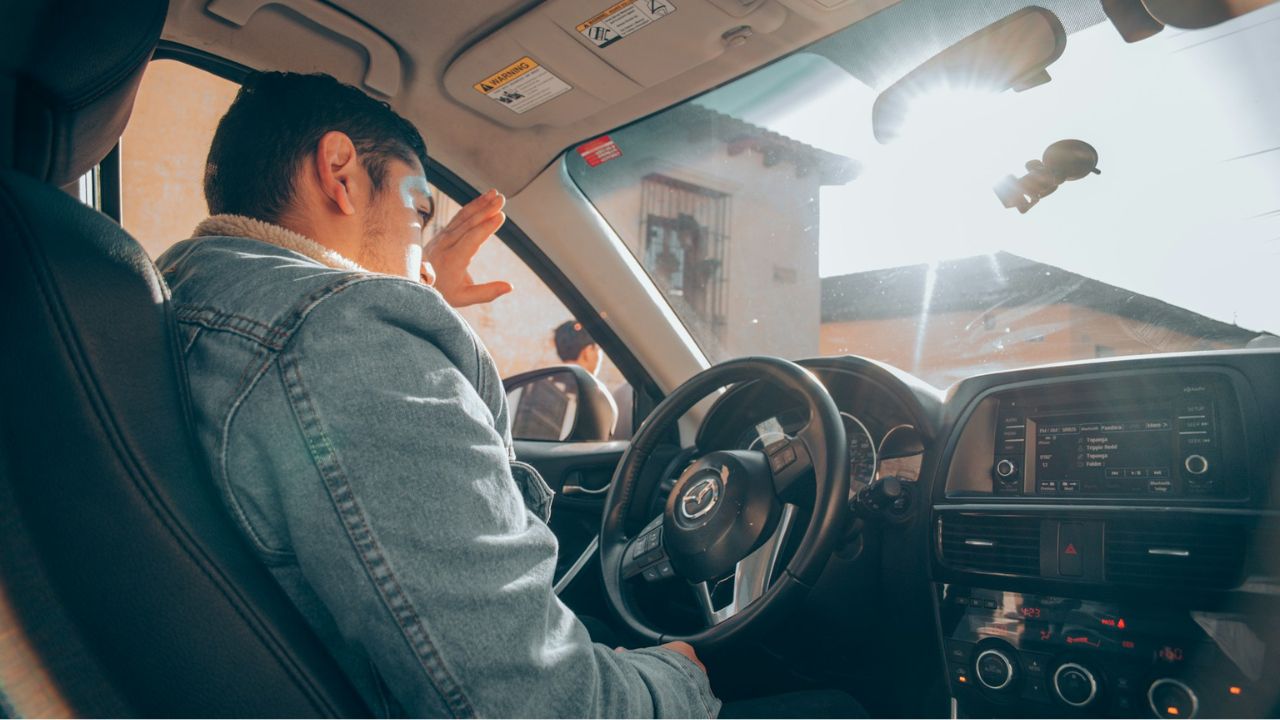
With open air as the ceiling, musicians could spread out and keep the mix clean without forcing volume into harsh echo, and that lowered tension for singers and neighbors alike. Many teams used a compact mixer, wind screens, and simple drum shielding, then broadcast a balanced feed over FM, so the back row heard the same blend as the front row, without the outdoor fade, feedback, or bass mud that loudspeakers can create. Between songs, the lot held a rare kind of silence, then a hymn arrived crisp again, carried by wind and birdsong, sounding both intimate and wide, like a choir loft stretched across painted lines and parked cars.
They Offered Pastoral Care Through Low-Contact Presence
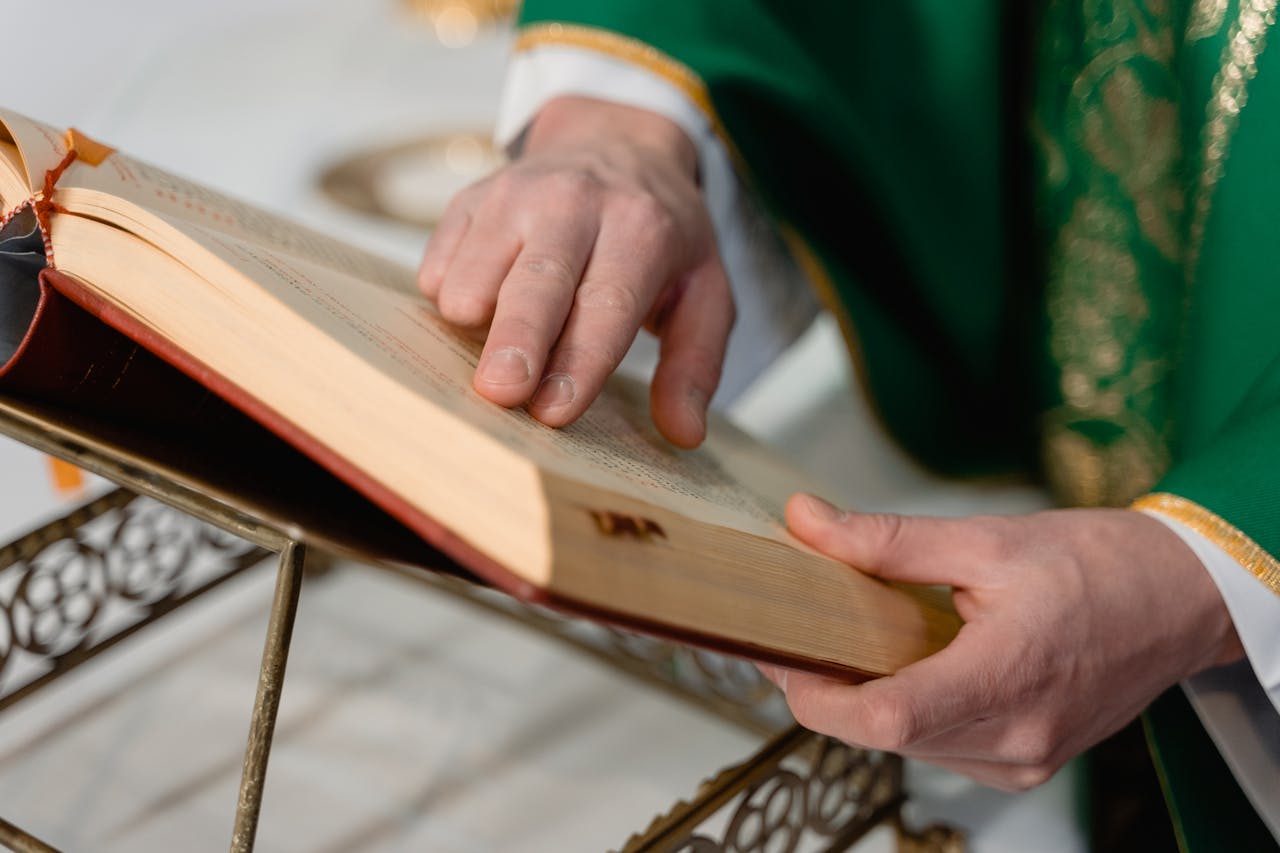
Drive-in churches still found ways to be personally attentive, even when distance was part of the rules and touch was off the table. After the final blessing, leaders often walked the lanes with a clipboard, taking short prayer requests through cracked windows, checking on shut-ins by name, and offering a brief spoken blessing without turning it into a performance, then sharing numbers for counseling hours or a text line. For people carrying grief, illness, or job stress, that small stop mattered because it showed they were seen, and it proved that care can be real, specific, and steady without gathering in a crowded hallway.
They Proved Worship Could Adapt Without Losing Its Heart
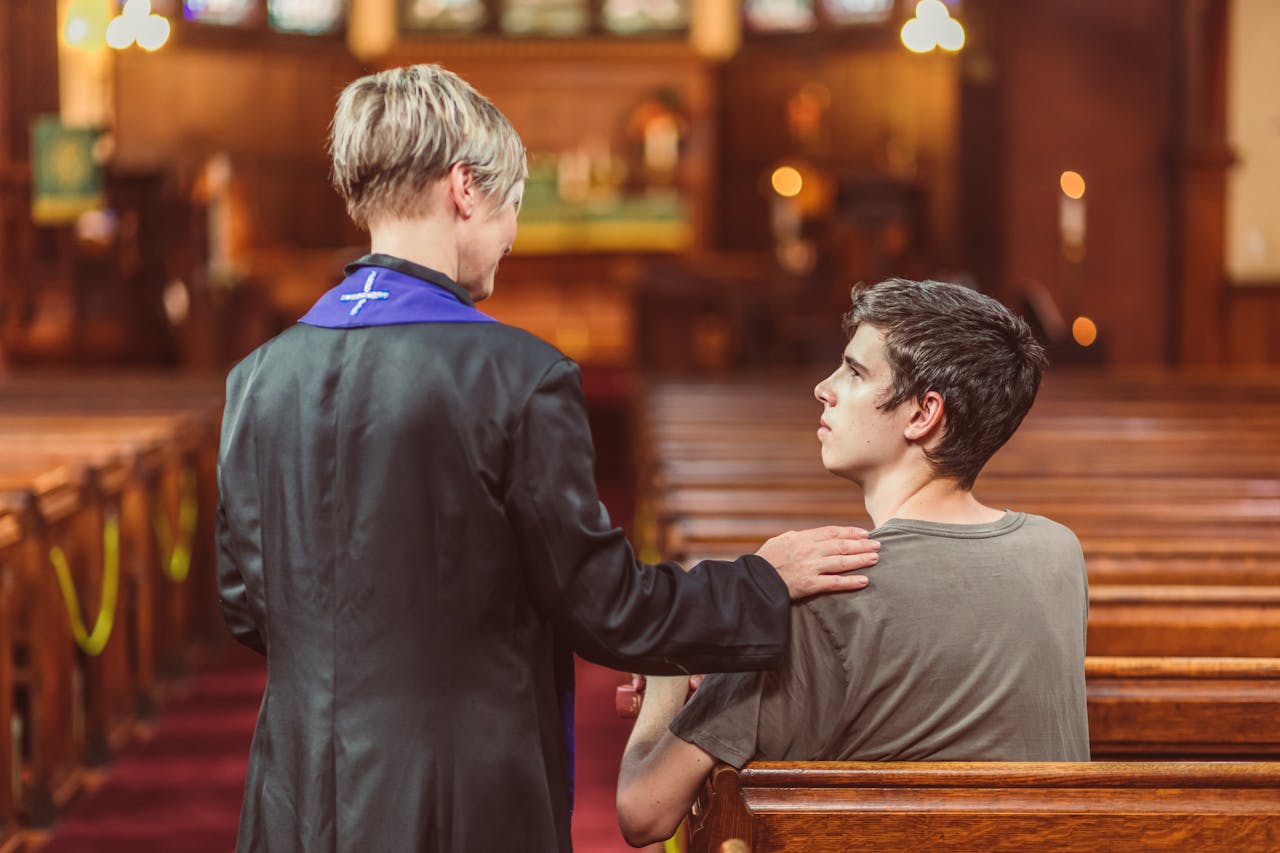
The deepest reinvention was philosophical: worship did not need walls to feel grounded, only a shared rhythm and a place to listen together. Cars, radios, and open space became tools, not distractions, so scripture, prayer, and preaching still carried familiar weight, and a simple stage, mic, and signage handled the basics, while offerings shifted to drive-by boxes, QR codes, or links without awkward pauses. That flexibility held congregations together through uncertainty, and it left a blueprint that can return whenever health concerns, weather, or geography make a parking lot the most workable place to gather with dignity.