Some outdoor hobbies do not vanish overnight. They thin out, season by season, as empty lots turn into parking, shorelines get posted, and free afternoons shrink into bookings. A pastime can still exist while losing the easy habit of showing up, so it feels rarer than it is. Screens fill the gaps, and calendars leave little room for wandering.
What fades first is shared space and casual mentorship: the neighbor who lends gear, the older kid who explains rules, the park that stays open late. In a few pockets these traditions still hold, kept alive by clubs and volunteers, but many towns feel quieter when the weather turns perfect.
Sandlot Pickup Baseball

Pickup baseball once materialized on any half decent patch of grass, with chalk lines scuffed in by shoes and a neighbor leaning on the fence acting as umpire. Rules flexed to fit the space, and every inning taught something about fairness, patience, and momentum.
That kind of informal diamond is harder to find. Vacant lots become construction sites, school fields get locked, and park diamonds are booked for paid leagues. Kids still love the game, but the entry point shifts from casual drop in play to organized slots, so fewer players learn by showing up with a glove and borrowing the rest. The sandlot vibe fades first.
Kick The Can After Dark
Kick the can and flashlight hide and seek relied on neighborhood trust. Kids used parked cars, hedges, and porches as hiding places, and arguments ended with a quick replay. Streetlights were the timer, and a shouted dinner call ended the round.
More traffic, tighter curfews, and noise complaints make those roaming games rare. Many blocks have fewer children outside at the same time, so a game never reaches critical mass. When play becomes scheduled and supervised, the best part slips away: the sudden sprint, the laughter in the dark, and the feeling that the street belonged to everyone for an hour. It is a quiet loss.
Small Town Fishing Derbies
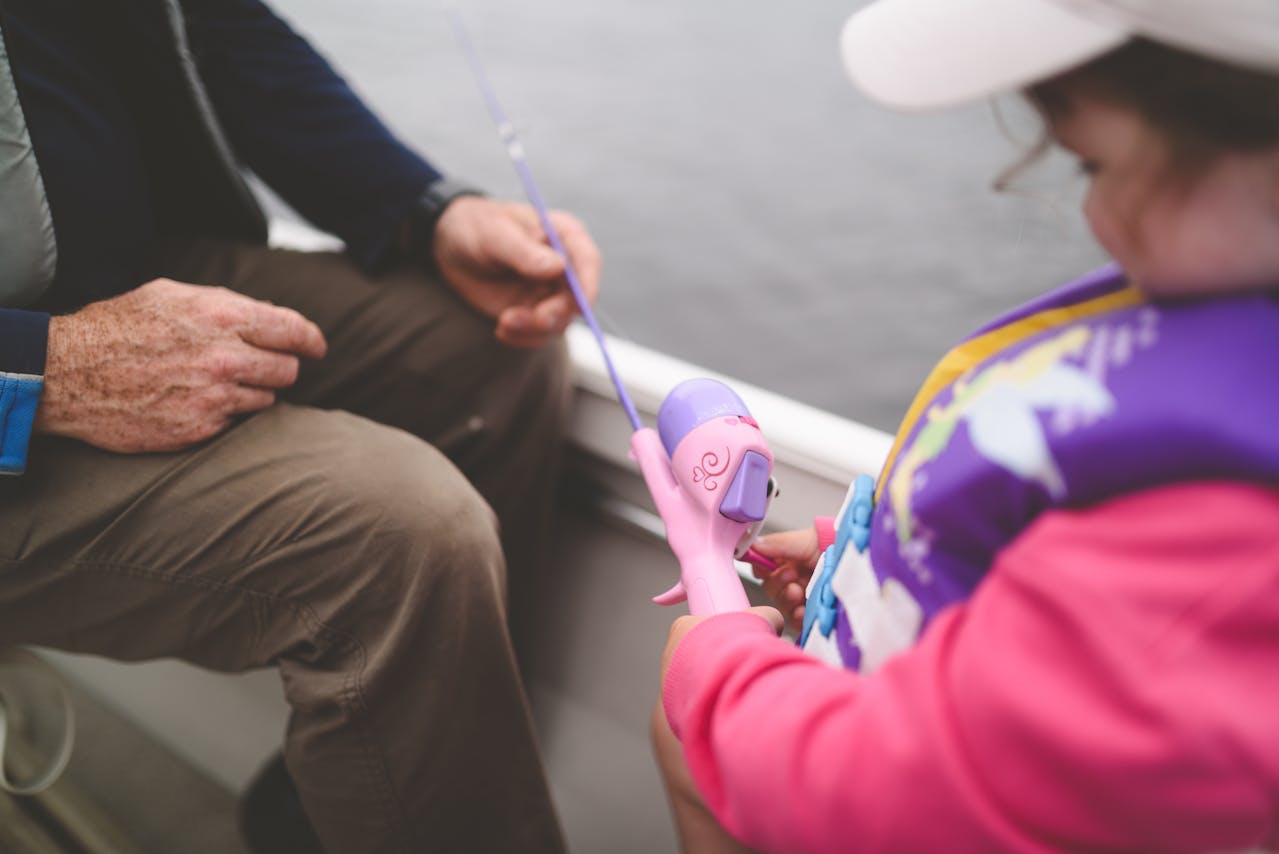
A local fishing derby once turned a pond into a community stage. Volunteers weighed catches on a folding table, bait shops donated prizes, and kids learned patience while thermoses steamed at sunrise. The rules were simple, the bragging lasted all week, and the same faces returned every year.
Many derbies still exist, but the easy ones are harder to run. Permits and insurance cost more, access points get privatized, and shoreline rules can shift with development. Fewer tackle stores remain to sponsor the fun. When the derby fades, it takes more than trophies; it removes a simple way families bonded to local water and seasons.
Drive In Movie Nights

Drive ins made an empty lot feel magical. Families arrived early, kids in pajamas climbed into hatchbacks, and the soundtrack came through a car radio turned low. Popcorn, warm air, and the glow of the screen did the rest.
Keeping a drive in running is tough. Land is valuable, storms can wipe out a weekend, and digital projection and maintenance cost money. Many sites have been redeveloped into storage or housing, and the screen comes down for good. A few theaters survive through stubborn owners and loyal crowds, but the casual summer ritual has become a special trip instead of a default plan. The atmosphere is hard to replace.
Model Rocket Launch Meets

Model rocket launches once felt like science class moving outdoors. Clubs set up pads, checked wind, and called countdowns, then watched a bright dot climb into clean air before a parachute popped open. The recovery chase and repairs were part of the lesson.
Those meets now face practical limits. Big open fields are rarer, and rules around airspace, fire risk, and land use can push launches to a few approved sites far from town. When travel becomes the barrier, beginners drift away and the skill stays concentrated among older hobbyists. The hobby survives, but the friendly local launch day is harder to stumble into on a weekend.
Horseshoe Pitching Nights
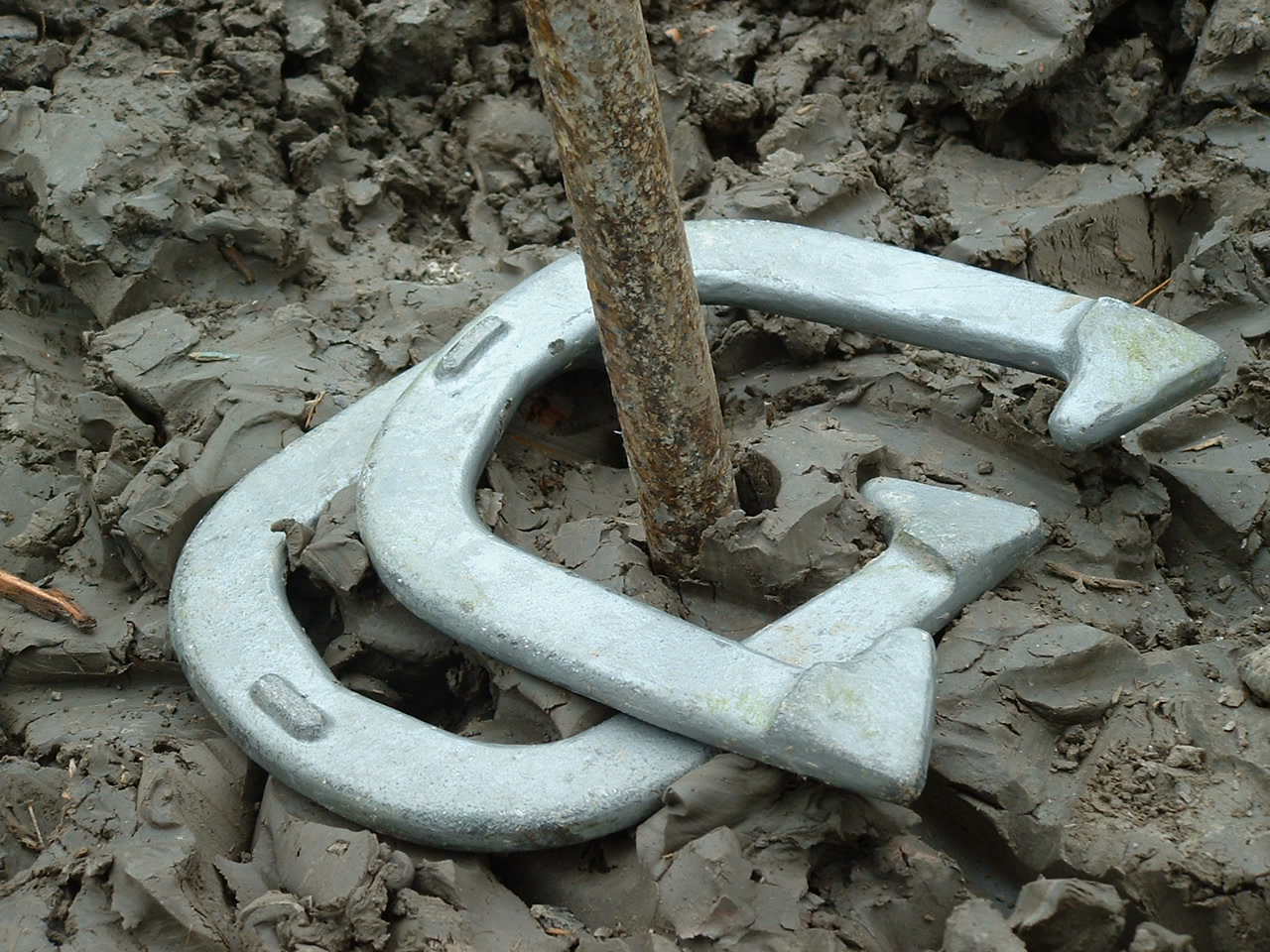
Horseshoe pits once hosted relaxed leagues where conversation mattered as much as the score. The clink of metal on stake carried through warm evenings, and newcomers learned fast because the pace left room for advice. A chalkboard scoreboard often ended the night smudged.
Those pits vanish when land gets repurposed, when noise rules tighten, or when old clubs close and nobody rebuilds the sand frames. The game still fits every age, but fewer people encounter it at reunions, so sets sit in sheds. Without regular nights to anchor it, a simple social pastime slips out of local culture. It was cheap, friendly, and oddly addictive.
Radio Control Flying Fields
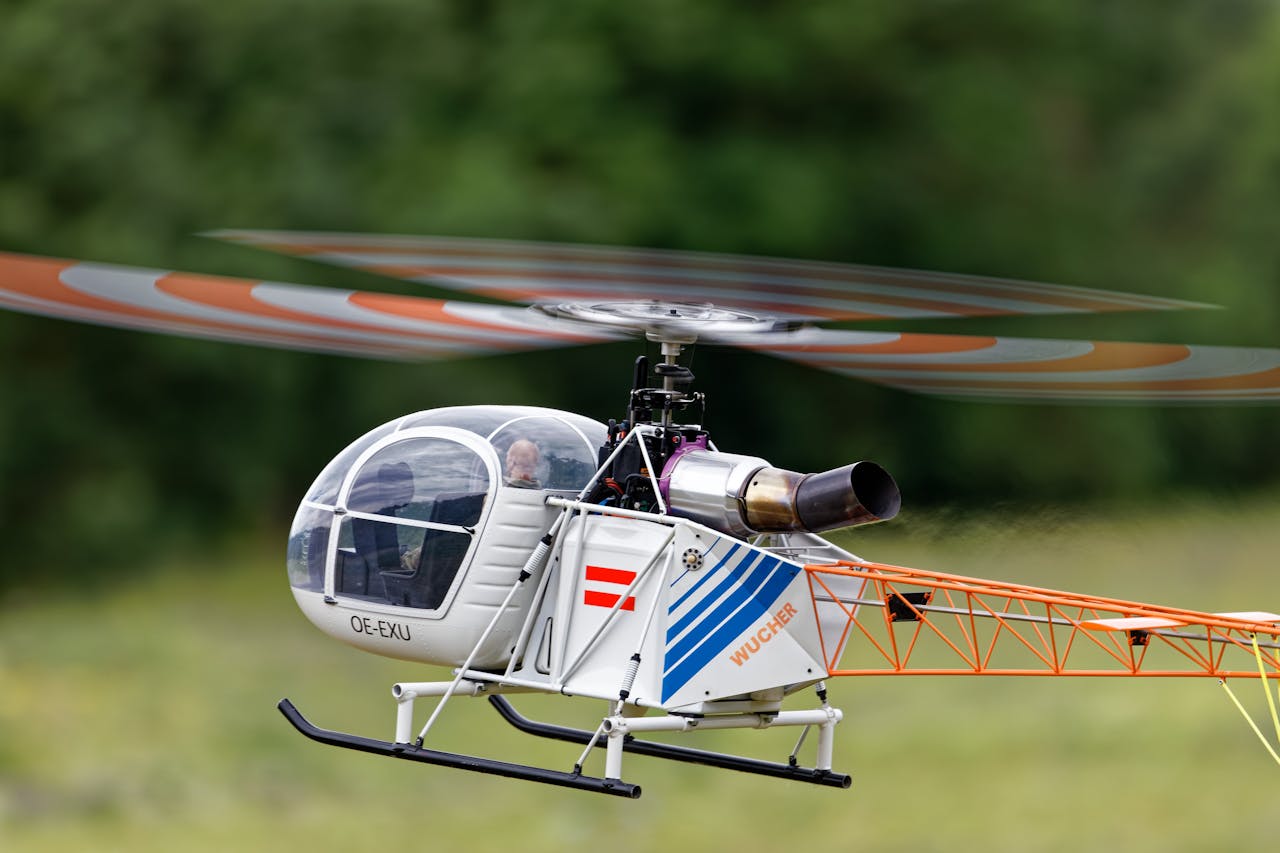
Radio control airplane clubs created a small runway culture. Pilots called out takeoffs and landings, shared spare parts, and watched a windsock before sending a plane into a clean arc over the field. Weekend mornings smelled like cut grass and fuel.
Dedicated flying sites are getting harder to keep. Many fields are leased, and rising land values, development, and noise complaints can end access quickly. Airspace rules and confusion with drones add friction. When a field closes, the hobby loses its classroom, and beginners have fewer safe places to practice, so membership grays and numbers drop. The loss is sudden and permanent.
Bandstand Summer Concerts
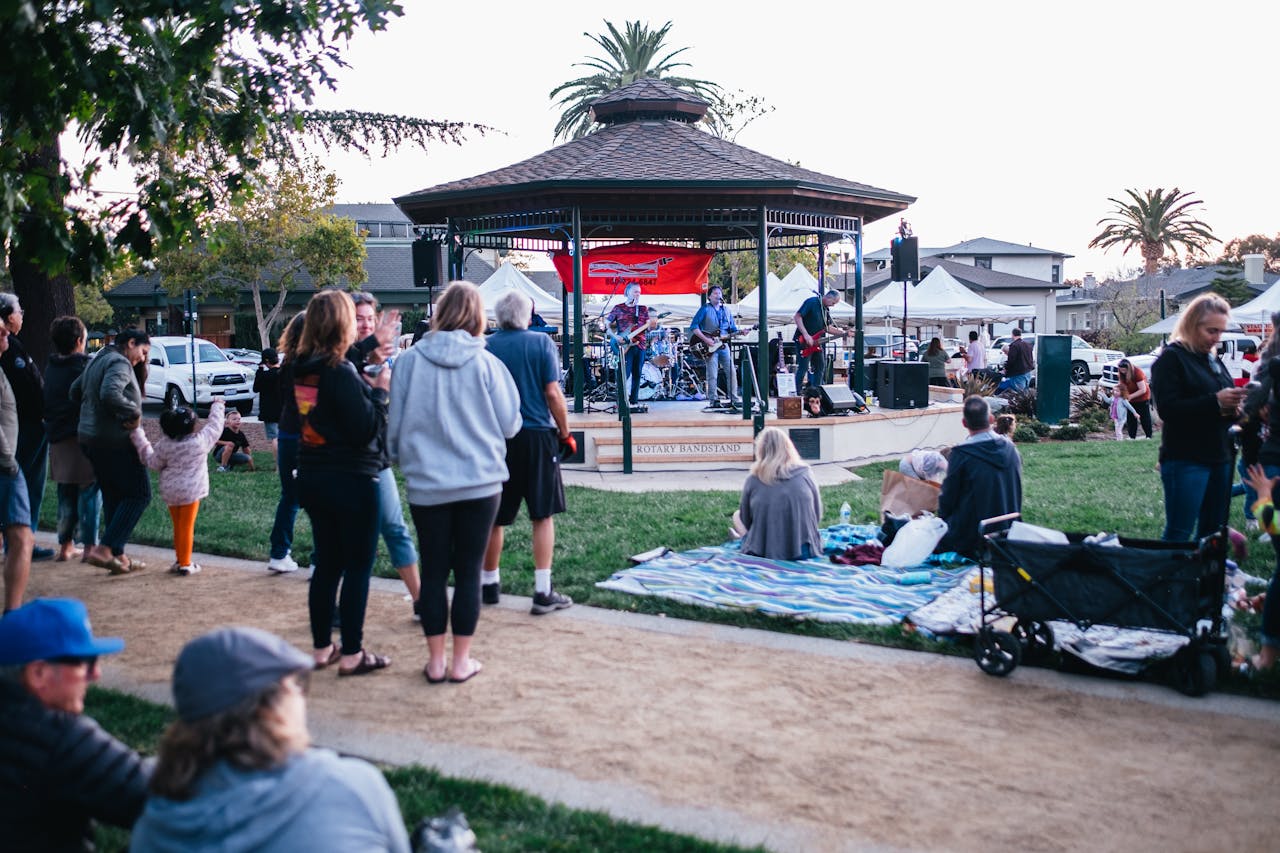
Bandstand concerts once anchored summer nights in downtown parks. Families brought folding chairs, teens lingered at the edge, and the same brass notes floated over lawn grass and lemonade stands. A rain delay still drew people back the next week.
These shows depend on budgets and volunteers, and both can run thin. Permits, sound limits, and security needs turn a simple hour of music into a planning job, and sponsors are harder to find when local businesses close or consolidate. When the gazebo goes quiet, it is not only entertainment that disappears, but an easy meeting place where generations mixed without tickets or pressure.
Pond Skating And Shinny Hockey
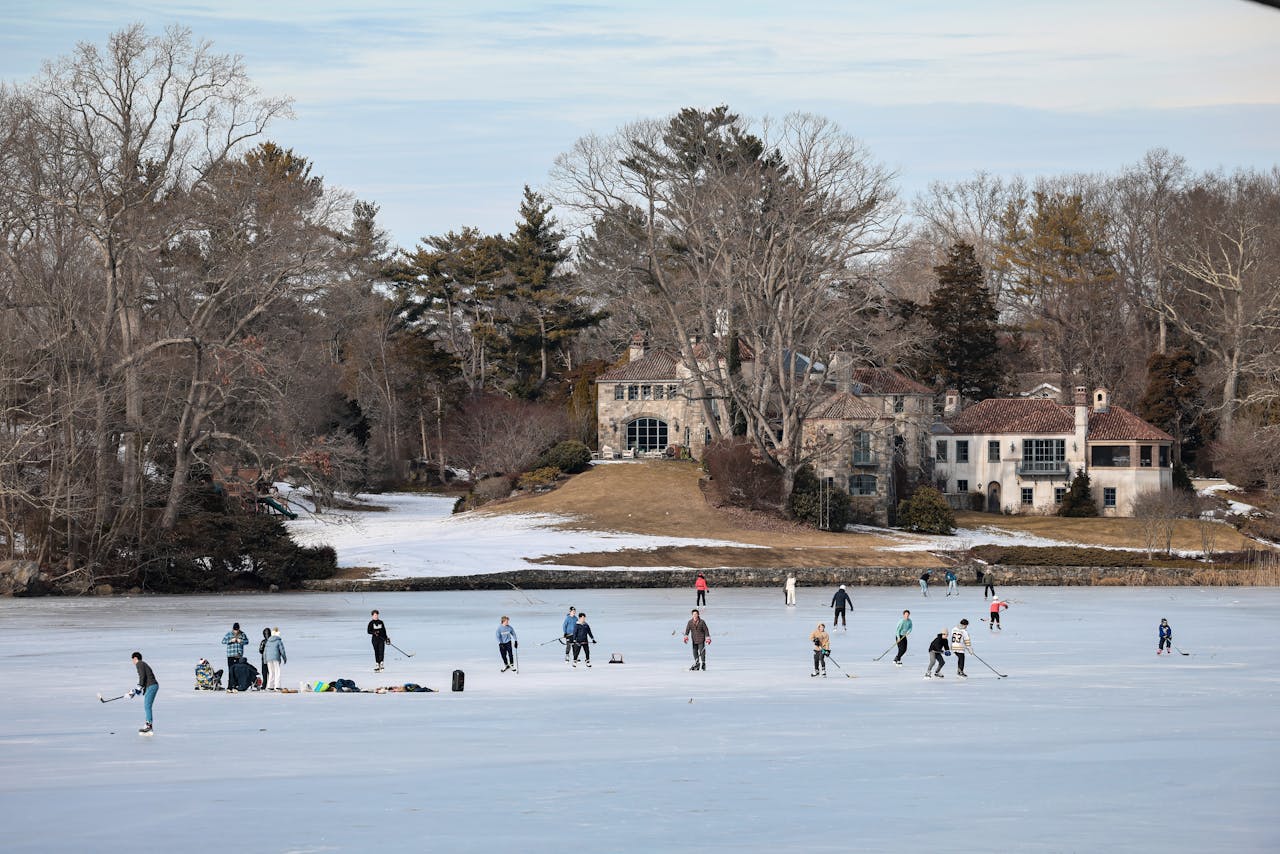
Pond skating and shinny hockey started when a cold snap held. Someone shoveled a rough rink, sticks appeared, and the rules were mostly about respecting turns and keeping the puck away from little kids. Twilight brought lanterns, breathy laughter, and mittens drying on benches.
Warmer winters and freeze thaw cycles make safe ice less reliable, even in places that once counted on it. Liability worries also bring more posted warnings and fenced ponds, pushing people toward indoor rinks with fees and set hours. The shift is practical, but it removes winter freedom that taught kids how to read weather and look out for each other.
Neighborhood Sledding Hills
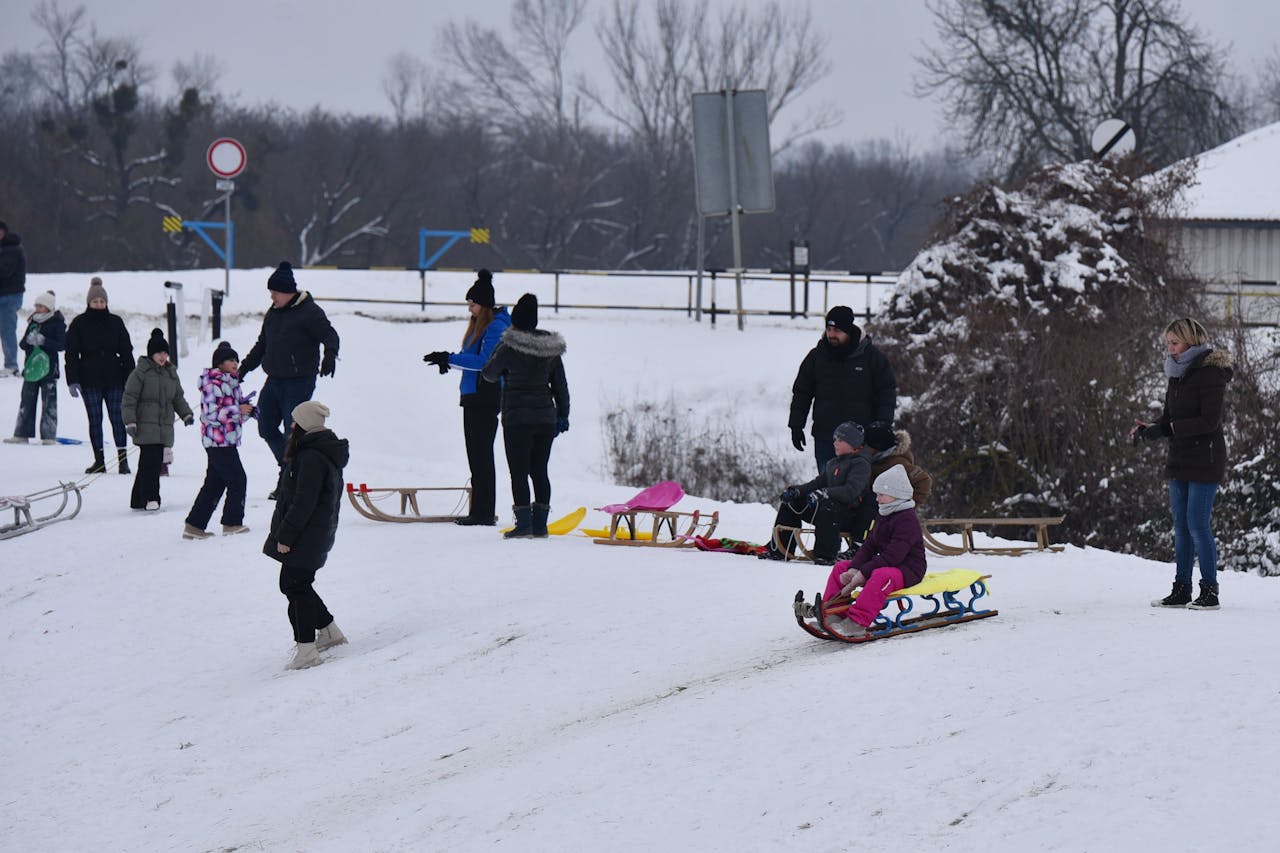
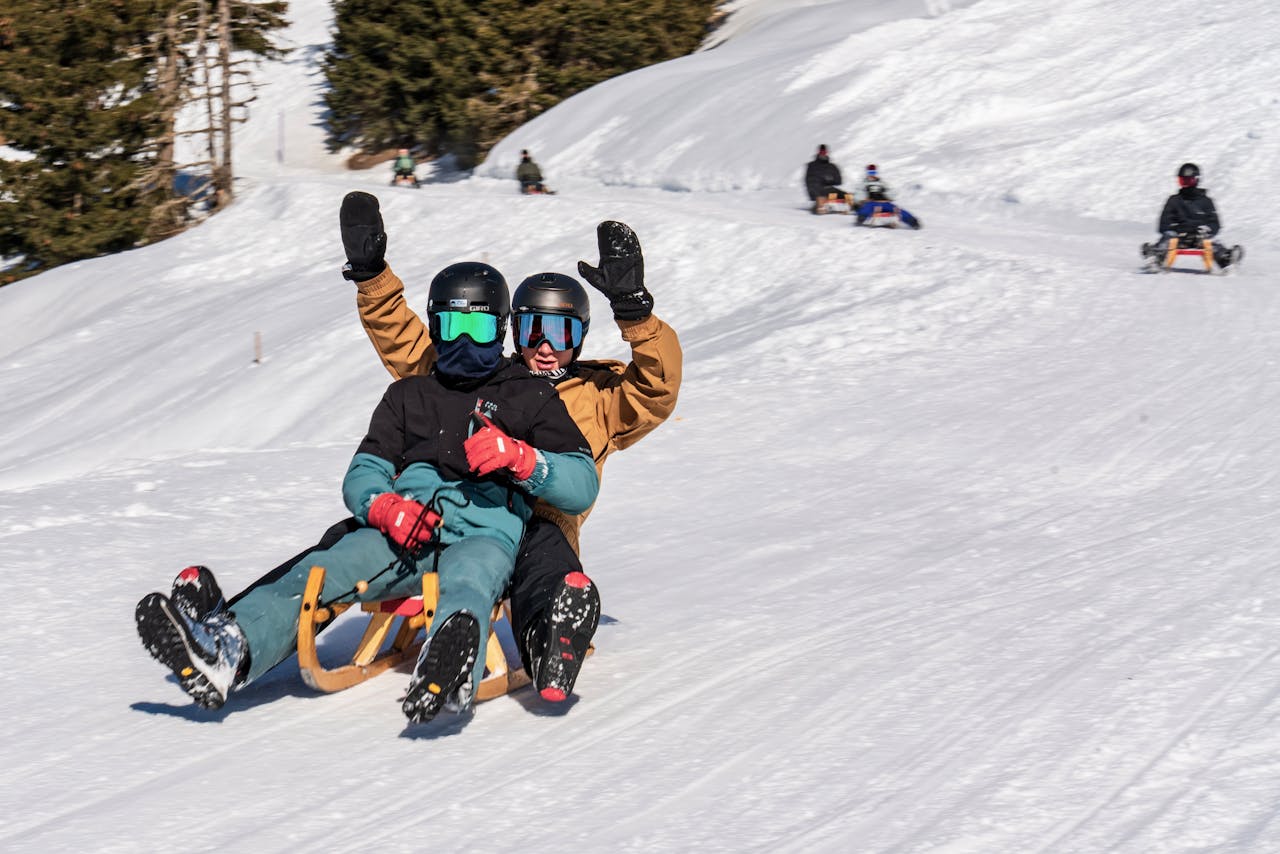
Sledding hills once turned every snow day into a neighborhood event. Cardboard, plastic saucers, and old toboggans showed up fast, and kids lined up without needing teams or referees. Adults waited at the bottom to untangle scarves and hand over hot cocoa.
Many classic slopes are now fenced, landscaped, or posted against sliding because of liability concerns or nearby road traffic. Warmer winters also mean fewer reliable storms, so the habit never builds. Families often drive to managed parks instead, which makes the fun feel planned rather than automatic. When the hill closes, a winter tradition loses its home base.
Creek Wading And Tadpole Catching

Creek wading was a small adventure that fit into any free afternoon. Kids flipped stones, watched minnows scatter, and carried a jar just long enough to admire a tadpole before letting it go. Wet sneakers dried on steps and scraped knees were worn as proof.
Access has changed in many areas. Some streams are cleaner but more protected, while others carry runoff warnings that keep families away. Property lines and hardened banks also limit where people can enter. When the nearest creek becomes off limits, nature play shifts to organized programs or screens, and the messy discoveries fade from childhood routines. Especially in summer.
Kite Flying On Open Fields
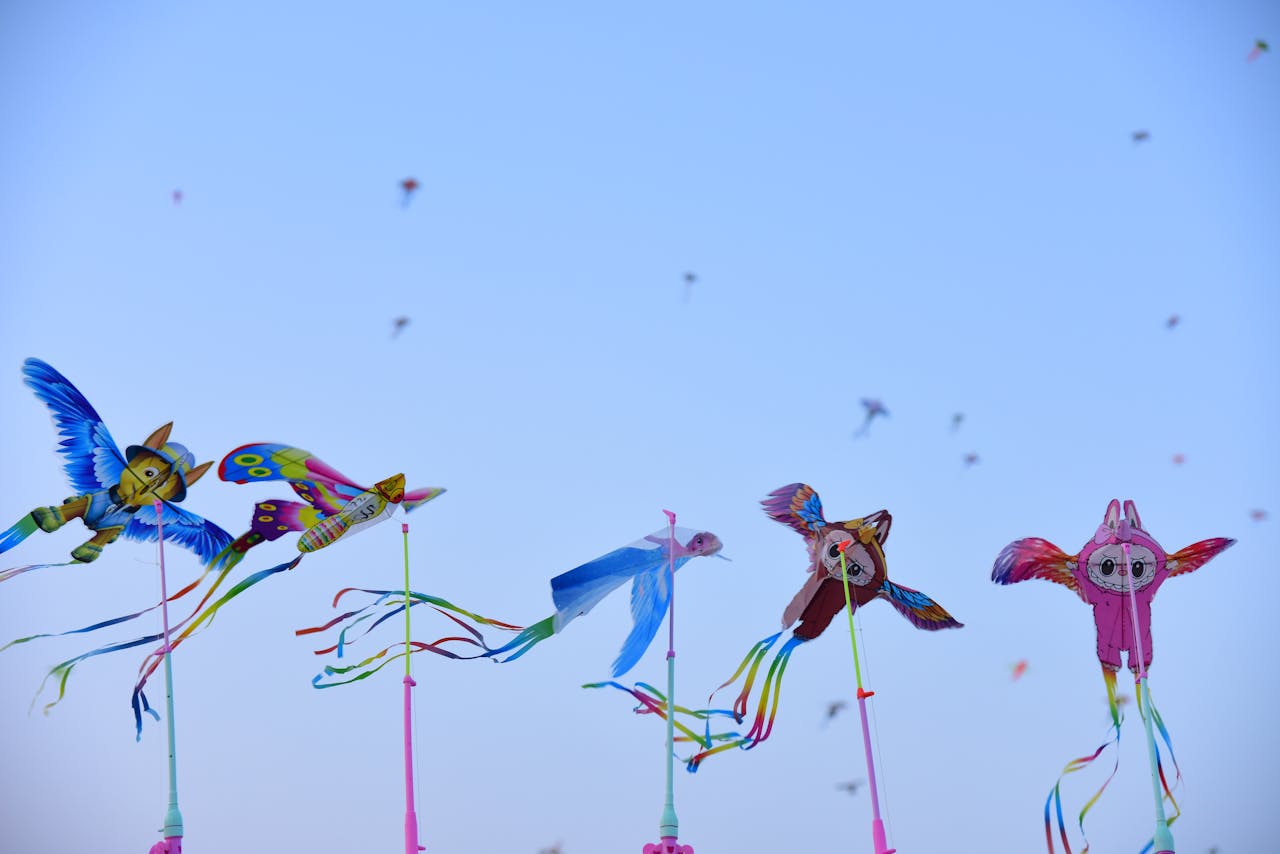
Kite flying seems simple, but it depends on open space and steady wind. A good field allowed a long run, a clean lift, and enough room for a line to drift without tangling in trees or wires. Small repairs, tape, and a new tail could save the afternoon.
Those wide, empty patches are rarer in growing towns. Parks add fences, courts, and new buildings, while power lines and tall landscaping crowd the sky. When the nearest safe field disappears, kite time shifts to beaches or festivals. The pastime survives, but the casual after school hour with a spool and a glance at the clouds becomes harder to pull off, even on windy days.