Snack aisles once felt predictable: one wall of familiar ridges, salty dust, and names that showed up at family parties for decades. Then the shelf logic changed. Retailers chased novelty, health halos, bold global flavor cues, and premium packaging, while legacy products with loyal but aging fan bases lost space. As the category shifted, several chips that defined road trips, ballgames, and weeknight sandwich plates quietly slipped out of rotation. What remained was a sharper, louder aisle, and a softer memory of what used to sit in the center row, especially in households that bought the same bag for years at checkout.
O’Grady’s
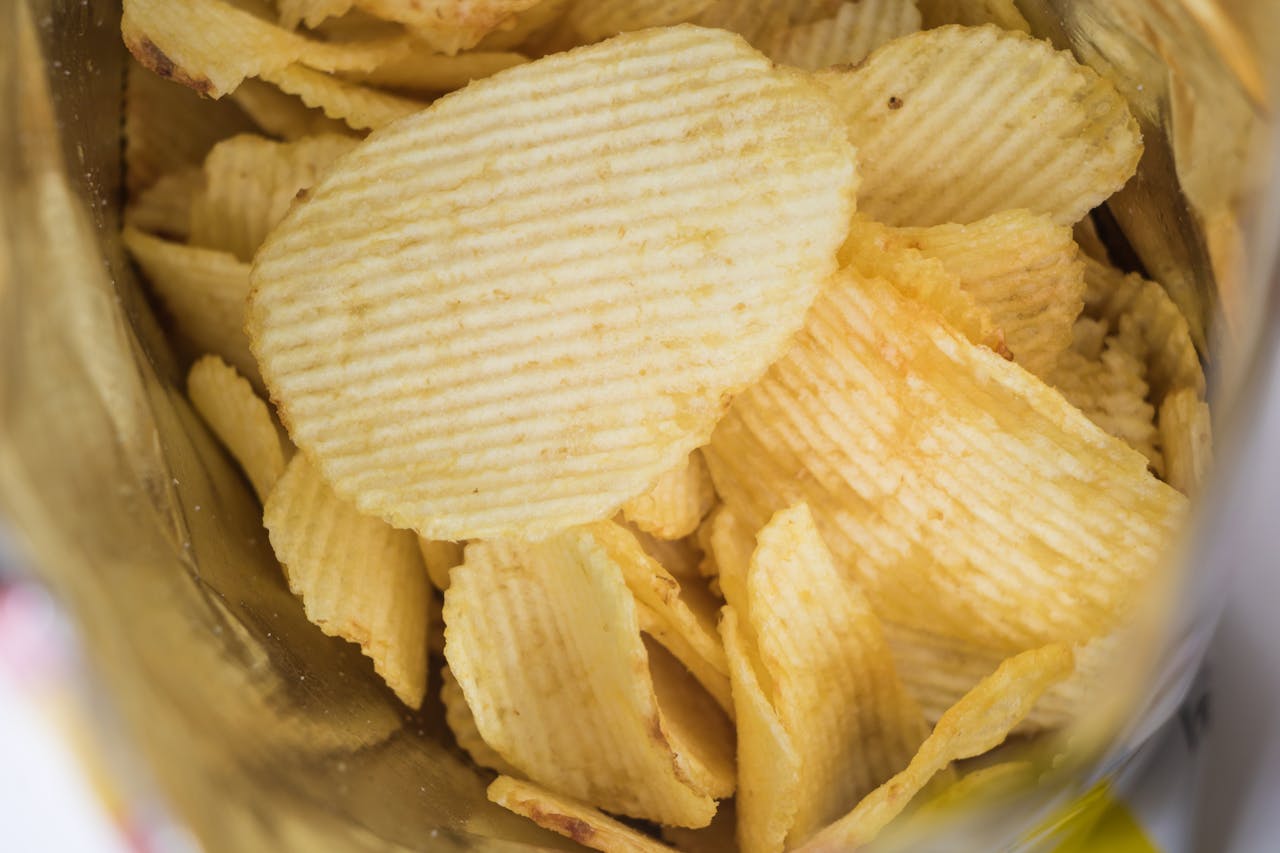
O’Grady’s arrived in the 1980s with a blunt promise: thicker ridges and a stronger potato bite than ordinary chips. Newsweek’s discontinued-chip reporting says the line became a real hit, especially in plain and au gratin, then slipped off U.S. shelves by the 1990s.
Their disappearance tracks a wider shelf shift. As retailers prioritized frequent launches and premiumized options, familiar legacy SKUs had less room to survive. NIQ trend reporting shows snack shoppers steadily rewarding novelty and perceived upgrades, not just old favorites. O’Grady’s stayed beloved, but beloved and stocked are different outcomes for buyers.
Planters Potato Chips
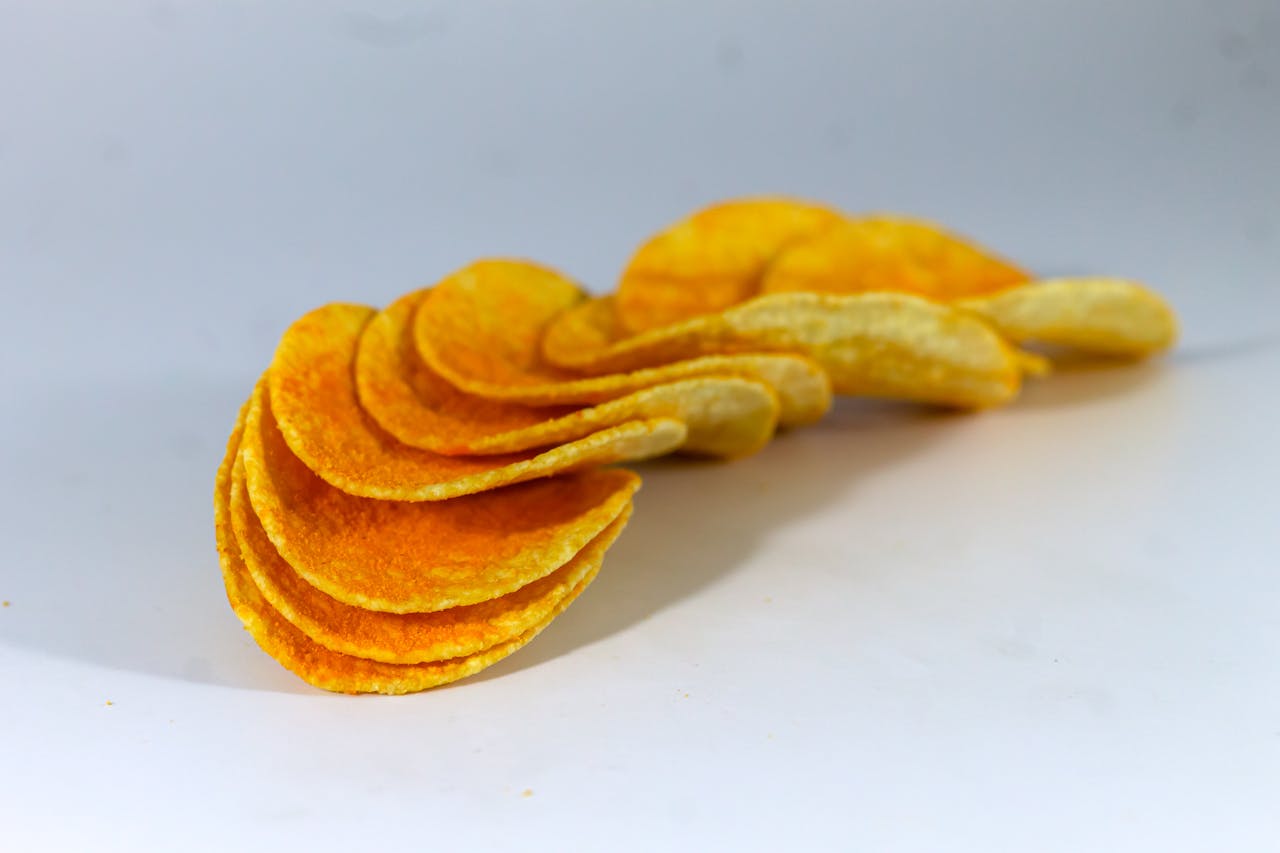
Planters was known for nuts, but in the 1970s it pushed hard into stackable potato chips, positioned directly against Pringles. Newsweek documents how the ridged canister chips built recognition through aggressive taste-test advertising before the line was dropped.
That rise-and-fall arc now feels like an early preview of today’s aisle pressure. Without sustained velocity, even well-marketed products lose slots when private labels, flavor experiments, and margin-rich premium bags crowd the same shelf. By the time snack shopping became more segmented, Planters chips were already a memory tied to old canister snaps and TV jingles.
Blue Bell Bar-B-Q Potato Chips
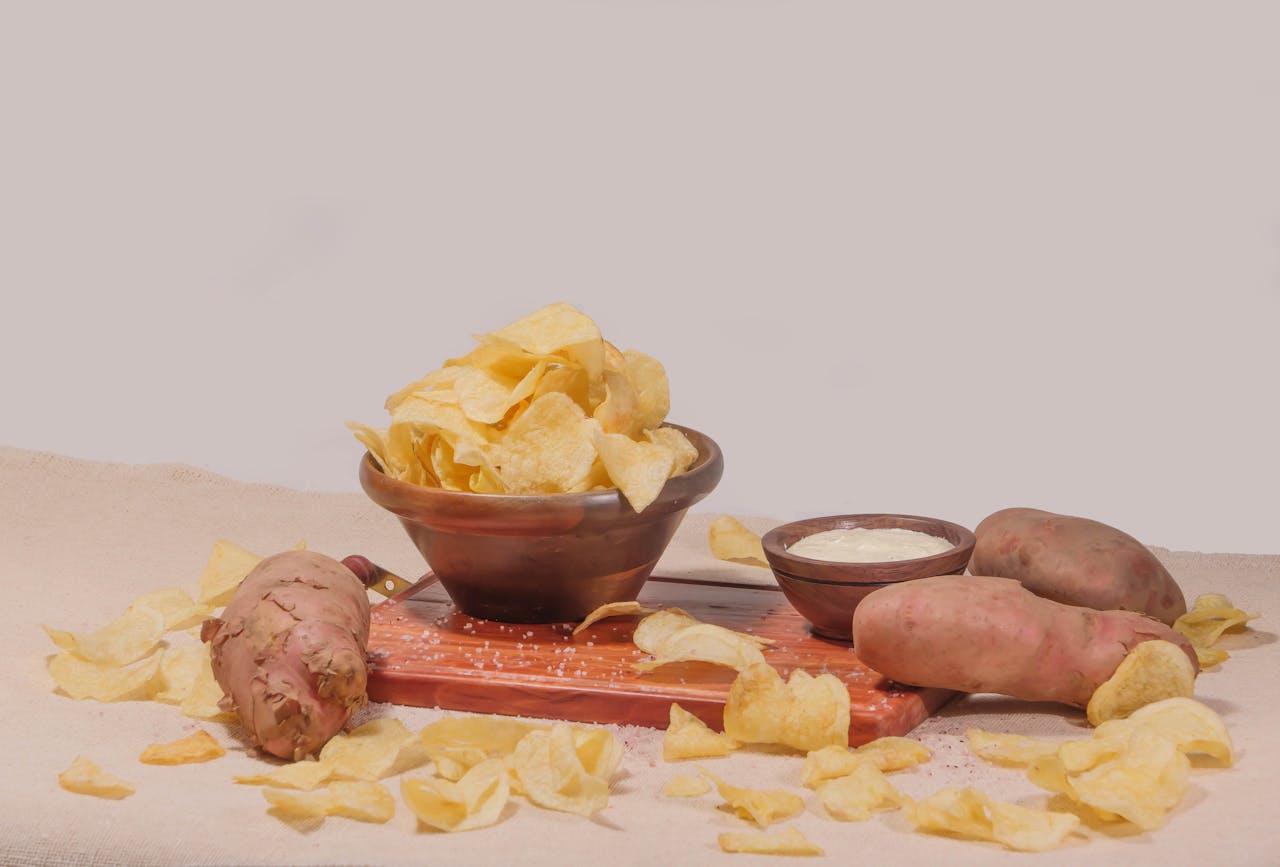
Blue Bell Bar-B-Q chips were a strong regional favorite through the 1960s and 1970s, remembered for smoky flavor and bold packaging. Newsweek notes the brand’s long popularity, while Spokane coverage in 1995 reported parent-company closure notices after failed sale efforts at Blue Bell facilities.
For many boomers, the taste memory outlived the company itself. When ownership troubles hit and distribution contracts unravel, a brand can vanish even with loyal demand still present in specific regions. The modern aisle often treats that loyalty as sentiment, not national-scale performance, so those bags rarely return in original form.
Keebler Tato Skins
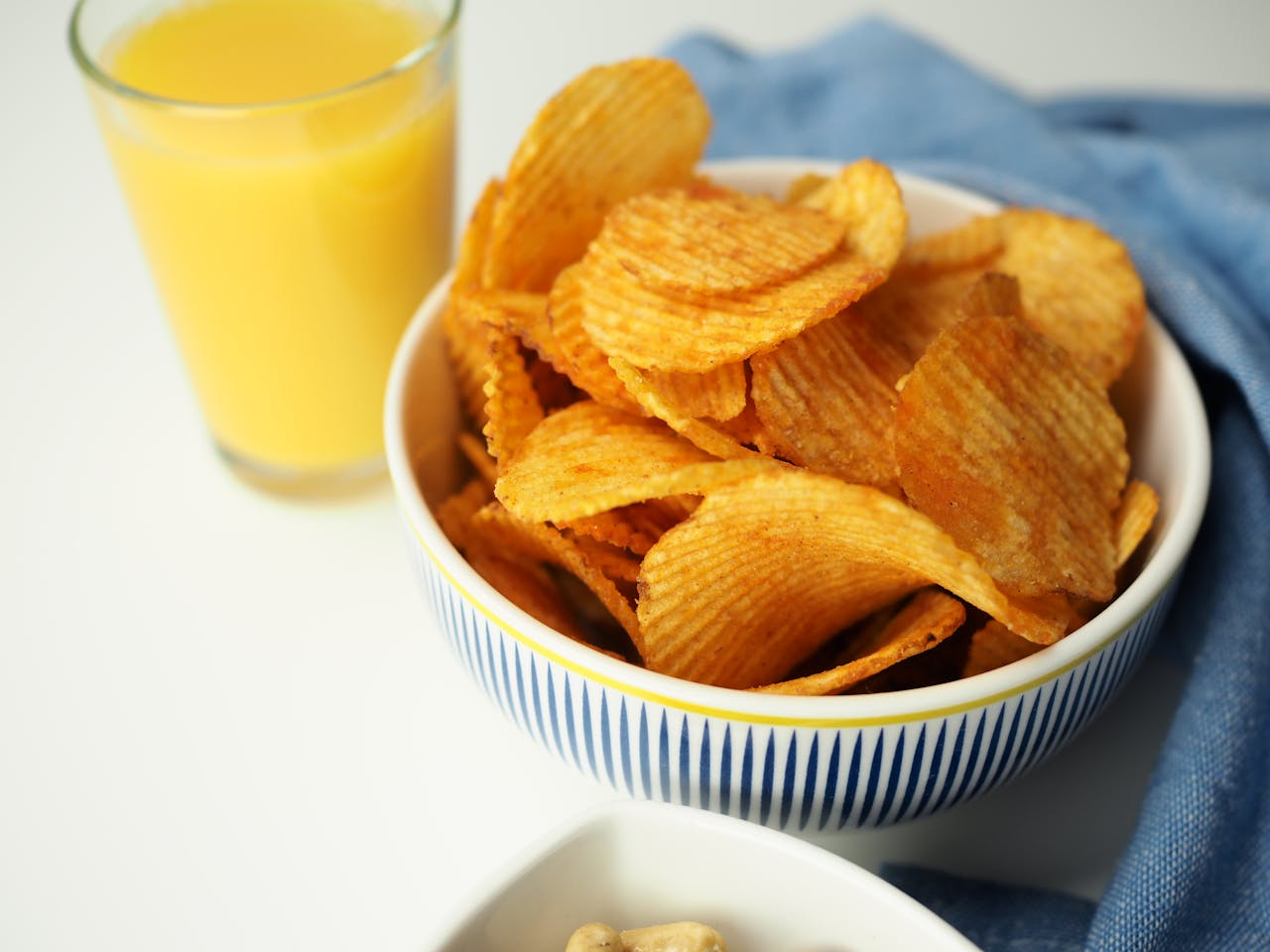
Keebler’s Tato Skins launched in the mid-1980s and stood out by leaning into the loaded-potato-skin idea before that flavor profile was common. Food52 dates the original launch to 1985, and later reporting notes that the Keebler version disappeared even as a different TGI Fridays interpretation remained.
That distinction matters. Shoppers can still find a similarly named snack, but longtime fans often describe the old formula and seasoning balance as a different experience. In aisle terms, Tato Skins show how a concept can survive while the exact classic execution disappears during brand reshuffles and licensing handoffs.
Keebler O’Boisies
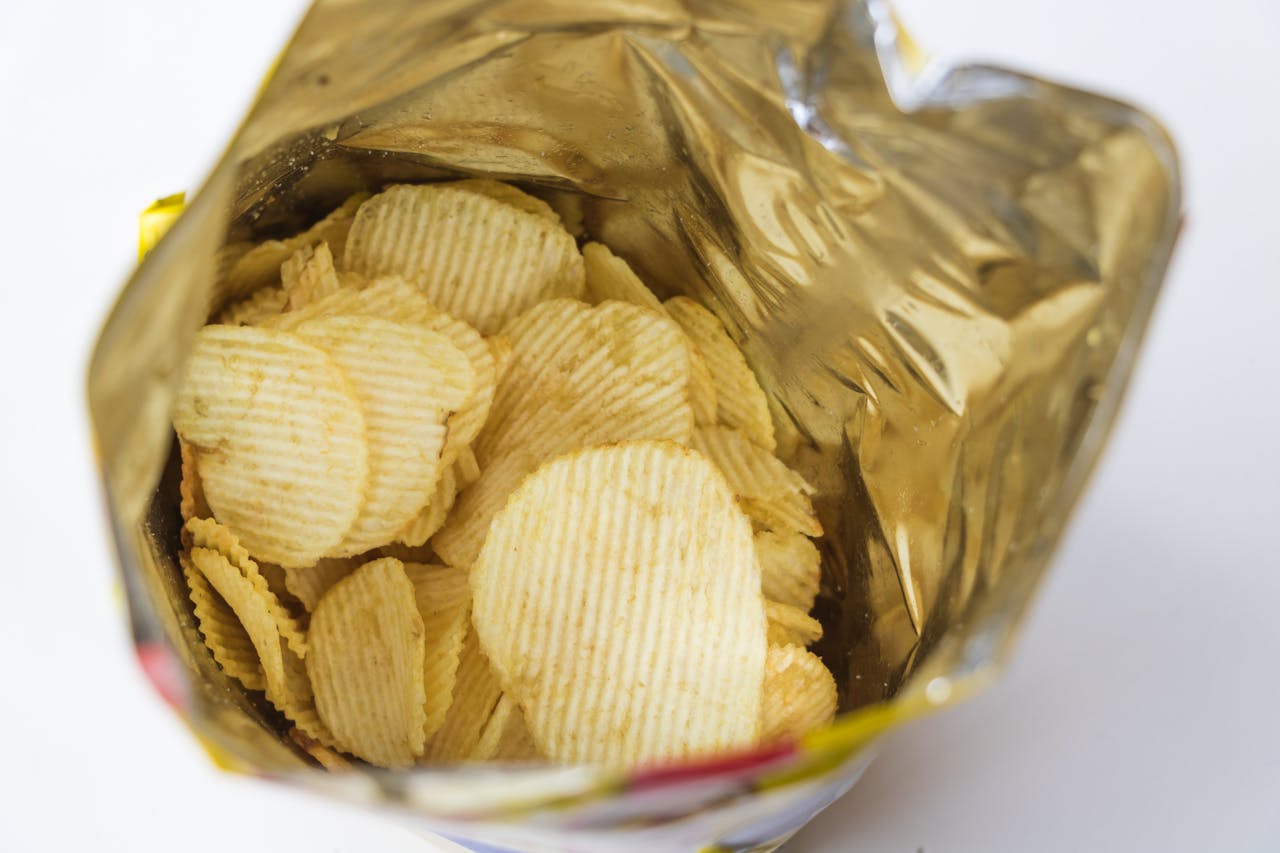
O’Boisies arrived with real momentum. A 1988 Los Angeles Times report covered Keebler’s national rollout tied to Idaho potato identity, and later snack retrospectives describe how the line eventually disappeared despite strong recall among fans.
The brand’s story mirrors what happens when a company narrows focus around higher-scale winners at retail. Beloved side lines often get trimmed first, even if households still remember the taste and texture in detail. O’Boisies became one of those names people can describe instantly but cannot easily replace, because the market moved toward new launches instead of old restorations.
Pizzarias
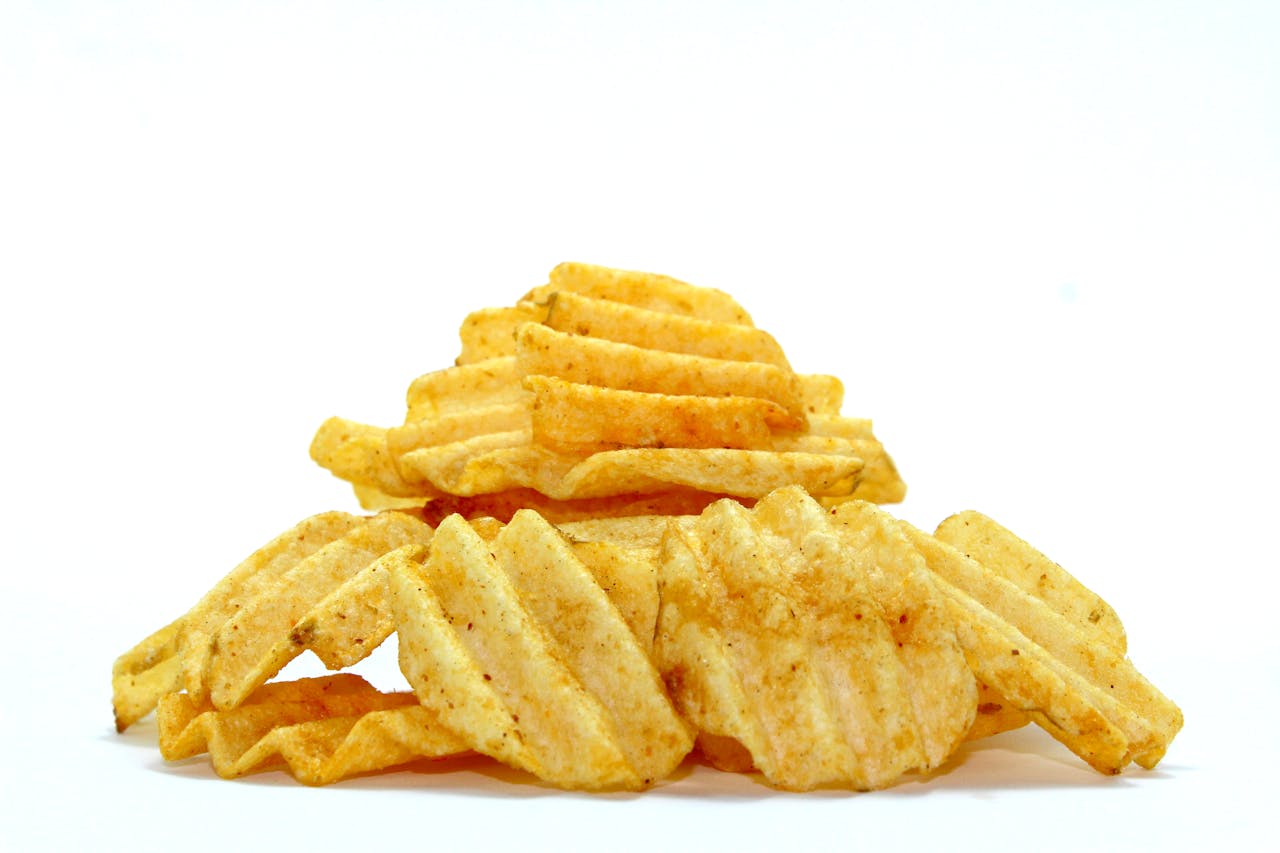
Pizzarias blurred categories by selling a pizza-style crunch in chip form. Newsweek records a strong run after the 1991 launch before discontinuation in the late 1990s. Though it leaned beyond plain potato, it still competed in the same snack-cart decisions as classic chips in many homes.
Its disappearance showed how quickly snack cycles compress. A breakout product can dominate one era, then lose space once ownership changes, portfolios consolidate, and retailers push constant replacement headlines. Pizzarias kept deep nostalgia, but nostalgia rarely beats rapid SKU turnover during modern resets across major chains in practice.
Lay’s WOW Chips

Lay’s WOW chips launched in 1998 as a fat-free alternative, powered by olestra, and quickly generated huge first-year sales before backlash over digestive side effects. Newsweek documents the sales rise and decline, while CSPI and CBS reporting from the 2000s tracks the rebrand from WOW to Light during the controversy.
For boomers who watched low-fat marketing peak, WOW felt like a cultural moment as much as a snack. It showed how fast trust erodes when ingredient perception turns. Once confidence slips, even aggressive rebranding may not restore shelf strength, and a line can fade despite early blockbuster momentum at retail.
Mikesell’s Classic Potato Chips
Mikesell’s represented a different kind of disappearance: not one flavor retired, but a historic chip maker winding down after more than a century. Dayton-area reporting in 2023, echoed by PotatoPro coverage of company statements, describes the shutdown process and liquidation steps after 110-plus years.
For many boomers in Ohio and nearby states, that closure marked the end of a default party-bowl chip, not a novelty buy. It captures a hard truth about upgraded aisles: scale, distribution leverage, and category strategy can outweigh local loyalty. When a regional icon exits, memory carries the crunch longer than the shelf does.