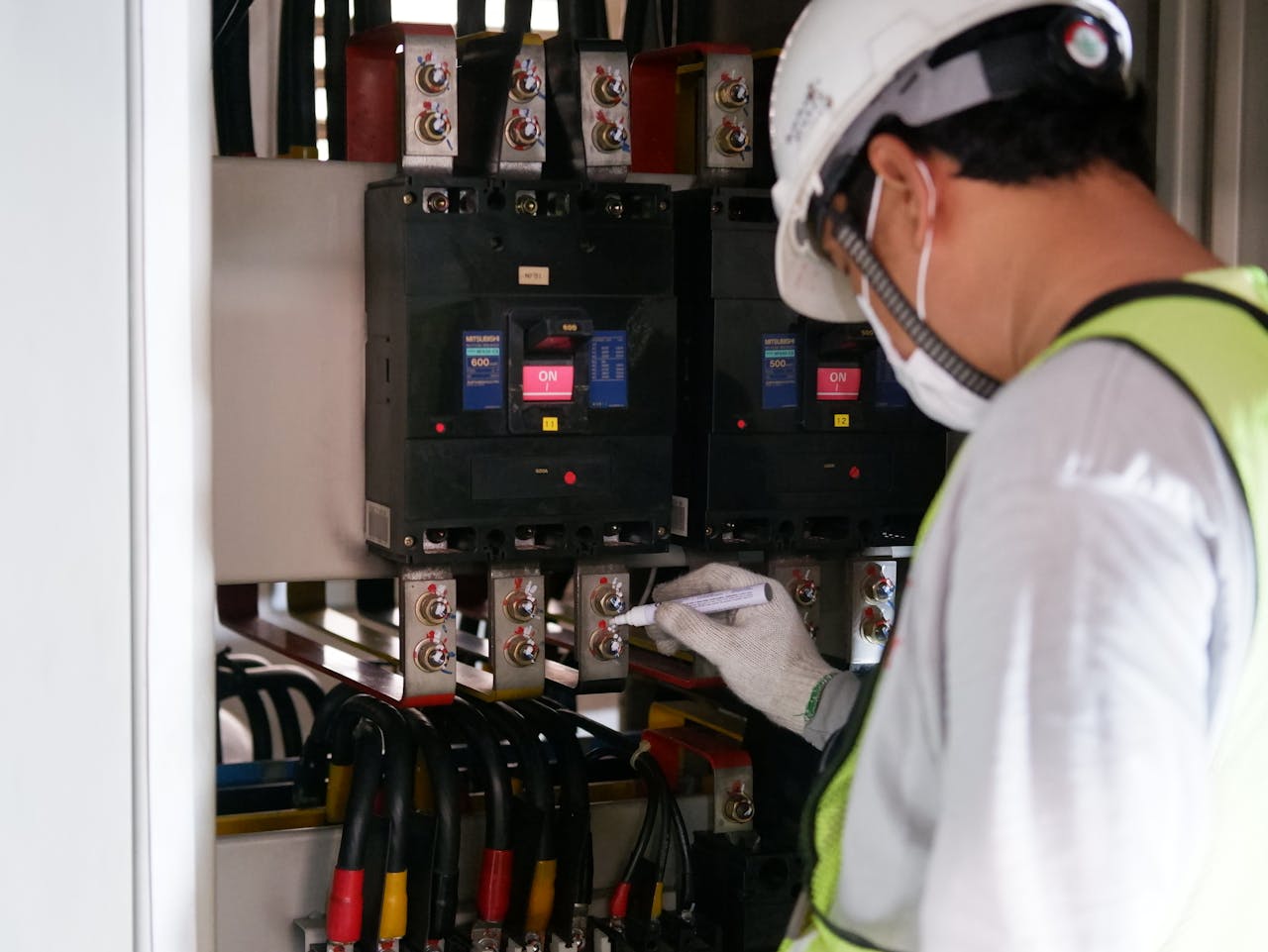
Electrical inspectors live with a strange déjà vu. A home can be freshly painted and perfectly staged, yet the panel and outlets tell another story: quick fixes, weekend upgrades, and add-ons done without permits. Many begin with good intentions, like adding a basement light or power for a bidet, then slide into shortcuts that ignore rules meant to prevent shocks and fires. In older neighborhoods, the same workarounds repeat because they seem fine until a sale, renovation, or storm outage demands a closer look. What gets flagged is rarely fancy; it is familiar, repeatable, and fixable, and the cleanest fixes usually start with a permit.
Permanent Extension Cords
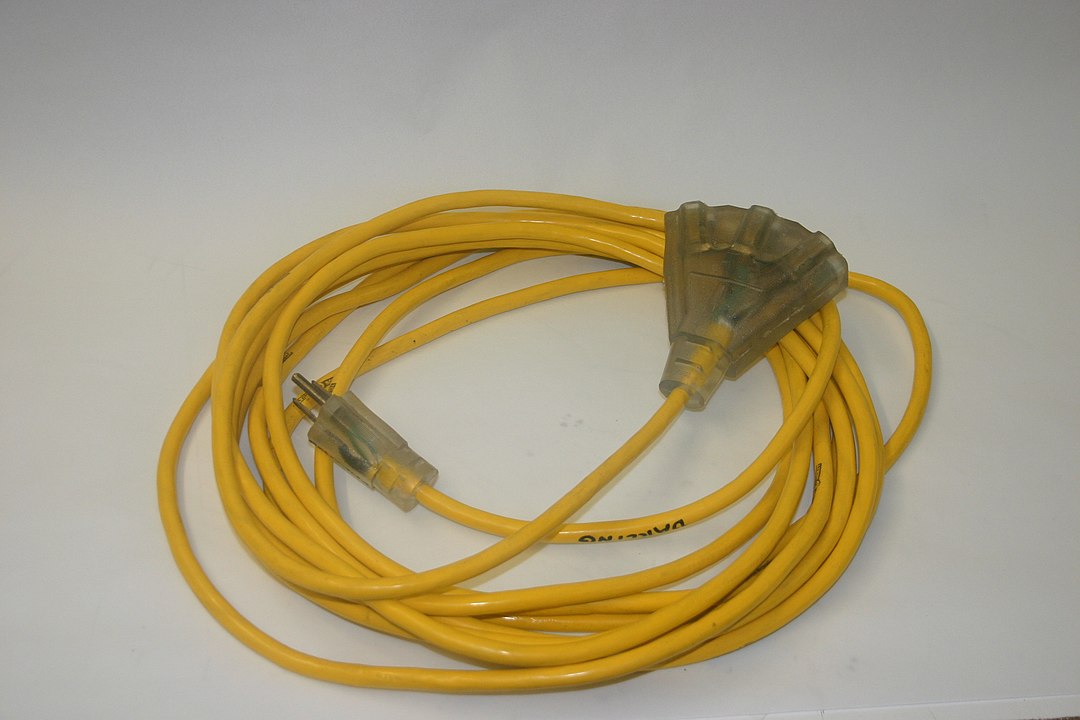
The most common giveaway is a cord that stops being temporary: an extension snaked through a hole, tucked under carpet, or stapled along a baseboard to feed a freezer, a treadmill, or a DIY office nook. Electrical code treats flexible cords as equipment leads, not building wiring, and it specifically forbids running them through holes, doorways, or attaching them to building surfaces as a workaround. It can look tidy, but it turns traffic areas into a live path, gets crushed by furniture, and skips the boxes, clamps, and strain relief that keep connections from loosening and heating, and inspectors find them under rugs.
Double-Tapped Breakers
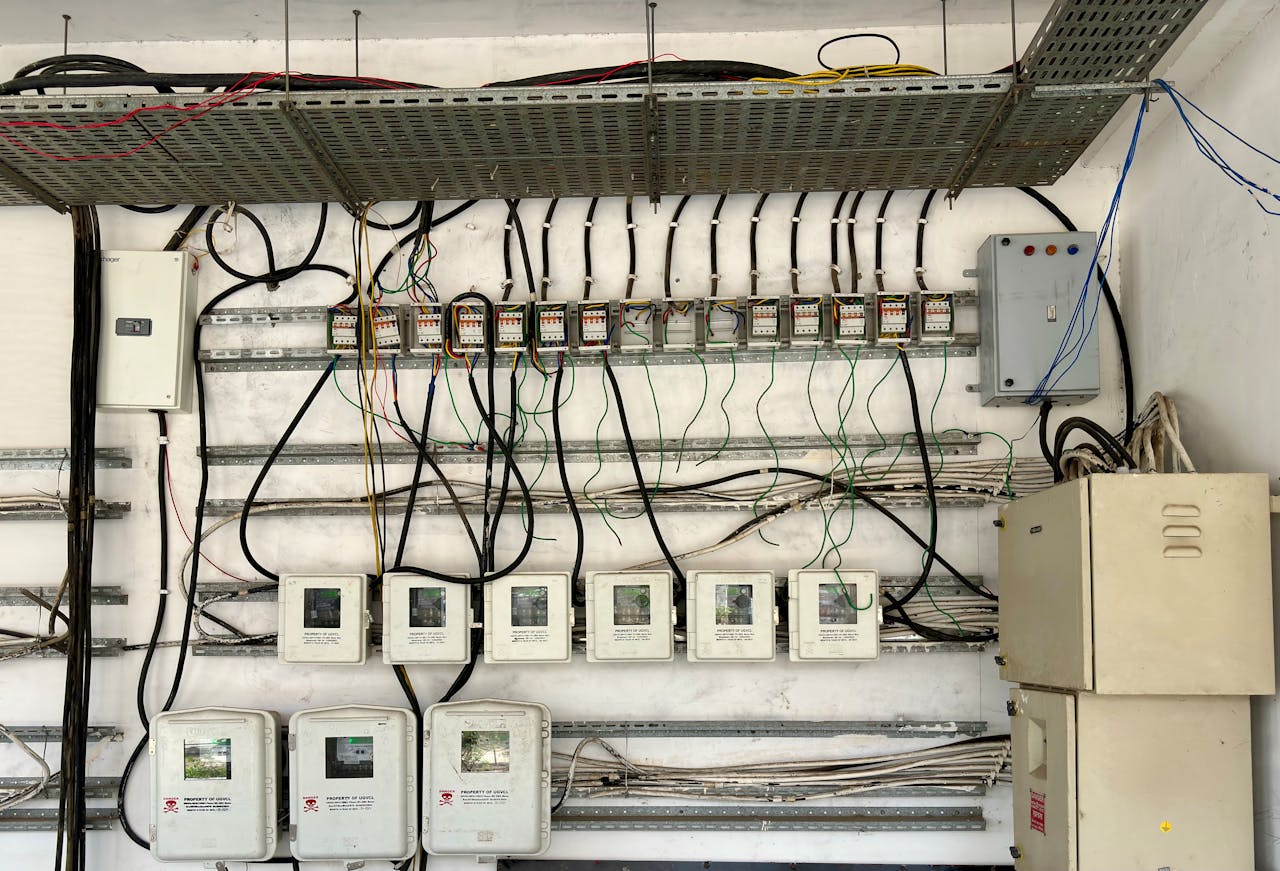
A breaker that holds two wires can be either allowed or prohibited, depending on whether the terminal is listed for more than one conductor. Inspectors keep finding the prohibited version: two conductors crammed under a lug built for one, usually after a remodel adds a microwave, a mini-split, or extra lighting and the panel runs out of open spaces. The risk is not the math but the grip; a loose conductor can arc and overheat, leaving heat stains and brittle insulation long before anyone notices a smell, and the cure is a properly listed breaker, pigtail, or subpanel, often during resale, especially in crowded panels.
Double-Lugged Neutrals

Panels often reveal a quieter shortcut: two neutral wires landed under one screw on the neutral bar to make room for an added circuit, especially after a basement finish or a kitchen upgrade. Modern code expects each grounded conductor to terminate in its own individual terminal, while equipment grounds may share only when the bar is listed for it, because neutrals carry return current and need a secure, inspectable clamp. When two share a terminal, one can loosen when the other is serviced, and the result can be flickering lights, nuisance trips, or heat damage that hides in plain sight, an easy miss in busy panels.
Hidden Splices Without Boxes
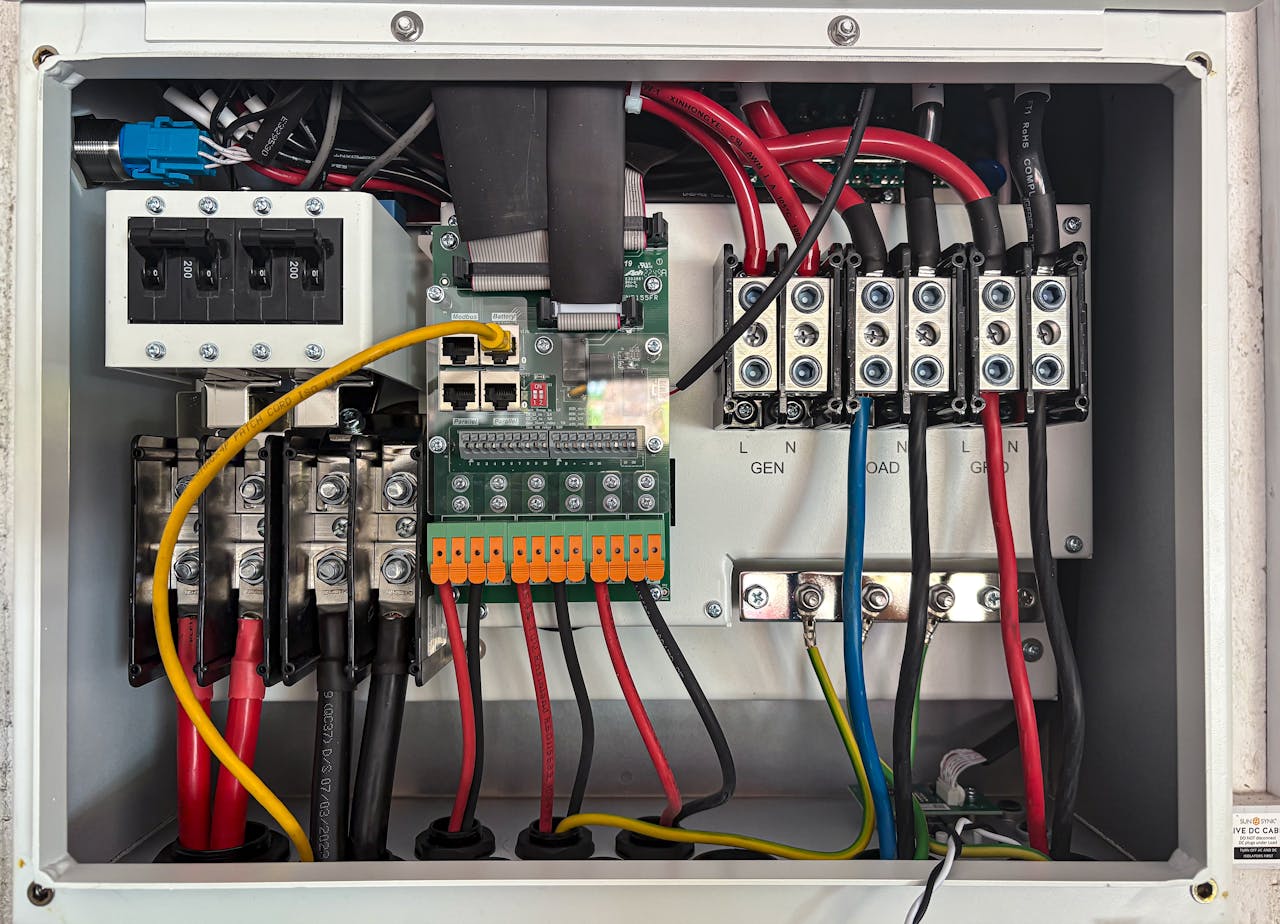
Inspectors still open basements and find a tidy splice wrapped in tape, floating between joists, usually from an add-on like recessed lights, under-cabinet LEDs, or a bathroom fan where someone tied into an existing cable and skipped the junction box. Code expects every connection to live inside an approved enclosure with a cover and proper clamps, both for protection and so the work stays accessible for service. Once splices get buried behind drywall or insulation, a loosened connector as the framing dries and shifts can turn into a steady heat source that no one sees until a breaker trips or a ceiling stains weeks later.
Bootleg Grounds on Three-Prong Outlets
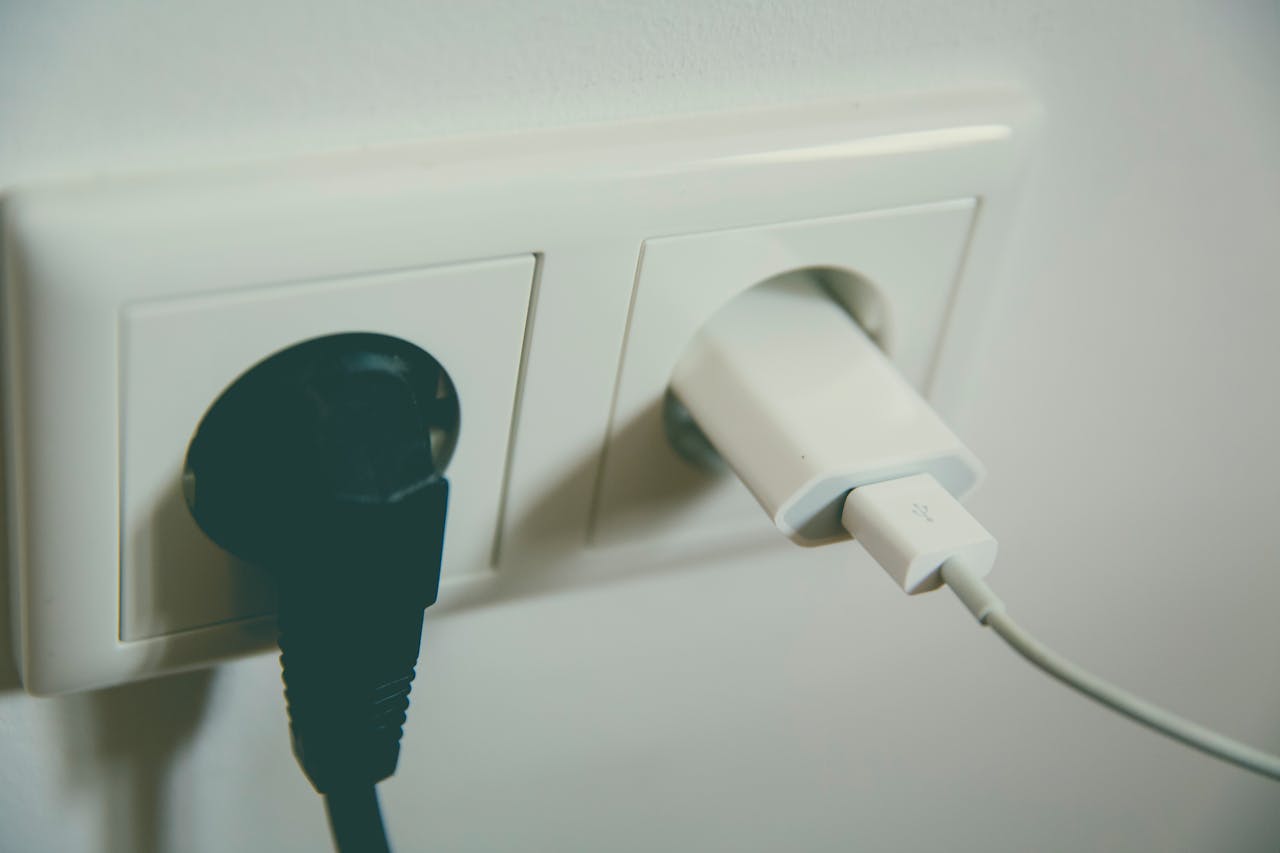
A three-slot receptacle can look modern while hiding an old problem: no real equipment ground in the cable feeding it, so a remodel swap from two-prong to three-prong becomes more cosmetic than safe. Inspectors still see bootleg grounds, where a short jumper ties the neutral terminal to the ground screw, fooling basic plug testers and giving appliances a fake path, often in quick flips. It is prohibited because a neutral failure or fault can energize metal parts and defeat the safety logic of grounding; compliant fixes rely on a real grounding path, or a correctly installed GFCI marked No Equipment Ground before closing.
Overstuffed Device Boxes
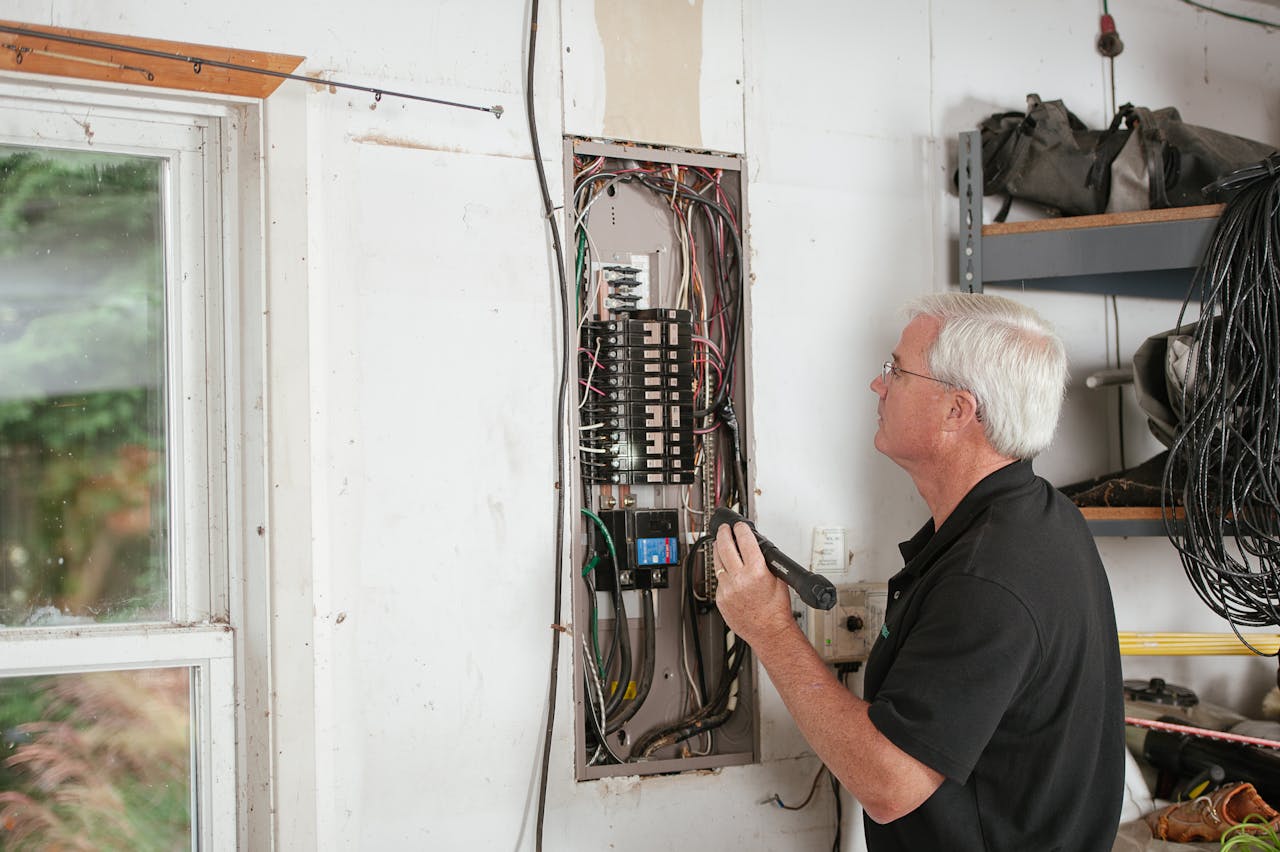
When a new dimmer, smart switch, or extra receptacle goes in, the box behind the plate sometimes becomes a crowded drawer, stuffed with wirenuts and pigtails. Inspectors keep flagging box-fill violations, where too many conductors, splices, and devices are packed into a space that was never sized for the required volume allowances, which are based on conductor count and box volume. Those tight bends can pinch insulation and loosen terminations, so the first clues are often small: flickering lights, a buzzing switch, or a warm spot that appears after heavy use on kitchen and laundry circuits, especially in fast remodels.
Generator Backfeed Setups
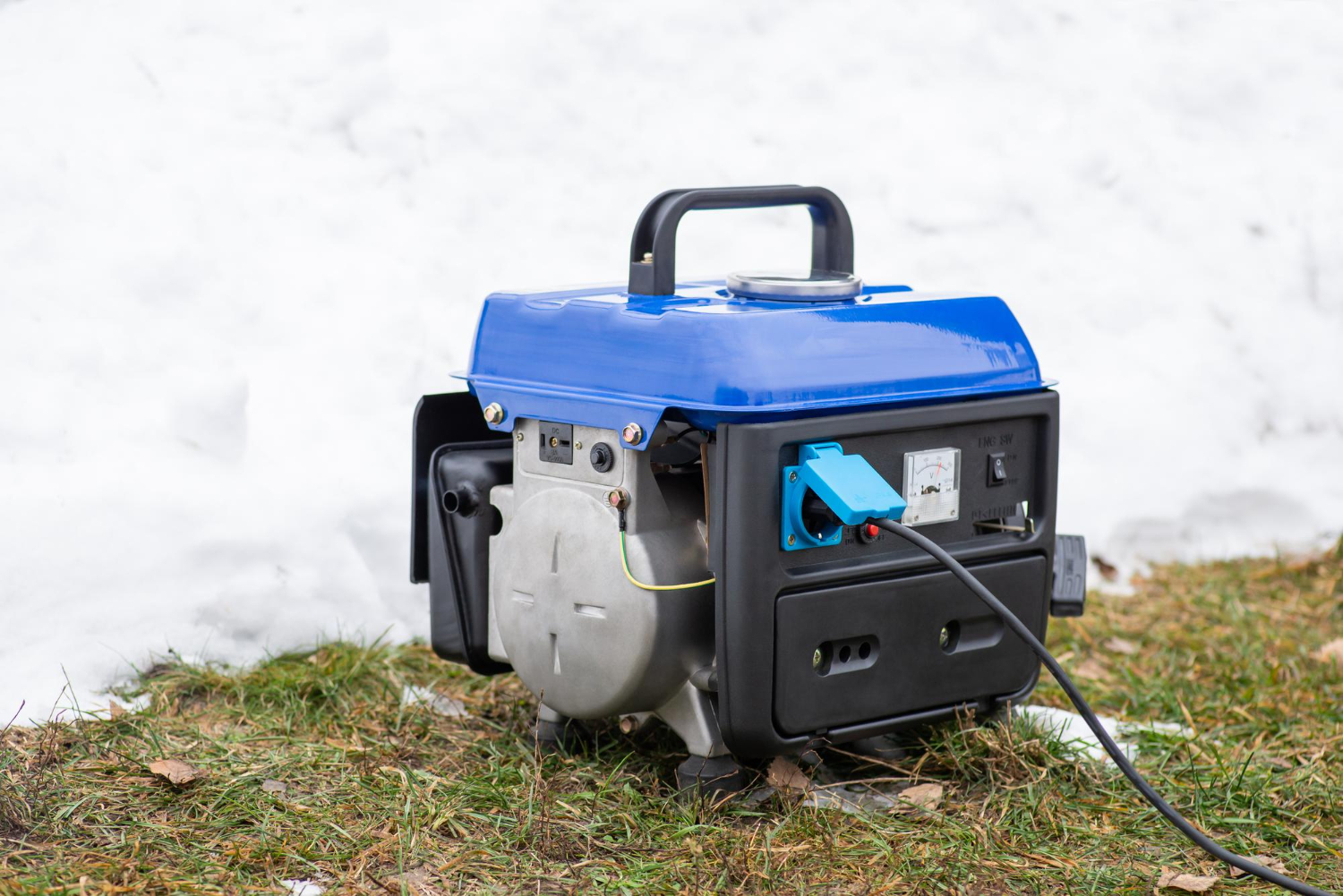
After storms, inspectors often see the same dangerous add-on: a portable generator tied into the house through a dryer outlet or a backfed breaker, sometimes using a male-to-male cord and a homemade inlet drilled through siding. Without an approved transfer switch or interlock, power can flow the wrong way, energizing circuits that were never intended to be live and even sending voltage onto utility lines. It gets written up fast because the safe alternative is well-defined: listed transfer equipment installed under permit, so emergency power stays isolated, labeled, and predictable, even when neighbors are still out.
Outdoor Outlets Without Proper Protection
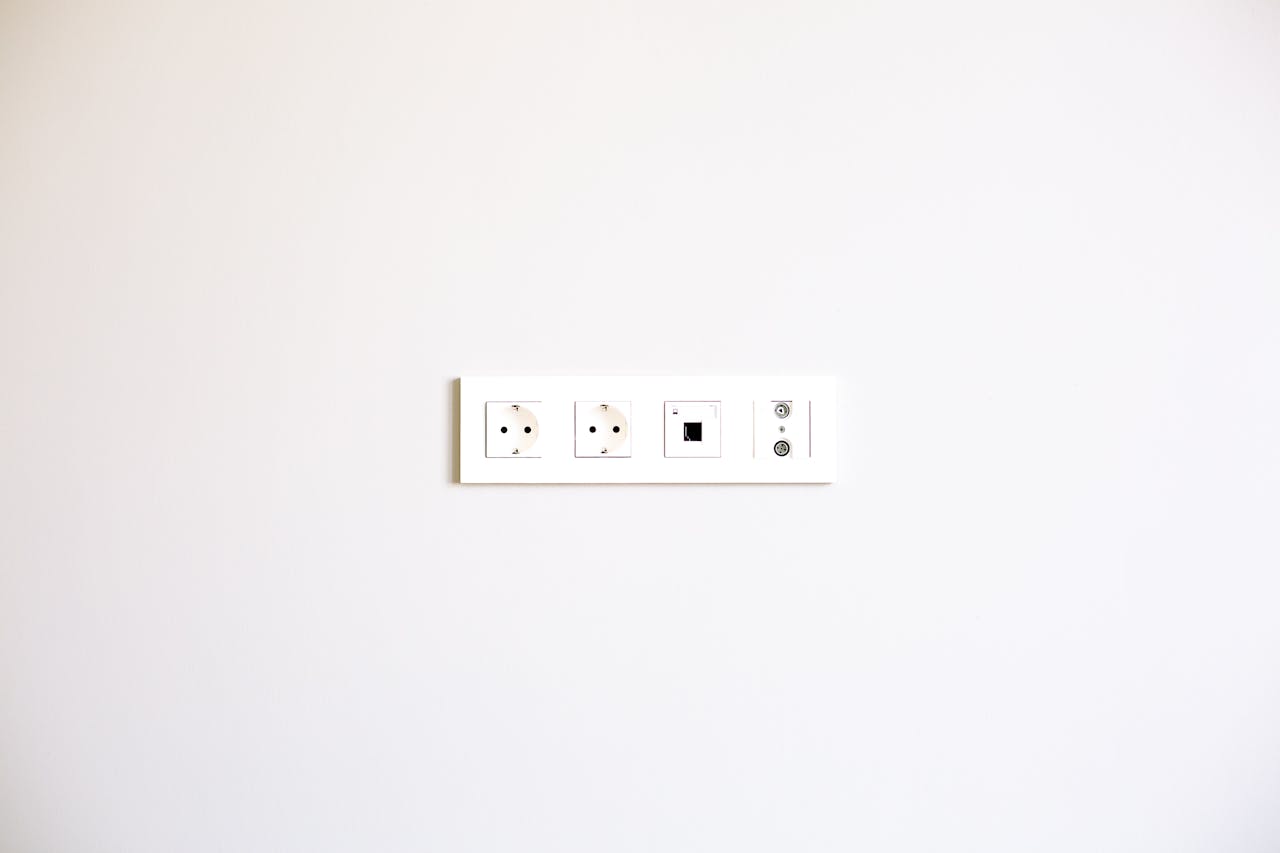
Outdoor receptacles on decks and porches tend to collect small upgrades: a new outlet for holiday lights, a plug near the grill, or power for a camera, added without the right protection. Inspectors still find missing GFCI protection, non-WR devices outside, and covers that cannot stay closed with a cord plugged in, letting rain push its way into the box. When moisture and worn contacts meet, trips and scorch marks follow, and the repair often expands into replacing the box, the cover, and the upstream protection the circuit should have had, often after one wet season in salt air.
Cheater Breakers and Mismatched Parts

A panel door chart can be very specific, yet inspectors still find add-ons that ignore it: tandem breakers stuffed into slots that were never designed for them, or breakers that do not match what the panel is listed to accept. These swaps often happen when a remodel needs one more circuit and the quickest path is whatever fits the opening, even if the connection to the bus is not the right shape or tension. When the listing is wrong, the failure mode is subtle: heat at the stab, nuisance trips, and a panel that looks normal until the cover comes off, and the remedy is usually a load review plus properly listed hardware.
Standard Outlets Where GFCI Belongs
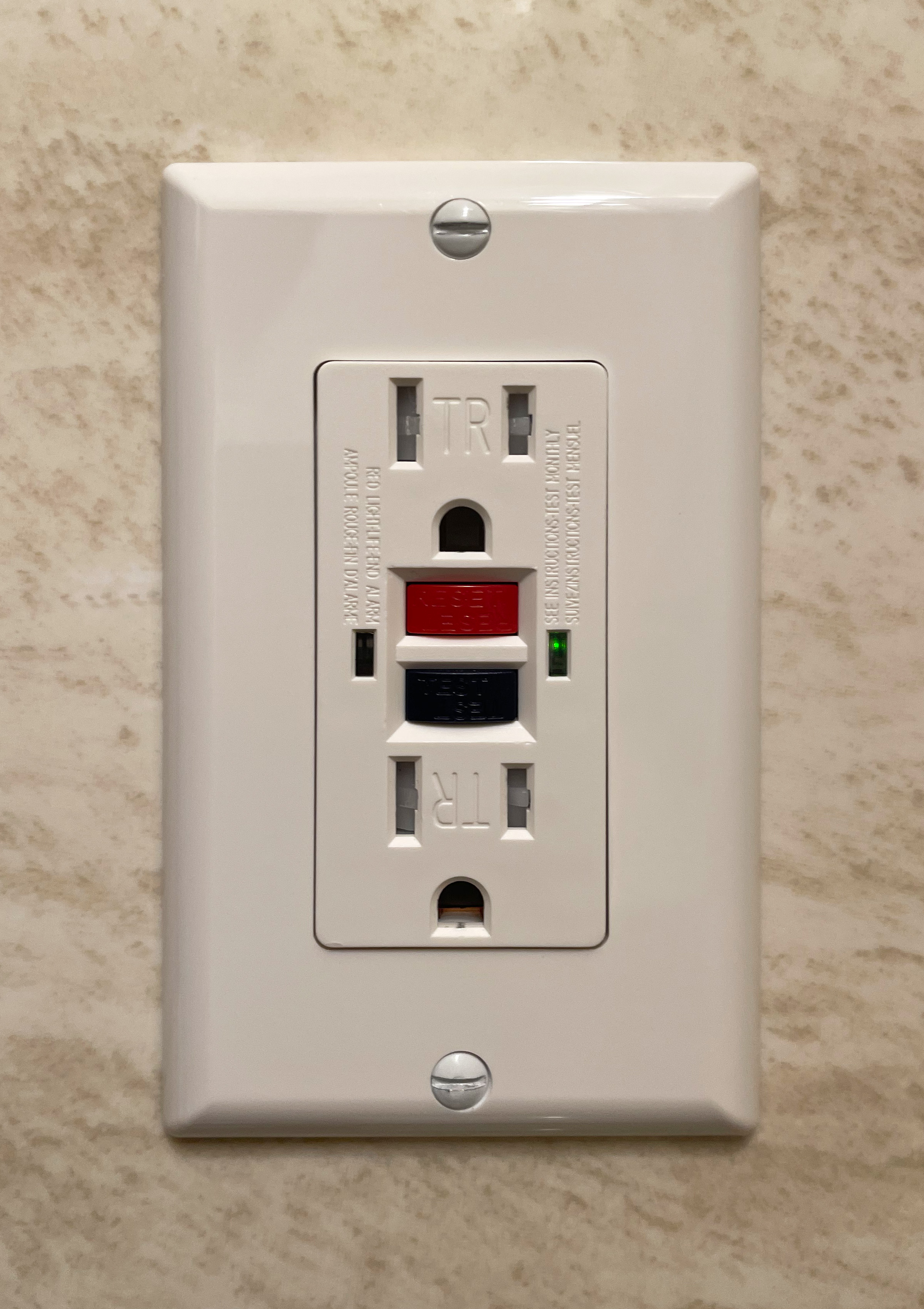
One of the easiest upgrades to spot is also one of the most common: a regular receptacle installed where code expects GFCI protection, and recent code cycles have expanded coverage in kitchens beyond just the countertop, often after a nuisance trip annoys someone. Inspectors still see this around sinks, in garages, unfinished basements, and outside, especially when a new appliance or freezer gets added and the existing outlet keeps tripping. That swap trades life-safety protection for convenience, and it can also mask deeper problems, like moisture, a failing appliance, or a wiring fault that deserves a real fix.