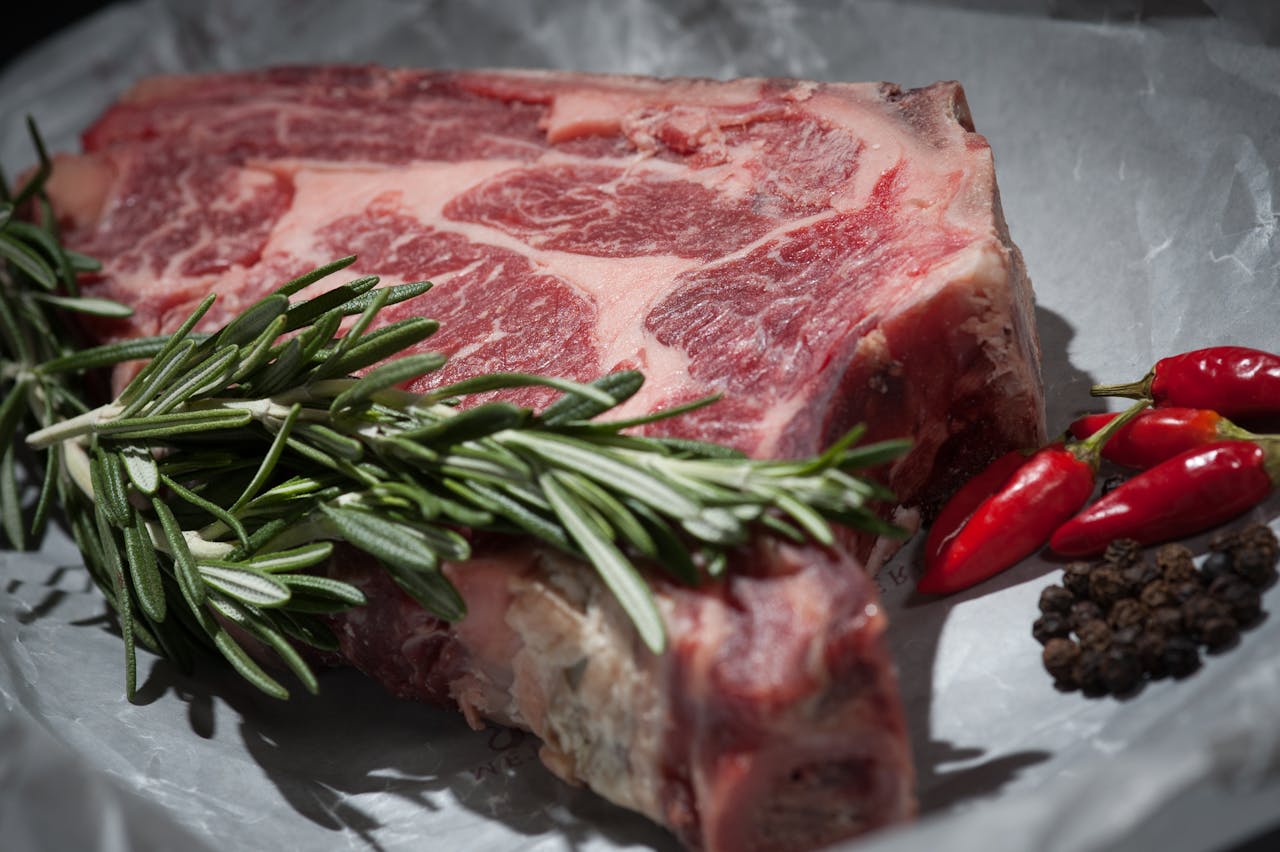
At the meat counter, the debate feels simple until the first bite settles it. Rib-eye carries a glow of instant reward, while sirloin often arrives with practical intent and leaves with mixed reviews. That difference is not just marketing. It starts with anatomy, marbling, and how each cut responds to heat, then widens through price expectations and restaurant memory. One steak is naturally forgiving and luxurious. The other can be deeply satisfying, but it demands tighter cooking and a fair comparison. Understanding that gap explains why one keeps winning, and why the other still deserves respect in weeknight kitchens.
Where The Cut Comes From Changes Everything
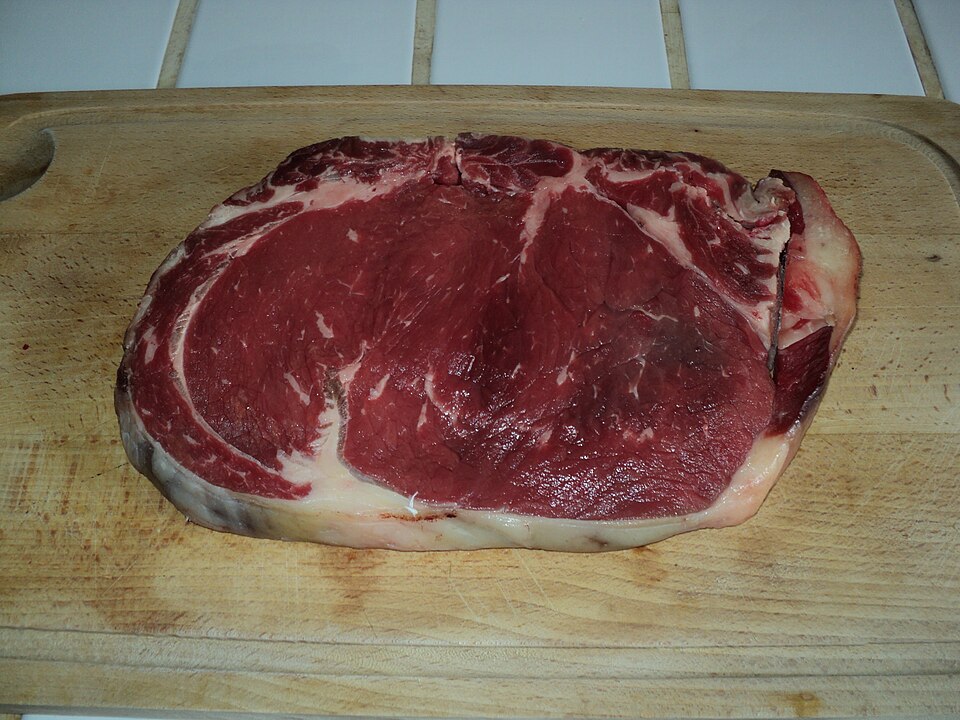
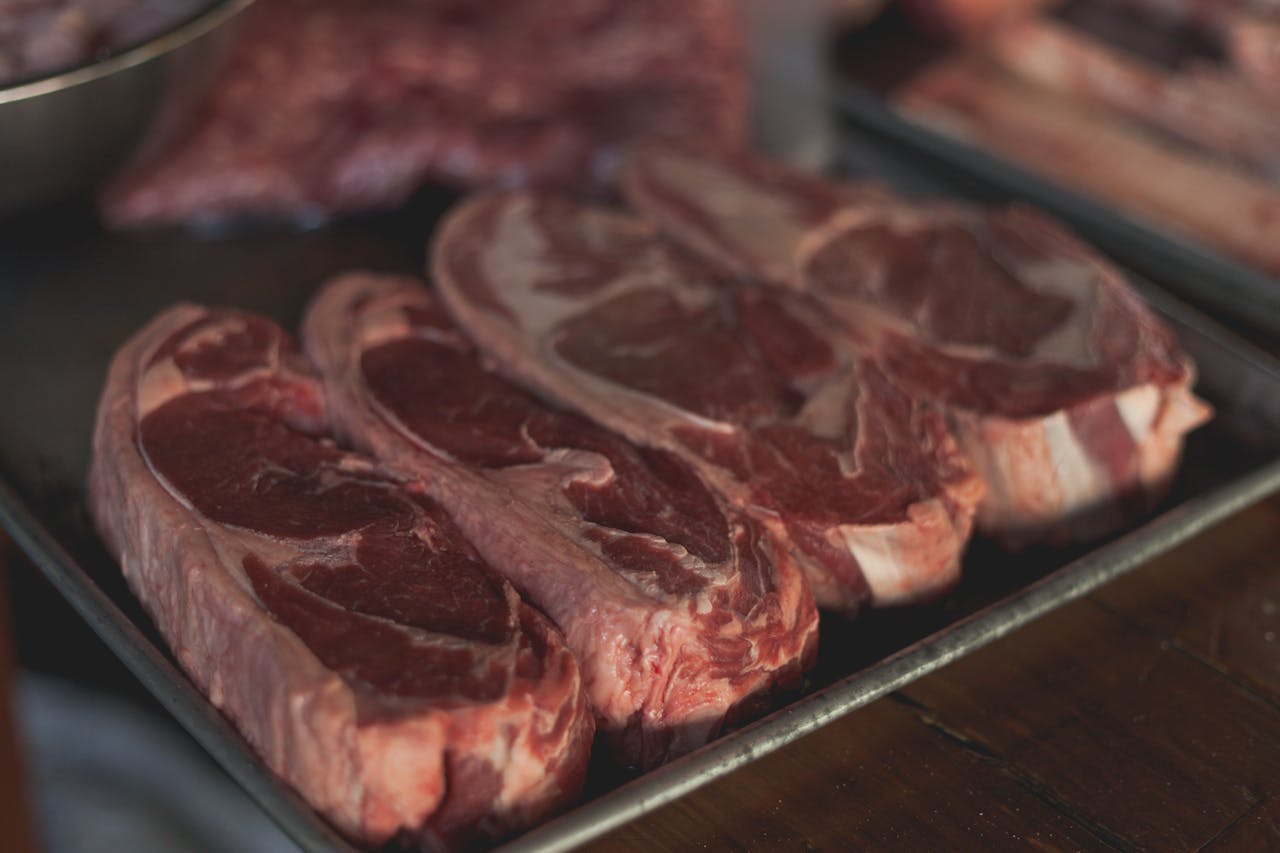
Rib-eye is cut from the rib section, usually ribs nine through eleven, an area that does less work during the animal’s life. Less motion often means more tenderness, and that foundation shapes nearly every bite. Even before seasoning, rib-eye starts with structural advantages that are hard to fake in a hot pan. That origin is the first big clue.
Sirloin comes from farther back, behind the ribs and before the rump, and it covers a broad zone with several subcuts. That region sees more movement, so the meat trends leaner and firmer. The result is not lesser beef, just beef with less built-in luxury and a narrower path to greatness.
Marbling Is The Real Decider
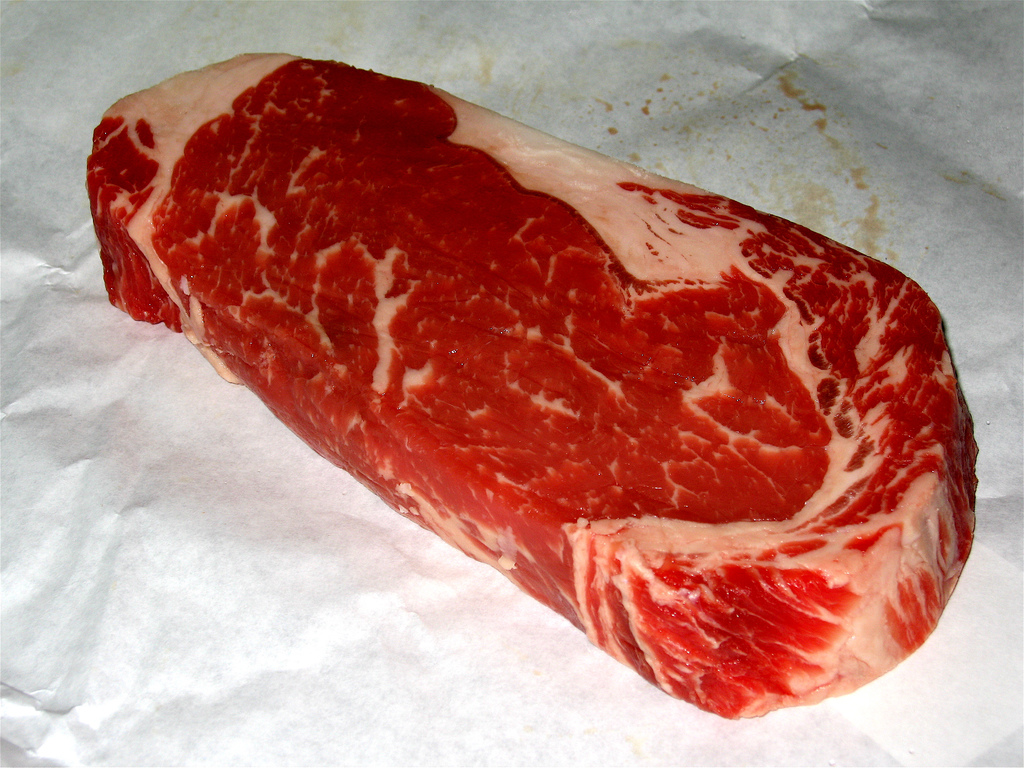
When people call rib-eye rich, they are usually describing marbling rather than magic. Those thin veins of fat melt as heat rises, basting the meat from within and creating the buttery finish steakhouse regulars recognize quickly. Flavor feels louder because fat carries aroma and smooths each chew.
Sirloin has less marbling, so its flavor comes through as cleaner and more direct. That can taste satisfyingly beefy, but it can also read flat if overcooked even a little. Much of the so-called sirloin disappointment is quite a fat expectation mismatch: diners crave rib-eye indulgence, then order leaner meat and blame the cut.
Tenderness And Chew Set The Mood
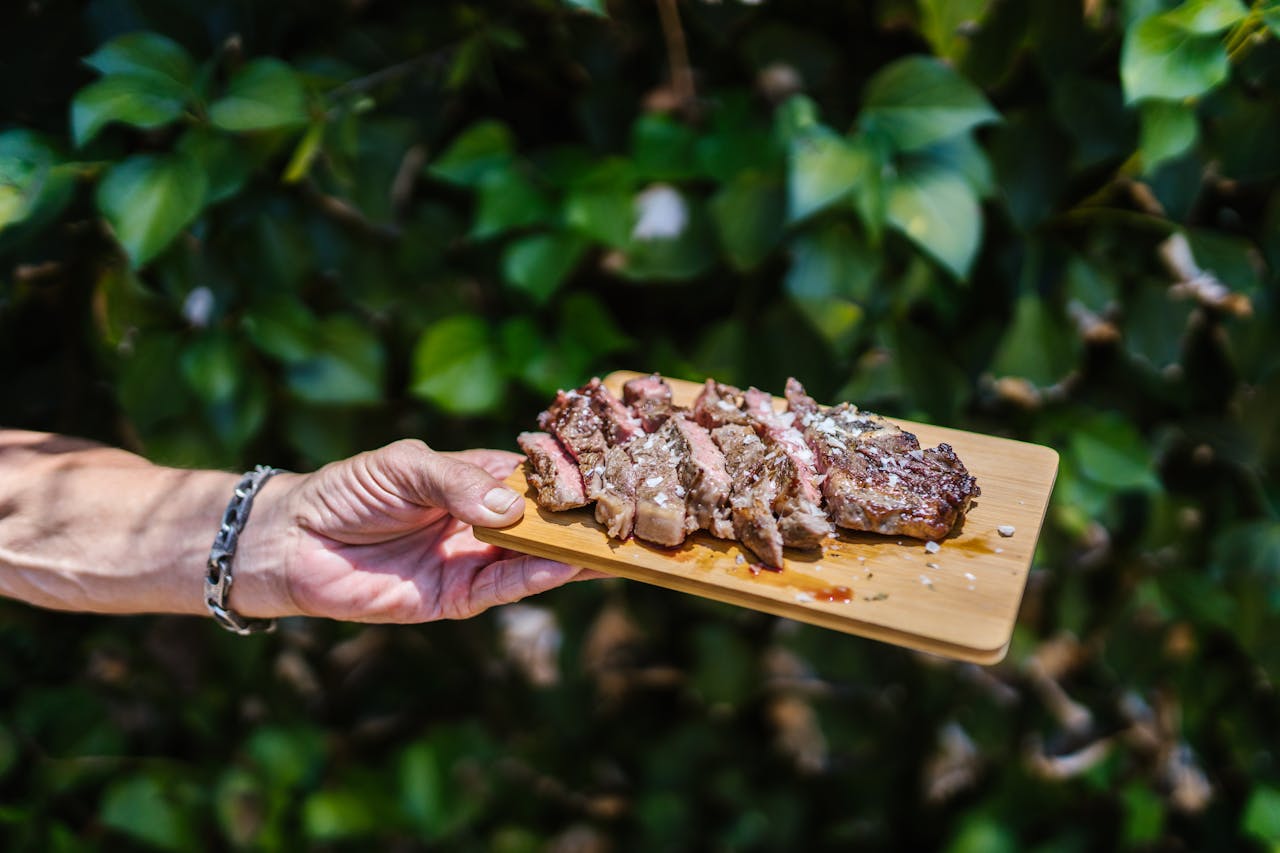
Rib-eye wins quick loyalty because tenderness shows up early and consistently. A moderately skilled cook can land medium-rare and still get a juicy, forgiving texture. Even slight overcooking often leaves enough rendered fat to keep the bite pleasant, which is why rib-eye keeps performing in busy kitchens.
Sirloin asks for tighter control. Its chew is firmer by nature, and that texture can feel hearty or stubborn depending on doneness. At medium and beyond, moisture drops faster than many expect, especially in thinner pieces. What reads as character to one diner can feel like letdown to another expecting steakhouse melt.
Heat Management Rewards One More Than The Other
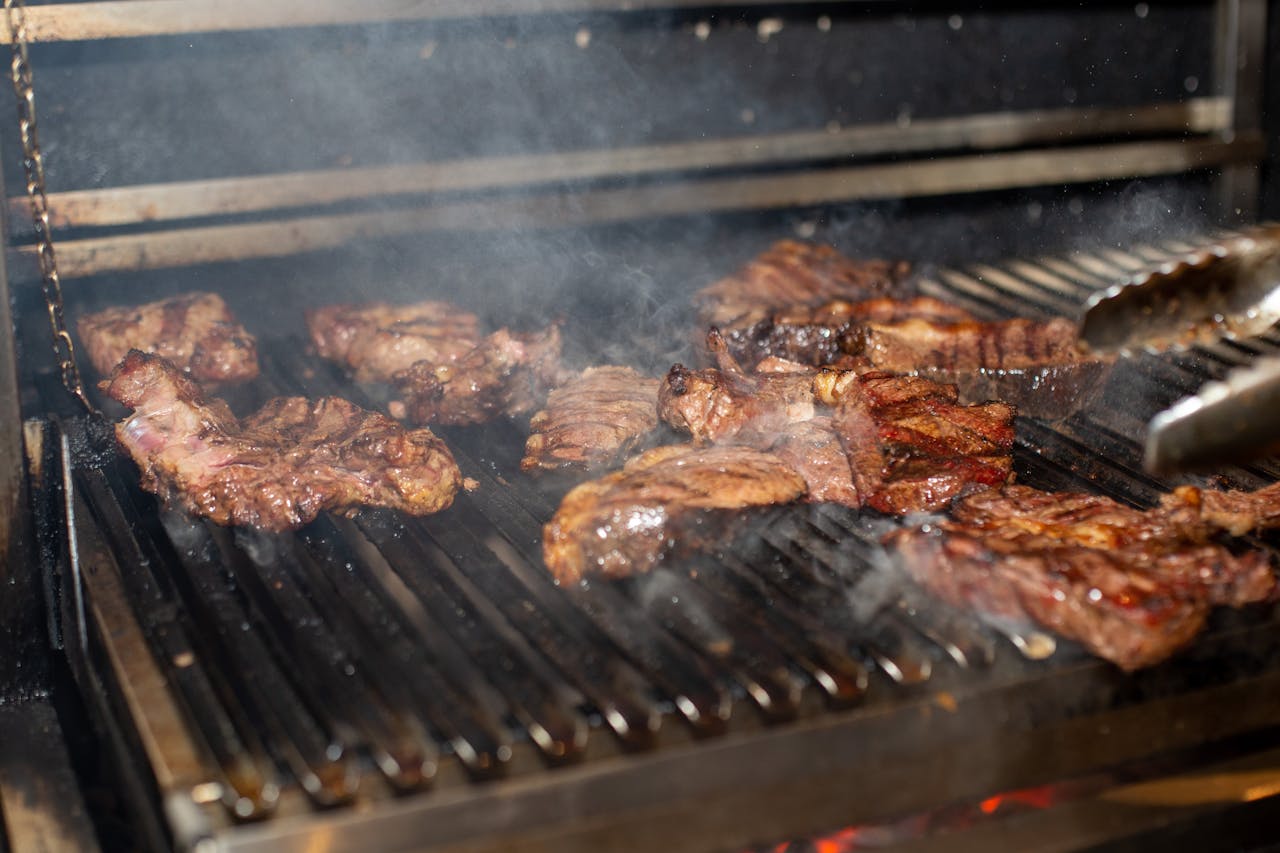
Rib-eye usually cooks faster because higher fat and generous marbling transfer heat efficiently and cushion mistakes. A hard sear, brief rest, and internal carryover often do the job. That wider margin for error helps explain why rib-eye dominates celebration dinners, where consistency matters.
Sirloin benefits from a different rhythm: controlled heat, careful timing, and disciplined pull temperatures. It can shine beautifully, but it rarely forgives distraction. A late flip or extra minute can tighten texture quickly. The contrast is practical, not romantic. One cut tolerates imperfect execution; the other exposes it.
Price Shapes Expectations Before The First Bite

Sirloin is commonly priced below rib-eye by a few dollars per pound in many markets, and that value matters for families cooking often. Leaner meat, bigger portions, and weeknight flexibility keep sirloin in steady rotation. On paper, the choice looks rational and smart, especially when groceries are already stretching budgets.
But price also sets a psychological trap. A lower-cost steak still gets compared to the memory of a richly marbled restaurant rib-eye. When sirloin delivers a drier or chewier bite, diners can interpret thrift as compromise. The cut did what it naturally does; the expectation did not match the chemistry.
Best Use Cases Are Not The Same
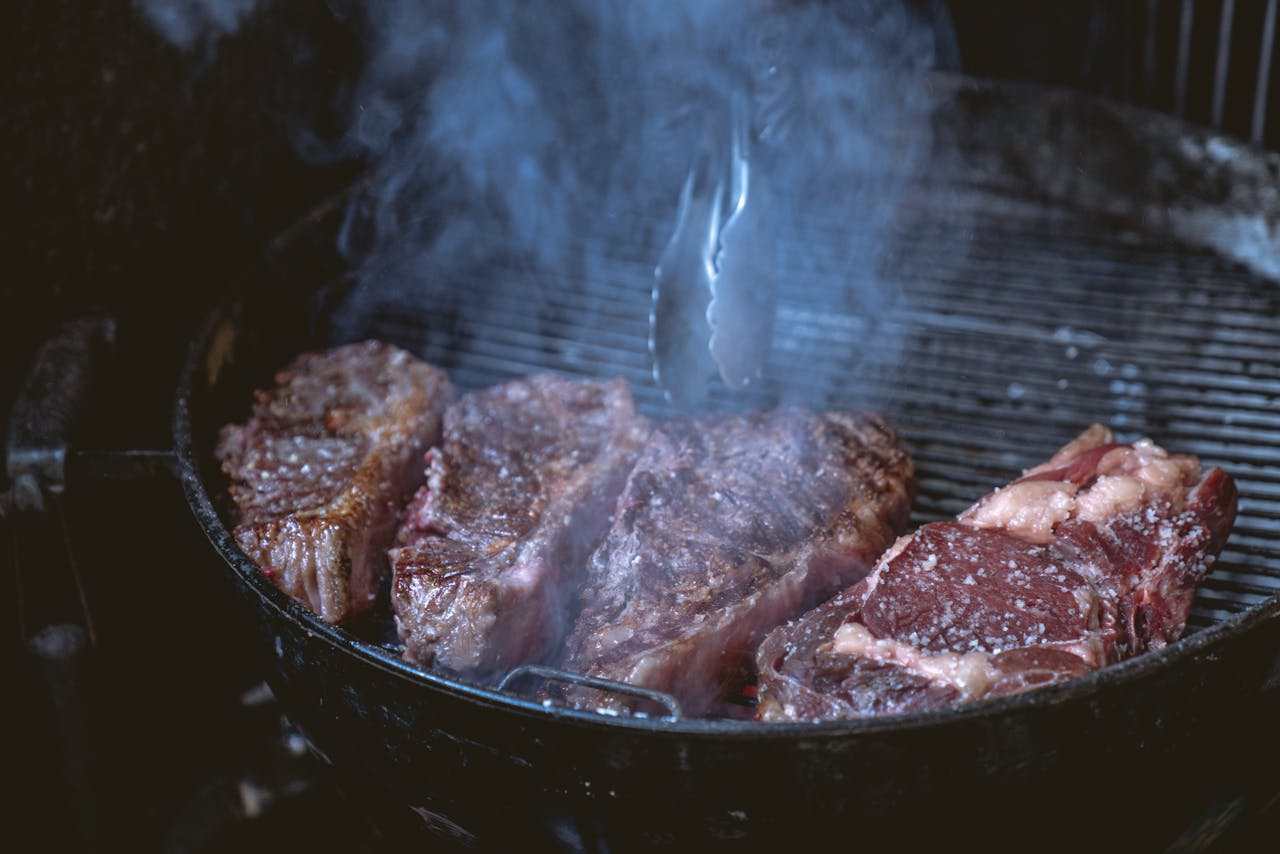
Rib-eye excels when the steak itself is the event: simple seasoning, high heat, and a plate built around texture and fat-driven flavor. It also works beautifully for quick pan work because it reaches satisfaction fast. In that role, rib-eye feels complete without sauces, heavy sides, or much explanation.
Sirloin is often stronger in composed meals where slicing matters. It performs well beside eggs, in sandwiches, in steak salads, and in grain bowls where leaner bite and cleaner flavor help balance richer components. Treated as a centerpiece clone of rib-eye, it can underwhelm. Treated as a versatile partner, it often overdelivers.
Dry-Aging Can Narrow The Gap
Dry-aging changes the conversation because it concentrates flavor and improves tenderness through moisture loss and enzymatic action. Rib-eye after dry-aging becomes even more intense and plush, which is why it is often treated as a premium benchmark in classic steakhouses and butcher programs.
Sirloin can benefit dramatically too. With proper aging, it gains deeper savoriness and a rounder mouthfeel while keeping its leaner profile. For diners seeking strong beef flavor without rib-eye-level fat, dry-aged sirloin can feel like a sweet spot. The method does not erase differences, but it reduces the disappointment gap.
Why Rib-Eye Keeps Winning Anyway
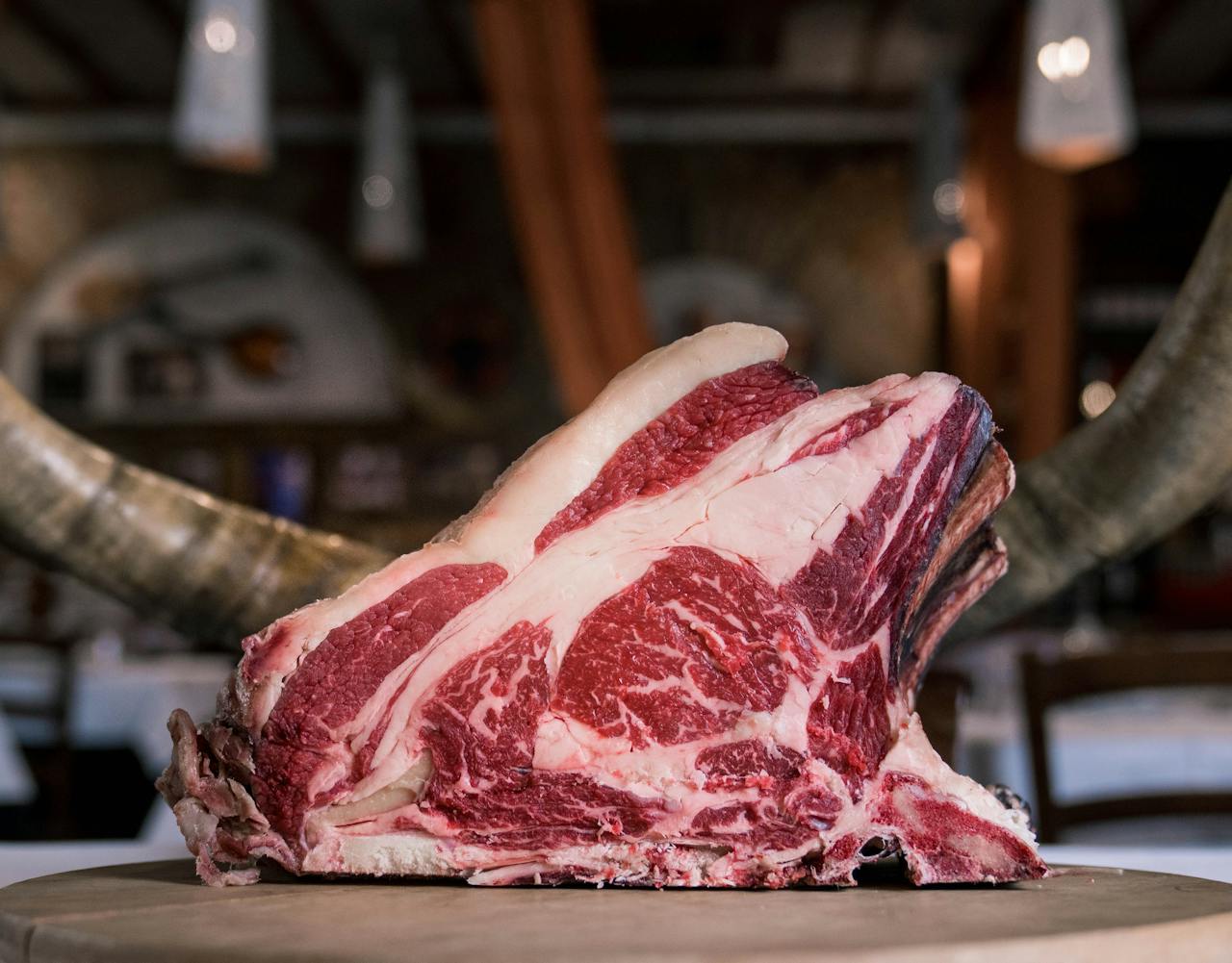
Rib-eye keeps winning because it aligns with how most diners define steak satisfaction: immediate juiciness, visible marbling, and a tender bite that survives small cooking errors. It is the safer bet under pressure, the crowd-pleaser at dinner, and the cut most likely to match a celebratory mood.
Sirloin still earns its place through value, structure, and versatility, but it rewards intent more than impulse. When cooks respect its lean profile and choose methods that suit it, sirloin can be excellent. When expectations borrow rib-eye standards, disappointment follows. The debate is less about quality and more about fit.