Doritos and Cheetos Ditched the Food Dye and Here’s How They Taste Now

Nacho Cheese Doritos: Beige, But Still Doritos
Marcia Salido/Pexels
Dye free Doritos and Cheetos taste mostly the same, just with calmer colors and cleaner labels and less neon dust left on fingers.

For a long time, neon orange fingers have been part of the Doritos and Cheetos story. That glow signaled salty cheese, late-night gaming, and road trips powered by gas station snacks. Now a dye free line called Simply NKD strips out the artificial colors and some extras while promising the same crunch and seasoning. Fans are curious, a little suspicious, and quietly hopeful. The bags look calmer on the shelf. The real question is how much, if anything, changed once the snacking starts.

What Actually Changed With Simply NKD
What Actually Changed With Simply NKD
go_see/Pixabay

Simply NKD does not replace the originals; it sits next to them. The line removes artificial dyes and some added flavors while keeping the same basic chip and puff formulas. Nacho Cheese and Cool Ranch Doritos join Cheetos Puffs and a Flamin Hot version under the new label. The look shifts to quieter seasoning and clean white bags, but the goal is familiar flavor with a shorter, friendlier ingredient list that feels less like a science experiment.

Nacho Cheese Doritos: Beige, But Still Doritos
Nacho Cheese Doritos: Beige, But Still Doritos
Andre Moura/Pexels

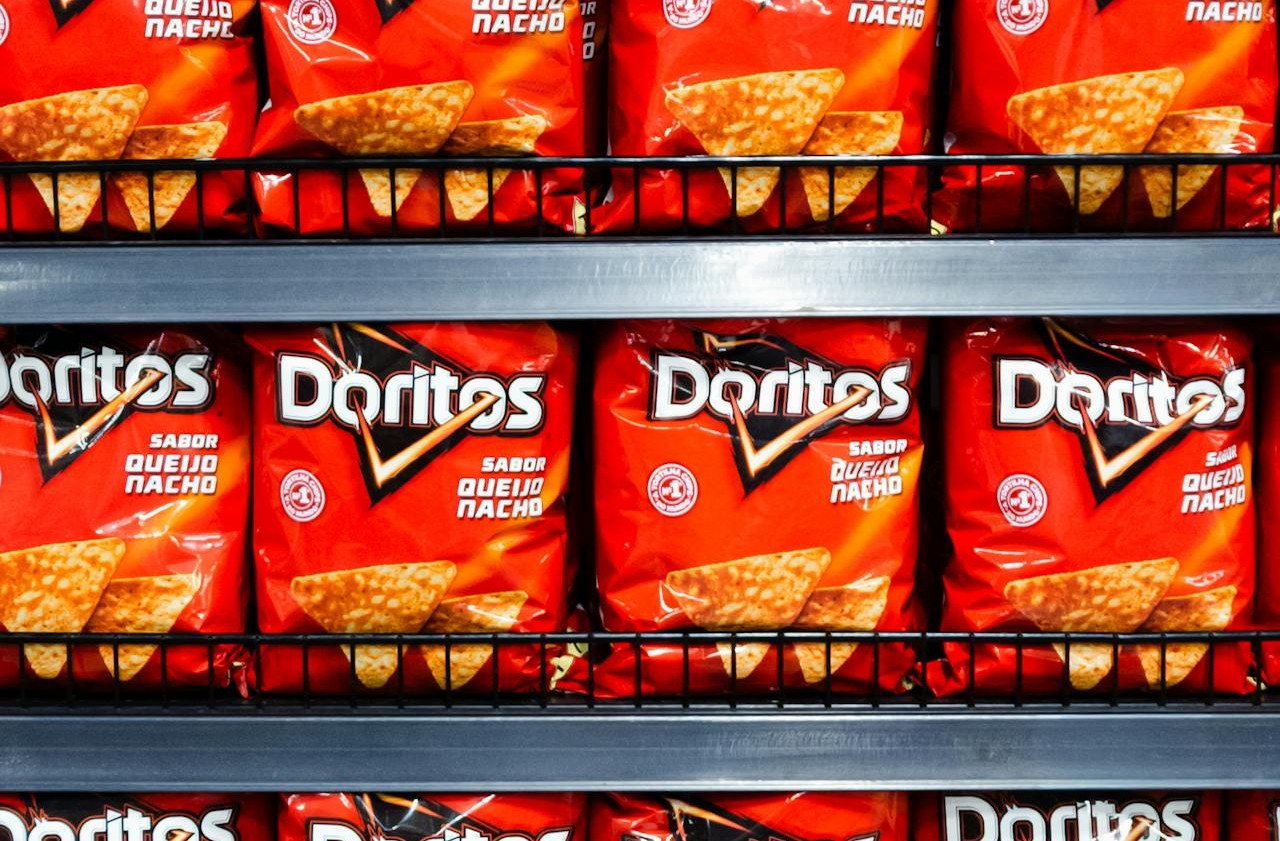
Simply NKD Nacho Cheese Doritos look almost shy compared with the usual bright triangles. The chips lean toward a light tortilla color with a softer dusting of seasoning. In taste tests, though, most people describe the flavor as nearly identical to the classic version. The same sharp cheese, tangy edge, and salty finish show up, just without the visual blast. The experience becomes less about glowing crumbs on the plate and more about the familiar crunch and seasoning that built the brand.

Cool Ranch Doritos: Less Speckled, Same Tang
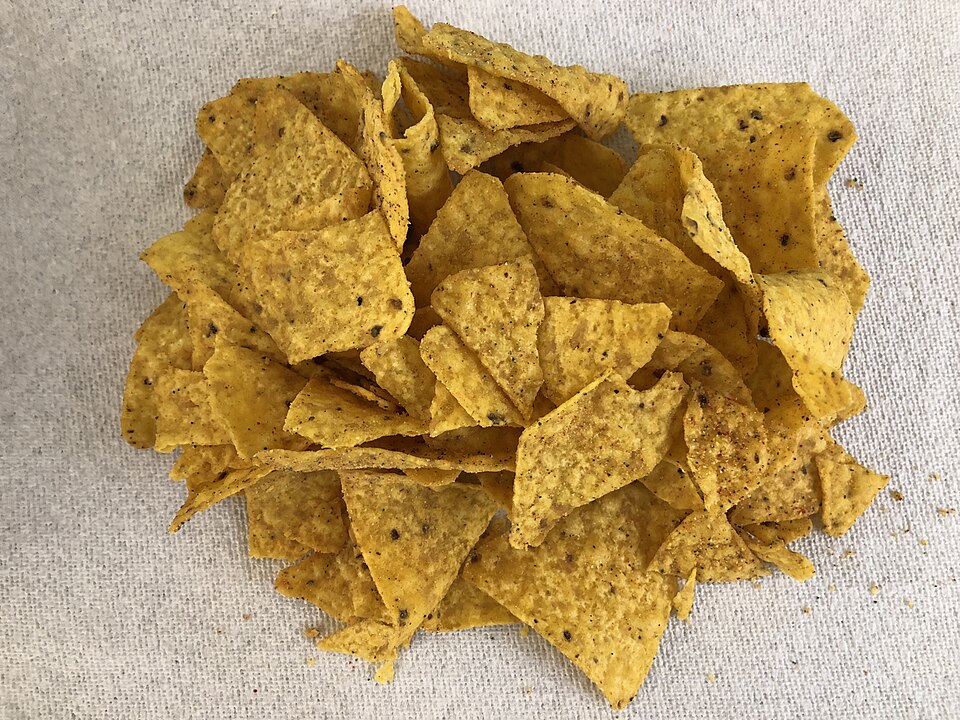
Cool Ranch Doritos: Less Speckled, Same Tang
Famartin, CC BY-SA 4.0 / Wikimedia Commons

Cool Ranch has always relied more on herbs, onion, and creamy tang than on color, so the NKD shift feels gentler here. The seasoning still smells like the original when the bag opens, even though the bright speckles fade to a more natural mix of green and beige. Tasters often say the ranch flavor comes through clearly, with the same cool bite and savory depth. Without flashy coloring, the chip feels closer to a dressed tortilla than a novelty snack, in a good way.

Cheetos Puffs: Softer Color, Familiar Crunch
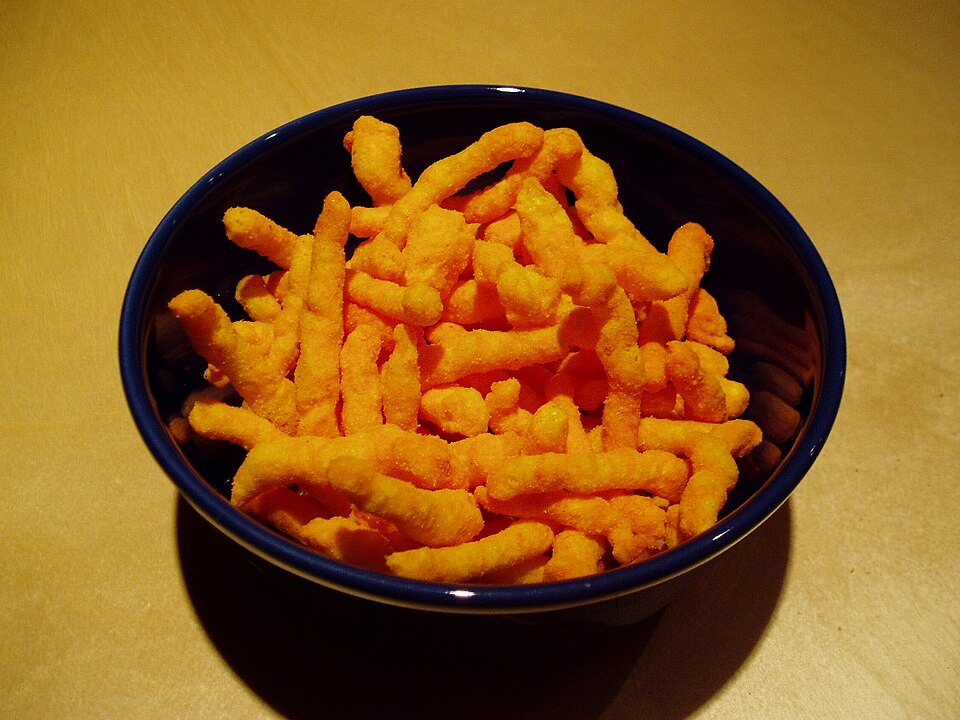
Cheetos Puffs: Softer Color, Familiar Crunch
Nordelch, CC BY 3.0 / Wikimedia Commons

Simply NKD Cheetos Puffs keep the same airy, squeaky crunch that defines the brand. The main change shows up in the color, which moves from loud orange to a pale cheese yellow that could pass for a low key cheese curl. The aroma still hits with concentrated cheddar. Most blind tasters struggle to tell the difference, only questioning it once they see the lighter shade. For anyone who cares more about texture and salt than drama, the new puffs land almost exactly where the originals do.

Flamin Hot Cheetos: The Heat Survived
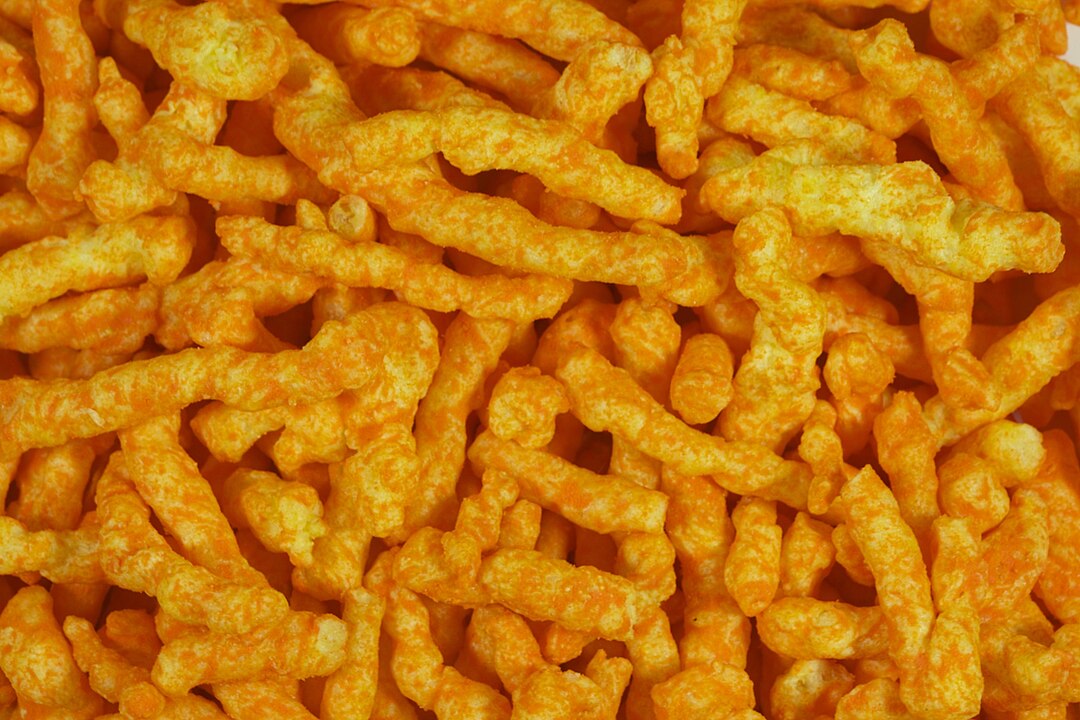
Flamin Hot Cheetos: The Heat Survived
Jeff Eaton, CC BY-SA 2.0 / Wikimedia Commons

Flamin Hot carries the biggest visual shock, because the classic version built its identity around that blazing red dust. NKD curls look surprisingly mild, almost like regular cheese puffs that wandered into the wrong bag. The flavor tells a different story. The same sour heat climbs quickly, and the chili tang still clings to the tongue after a handful. Some tasters even feel the spice more clearly without bright color in the way, as if the brain stops expecting burn and then gets ambushed anyway.

Crunch And Texture: Core Identity Intact
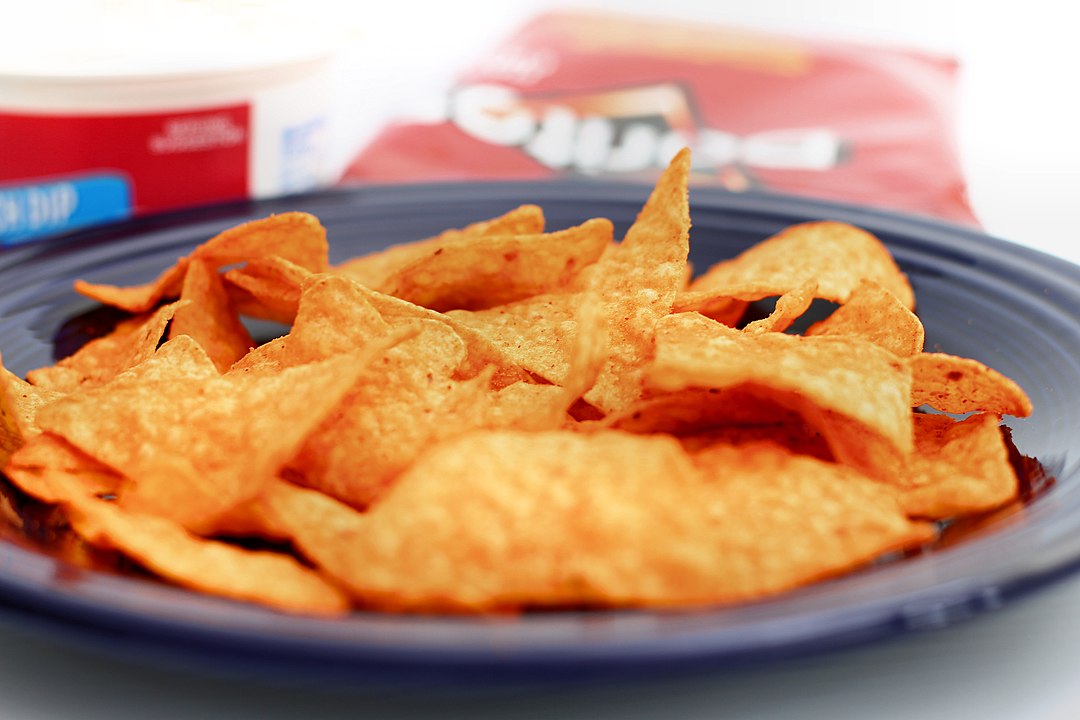
Crunch And Texture: Core Identity Intact
Larry D. Moore, CC BY 4.0 / Wikimedia Commons

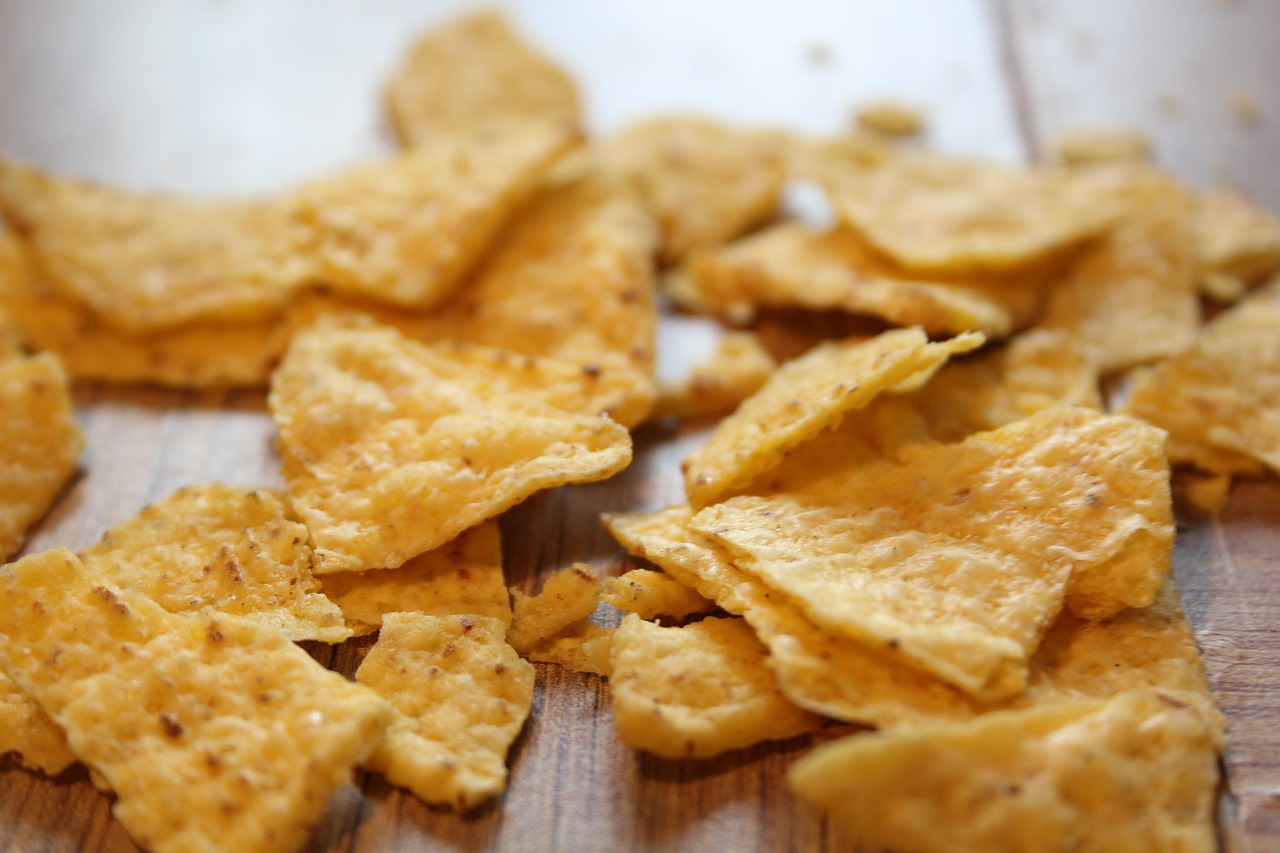
Across the NKD line, crunch and texture stay remarkably consistent. Nacho and Cool Ranch Doritos still shatter into sharp little shards that scrape against salsa and dip. Cheetos Puffs still collapse in that airy, slightly squeaky way that people either love or never quite understand. The reforms seem to live in the seasoning layer rather than the base snack. That matters, because texture often defines whether a favorite survives subtle recipe changes, and here the structural personality remains firmly in place.

The Finger Dust Factor Quietly Changed
The Finger Dust Factor Quietly Changed
kundl, CC BY 2.0 / Wikimedia Commons

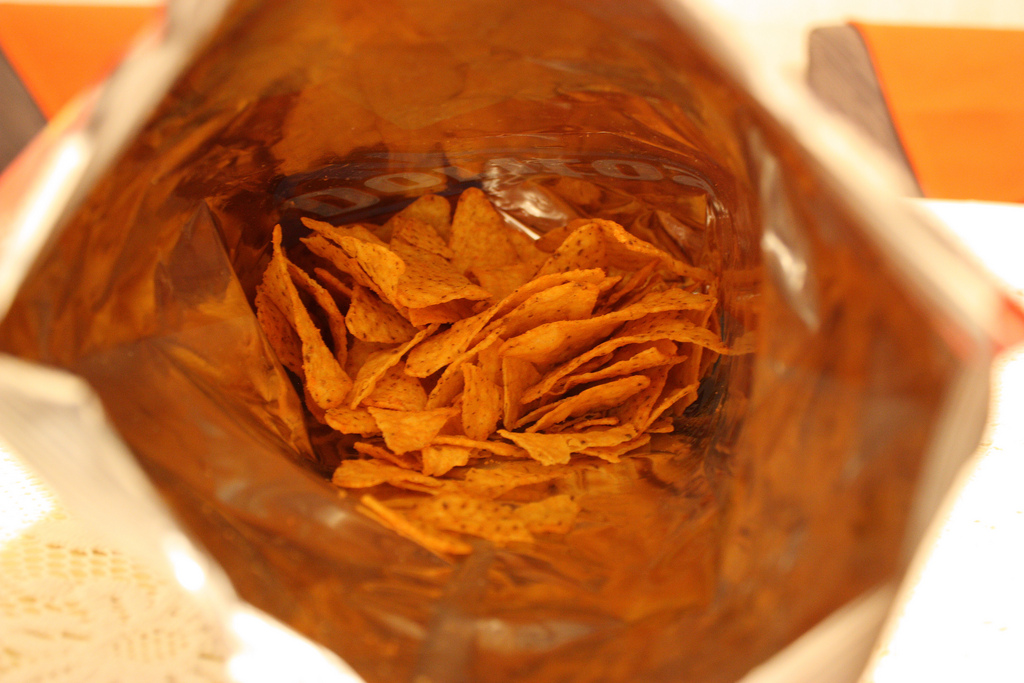
Orange dust on fingers, clothes, and controllers has always been part pride and part headache. With NKD bags, that signature mess drops sharply. Fingers still pick up oil and seasoning, but the residue blends closer to skin tone instead of screaming from across the room. Phones, keyboards, and white shirts suffer less obvious damage. The tradeoff is simple: less visual proof of the snack session, less chance of neon fingerprints on everything, and a small loss of the old shared joke about bright orange hands.

How Vision Tricks The Taste Buds
How Vision Tricks The Taste Buds
domdomegg, CC BY 4.0 / Wikimedia Commons

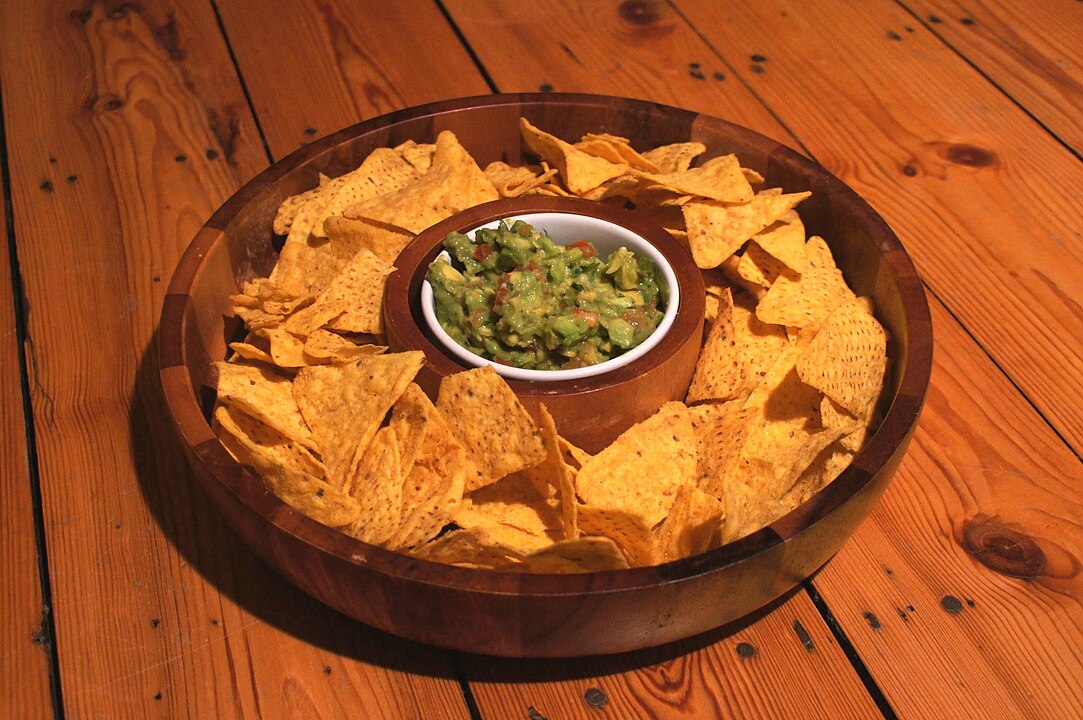
Color sets expectations long before flavor arrives. In blind tastings, NKD and classic versions often test nearly the same. Once people actually see the paler chips, they start hunting for differences that may not be there. Some notice missing intensity that others never feel. The mind expects big flavors to wear bold colors, so a subdued chip can read as weaker even when the recipe barely changed. NKD snacks quietly expose how much memory and habit shape every crunch.

Who Stands To Benefit Most
Who Stands To Benefit Most
DENİZ ÇAĞLUSU/Pexels

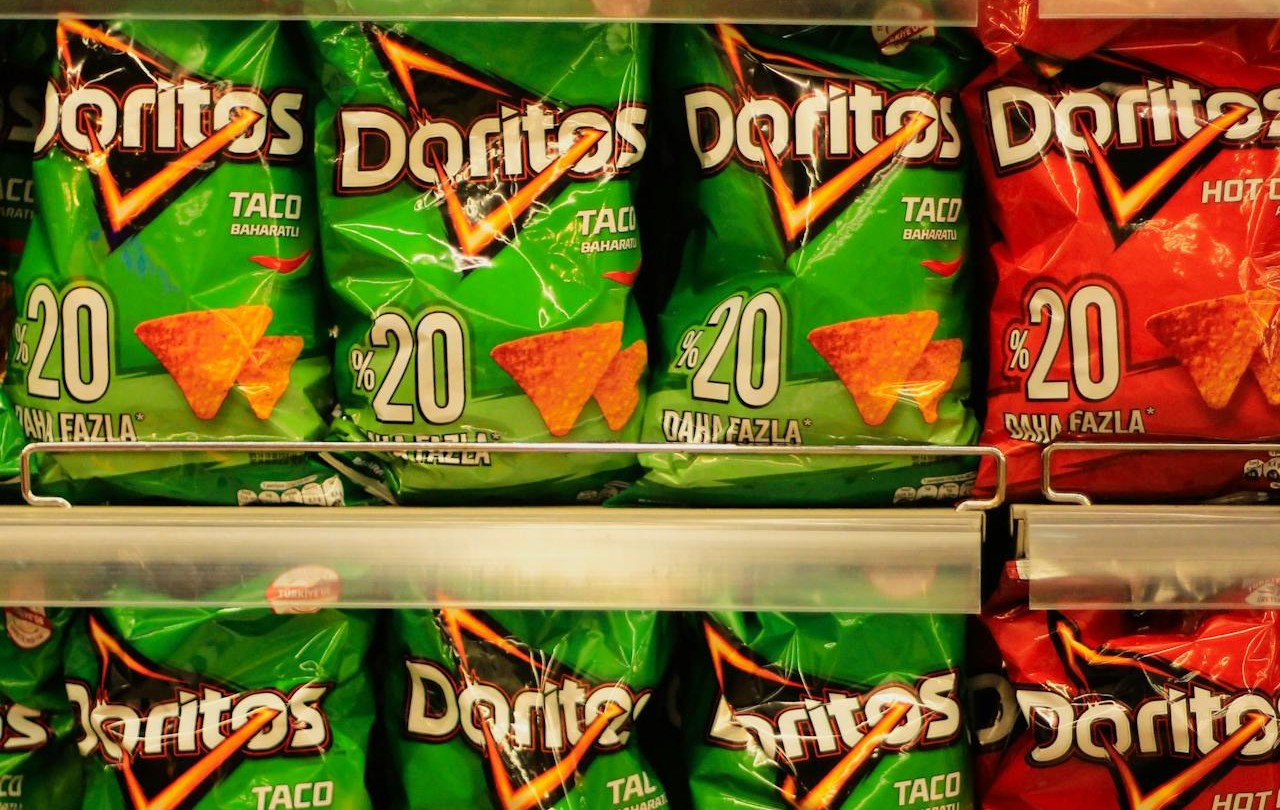
The NKD move clearly targets shoppers who care about ingredients but still buy mainstream snacks. Parents managing kids with sensitivities, adults watching labels a little more closely, and anyone wary of synthetic dyes sit at the center of that group. Classic bags remain on shelves for loyalists who see the neon as part of the appeal. With both lines available, the brand buys time to watch habits shift, government rules evolve, and public comfort with artificial colors keep changing.

Are Dye Free Doritos And Cheetos Worth It
Are Dye Free Doritos And Cheetos Worth It
Vinicius amnx Amano/Unsplash

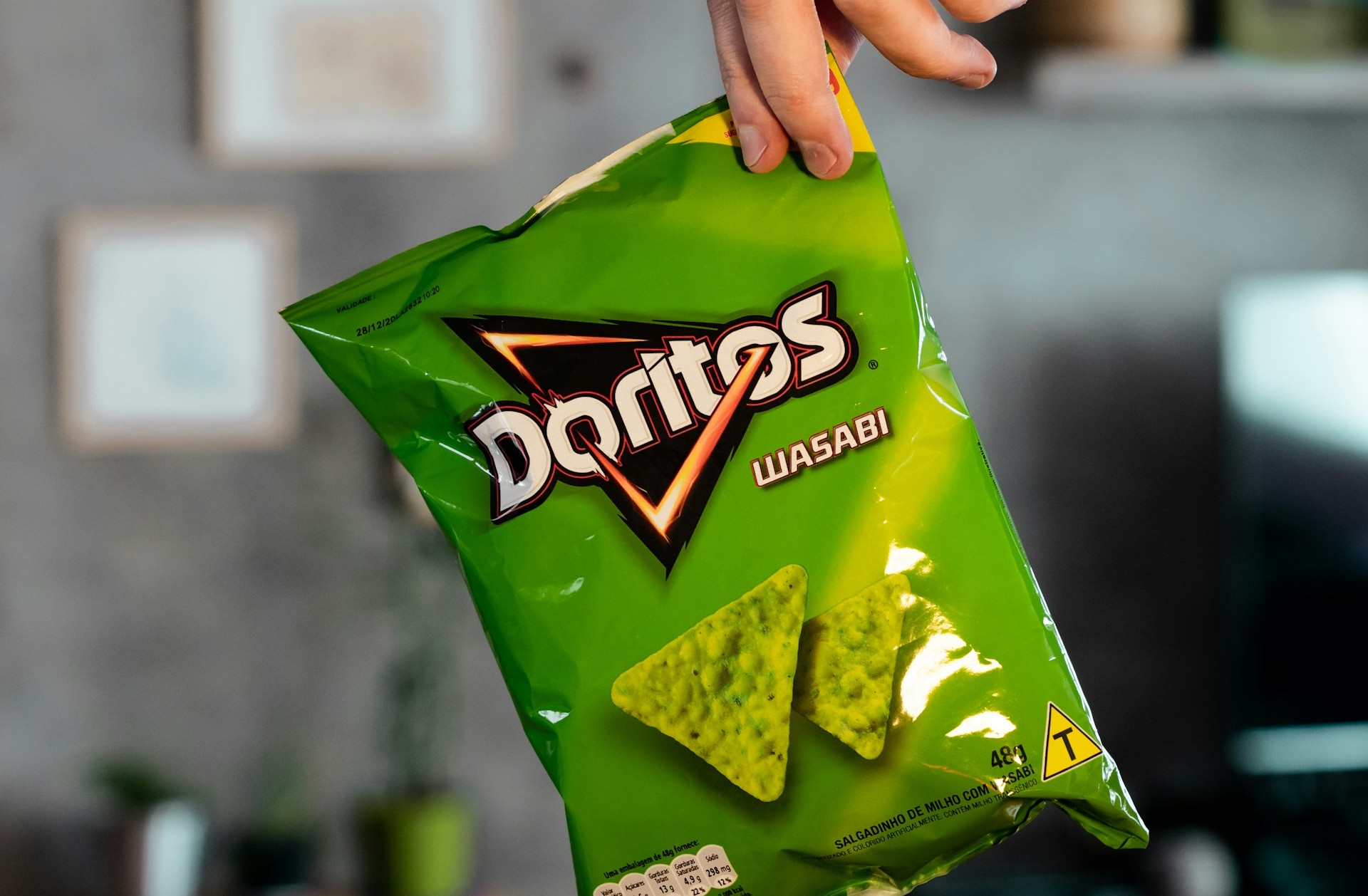
For many fans, the new bags become an easy yes simply because taste barely moves while labels look cleaner. Others feel attached to the original look and see no reason to switch until forced. In casual settings, most people never even notice when NKD versions show up in bowls instead of the classics. That might be the clearest verdict. If a quieter color and a shorter ingredient list slip into the rotation without protest, the experiment did its job.


0 Shares:
You May Also Like
Read More

9 Department Stores Closing Scores of Locations

# 9 Department Stores Closing Scores of Locations Department stores used to feel permanent, like part of the architecture of childhood and city life. Now many of those anchors are shrinking fast, closing locations in waves that rarely make front page news but quietly reshape whole neighborhoods. Behind the scenes are high leases, heavy debt, and shoppers who split their spending between discount chains and online carts. Vacant escalators and dark display windows tell a simple story. A retail model that once promised everything under one roof is giving way to something leaner. ## Macy’s Macy’s is still a powerhouse during major holidays, yet the brand is actively pulling back from underperforming malls. The company has laid out a multiyear plan to shut dozens of weaker stores while concentrating investment on flagships, luxury beauty, and smaller off mall formats. Mall managers see the closures as a turning point. Once Macy’s leaves, it is rare for another full line department store to take on that footprint, so mixed use redevelopment quickly becomes the realistic path. ## JCPenney JCPenney has been in survival mode for years, cutting locations, rewriting brand strategy, and revamping stores that still perform. Recent rounds of closures tend to target aging malls where traffic has thinned and renovation would be expensive. What remains is a leaner chain focused on reliable basics, home goods, and private labels meant to keep middle income families coming back. In towns that lose a Penney’s anchor, the absence is obvious, especially during back to school and holiday shopping. ## Sears Sears once taught Americans how to outfit entire homes, from tools to appliances to Sunday clothes. Now the chain is down to a small scattering of locations after repeated closure waves and years of financial strain. Each shutdown feels less like a surprise and more like the last chapter of a very long story. Former Sears buildings are becoming storage facilities, entertainment centers, or simply sitting empty, with faded brand signs still clinging to the concrete and sparking memories. ## Kmart Kmart’s decline has shadowed Sears, often sharing owners, parking lots, and final liquidation banners. From blue light specials and busy discount aisles, the company has slipped to only a few remaining stores spread across the map. Many communities have watched their local Kmart shut with little fanfare, replaced by smaller chains or nothing at all. The closures leave behind wide aisles, low ceilings, and a wave of nostalgia for an era when a weekend stop at the discount department store felt routine. ## Hudson’s Bay Hudson’s Bay carried deep Canadian roots and grand downtown buildings, but tradition could not offset heavy costs and changing shopping habits. The chain has now closed or sold off most department store sites, even as it experiments with other concepts and real estate plays. City blocks that once framed holiday window displays are being redrawn as office towers, hotels, or residential projects. For longtime shoppers, the loss of such a historic name lands harder than a typical retail exit. ## Debenhams Debenhams anchored many British high streets, balancing affordable fashion with familiar cosmetics halls. After years of pressure from online rivals and discount players, the company finally collapsed, shuttering its remaining department stores and moving the brand into a digital only format. Those closures left large gaps in central shopping districts, where new tenants range from fast fashion outlets to leisure complexes. The Debenhams name survives on screens, but the physical experience of wandering its floors has become a memory. ## Bon Ton Bon Ton and its sister banners once stitched together a network of regional department stores across smaller American cities. When the company slid into bankruptcy, liquidation arrived swiftly and took hundreds of locations with it. In many markets there was no immediate replacement, only darkened anchors and clearance signs that slowly came down. Local shoppers lost a familiar place to find dresses, coats, and home goods, and mall owners gained another big box puzzle to solve in a difficult leasing climate. ## Lord & Taylor Lord and Taylor carried an air of old school elegance, especially at its historic urban flagships. Years of ownership changes, aggressive discounting, and the shock of the pandemic finally pushed the brand into a full store closure plan. The physical chain is gone, even as the name continues online under new management. Grand buildings that once hosted fashion shows and elaborate window displays are being sliced into offices and coworking hubs, turning a traditional department store into a flexible workplace. ## Stage Stores Stage Stores never enjoyed global name recognition, but its regional chains filled a quiet role in small towns and rural hubs. When the company could not recover from mounting losses, it closed hundreds of locations under banners such as Goody’s and Peebles. Those anchors often sat in modest shopping centers that lacked other large apparel options. After the closures, shoppers in those communities were left with long drives to bigger cities or a heavier reliance on parcel deliveries for everyday clothing. Department stores closing by the dozens signal more than a shift from one retail brand to another. They mark the end of a specific way of browsing, where escalators, perfume counters, and wedding registries lived in the same building. As these anchors are carved into apartments, clinics, offices, and gyms, the spaces stay busy, but the mood changes. What was once a shared social ritual around sales events and window displays is dissolving into scattered errands across many smaller formats. Excerpt: Familiar department stores are closing by the dozens, leaving hollow anchors behind and nudging shoppers toward a new retail map!.