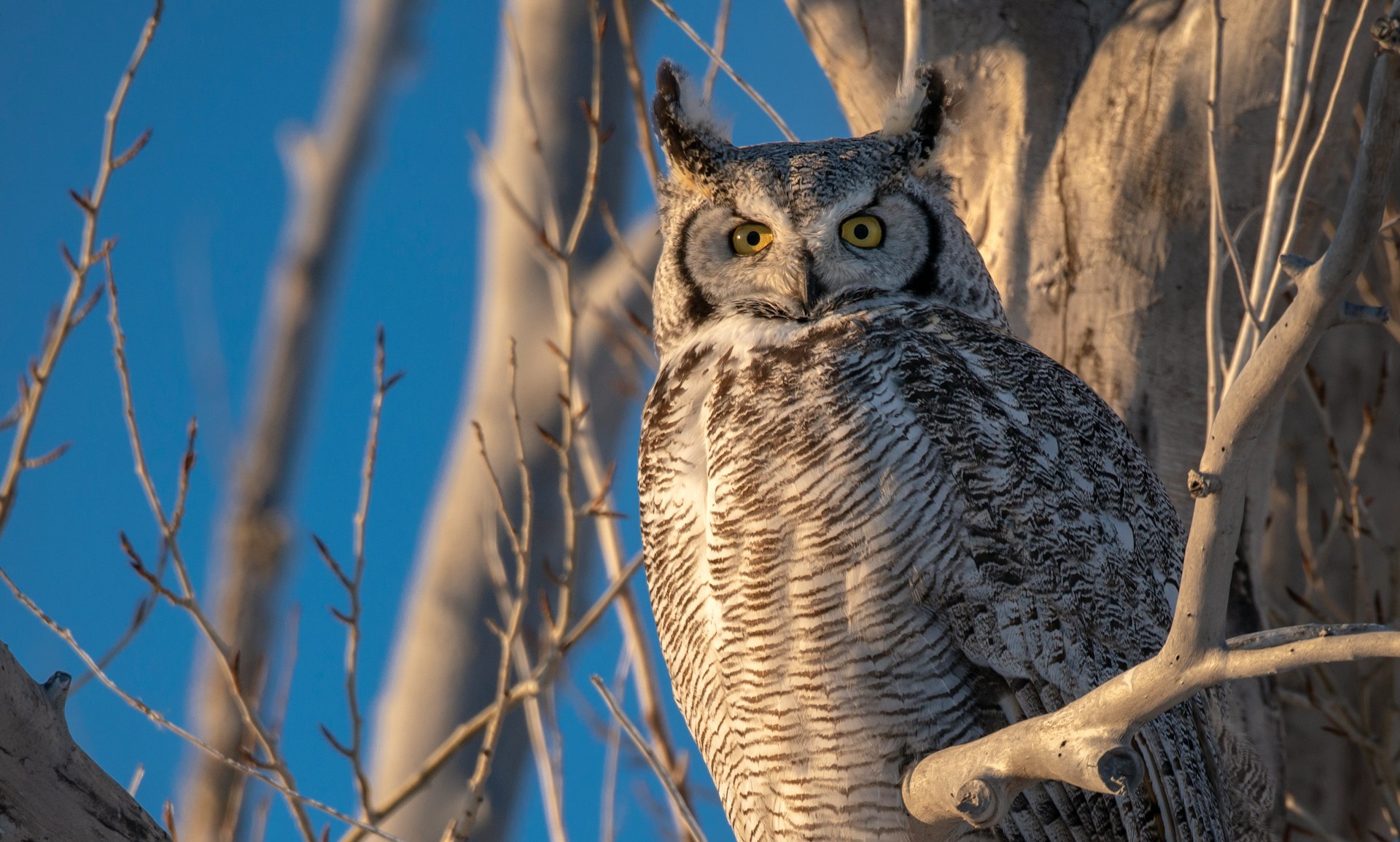
Spring rarely arrives with a clean announcement. It creeps in through longer light, thawing edges of fields, and the first bold songs that cut across cold mornings. Before buds open, courtship and travel begin.
Those early birds can feel like permission to pack away winter, yet their timing is tied to latitude, weather swings, and daylight more than hope. Daylength starts the shift; warmth decides how visible it becomes.
In the South they may appear in Feb. or early March. Farther north, the same signs often wait until late March or April, and false starts follow warm spells. The birds hint at change, not certainty.
Great Horned Owls
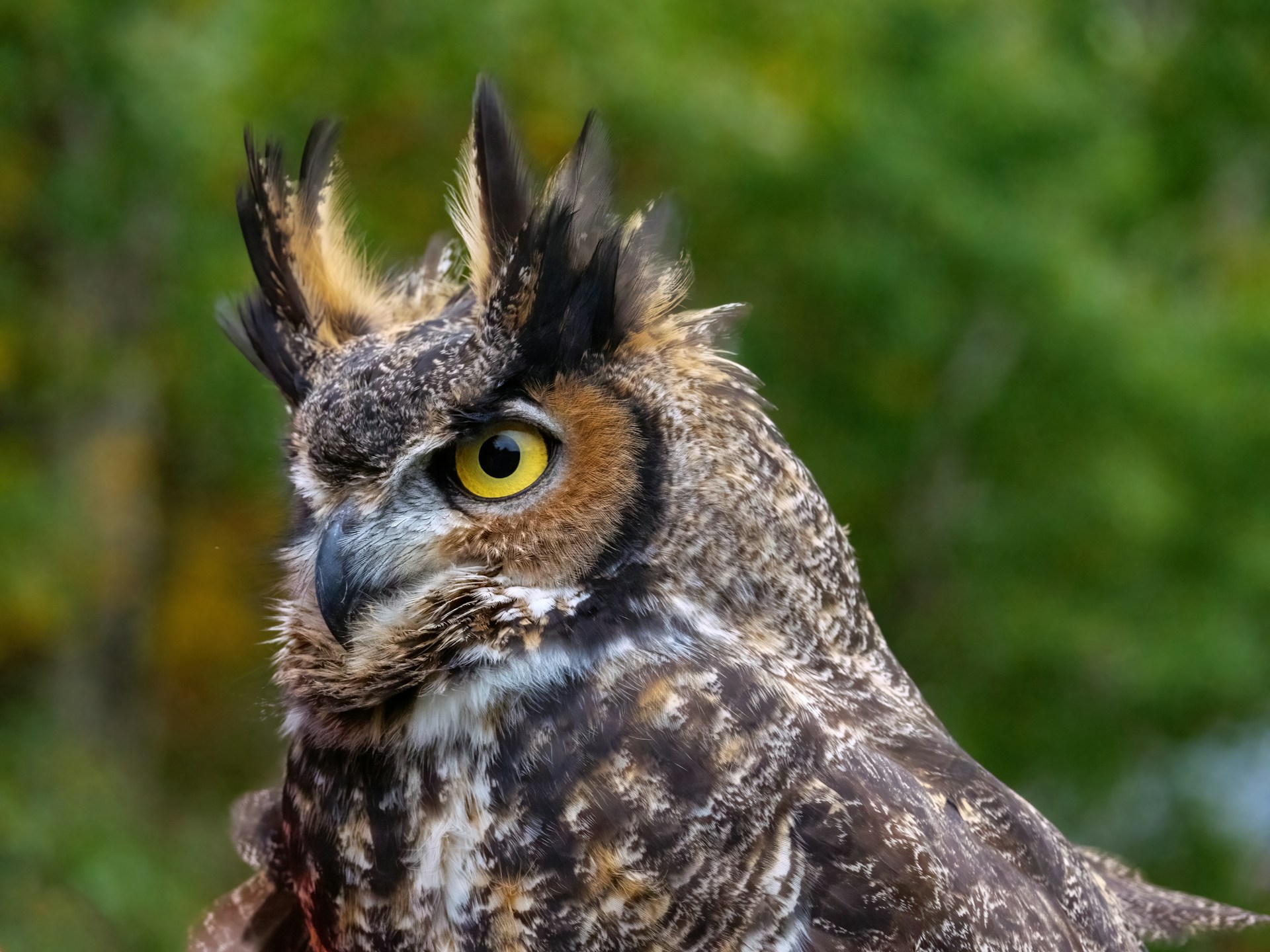
Great Horned Owls start spring before spring looks like spring. Courtship often ramps up in late Jan. and Feb., and many pairs are already incubating eggs while winter still holds the ground. Their early nesting can surprise anyone expecting birds to wait for green-up.
Their deep, resonant call-and-response hoots carry far on clear nights, over frozen ponds and woods. That early schedule gives chicks time to develop before next winter; owlets fledge in about 6 to 7 weeks, then fill out fast toward an adult weight of roughly 2 to 3½ pounds, with females typically larger. Hearing them is a signal of longer days, not sudden warmth.
Red-tailed Hawks
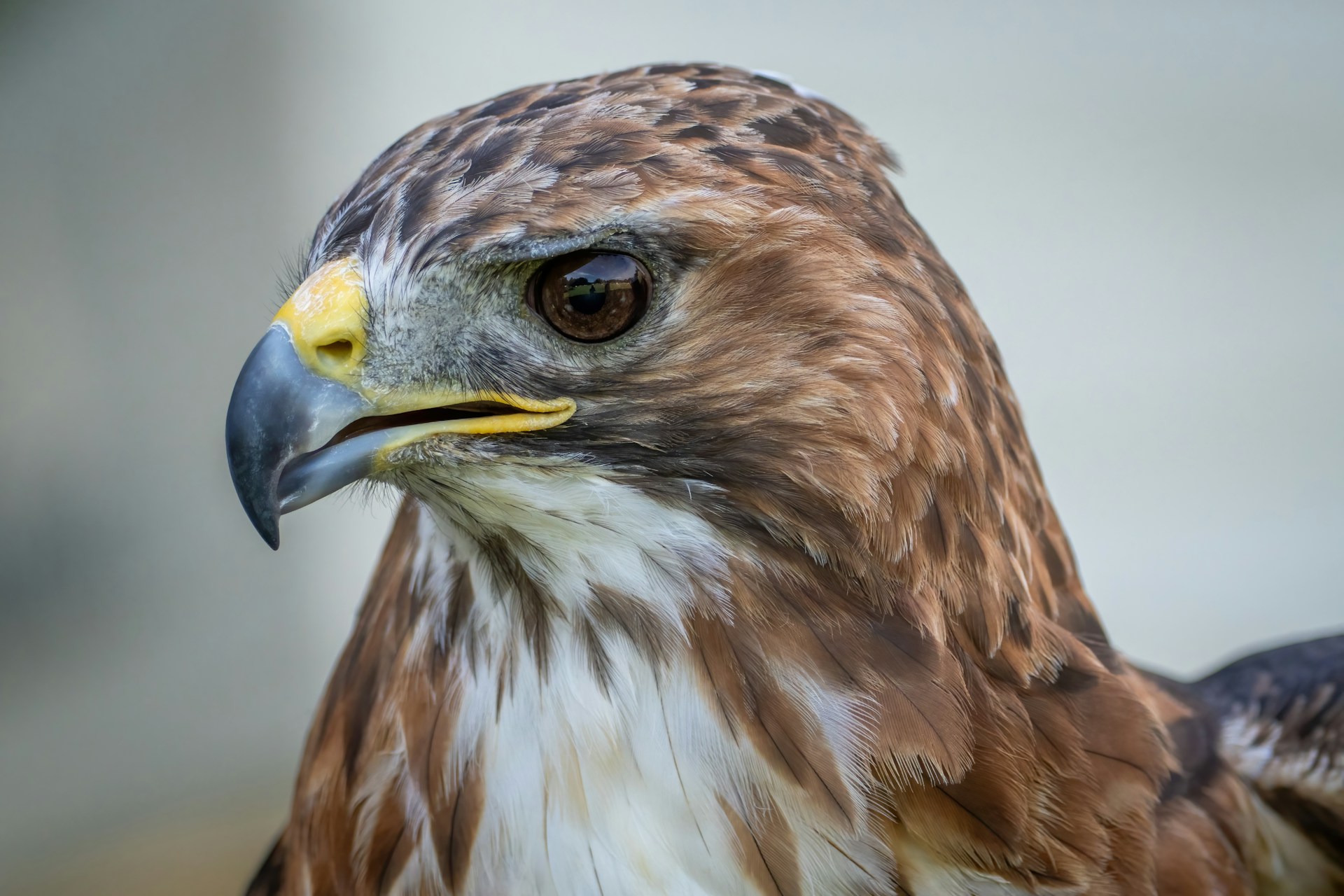
Red-tailed Hawks may be around all year, but late winter is when they start acting like spring is close. As daylight increases, pairs often begin courtship flights, nest repair, and construction on platforms high in trees. Many return to the same nest year after year, patching it with new twigs.
Wide circling, sudden dives, and stick-carrying trips become easier to spot against leafless branches. Their raspy scream turns up during this season, echoing over open fields. A warm afternoon can make them look settled, even when nights still drop hard. Hawks follow light first, and weather can still swing back to ice and wind.
American Robins
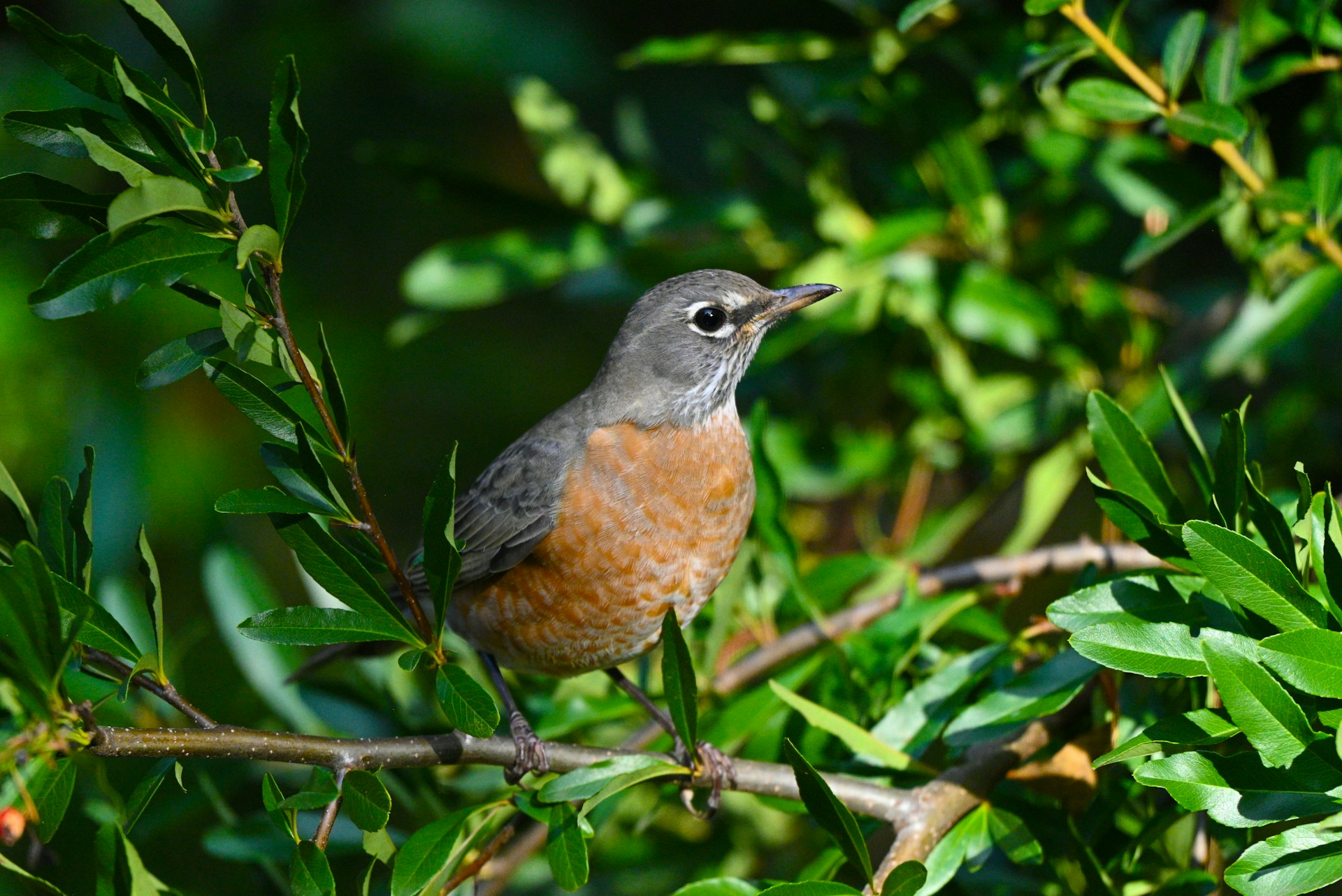
American Robins tell a complicated spring story. Some spend winter farther south, while others stay put, so the first robins of the season can be returning migrants or local birds newly active. In winter they often move in loose flocks, then split into pairs as days lengthen.
As late winter loosens, robins show up on thawing lawns in parks and yards pausing to probe for earthworms where the ground has softened. When breeding season nears, they sing earlier in the morning, using clear notes to claim territory and attract mates. The timing mistake is reading that sighting as the end of cold weather, even though snow can still follow.
Red-winged Blackbirds
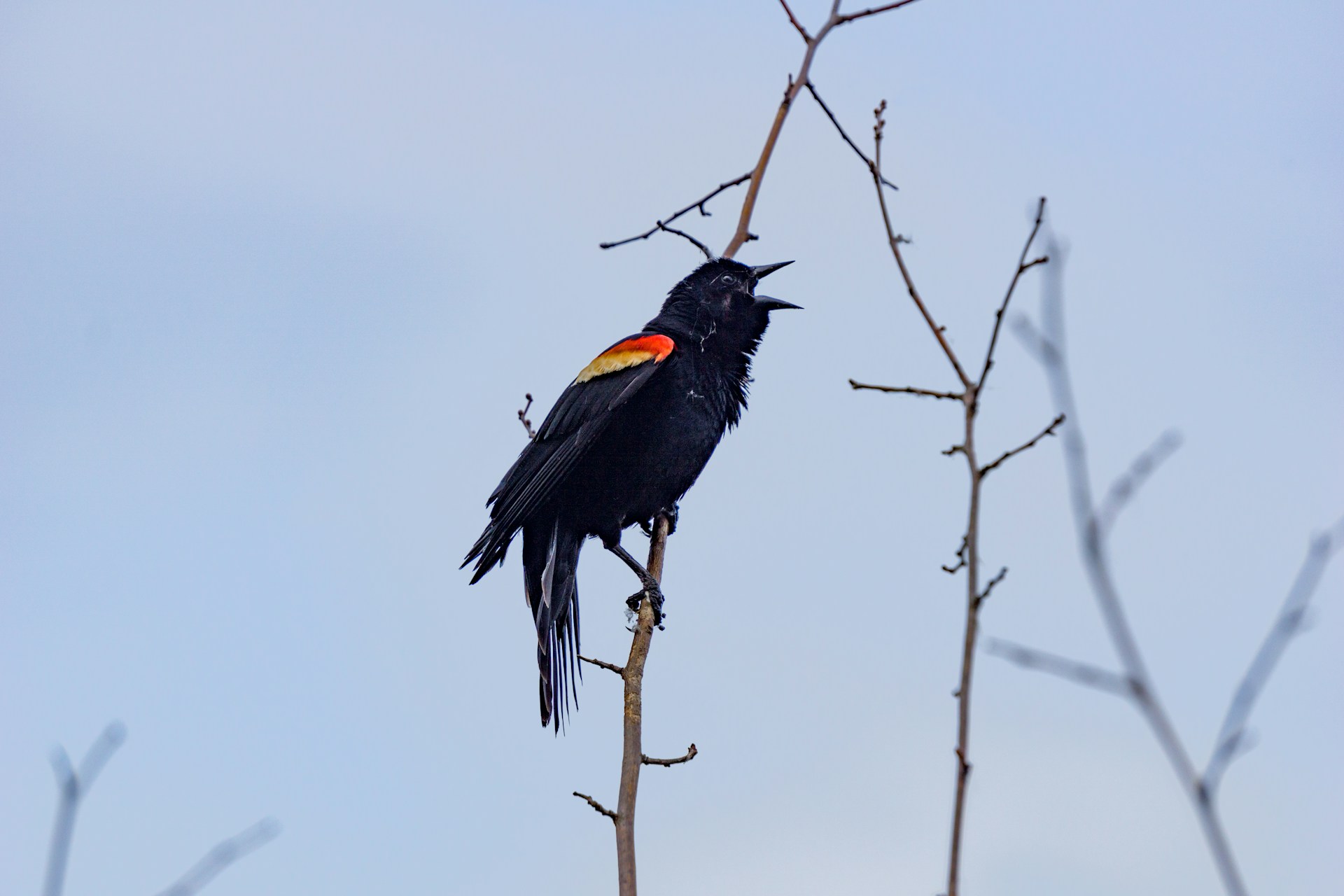
Few early-spring sounds are as clear as a male Red-winged Blackbird staking a claim. The ringing conk-la-ree! often returns while ice rims ponds, and it can make a marsh feel awake in an afternoon.
Males commonly move north ahead of females, showing up in northern states in late Feb. or early March to sort out territories. They post up in marshes, wetlands, roadside ditches, and pond edges, flashing red-and-yellow shoulder patches as warnings to rivals. Females arrive later, and nesting follows soon after. The timing slip comes when that bold song is mistaken for stable warmth; one cold front can quiet the whole place again.
Eastern Phoebe
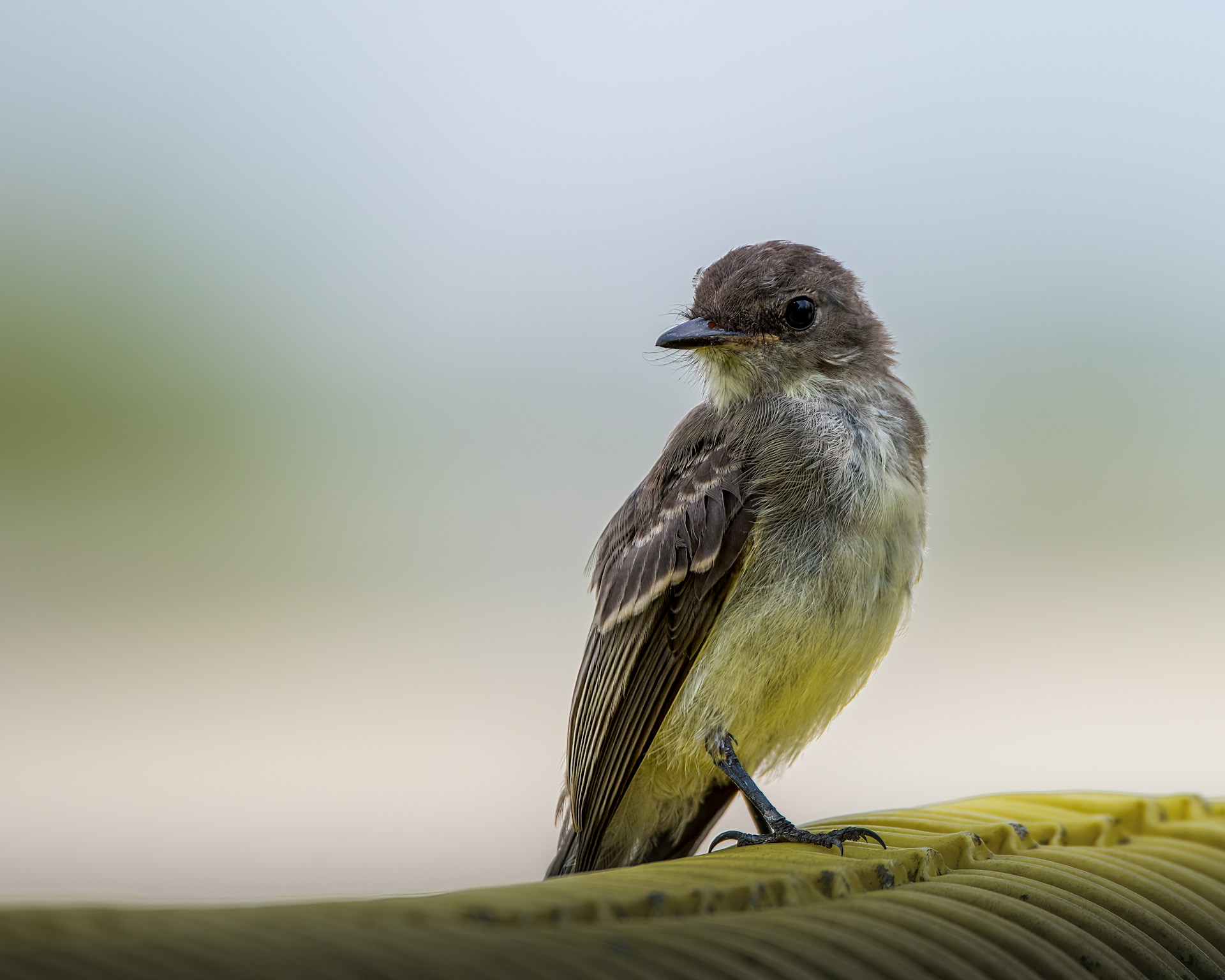
The Eastern Phoebe announces itself with a rough, two-note fee-bee, often from a bare branch or eave, as if testing the air for insects. In southern areas it may start edging north in Feb., while northern regions often wait until March or April, shaped by local weather.
Phoebes are mostly insect eaters, so early arrivals have to be practical. They perch, dart, and return to the same lookout, grabbing hardy flying insects on mild afternoons. When cold lingers, they may add small berries for backup. Spotting one can tempt people into calling spring early, but a chilly stretch can still leave these birds working hard for every meal.
Eastern Bluebirds
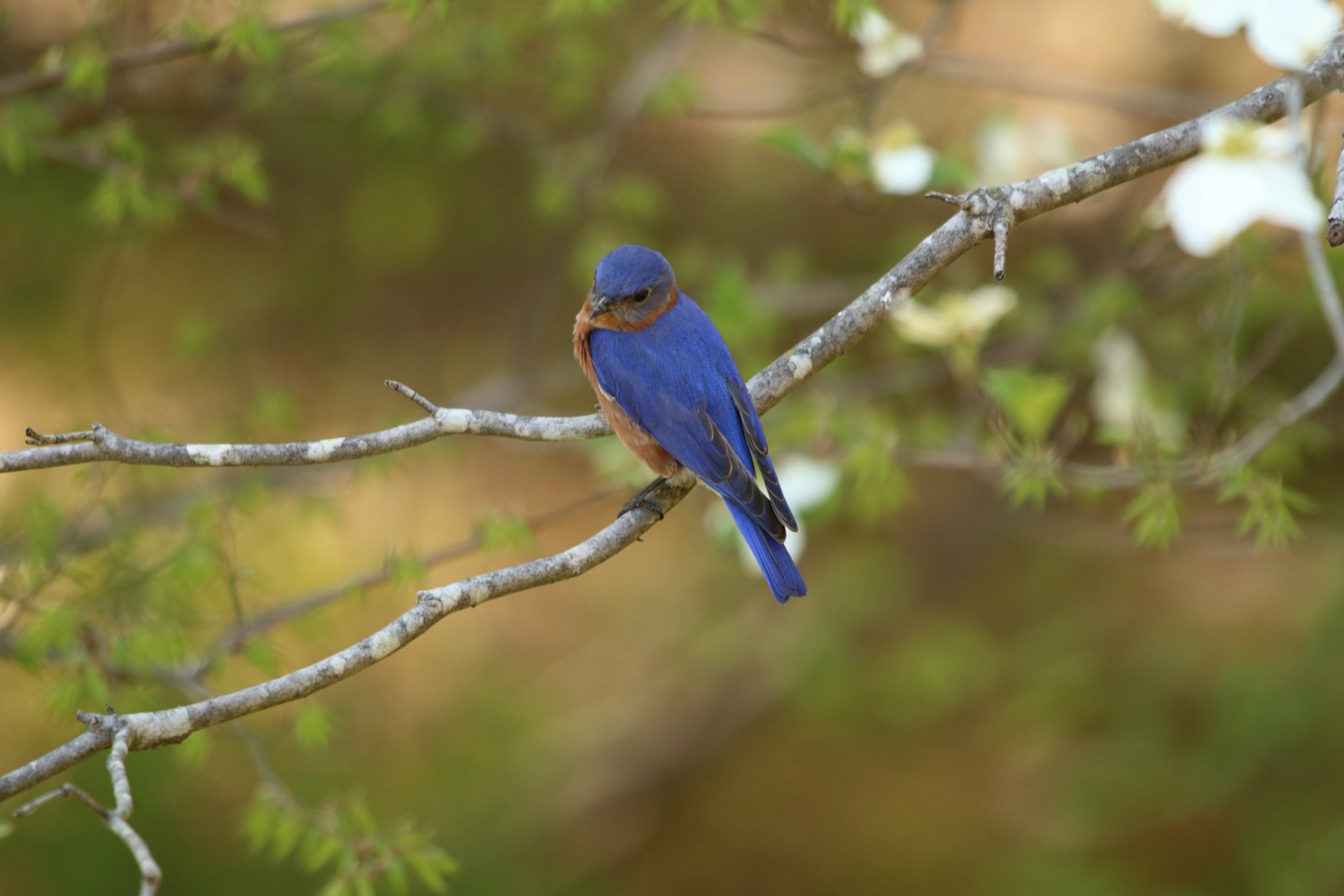
Eastern Bluebirds are short-distance travelers, and some never leave, which makes their spring return feel like a reunion. In northern climates they can show up in numbers by early March, bright flashes of blue against lingering winter. Pairs may inspect nest sites weeks before leaves return.
Food can be the bottleneck that early, since cold spells keep insects scarce. Nest boxes and feeders stocked with mealworms can help bluebirds bridge late winter into early spring, when daylight is rising but the menu is thin. The timing mistake is assuming that a bluebird means bugs are back for good; one late freeze can reset the whole yard.