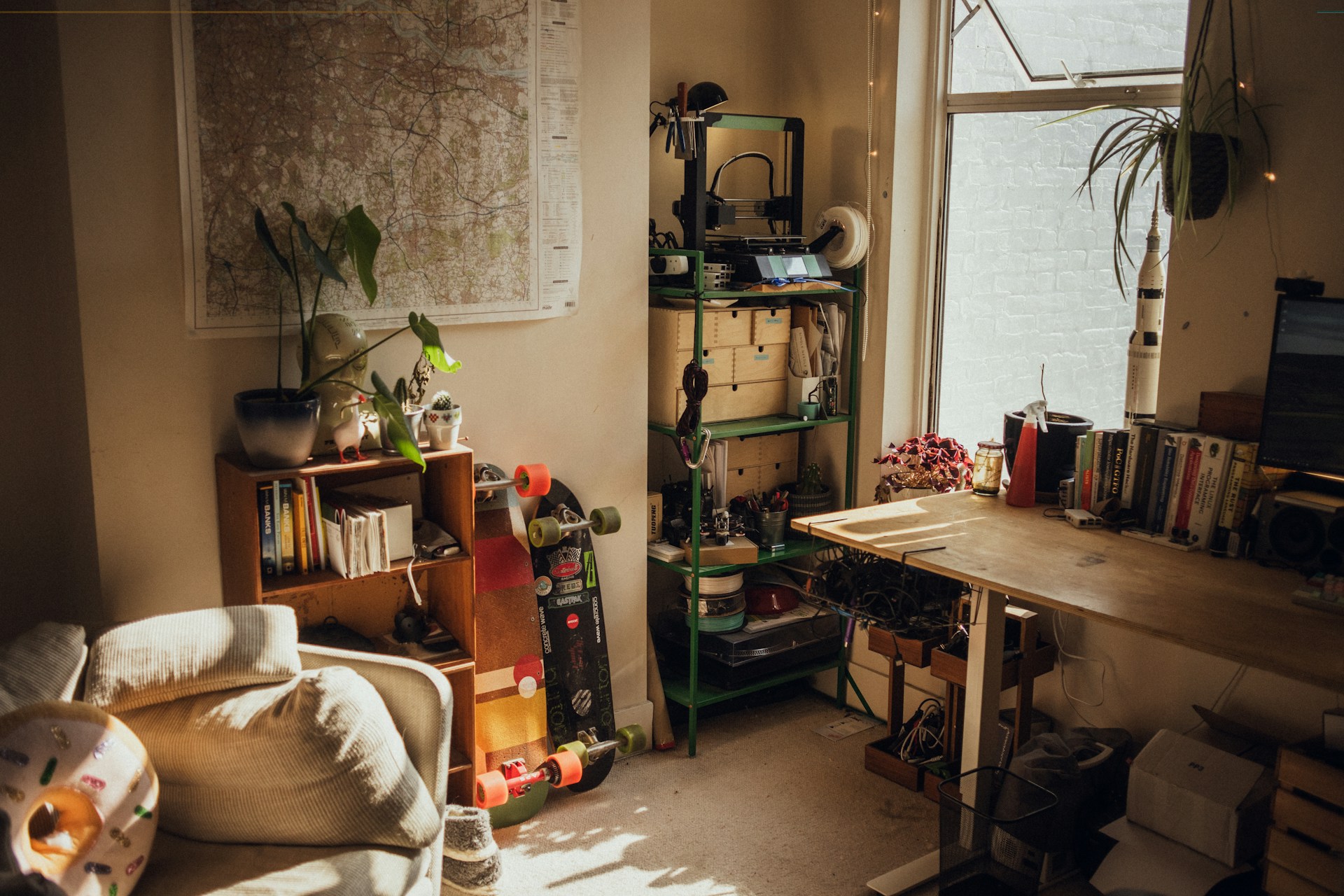
A beautiful house can still feel distant if nothing in it looks used. The most memorable homes carry small proofs of daily life: a scuffed chair arm, a hallway wall marked by growing kids, a party hat left on a stuffed toy, or a refrigerator filled with kid art.
Inviting someone into that kind of space takes trust, because it shows the real rhythm of a family. A home feels warmer when it allows some collected chaos, like boots by the door after a rain. Those details are not design mistakes. They are the quiet record of routines, visitors, and love, turning rooms into a lived story that keeps softening with time.
A Motley, Working Mudroom
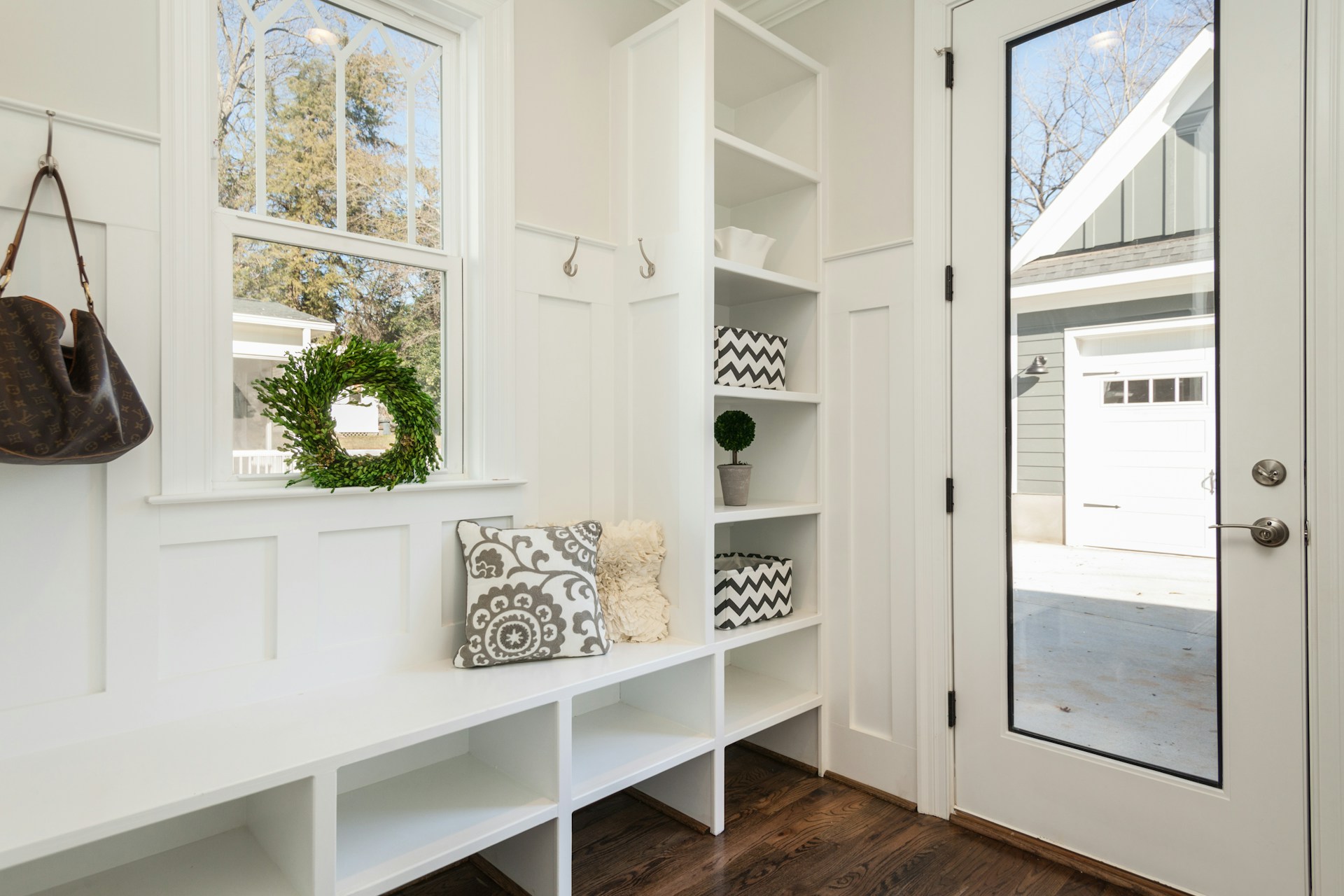
The mudroom is the house’s handshake with the outside, a hardworking in-between space that sits between school and supper, rain and rugs, work and rest. It catches muddy shoes, damp jackets, lacrosse sticks, grocery totes, and the loose clutter that follows people home, and it is also where the mind drops its load at the door.
The jumble shifts with the calendar, fleeces replacing raincoats, and sun hats giving way to knit caps, and the peg rails, pint-size boots dirtied at a pumpkin patch, and a well-loved leash hint at who is in the fold, making a room that may look chaotic today but will feel like quiet comfort later.
A Sunken-In Sofa
A couch that has softened in the middle is often a badge of long service, not a problem, because it has learned the shape of the household. It has held late-night talks, sleepy kids waiting for a ride home, rainy-afternoon movie marathons, and the heavy exhale after hard days, shaping itself to the people who return to it again and again.
A few stains, a faded armrest, or even a stubborn spring can feel oddly reassuring, because the comfort is proven, and the room gains an anchor that welcomes both a quick sit and a full, unplanned nap without asking anyone to perform, giving the whole house a quiet soft place to reset.
A Cluttered Nightstand
The nightstand is small, but it holds the most private routine in the house, part treasure chest, part library, and part catchall. A book with a bent bookmark, a phone charger that never quite reaches, hand cream, glasses, a water cup, and a half-finished mug of tea turn that little surface into a snapshot of the tea drinker, the historical-fiction devotee, and the note-leaver who lives here.
Even when it looks crowded, it is doing its job, keeping comfort within arm’s reach at the start and end of the day, quietly stopping the day from following anyone into sleep, then greeting them again at dawn, without judgment, too.
A Disheveled Desk

Childhood desks once held everything in one neat box: pencils, glue, and a clean sheet of paper. Adult desks often collect to-be-read books, paperwork that needs attention, sticky notes placed like breadcrumbs, and tools that come out only when a problem gets real.
Some research has linked moderately messy environments to more original ideas, and famous messy-desk anecdotes about people like Mark Twain, Thomas Edison, and Albert Einstein are often cited to make the same point: when the desk stays functional and safe, a little disorder can help thinking stay alive, because it keeps options visible and sparks new links.
An Occasionally Unmade Bed

An unmade bed can read as carelessness in a photo, yet it often marks a home that allows recovery instead of constant performance. Rumpled sheets, a crumpled comforter, and pillows slightly out of line can feel like an open invitation to linger, whether that means finishing a crossword, reading a few more pages, or drifting back to sleep as daylight moves across the room.
That relaxed message has even entered the art world: an artwork built around an unmade bed sold at Christie’s for about $4 million, suggesting that everyday disorder can be intimate, human, and strangely beautiful when it reflects real, quiet, deserved rest.
A Chair Marked by Small Hands
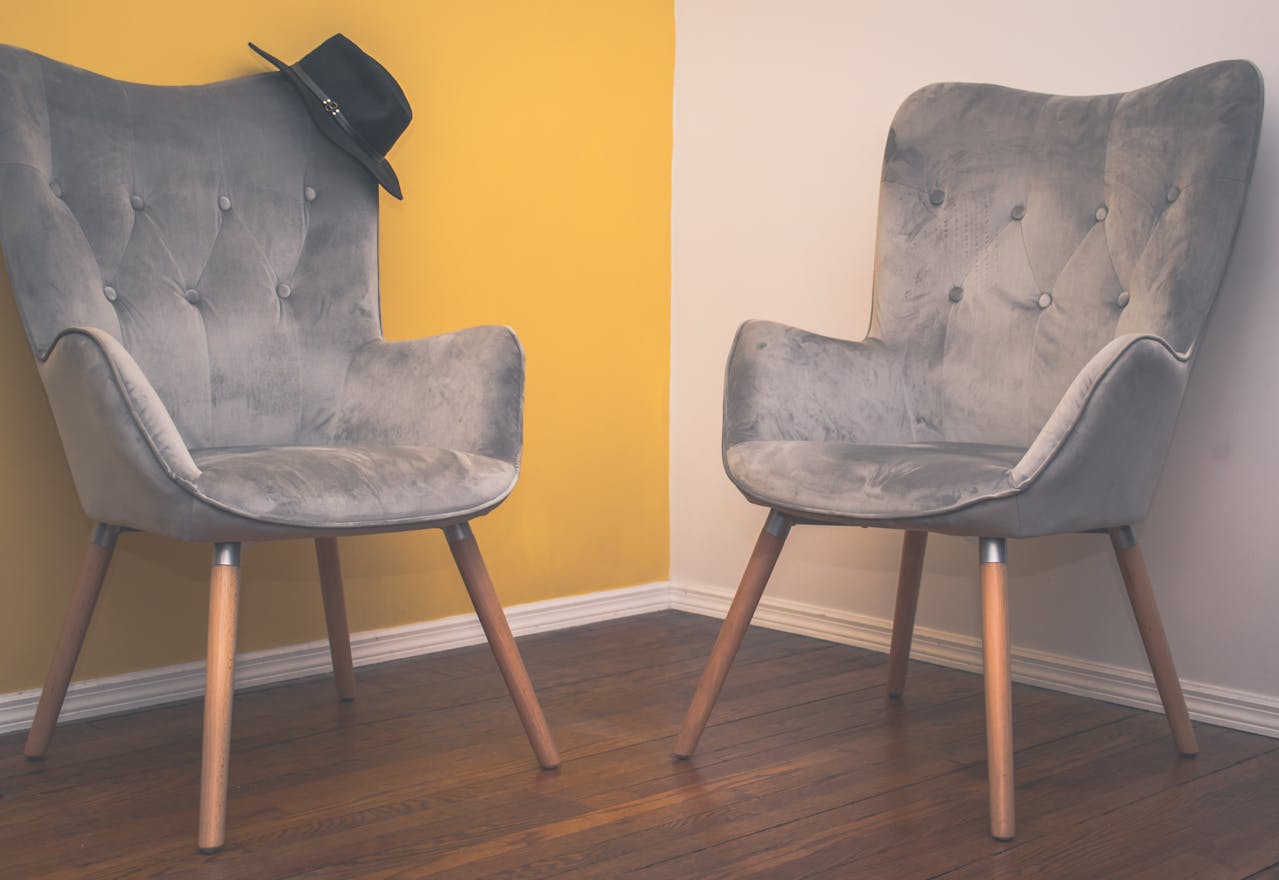
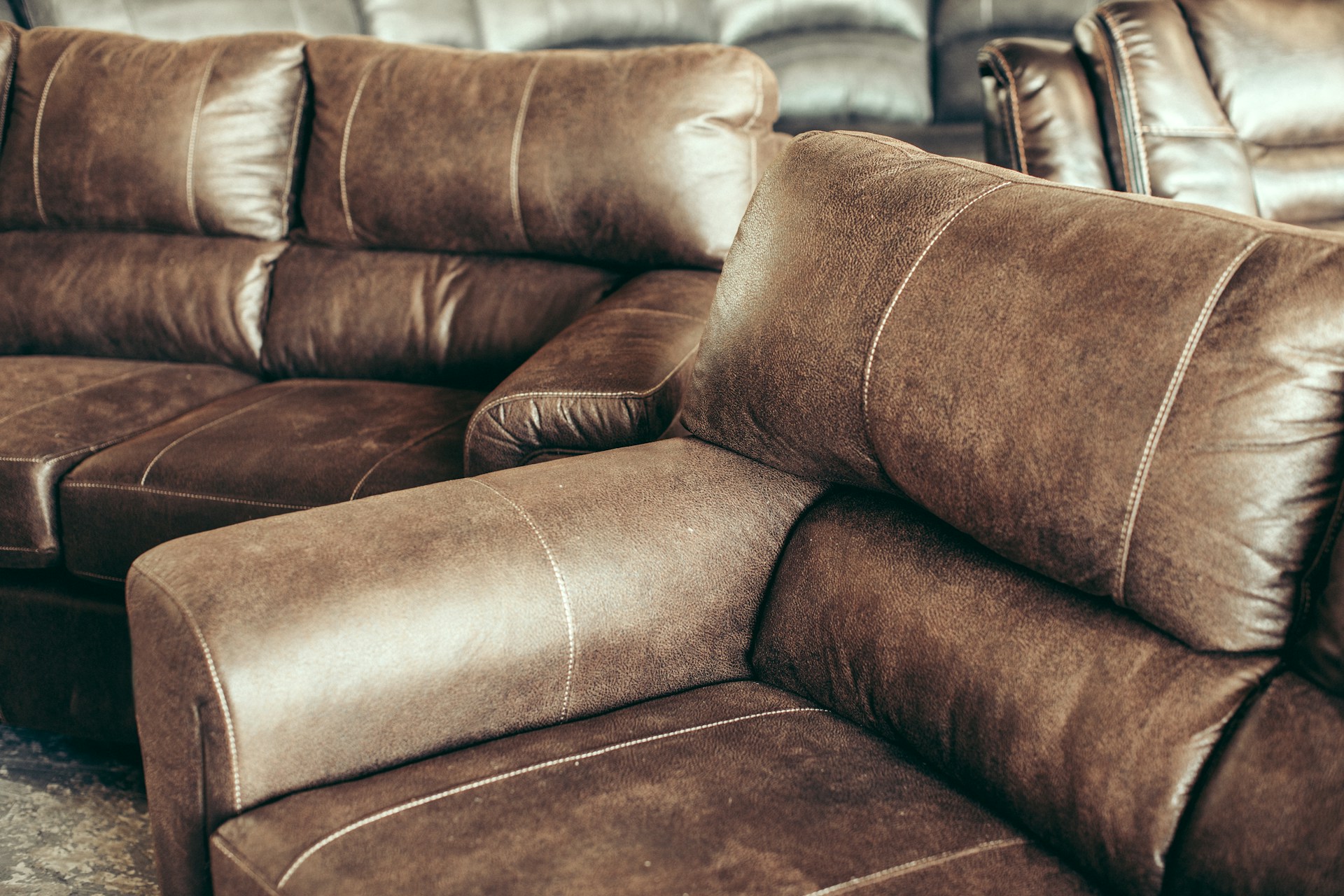
Sometimes the most loved piece in a room is the one that would never pass a showroom test, because perfection has no memory attached to it, and the eye forgets what the hand remembers. A leather chair with tiny scratch marks on its arms can look worn, yet those indentations can be the record of a child learning to stand, gripping tight, wobbling, laughing, and trying again.
Years later, the marks read like handwriting on the furniture, turning the chair into a witness to family history; on hard evenings it still offers a familiar armrest, and the old scratches quietly say that growth happened here, one brave moment at a time.
Hatch Marks on a Doorframe
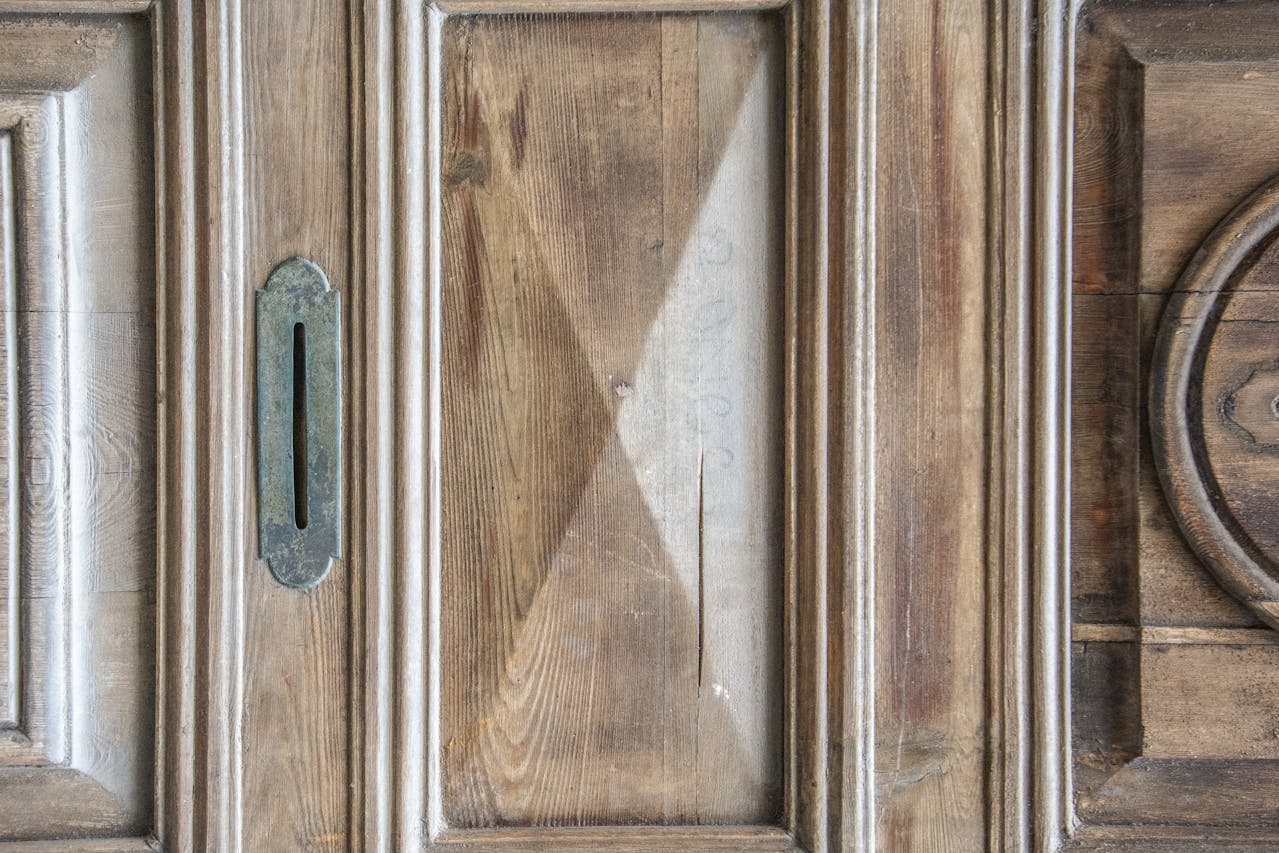
A wall or doorframe with penciled hatch marks can look unfinished to a visitor, especially next to crisp trim and carefully chosen decor. In many families, those lines are a private archive, tracking growth spurts, first-day-of-school mornings, and the way time slips by, with dates, initials, and crooked measurements layered year after year.
Fresh paint can erase the evidence, but it also erases the story, so some homes keep the marks on purpose, letting ordinary drywall hold onto milestones, spark stories at family gatherings, and quietly remind everyone how far the little ones have come, without ever needing a frame.