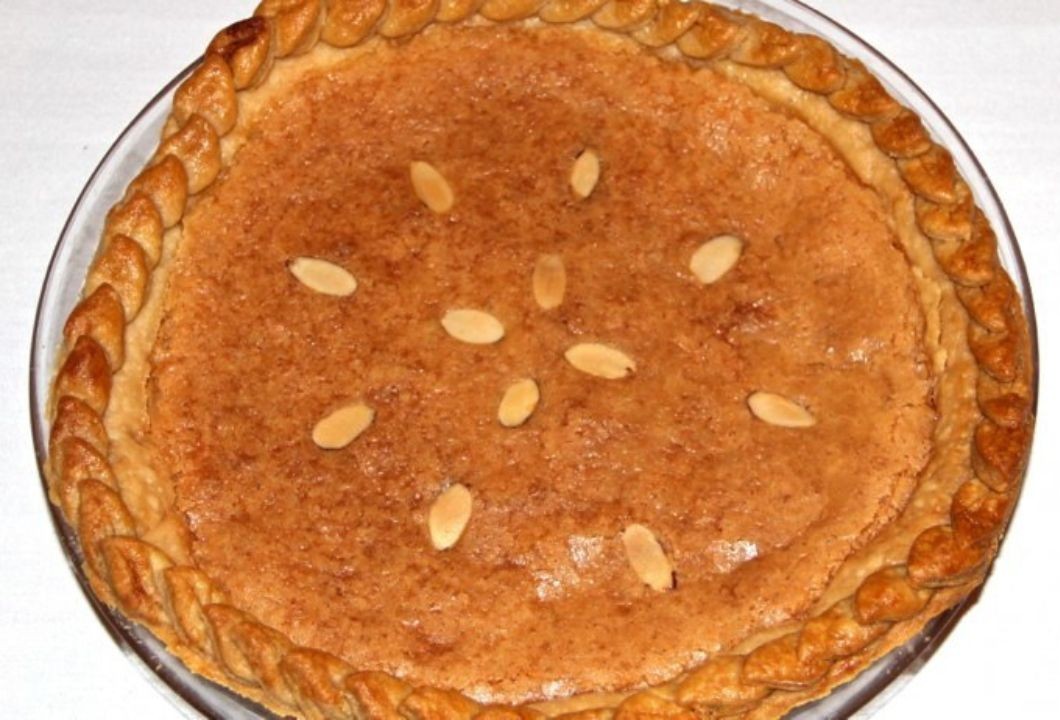
Vinegar pie is returning to home kitchens for reasons that are more practical than cute. People are watching grocery totals, trimming extras, and looking for desserts that still feel complete without specialty ingredients. In that context, a pantry pie makes immediate sense. It is familiar, low-risk, and easy to repeat.
This comeback is also cultural. Older recipes are being pulled from family notebooks, church cookbooks, and memory-heavy conversations where grandparents taught method instead of measurements. The appeal is not only flavor. It is the feeling that this dessert has already survived hard times once.
What stands out is how modern this old pie suddenly feels. It uses staples most households already keep, tolerates substitutions, and still lands with a bright, custardy finish that feels like real dessert. It asks for ordinary ingredients and rewards careful heat, not expensive shopping.
That combination is why vinegar pie keeps resurfacing in stressful years. Budget pressure pushes people toward efficiency, and nostalgia pulls them toward continuity. Together, they create a food trend that is less about novelty and more about stability.
A Pantry Pie With a Long Family Memory
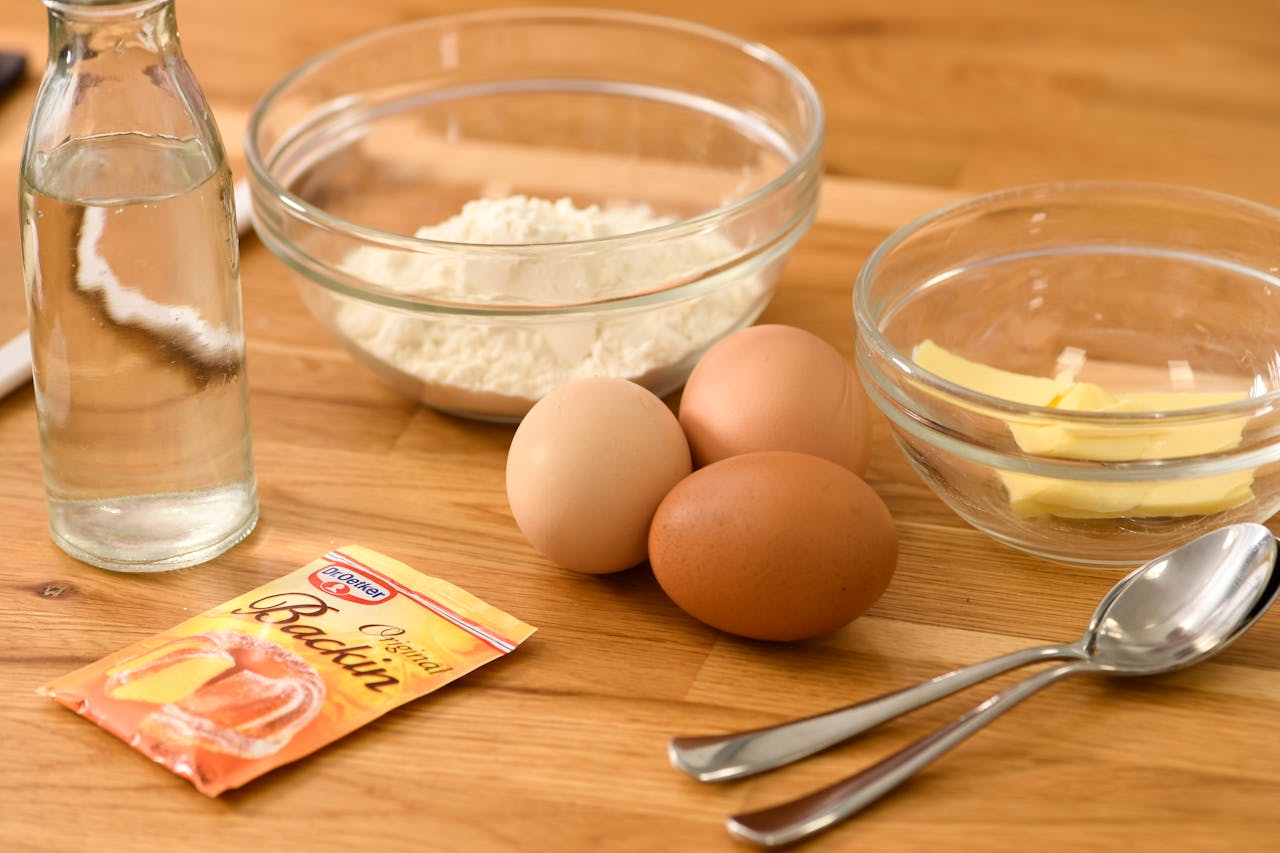
Vinegar pie belongs to a broader American tradition of pantry-first baking. Long before social media trends, households used it when fruit was scarce, out of season, or unaffordable. The pie delivered sweetness, tang, and texture using basics that were already on hand. It was a practical dessert with real staying power.
Its reputation as a hardship pie is true, but incomplete. Families did not make it only in crisis years. They made it because it worked reliably across regions and seasons, and because it turned limited supplies into something shareable. That reliability is exactly what modern bakers are rediscovering.
The method itself explains part of its durability. It relies on technique more than rare ingredients: balance sugar and acid, temper eggs carefully, bake until set, and let the custard rest. When a recipe is method-driven, it survives supply swings better than ingredient-driven recipes.
Memory keeps the recipe alive, but utility keeps it relevant. A pie that can move from farm kitchens to city apartments without losing its character is not a relic. It is a durable system disguised as dessert.
Budget Pressure Is Rewriting Home Baking Choices
When household budgets tighten, desserts are often the first category people rethink. Not because sweetness stops mattering, but because every optional purchase gets examined. Fresh berries, premium chocolate, and specialty extracts can feel like luxury inputs. Pantry pies become attractive because the shopping list is short and predictable.
Egg and dairy volatility adds another layer. A fruit tart can fail before it begins if produce quality is weak or priced too high to gamble on. Vinegar pie avoids that trap by reducing dependence on fragile ingredients. It is a lower-risk decision for people who still want something homemade.
This is where cost and confidence meet. A baker is more likely to try a recipe when failure is affordable and the ingredient list is forgiving. That encourages repetition, and repetition improves skill. Over time, one budget dessert becomes a gateway to broader kitchen confidence.
Home economics is rarely dramatic, but it is decisive. People choose recipes that respect time, money, and uncertainty all at once. Vinegar pie fits that equation with almost no friction.
Comfort Baking Works as Emotional Triage
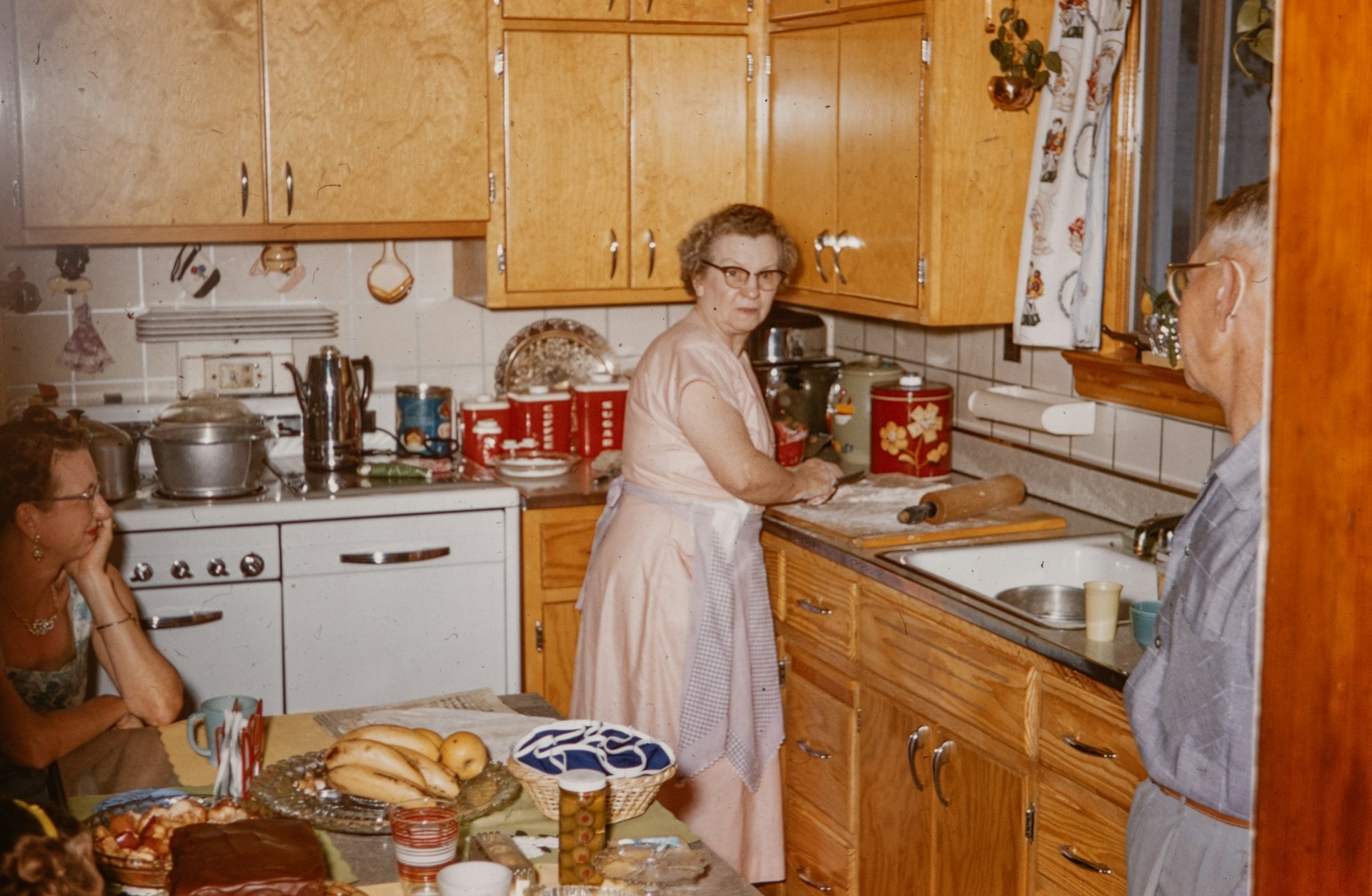
Food decisions are not purely financial. They are emotional calculations made under pressure, often at the end of long days when attention is already thin. A familiar pie can reduce that strain because it replaces uncertainty with rhythm. Mix, bake, cool, slice, serve.
Nostalgia plays a practical role here. It gives people a sense of continuity when routines feel unstable, and that continuity can calm decision fatigue. A recipe tied to grandparents or childhood tables carries reassurance before the first bite. That is part of the value, not a side effect.
Comfort baking also restores agency. People cannot control inflation or supply disruptions, but they can control what happens in their own oven. That small zone of control matters more than it seems. It converts stress into action with a visible result.
The emotional return is why these recipes persist beyond one season. They create a repeatable mood shift at low cost. In uncertain times, that is not sentimental excess. It is household resilience.
Thrift Era Nostalgia Has Shifted From Aesthetic to Method
Vintage food culture often begins as imagery. Old tins, handwritten cards, faded aprons, and retro table settings spread quickly because they look warm and recognizable. But this pie revival is moving past visuals. People are adopting the underlying logic, not just the look.
That logic is straightforward: use what is available, avoid waste, and prioritize recipes that can bend without breaking. In earlier generations, this was survival knowledge. Today, it reads as strategic cooking. The tone has changed, but the mechanics are almost identical.
The strongest nostalgia trends become habits when they solve a present problem. Vinegar pie does exactly that by pairing memory with function. It feels rooted and useful in the same moment, which is rare in food trends that usually lean one way or the other.
So this is not about recreating the past perfectly. It is about translating thrift-era intelligence into modern kitchens with modern constraints. The recipe stays recognizable, but the context evolves.
What Vinegar Pie Reveals About Household Economics
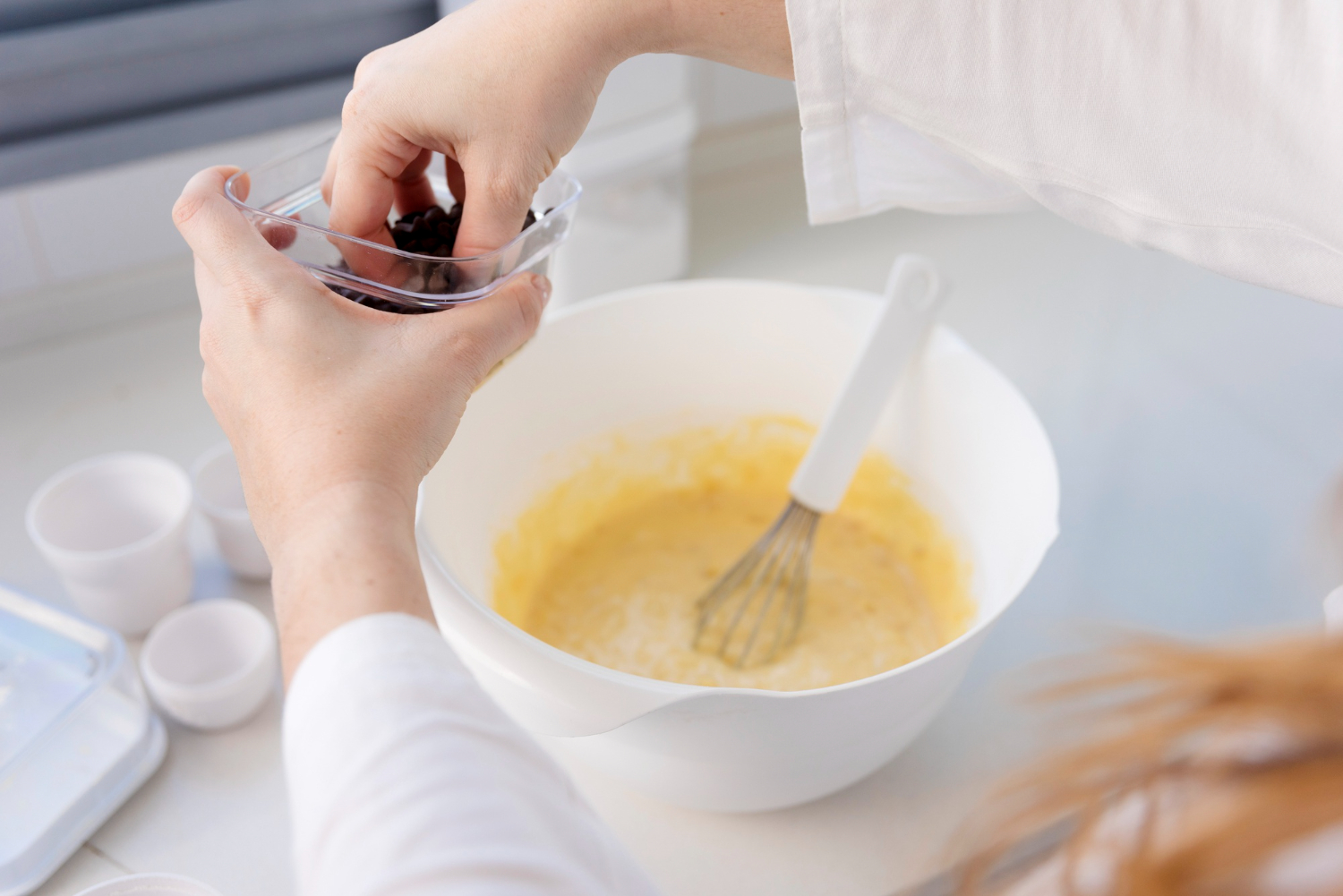
A good budget dessert does more than save money. It protects morale while keeping weekly planning intact. Vinegar pie achieves that balance by delivering complexity from simple inputs, which makes dessert feel generous without stretching the bill.
It also cuts waste risk. Fruit-based desserts can collapse if produce spoils early, lacks flavor, or was bought at peak price and not used in time. Pantry pies reduce that exposure because most ingredients have longer shelf life and broader kitchen use. That makes the cost of experimentation much lower.
There is a workflow benefit too. The ingredients are common, the prep is clear, and cleanup is manageable. For busy households, that matters as much as ingredient price. A dessert that fits the week is more likely to become part of the week.
Seen this way, vinegar pie is not a quirky throwback. It is a case study in practical abundance, where modest inputs create a result that still feels celebratory. That is exactly the kind of math budget-conscious kitchens favor.
Recipe Sharing Has Become Resource Sharing
The comeback has spread through conversation as much as through cookbooks. Relatives exchange versions by message, neighbors compare crust shortcuts, and community groups swap fixes for curdling or overbrowning. The recipe moves like oral history with oven timers attached.
Online spaces accelerated that exchange, but the core behavior is old. People share what works under pressure, especially when budgets are tight and confidence is uneven. A reliable pantry pie becomes social currency because it solves several problems at once: cost, comfort, and predictability.
This sharing has a practical ethics to it. It is less about perfect plating and more about passing on methods that hold up in ordinary kitchens. Small adaptations get documented, then reused, then improved again. That is how resilient cooking systems are built.
As a result, vinegar pie is no longer just a family heirloom recipe in isolated pockets. It is becoming a widely understood template for thrift-forward baking that can travel across regions and generations without losing its core purpose.
The Comeback Has Real Limits and Blind Spots
Not every household can access this trend equally. Even pantry ingredients cost money, and some families face time scarcity that makes from-scratch baking unrealistic during most weeks. A low-cost recipe still requires energy, equipment, and breathing room in the schedule.
There is also a risk of romanticizing hardship cuisine. Many old make-do desserts came from real scarcity, not charming simplicity. If the story focuses only on cozy nostalgia, it can erase the economic pressure that shaped these recipes in the first place.
Trend language can overstate scale as well. Increased chatter does not always mean broad adoption across regions, ages, and income levels. Some households will try the pie once and move on, while others will fold it into regular rotation. Both outcomes are valid.
Acknowledging limits does not weaken the story. It makes it honest. The pie is useful, but it is not a cure-all for food stress or household strain.
Why This Comeback Matters Right Now
Vinegar pie matters because it captures a wider shift in how people think about value. Households are not only searching for cheap options. They are searching for dependable options that still feel like care. This recipe answers both needs without demanding much from the pantry.
It also reframes thrift as skill rather than sacrifice. When a baker turns staples into a bright, satisfying dessert, thrift stops looking like deprivation. It starts looking like competence. That framing changes how people experience budgeting at home.
The comeback also signals a broader cultural reset around food confidence. Instead of chasing complicated trends, more cooks are returning to techniques that reward patience and judgment. These recipes leave room for adaptation, which makes them resilient across changing prices and supply shifts.
In that sense, vinegar pie is not simply returning. It is being reinterpreted for a period where practicality and meaning have to coexist. The result is a dessert that feels old, useful, and newly necessary all at once.