
Fast furniture promises quick comfort: a new look, a low price, a box at the door. Designers see what happens after the glow fades. Veneer chips at the edge of a coffee table, joints loosen, and cushions flatten into tired squares. A room can start to feel noisy, with pieces that never quite settle together. The regrets are rarely about taste. They are about longevity, repairability, and the quiet cost of replacing what should have lasted, again and again, until a home feels more disposable than personal. After one humid summer or a single move, the weak points show up fast. What remains is the lesson designers repeat.
The Wobbly Dining Table That Never Squares Up
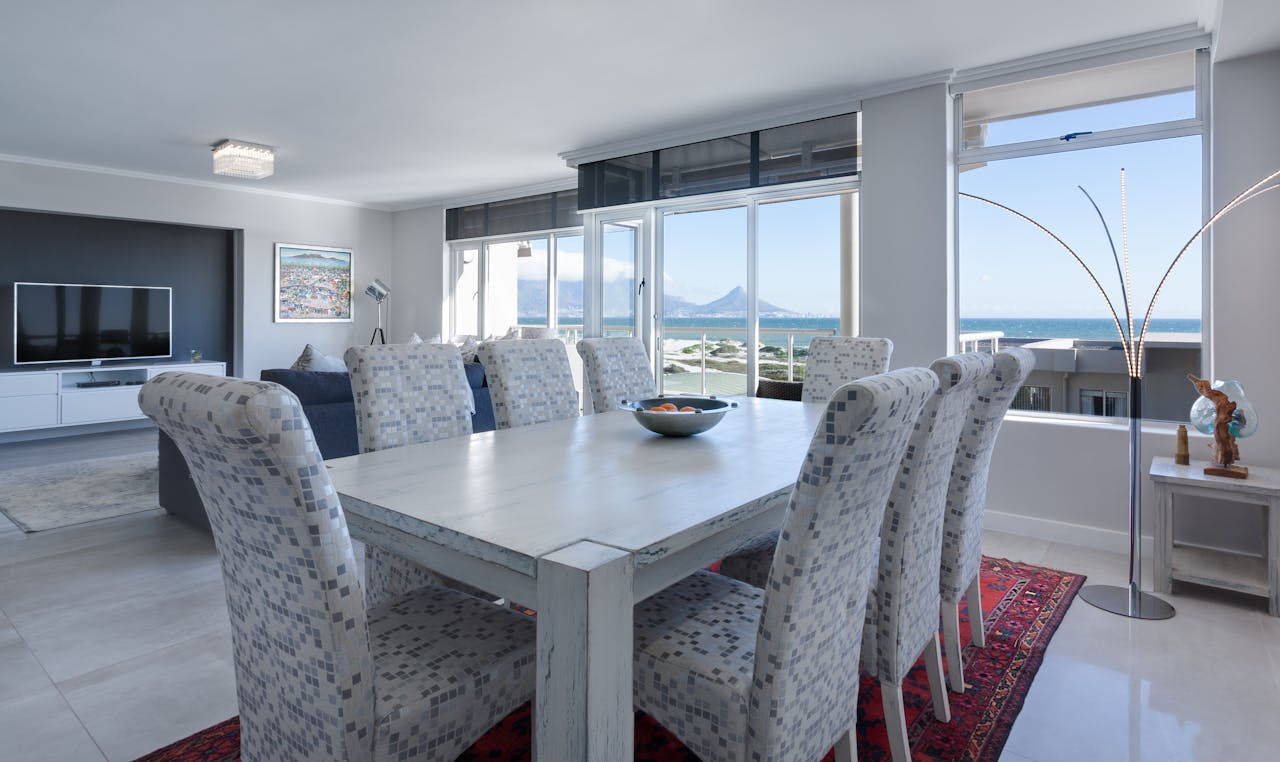
A flat-pack dining table can look crisp on day one, then start to rack and sway once real life arrives: heavy platters, elbows, kids doing homework, and the occasional move to sweep crumbs. Designers blame thin aprons, soft hardware, and legs that rely on dowels instead of joinery, so every tightened screw buys only temporary peace, and small shifts slowly turn into a constant wobble. The regret grows when hosting becomes a balancing act, because a table meant for gathering should feel calm, steady, and quietly confident, not like it is negotiating with gravity, especially in open-plan rooms where every clink is amplified.
The Sofa With Cushions That Collapse by Month Three
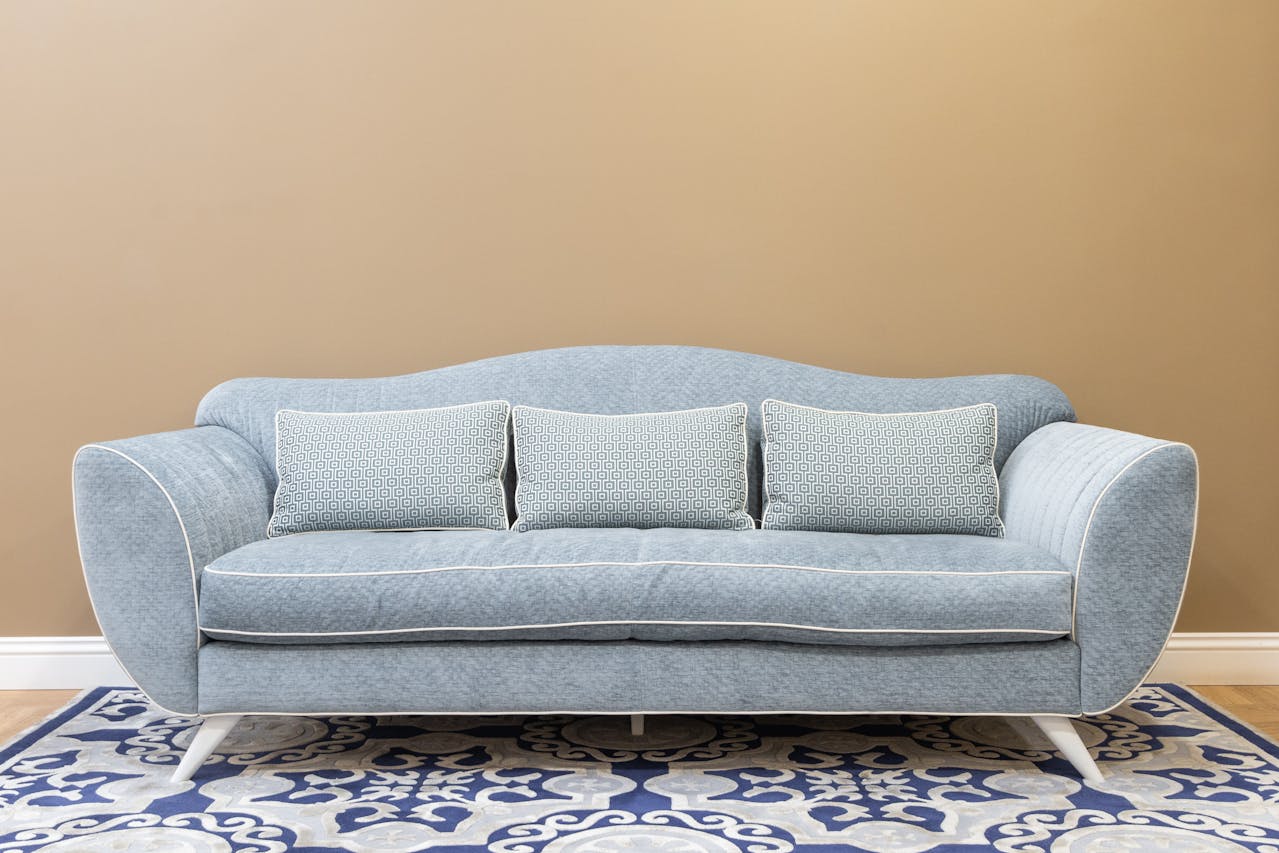
Fast-furniture sofas often hide their shortcuts in the foam, so the first sit feels plush and promising, and the third month feels like the floor is getting closer under the same favorite spot. Designers notice low-density cushions that collapse, webbing that stretches, and frames that flex at the corners, which makes the seat line sag, the arms skew, and the silhouette lose its tailored shape. The regret is how unfixable it feels: new pillows, throws, and even a fresh cover cannot restore support once the structure has given up, turning lounging into constant shifting and quiet discomfort during long movie nights.
Peeling Veneer That Turns Wear Into Damage
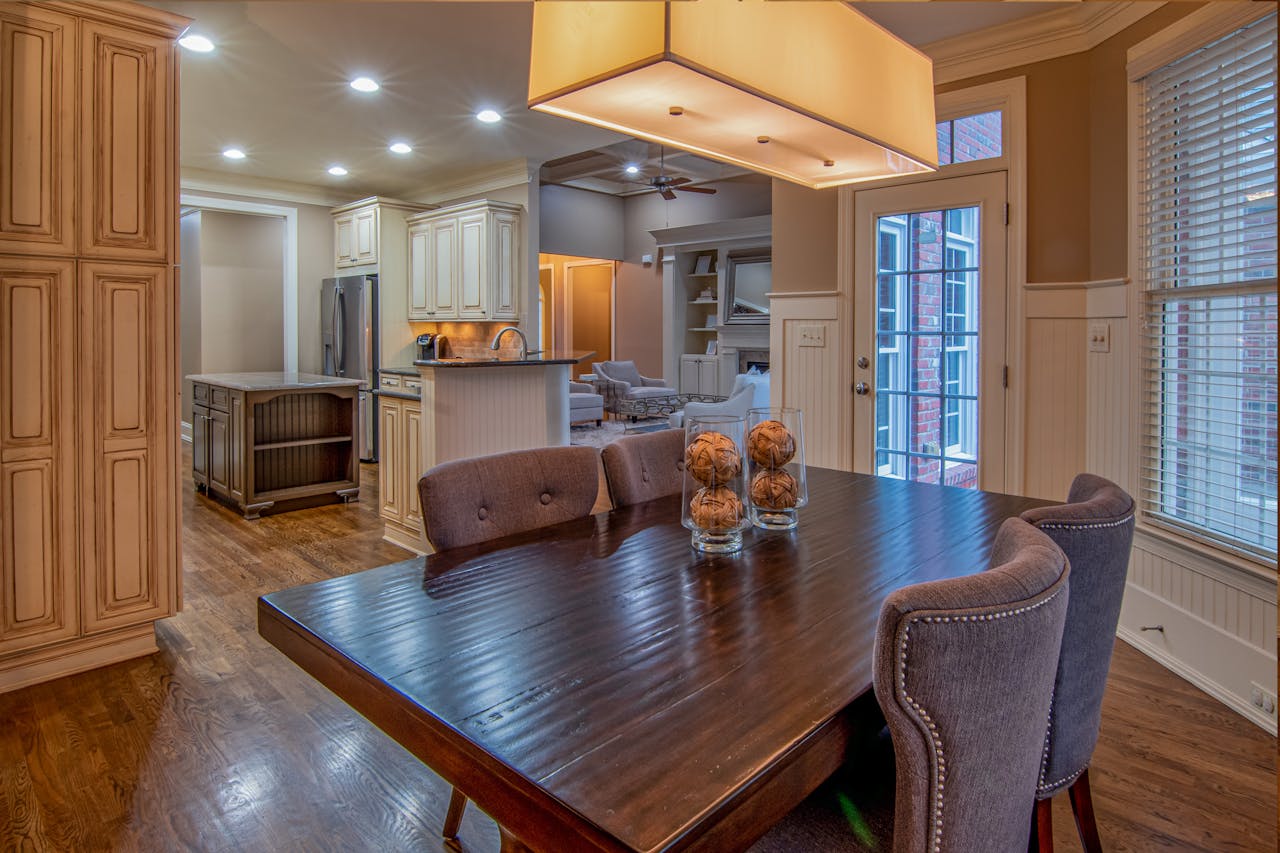
A glossy veneer can mimic walnut or oak until humidity, sun, or a bumped vacuum catches the edge and lifts it like a loose sticker, revealing the pale core underneath, and the illusion breaks at once. Designers call it a heartbreak finish because it fails dramatically: bubbles appear near heat sources, corners curl at the first spill, and a small nick can tear into a long, jagged strip. Solid wood can be sanded and re-oiled, but veneer rarely forgives, so the regret lands when normal living becomes visible damage that cannot be refinished, only disguised with markers that never quite match in daylight for long. Anywhere.
The Particleboard Dresser That Sags Under Real Clothes
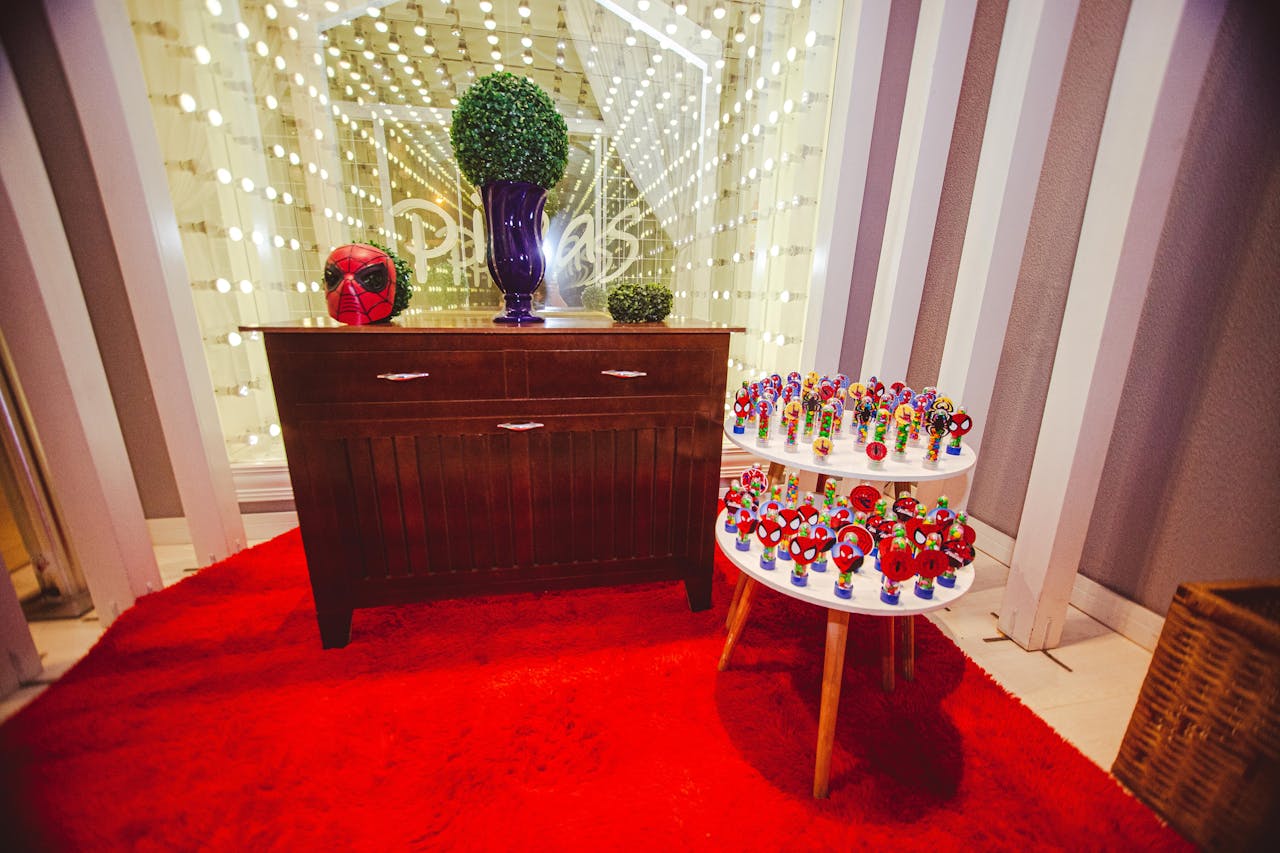
A cheap dresser may feel fine empty, yet drawers tell the truth once denim, sweaters, and winter coats move in, and everyday yanking turns light rails into stress tests. Designers see sides bowing, bottoms dropping, and runners grinding into sawdust, especially when particleboard swells from a damp towel, a humid monsoon week, or a leaky window track. After that, drawers stick, gaps open, and the whole case loses its clean lines, and the regret is losing trust in the one piece that was supposed to make mornings easier, not louder, while it sheds gritty dust onto the floor every time it opens. In a shared bedroom.
Black Hardware That Chips Into Shiny Specks
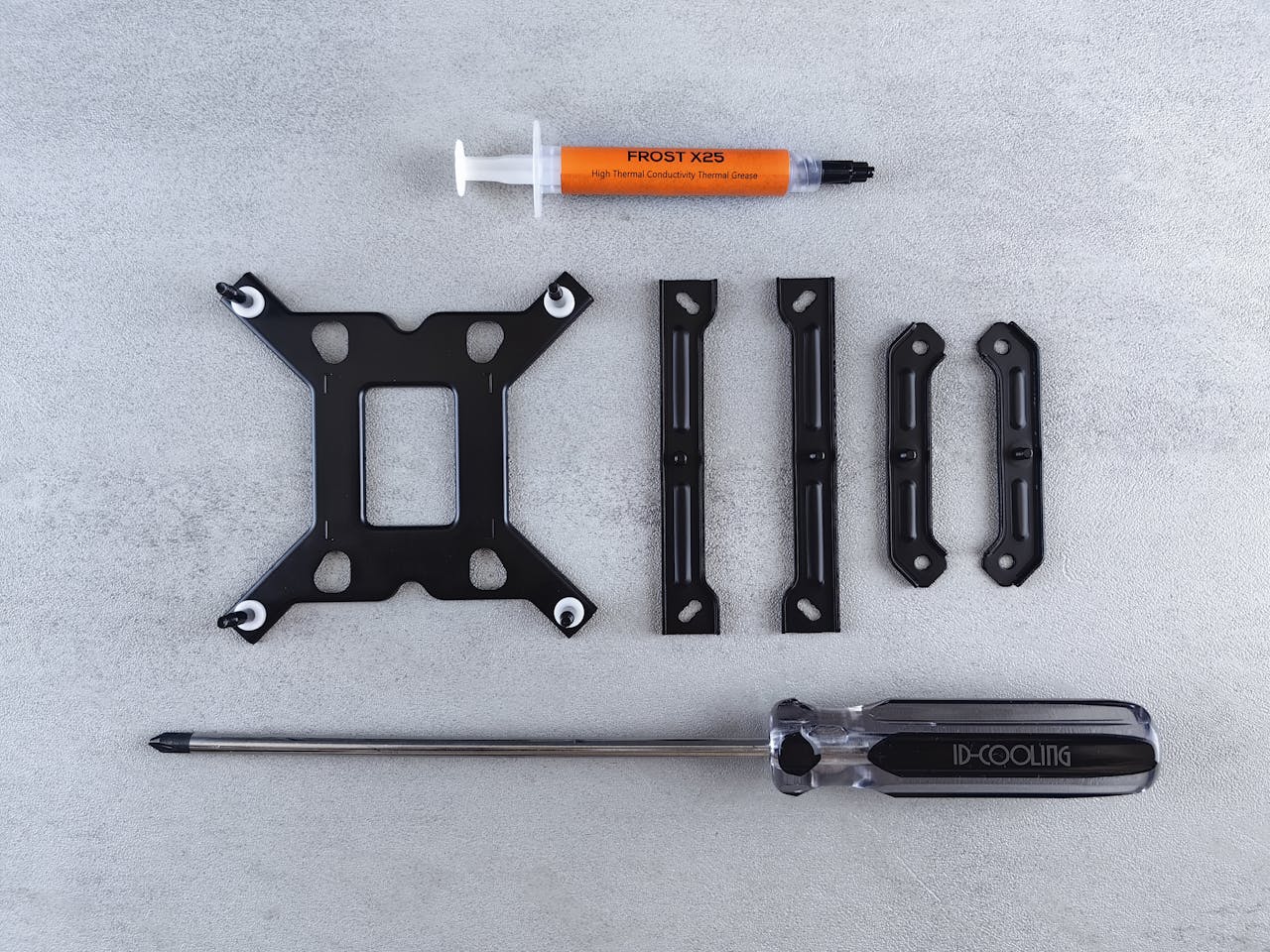
Matte-black pulls and legs photograph beautifully, which is why designers warn about bargain finishes that cannot handle constant touch, sunlight, and the oils from daily use. On low-cost pieces, the coating chips at corners and grip points, flashing bright metal underneath, and suddenly a clean room reads worn even when everything is spotless. Replacing hardware sounds easy, yet holes rarely align, long screws strip soft panels, and odd sizes limit options, so the regret is watching an intentional look turn accidental fast, like a trend aging in real time before a season has even changed. In the entryway. At home.
The Trendy Boucle Chair That Pills and Snags
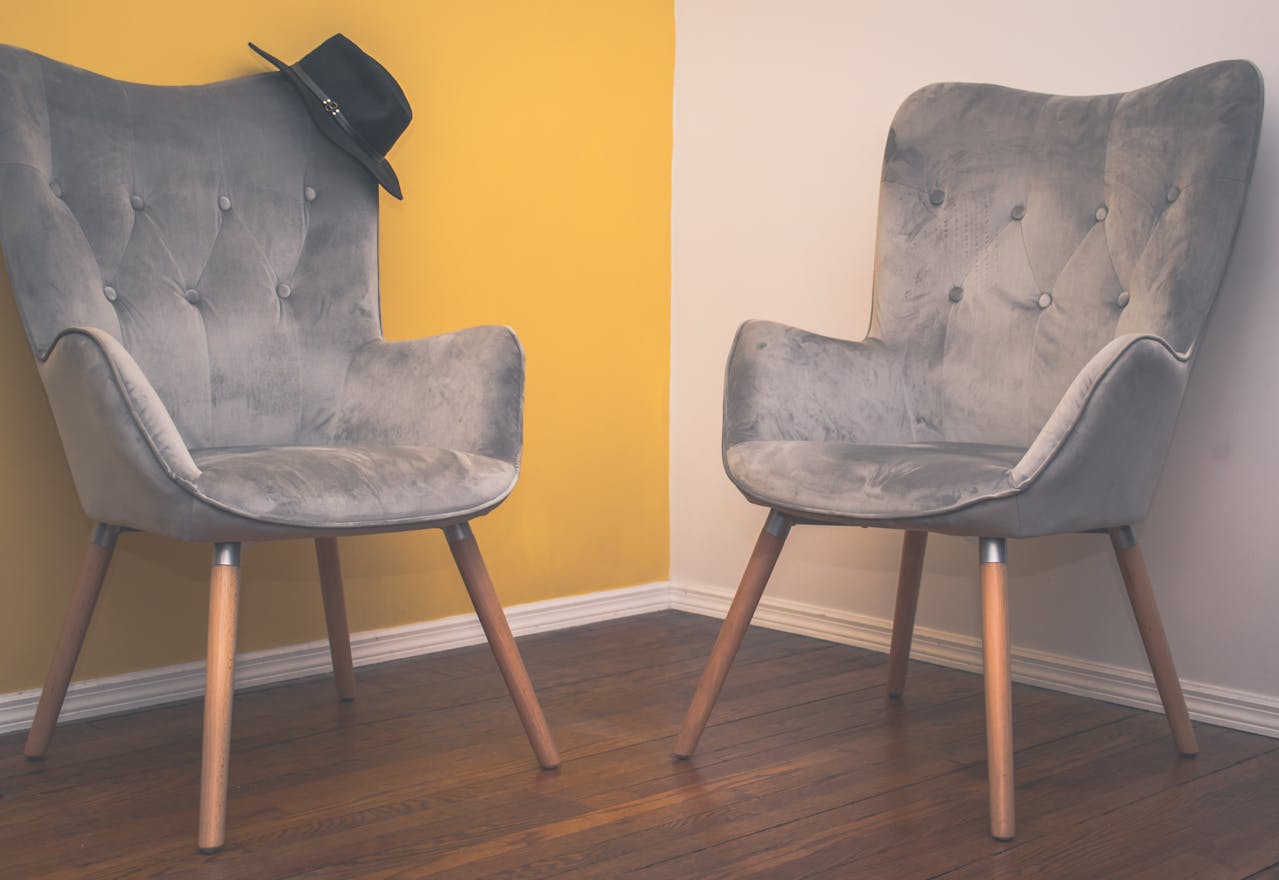
Boucle and fuzzy weaves can soften a space, but fast versions often shed and pill like an old sweater after a few weeks, turning a creamy chair into a speckled one. Designers notice snags from zippers, pet nails, and even a watch clasp, plus stains that spread when thirsty fibers drink water, trap detergent, and hold onto everyday dust. What began as a cozy accent becomes a high-maintenance worry, and the regret is choosing texture over performance in a chair meant to be lived in, not tiptoed around, because the wear shows as texture itself, not just a mark under bright afternoon light. In a small apartment. Often.
The Bed Frame That Squeaks With Every Turn
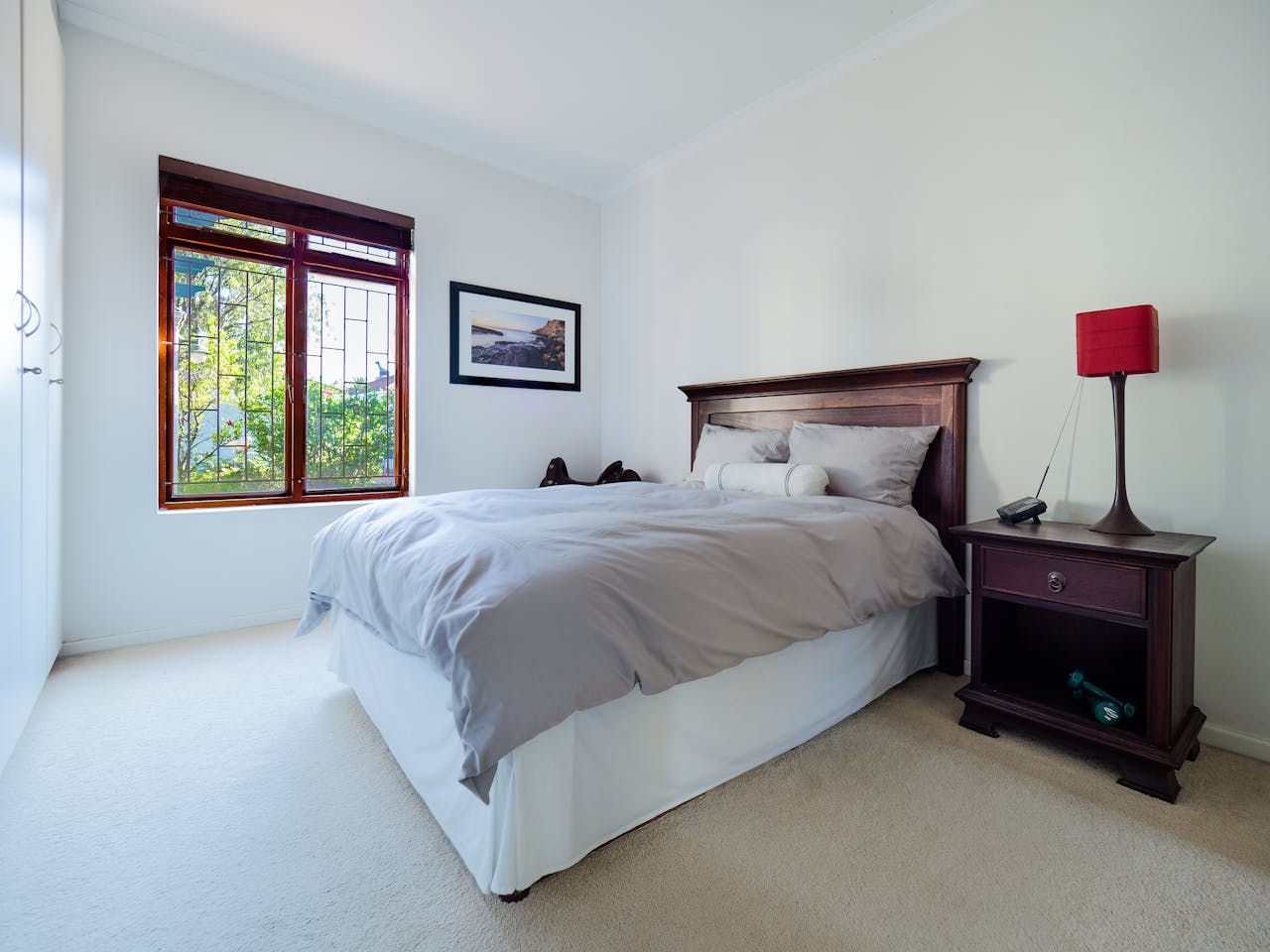
A budget bed frame can be quiet in the showroom and loud in a real bedroom once nightly movement loosens its connectors, and the sound seems to echo at 2 a.m. Designers point to thin rails, soft slats, and hardware that backs out, so the mattress shifts, the center support sags, and sleep turns into a soundtrack of squeaks and clicks. The fix becomes an ongoing ritual of tightening bolts, adding felt, and bracing corners, and the regret is learning that rest depends on structure, not just a pretty silhouette or an upholstered headboard, especially for light sleepers. In a busy household. The noise becomes a habit.
The Coffee Table With a Finish That Hates Heat

Some fast furniture uses a topcoat that cannot handle a warm mug, so a calm morning coffee leaves a ring that will not fade, and takeout containers can ghost a rectangle into the surface. Designers see haze, sticky patches, and discoloration that spreads because the finish never truly cures hard, and small abrasions open the door for stains, especially near sunlit windows. Coasters help, but they cannot protect every moment of real living, and the regret is a centerpiece that demands vigilance instead of welcoming everyday ease, making the room feel fragile when friends drop by. And snacks appear on instinct. Often.
The Rug That Looks Great Online and Thin in Person
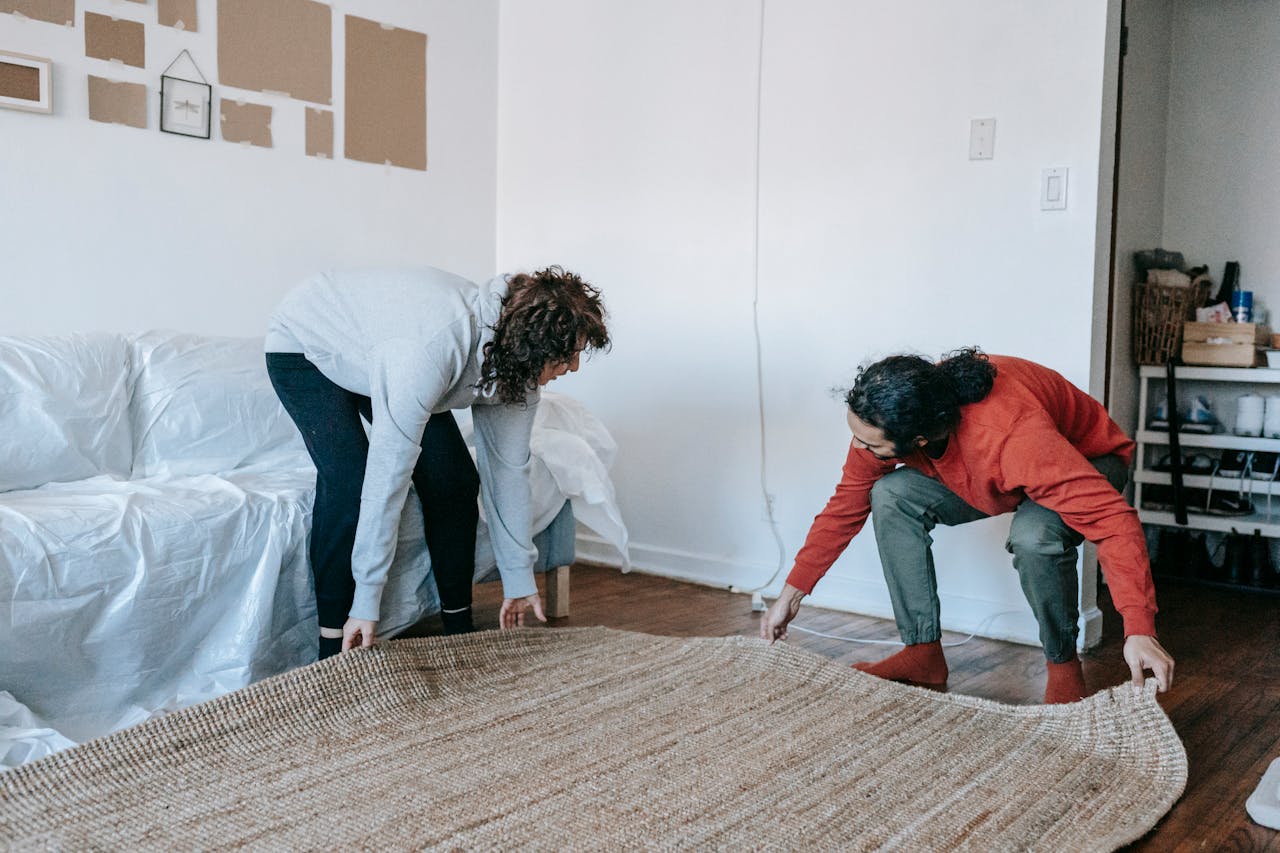
A low-price rug can arrive folded tight, shedding fibers and revealing a thin, papery feel that photos never warned about, so the first step across it feels oddly temporary. Designers say the regret is density: patterns read bold, but the pile reads flat, edges curl at corners, and the backing slips, making the whole room feel slightly off underfoot. Layering can help, yet it adds cost, bulk, and another surface to clean, and the regret is paying twice to get the softness and weight that should have been there from the start, especially in high-traffic hallways where shoes and grit pass daily. Even with a pad and tape.
The Media Console With Doors That Never Align
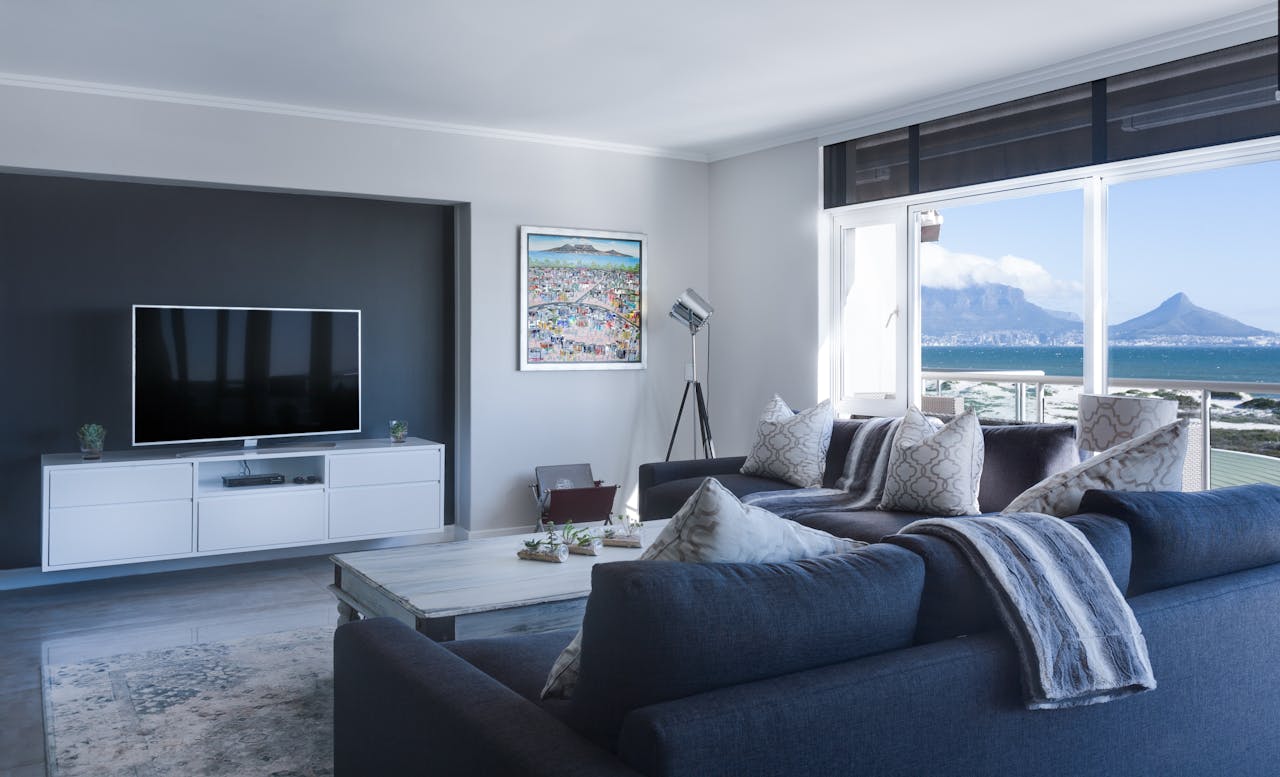
Fast-furniture cabinets can lose their clean geometry after assembly, even when instructions were followed to the letter and every cam lock felt snug on day one. Designers see doors that hang uneven, gaps that widen, and hinges that strip when adjusted too many times, while long composite panels slowly sag under the steady weight of a TV and speakers. Cable cutouts can look jagged, shelves may bow, and the finish scuffs where remotes land, so the regret is a piece meant to hide clutter that ends up looking fussy and off-balance in plain sight in a room that deserves calm. Especially with open shelving nearby and daylight.
The Accent Piece Bought for Price, Not a Plan
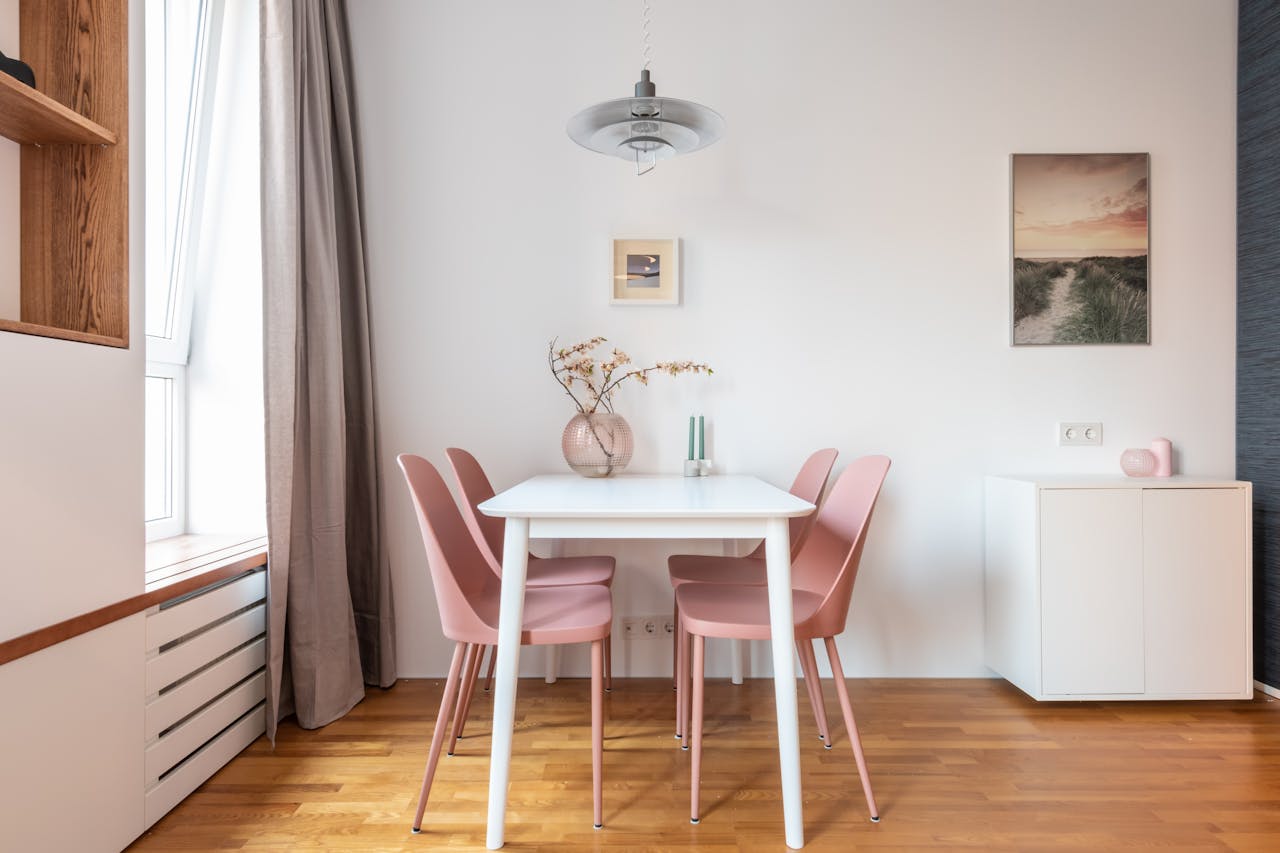
Designers often mention the fast-furniture impulse buy: an accent chair, a tiny bookshelf, a side table ordered late at night because delivery was fast and the price felt painless. Without a clear role, the piece drifts from corner to corner, never quite fitting scale, color, or function, and it starts to feel like visual noise that interrupts the room’s rhythm. Because it was inexpensive, it also feels disposable, so it rarely gets repaired or refinished, and the regret is clutter that began as convenience and ends as distraction, stealing space from pieces that could have lasted. With the home. Over time instead.