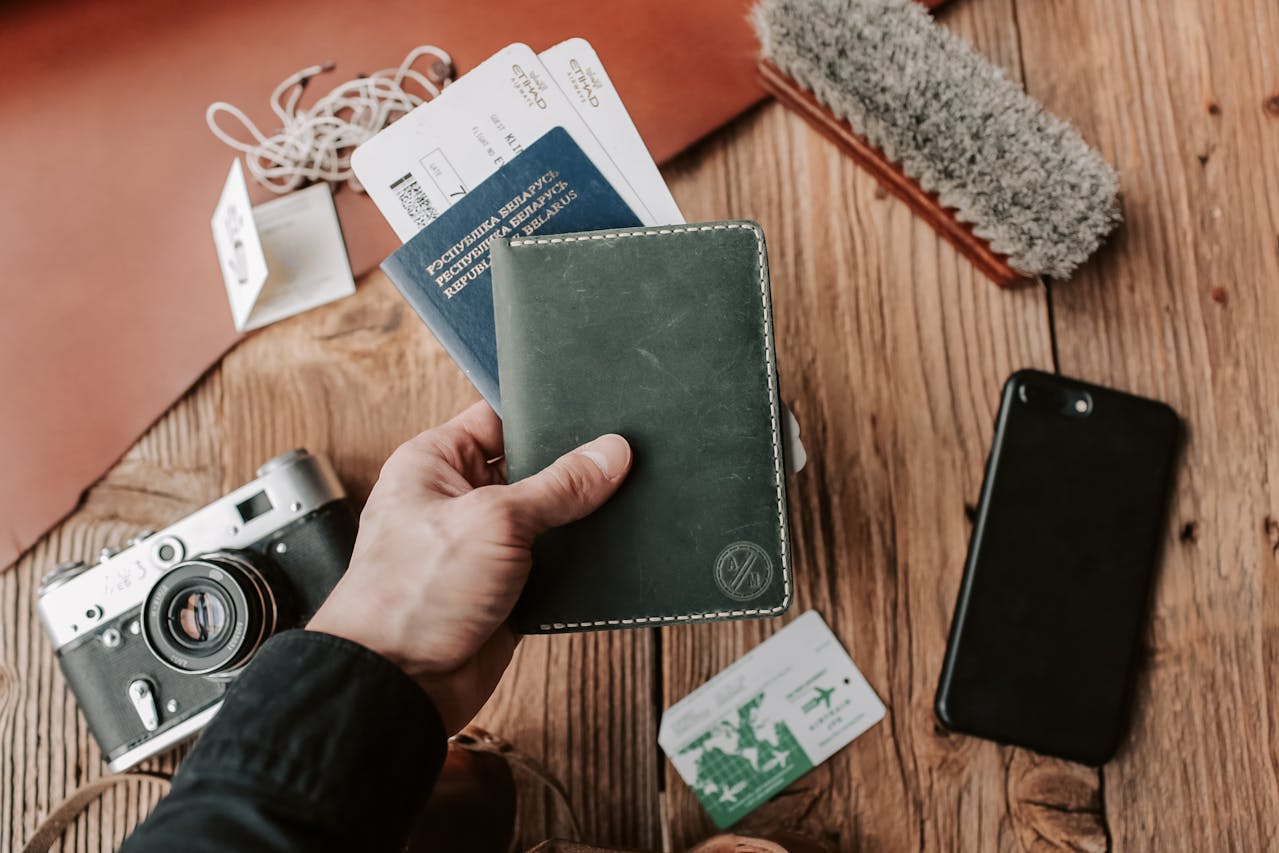
Airport lines have a way of turning small paperwork misunderstandings into full-body panic. Since May 7, 2025, REAL ID has mattered more at TSA checkpoints, yet many travelers still treat the star-marked card like a passport stand-in. It is not. REAL ID is a tougher state ID standard meant to prove identity for specific federal purposes, mainly domestic flying and certain secure facilities. Adults 18 and older still need acceptable ID, and the wrong assumption often shows up at the worst moment: a boarding pass ready, a bag zipped, and a document that solves the wrong problem. That gap is where trips unravel fast.
The Star On The Card Is Not A Border Stamp
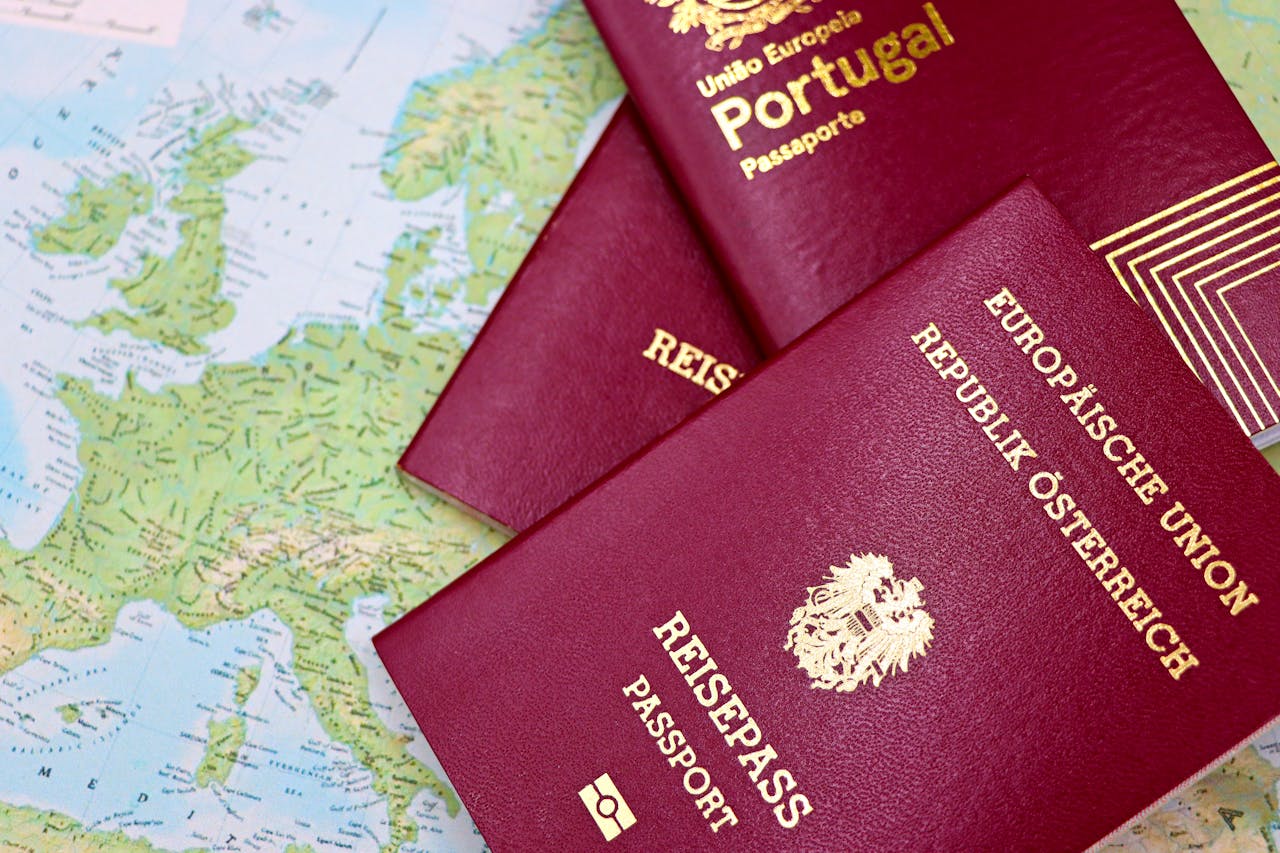
REAL ID marks an upgraded driver’s license or state ID that meets federal security standards for certain official purposes, and the gold or black star, or a state symbol like California’s bear, is only that signal. Because it looks like the most official card in a wallet, travelers treat it like a passport substitute, but international flights, land crossings, and most cruise itineraries still hinge on passport rules. REAL ID supports identity checks inside the U.S. system, and airlines still look for a passport book when a route crosses a national line, even when the destination feels close, like Canada or Mexico.
Domestic Flights Allow Alternatives, Not Guesswork
Since May 7, 2025, adults 18 and older generally must show a REAL ID-compliant license or another accepted ID at TSA checkpoints for domestic flights, because noncompliant state cards no longer count. That second category is broad, including passport books and passport cards, Enhanced Driver’s Licenses, Trusted Traveler cards like Global Entry, permanent resident cards, military IDs, and other federal credentials. The trouble is less about availability than assumptions: a traveler grabs whatever looks official, only to learn at 5 a.m. that the trip’s rules are narrower than the wallet, and the line keeps moving fast.
A Passport Card Is Not A Universal Passport
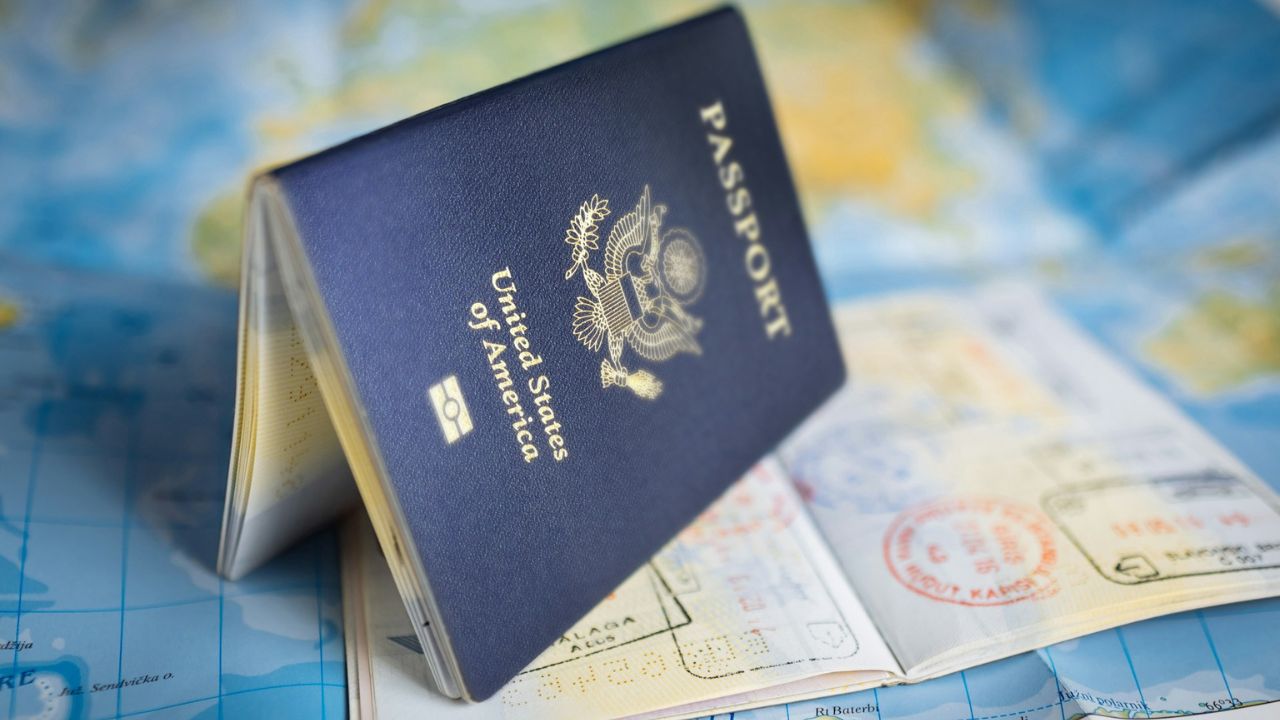
The passport card causes outsized confusion because it looks like a license and feels like the minimalist answer to everything. It is an accepted ID at TSA checkpoints, and it is valid for land and sea entry from places like Canada, Mexico, the Caribbean, and Bermuda, but it does not work for international flights the way a passport book does. Put that next to REAL ID, another high-trust card, and it becomes easy to mistake convenience for coverage, until the itinerary collapses into rebooked seats, missed connections, and a hard lesson under fluorescent lights, with an unforgiving clock ticking toward departure.
Enhanced Driver’s Licenses Are A Separate Lane
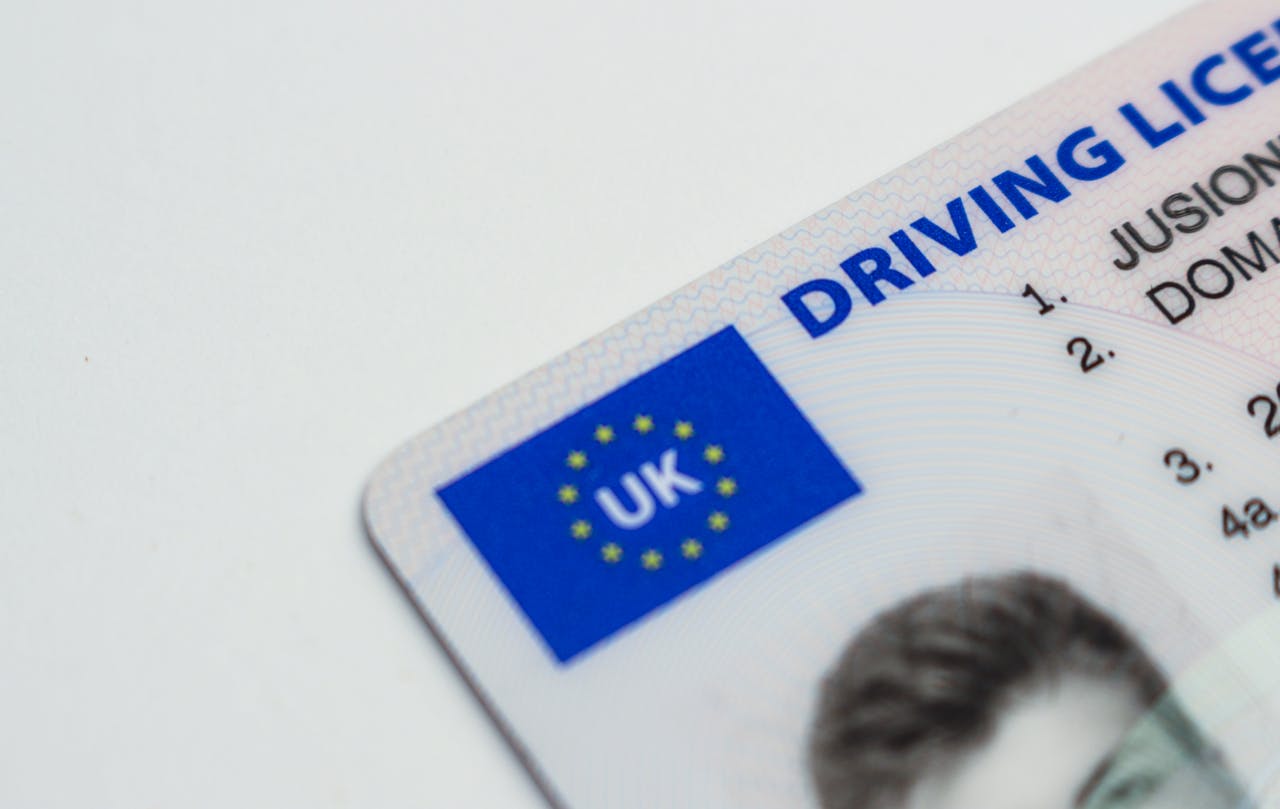
Enhanced Driver’s Licenses, issued by only a limited set of states, muddy the waters because they sit next to REAL ID in the same conversation but serve a broader job. An EDL can help with certain land or sea border crossings and also functions as acceptable identification at TSA checkpoints, while REAL ID is a security standard for state IDs that federal agencies accept for specific purposes. When travelers hear enhanced, they often assume any upgraded license covers everything, yet renewals, moves, and replacements can quietly swap features, leaving a shiny new card that is official, but not the one the trip requires.
Trusted Traveler Cards Work As ID, Not A Travel Cure-All

Trusted Traveler programs like Global Entry are remembered for faster reentry, not for the plastic card that comes with membership. Cards issued for Global Entry, NEXUS, or SENTRI are on TSA’s accepted ID list, so they can stand in for a REAL ID-compliant license at checkpoints for domestic travel when the card is in hand. The confusion is emotional as much as logistical: travelers assume the membership will live inside a phone or a profile, then arrive with only a barcode screenshot, while the card sits in a drawer at home, and discover that security systems read documents, not good intentions.
REAL ID Proves Identity, Not Citizenship Or Status

REAL ID is often spoken about like a gatekeeper of legal status, but its job is narrower: it sets security standards for state IDs so identity is harder to fake for official purposes, from TSA checkpoints to certain federal buildings. A star-marked license does not establish citizenship or lawful status, and DHS has noted that REAL IDs are not immigration documents, even when they feel official enough to be one. Conflating those roles turns routine travel into drama, especially for noncitizens, because official settings may still require separate documentation that cannot be swapped for a driver’s license, and it matters.
Federal Facilities Check For REAL ID, Too

Airports get the spotlight, but REAL ID was built for official purposes beyond air travel, and it limits which state IDs federal agencies can accept at the door, especially after May 7, 2025. The standards shape which state IDs agencies can accept when someone enters certain federal facilities, including courthouses and military bases, where identification is treated as a security layer, not a courtesy. That is why a noncompliant license can fail in places that feel ordinary on the outside, turning a simple errand into an awkward pause at the front desk, with paperwork suddenly carrying more weight than the day’s plan.
Temporary Paper IDs And Phone Photos Don’t Count

Another common failure point is the document that feels most official because it is brand-new: the temporary paper license issued during renewal or replacement. TSA’s identification rules focus on physical, acceptable IDs, which means paper printouts and phone photos are poor substitutes when a noncompliant card has already been rejected under REAL ID enforcement. The mismatch is cruelly ordinary, with DMV timelines stretching for weeks while flight days arrive on schedule, leaving travelers to learn, too late, that proof of application is not proof of identity at the checkpoint during busy travel weeks at 6 a.m.