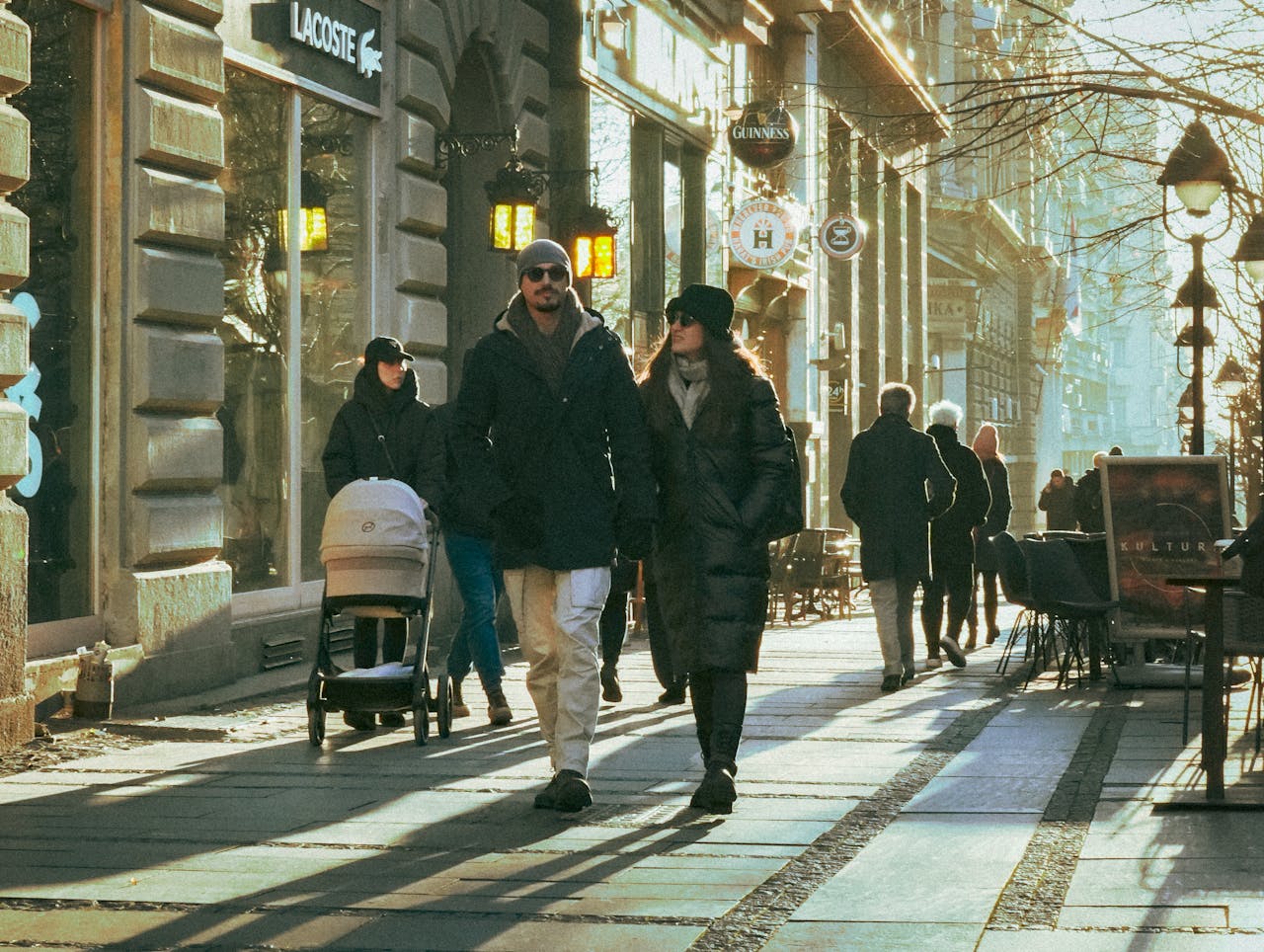
In big cities, sidewalks behave like living systems: they speed up at rush hour, slow near storefronts, and tighten at construction fences. Most people follow an unwritten code without thinking, guided by glances, tiny course corrections, and a shared desire to keep moving. The friction starts when one choice turns into a ripple: a sudden stop, a drifting stroller, a loud scooter bell. Tourists, commuters, and delivery crews all share the same strip of concrete, so small habits matter more than big intentions. Courtesy is not quaint here; it is what keeps the street-level current from snapping into chaos at noon.
Stopping Cold in the Middle
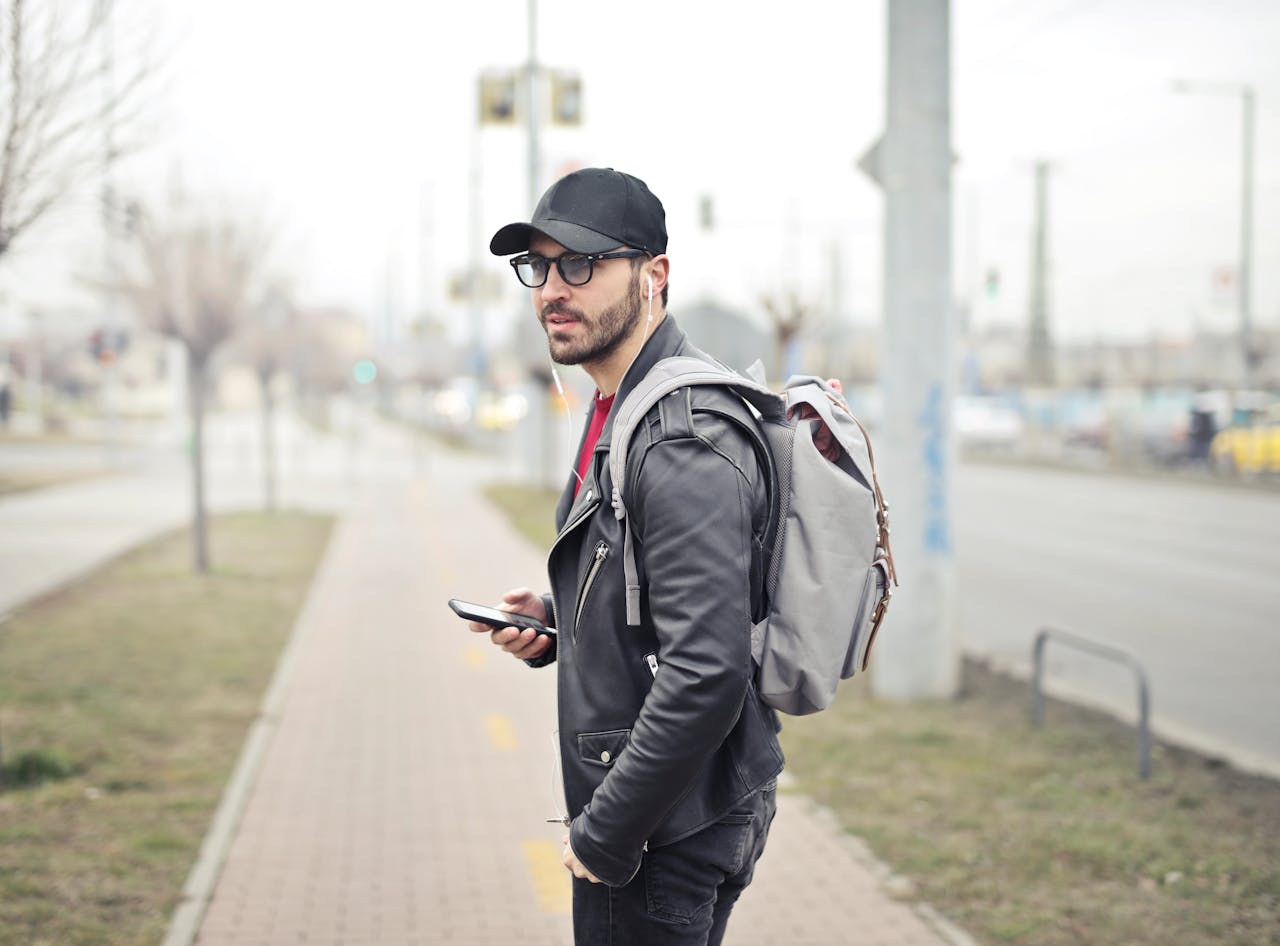
The classic collision begins with a full stop in the middle of the stream, often to answer a text, check a map pin, or hunt for an address that is half-hidden behind scaffolding. On tight blocks squeezed by parked cars, café tables, and sidewalk vendors, that pause triggers a chain reaction of shoulder turns and sudden brakes, and someone always eats a clipped tote bag, a stroller wheel, or a coffee spill. The street-level etiquette is to pull over like traffic: step toward a wall, tree pit, or doorway edge, reset bearings, then merge back in when the pace allows, with a quick glance behind for bikes and fast walkers.
Walking Three or Four Across
Sidewalks are not dining tables, yet groups often drift into a full-width formation as if the block is a private promenade with no opposing traffic. When three or four people walk abreast, everyone else gets pinned to storefront glass or curb edges, and the squeeze turns risky near bus stops, tree pits, patio fences, and scaffolding where there is no safe shoulder. The city-friendly habit is elastic and quick: compress into single file for a few steps, let oncoming walkers and wheelchair users glide through without apologies, then widen the conversation again when the pavement opens and the pressure drops at once.
Drifting While Scrolling

Phone drift is the slow-motion hazard of the modern sidewalk: eyes down, body angled, pace unpredictable, and thumbs steering more than feet. In dense corridors, the person who zigzags while scrolling pushes others into blind passes around strollers, delivery carts, and street signs, and the mess peaks at corners where crosswalk crowds compress and bikes skim the curb line. The shared expectation is not strict silence or perfect attention, just basic navigation: keep a straight line, lift the gaze at intersections, and save the deep scroll for a bench, a building ledge, or a doorway edge between blocks, when time allows.
Blocking Curb Ramps and Tactile Paving
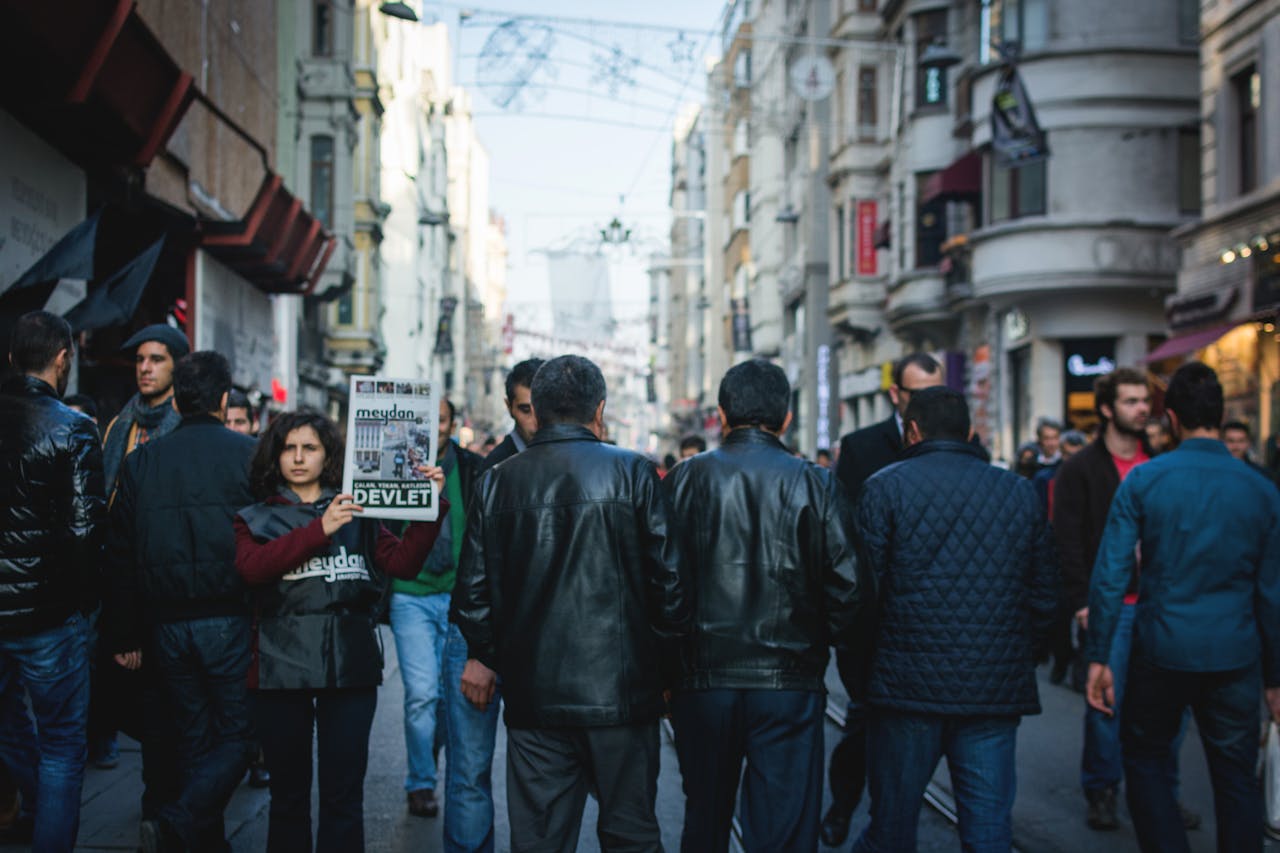
Curb ramps are not parking spots, yet corners invite clustering: friends lingering mid-conversation, smokers hovering near the light pole, rideshare pickups idling at the edge of the cut. For wheelchair users, parents with strollers, and workers hauling dollies, that blockage turns a smooth route into a forced detour into traffic, or a sharp bump over the curb that can tip loads and strain wrists. The baseline city courtesy is easy to follow once noticed: stand one step back from the ramp, keep tactile paving clear, and leave the corner mouth open for the surge when the signal flips, especially in rain or at night.
Treating the Passing Lane Like a Stroll Lane
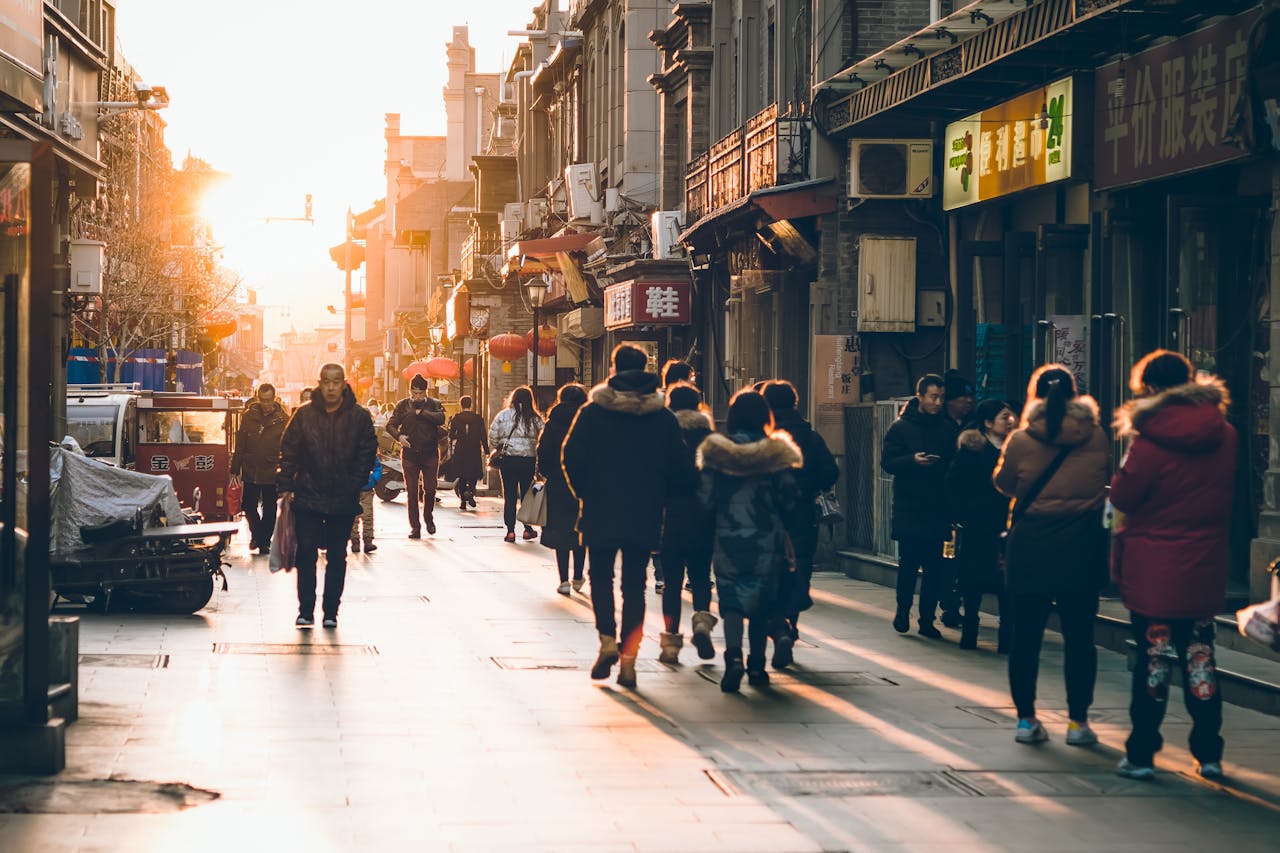
On fast commuter sidewalks, an informal lane system forms without signs: a steady pace line, a passing line, and a soft shoulder near storefronts where people browse. Trouble starts when someone strolls in the passing lane at a drifting speed, or cuts diagonally without looking up, turning every overtake into a tight squeeze between a curb, a wall, and an oncoming stream. The easiest fix is consistency over perfection: hold one side for most of the block, pass with clear intent, and avoid last-second swerves near corners, doorways, and subway stairs where the flow is already stressed during 8 a.m. and 6 p.m. surges.
Freezing at Doorways and Stair Mouths
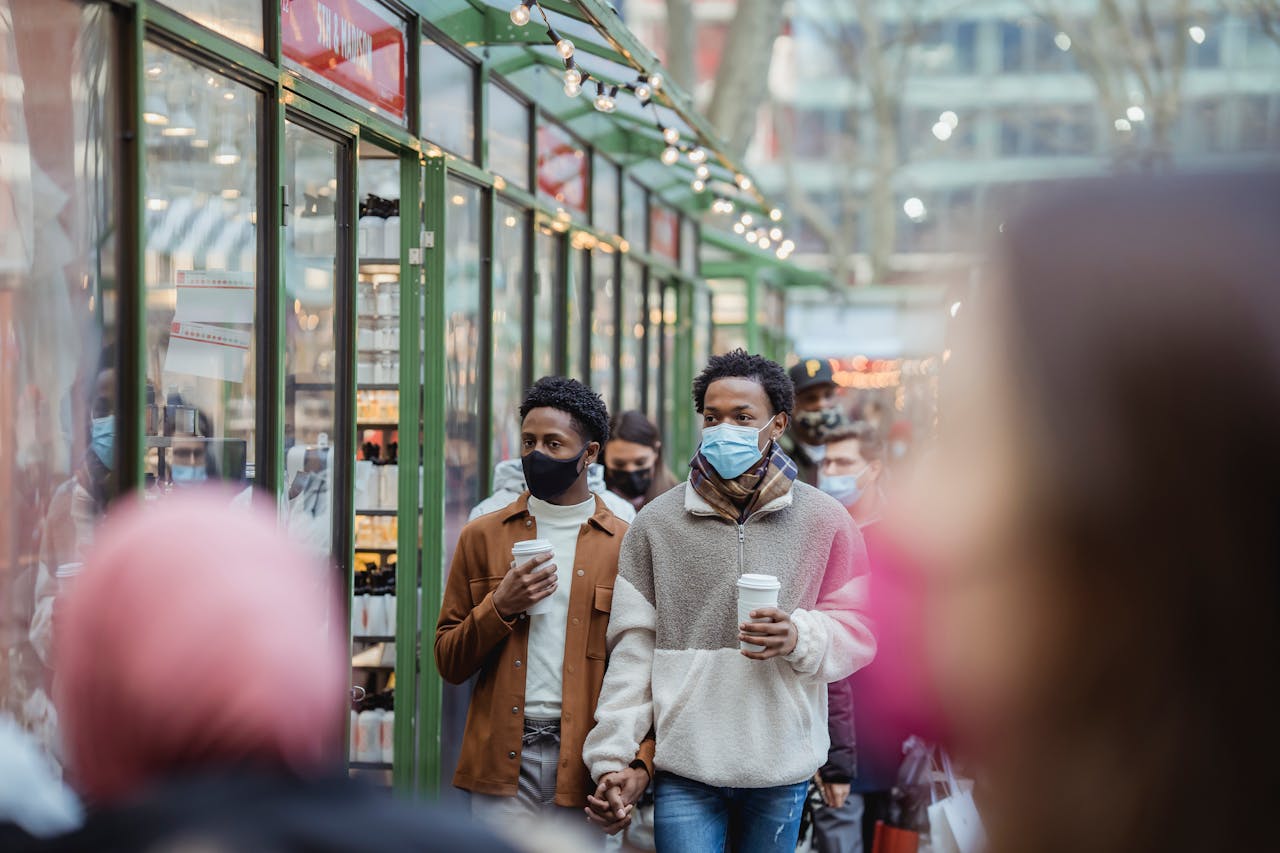
A classic sidewalk mistake is stopping at the exact choke point: the top of subway stairs, the mouth of a revolving door, a café entrance, or the narrow gap beside an A-frame menu that already steals the path. Because people behind cannot see the obstruction until the last step, the pause turns into a pileup of backpacks and umbrellas, and the spillover often lands in the curb lane where bikes and turning cars cut close. The low-effort etiquette is spatial: clear the doorway zone, step a few paces to the side, then regroup, adjust bags, or check messages where the next wave can exit cleanly without forcing a stop.
Riding Scooters Where Feet Rule
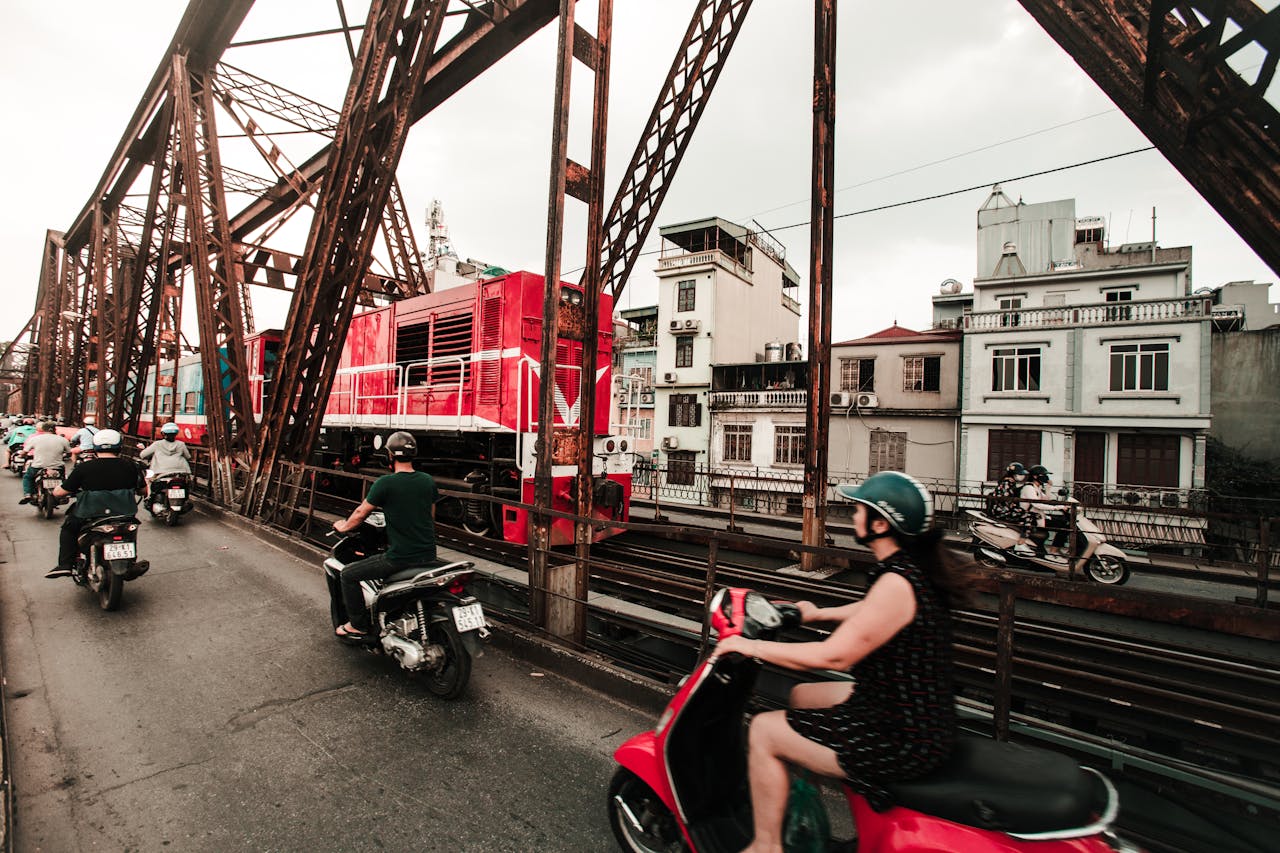
Micromobility has rewritten the curb line, but many riders still treat the sidewalk as overflow when traffic feels loud, fast, or simply inconvenient. A scooter or e-bike threading through pedestrians raises the temperature instantly, because even a near-miss forces people to flinch, break stride, and watch the next approach instead of the crossing signal ahead. The shared expectation is consistent even when local rules vary by neighborhood: use the street or bike lane when available, dismount in dense crowds near schools and transit hubs, and use a bell as a polite heads-up rather than a demand to scatter on foot.
Stretching Dog Leashes Across the Path
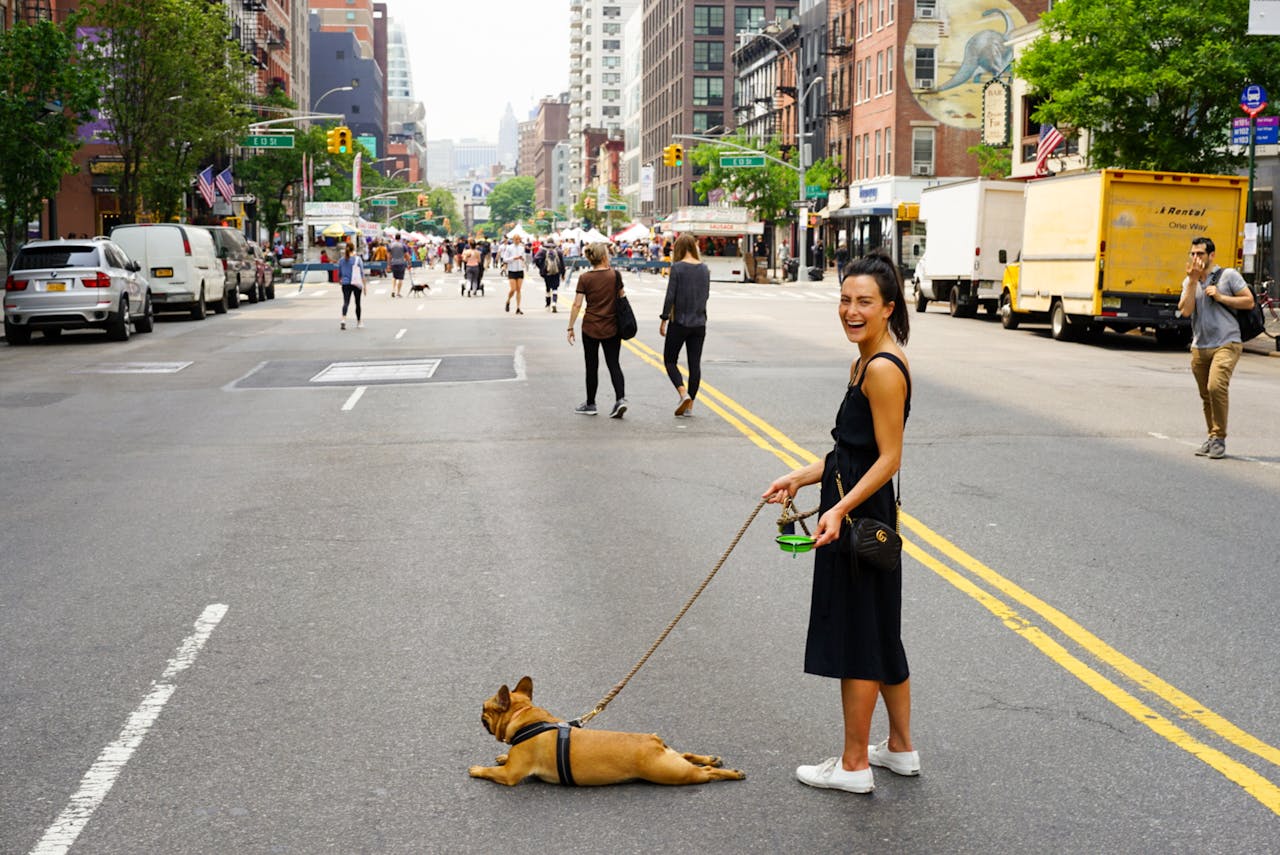
A long leash stretched like a tripwire is easy to miss until an ankle catches it, especially at dusk when crowds thicken, coats swing, and attention shifts to turning cars and blinking signals. The risk spikes near café patios, tree pits, hydrants, and bus shelters where dogs pause to sniff and their humans drift to the opposite edge, turning one pet stop into a full-width blockage with no obvious way around. The quiet compromise is practical and quick: shorten the leash in tight spaces, keep dogs close at corners and curb ramps, and step aside for a beat when someone with a cane, stroller, or cart needs a clean line.
Crowding the Corner Before the Signal
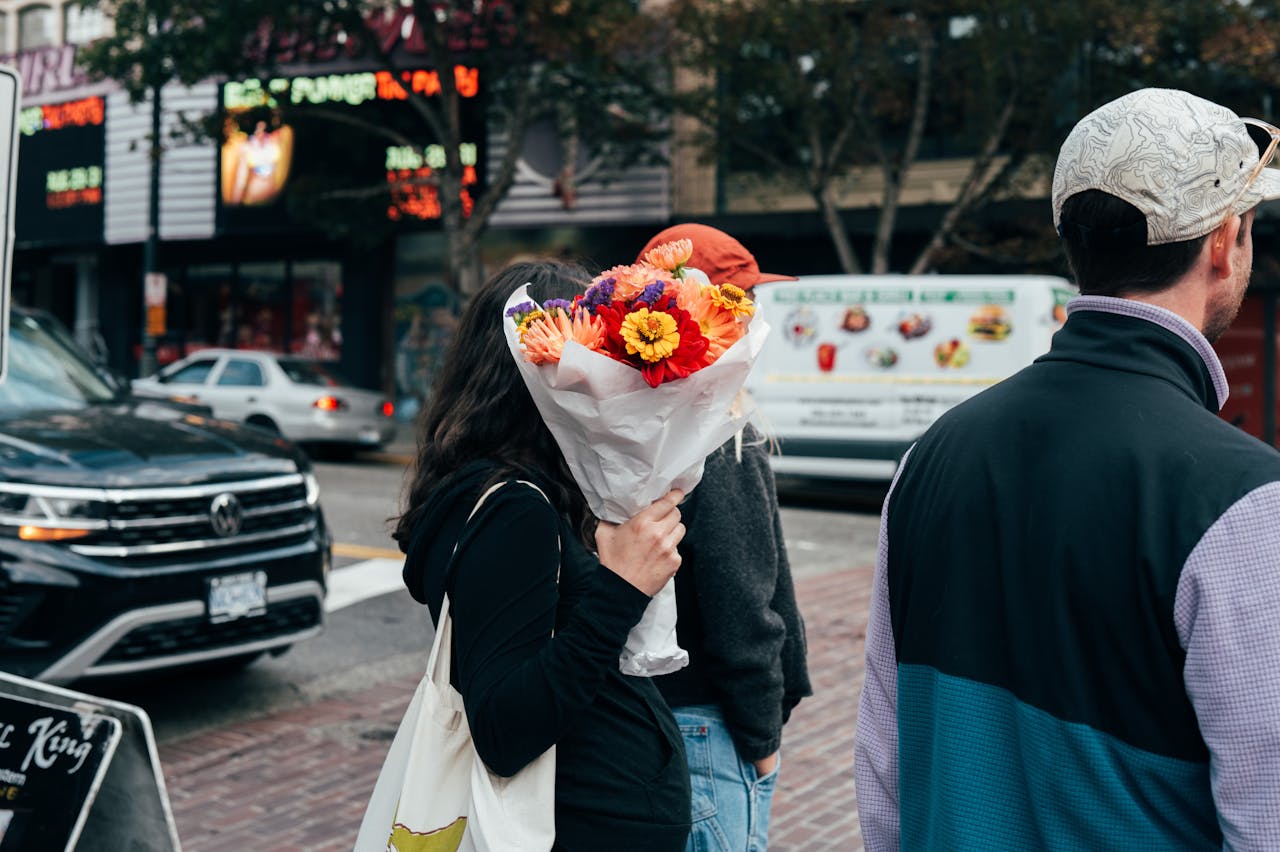
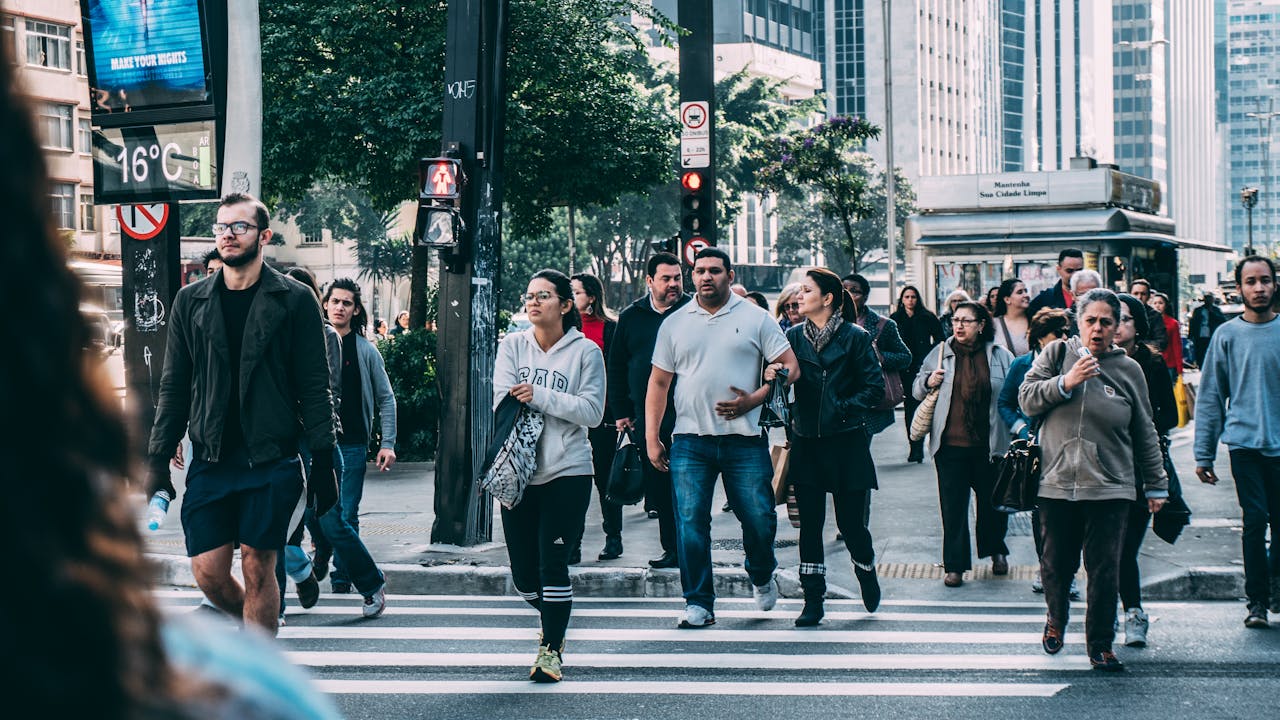
Corners become pressure cookers when people stack up at the curb and spill backward, blocking the through-lane for anyone trying to pass the intersection without crossing. The mess worsens when the crowd leans into the street early, clustering around light poles and curb ramps, with umbrellas flaring and suitcases rolling, so faster walkers have to weave between bodies, leashes, and turning traffic that is already watching for gaps. The smoother practice is to queue along the building line, keep a narrow passing strip open, and step forward only when the walk signal invites the whole group to move as one cleanly.
Dropping Trash on the Move
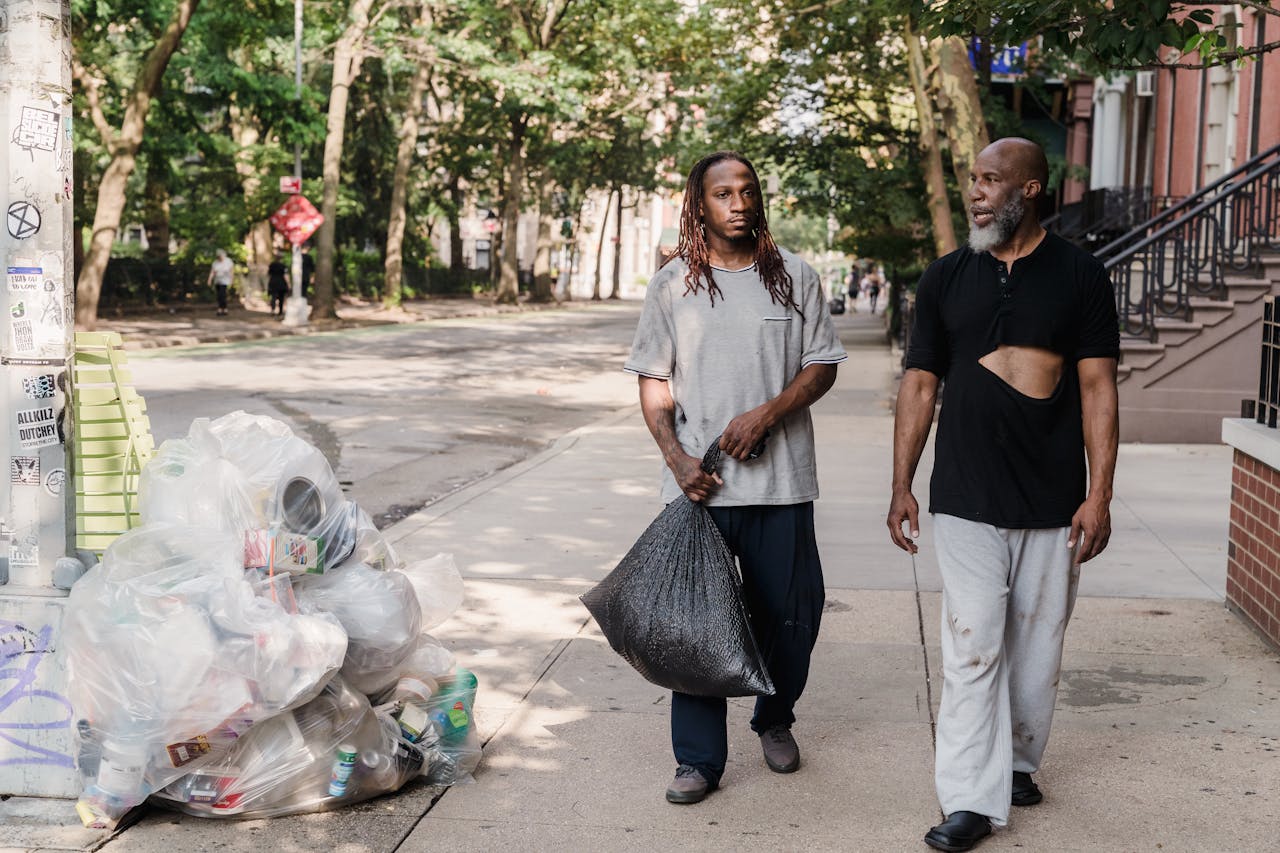
Sidewalk trash rarely comes from dramatic dumping; it is the casual release of a receipt, cup lid, gum wrapper, or half-finished snack while waiting for a light or juggling bags. In big cities, that small litter quickly turns into a sticky layer underfoot, especially after lunchtime spills, then gets kicked into gutters, tracked into subway stations, and soaked into slush piles that smell worse as the day warms. The street-level rule is plain civic care: carry it to the next can, keep dog waste bagged and sealed, and resist treating tree pits, planters, and storm grates as convenient disposal, even for one tiny scrap.