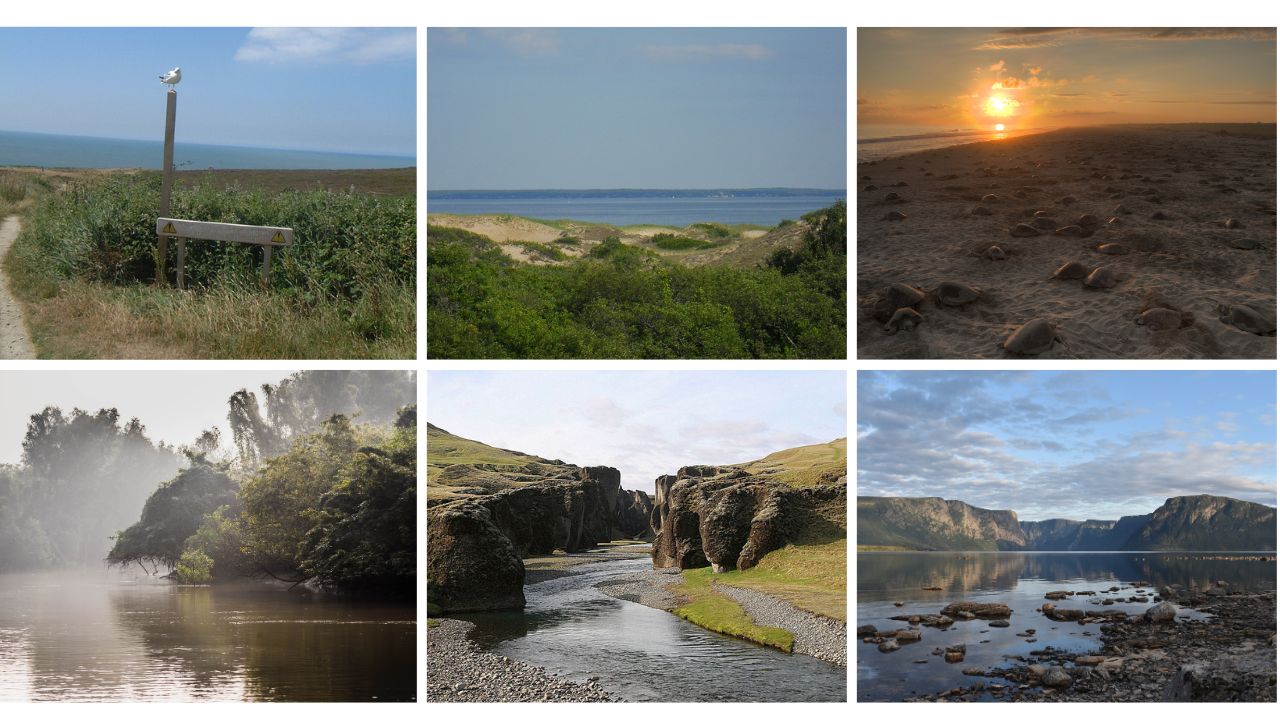
Across the world, some of the most photographed coves, canyons, and beaches are quietly stepping out of the spotlight. Park managers, tribal leaders, and scientists are choosing tide charts and nesting maps over ticket sales, and that shift can feel jarring at first. Yet every locked gate and seasonal rope line carries the same message: fragile places need room to breathe. These closures show how travel is changing, and how saying not now can be the only way to keep a landscape alive for the long haul.
Komodo National Park, Indonesia
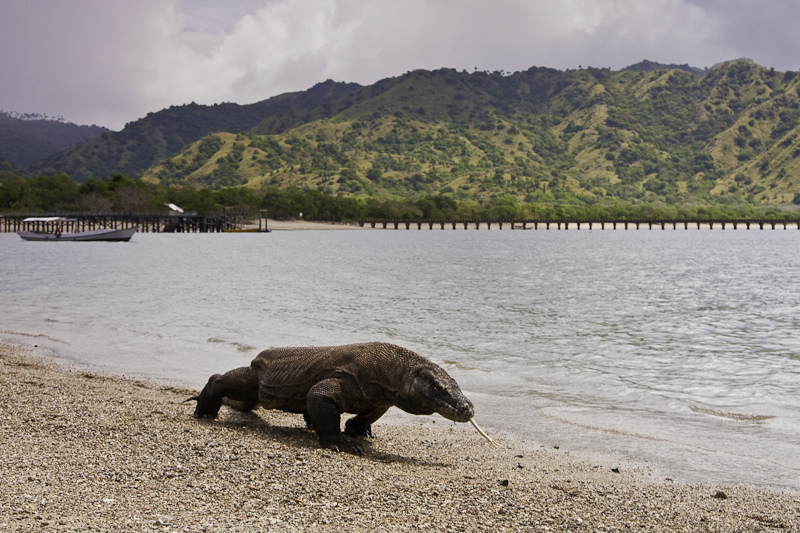
Komodo National Park spans volcanic islands, dry hills, and coral reefs that attract photographers from every continent. Heavy footfall on Padar Island and crowded bays have pushed Indonesia to cap daily visitors and restrict access to the steepest viewpoints. Fewer boats and bodies mean less erosion, less trash in the sea, and quieter feeding grounds for manta rays and reef fish. Stricter permits also send a clear signal that this dragon kingdom is not an amusement park but a living laboratory for evolution and resilience. For local guides and boat crews, smaller groups mean slower days yet better odds that work will still exist for their children. for decades.
Maya Bay, Thailand
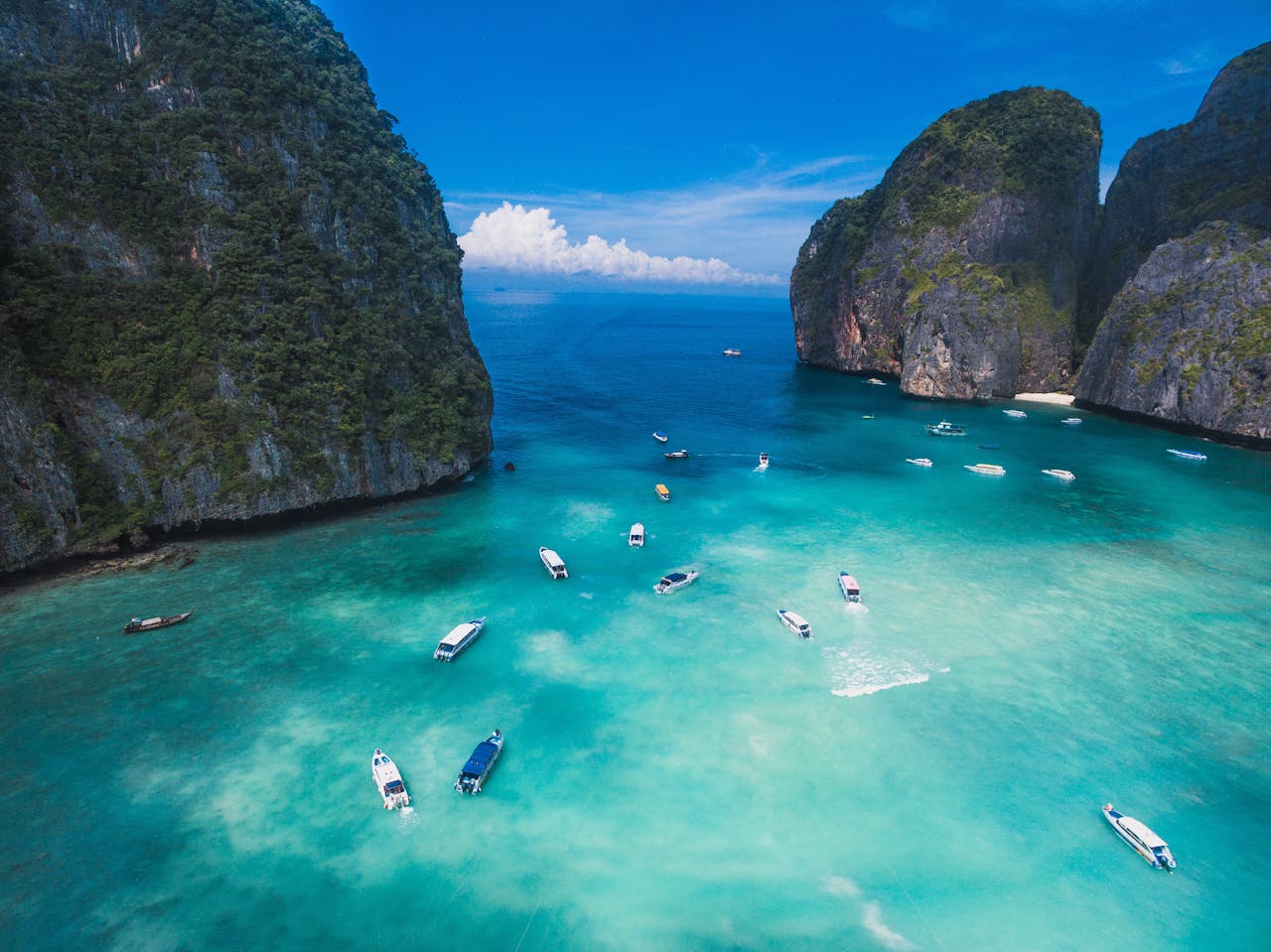
Maya Bay on Koh Phi Phi Leh became a global obsession after a famous film, and the tiny cove nearly collapsed under its own fame. Thailand shut the beach for years to let coral and seagrass recover, and now enforces an annual closure from August to October. Boats must stay outside the bay, swimmers are tightly managed, and daily visitor counts are capped. Blacktip reef sharks have returned in greater numbers, a living reward for treating a postcard view as a patient, not a prop. Closure weeks hand the bay to rangers who measure water clarity and fish counts instead of ticket lines, proof that firm limits keep the reef breathing and local work steady for longer.
Fjadrargljufur Canyon, Iceland
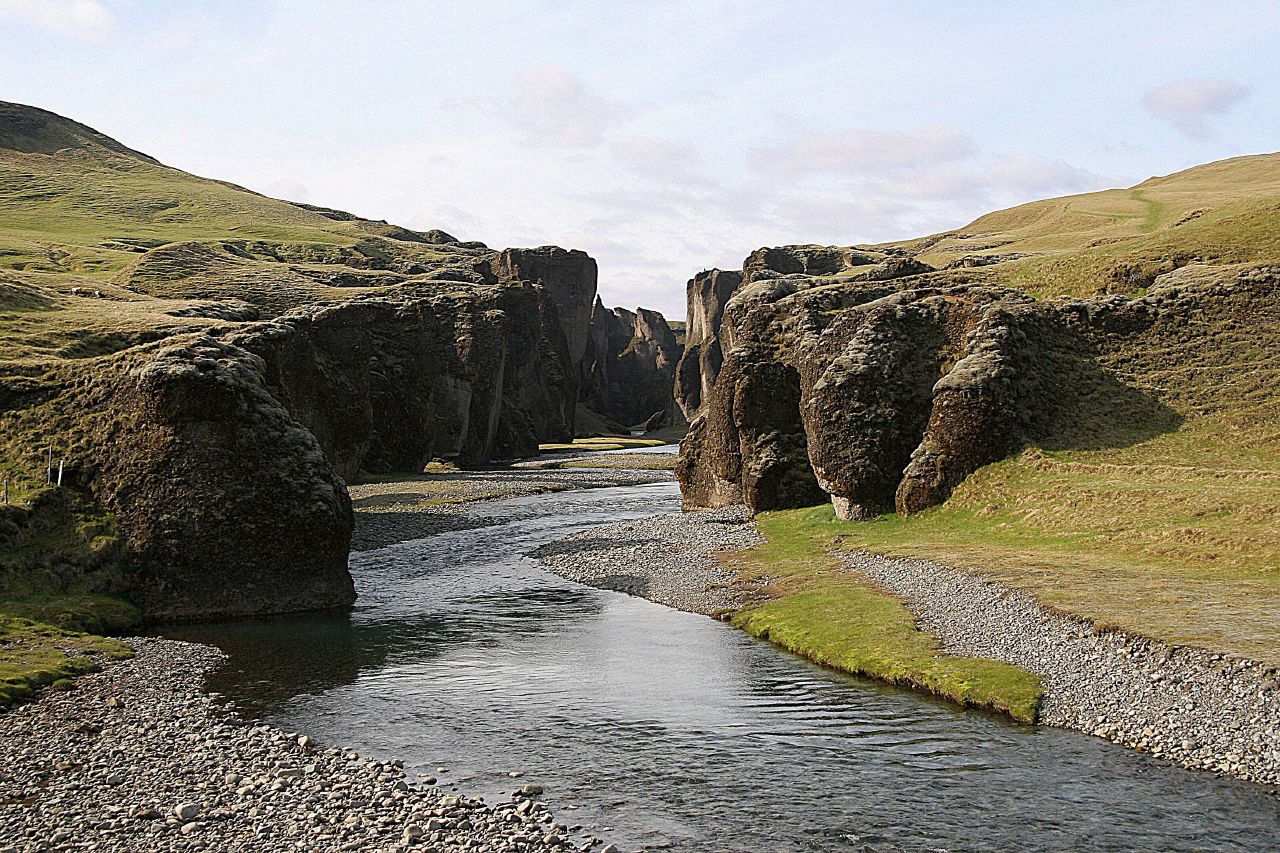
Fjadrargljufur Canyon looks like something carved for a fantasy novel, with pale water twisting below moss covered cliffs. Viral music videos turned it into a must see stop, and fragile vegetation quickly gave way under thousands of careless footsteps. Iceland’s environment agency began closing the area during wet months so trails and plants could heal. Rangers add fencing, reroute paths, and keep cars back from the softest ground. Each temporary closure trades a few missed photos for the long slow return of moss, lichen, and calm. Each closure notice becomes a quiet lesson in patience, a reminder that the canyon sits on a narrow edge between fame and loss yet.
South Stack Cliffs, Wales
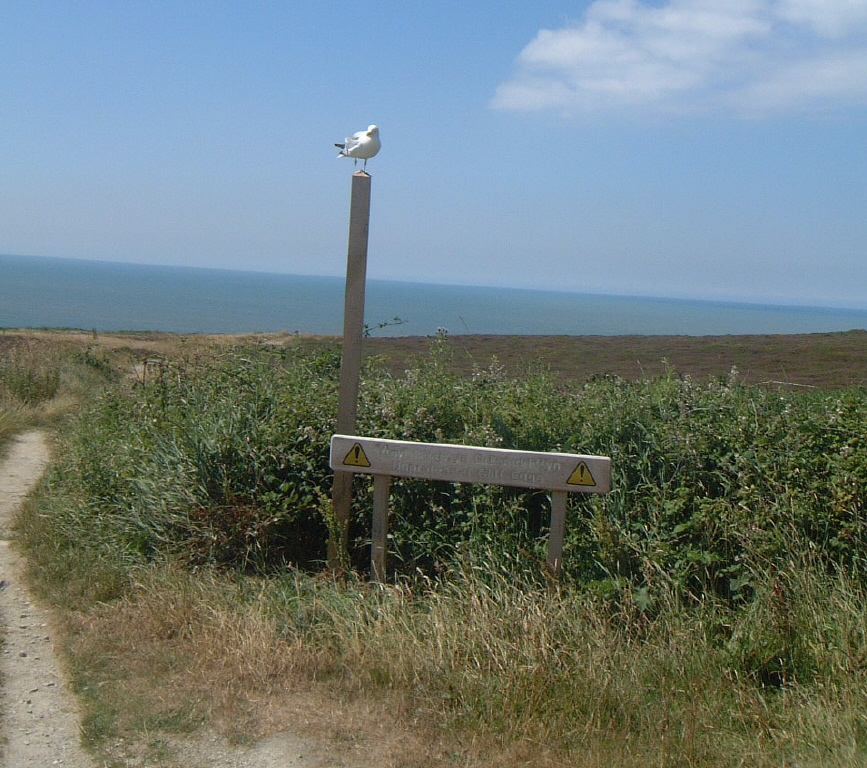
On Anglesey’s rugged coast near South Stack, a 1.8 mile strip of cliffs has been placed off limits for six months of the year. Unregulated coasteering, rope routes, and sea cliff traverses were scouring soil from ledges where seabirds and rare butterflies rely on thin coastal turf. The new exclusion zone still allows walkers on the main coast path above, while banning high impact adventure lines below. It gives choughs, peregrine falcons, seals, and tiny insects a full breeding season with far fewer surprises from above. Many locals admit the quiet cliffs feel more like a sanctuary, proof that a coastline can stay beautiful without serving as a stage for sports.
Parker River National Wildlife Refuge, USA
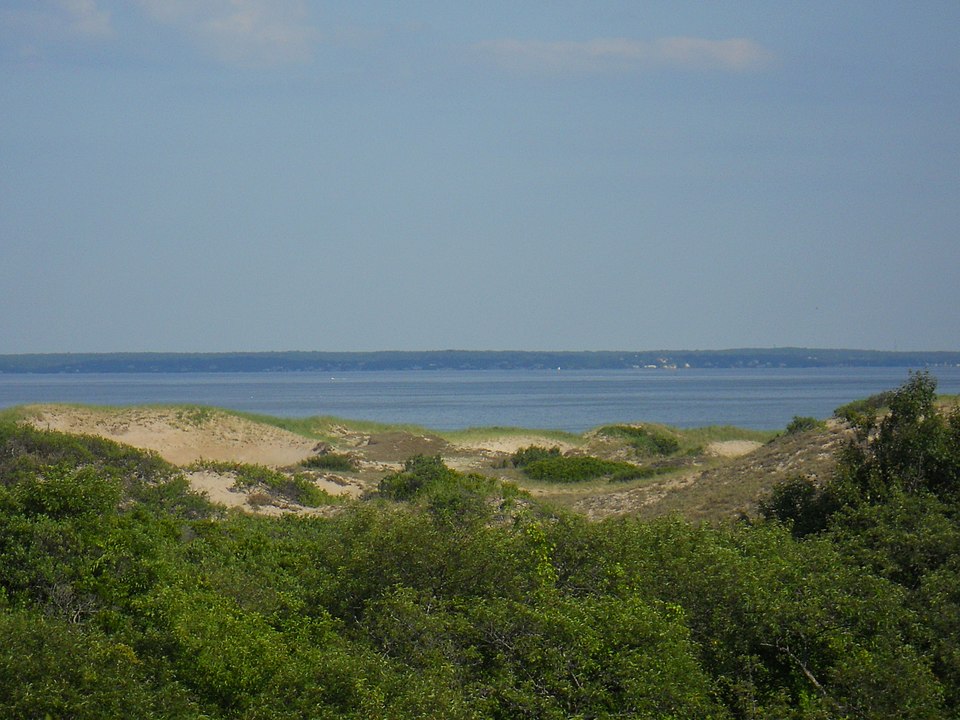
On Massachusetts Plum Island, the broad Atlantic beach at Parker River looks like a simple place for summer picnics, yet large sections close each spring. From April into August, most of the sand is reserved for piping plovers and terns that nest just above the tide line. Their eggs and chicks are the color of pebbles and nearly impossible to see, which makes them easy to crush. Roped corridors, closure signs, and volunteer wardens turn a noisy shore into a rare safe nursery for a threatened bird. Human routines bend a little, with picnics shifting to open stretches and boardwalks while the plovers hold the sand for a season. That pause helps broader migration!
Olive Ridley Nesting Beaches, India
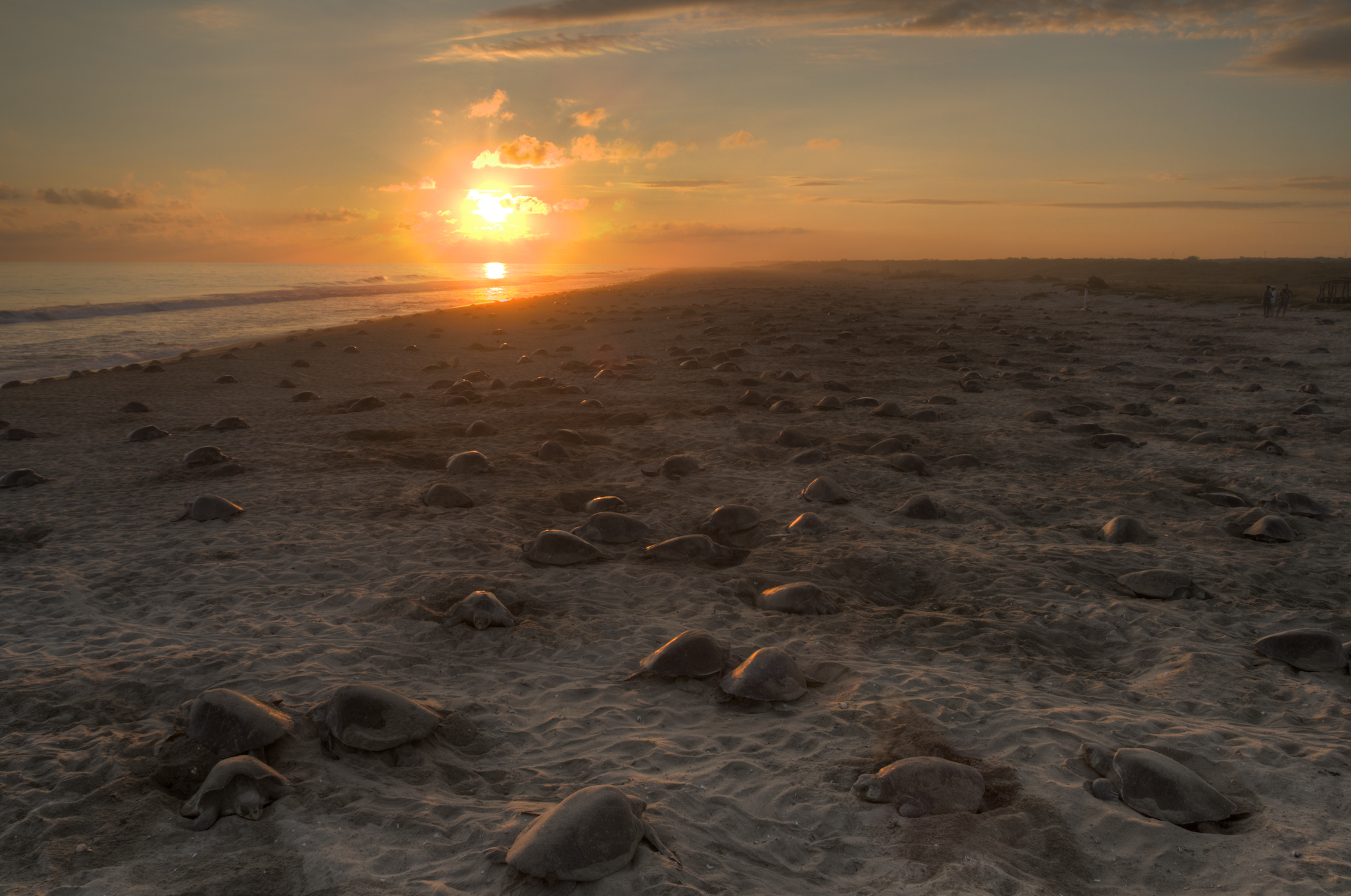
Along the Odisha coast, nights from November to April belong to Olive Ridley sea turtles that arrive in synchronized waves. To protect these mass nesting events, state authorities have banned visitors from key beaches, including Rushikulya and Gahirmatha, during peak season. Bonfires, loud music, and phone flashes can disorient nesting females and new hatchlings, pushing them inland instead of toward the surf. Quiet, dark sand gives rangers space to count tracks, relocate at risk nests, and shepherd thousands of hatchlings down the glittering tide line. Patrol boats offshore and bamboo barriers on land turn the sand into a maternity ward rather than noisy beach.
Bhitarkanika Mangrove Estuaries, India
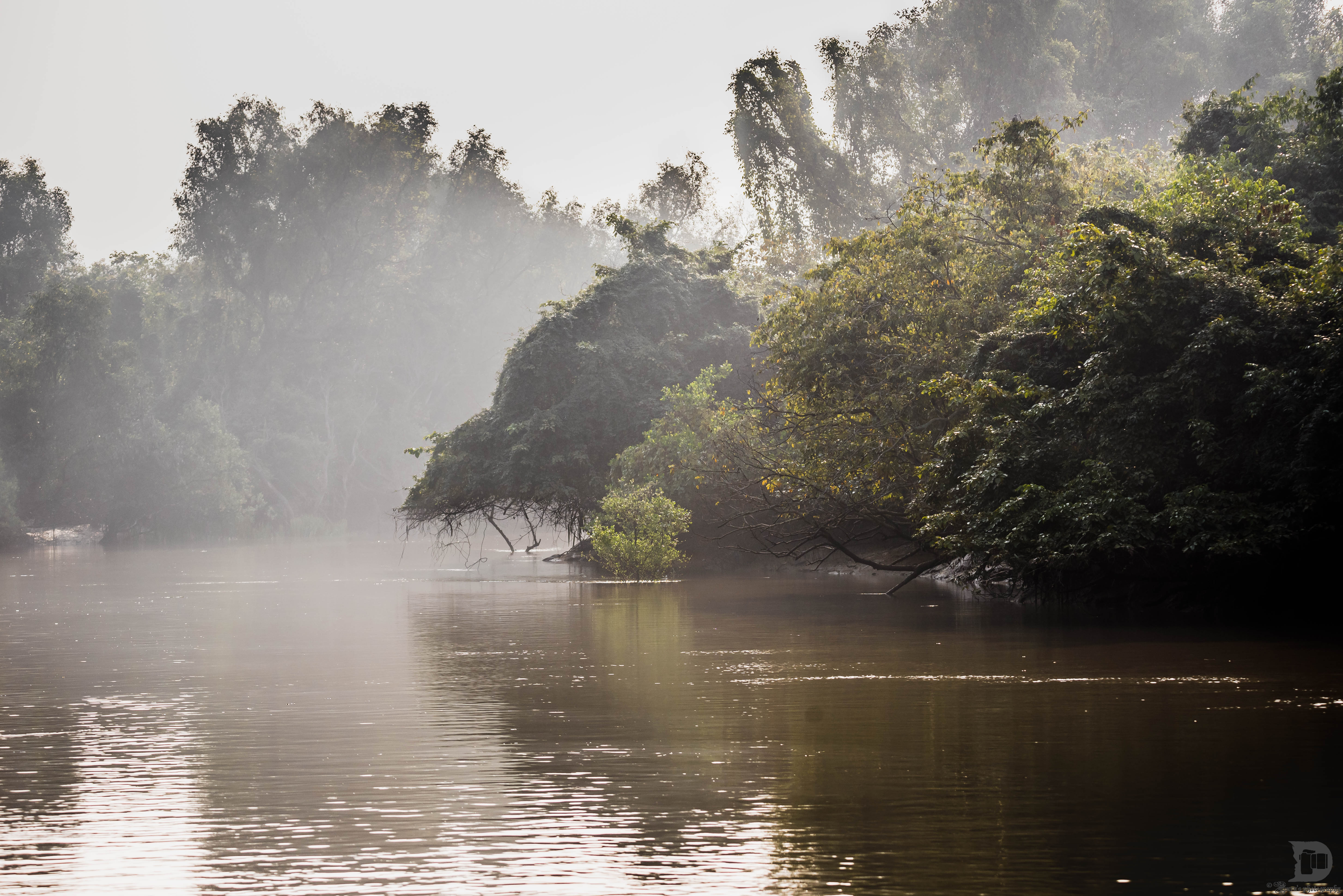
Bhitarkanika National Park, India second largest mangrove forest after the Sundarbans, closes to tourists from May through July each year. The estuary becomes a guarded nursery for saltwater crocodiles that lay dozens of eggs in mounded nests along muddy banks. Boats are banned so females can defend clutches without chasing propellers and camera shutters. Forest teams use the quiet months to count nests, repair boardwalks, and enforce strict rules on plastic waste. When visitors return in August, they step into creeks that have just had time to reset. The pause also lowers risk for visitors and gives staff time to check nests, repair paths, and count crocodiles.
Gros Morne Mountain, Canada
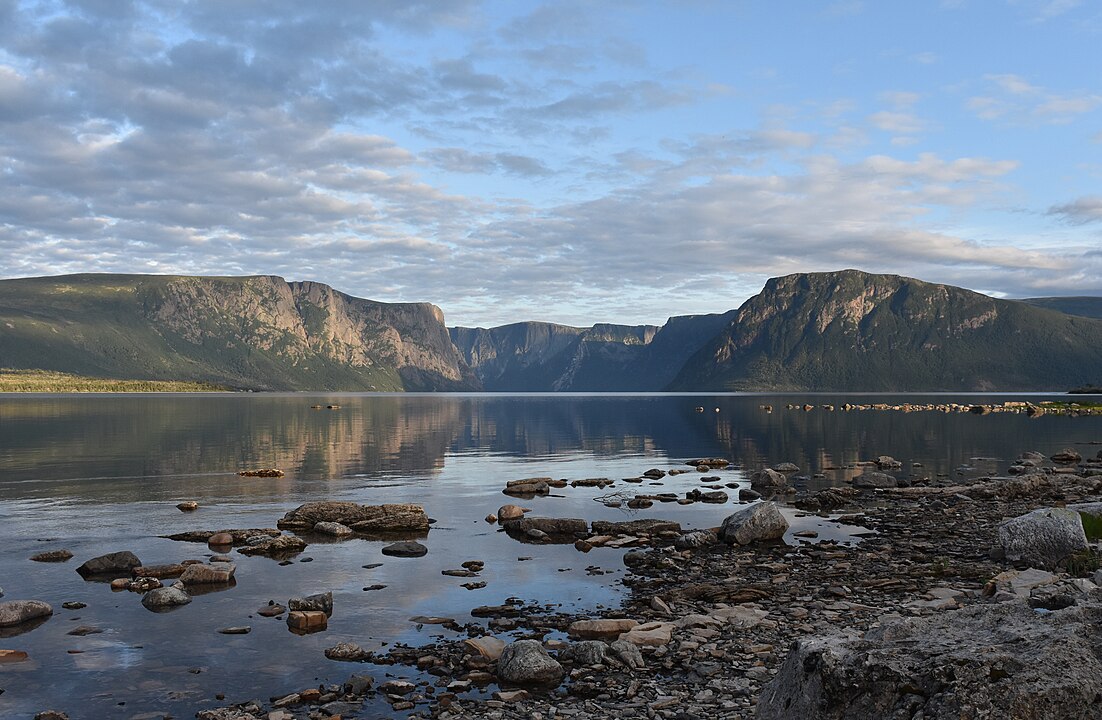
High above western Newfoundland, the summit trail on Gros Morne Mountain offers sweeping views of fjords and tundra like barrens, but it shuts from May to late June. Parks staff close the eight kilometer loop to give Arctic hares, ptarmigan, and caribou space to birth and raise young on lingering snowfields. Without steady lines of hikers, animals can move between feeding patches without stress. When the trail reopens, fresh tracks and cropped plants quietly reveal how much life depends on a brief window of undisturbed time. Closure can annoy some hikers. It protects calving grounds from becoming a shortcut to photos and gives wildlife first use of the slopes.