In church basements, supper is rarely about showing off. It is about feeding a crowd kindly, stretching a budget without looking like it, and leaving room for laughter between folding chairs. Recipes get borrowed, scribbled on index cards, and improved in small, sensible ways. They travel well, reheat without fuss, and taste familiar even to new guests. There is a simple logic behind the spread: something hearty, something bright, something sweet, and a pan big enough to share. From casseroles that hold their shape to desserts made for potluck plates, these classics carry local history, practical know-how, and comfort.
Baked Macaroni And Cheese
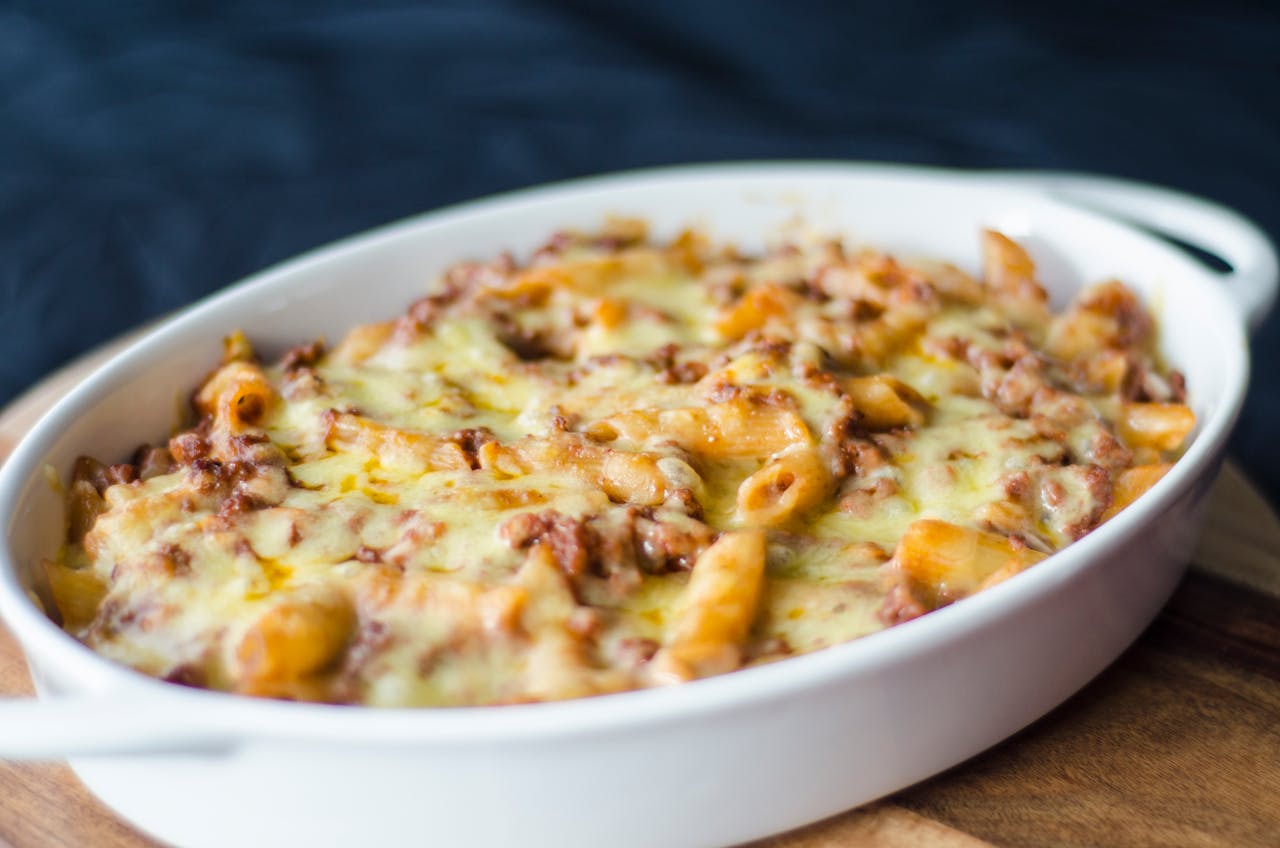
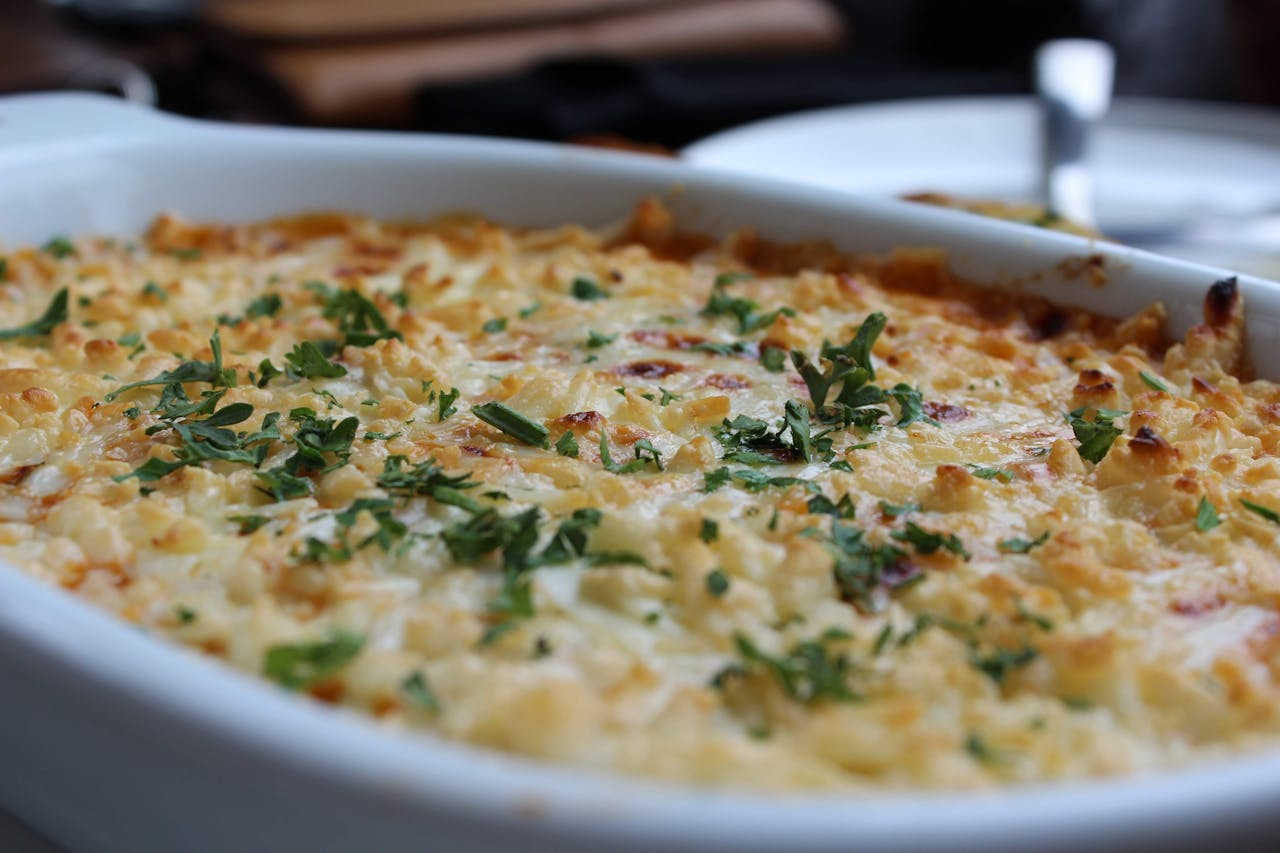
A deep pan of baked macaroni and cheese earns its place because it behaves. The top browns, the middle stays creamy, and the corners turn into the pieces everyone hopes to claim after the blessing.
Most church versions lean on sharp cheddar for backbone, a little milk or evaporated milk for softness, and just enough egg to set the sauce so it slices neatly without turning dry. Breadcrumbs or crushed crackers add a salty crunch that survives the drive across town.
It pairs with nearly anything, from fried chicken to green beans, and it keeps tasting good even after a second warm-up in a kitchen where the oven door opens often.
Chicken And Dumplings
Chicken and dumplings is comfort that feeds a room without needing fancy cuts. A pot of shredded chicken in peppery broth turns into a meal the moment the dumplings puff and soak up flavor, thickening the soup into something spoonable and steady.
Some kitchens drop in rolled strips for a chewy bite; others spoon fluffy dough that steams into tender clouds. Either way, celery, onion, and a bay leaf do quiet work, and a splash of cream or butter rounds the edges so it tastes cared for, not rushed.
It holds well on a warmer, and the second bowl often tastes even better, when the broth has had time to settle into every dumpling.
Sunday Pot Roast With Gravy
Sunday pot roast shows up at church suppers because it solves two problems at once: it makes an inexpensive cut tender, and it creates its own gravy along the way. The aroma alone can pull people toward the serving line.
Chuck roast slow-cooked with onions, carrots, and potatoes turns silky where the meat meets the pan. The drippings, thickened with a little flour or cornstarch, become a brown gravy that tastes like hours of patience and a tight lid, with thyme or garlic if the cook feels generous.
Sliced thin, it stretches for extra plates, and the leftovers reheat into sandwiches or hash without losing that slow-cooked richness.
Green Bean Casserole
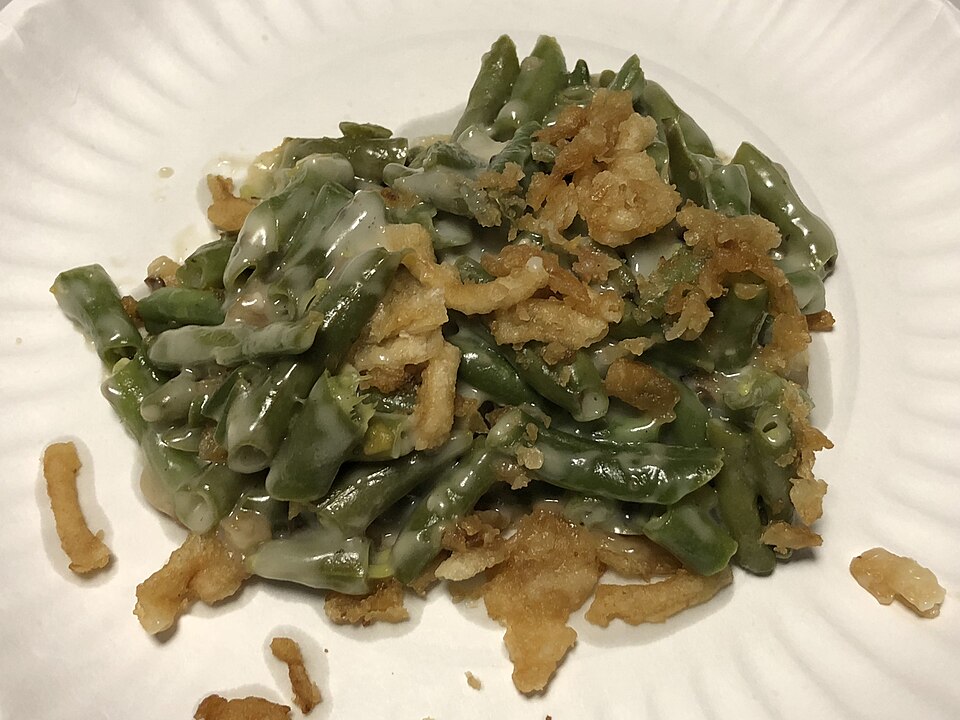
Green bean casserole is the dependable side dish that asks very little and gives back a lot. It lands on the table creamy, salty, and familiar, with enough crunch on top to keep each bite interesting.
Classic versions fold tender green beans into a mushroom sauce, then finish with crisp fried onions. Many cooks brighten it with a dash of black pepper, a splash of Worcestershire, or a handful of shredded cheddar, depending on what the pantry offers.
It holds its heat, fits beside any meat, and feels like the kind of dish someone made because they knew kids would actually eat it, even after running around outside all afternoon.
Cheesy Hash Brown Casserole

Cheesy hash brown casserole, called funeral potatoes in some regions, is pure potluck practicality. It is filling, forgiving, and built for a nine-by-thirteen pan that can be scooped fast when the line starts moving.
Shredded potatoes bake into a soft, rich base with sour cream, butter, and cheddar, while a topping of crushed cornflakes or crackers adds crunch that feels celebratory, not heavy. Many cooks stir in a little cream of chicken soup for extra body when the dish must travel.
It works at breakfast, lunch, or supper, and it is the dish people quietly hope will still be there when they circle back for seconds.
Deviled Eggs
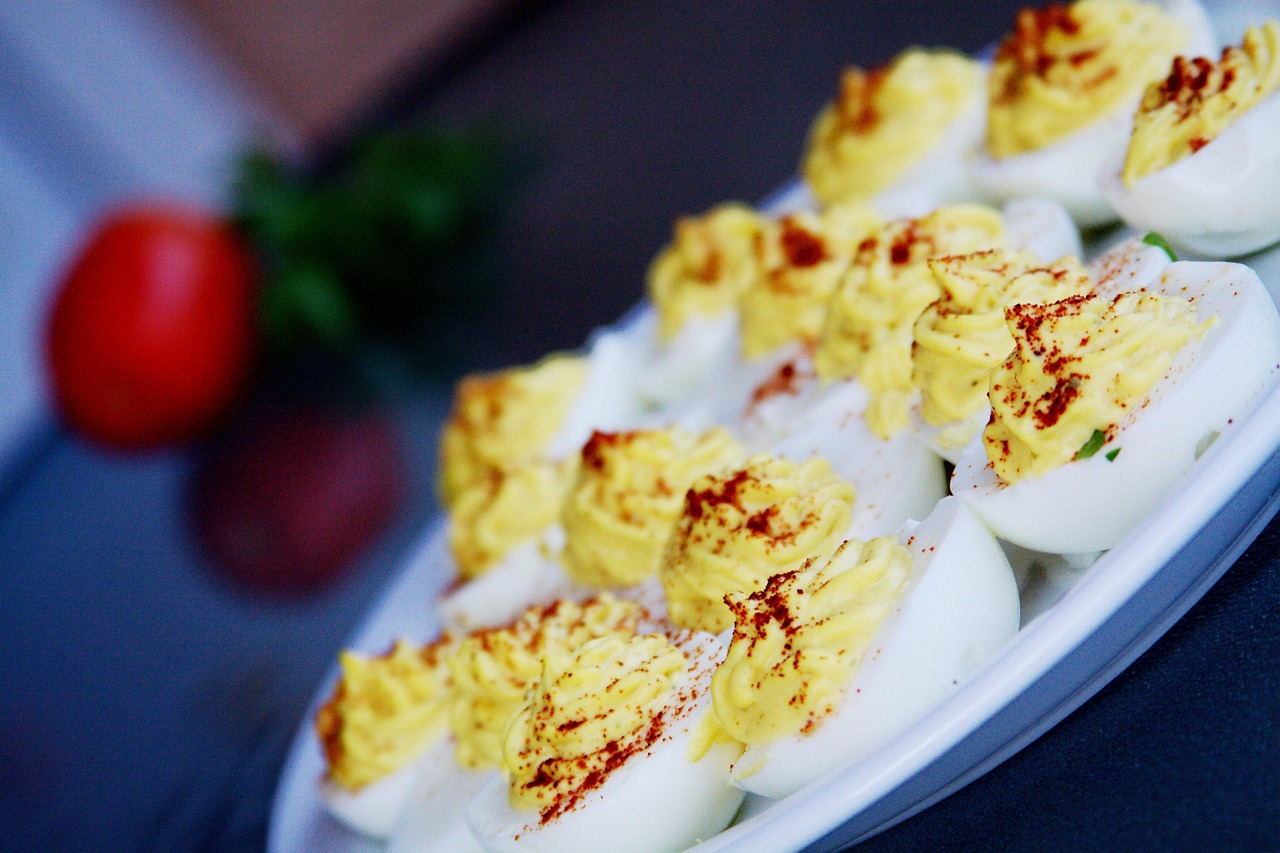
Deviled eggs disappear early because they are tidy, familiar, and a little festive without being sweet. One tray can please adults and kids at the same time, which is rare at any gathering.
The best church-supper versions keep the filling balanced: yolks mashed with mayonnaise, mustard, and pickle relish for brightness, then seasoned with salt, pepper, and paprika. Some cooks add a touch of vinegar or a small spoon of sugar, depending on local taste.
Piped neatly or spooned in rustic mounds, they travel well in a covered carrier and look like someone cared about details, even when the cook was moving fast after work.
Buttermilk Cornbread With Honey Butter
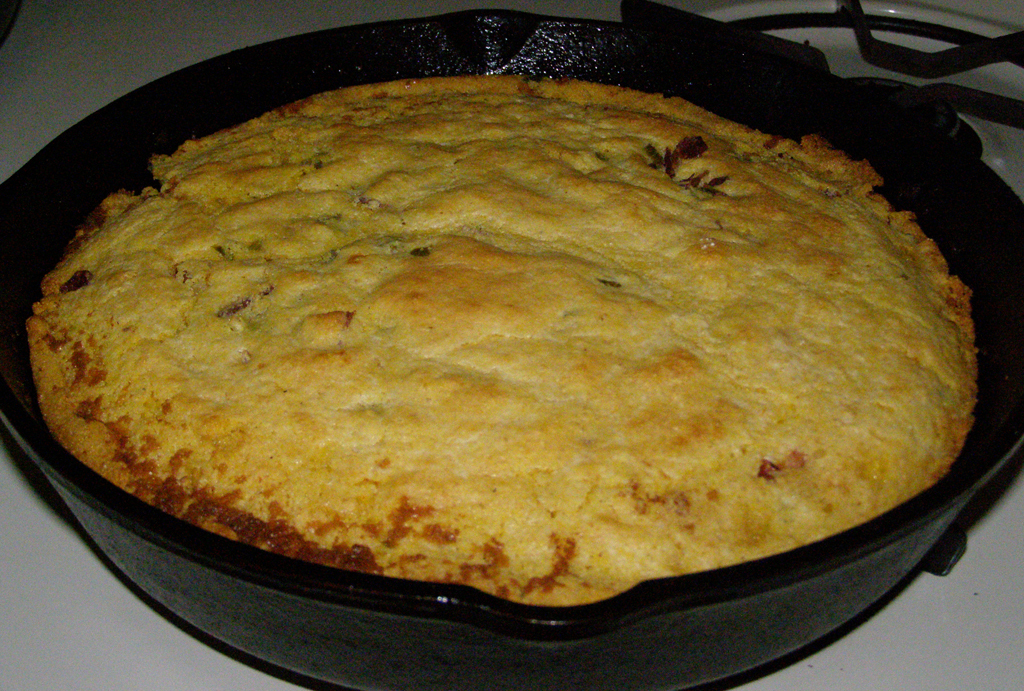
Buttermilk cornbread belongs on the table because it can play two roles at once: a side for chili or beans, and a quick bite that keeps kids calm while adults finish talking.
A good pan starts with a hot skillet, so the edges crisp the moment the batter hits. Buttermilk adds tang, a little sugar keeps the crumb tender, and cornmeal brings that warm, toasty flavor that reads as home cooking without explanation. Some cooks fold in creamed corn, but the plain version still shines.
Set beside a bowl of honey butter, it feels generous. Leftover squares toast well the next morning, which is why it returns to the table so often.
Banana Pudding With Vanilla Wafers

Banana pudding is the dessert that looks humble until the first scoop lands. Soft bananas, vanilla custard, and cookies that turn cake-like after chilling create a texture that feels made for a potluck spoon.
Many church versions use instant pudding for speed, then enrich it with sweetened condensed milk or whipped topping for body. Others cook a simple custard on the stove and fold in meringue, especially in the South, where the browned top is part of the point.
It serves a crowd, holds together in the fridge, and tastes like someone planned ahead. The last bites are usually the sweetest, when the wafers have fully softened.
Peach Cobbler
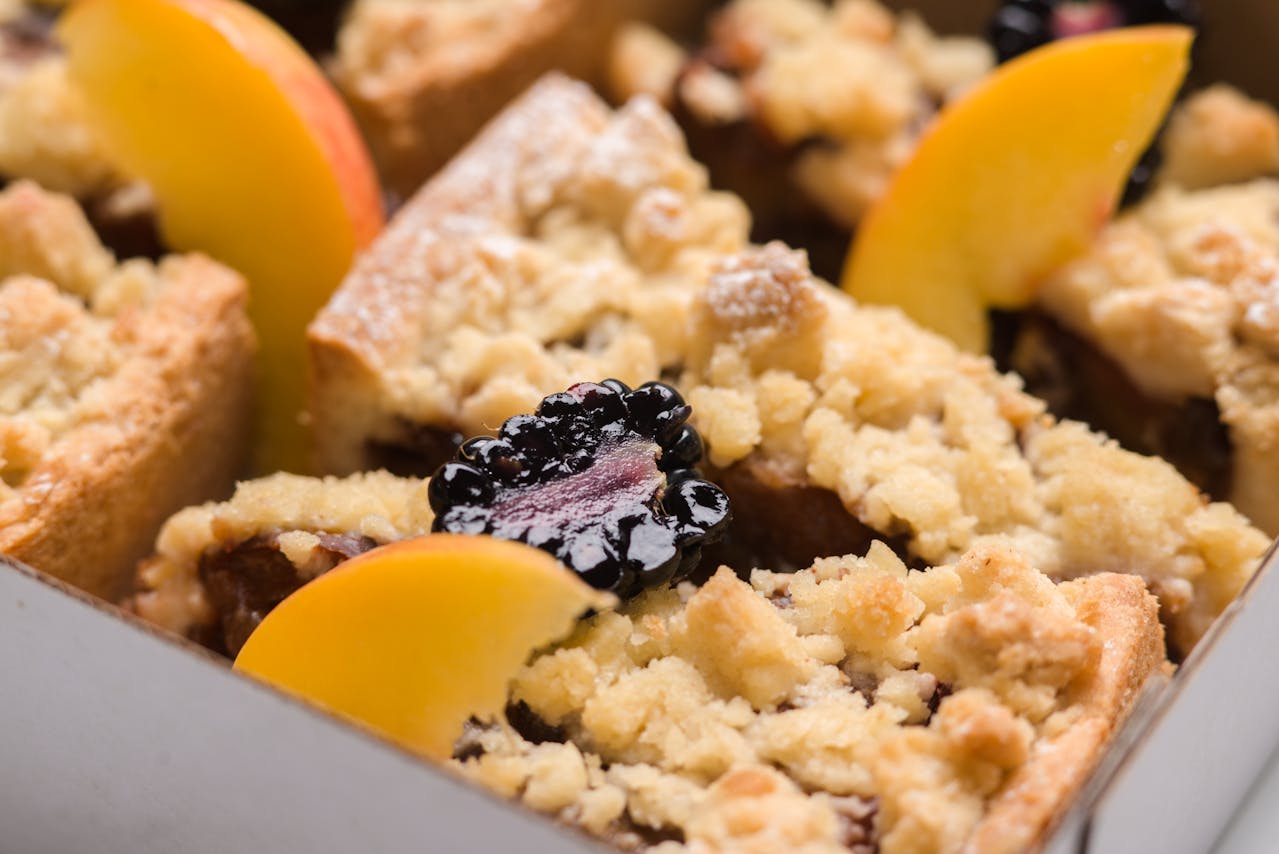
Peach cobbler is the reliable closer when a church supper needs something warm and generous. The fruit bubbles into syrup, the crust turns golden, and the pan perfumes the room before anyone even sees it.
Some cooks pour batter into melted butter for a self-forming crust; others drop biscuit dough in soft clouds that bake into tender caps. Canned peaches work in winter, fresh peaches shine in summer, and cinnamon or nutmeg bridges the seasons. A squeeze of lemon keeps it from tasting overly sweet.
It travels well, scoops easily, and a scoop of vanilla ice cream on top feels like a small celebration, even on a Sunday.