Nations Officially Begging Travelers to Stay Away (Especially Americans)

Tourist
Valentin Ivantsov/Pexels
When nations signal stay away, believe them: safety, politics, and capacity matter. Trips work best where visitors feel welcomed!!

Some borders look open on paper, yet the message on the ground is clear: not now, and not you.

Governments rarely say stay away outright, but advisories, permits, and policing can speak louder than slogans.

Sometimes it is safety, sometimes politics, sometimes capacity, and sometimes a country protecting a fragile place.

For Americans, the friction can feel personal because U.S. passports draw attention in tense regions and loud headlines.

Travelers get caught between official warnings, local resentment, and the temptation to treat risk like a checklist.

Responsible travel starts by recognizing that a destination is not a product; it is a community with limits.

This guide focuses on the signals nations use when they want fewer visitors, even if flights still land daily.

Read it as a reality check, then plan with humility, flexibility, and the willingness to choose somewhere else.

When Safety Advisories Become A Soft Ban

10 International Laws That Could Instantly Land American Tourists in Jail
boryanam/Freepik

An official advisory is not a fence, but it can shut down insurance and tours overnight. That ripple hits fast.

Local authorities may restrict movement, add checkpoints, or deny entry to areas that used to be casual day trips.

Violence, kidnapping risk, or civil unrest can rise fast, and tourists become leverage in someone else’s fight. It’s ugly.

If a government warns its own citizens away, that is the closest thing to a polite national please do not come.

Visa Friction That Quietly Discourages Americans

Some countries do not need to shout; they tighten visa rules until only the most determined visitors proceed.

Expect longer processing, surprise document demands, and fees that turn a weekend idea into a paperwork project.

Reciprocity drives a lot of this, where one passport’s rules mirror what its government imposes on others.

Americans can feel this sharply in places that are signaling displeasure with U.S. policy or policing.

Extra interviews can appear with little explanation, especially for solo travelers and young adults.

Border officers may ask for detailed itineraries, proof of funds, and return tickets with strict dates.

None of this is always personal, but the pattern can be a deliberate brake on volume and behavior.

If the process feels like a maze, that is often the point: discourage the casual trip and filter the crowd.

Places That Are Overrun And Finally Pushing Back

Overtourism makes locals feel like extras in their own cities, and governments are starting to react.

Daily caps, timed entries, and permit systems pop up where streets, trails, and housing can’t cope.

Some destinations restrict cruise calls, limit short-term rentals, or raise tourist taxes to slow demand.

Americans are not singled out by name, but heavy travel seasons can make any outsider the face of the problem.

These policies are a reminder that beautiful places have carrying capacity, even if influencers pretend otherwise.

When residents protest, officials often choose crowd control over commerce, at least for a season.

Your best move is to travel off-peak, book legal lodging, and accept that access may be less spontaneous.

Political Retaliation And Passport Targeting
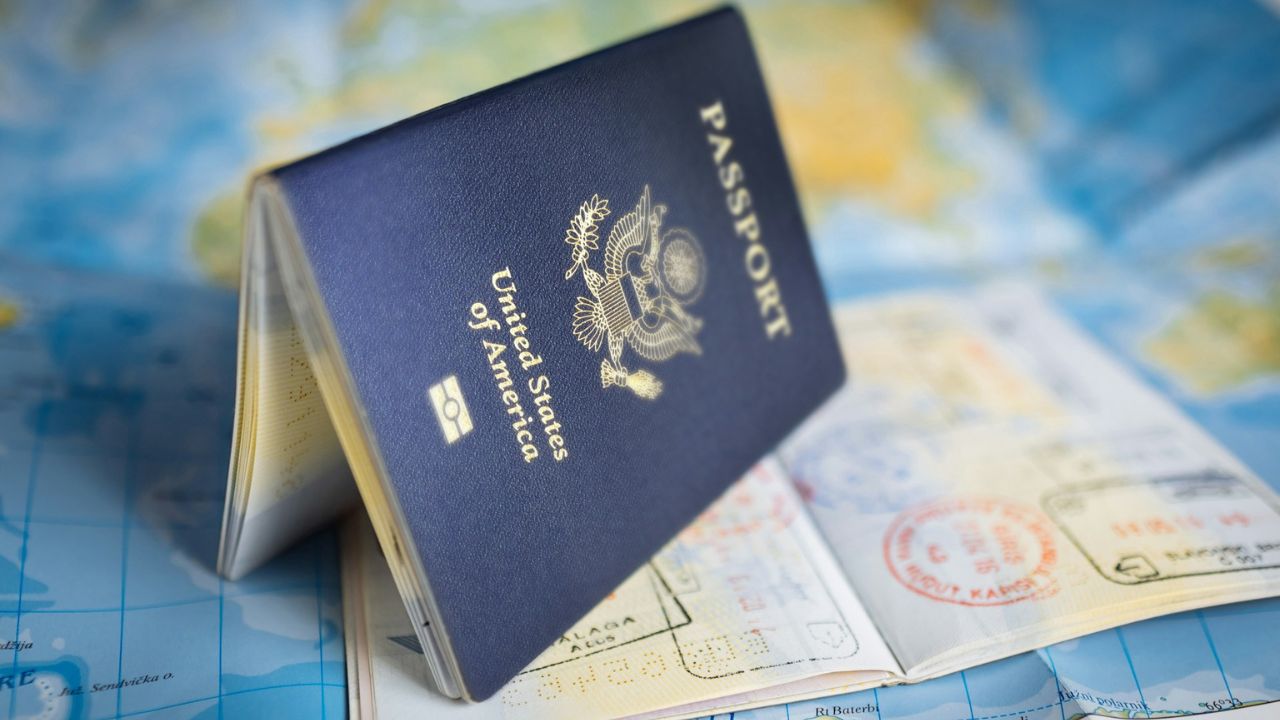
Why Passport Stamps Are Disappearing Worldwide
Global Residence Index/Unsplash

At times, travel becomes a proxy battlefield, and visitors inherit tensions they did not create.

Governments may issue harsh statements, detain foreigners more readily, or amplify anti-U.S. messaging.

Sanctions, espionage accusations, and media narratives can turn routine mistakes into high-stakes incidents.

If your passport makes you a symbol, the safest choice is to avoid being the symbol in the first place.

Even friendly locals can’t override state power when politics hardens, so optimism is not a strategy.

Conflict Zones Where Curiosity Is Not A Strategy

Some places sit near active conflict, and the line between safe and unsafe can shift in a single afternoon.

Road closures, sudden curfews, and communications blackouts can strand visitors with no clear exit route.

Militias and criminals watch tourist routes, and ransom value rises when international attention is high.

Embassies may have limited ability to help, especially if diplomatic relations are strained or minimal.

Guided tours can’t guarantee safety when armed groups simply don’t respect schedules or permits.

In these regions, choosing not to go is not fear; it is respect for reality and for the people living it.

Public Health And Disaster Recovery Restrictions

After outbreaks or disasters, a country may reopen unevenly, keeping some regions closed far longer than others. Patience matters.

Health forms, proof requirements, and quarantine rules can change quickly, and enforcement can be strict at entry.

Rebuilding after storms or earthquakes often means limited medical capacity and fragile infrastructure. Small problems escalate fast.

Tourists can strain hospitals, fuel shortages, and housing just when locals are trying to stabilize.

Sometimes officials request fewer visitors to protect supplies, prevent price spikes, and reduce rescue burdens.

Watch for language about essential travel only, which is a diplomatic way of saying postpone your trip.

Cultural Flashpoints That Turn Visitors Into Headlines

tourist
Michel Stockman/Unsplash

In certain nations, dress codes, speech, and photography carry legal weight, not just social consequences.

American habits like casual debate or public criticism can be read as provocation in more controlled societies.

Social media posts can trigger penalties, especially when they touch religion, the military, or protests.

How To Read The Signals And Choose Better Alternatives

Look beyond cheap flights and glossy videos; the real clues are permits, advisories, and local news tone. Patterns don’t lie.

If rules keep multiplying, assume officials are trying to slow arrivals, and take the hint before you buy tickets.

Choose nearby substitutes: similar landscapes, calmer politics, and communities that actually want visitors. You’ll relax more.

Travel becomes better when you are invited, not merely tolerated, and your money helps rather than harms.


1 Shares:
You May Also Like
Read More

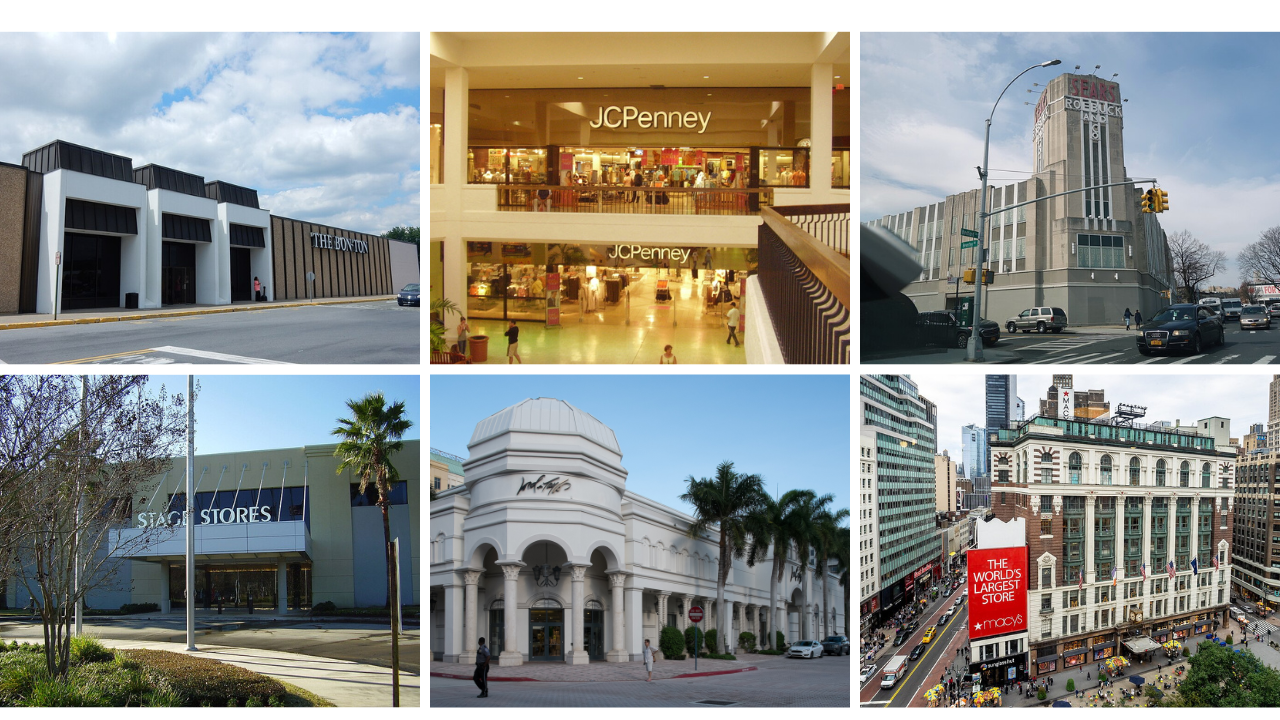
9 Department Stores Closing Scores of Locations

# 9 Department Stores Closing Scores of Locations Department stores used to feel permanent, like part of the architecture of childhood and city life. Now many of those anchors are shrinking fast, closing locations in waves that rarely make front page news but quietly reshape whole neighborhoods. Behind the scenes are high leases, heavy debt, and shoppers who split their spending between discount chains and online carts. Vacant escalators and dark display windows tell a simple story. A retail model that once promised everything under one roof is giving way to something leaner. ## Macy’s Macy’s is still a powerhouse during major holidays, yet the brand is actively pulling back from underperforming malls. The company has laid out a multiyear plan to shut dozens of weaker stores while concentrating investment on flagships, luxury beauty, and smaller off mall formats. Mall managers see the closures as a turning point. Once Macy’s leaves, it is rare for another full line department store to take on that footprint, so mixed use redevelopment quickly becomes the realistic path. ## JCPenney JCPenney has been in survival mode for years, cutting locations, rewriting brand strategy, and revamping stores that still perform. Recent rounds of closures tend to target aging malls where traffic has thinned and renovation would be expensive. What remains is a leaner chain focused on reliable basics, home goods, and private labels meant to keep middle income families coming back. In towns that lose a Penney’s anchor, the absence is obvious, especially during back to school and holiday shopping. ## Sears Sears once taught Americans how to outfit entire homes, from tools to appliances to Sunday clothes. Now the chain is down to a small scattering of locations after repeated closure waves and years of financial strain. Each shutdown feels less like a surprise and more like the last chapter of a very long story. Former Sears buildings are becoming storage facilities, entertainment centers, or simply sitting empty, with faded brand signs still clinging to the concrete and sparking memories. ## Kmart Kmart’s decline has shadowed Sears, often sharing owners, parking lots, and final liquidation banners. From blue light specials and busy discount aisles, the company has slipped to only a few remaining stores spread across the map. Many communities have watched their local Kmart shut with little fanfare, replaced by smaller chains or nothing at all. The closures leave behind wide aisles, low ceilings, and a wave of nostalgia for an era when a weekend stop at the discount department store felt routine. ## Hudson’s Bay Hudson’s Bay carried deep Canadian roots and grand downtown buildings, but tradition could not offset heavy costs and changing shopping habits. The chain has now closed or sold off most department store sites, even as it experiments with other concepts and real estate plays. City blocks that once framed holiday window displays are being redrawn as office towers, hotels, or residential projects. For longtime shoppers, the loss of such a historic name lands harder than a typical retail exit. ## Debenhams Debenhams anchored many British high streets, balancing affordable fashion with familiar cosmetics halls. After years of pressure from online rivals and discount players, the company finally collapsed, shuttering its remaining department stores and moving the brand into a digital only format. Those closures left large gaps in central shopping districts, where new tenants range from fast fashion outlets to leisure complexes. The Debenhams name survives on screens, but the physical experience of wandering its floors has become a memory. ## Bon Ton Bon Ton and its sister banners once stitched together a network of regional department stores across smaller American cities. When the company slid into bankruptcy, liquidation arrived swiftly and took hundreds of locations with it. In many markets there was no immediate replacement, only darkened anchors and clearance signs that slowly came down. Local shoppers lost a familiar place to find dresses, coats, and home goods, and mall owners gained another big box puzzle to solve in a difficult leasing climate. ## Lord & Taylor Lord and Taylor carried an air of old school elegance, especially at its historic urban flagships. Years of ownership changes, aggressive discounting, and the shock of the pandemic finally pushed the brand into a full store closure plan. The physical chain is gone, even as the name continues online under new management. Grand buildings that once hosted fashion shows and elaborate window displays are being sliced into offices and coworking hubs, turning a traditional department store into a flexible workplace. ## Stage Stores Stage Stores never enjoyed global name recognition, but its regional chains filled a quiet role in small towns and rural hubs. When the company could not recover from mounting losses, it closed hundreds of locations under banners such as Goody’s and Peebles. Those anchors often sat in modest shopping centers that lacked other large apparel options. After the closures, shoppers in those communities were left with long drives to bigger cities or a heavier reliance on parcel deliveries for everyday clothing. Department stores closing by the dozens signal more than a shift from one retail brand to another. They mark the end of a specific way of browsing, where escalators, perfume counters, and wedding registries lived in the same building. As these anchors are carved into apartments, clinics, offices, and gyms, the spaces stay busy, but the mood changes. What was once a shared social ritual around sales events and window displays is dissolving into scattered errands across many smaller formats. Excerpt: Familiar department stores are closing by the dozens, leaving hollow anchors behind and nudging shoppers toward a new retail map!.