Christmas Day carries a sense of pause, as if the world should soften for one bright square on the calendar. Yet Dec. 25 has repeatedly hosted decisions, collapses, and breakthroughs that refused to wait for a quieter date. Some moments unfolded in cathedrals and palaces, others in trenches, on city streets, or over a radio signal traveling into winter night. What links them is contrast: the comfort of tradition beside the blunt forward motion of events that reshaped borders, lives, and memory.
Charlemagne Crowned Emperor in Rome (Dec. 25, 800)
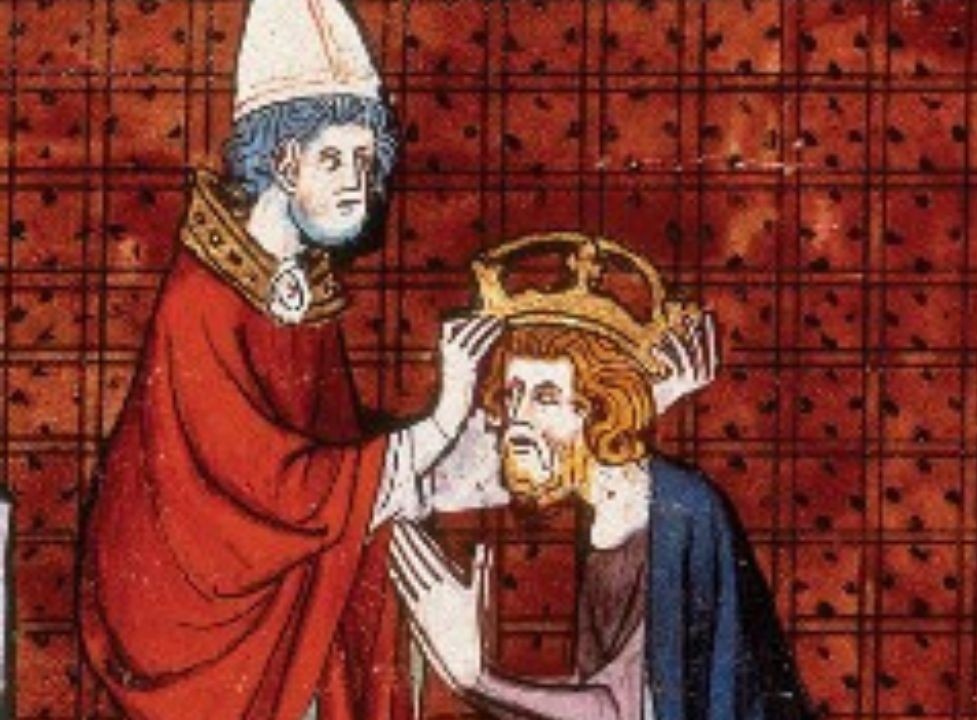
On Dec. 25, 800, Pope Leo III crowned Charlemagne during Mass at St. Peter’s Basilica in Rome, reviving a Western imperial title after centuries. Admirers read the act as a promise of order and protection; skeptics saw the church claiming a right to bless politics, and a ruler wrapping ambition in sacred language. Choosing Christmas Day fused devotion with spectacle, and the scene became a template: later monarchs chased its meaning in crowns, oaths, and law codes, while Europe inherited a long argument, lasting nearly a millennium, about who could grant legitimacy, where authority began, and why Rome still mattered far beyond the city today.
William the Conqueror Takes the English Crown (Dec. 25, 1066)
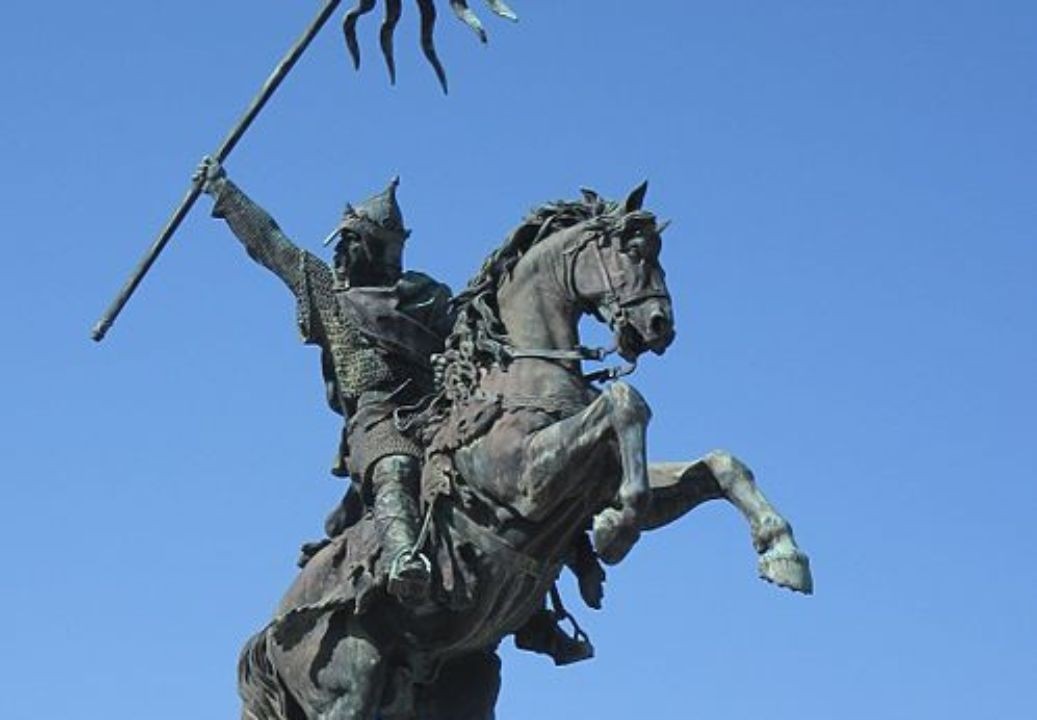
William of Normandy chose Dec. 25, 1066, for his coronation at Westminster Abbey, turning Christmas worship into a claim that conquest was now legitimate kingship. The rite nodded to older English tradition, yet armed guards, anxious nobles, and a crowd pressed tight made it feel like a proving ground; chroniclers even describe cheers being mistaken for unrest outside, which drew a tense response. In the months that followed, Norman control hardened through new landholding, castles, and courts, and the memory of that Christmas ceremony lingered as the moment England’s public life shifted languages, loyalties, and power centers in one season.
Christmas Island Gets Its Name at Sea (Dec. 25, 1643)

On Dec. 25, 1643, Captain William Mynors of the East India Company ship Royal Mary logged a remote Indian Ocean island and named it Christmas Island, simply because of the date. The label stayed put as maps improved, empires shifted, and the island was later tied to phosphate mining and migration across the region. The origin still feels seasonal in its restraint: a dark outline on the horizon, a name chosen without ceremony, and a place that would eventually be known worldwide for its rain forest, seabirds, and the red crab march that turns roads into moving color each year, long after that brief entry in a ship’s log faded from memory too.
Washington Crosses the Delaware in a Winter Storm (Night of Dec. 25 to 26, 1776)
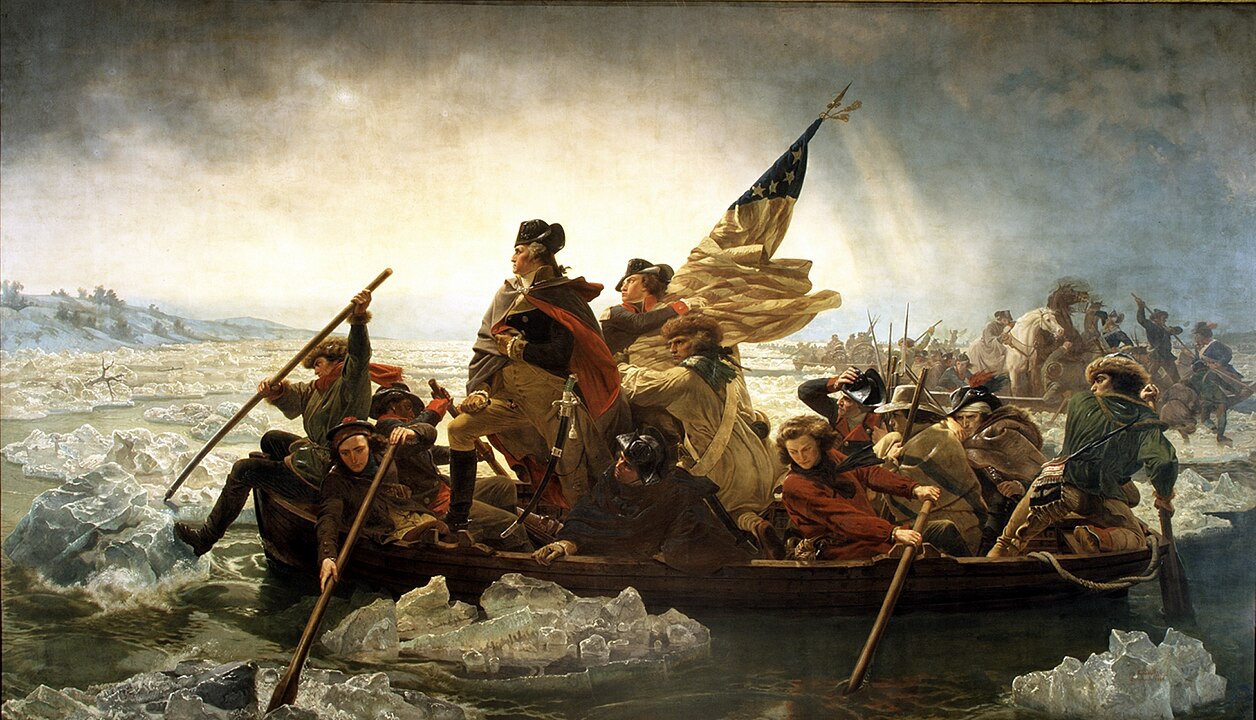
Late on Dec. 25, 1776, George Washington pushed Continental troops across the ice-choked Delaware River in darkness, moving men, horses, and artillery on a schedule that allowed no slack. The crossing enabled the surprise attack at Trenton at dawn on Dec. 26, lifting morale when enlistments were expiring and defeats had made the cause feel brittle. What endures is the practical grit: overloaded boats, freezing spray, quiet orders, and the knowledge that one delay could scatter the force, expose the plan, and leave the army stranded on the wrong bank before daylight, with winter weather judging leadership as much as tactics at Trenton by day.
Andrew Johnson Issues a Broad Civil War Amnesty (Dec. 25, 1868)
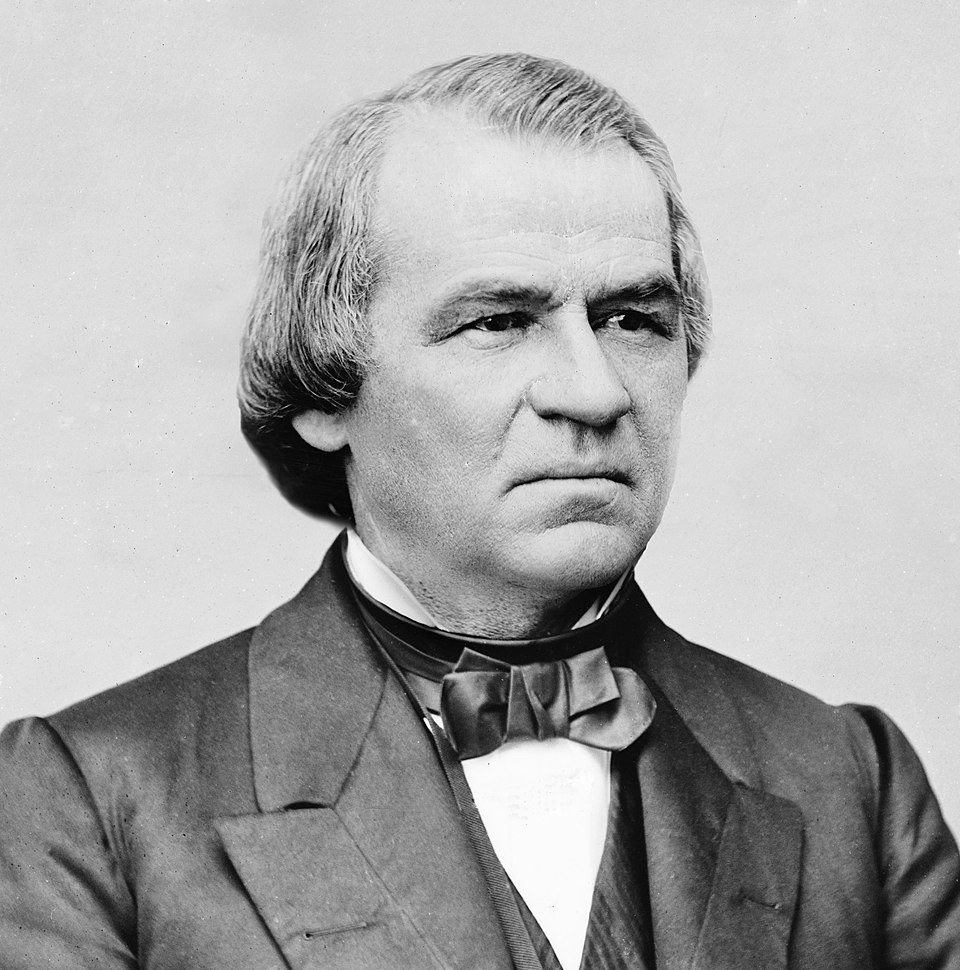
On Dec. 25, 1868, President Andrew Johnson issued a broad proclamation of pardon and amnesty for former Confederates, lifting penalties tied to the rebellion and restoring political rights. It was framed as reunion, yet Reconstruction’s hardest questions were raw: voting access, intimidation, and who would control local courts and police. The Christmas timing gave the words a forgiving glow, but it revealed how quickly a national gesture could outpace lived reality, where trust, safety, and equal treatment were still being contested in towns, churches, and county seats, and it took years for that promise to match daily life for many, though.
The Christmas Truce Briefly Calms the Western Front (Dec. 25, 1914)
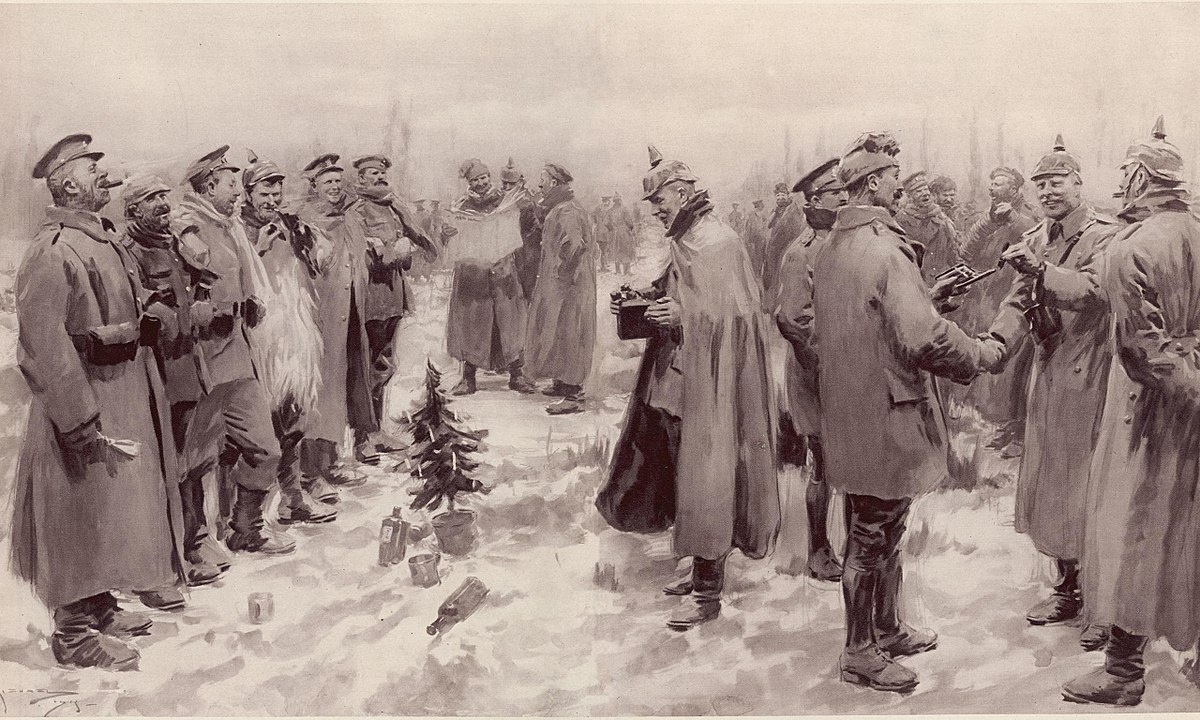
Around Dec. 25, 1914, in scattered stretches of the Western Front, soldiers climbed from trenches and met in the frozen open ground to exchange greetings, small gifts, and help bury the dead during an unofficial pause in fighting. The truce was uneven and brief, but letters describe carols drifting across wires, and hands trading tobacco, buttons, and food as suspicion softened into recognition. Commanders soon pressed units to end the fraternizing, yet the memory lingers because it shows how quickly shared humanity can surface, even when policy and fear are built to keep people apart, and how the return to firing felt colder afterward again.
Hirohito Becomes Emperor of Japan (Dec. 25, 1926)
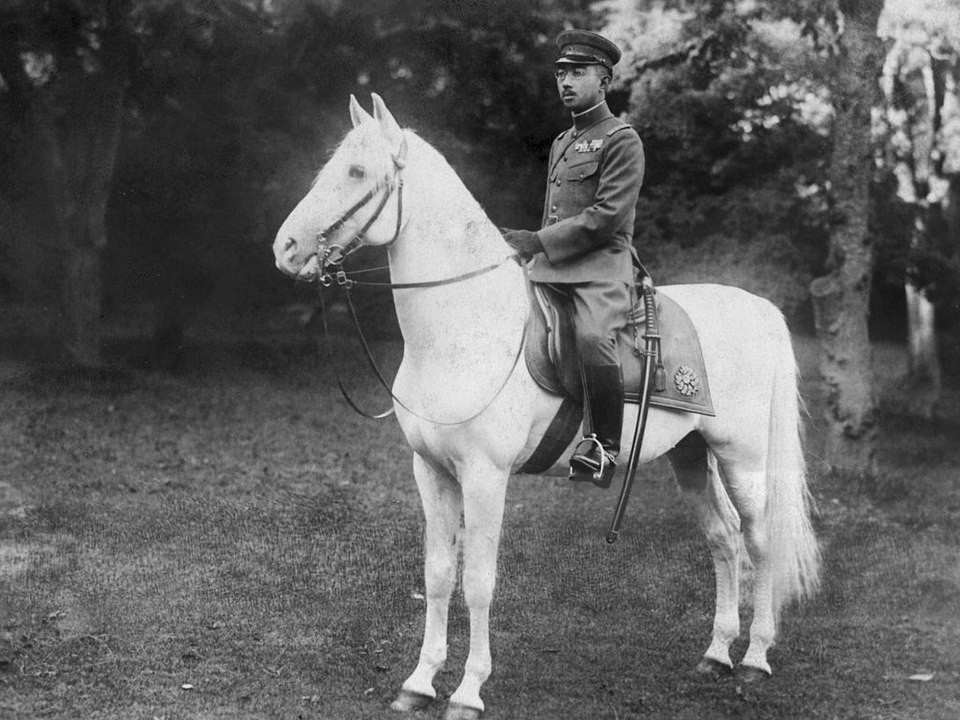
Japan’s Showa era began on Dec. 25, 1926, when Hirohito became emperor after Emperor Taisho’s death, a transition wrapped in court ritual and national symbolism. The accession looked calm, but the reign would span militarization, war, defeat, occupation, and postwar reconstruction under one sovereign presence, with the monarchy itself redefined along the way. The date reads like a quiet hinge before enormous change, showing how a shift at the top can amplify forces already moving through parties, factories, classrooms, and family life, and the era name, translated as ‘bright peace,’ gained irony as decades swung between turmoil and recovery.
A British Monarch Starts the Christmas Broadcast Tradition (Dec. 25, 1932)
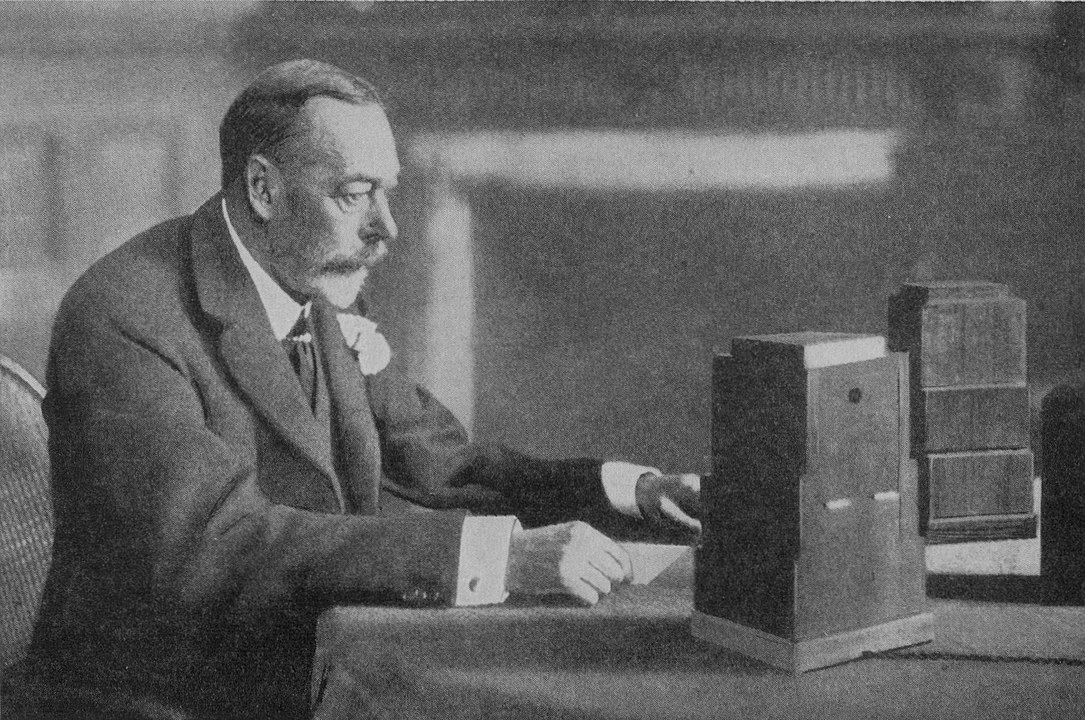
On Dec. 25, 1932, King George V delivered the first royal Christmas broadcast by radio from Sandringham, with a message written by Rudyard Kipling. The idea was plain but powerful: one voice reaching homes, ships, and faraway territories at the same hour, turning a holiday into a shared pause for people separated by oceans or long train rides. The tradition later moved to television and digital platforms, yet its original purpose remains clear, using the season to steady public mood through continuity, duty, and a tone meant to sound personal rather than official; it proved radio could update monarchy while keeping the message familiar still.
Hong Kong Surrenders on Black Christmas (Dec. 25, 1941)
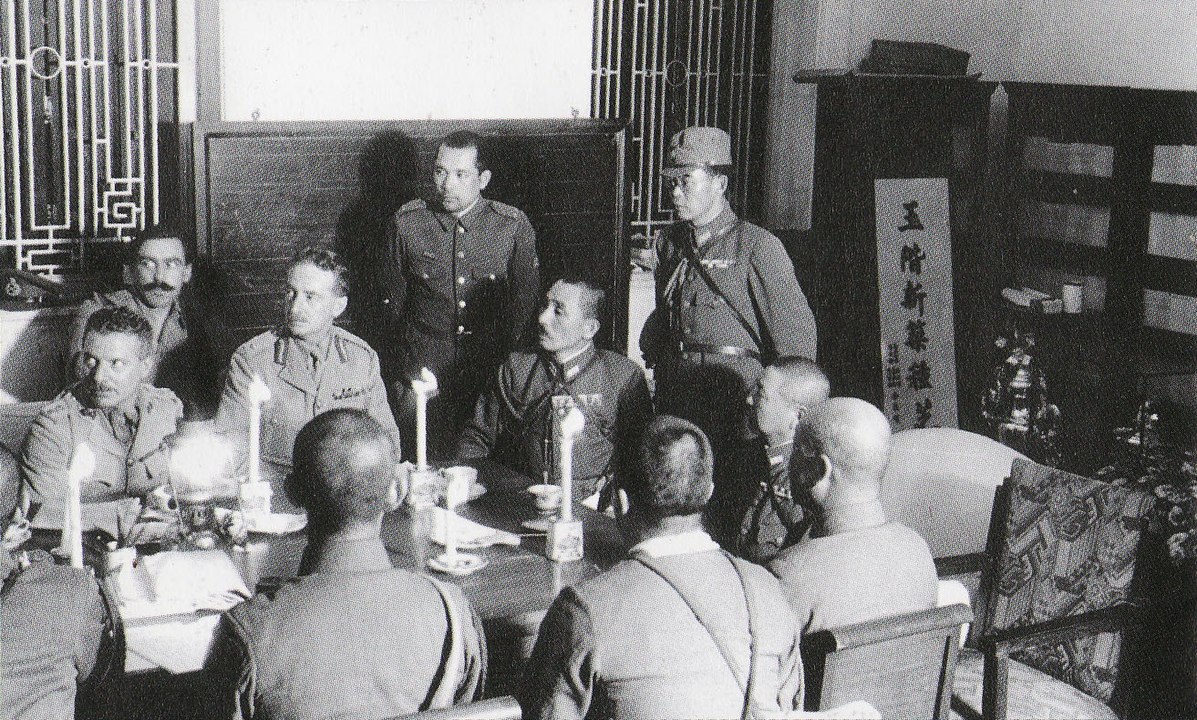
Hong Kong surrendered to Japanese forces on Dec. 25, 1941, a day residents later called Black Christmas as occupation replaced holiday routine with fear and scarcity. The fall followed hard fighting early in the Pacific War and showed how quickly a major port could be isolated, with relief unable to arrive in time and civilian life reshaped overnight. For families, the date became a personal marker: rationing, censorship, and internment changed daily rhythms, and the city that had felt like a bright crossroads learned the discipline of endurance in cramped rooms and long queues, and Black Christmas became shorthand for the rupture in memory.
Charlie Chaplin Dies on Christmas Day (Dec. 25, 1977)
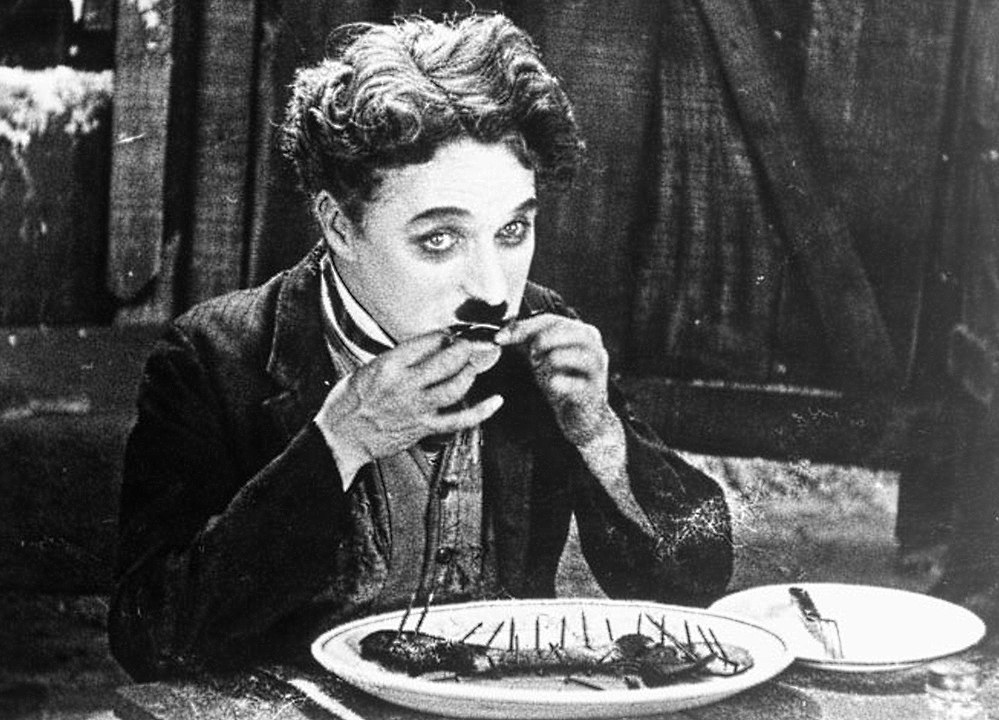
Charlie Chaplin died on Dec. 25, 1977, in Switzerland, ending a life that helped define silent film’s grammar and comedy’s emotional reach. Through the Tramp, he mixed slapstick with social critique, making poverty, pride, and tenderness readable in gestures that traveled across borders without translation. The news landing on Christmas Day carried a reflective hush, and audiences revisited works like “The Kid” and “Modern Times” to remember how he turned hardship into warmth, mocked power without preaching, and proved that a small figure on a screen could feel like a companion during hard years, in homes far from theaters, for decades after.
Romania’s Revolution Turns the Page (Dec. 25, 1989)
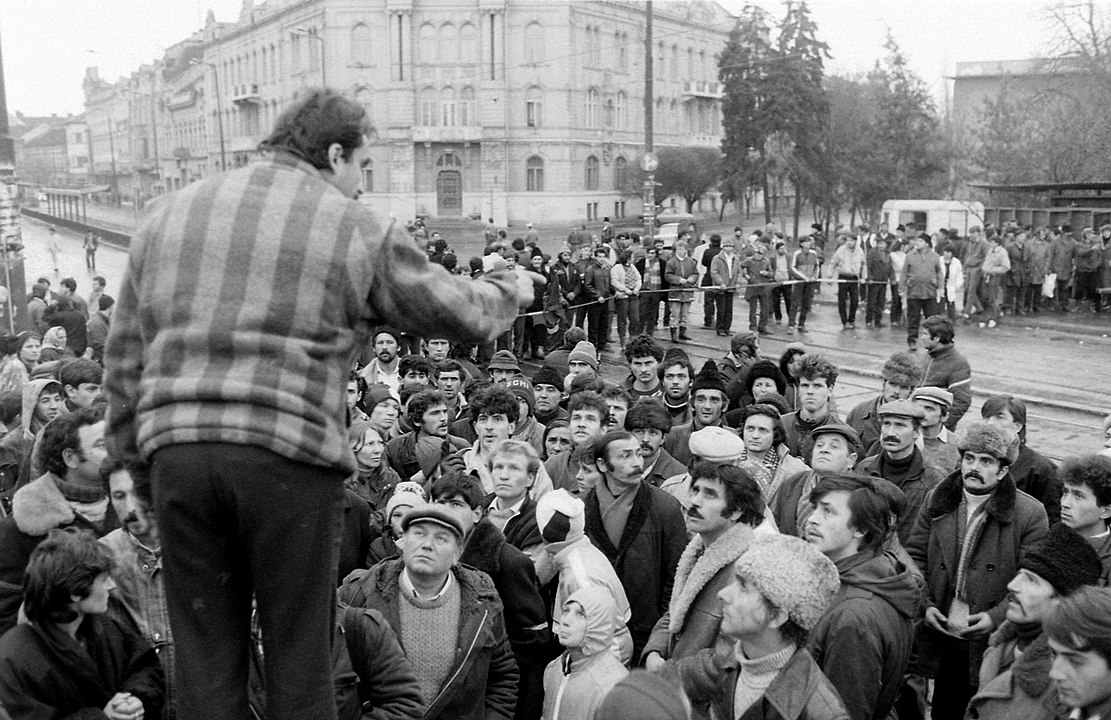
On Dec. 25, 1989, Romania’s deposed leader Nicolae Ceausescu and his wife died after a rapid military trial during the revolution, a turning point carried live to the world. The moment came amid wider Eastern European upheaval, yet Romania’s change felt abrupt and unsettled, with crowds still trying to understand who would govern next and how institutions would be rebuilt. For many households, the date holds mixed emotion: relief that fear had loosened, grief for those lost in the unrest, and the sober task of building civic trust when old habits and new promises collided in public, making Christmas a timestamp for the country’s sharp reset.
Gorbachev Resigns as the Soviet Flag Comes Down (Dec. 25, 1991)
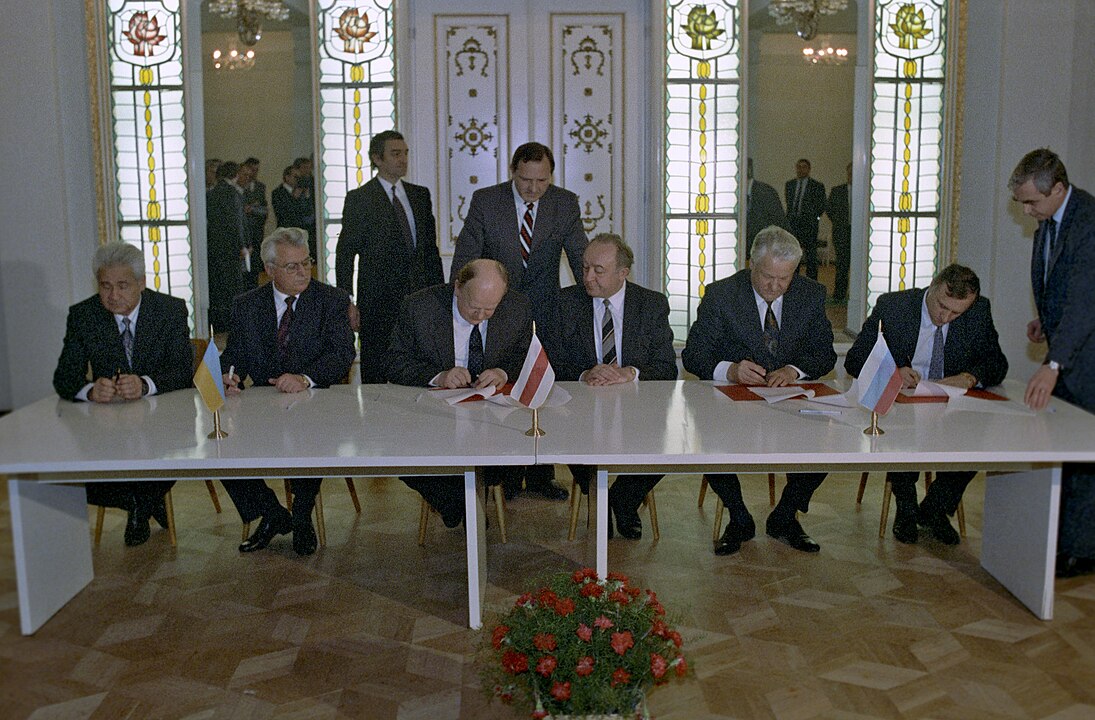
On Dec. 25, 1991, Mikhail Gorbachev resigned as president of the Soviet Union in a televised address, conceding the union could not be held together. That evening, the Soviet flag was lowered over the Kremlin and replaced by Russia’s tricolor, closing a superpower chapter with one stark image. Christmas did not cause the collapse, but it sharpened the symbolism, because a day tied to home and continuity became the backdrop for borders, currencies, and identities shifting at once, while millions tried to imagine what stability would look like next, after perestroika and glasnost had loosened the system faster than it could be rebuilt at home.
George Michael’s Christmas Day Farewell (Dec. 25, 2016)
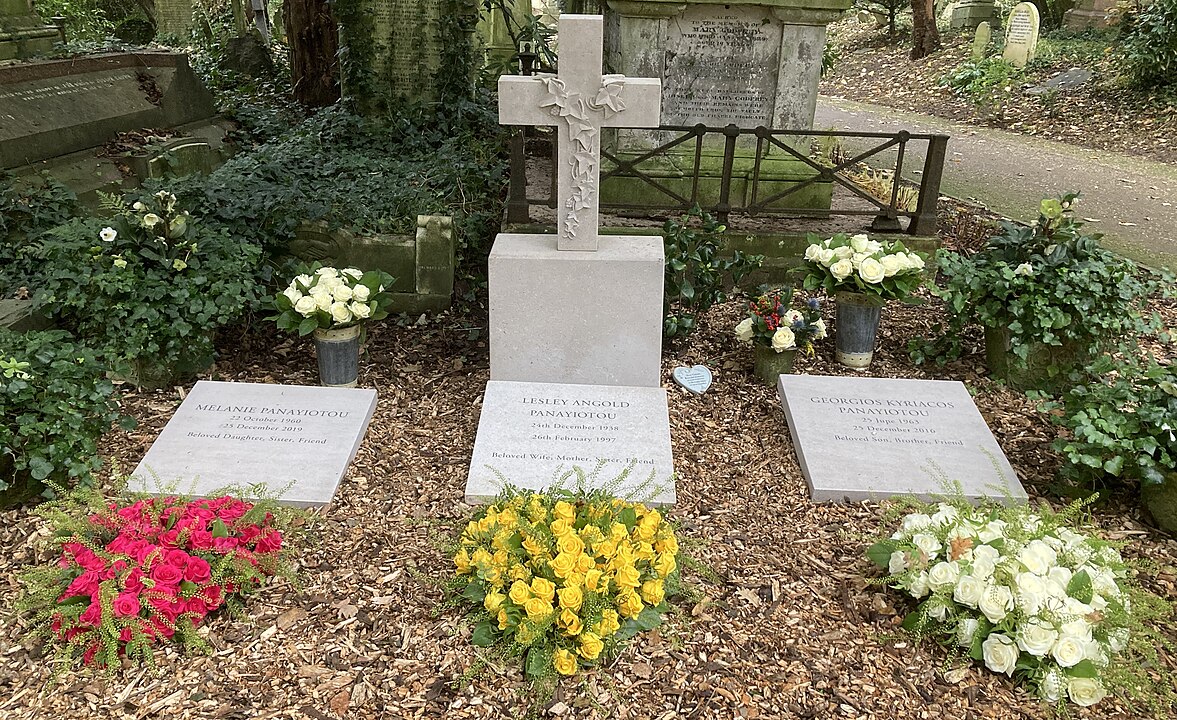
George Michael died on Dec. 25, 2016, and the date intensified the shock because his voice already lived inside the season through Wham!’s “Last Christmas” and decades of radio familiarity. Beyond the hits, stories of private generosity and a complicated relationship with fame reshaped how people mourned, turning grief into gratitude rather than spectacle. In the days after, listeners replayed ballads and dance tracks alike, noticing how he made longing sound poised, how restraint could still cut deep, and how one Christmas headline quietly rewired a soundtrack that had always promised joy, then carried absence into refrain, year after year.
James Webb Space Telescope Launches Into Deep Space (Dec. 25, 2021)

On Dec. 25, 2021, the James Webb Space Telescope launched, sending a gold-mirrored observatory away from Earth toward an orbit near the Sun’s L2 point. The mission was built to study some of the universe’s earliest light and to analyze exoplanet atmospheres, with instruments sensitive enough to spot faint signals that older telescopes could not. As Webb unfolded its sunshield and aligned its mirrors in the weeks after launch, Christmas gained a different kind of wonder, focused on patience, precision, and the promise that new images could revise what people think they know about cosmic origins, arriving as data from deep space, year by year.