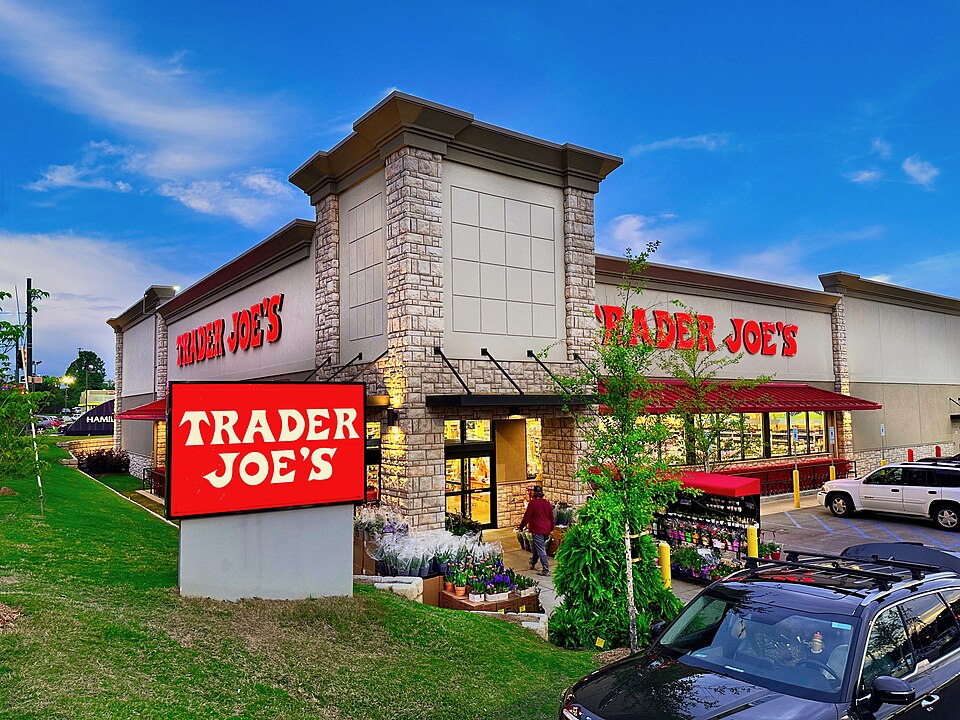
Across the U.S., the meat case has become a quiet stress point for budget-minded households and food-safety-conscious shoppers alike. Rising prices were expected, but recurring complaints about freshness, label clarity, and value have made routine grocery runs feel less predictable, especially in chains once seen as reliable for everyday protein at fair prices today.
Public records now show formal enforcement actions in some markets, while other warnings come from recalls, shopper posts, and local reporting. Together, those signals suggest confidence in the meat aisle is eroding faster than retailers can rebuild it.
Stop & Shop
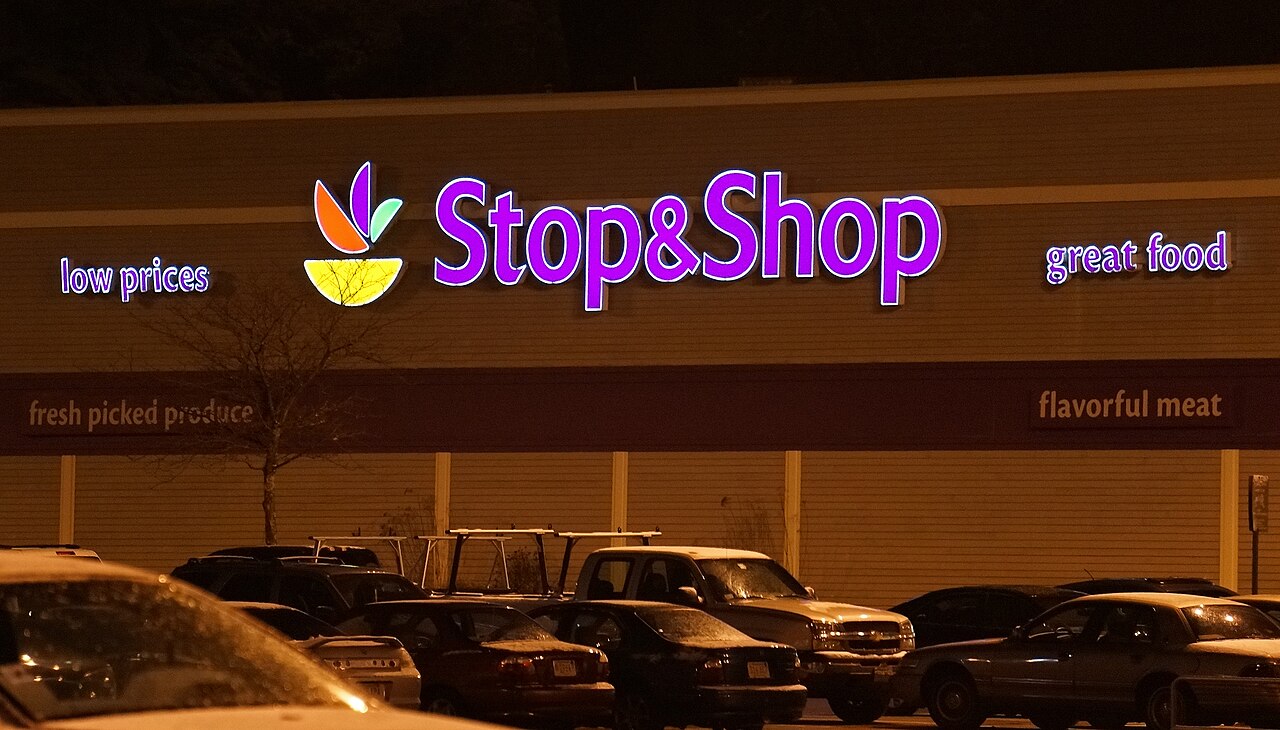
Stop & Shop produced one of the clearest documented warning signs in 2025. Ocean County, New Jersey, announced a settlement tied to allegedly incorrect meat date labels and expiration ranges that exceeded recommendations. County officials said the chain agreed to pay $75,000 and strengthen compliance in affected stores.
That matters because date coding is not decorative. FoodSafety.gov guidance notes that raw ground meats generally keep only one to two days in the refrigerator, so even small labeling errors can change household safety decisions. In a category with little room for guesswork, timeline accuracy is the trust contract.
Walmart
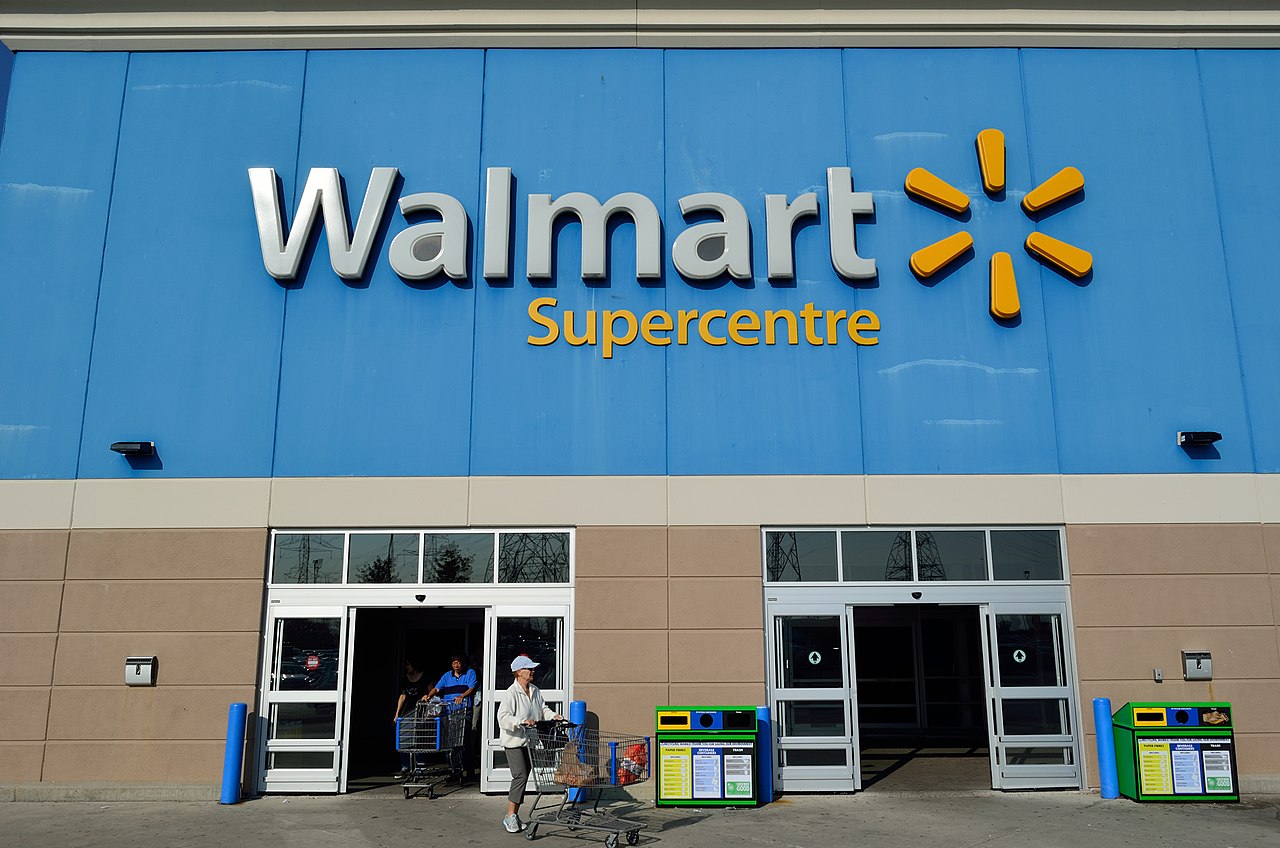
Walmart’s pricing-confidence problem has two chapters. In 2024, the company agreed to a $45 million settlement in a class action over allegations tied to weighted goods and bagged citrus. Walmart denied wrongdoing, yet the payout still kept weight-based pricing integrity under a national spotlight.
In Feb. 2026, viral scale-check videos revived concerns around meat labels. Coverage reported Walmart and supplier Kentucky Legend said affected products were removed, but the episode deepened skepticism. Once shoppers feel weight and price are drifting apart, one viral post can outweigh months of brand messaging and store promos.
Trader Joe’s
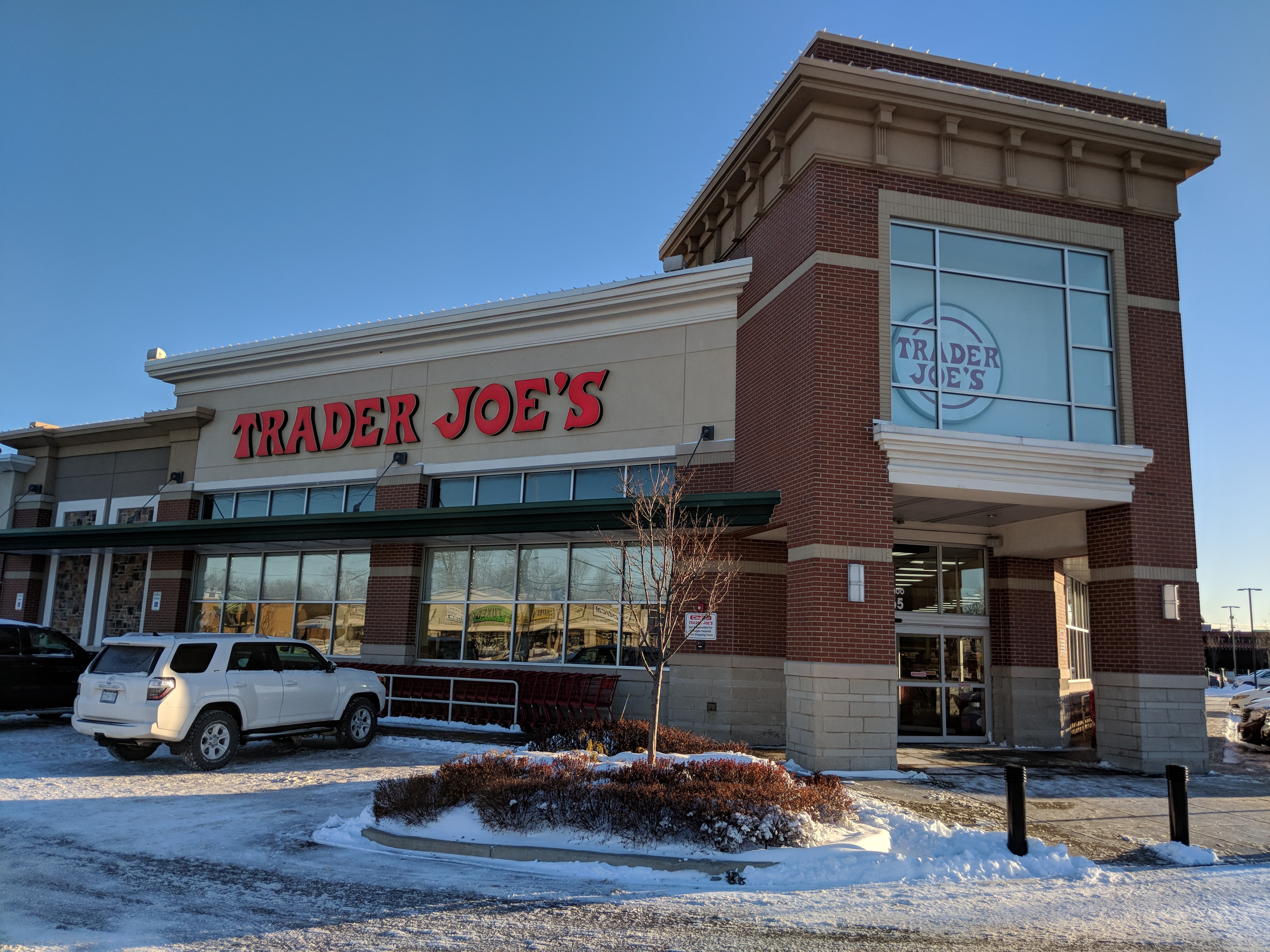
Trader Joe’s remains one of the strongest names in overall supermarket satisfaction, and national index data still places it near the top tier. Yet meat-specific complaints increasingly focus on value, with shoppers arguing that some cuts feel expensive next to warehouse competitors offering lower per-pound pricing.
Safety worries are not unique to one chain, but broad recall cycles keep the category tense. In 2025, FDA updates included a Trader Joe’s prepared chicken pasta product in a wider contamination event. Even when action is prompt, repeat alerts can make shoppers read every date and package seam with extra caution.
Target
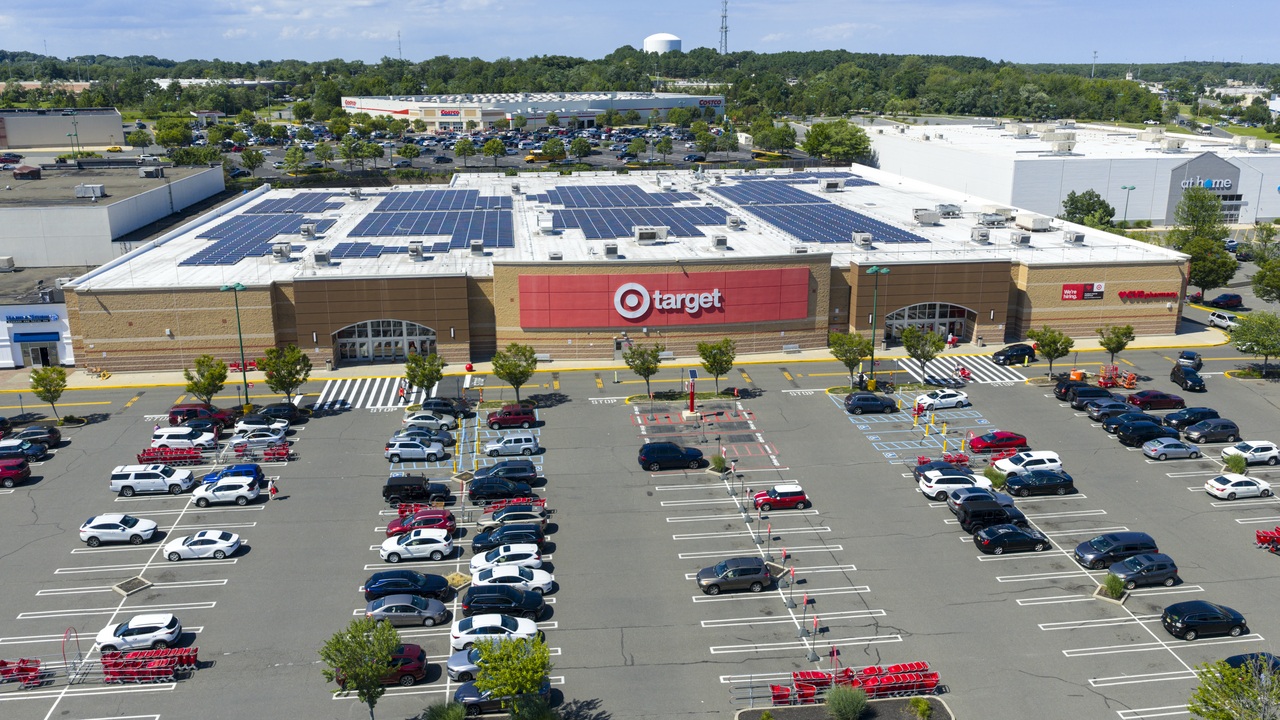
Target remains a convenience-first favorite, but meat complaints often center on inconsistency and confidence, not dramatic one-off incidents. Food media coverage and shopper discussions describe a prepackaged setup in many stores, with less butcher-counter interaction than grocers focused on fresh cuts.
Target’s recall portal shows that food safety notices appear regularly across categories, including occasional meat items. That does not prove systemic failure, yet it helps explain changing behavior: more shoppers treat packaged meat at general retailers as a deliberate, label-by-label purchase instead of an automatic add-to-cart.
Publix
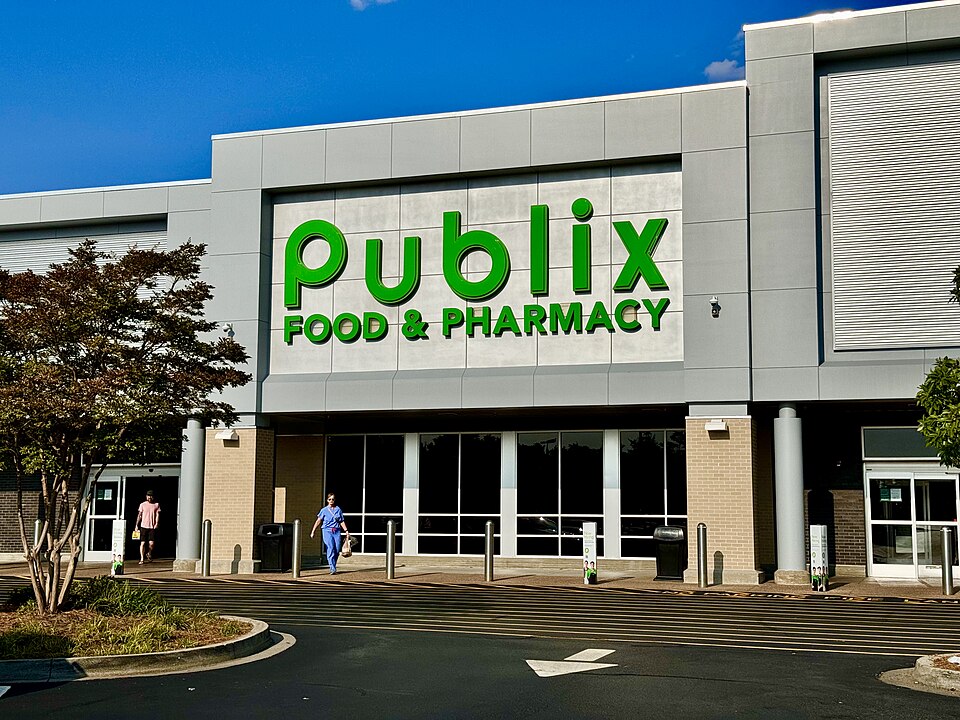
Publix built its name on clean stores, strong service, and regional loyalty, which is why meat-related setbacks carry extra weight. In 2025, public updates reported recalls tied to potential foreign material in select ground-beef products at specific Publix locations in Georgia and Florida.
Even limited recalls can alter perception far beyond a few stores. Pair that with ongoing complaints about higher beef prices, and a trust squeeze appears: households may keep Publix for staples, but split shopping across multiple retailers for meat. The emotional shift is subtle, yet visible in how people compare labels and dates.
Sam’s Club
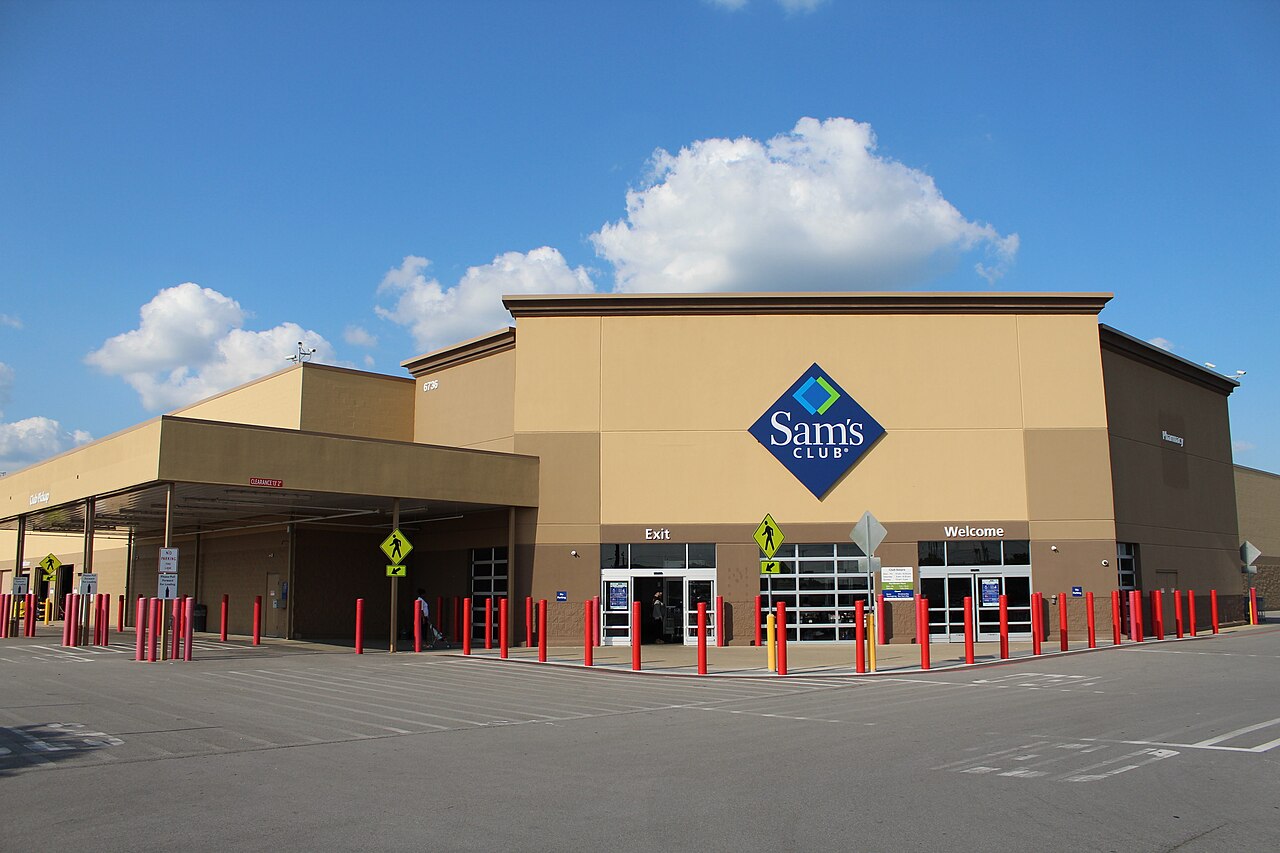
Sam’s Club continues to win on bulk value, but meat confidence still rises and falls with supplier-side disruptions. Recall reporting in 2025 included meat snacks sold through major retailers, with Sam’s Club named among impacted sellers in at least one widely covered case.
The chain’s recall FAQ outlines direct member notifications and refund pathways, which helps once a problem is identified. Still, recurring online complaints about freshness and relabeling anxiety show that procedures alone do not settle perception. In meat retail, trust is cumulative, and every questionable package resets the relationship to zero.