In 2026, the Semiquincentennial will pull curious travelers off the interstate and back onto two-lane roads where the Revolution felt close and personal. Beyond the famous names are quieter landscapes where militia drilled in damp clearings, river forts traded cannon fire, and backcountry courthouses became war rooms. These sites do not shout. They invite: a ranger who knows every family name, earthworks softened by time, and a few minutes of stillness that makes the stakes of 1776 feel newly human. As commemorations widen, the lesser-known stops may be where the anniversary feels like lived history, not a headline.
Fort Mifflin, Pennsylvania
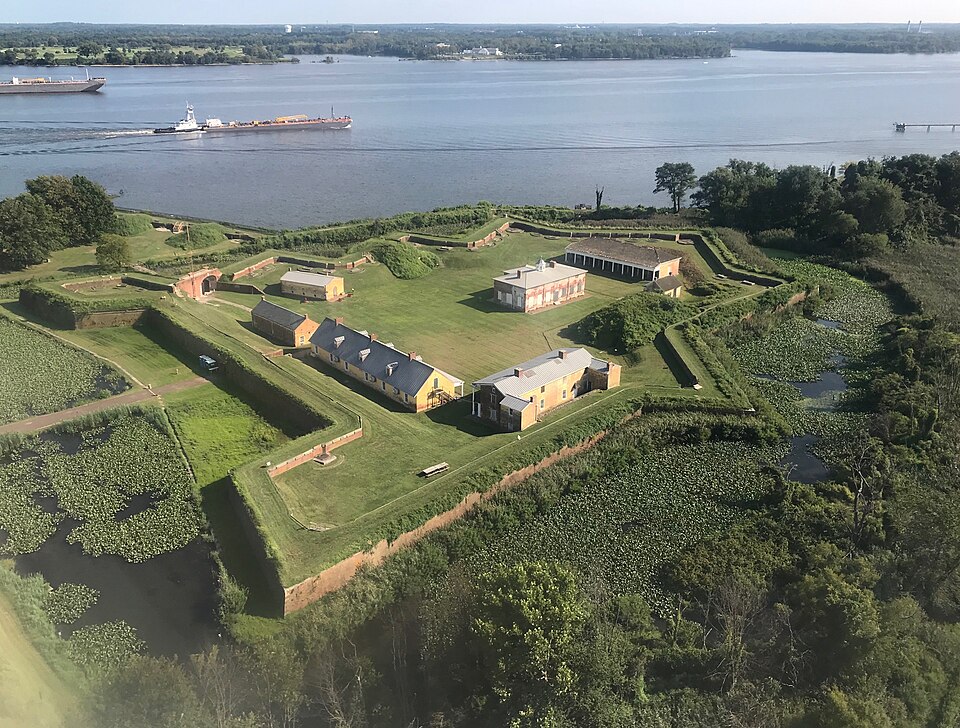
On Mud Island, Fort Mifflin held the Delaware River line in fall 1777, even after the British occupied Philadelphia. From Sept. 26 to Nov. 16, the fort’s defenders endured heavy batteries and ship fire, buying time for the American cause.
That struggle is still legible in the low walls, the battered angles, and the long view along the channel. Being minutes from the city, it is an easy add-on to a history weekend without feeling like a tourist trap. Overshadowed by nearby Independence-era icons, it can feel like a discovery, yet 2026 attention is likely to land here as anniversary itineraries widen. The river does the rest.
Fort Stanwix, New York
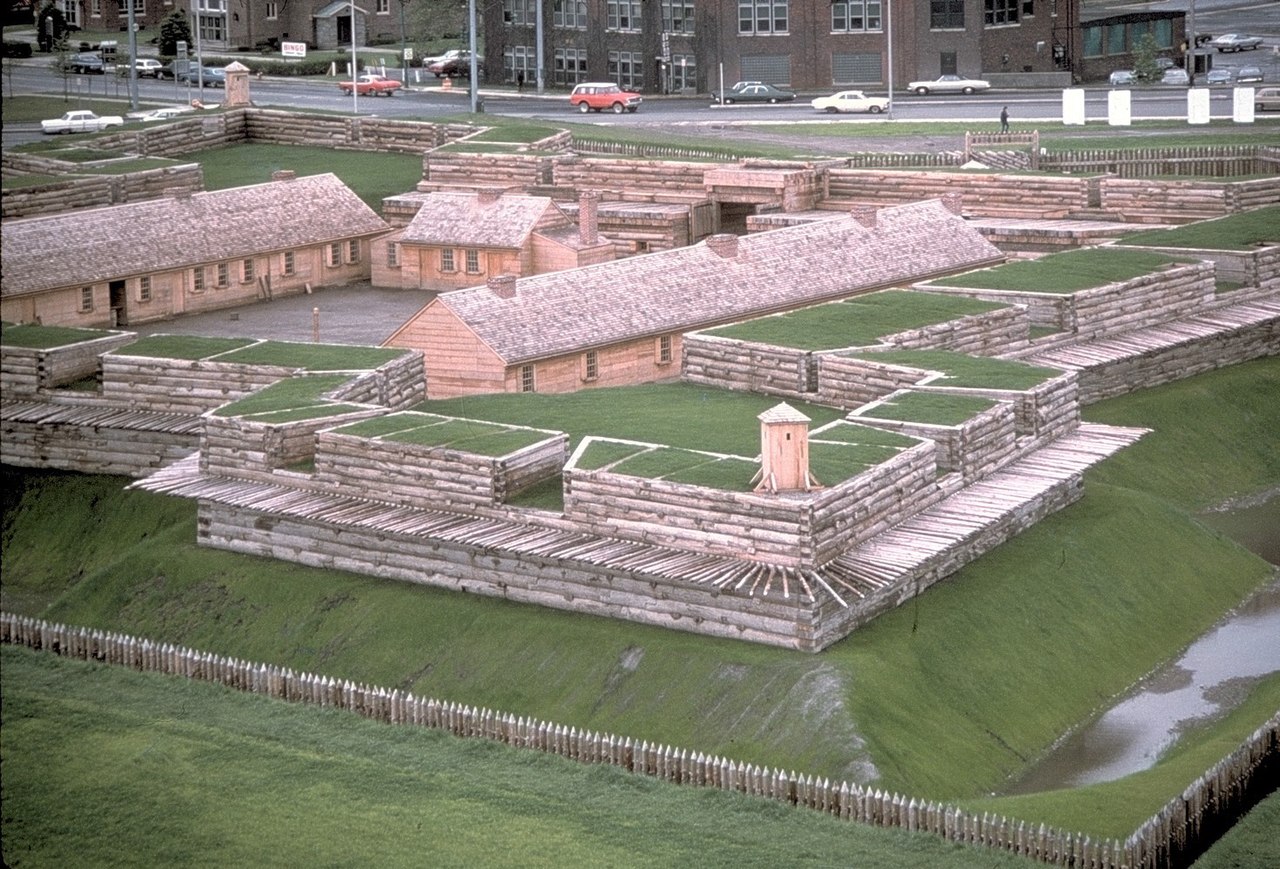
Fort Stanwix sits at a true crossroads: the portage between the Mohawk River and the route toward the Great Lakes. In Aug. 1777, Col. Peter Gansevoort’s garrison held through a siege, blunting the push down the Mohawk Valley during the Saratoga campaign.
The standoff rippled outward, tied to the brutal fighting at Oriskany and the collapse of British momentum in the valley. Because the site is framed by today’s Rome, N.Y., it can still feel unexpected. Rebuilt walls, clear sightlines, and strong interpretation keep the story crisp, and 2026 attention is likely to widen beyond the usual headline stops. It rewards a slow lap.
Stony Point Battlefield, New York
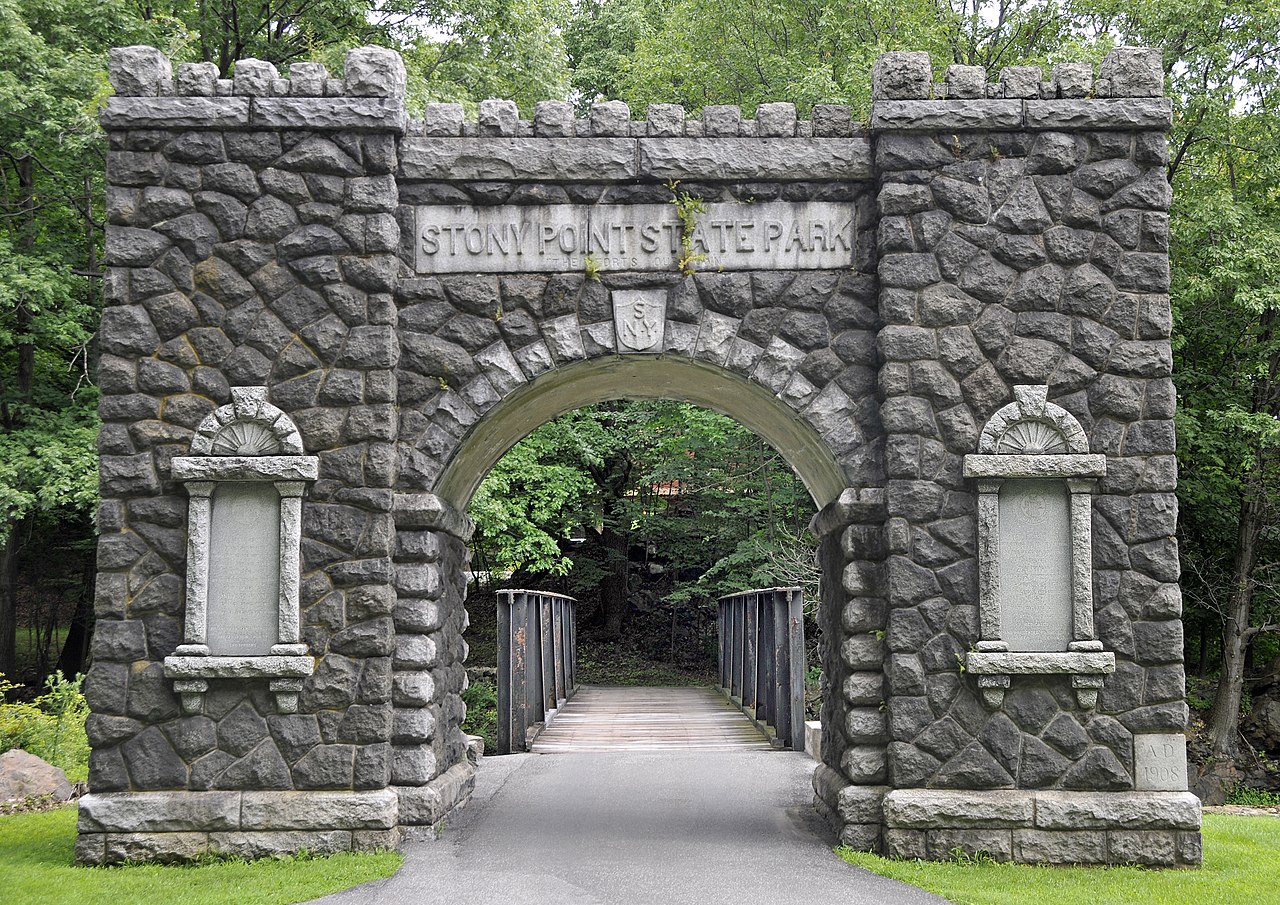
Stony Point rises like a clenched fist from the Hudson, a narrow promontory once fortified to threaten traffic and watch West Point upriver. On July 16, 1779, Anthony Wayne led a night assault that relied on speed, surprise, and cold steel to take the position.
The terrain still does the explaining: steep approaches, tight angles, and a river that feels like a moat. Unlike the biggest Revolutionary War parks, Stony Point often stays calm, giving reenactment-style drama without the noise. As 2026 travel planning turns toward the Hudson Valley, this quick, daring victory is set to draw fresh curiosity. The fighting ended quickly.
Moores Creek Bridge, North Carolina
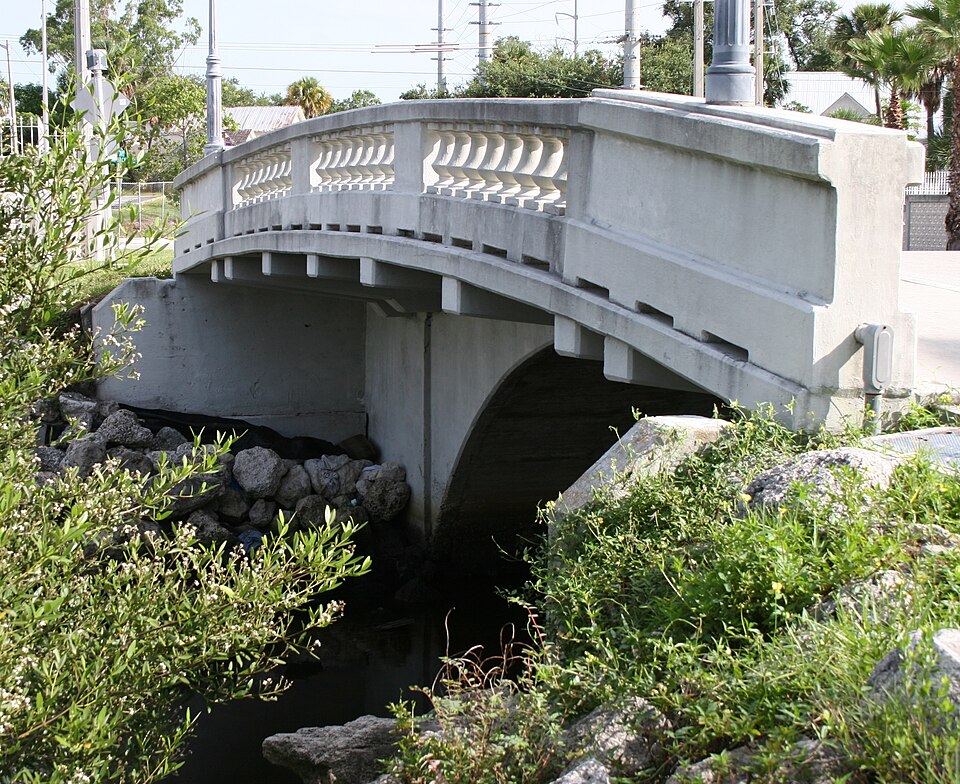
Moores Creek Bridge is not a grand battlefield, which is part of its power. At daybreak on Feb. 27, 1776, Patriots faced Loyalists, many armed with broadswords, as they charged a partially dismantled crossing in coastal North Carolina.
A short walk through pines leads to earthworks and the creek itself, where the geometry of the fight suddenly makes sense. The victory helped snuff out royal authority in the colony early, and it still feels like a hinge moment that most road trips miss. With 2026 attention spreading beyond the original thirteen capitals, this early, local clash is poised to get its due. The air stays hushed.
Guilford Courthouse, North Carolina
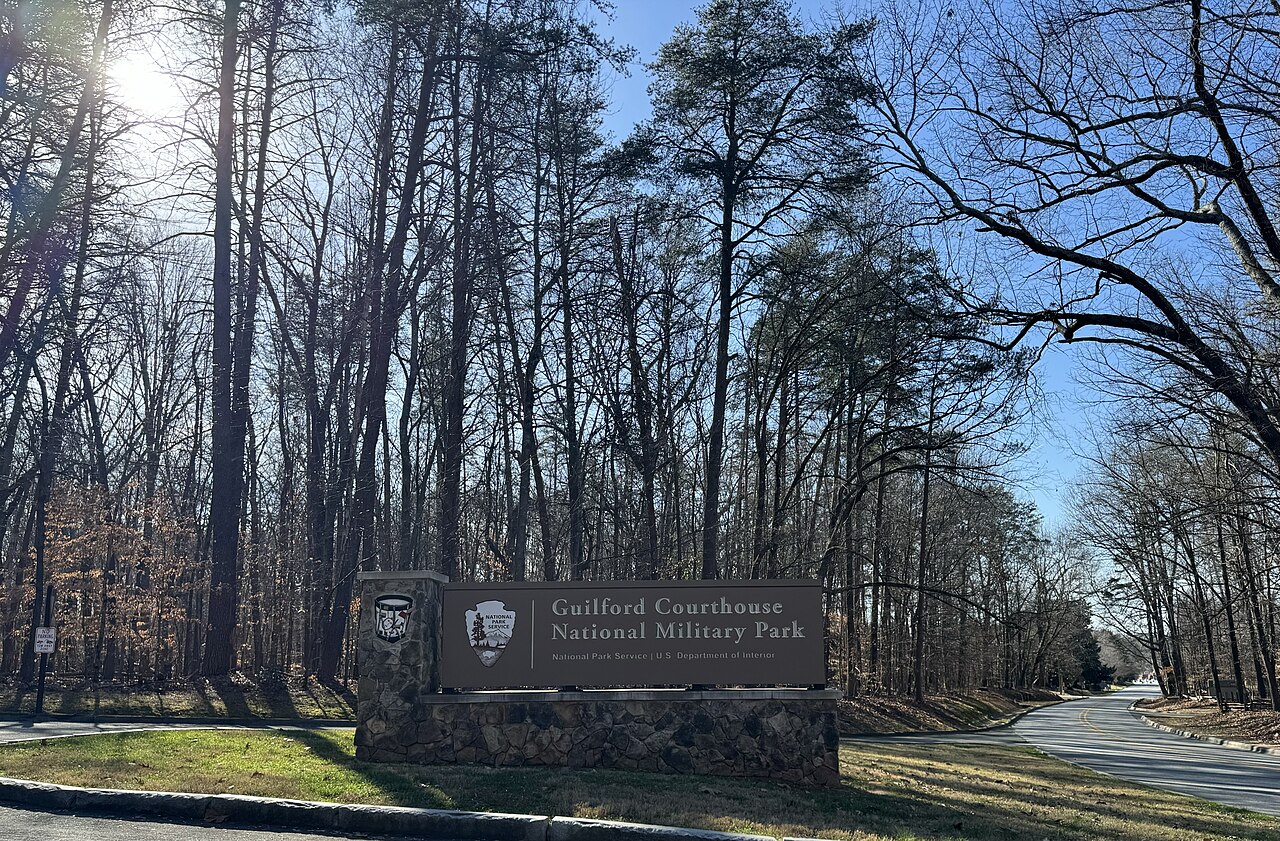
Guilford Courthouse is where the southern war turned into a slow bleed. On March 15, 1781, Nathanael Greene fought Cornwallis near today’s Greensboro, N.C., and the British held the field but paid dearly in losses.
That paradox is the park’s theme: tactical win, strategic damage. Cornwallis moved to the coast to regroup, a choice that nudged the campaign toward its final act. Trails, monuments, and lawns trace the lines in a way that feels readable for newcomers, while still honoring the violence. In 2026, travelers looking past Yorktown’s finale may find Guilford’s aftermath explains why the endgame unfolded the way it did.
Cowpens, South Carolina
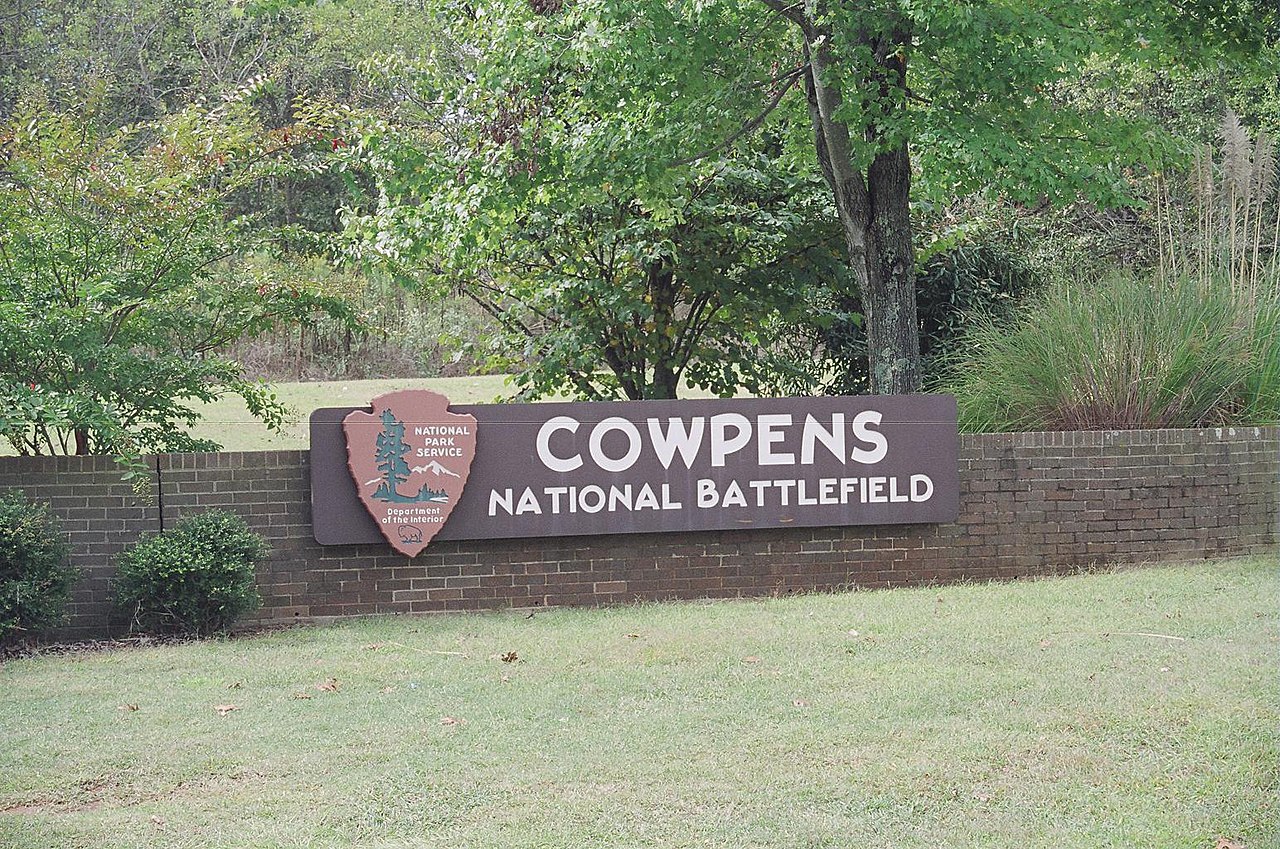
Cowpens is a pastureland name that hides a masterpiece of battlefield psychology. On Jan. 17, 1781, Daniel Morgan faced Banastre Tarleton and set a trap that used militia volleys, disciplined Continentals, and cavalry timing to break the British line.
The field is open enough to picture the choreography, yet quiet enough to hear how close it all ran to panic. Interpretive trails keep the focus on decision-making, not myths, which makes the story feel modern. As America 250 travel heat spreads through the Upcountry, Cowpens may become a must-stop for anyone tracking how the southern campaign flipped. It is small, and decisive.
Ninety Six, South Carolina
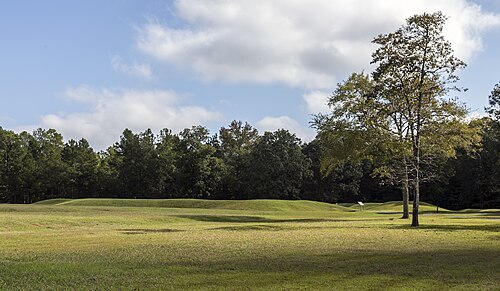
Ninety Six sounds like a joke until the ground starts talking. In 1781, Greene laid siege to the British post here for 28 days, focusing on the earthen Star Fort whose sharp points still read like a diagram pressed into clay.
The fort’s walls remain largely original, and the walk out to them builds suspense in a way a textbook never can. Because the site sits away from the coastal tour circuit, it is easy to pair with other backcountry stops without fighting crowds. As 2026 spotlights the Revolution’s southern spine, Ninety Six may shift from footnote to centerpiece for travelers who want the war beyond the coast. It is fieldcraft.