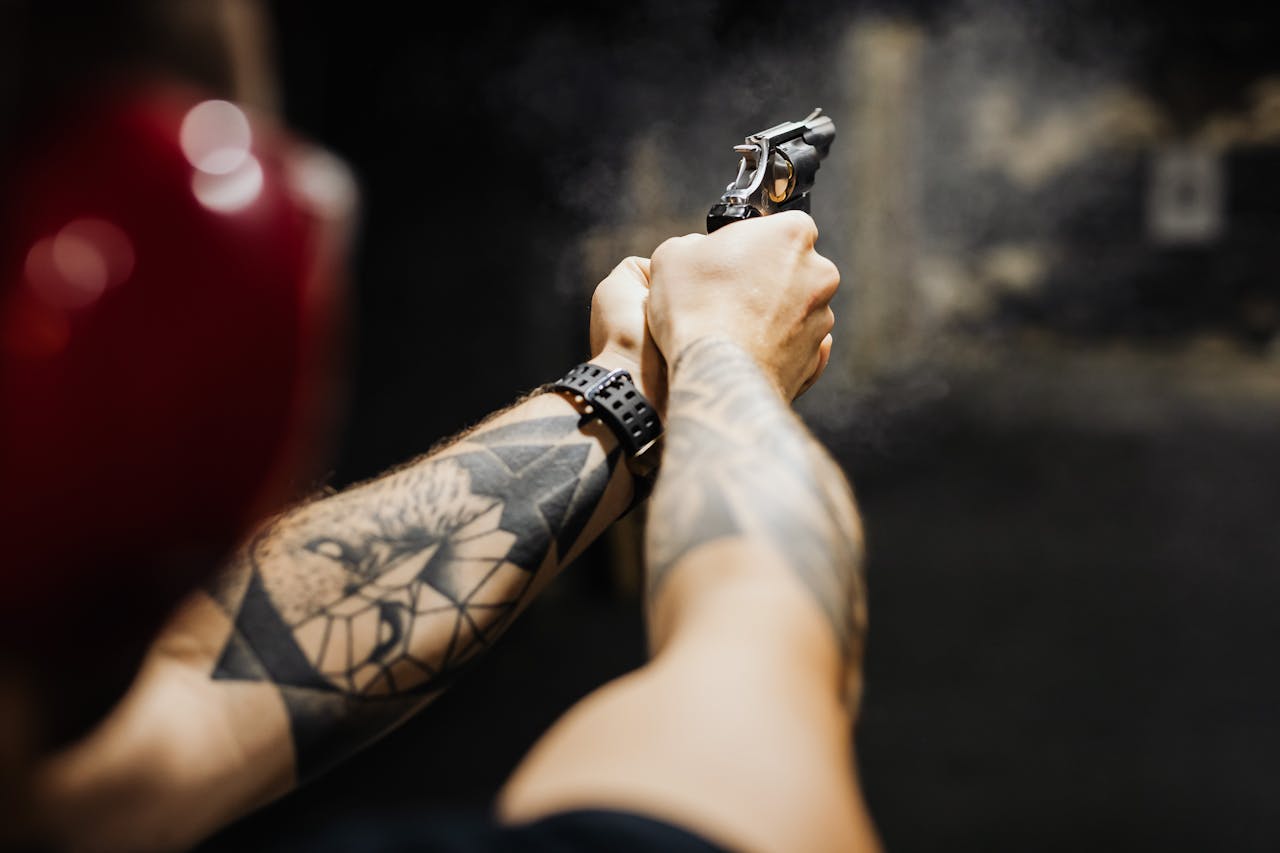
Movies train our brains to treat gun handling like a shortcut to control, when real life is messier and unforgiving.
A lot of on-screen confidence comes from edits, sound design, and choreographed spacing, not from how firearms behave.
That gap matters because myths do not stay on the screen; they shape decisions in cars, homes, and crowded public places.
People copy the vibe, not the facts, and the vibe says you can improvise, stay calm, and still hit what you aim at.
Real safety starts with humility, because stress, noise, and movement make simple tasks feel suddenly complicated.
Legal reality is just as harsh, since one bad choice can trigger charges, lawsuits, and consequences you cannot rewind.
This article breaks down the most common film myths and what they get wrong, without glamorizing weapons or tactics.
If you carry, train, or just watch action movies, the goal is the same: replace bravado with safer, clearer thinking.
Perfect Accuracy Under Pressure
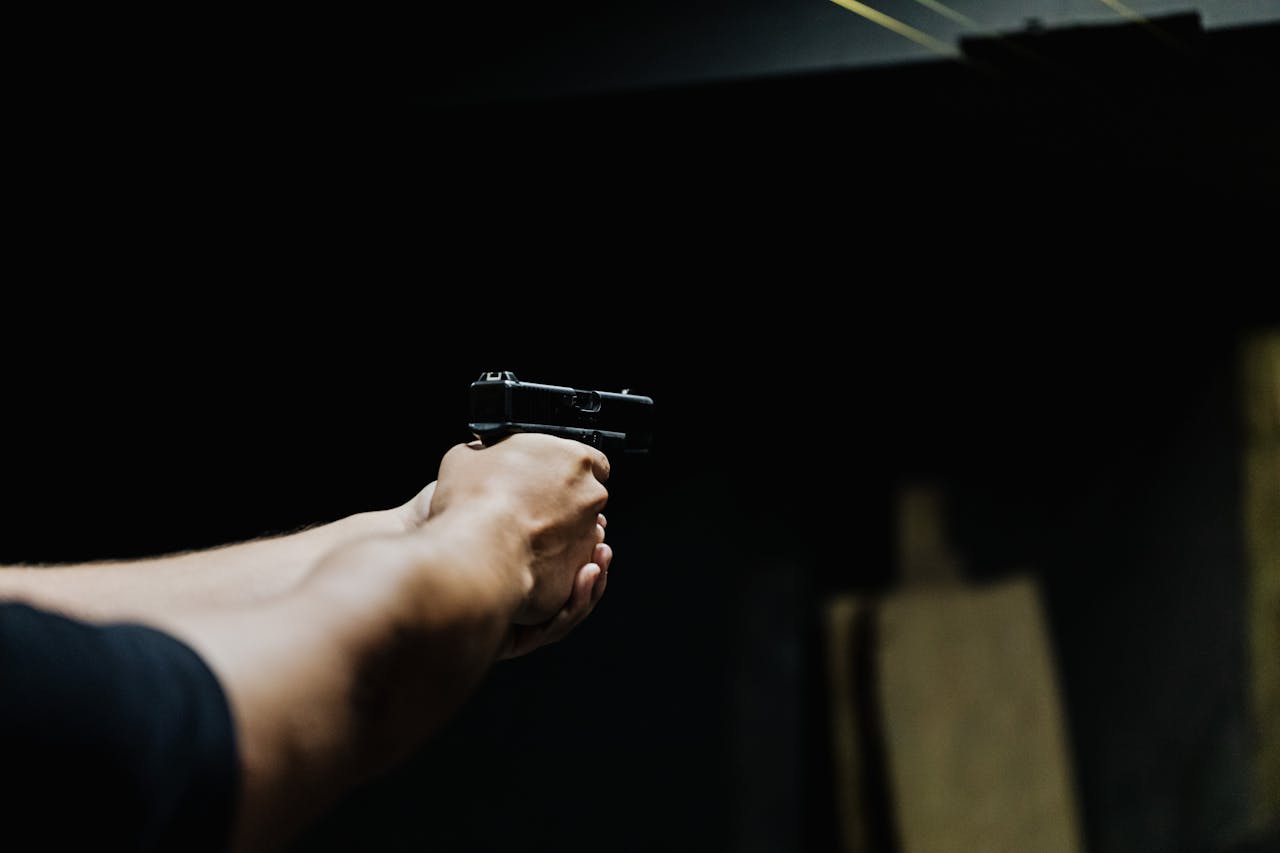
Screen heroes land perfect shots while sprinting, but accuracy collapses when your heart rate spikes and your hands shake.
Action scenes cut out the misses and the pauses. Real aiming takes time, and rushing makes even close targets uncertain.
Movies ignore what sits beyond the target. In real spaces, a small miss can travel far and hit something you never saw.
Treat movie precision as choreography, not a promise, and assume reality demands slower decisions and bigger margins.
Recoil Looks Easy Until It Isn’t
Hollywood recoil looks like a tiny wrist flick, so viewers assume control is natural and repeat shots are effortless.
Real recoil management is about stance, grip, and follow-through. Without practice, the muzzle rises and recovery slows.
Films also hide flinching, which is a normal stress response. Anticipation can pull shots off line before the trigger breaks.
Rapid fire on screen sounds clean and even. In real life, speed adds noise, blur, and a rising chance of missing.
Many scenes show people shooting one-handed for style. That choice costs stability and makes tracking a moving threat harder.
Even experienced shooters slow down when visibility is poor. Low light turns confident aiming into guesswork very quickly.
Confidence should come from repetition, not vibes. If you have not trained under stress, assume your skill will degrade.
The safest takeaway is boring: slow is smooth, and smooth is safer, especially when the stakes include bystanders.
Suppressors Are Not Silence
Movies treat suppressors like mute buttons, so people underestimate how loud a gunshot stays and how fast ears can be damaged.
Most suppressors lower peak noise but do not erase it. Outdoors it is still sharp, and indoors it can be painfully intense.
Film sound also hides how disorienting blast pressure feels. A loud shot can scramble your focus and timing for seconds.
Another myth is the calm conversation right after firing. In reality, adrenaline and ringing ears make even simple words hard.
That matters because coordination is safety. If you cannot hear clearly, you misread commands, movement, and where shots came from.
Suppressor myths also fuel bad ethics, framing shooting as tidy and secret. Real incidents draw attention, panic, and fast responses.
Assume noise is part of the risk, and plan for prevention, distance, and de-escalation instead of pretending silence exists.
Infinite Ammo and Invisible Reloads

On screen, magazines last forever, so people forget that ammunition runs out quickly and reloading is a clumsy, time-eating task.
Films skip the parts where hands fumble. Under stress, even a simple reload can fail, and that failure can change everything.
Malfunctions are another edit, even though they happen. A jam is not a cinematic pause; it is a problem you must solve safely.
Ammo myths also encourage spraying shots to look decisive. In reality, each round has accountability and a destination.
If you want realism, count the seconds, not the bullets, and remember that most problems get worse when you rush.
Cover Is Not Whatever You Hide Behind
Movies treat couches, doors, and car panels like shields, which teaches the wrong lesson about what actually stops a bullet.
Many materials only hide you, not protect you. Drywall, thin wood, and sheet metal can be penetrated and send fragments flying.
Glass is another myth factory, shown as harmless glitter. In reality it changes trajectories and adds sharp debris to the chaos.
Vehicles look tough, but most of the body is thin. The engine block may offer cover, yet reaching it safely is rarely simple.
Even if something blocks a round, it might not block fear. People freeze behind bad cover and stop thinking about escape routes.
The smarter frame is distance and angles, not hero poses; if you can leave, leaving is usually the safest option.
Disarm Moves Are Not a Plan
Films make gun grabs look like a slick wrist trick, but real close-range fights are chaotic and highly unpredictable.
At arm’s length, both people can be hurt fast. Even trained professionals avoid disarm fantasies unless there is no alternative.
Trying to snatch a weapon can turn a threat into a struggle, and struggles raise the odds of an unintended discharge. Injuries rise for everyone.
The safer lesson is space: create distance, use barriers, and prioritize escape over a move you saw once in a movie.
Warning Shots and Other Legal Traps
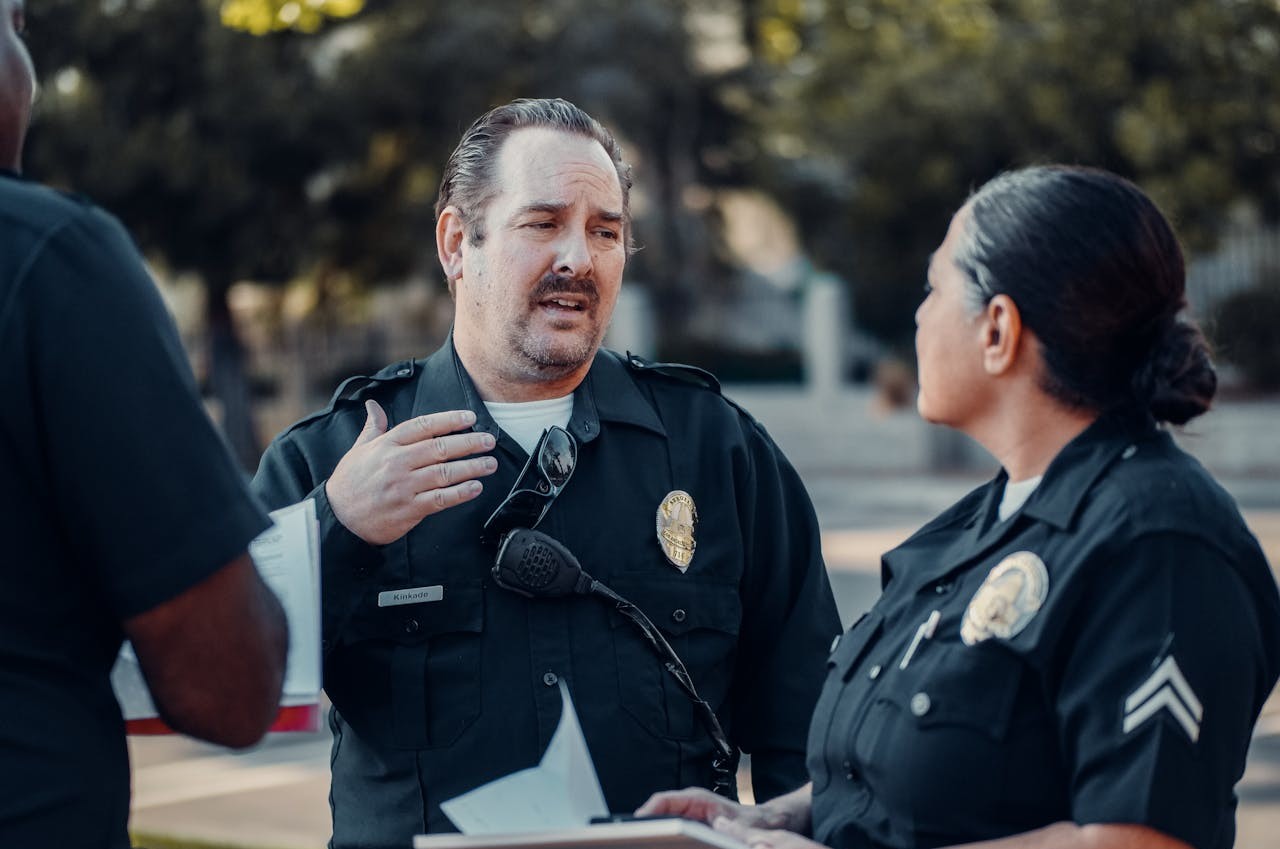
Hollywood loves warning shots, but in many places firing without a clear legal justification can still be treated as a crime.
A shot meant to warn can strike someone or ricochet. It also tells everyone nearby that serious force is already in play.
The safer approach is prevention: secure storage, calm exits, and calling help early, before a bad moment becomes irreversible.
The Aftermath Is the Real Ending
Movies end with a cool walk-away, but real shootings start a long aftermath of investigations, interviews, and emotional shock.
Even a justified act can haunt you. Sleep, relationships, and work often change because your brain replays the event.
Films also skip the bystander perspective, yet those people live with fear and medical bills that do not fade on a credits roll. Their stories matter too.
Responsible thinking means planning for avoidance, training, and safe storage, not for a heroic moment you hope never comes.
Action scenes sell control, but real gun use is noisy, stressful, legally risky, and rarely tidy. Humility keeps people safer too.