Some flavors do more than sweeten a moment; they hold a whole decade in suspension. In postwar America, candy aisles and soda fountains carried treats with odd textures, playful gimmicks, and brand personalities that felt unmistakably new. Many later vanished, were reformulated, or returned in quieter forms that never quite matched memory. What remained was a stubborn gap between taste and recollection, where the mind kept the original sharper than any reissue. These ten classics trace that gap, and the replacements that often felt technically fine yet emotionally wrong, even when labels promised the same old recipe.
Bonomo’s Turkish Taffy Bars
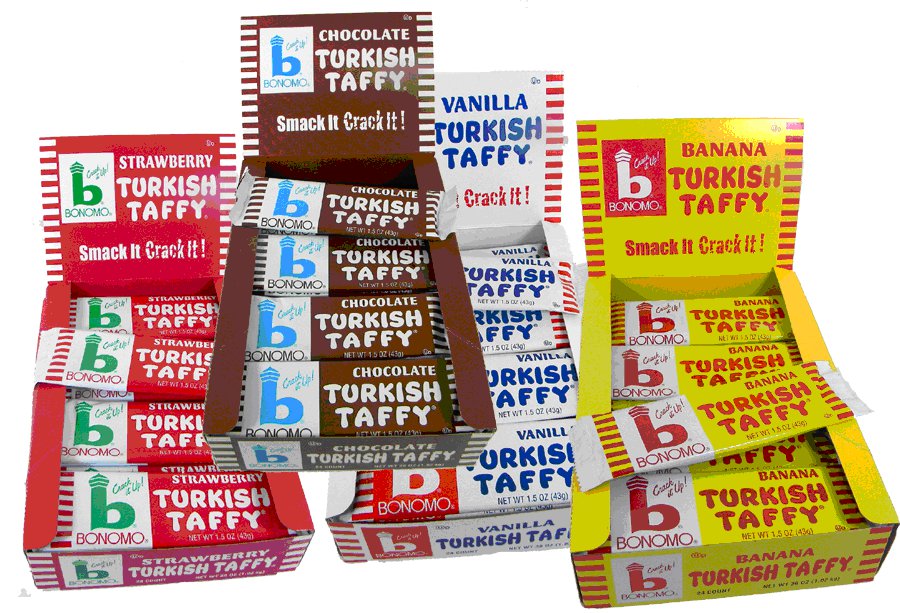
Bonomo’s Turkish Taffy thrived on texture theater. The bar was smacked, cracked into shards, then chewed slowly as edges softened. That ritual mattered as much as flavor, giving the candy a personality modern chewy bars rarely match. In many neighborhoods, kids traded not just pieces but techniques for the perfect break.
When production ended, the loss felt larger than one brand name. A later revival pleased longtime fans, but many still noticed a shift in bite and finish, the kind of difference only memory can measure. The wrapper looked familiar, yet the old snap-then-chew rhythm seemed harder to recover than the logo itself.
Milkshake Bars in Candy Form
Milkshake bars promised diner comfort without the glass: malt notes, creamy sweetness, and that faint vanilla warmth found near chrome counters and spinning stools. They were novelty candy with a very specific target, people who wanted soda-fountain flavor in a coat pocket, anywhere between school and supper.
Modern replacements often chase the same profile with sweeter chocolate and thicker coatings, but they miss the old balance between powdery malt and dairy-like finish. The result can taste louder but less true. What vanished was not just a product idea, it was a careful ratio that let sweetness linger without turning heavy.
Fizzies Drink Tablets
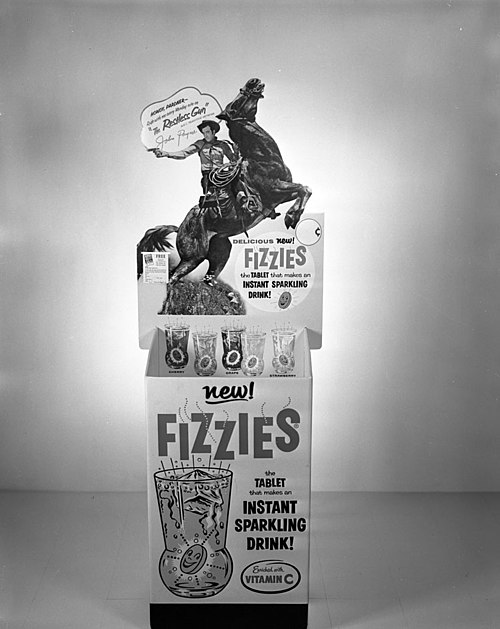
Fizzies turned plain water into a mini science show. Drop a tablet, watch the rush of bubbles, and wait for fruit flavor to spread through the glass. For children of the period, the spectacle was half the pleasure, a kitchen-counter trick that felt like a private soda fountain.
The brand faded after sweetener rules changed and reformulations struggled to keep the same taste-memory chemistry. Later versions surfaced in limited runs, yet many fans said the fizz survived better than the flavor. The old tablets were never only about sweetness; they were about timing, aroma, and that first sharp sip right after the bubbles settled.
The Four-Chamber Sky Bar
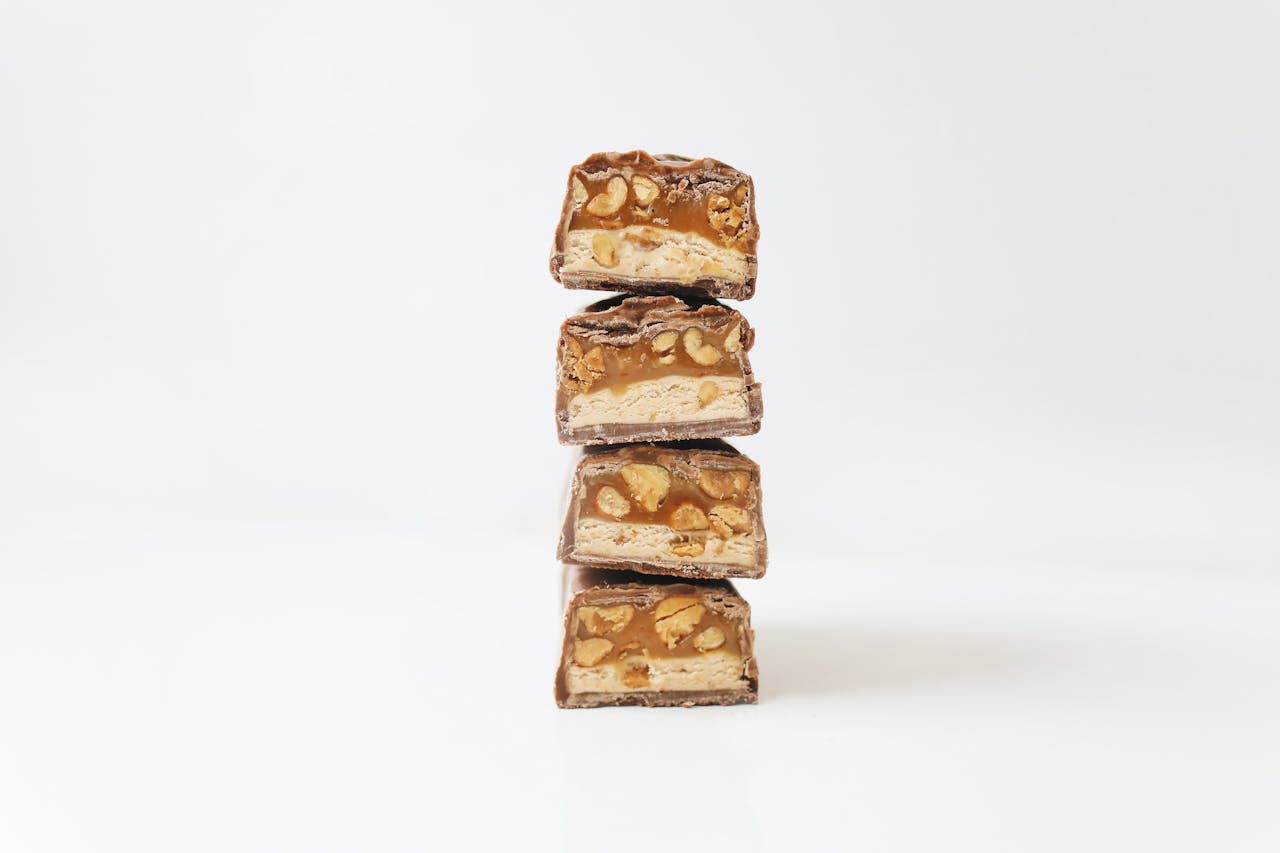
Sky Bar felt futuristic long before modern mashups: one chocolate bar split into four chambers, each with a distinct filling. That built-in variety made it feel generous and slightly theatrical, especially in regional markets where it became a dependable checkout-counter favorite for decades and after-school errands.
When Necco collapsed in 2018, the bar disappeared with much of that old candy ecosystem. It later returned under new ownership, but the interruption changed habits and shelf presence. Fans who grew up with it still praise the format, yet many say the classic era had a character rooted in place, not just ingredients.
The Seven-Up Candy Bar
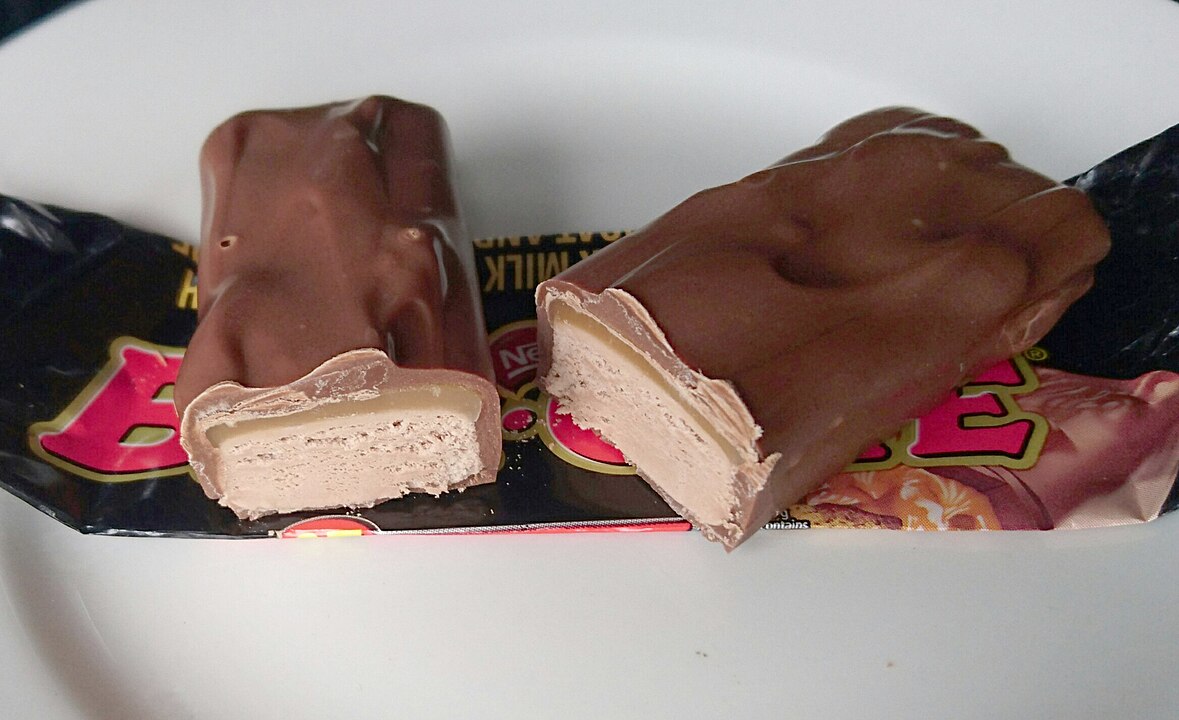
The Seven-Up candy bar packed seven different centers into one long chocolate shell, turning each segment into a small surprise. Coconut, creams, jellies, and nut layers could all appear in one purchase, which made the bar feel like a sampler before sampler boxes were common in most grocery aisles.
Its discontinuation left a specific kind of nostalgia: not merely for sweetness, but for variety in motion, bite after bite. Attempts to imitate the concept usually simplify the fillings or smooth out texture contrasts, which changes the whole experience. The original charm came from unevenness and contrast, not uniform polish.
Ann Page Pecan Nut Roll Bars
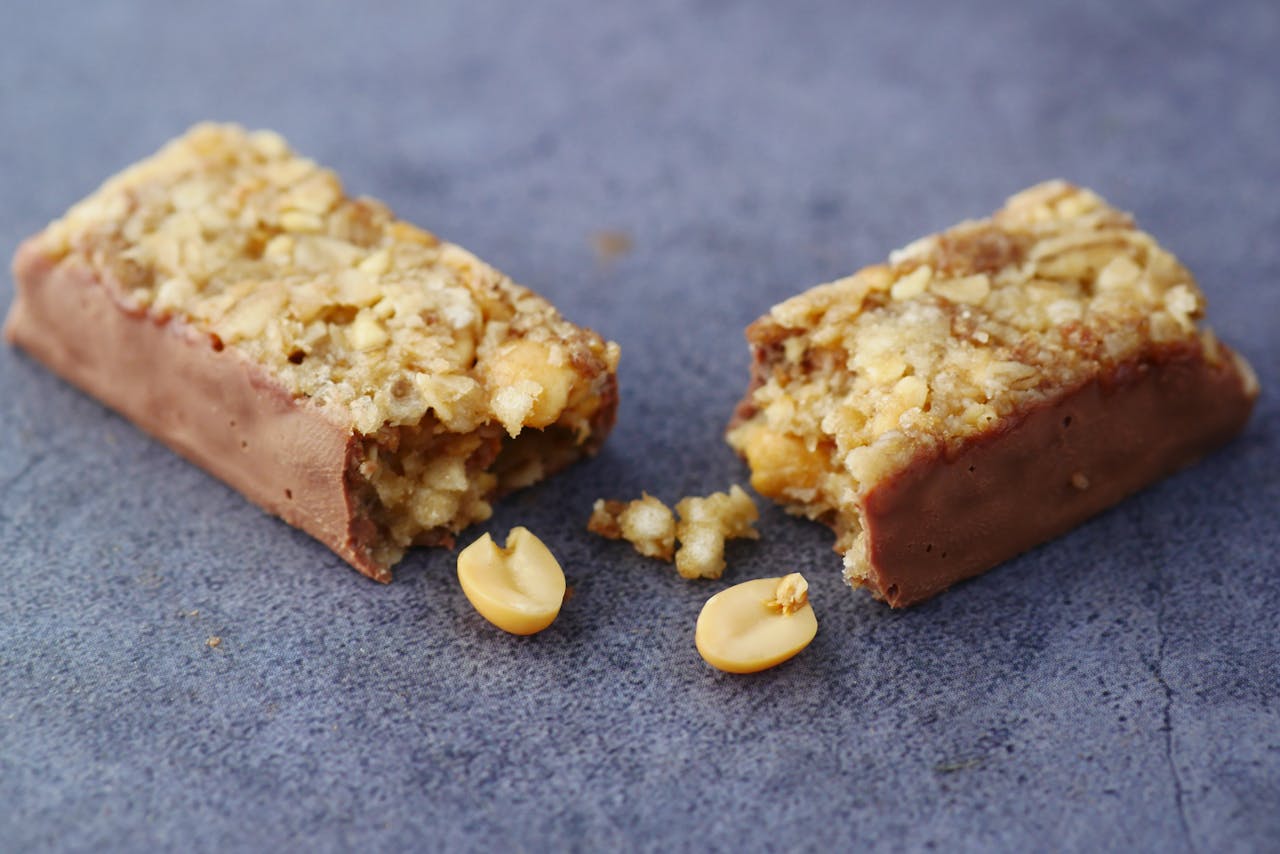
Ann Page pecan nut roll bars carried old grocery-chain nostalgia in a compact form: sweet nougat center, soft caramel layer, and a pecan coating that added roast and crunch. The best versions tasted slightly buttery rather than sugary, with nuts that felt fresh instead of dusty.
As chain private labels shifted and regional formulas disappeared, this style quietly thinned out in mainstream aisles. Modern stand-ins often copy the look but miss the original texture sequence, tender center, sticky wrap, crisp nut finish. What people remember is not a single flavor note, but a precise progression that made each bite feel complete.
Ribbon Candy Beyond the Holidays
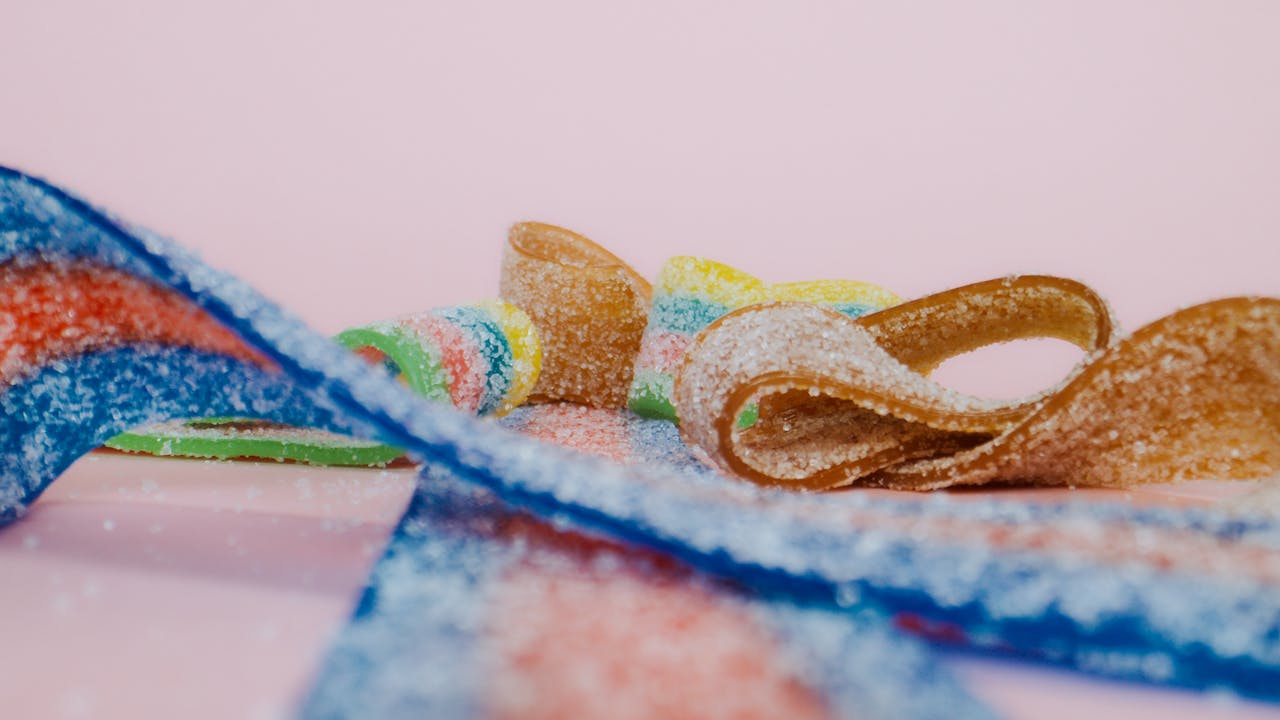
Ribbon candy looked like decoration, but it delivered a flavor-and-texture mix that mattered: thin, glossy curls, quick melt, sudden shatter, then a clean mint or fruit finish. Families often brought it out for holidays, yet its appeal reached far beyond festive tables and candy dishes.
The decline had less to do with love and more to do with fragility. Ribbon candy is difficult to ship, easy to crack, and sensitive to humidity, all bad news for modern logistics. Replacement hard candies survive transport better, but they trade away the delicate snap and hand-crafted feel that made ribbon candy memorable in the first place.
Candy Sticks Once Sold as Smoke Look-Alikes
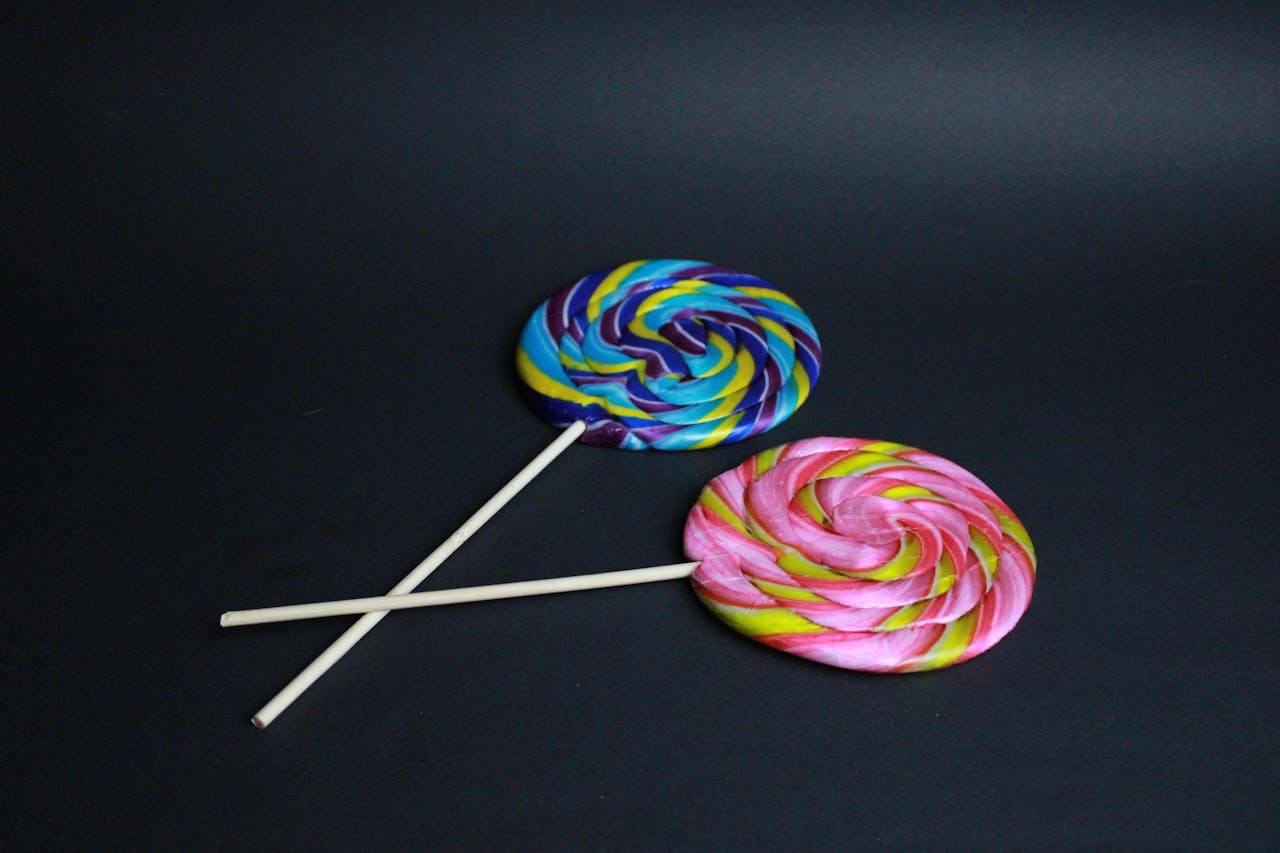
Chalky candy sticks once sold with smoke-look branding were less about taste than imitation. They were props as much as sweets, wrapped and styled to copy adult habits in miniature. By modern standards, the concept reads as uncomfortable, and public opinion shifted over time.
As health messaging around tobacco intensified, many makers changed names, removed visual cues, or moved away from the category. Replacements that remained on shelves leaned into neutral branding, but the old version’s footprint never transferred. For many people, the memory is a snapshot of changing norms more than a craving to bring the original back.
Icebox Cake Wafer Kits
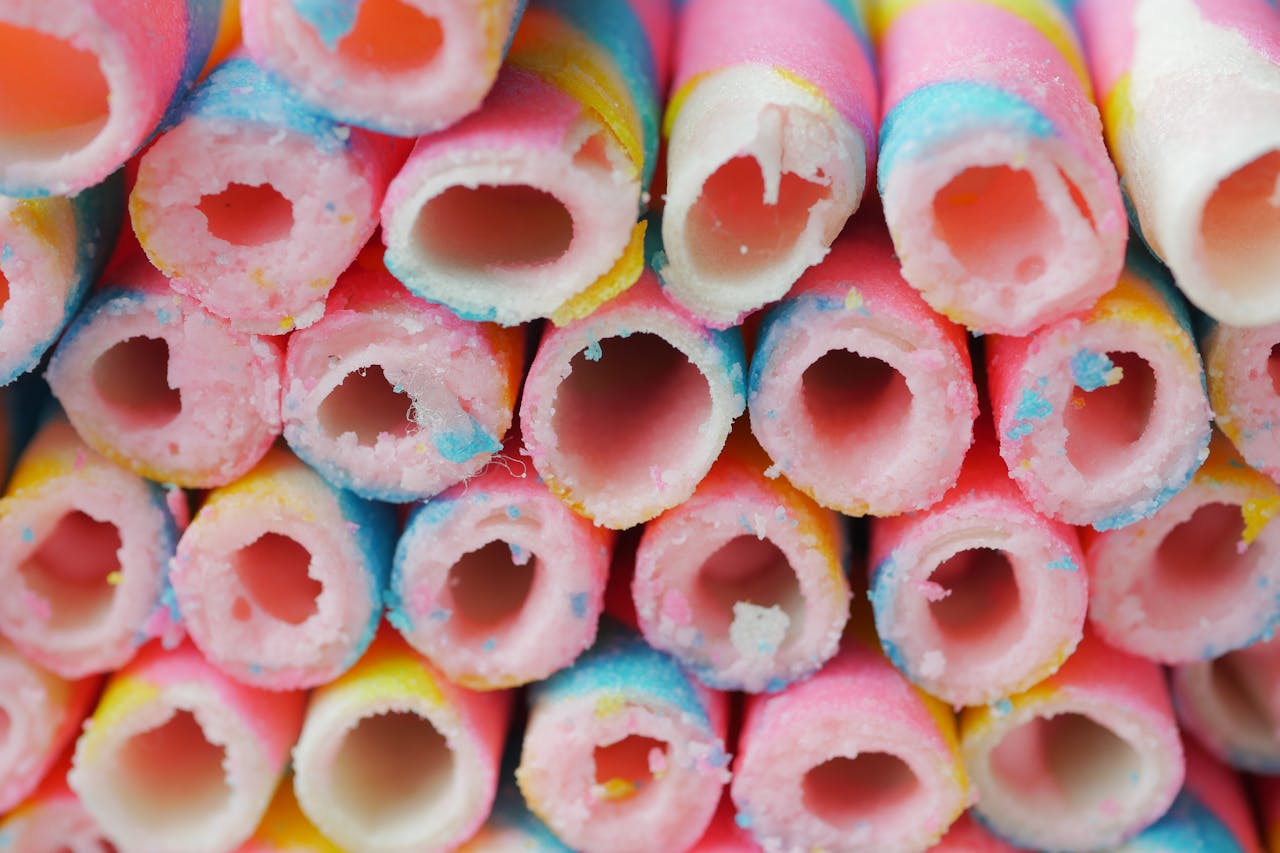
Icebox cake kits and wafer shortcuts made dessert feel immediate: layer, chill, slice, serve. The magic was in transformation, crisp wafers softening overnight into cake-like bands without turning on an oven. For busy households, that convenience felt modern and generous at once.
As product lines shifted, key components disappeared, especially famous wafer staples tied to classic recipes. New substitutes can still build a good cake, but longtime bakers often notice a difference in cocoa depth and structure. The method survives beautifully; the exact taste memory depends on ingredients that no longer sit in every supermarket aisle.
Malted Milk Tablets
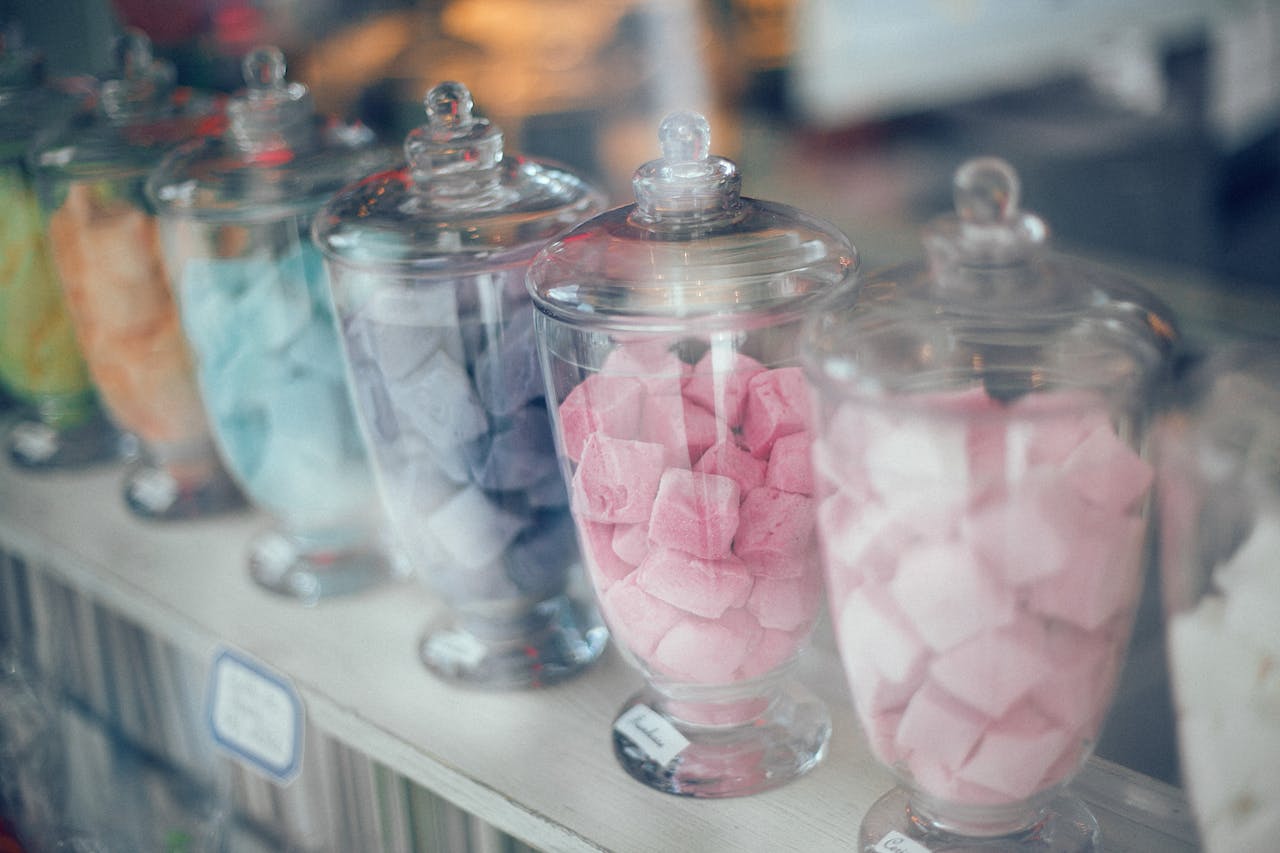
Malted milk tablets were pocketable comfort, mildly sweet, grainy at first, then creamy as they dissolved. They belonged to the soda-fountain world but worked anywhere, desk drawers, school bags, glove boxes. The flavor was quieter than modern candy, built on barley malt warmth rather than sugar fireworks.
That subtle profile became harder to find as snack trends favored bolder coatings and faster flavor hits. Some tablet-style products survive in niche markets, but mainstream shelves largely moved on. What disappeared was a patient kind of sweetness, one that unfolded slowly and left a toasty finish that older brands rarely mimic.