
Slang acts like a time capsule. A phrase can survive for decades, not because it is efficient, but because it carries a soundtrack, a fashion era, and a social mood in a few syllables. People over 26 often still use expressions learned from 1990s sitcoms, early hip-hop, mall culture, and pre-smartphone friend groups, while younger speakers decode only part of the signal. The mismatch is rarely about comprehension alone. It is about lived context. These 12 terms still appear in everyday conversation, and each one reveals how memory keeps language alive long after trend charts move on. That friction is where the humor lives.
All That and a Bag of Chips

In the 1990s, this line meant more than good. It meant someone or something was exceptional, unbeatable, and fully aware of it. The phrase had a braggy rhythm that fit school hallways, sitcom banter, and lunch-table one-upmanship. It could be playful, or it could sting, depending on tone.
The funny part is how specific it sounds to younger ears now. The chips detail feels random until the era context clicks: excess and attitude were the point. Nickelodeon’s “All That,” launched in 1994, helped lock the wording into pop memory, even for people who did not use it daily. It still signals old-school swagger in a single breath.
As If!
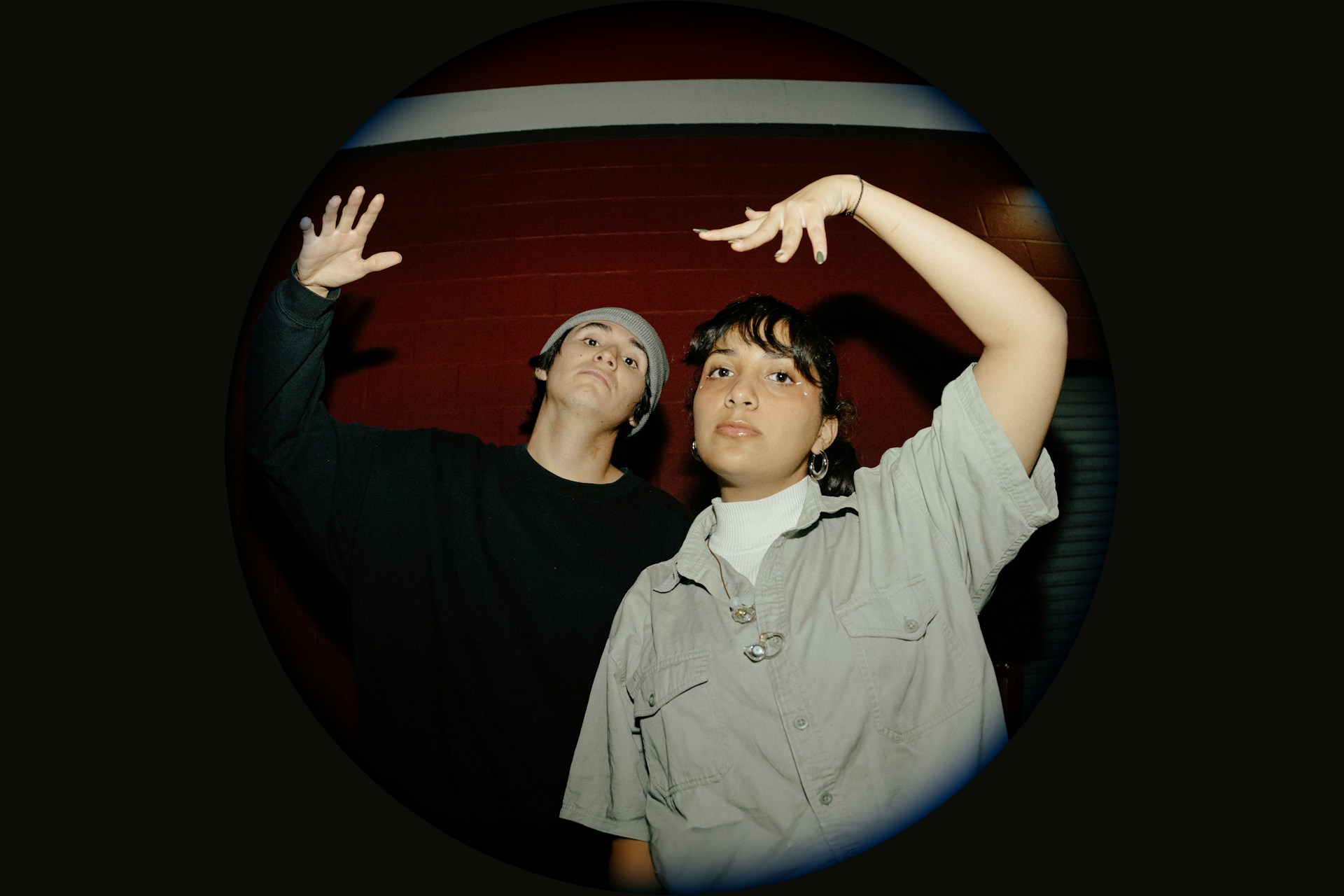
Two words, one eye-roll, zero ambiguity. “As if!” became shorthand for instant disbelief, and the 1995 film “Clueless” blasted it into mainstream speech. The phrase already existed in spoken English, but that movie gave it a face, a tone, and a social script that spread far beyond California teen slang.
People over 26 still use it because it does a lot in very little space. It rejects an idea, signals sarcasm, and keeps the mood light without needing a long argument. Younger speakers may prefer newer reaction slang, but “As if!” still lands with clean comedic timing. Its staying power comes from delivery as much as vocabulary.
Bogus

“Bogus” sounds playful now, but the word started in 1800s American slang tied to counterfeit money and fake coin operations. By the late 20th century, it shifted into everyday judgment: unfair, fake, low-quality, or just plain uncool. That semantic jump is exactly how durable slang survives.
Older millennials and Gen X still reach for it because it is versatile and instantly clear. A bogus excuse, a bogus charge, a bogus story, all of them work without explanation. Younger speakers often swap in newer internet terms, yet “bogus” remains one of the cleanest ways to call out something that does not pass the smell test.
Booyah!

“Booyah!” is pure release: a burst used after a win, a surprise, or a moment that finally breaks right. In the 1990s and early 2000s, it traveled through sports TV and kids’ programming, with ESPN anchor Stuart Scott and Disney’s “Kim Possible” helping keep it audible across very different audiences.
People over 26 still pull it out because it feels cleaner than heavier brag language. It celebrates without sounding mean, and it works in text, speech, and group chats. Younger users often choose emojis or newer hype words, but “Booyah!” still carries a distinct throwback energy that reads instantly. It is loud, simple, and memorable.
Catch You on the Flip Side
This sign-off came from vinyl culture, where records had an A side and a B side, the literal flip side. In the 1970s it spread through radio and CB-era speech, then settled into a friendly way to signal parting for now. Even people who never touched a turntable inherited the phrase from older siblings and rerun-era dialogue.
Why does it persist among adults over 26? Because it sounds warmer than a blunt goodbye. It implies return, not distance. Younger speakers may default to quick abbreviations, but this one still feels human, rhythmic, and just odd enough to be remembered after the conversation ends. The metaphor still lands.
Chillin’
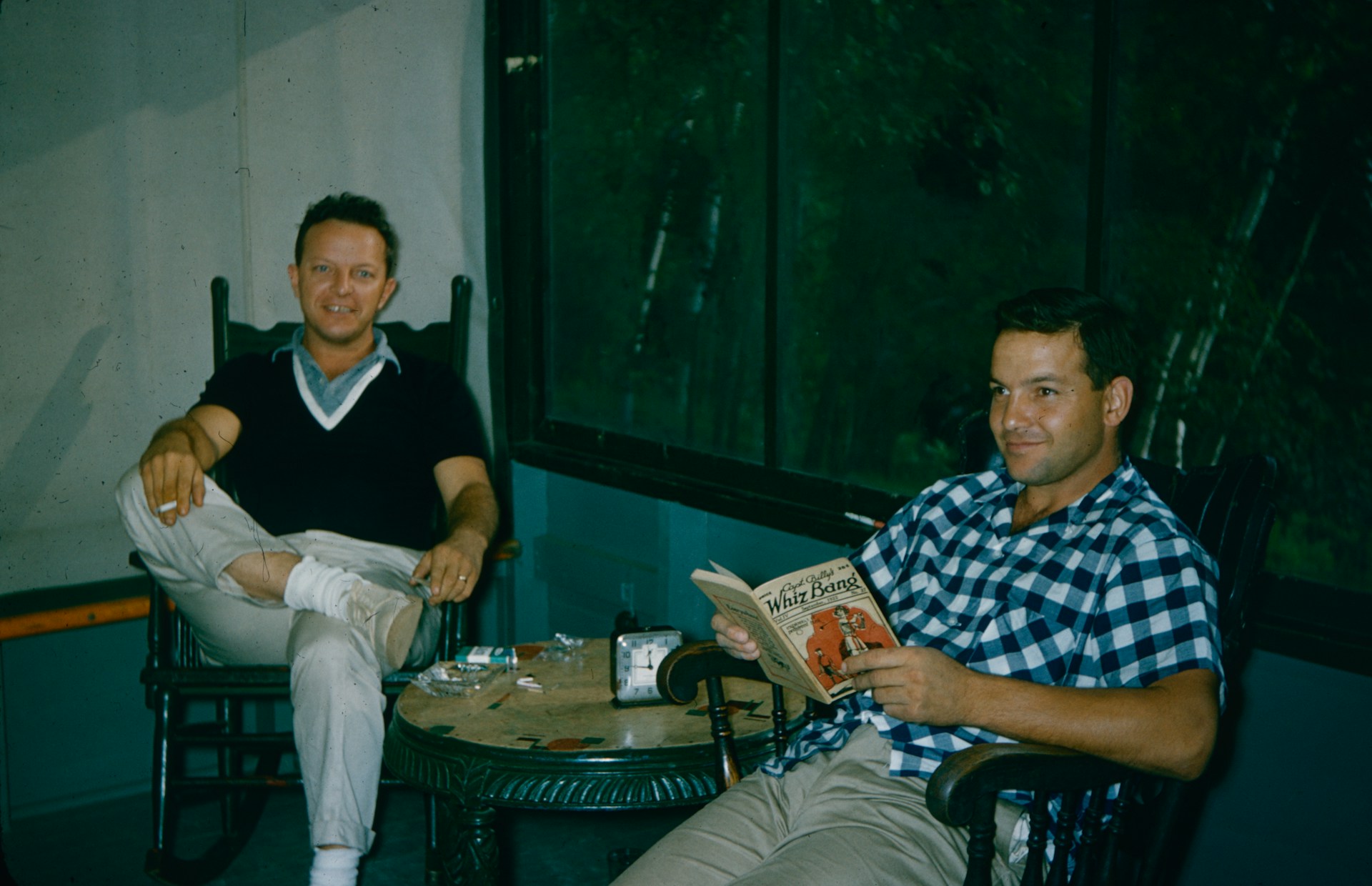
“Chillin’” has lasted because it names a mood people keep rediscovering. It appeared in early hip-hop records, including “Rapper’s Delight” in 1979, and later spread into mainstream speech as a low-pressure way to say relaxing, hanging out, or doing very little on purpose. The clipped ending gives it casual musicality.
Adults over 26 still use it because it avoids drama and status talk. It can describe a quiet night, a calm weekend, or even a social refusal without sounding harsh. Younger speakers may rotate faster trend terms, but “chillin’” survives because it describes a social need: space to breathe without explanation.
Cool Beans

“Cool beans” is agreement with personality. It means okay, sounds good, or that works, but with a wink that makes routine coordination feel less mechanical. The phrase circulated in youth speech by the 1970s and stayed visible through 1980s and 1990s TV dialogue, where it often marked cheerful, low-stakes approval.
People over 26 keep it alive because it softens conversation without turning formal. It can close a plan, accept a favor, or ease tension after confusion. Younger listeners may hear it as retro goofy, and that is partly the point. It signals friendliness first, coolness second, which is why it remains socially useful.
Crib
“Crib” for home predates modern pop culture, but television made it feel global. MTV’s “Cribs,” which premiered in 2000, turned private houses into a public spectacle and reintroduced the term to a new generation. In slang, saying someone is at their crib implies comfort, territory, and social identity all at once.
Adults over 26 still use it because it sounds less formal than home and less intimate than my place. It can be playful without feeling childish. Younger speakers understand it, but often reserve it for irony or throwback tone. For older speakers, it remains a default code for domestic space with personality.
Fo’ Shizzle

“Fo’ shizzle” means for sure, but tone is the real message. The phrase rose through late 1990s and early 2000s hip-hop speech, then crossed into mainstream comedy, radio, and casual banter. The Oxford English Dictionary traces “shizzle” to the late 1990s, a marker for how quickly music-driven slang can move into formal lexicons.
Adults over 26 still use it mostly for playful emphasis. It turns a flat yes into something performative, rhythmic, and theatrical. Younger speakers often treat it as retro, yet that is exactly why it remains alive: it can signal agreement and self-aware humor in the same breath. That combo is rare.
Fo’ Sho’

“Fo’ sho’” is the compact cousin of “fo’ shizzle.” It means for sure, and its clipped spelling mirrors spoken pronunciation patterns long present in regional U.S. English. In the 1990s, hip-hop visibility and pop media pushed it well beyond local scenes, turning it into a broadly recognized marker of casual agreement.
Adults over 26 still use it because it is quick, clear, and socially flexible. It can sound sincere in one moment, teasing in the next, without changing the words. Younger speakers often treat it as throwback slang, but instant recognition keeps it useful. A short phrase that everyone decodes rarely disappears.
Fresh

In slang, “fresh” shifted from literally new to socially impressive: stylish, sharp, and current. The term traveled through music and street speech for decades, then reached wider TV audiences during the 1990s through “The Fresh Prince of Bel-Air.” Its power is precision. One word can praise taste, timing, and confidence at once.
Adults over 26 still use it because it works across contexts. A jacket can be fresh, a beat can be fresh, and a joke can be fresh. Younger speakers often rotate newer approval terms, but this one remains easy to decode. When praise is quick, clear, and flexible, it tends to survive trend cycles.
Gnarly

Originally tied to rough texture, “gnarly” was adopted by surfers in the 1960s and 1970s to describe dangerous, difficult waves. Later it spread into broader youth slang, where it could mean extreme in either direction: amazing or awful, depending on context. Few words carry that dual charge as neatly.
Adults over 26 still use it because it captures intensity without overexplaining. A gnarly deadline, a gnarly trail, a gnarly story, each one conveys edge and effort. Younger speakers may reserve it for irony, but the term remains efficient because it blends risk, admiration, and chaos in one punch. That range keeps it alive.