Cruising still sells the fantasy of unpacking once and waking up somewhere new, but the emotional pull has shifted. Many Americans now talk about cruises the way they talk about airports: useful, sometimes fun, yet rarely magical.
What changed is not one dramatic dealbreaker. It is the slow pileup of small frictions: higher costs, denser crowds, louder upsells, and a sense that the best moments require extra planning or extra payment.
Forecasts still point to record passenger totals, yet plenty of travelers describe a thinner kind of excitement for families now, like a favorite song played too often. Here is why.
Sticker Prices Rose, Then The Add-Ons Took Over
Base fares can still look tempting, but the final bill often lands higher than expected once taxes, port fees, gratuities, and packages stack up. Travelers who remember bargain-era cruising can feel priced out before sailing day.
Some itineraries now include new government charges tied to ports of call, and cruise lines pass them along as separate line items. Then come drinks, Wi-Fi, specialty dining, excursions, and premium seating for popular venues that used to feel included.
When a getaway starts with math and ends with surprise charges, the mood shifts. The trip becomes a hunt for value, not a carefree splurge.
Mega-Ships Mean Mega-Crowds
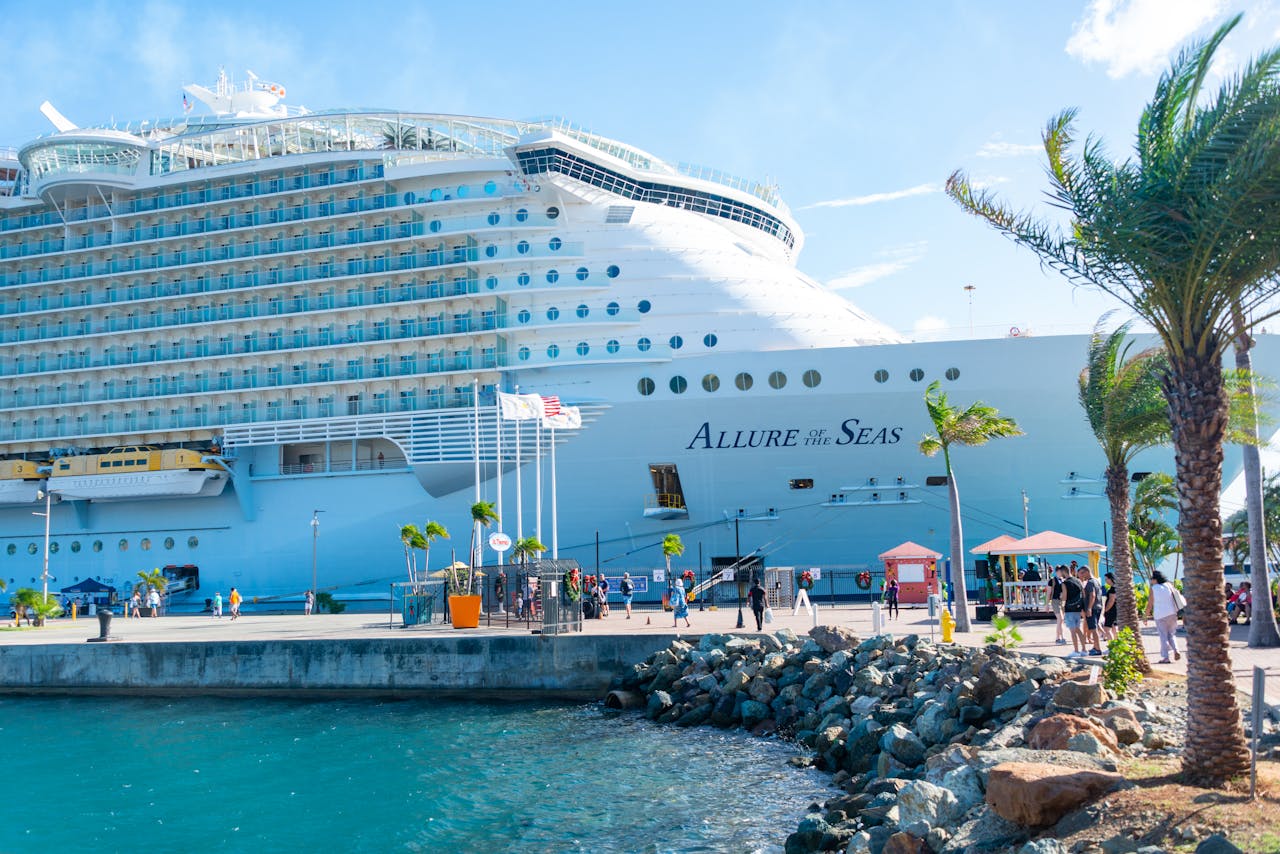
Newer ships pack in more cabins, more restaurants, and more attractions, but the human density can be hard to ignore. Lines form for elevators, coffee, slides, and the few quiet corners everyone wants.
On sea days, the pool deck can feel like a game of timing, not relaxation. Dining rooms book up in waves, and popular venues can require arriving early just to stand a chance at a seat.
Reservations replace spontaneity, and the ship starts to resemble a floating resort during a holiday weekend. Even when the entertainment is great, the constant background bustle can make the experience feel less like escape today for many.
The Best Experiences Move Behind Paywalls
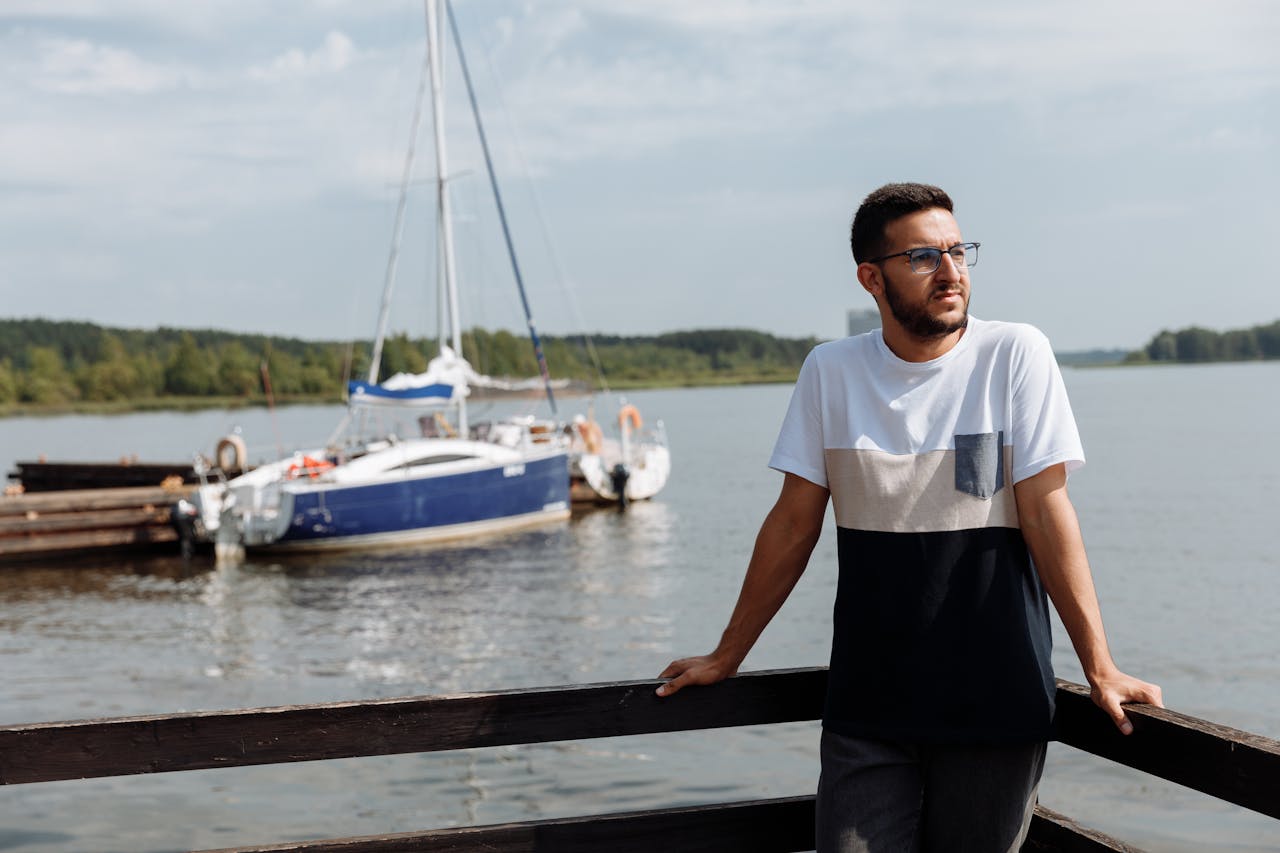
On many sailings, the most memorable meals, lounges, and small-group activities sit in an extra-cost layer. That can leave the included options feeling busier, louder, or more repetitive as the week goes on.
Private islands, specialty restaurants, chef’s tables, and priority boarding are marketed as the way to do it right. Add reserved seating and spa passes, and the ship starts to feel segmented by price tier.
The message is subtle but clear: the baseline is fine, but the real sparkle is an upgrade. When delight depends on add-ons, enthusiasm gets conditional, and some Americans stop seeing cruising as a true all-in escape.
Port Days Feel Shorter And More Crowded
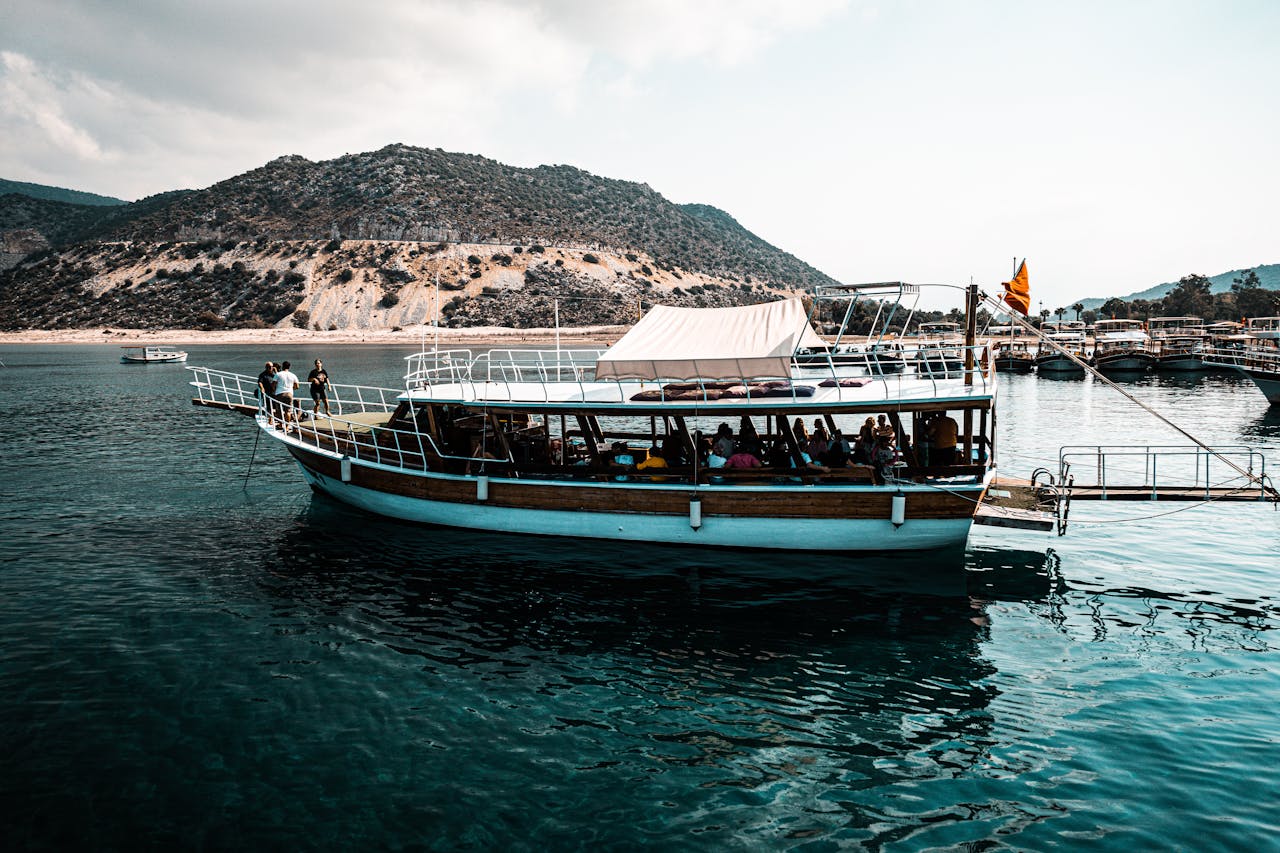
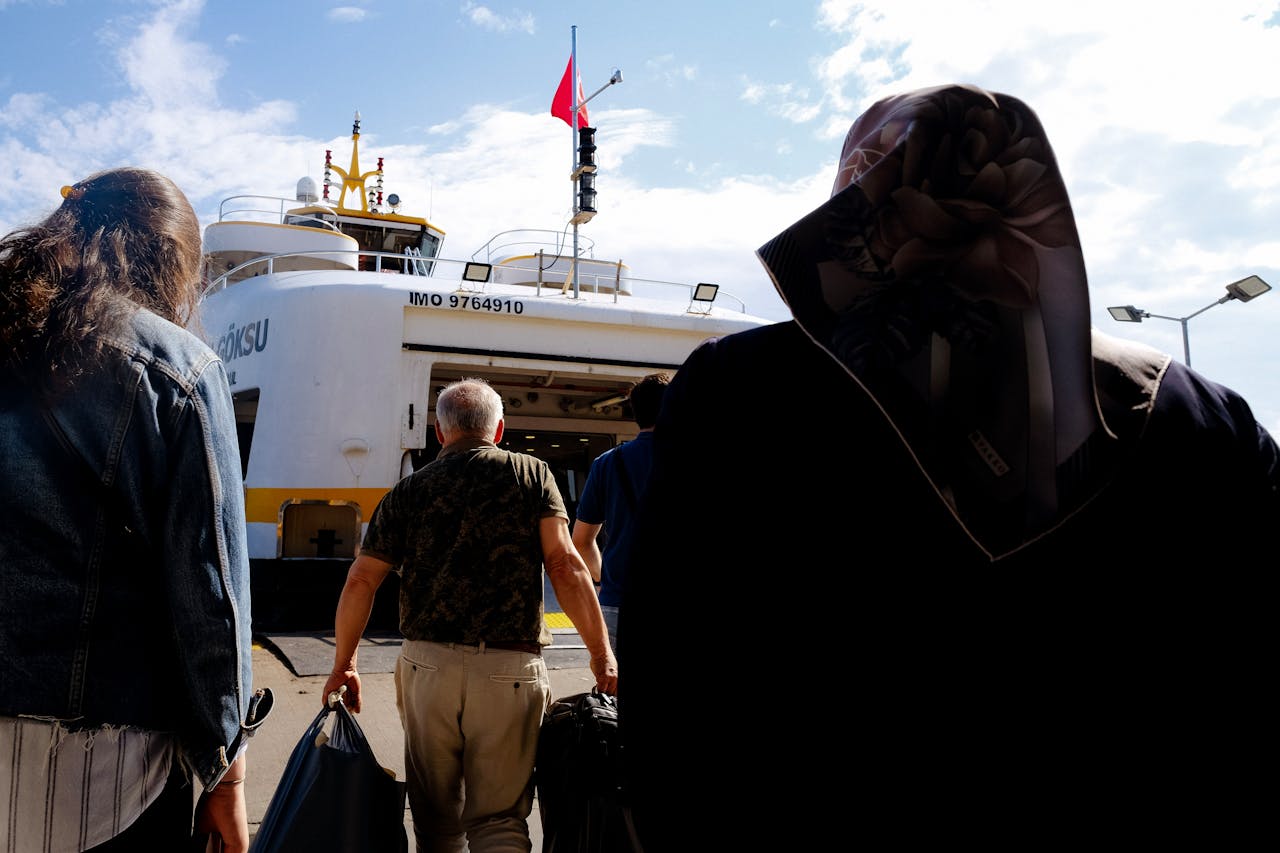
Many classic itineraries are still beautiful, but the rhythm can feel rushed: early disembarkation, a tight window ashore, then back onboard by late afternoon. Time in port can feel borrowed, not savored.
In popular stops, multiple ships can arrive at once and funnel thousands of people into the same historic districts. Shuttles clog, tours sell out, and tender boats or security lines can quietly steal an hour before sightseeing even begins.
When shore time becomes a timed sprint through bottlenecks, the romance thins. More Americans decide a land trip offers deeper, slower memories, even if it means unpacking more than once.
Health Anxiety Never Fully Left
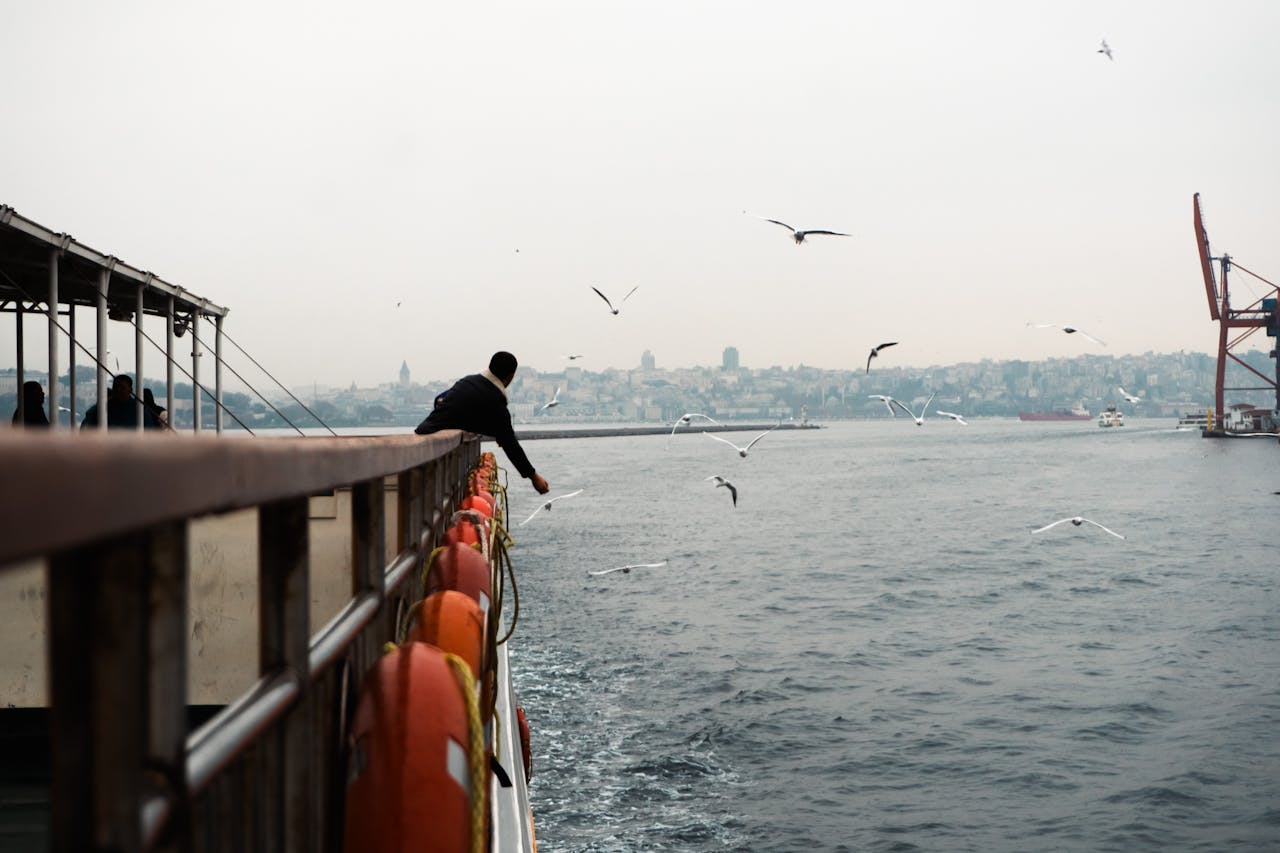
Even when ships score well on sanitation inspections, news of gastrointestinal outbreaks travels fast and sticks in the mind. Close quarters, shared serving areas, and high-touch surfaces make some travelers wary before packing a suitcase.
The CDC publishes outbreak updates through its Vessel Sanitation Program, keeping the topic visible beyond rumor. Reports can spread across social feeds in minutes, and one headline can overshadow weeks of smooth sailing.
Vacations are supposed to feel restorative. When a trip carries an undercurrent of worry about getting sick, excitement gets replaced by careful choices and backup plans.
Service Feels Stretched On Busy Voyages
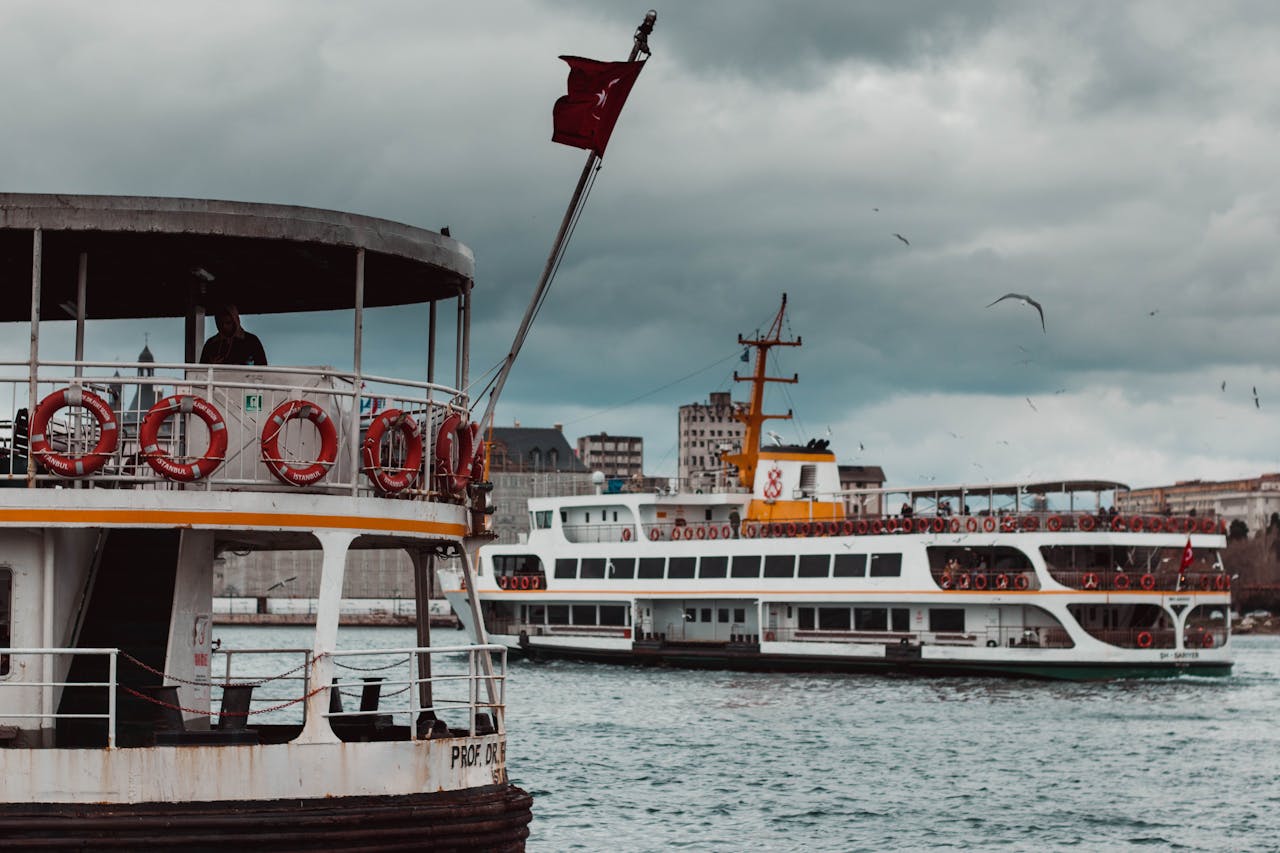
Cruise lines rely on large, hardworking crews, yet fuller ships can make service feel thinner in dining rooms, bars, and stateroom corridors. Small delays multiply when thousands of people follow the same timetable.
Some guests notice slower drink service, longer waits for housekeeping touches, and a more scripted feel to interactions. Even when staff are genuinely kind, the pace can make the experience feel less personal than it once did.
Hospitality is where cruising earns loyalty. When that warmth feels stretched on busy voyages, repeat guests start looking elsewhere for the calm, attentive comfort they expect now.
Cabin Comfort Shrinks As The Ship Grows
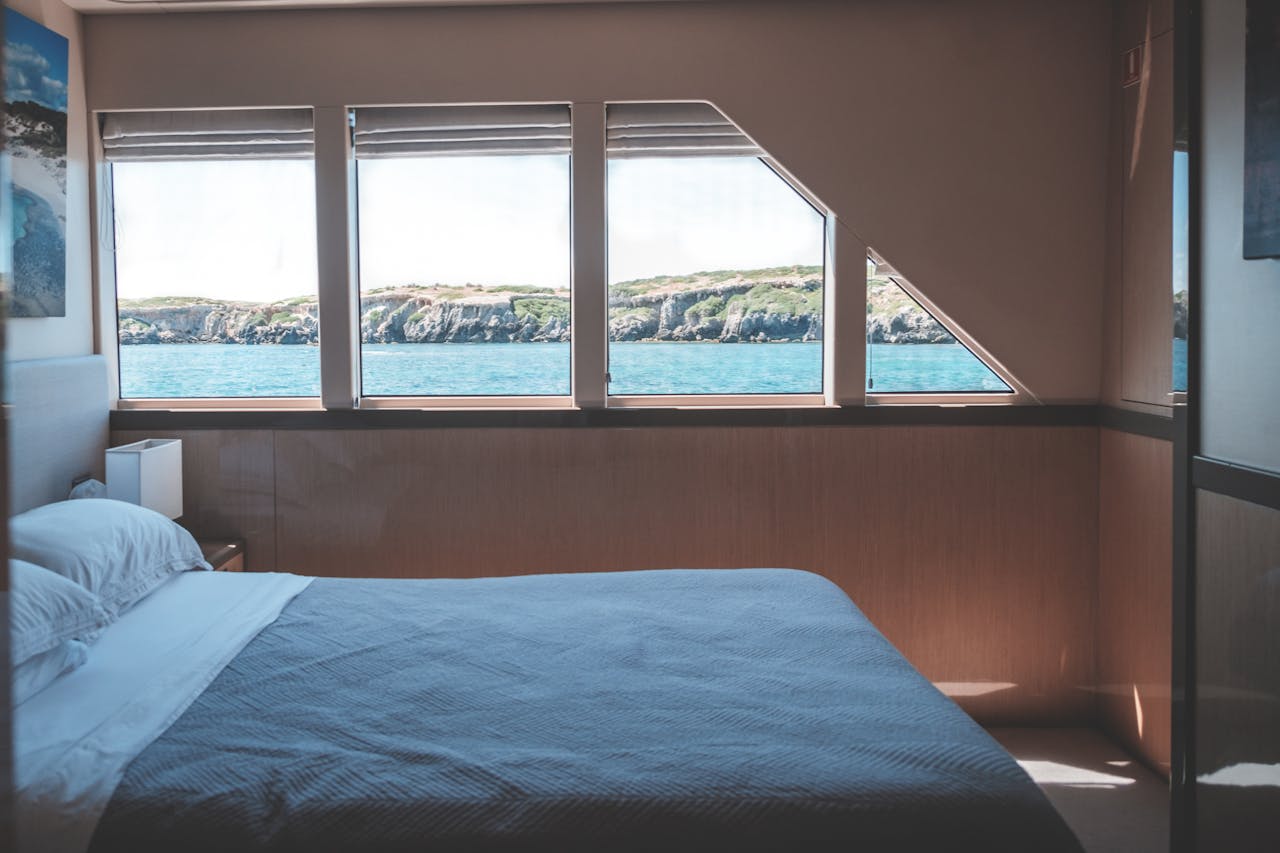
Modern ships add neighborhoods, attractions, and more categories of suites, but many standard cabins still prioritize efficiency. Storage, seating, and bathroom space can feel tight for families or longer sailings, especially with multiple suitcases.
Interior rooms save money yet can amplify the sense of being sealed away from daylight and fresh air. Balconies help, but they often cost enough to restart the budget debate that cruising used to avoid.
When private space feels like a compromise, the ship’s sparkle has to work harder. For some Americans, that trade-off turns excitement into hesitation before booking again.
The Schedule Starts To Resemble A Checklist
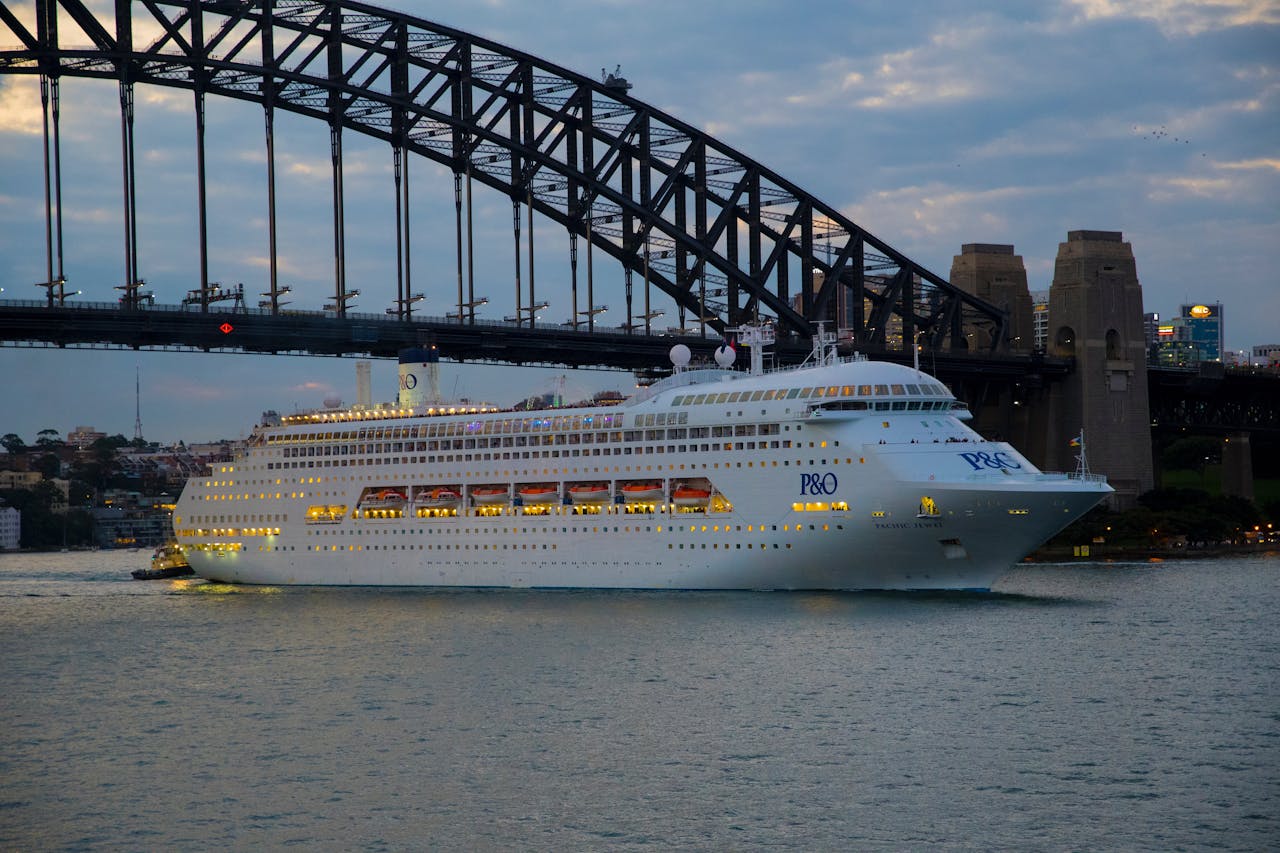
Cruises are marketed as effortless, yet many guests now plan dining times, show reservations, and even pool access days ahead. Apps and push alerts keep things organized, but they also make leisure feel scheduled from the start.
Instead of wandering into a lounge and discovering a surprise set, travelers chase time slots. Miss one window and the alternative can be a long wait, a later seating, or a venue that feels like a downgrade.
Structure is not inherently bad, and some people love it. Still, when every day becomes a checklist, the emotional tone shifts from vacation to optimization, and excitement cools for many.
Flights And Delays Eat Into The Dream
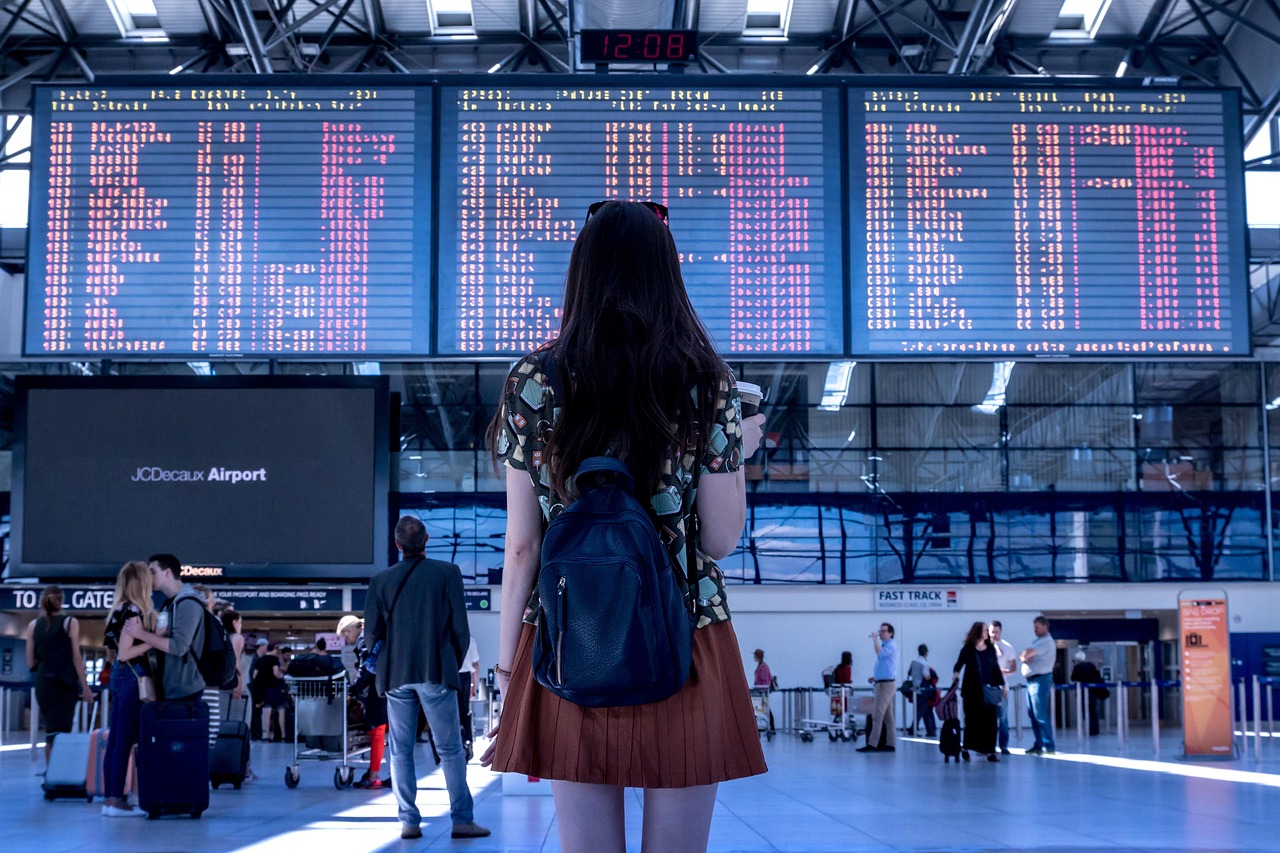
Many Americans have to fly to reach major cruise ports, and that adds a separate layer of stress before the vacation even begins. Late flights, missed connections, and luggage issues can turn embarkation day into a scramble.
Because ships do not wait, travelers often build in an extra hotel night as insurance, plus transfers, meals, and time off work. Even drive-to ports can mean parking costs, shuttle logistics, and long terminal lines at peak hours.
What once felt like one simple purchase becomes a multi-step travel puzzle. When the pre-trip feels shaky, the ship has to repair the mood, and not every voyage manages that.
The Industry Is Growing, But The Feeling Can Still Decline
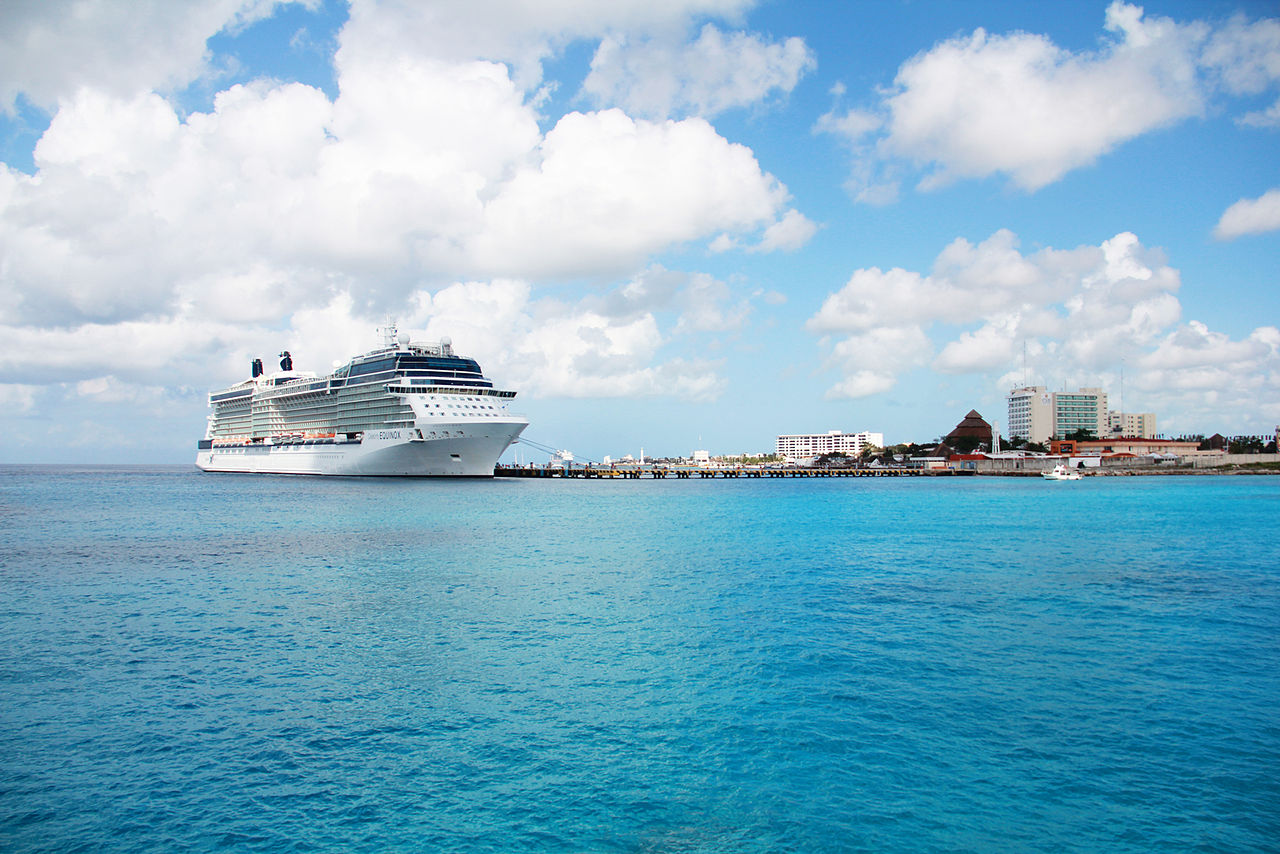
Forecasts from major travel groups point to rising cruise participation, not a collapse. AAA projected 21.7 million Americans would take ocean cruises in 2026, up from 2025, and industry reporting shows North America growing year over year.
Growth does not guarantee that the experience feels better to each returning guest. When more people chase the same limited moments, those moments become harder to access without extra planning or extra spending.
That is the quiet paradox behind the mood shift. Some Americans still adore cruising, yet the emotional high is less automatic when the trip feels good, but not effortlessly thrilling.