
Chain bookstores once felt like permanent fixtures of daily life, scattered through malls, main streets, and retail parks where hours disappeared without noticing. They hosted midnight launches, weekend story times, author visits, and quiet afternoons with a coffee and a stack of maybe purchases. As rents climbed, devices multiplied, and online sellers grew, many of those familiar signs came down for good. What remains are memories of aisles, staff picks, and the sense that stories were always close at hand.
Borders
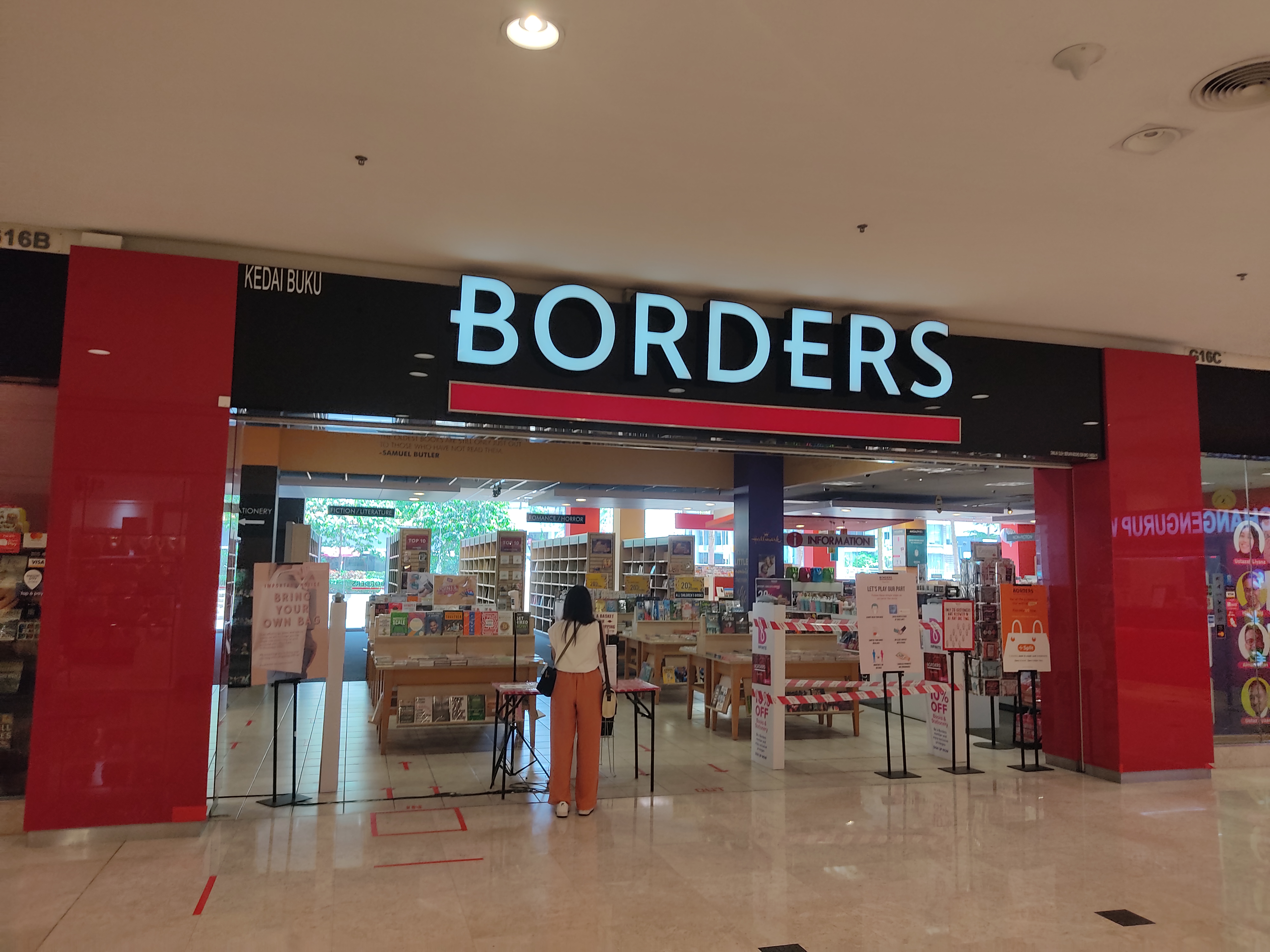
For many readers, Borders felt like a second living room, with coffee in hand and hours lost between tall shelves. The chain grew fast, then stumbled under heavy debt, late digital moves, and brutal competition. When liquidation finally came in 2011, lights shut off store by store, and communities watched familiar gathering spots vanish almost overnight, replaced by darkened windows and generic clearance banners.
Waldenbooks

Waldenbooks was woven into the rhythm of mall life, tucked between clothing chains and food courts, inviting quick stops that often lasted much longer. Its small footprint rewarded casual wandering and made bestsellers feel within easy reach. After it was folded into Borders and the larger company collapsed, entire malls lost their book corner in a single sweep, leaving only empty units where holiday crowds once lined up with paperbacks.
B. Dalton Bookseller
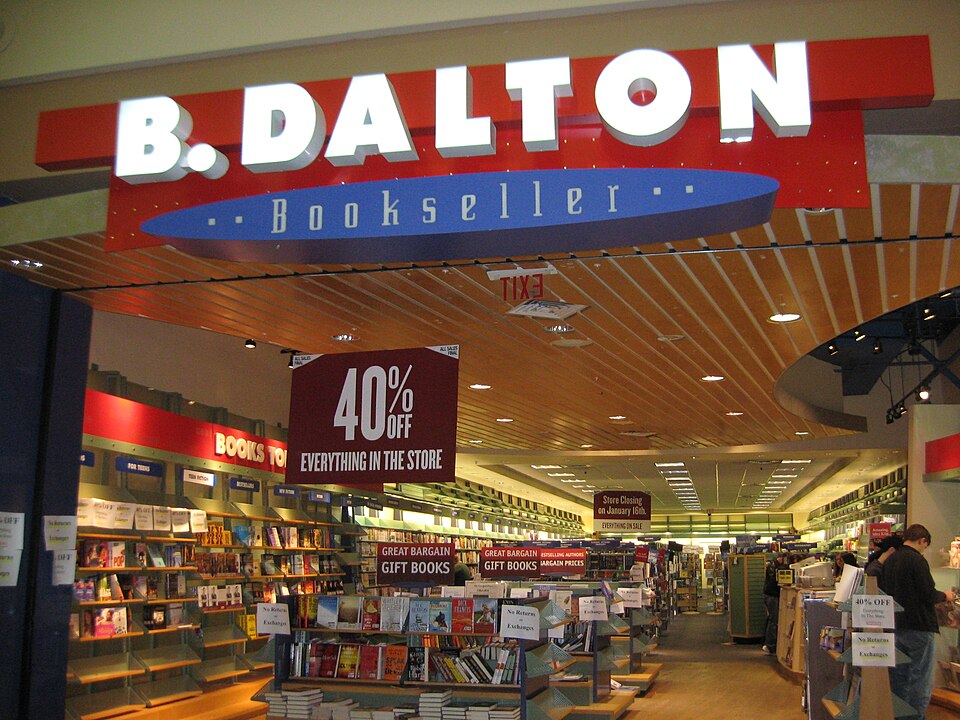
B. Dalton turned mall corridors into long, bright aisles of hardcovers and glossy genre paperbacks, a familiar stop after school or weekend errands. Founded in the sixties, it spread across the country before being absorbed by Barnes and Noble. Locations closed slowly, one remodel and lease at a time, until only a handful remained. When the final stores shut, a whole style of tidy, compact chain bookselling quietly disappeared with them.
Family Christian Stores
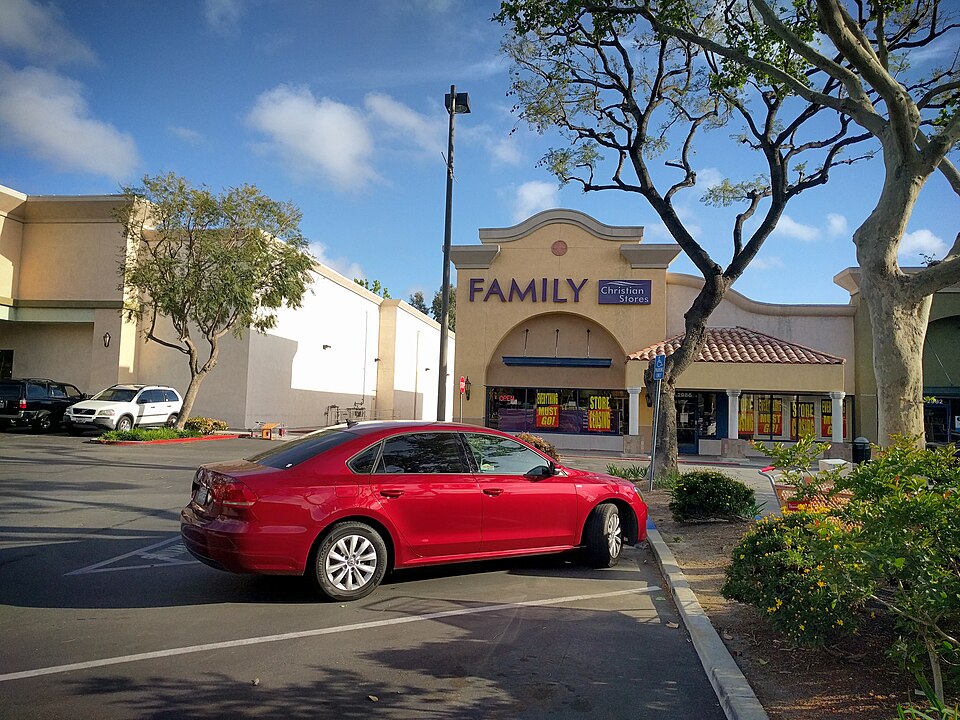
Family Christian Stores blended bookshop, gift store, and community hub, selling Bibles, devotionals, and gentle home decor beside worship music. Staff often knew regular customers by name and recommended study guides like trusted friends. Even with a shift to nonprofit ownership, falling traffic and online competition proved relentless. When the chain announced full closure in 2017, congregations across the country lost a familiar stop on Sunday afternoons.
LifeWay Christian Stores
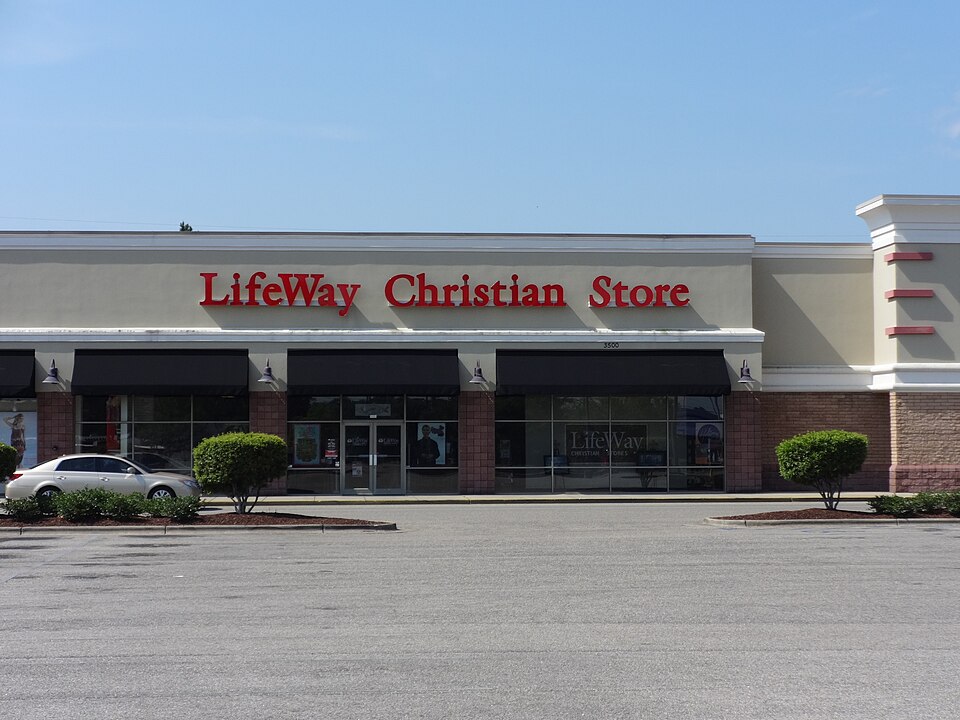
LifeWay Christian Stores focused on serving churches and families with Bibles, commentaries, curriculum, and shelves of seasonal gifts. For pastors, it doubled as both supplier and quiet office, a place to scan new releases before Sunday. As more congregations ordered resources online and publishers sold directly, physical stores made less sense on the balance sheet. The decision in 2019 to close every location ended decades of regular visits and familiar staff faces.
Media Play

Media Play treated books as one part of a bigger entertainment universe, positioned near towering racks of CDs, DVDs, and video games. In the nineties, the concept felt almost futuristic, a single stop where paychecks could disappear in an afternoon. But as discount electronics chains expanded and online sellers undercut prices, margins thinned. By the mid two thousands the brand had vanished, remembered mostly in hazy snapshots of neon signs and packed release days.
Kroch’s and Brentano’s
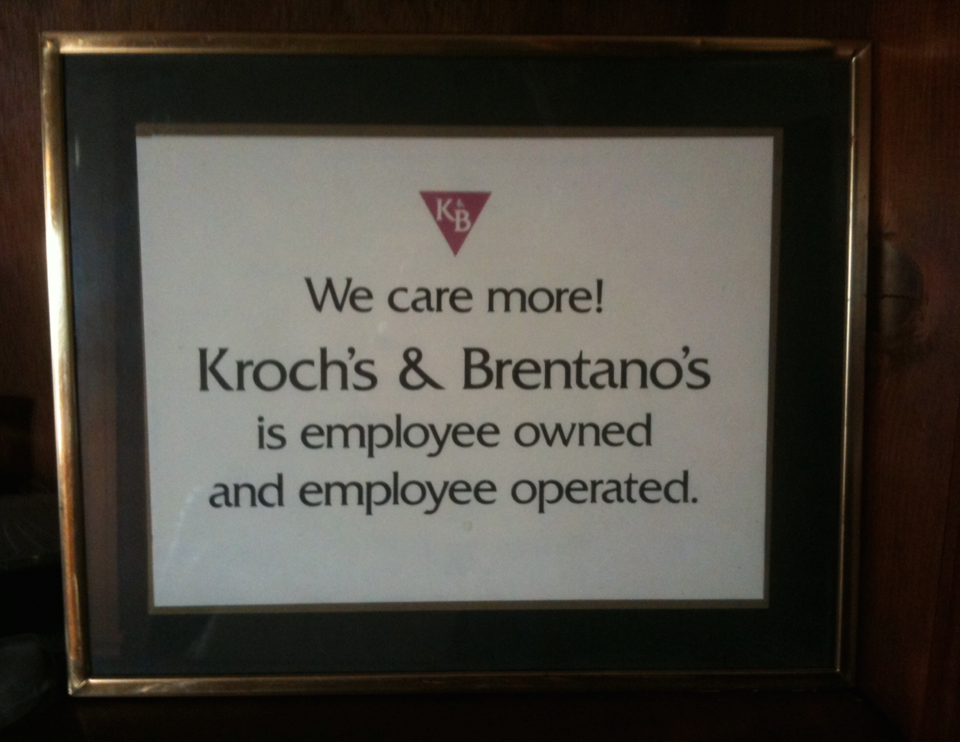
Kroch’s and Brentano’s carried a sense of old city grandeur, especially at its Chicago flagship, where multiple floors of books met elegant displays and serious conversations. Generations of readers treated it as a cultural landmark, not just a shop. Yet even storied institutions face rent, payroll, and competition. When the chain finally went into liquidation in the mid nineties, Chicago lost a bookstore that felt as permanent as a museum.
Angus & Robertson

In Australia, Angus and Robertson grew from a single Sydney operation into a network that shaped how many readers first discovered local and global authors. Its green signage and front table stacks became fixtures of main streets and shopping centers. Financial strain at the parent company and the rise of online rivals pushed the chain into steep decline. Physical stores closed or changed hands, and the historic name now survives mostly in online form.