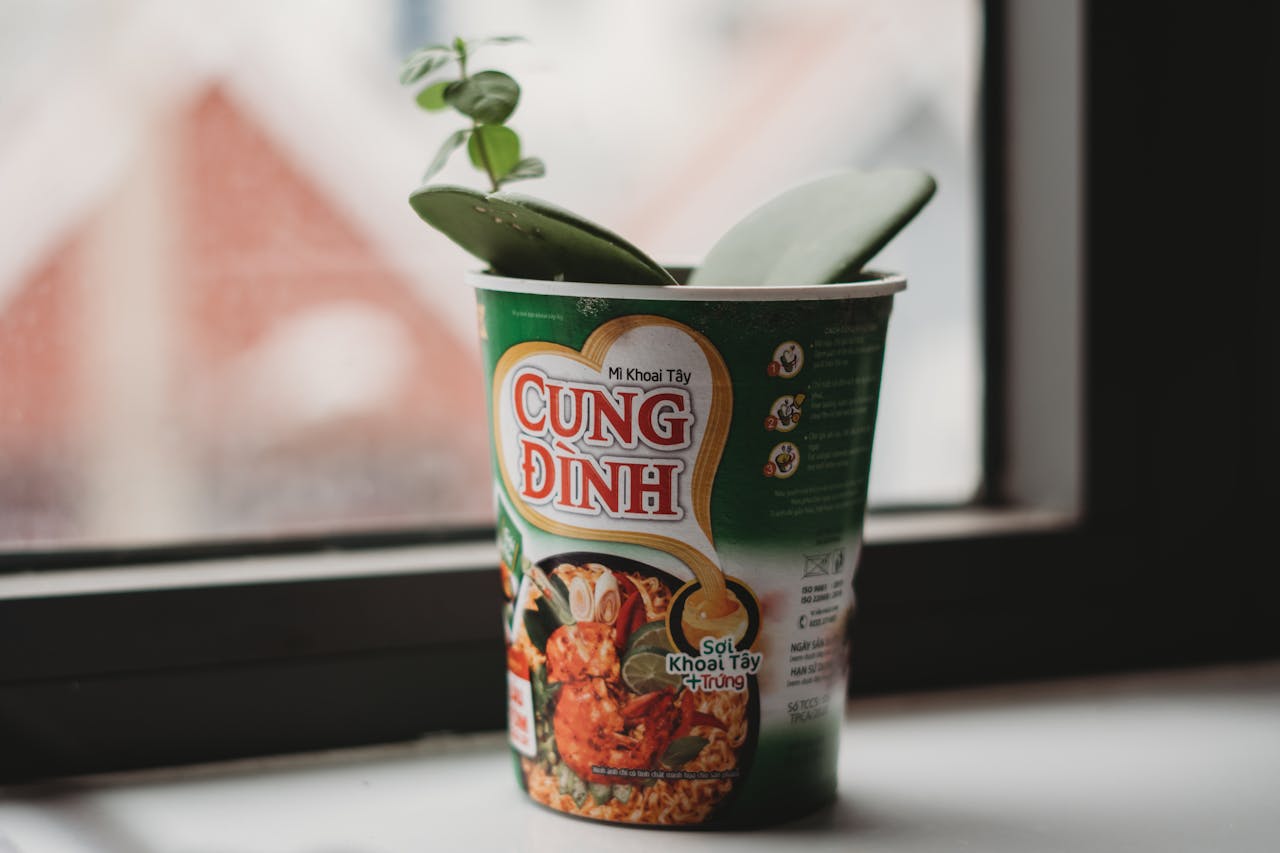
Instant noodles were built for speed, thrift, and comfort, and for decades they carried people through exam weeks, overtime shifts, and tight pay cycles. Now the same old tricks are reappearing with new names, boosted by nostalgia and short-video drama. Some hacks promise richer flavor, faster cooking, or clever savings, yet many quietly trade balance and texture for salt, sugar, or gimmickry. The comeback says less about culinary progress and more about memory: when familiar habits return, they often bring the same hidden compromises that made them questionable the first time. In colder weeks, that comfort pull grows.
The Sodium Stack Trick
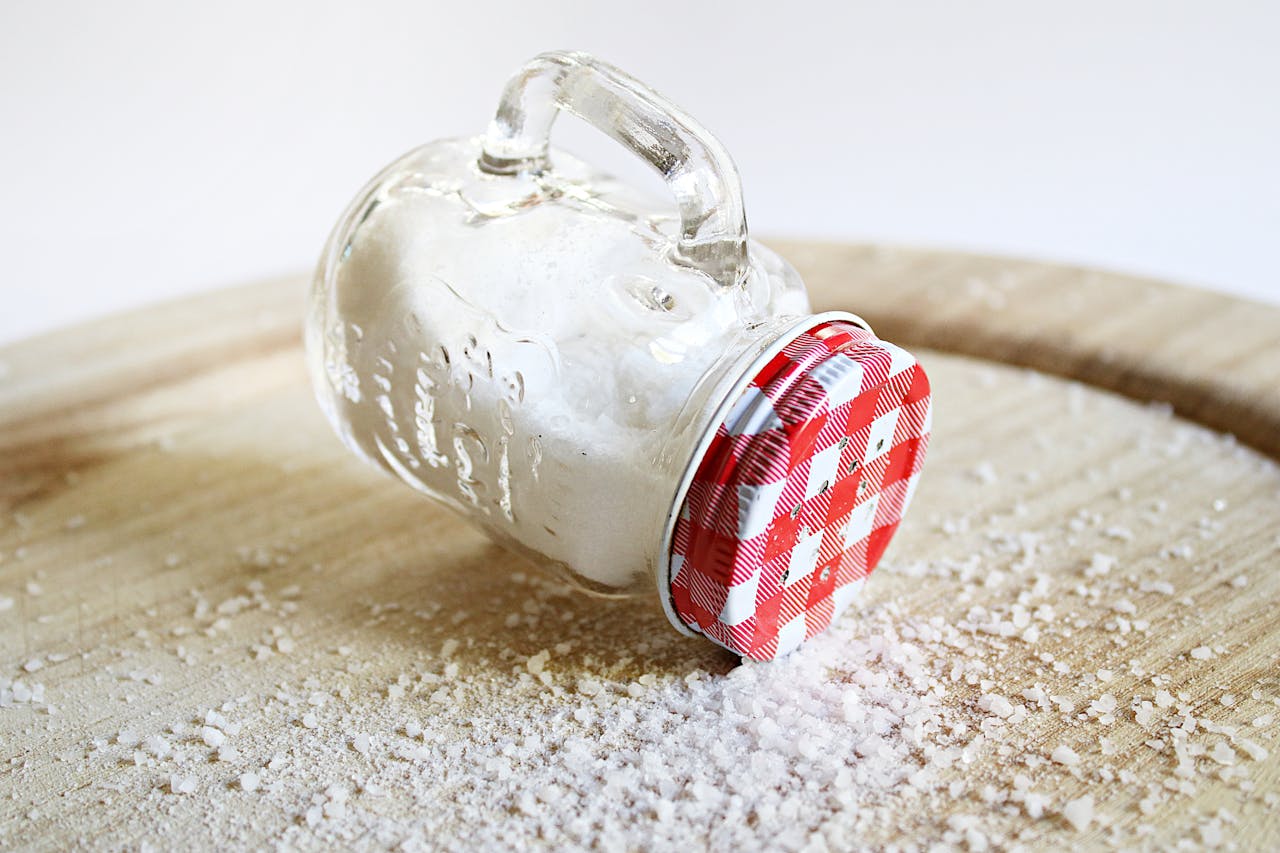
The oldest instant noodle flex is also the easiest to regret: using the full flavor packet, then adding soy sauce, bouillon, and chili oil on top. It tastes huge for five minutes, then goes flat, because salt buries the quieter notes in garlic, chicken, mushroom, or seafood powders. What once felt clever in dorm kitchens often ends up tasting one-note by the final bite.
Many instant noodle servings already carry heavy sodium before extras arrive, so this stacking trick can drive one bowl close to a full day’s limit. The comeback makes sense in winter comfort mode, but the payoff is usually thirst, heaviness, and flavor fatigue.
The Raw-Egg Swirl Shortcut
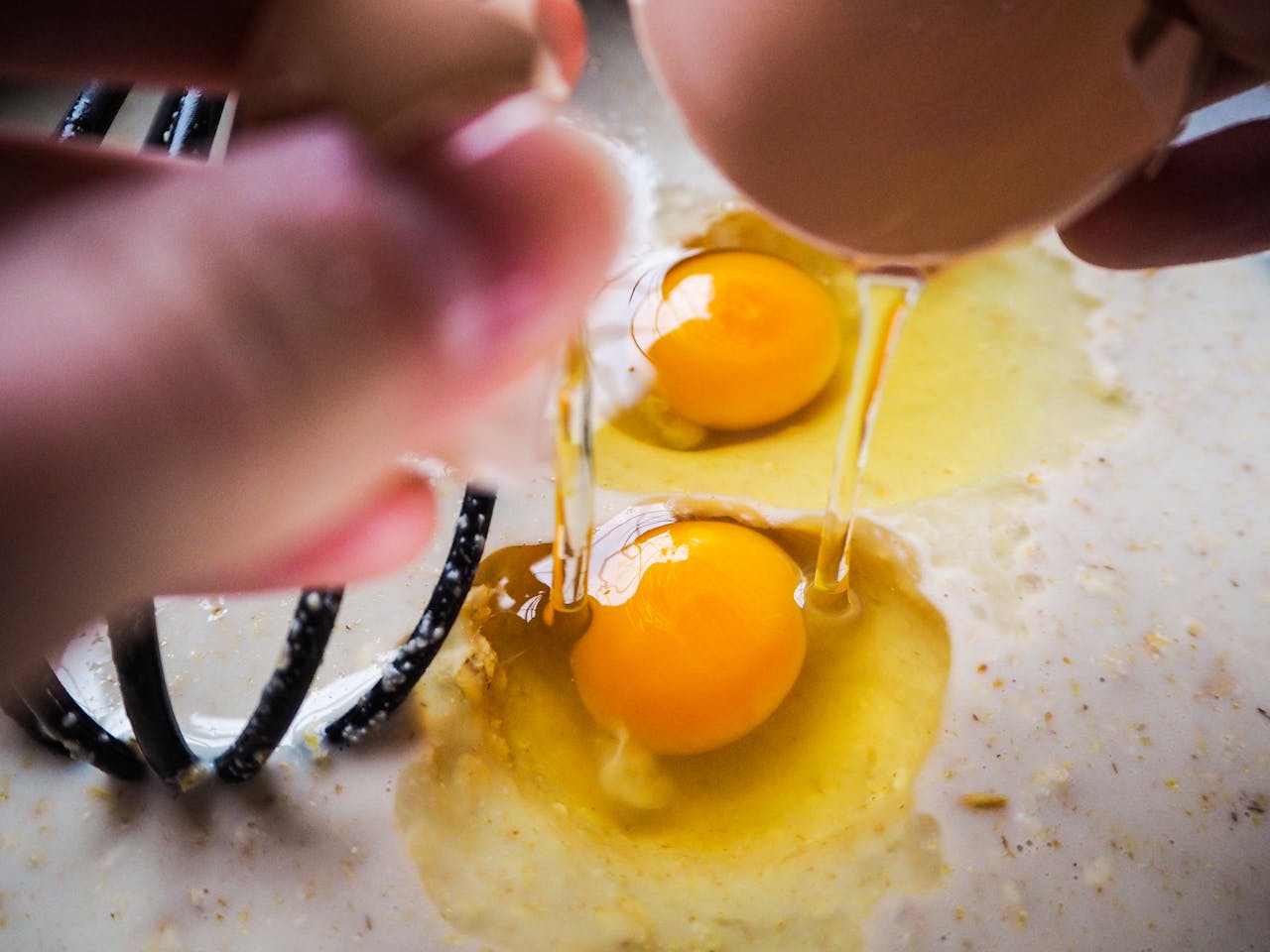
Cracking a raw egg into warm noodle broth keeps resurfacing as a quick richness hack, especially in clips chasing glossy yolk shots. When broth is not hot enough, the egg can stay undercooked in streaks, even if the surface looks set. The bowl may look great, but temperature, not appearance, decides whether the shortcut is safe.
Food safety guidance is clear: egg dishes should reach safe heat, and runny pockets in thick soup can miss that mark. In older kitchen lore, this move felt harmless and cozy. In practice, it can turn comfort food into an avoidable gamble, especially in homes with children, older adults, or weaker immunity.
The Crushed Dry Noodle Snack
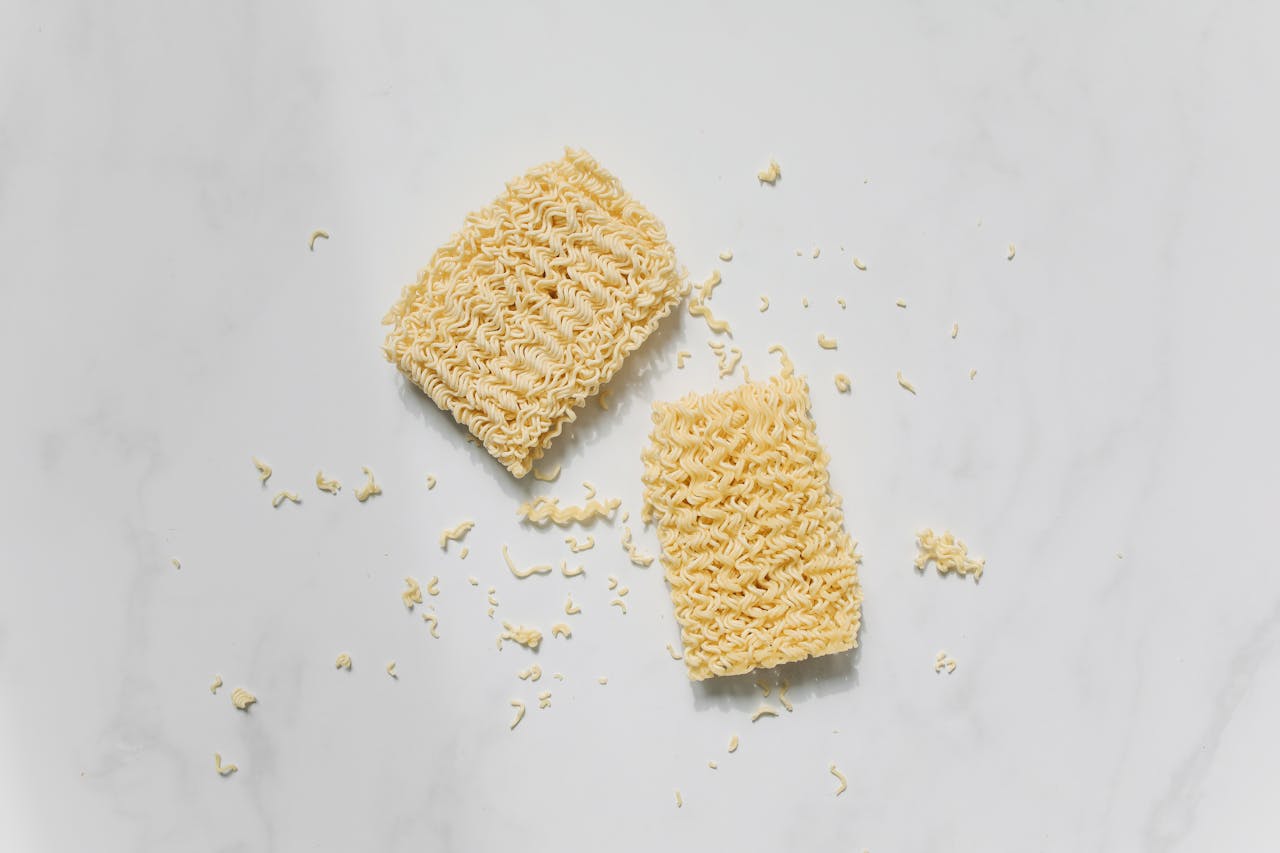
Before it became a short-video challenge, dry instant noodles crushed in the packet and shaken with seasoning were already a lunchbox trick. The crunch is satisfying, but the hack removes water from a food designed to be eaten hot. Flavor dust that should spread through broth lands at once, making salt hit harsher and the finish chalky.
Nostalgia explains why it keeps returning, especially during exam months when quick snacks win. Still, the old habit leaves the same pattern: thirst, puffiness, and a half-empty packet that felt exciting for three minutes. It is less reinvention and more a rerun of a shortcut that never aged well.
The Butter-and-Cheese Blanket
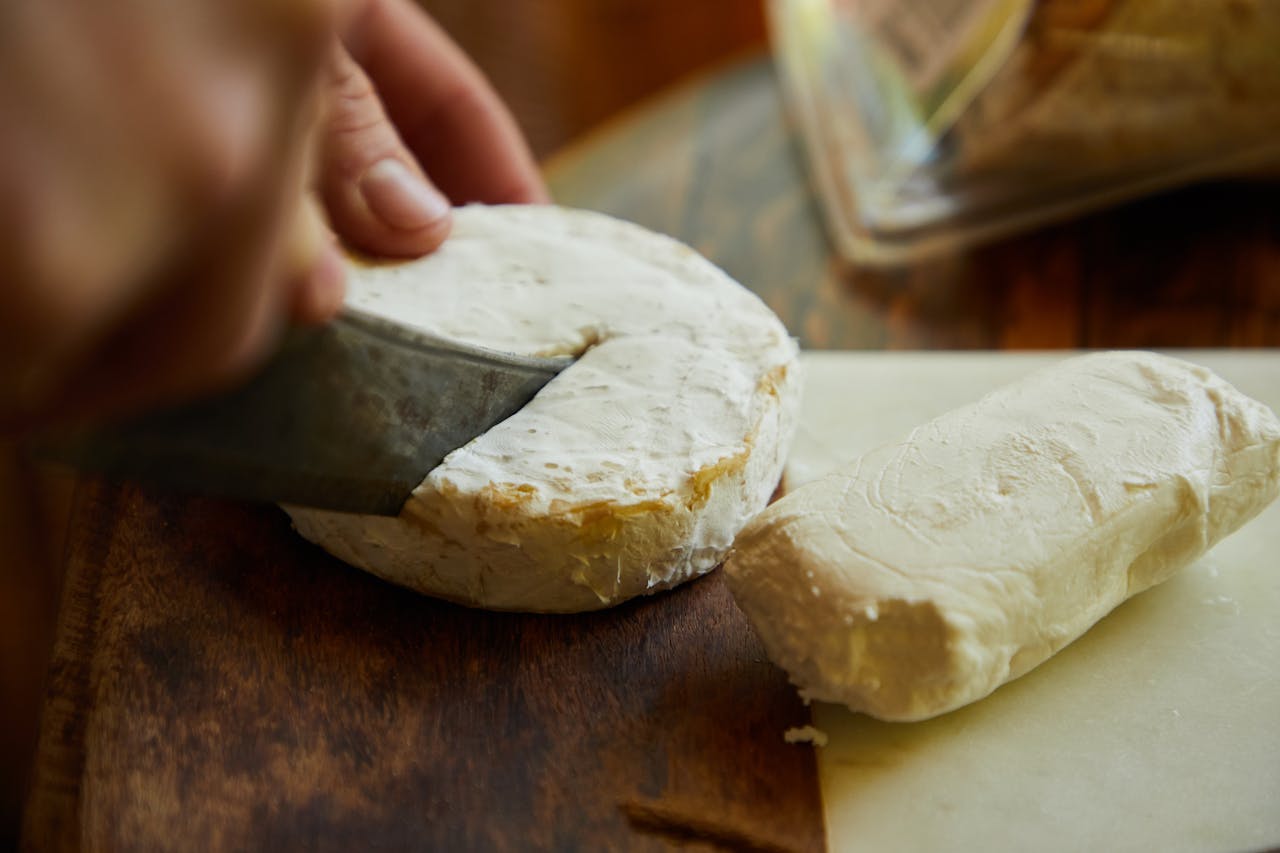
Creamy ramen with butter and processed cheese keeps cycling back as a comfort hack from old hostel kitchens. It gives instant body, but the richness can mute spice and aromatics until every spoonful tastes alike. The first bite feels indulgent; halfway through, the bowl often turns heavy and flat.
Instant noodles are already dense in refined carbs and often high in sodium and saturated fat, so piling dairy fat on top does not create balance, only intensity. The trend survives because it looks decadent on camera, yet off camera it lands like a dated shortcut built for shock value, not flavor structure and lasting satisfaction.
The Cola-Boiled Noodle Stunt
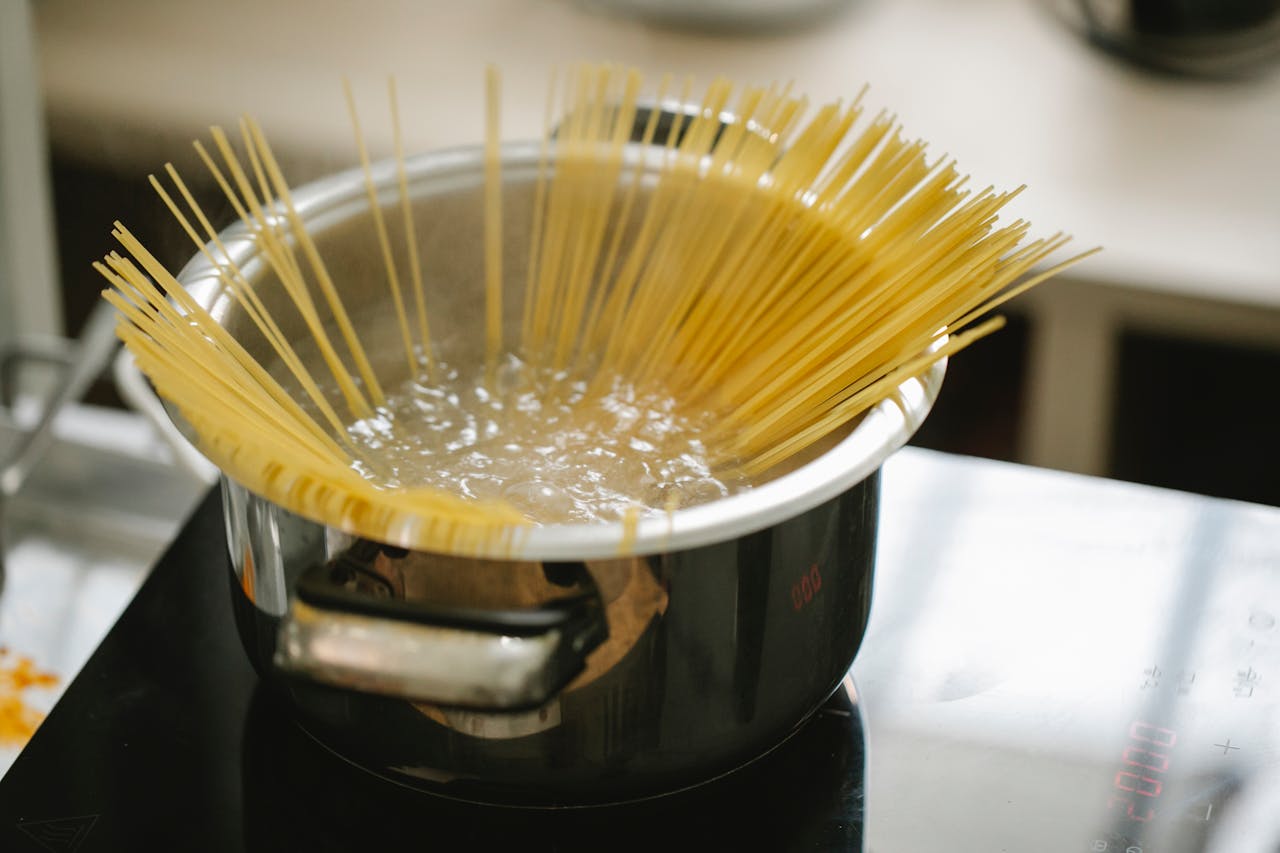
Boiling noodles in cola or sweet soda was a dare-style trick years ago, and it has returned in flashy clips that prize surprise over taste. The sugar reduces fast, leaving a sticky glaze that clings to noodles and blunts savory depth from the seasoning packet. Instead of complexity, the bowl swings between candy sweetness and salty broth notes.
Refined carbs are already the base of instant noodles, so sugary soda amplifies the fast-rise, fast-crash feel that follows. What looks playful on-screen usually tastes confused at the table, like two separate dishes forced into one pot. It is an old novelty act wearing a new filter.
The Double-Fry Crunch Obsession
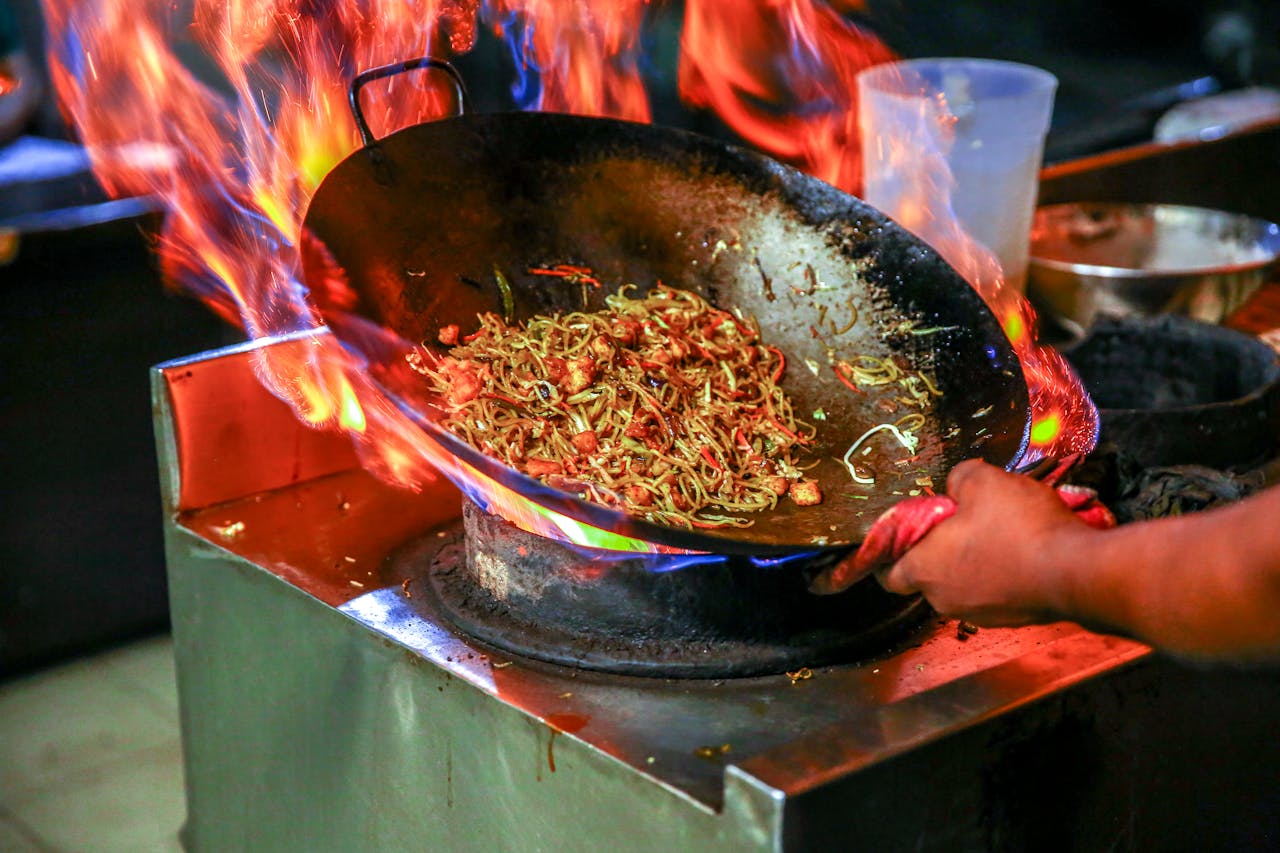
Frying cooked instant noodles into crispy nests or patties keeps resurfacing as a party hack with big crunch and dramatic plating. The method looks impressive, but it doubles down on a product that is often already fried during manufacturing. That extra oil adds heaviness fast, while the interior can turn gummy if timing slips.
Older recipe forums treated noodle fritters as budget genius, and short-form video revived the same move with louder toppings. The result is rarely as elegant as it appears: a brittle shell, dense center, and seasoning that tastes saltier once fat cools. It is more spectacle than satisfying meal design.
The Microwave-Any-Cup Habit

The old shortcut of microwaving instant noodles in whatever cup is nearby has returned with late-night convenience culture. It saves a dish in the moment, but unlabeled or non-microwave containers can warp, leak, or heat unevenly. The habit looks efficient right until cleanup becomes a sticky mess.
Major noodle brands have had to clarify packaging changes because older cups were not designed for direct microwaving. That detail matters more than nostalgia. When container guidance is ignored, texture suffers first, then safety margins narrow, especially with add-ins like eggs, meat, or leftovers. Fast should not mean careless.
The Counter-Cooled Batch Prep
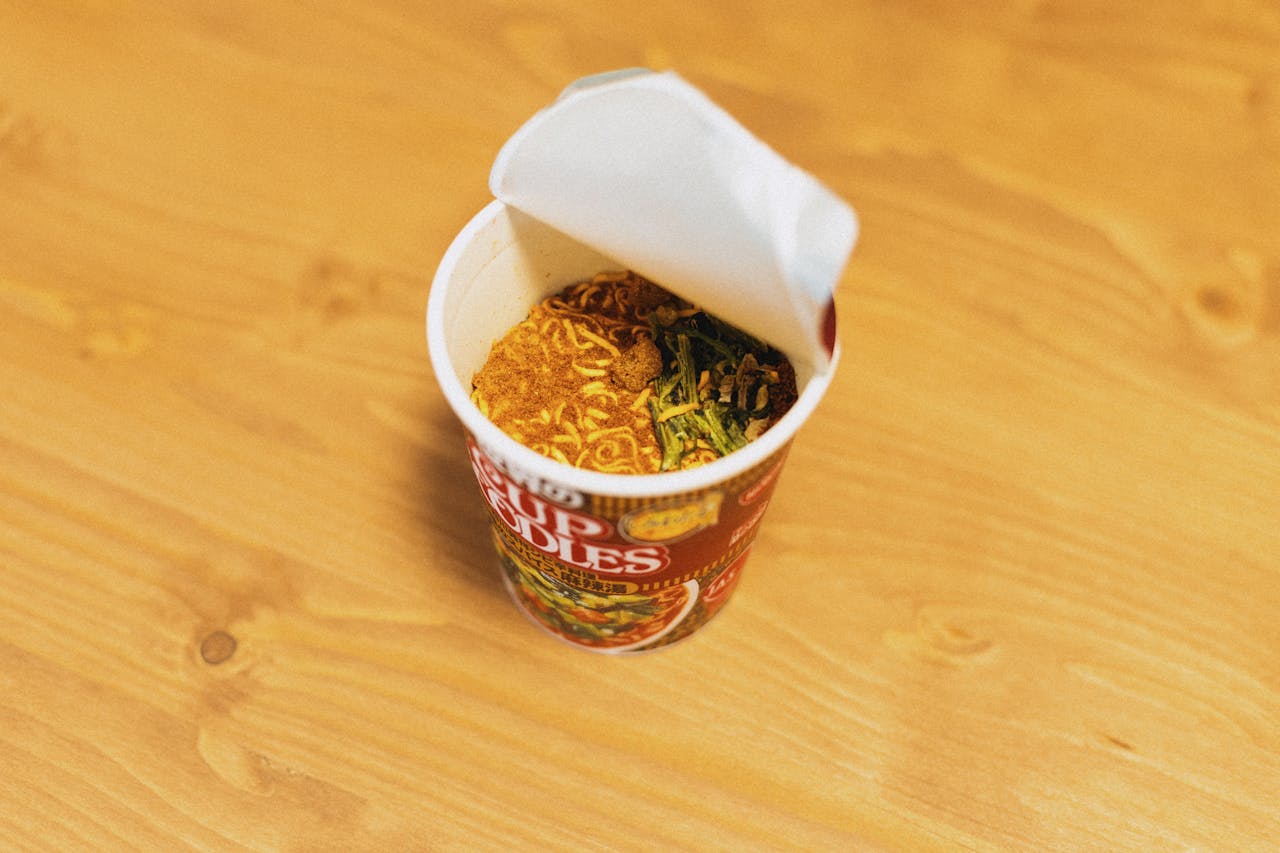
A revived prep hack suggests cooking a big pot of instant noodles, letting it cool for hours, then pan-frying portions through the week. It sounds practical, but time-temperature mistakes arrive quietly with starchy foods. Noodles that sit too long at room temperature can shift from convenience to risk before signs appear.
Food safety rules are simple, just strict: cool quickly, refrigerate promptly, and reheat thoroughly. The retro habit came from busy kitchens where speed outran caution. Its comeback repeats the same weak point, treating waiting time as harmless. Safe storage is the line between batch cooking and setbacks.
The Mayo-Packet Sauce Mashup
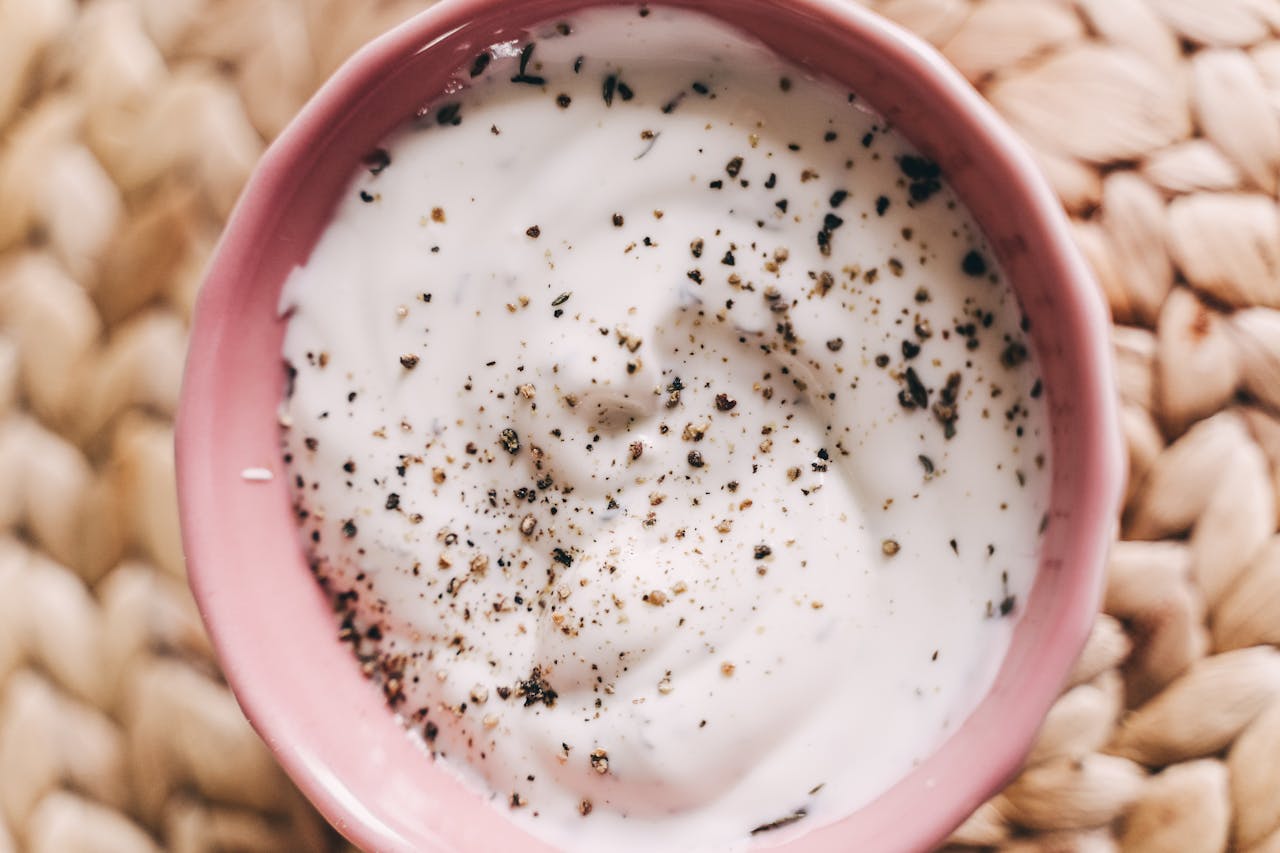
Mixing flavor powder with mayonnaise to make a thick noodle sauce keeps returning from old convenience-store lore. It delivers instant umami, but also concentrates salt and fat in a way broth would normally dilute. Once coated, noodles can feel greasy and sticky, with heat flattening brighter packet notes.
The hack survives because it looks rich, cheap, and fast, three qualities trend cycles reward. Yet the flavor arc is short: sharp first bite, then palate fatigue, then lingering heaviness that masks everything else on the plate. What seemed like ingenuity often reads as an overcorrected fix for bland technique and rushed cooking.
The Anti-MSG Detour
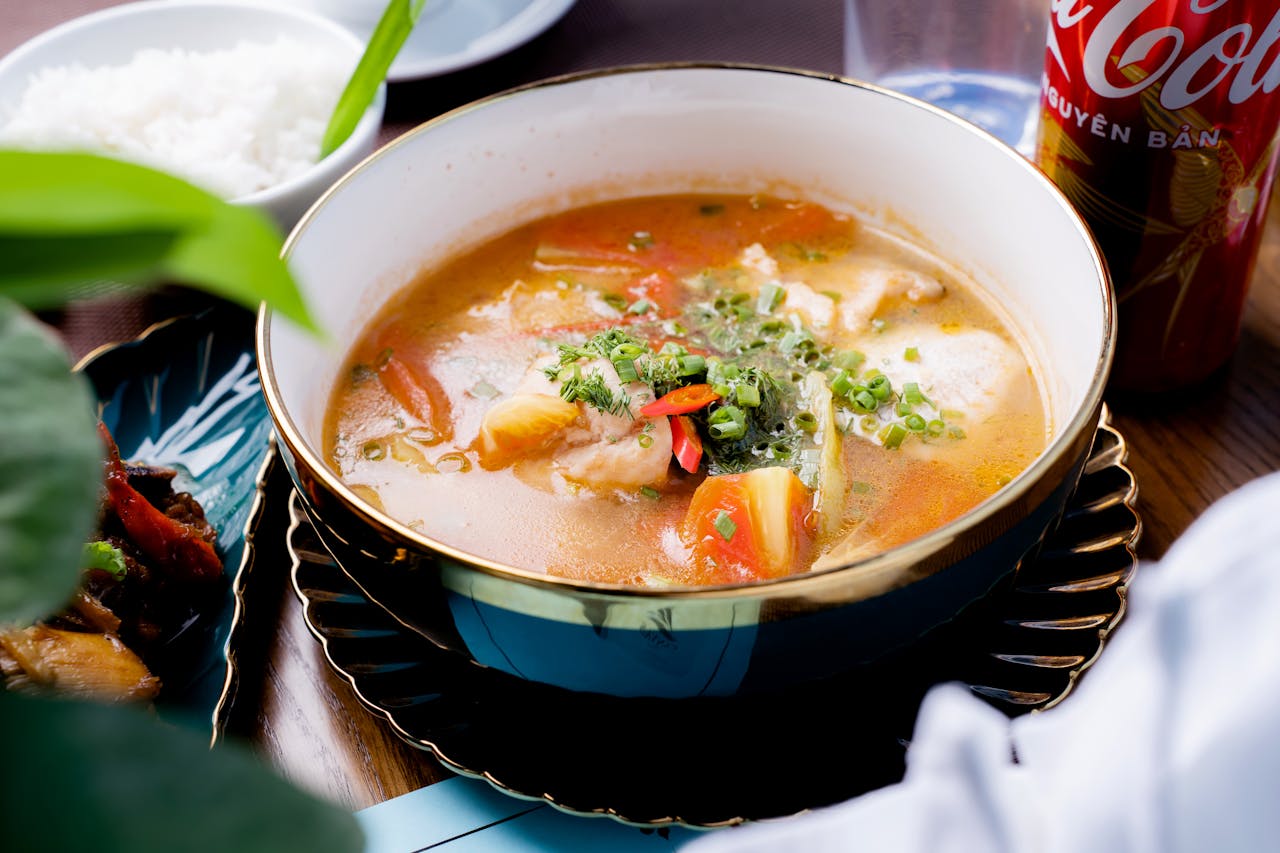
One returning hack starts with fear: toss the seasoning packet for MSG, then rebuild flavor with soy sauce, garlic salt, and spice blends. It sounds cleaner, but often delivers the same sodium load with a muddier profile and no real nutrition win. The bowl shows how food myths survive after evidence moves on.
U.S. regulators have long treated MSG as safe for most people at typical intake levels, while noting a small group may feel mild short-term symptoms. So the panic-based workaround solves the wrong problem. Better noodle upgrades focus on vegetables, protein, and portion balance, not ingredient folklore from another decade.