
Living alone can turn eating into a quiet routine: the same grocery aisle, the same pan, the same plate. Meal-prep pros notice that many retirees reach for foods that feel easy in the moment, then slowly lose variety, fiber, and steady protein. What starts as convenience becomes a pattern, and the body keeps score in subtle ways, like lower stamina, lingering cravings, or meals that feel joyless. With a few smarter defaults, solo cooking can stay simple while still tasting fresh, supporting strength, and leaving room for pleasure. The goal is not perfection, just a kitchen rhythm that makes good choices almost automatic.
Repeating The Same Breakfast Forever
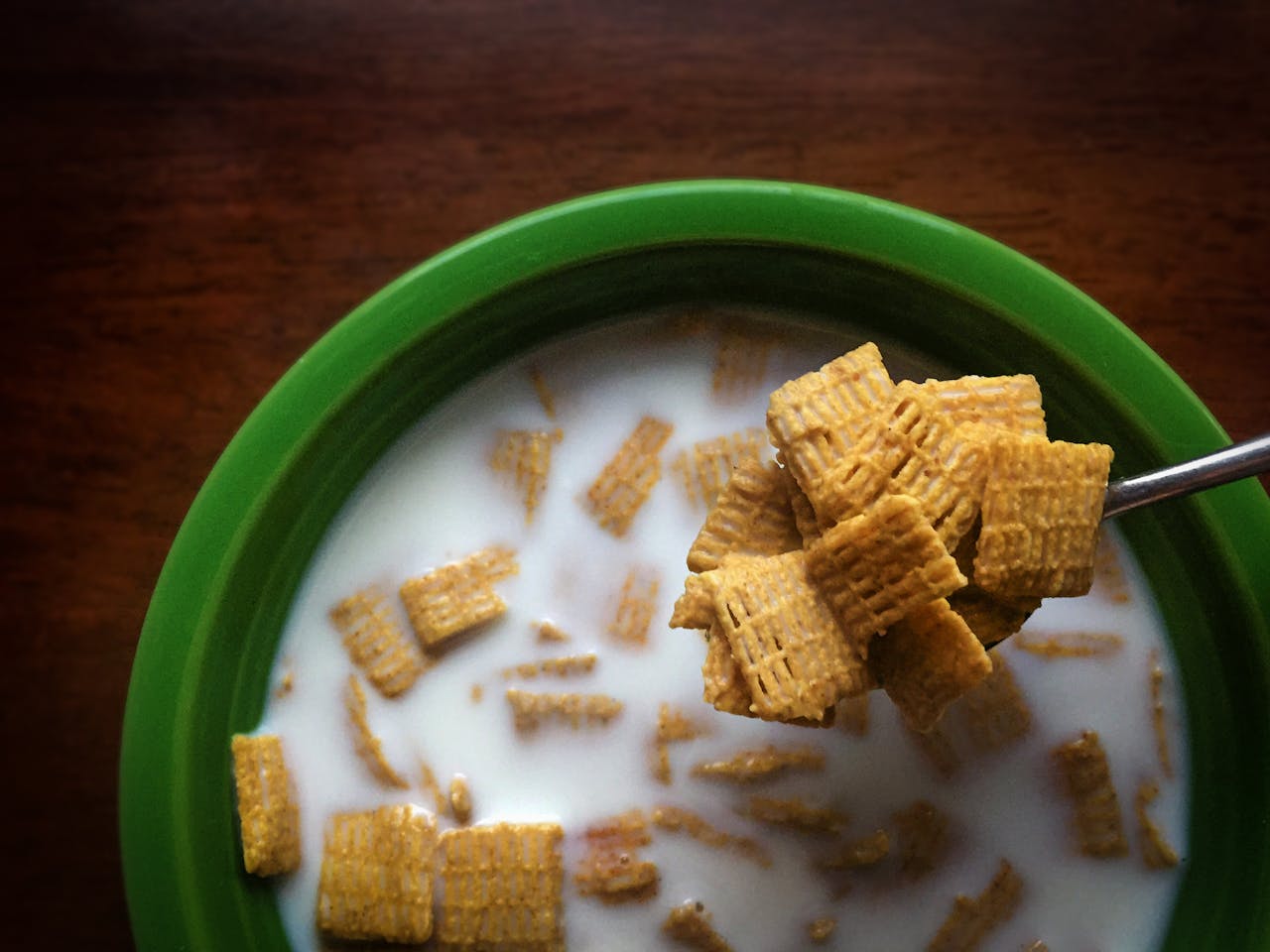
Toast, cereal, and a banana feel dependable, which is exactly why they turn into a rut. When breakfast is mostly quick carbs, hunger returns fast, and the rest of the day gets built around grazing.
Meal-prep pros recommend one repeatable upgrade that still feels easy: Greek yogurt with berries and walnuts, eggs folded with frozen spinach, or oats simmered with chia and milk. A jar of pre-portioned toppings in the fridge keeps choices simple.
Rotating just two breakfasts across the week preserves routine while nudging protein and fiber higher, so energy holds steadier through late morning, even on slower days at home.
Leaning On Sandwiches And Crackers For Lunch
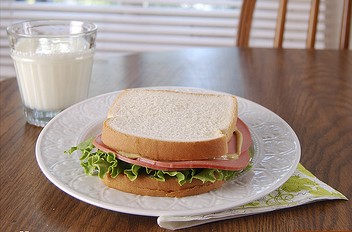
Solo lunches often collapse into a beige pattern: crackers, cheese, a cold sandwich, and maybe a pickle. It fills the gap, but it can underdeliver on vegetables and leave sodium climbing without much satiety.
Meal-prep pros keep a simple lunch base ready: a container of chopped salad greens, a cup of cooked grains, and one protein like chicken, beans, or tuna. Mix-and-match bowls take 3 minutes and feel more like a real meal, not a placeholder.
A small flavor kit, like lemon, olive oil, mustard, and herbs, makes the bowl taste different each day, so lunch stops blending into yesterday at noon. Leftovers finally get used, too.
Relying On Frozen Dinners As A Default
When evenings feel quiet, frozen entrées can become the automatic decision, especially after an active day. Many are convenient, but portion sizes, sodium, and low vegetable volume can make dinner feel heavy yet incomplete.
Meal-prep pros create a freezer strategy instead of a frozen rut: plain cooked chicken or lentils, frozen vegetables, and cooked rice or quinoa in flat bags. Those building blocks reheat quickly and can become stir-fries, soups, or burrito bowls.
Keeping one higher-quality frozen option for truly low-energy nights helps, but most dinners improve when the freezer holds ingredients, not just meals.
Cooking One Big Pot And Eating It All Week
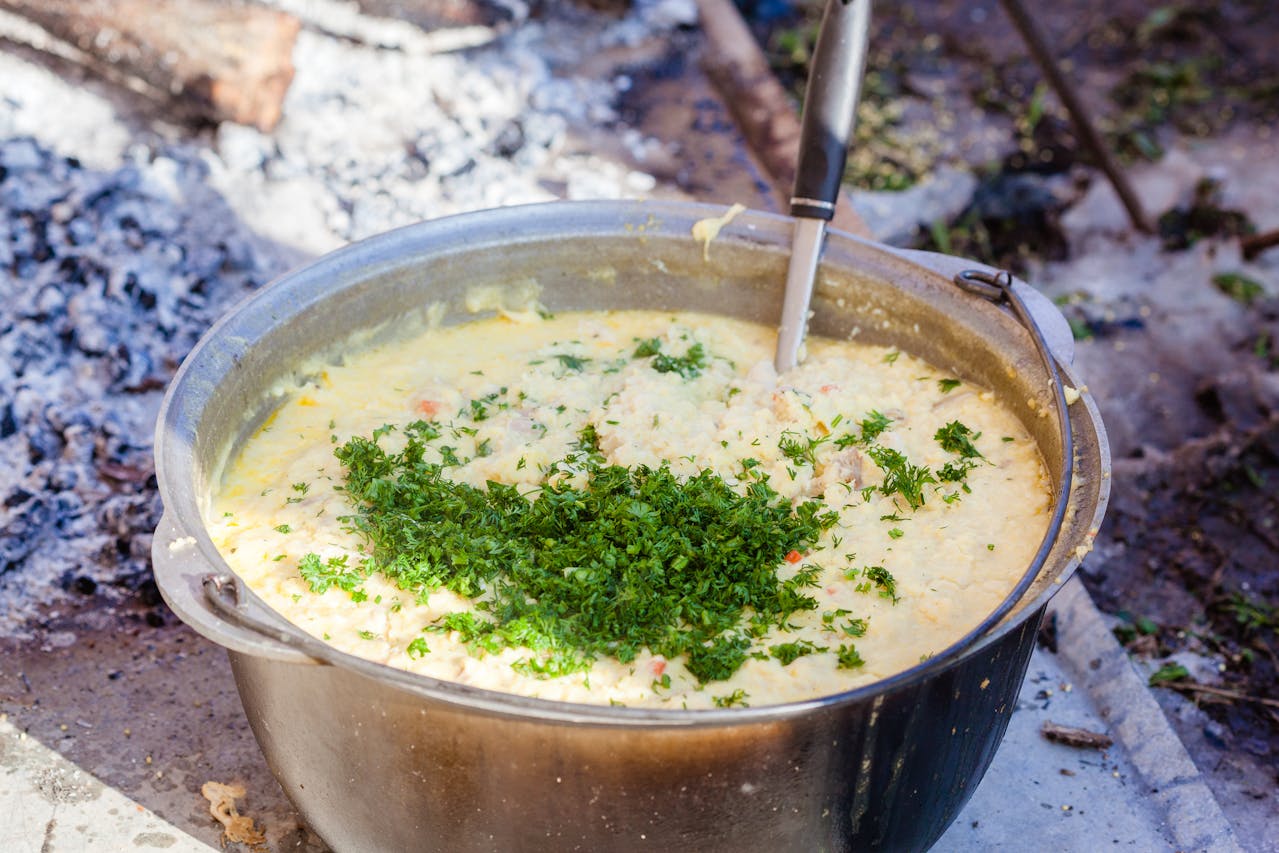
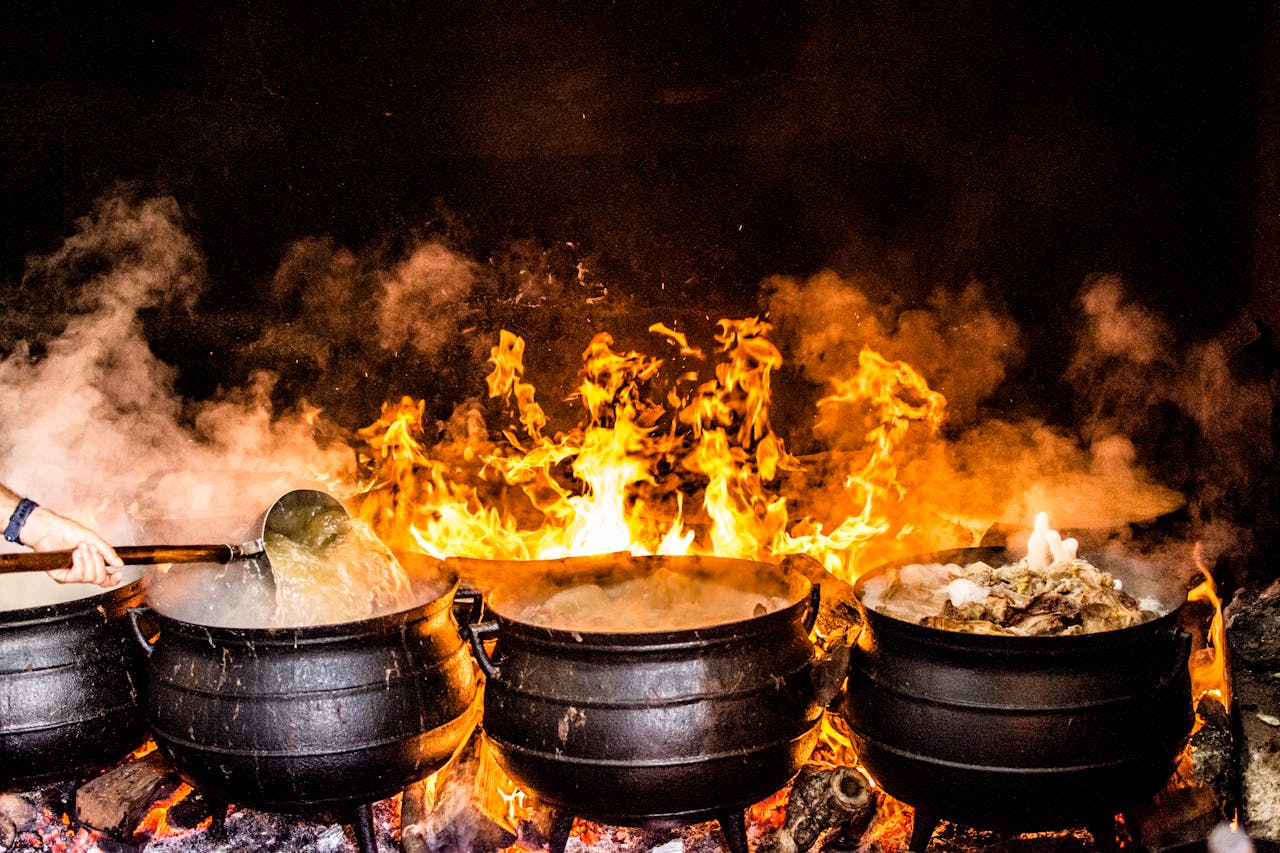
Big-batch chili or pasta sauce feels smart, until day 4 tastes like obligation and the same smell fills the kitchen again. Repetition can dull appetite, and boredom often pushes snacking, even when the fridge is technically full.
Meal-prep pros aim for components, not clones: roast a tray of vegetables, cook one protein, and make one sauce. Those pieces can become a grain bowl on Monday, a salad on Tuesday, and a warm wrap on Wednesday, without extra cooking.
Freezing half the batch on day 1 helps, and keeping a second sauce, like salsa verde or tahini, creates two meals from the same ingredients with almost no effort.
Treating Vegetables Like A Side Quest
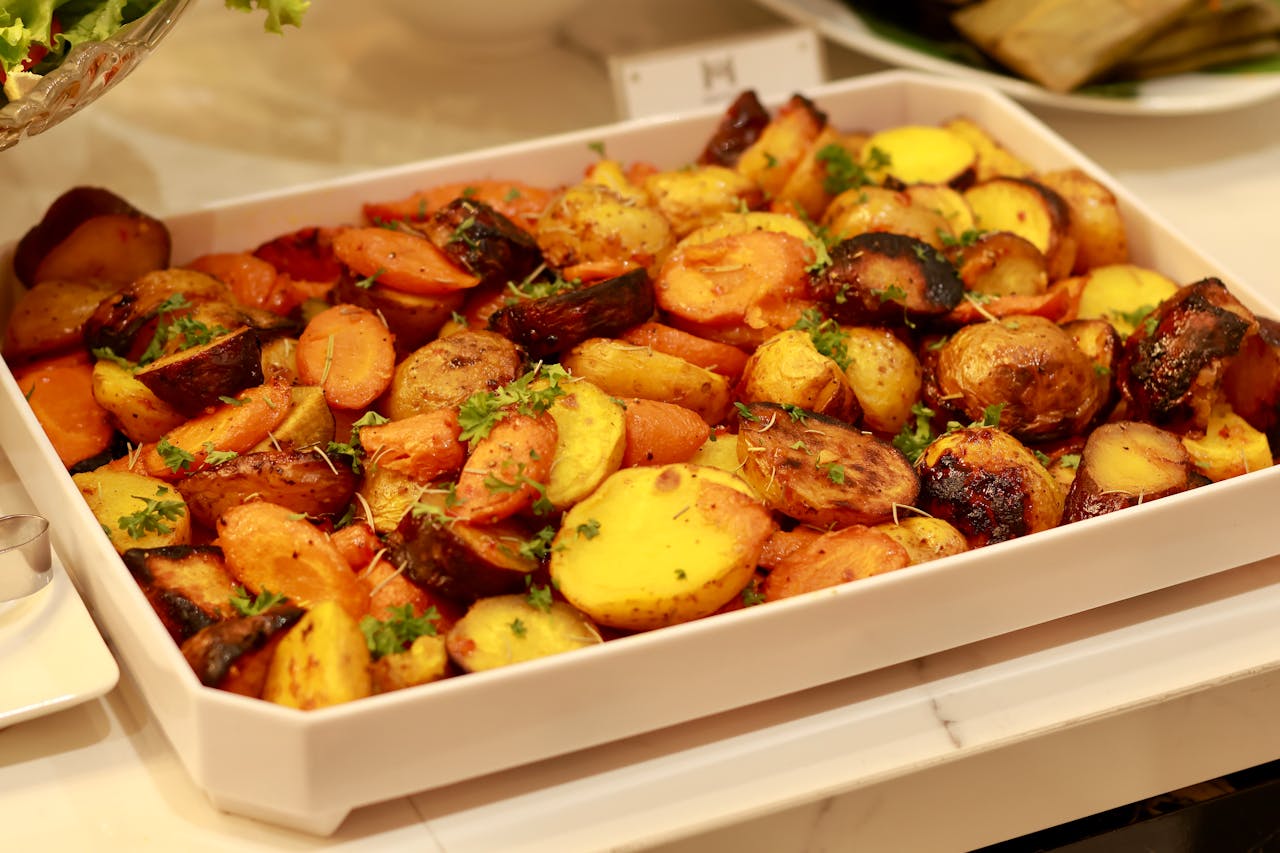
Many solo plates revolve around a starch and a protein, with vegetables added only when there is time. Over weeks, that pattern can mean less fiber, fewer micronutrients, and slower digestion, which shows up as low energy and irregular appetite.
Meal-prep pros make vegetables the easiest item to grab: washed greens, baby carrots, cherry tomatoes, and a tray of roasted mixed vegetables cooled and boxed. Two handfuls can slide into eggs, soups, rice, or sandwiches.
A simple rule helps: if the plate looks mostly tan, add something green or red. Visual cues beat willpower, especially on busy afternoons and quieter nights.
Saving Most Protein For Dinner
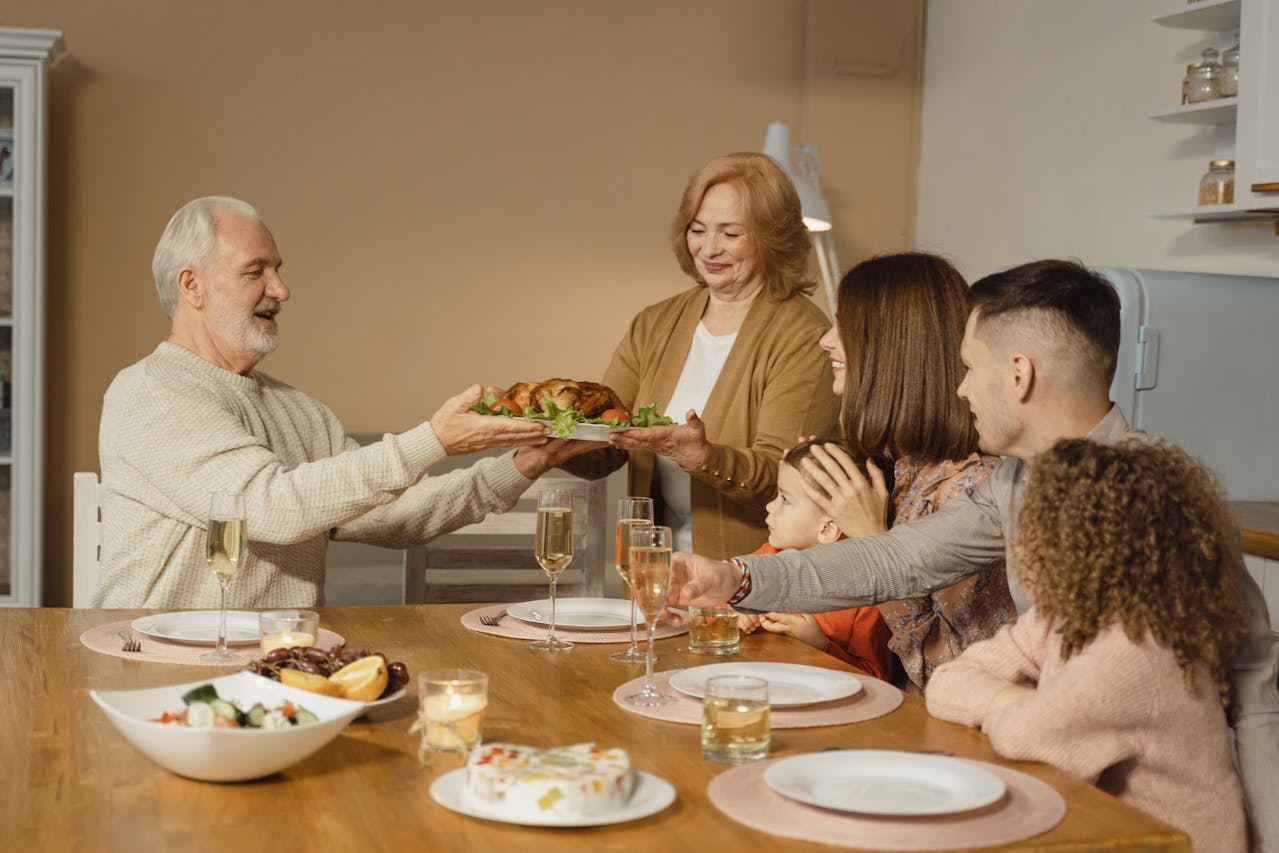
A common rut is light breakfast, light lunch, then a big protein hit at dinner. That rhythm can leave mornings hungry, afternoons snacky, and muscles missing steady building blocks across the day, especially with smaller appetites.
Meal-prep pros spread protein in small, friendly ways: cottage cheese with fruit, a boiled egg, a cup of beans stirred into soup, or leftover chicken folded into a salad. Keeping single-serve portions ready removes the mental math.
Even adding 15 to 25 grams earlier in the day can make meals calmer and more predictable, which matters for retirees trying to keep strength without overthinking nutrition.
Letting Snacks Replace Real Meals
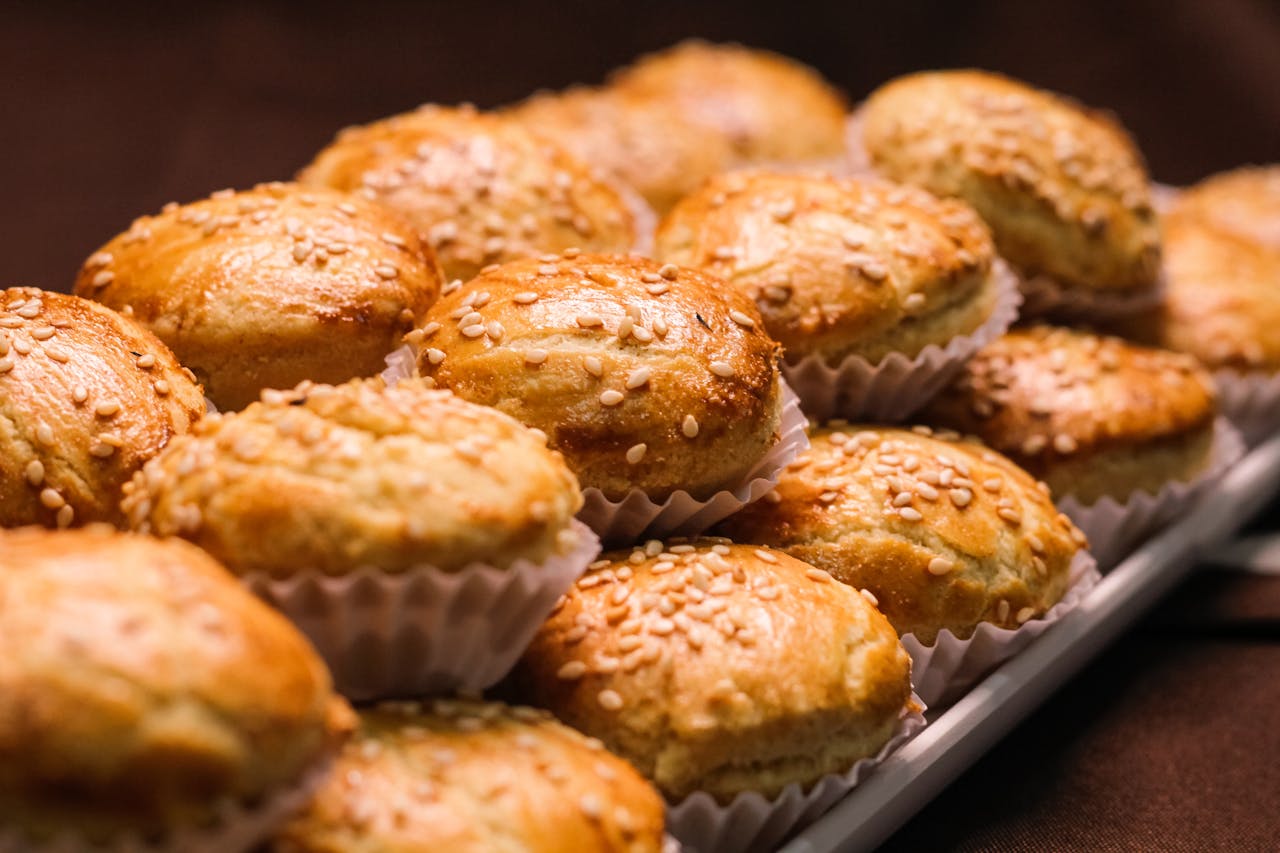
Living alone makes it easy to nibble through the afternoon: cookies, chips, and a handful of whatever is closest. Snacks can be fine, but when they replace meals, blood sugar swings and nutrition gets patchy, and dinner appetite can vanish.
Meal-prep pros set up a snack shelf with better defaults: yogurt cups, roasted nuts, hummus with cut vegetables, and fruit that is already washed. Pairing a carb with a protein keeps cravings quieter and portions satisfying.
The trick is not banning treats, just putting them in a deliberate spot and using a small plate. When snacks require a tiny decision, meals stop disappearing by accident.
Drinking Calories Without Noticing

Coffee sweeteners, juice, and regular soda can sneak into the day, especially when hydration feels boring. Liquid calories rarely satisfy like food, so they add up while meals stay the same, and thirst can get mistaken for hunger.
Meal-prep pros treat drinks like part of the plan: keep a pitcher of water with citrus or cucumber, unsweetened tea, or sparkling water in the fridge. If juice is a comfort, cutting it with water preserves the taste while lowering the sugar load.
Small shifts matter here. Swapping one sugary drink a day often improves energy and sleep more than expected, without touching the rest of the menu.
Over-Salting Instead Of Building Flavor
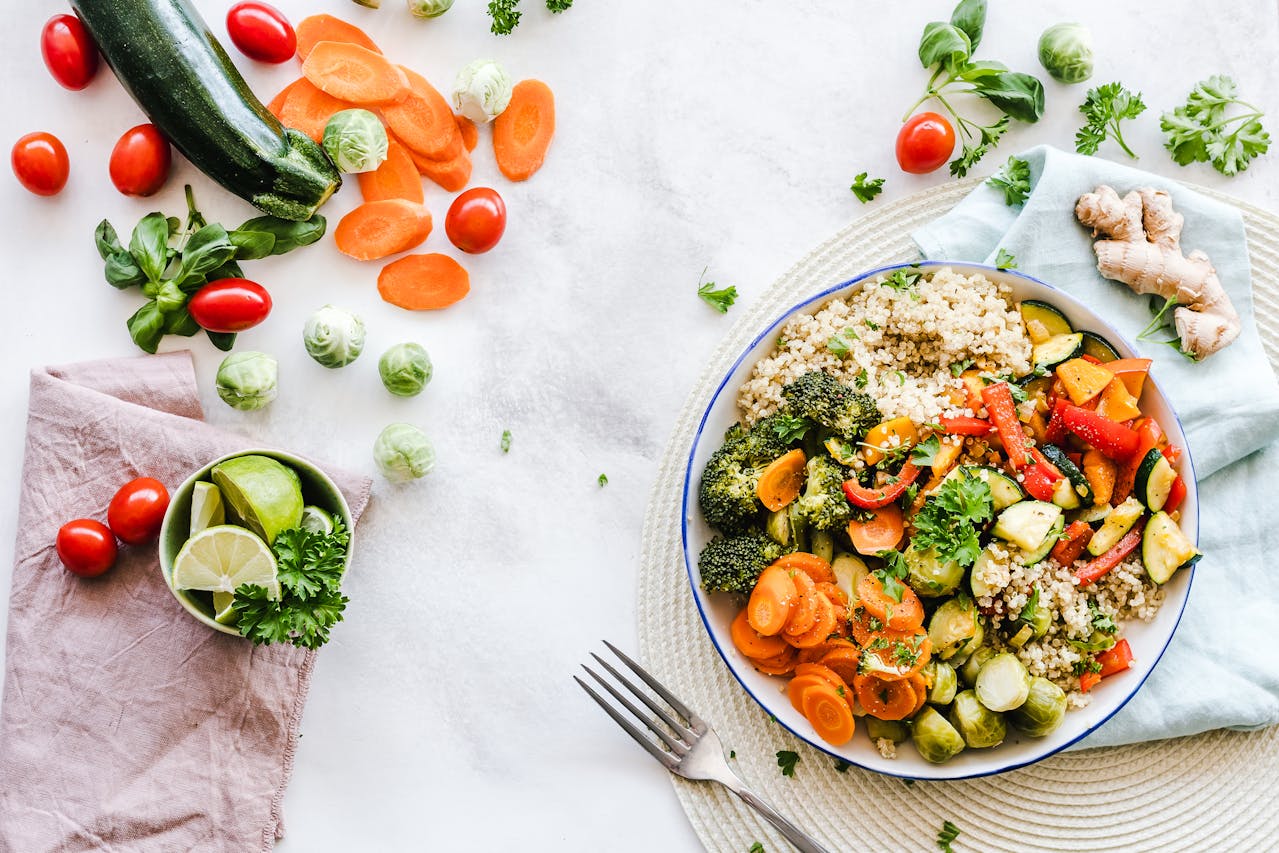
When food feels bland, the quickest fix is often salt, then more salt. Over time, taste buds adapt, and meals lean on processed sauces, deli meats, and salty snacks to feel satisfying.
Meal-prep pros keep a small flavor toolkit: garlic, onions, black pepper, smoked paprika, cumin, dried oregano, and a bottle of vinegar or lemon juice. Acid and aromatics brighten food fast, even leftovers, and a spoon of salsa can wake up a whole bowl.
With better seasoning, simple staples like beans, chicken, and vegetables feel complete. That helps retirees enjoy cooking again, while keeping sodium in a more reasonable lane most days.
Buying Family-Size Packs, Then Racing The Clock
Big packages look like savings, but for one person they can trigger a stressful countdown. Food spoils, guilt builds, and then dinner becomes whatever is shelf-stable because the fridge feels like a losing game.
Meal-prep pros treat portioning as the first step after shopping: split meat into single servings, freeze half a loaf, and store chopped vegetables in clear containers. Labeling with a simple date, like Feb. 4, keeps decisions quick.
This approach protects both budget and appetite. When the freezer holds ready portions, there is less pressure to eat the same thing repeatedly just to beat spoilage all week at home.