The 1980s felt casual on the surface: keys tossed to a friend, smoke curling in diners, kids piled into the nearest seat. Yet the decade also sat on the edge of modern liability, environmental controls, and public-health enforcement. As crash studies, courtroom rulings, and pollution research stacked up, lawmakers started writing down what had been left to vibes and luck. Many old routines did not vanish because tastes changed. They faded after injuries, fires, and contamination cases forced clearer standards. Seen through today’s rules, the ordinary suddenly looks like a citation waiting to happen in broad daylight.
Skipping Seatbelts Like They Were Optional
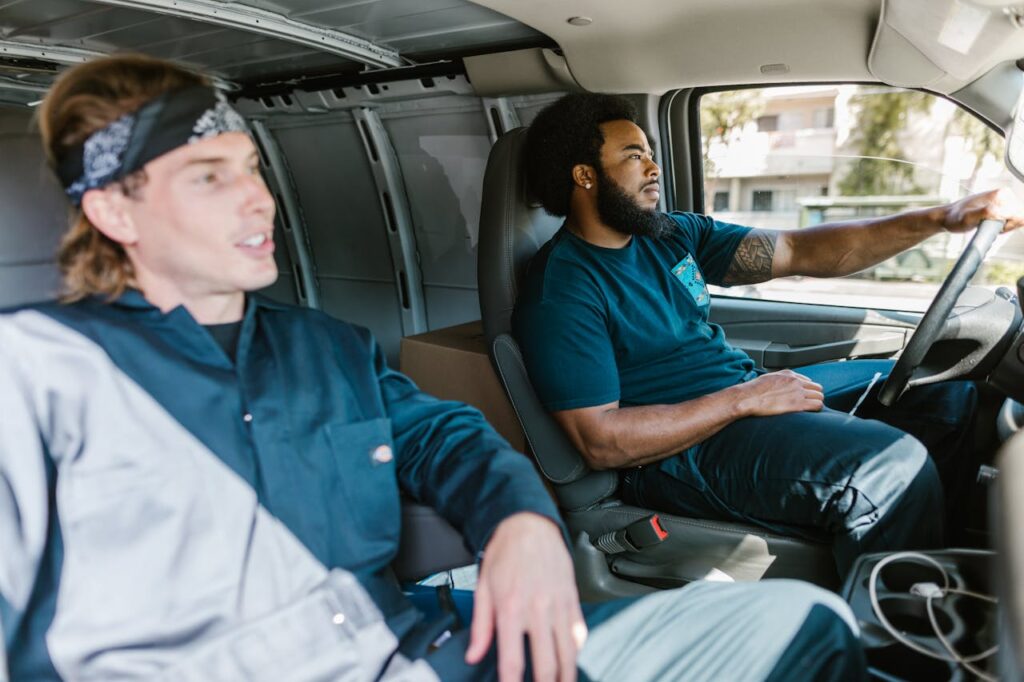
In the early 1980s, plenty of drivers treated seatbelts as annoying accessories, and back-seat buckles often vanished under coats and crumbs. A quick errand could mean a car full of unbelted passengers, with the ride framed as normal, not reckless.
Once New York’s requirement took effect in late 1984, other states followed, cars gained chimes and warning lights, and the rule shifted from suggestion to expectation; today, skipping a belt in the front or back seat is a ticketable offense almost everywhere, often enforceable as a primary stop, and it can shape citations, fault, and insurance payouts after a crash in seconds.
Smoking Indoors in Restaurants, Offices, and Planes

In the 1980s, smoke drifted through restaurant smoking sections, office corridors, and airplane cabins with ashtrays built into armrests. Buildings and airlines tried to manage haze with ventilation, as if the air just needed better circulation.
As evidence on secondhand smoke hardened, lawsuits and worker-safety rules helped drive clean indoor air laws, and federal action phased out smoking on U.S. domestic flights beginning in 1988 for short routes and expanding in 1990; today, lighting up indoors is banned in most states and cities, and businesses can face fines or license trouble for ignoring it, even when customers ask.
Letting Small Kids Ride Up Front Without Proper Restraints
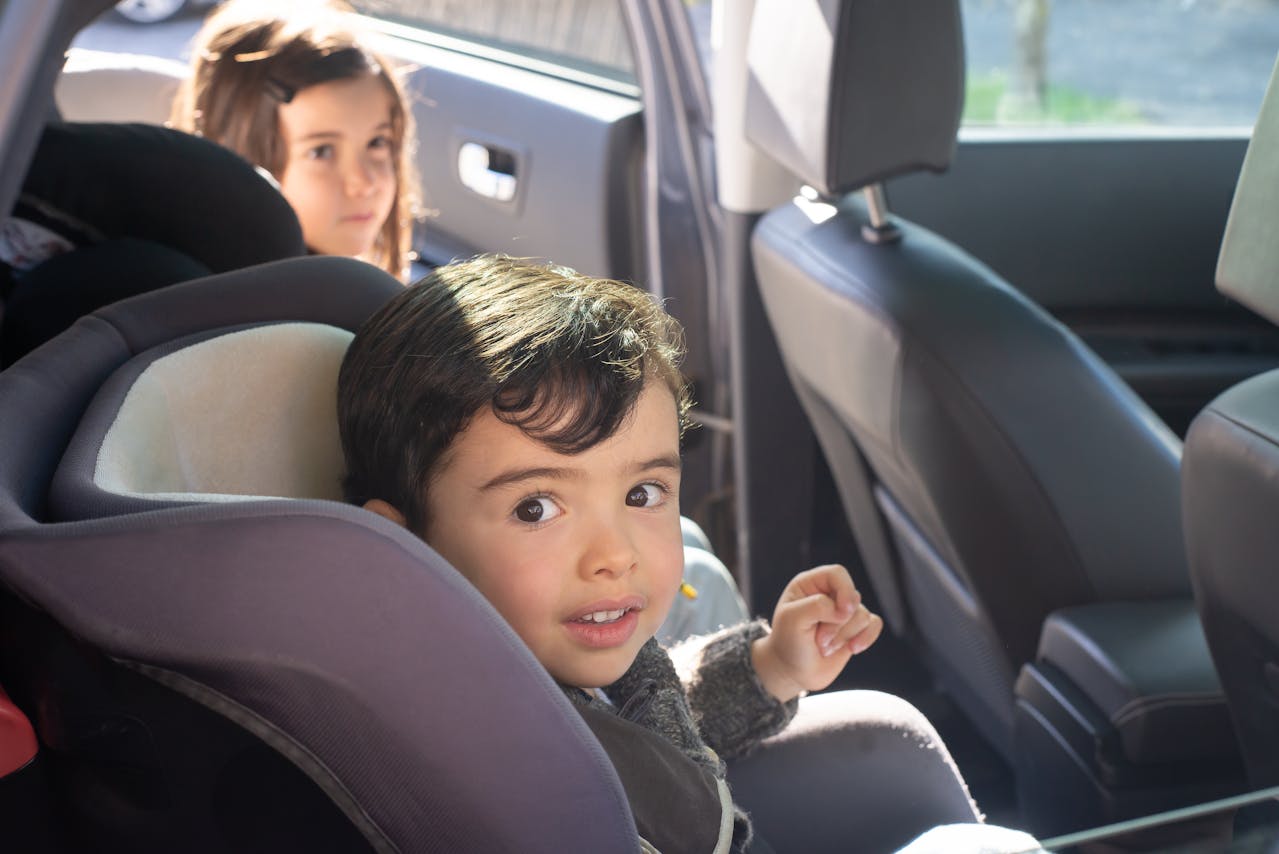
Front-seat rides for small kids were a normal shortcut in the 1980s, and many cars lacked modern anchors, boosters, and clear labels that spell out what proper restraint means. Parents often assumed closeness equaled safety, especially on short drives.
Research on crash forces and later airbag injuries pushed states to require age- and size-appropriate car seats, and manufacturers added LATCH anchors, stickers, and sensors; today, skipping required restraints or placing a young child up front can bring citations and scrutiny after a crash, because the rules live in statute, not advice, even when the trip was only a few blocks.
Riding in Pickup-Truck Beds for Short Trips
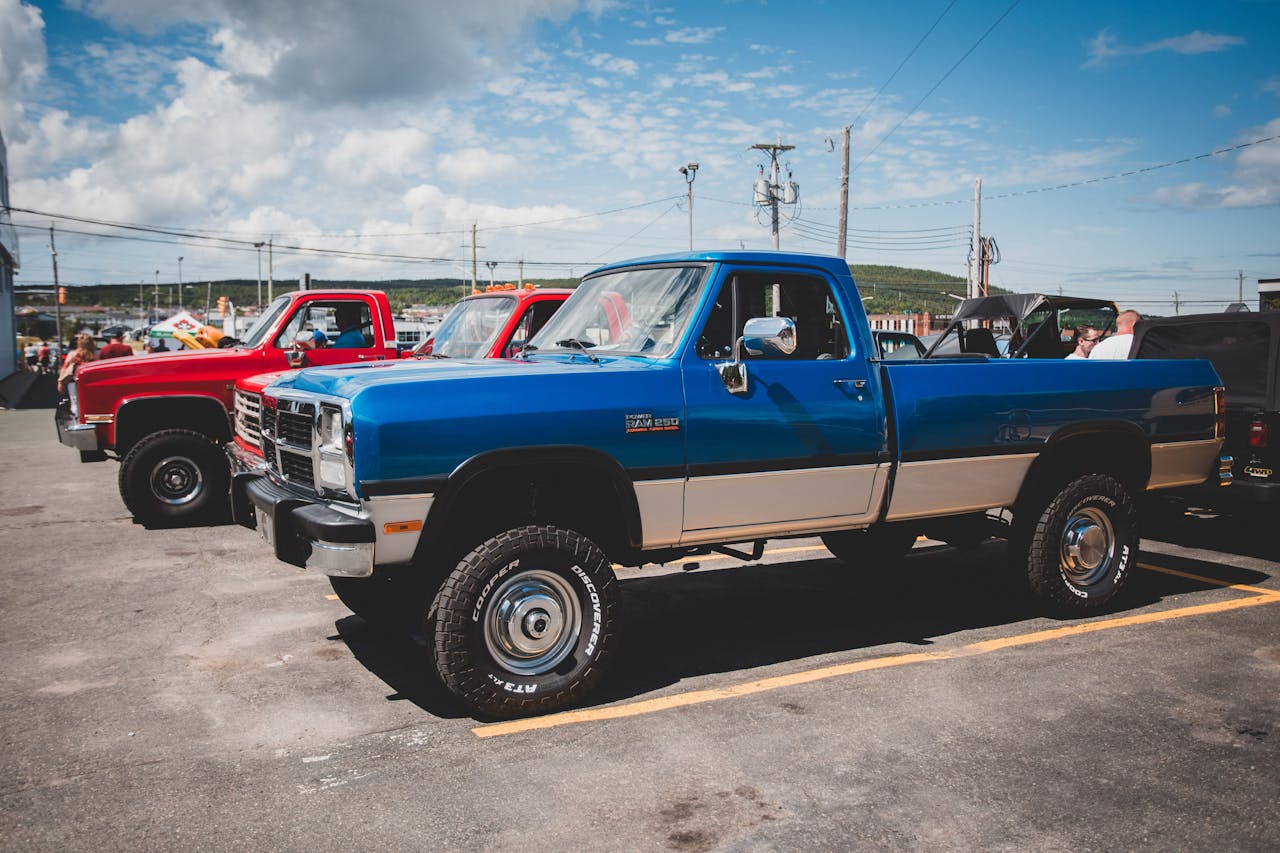
In the 1980s, riding in the open bed of a pickup felt like harmless fun or a practical way to squeeze everyone in for parades, farm chores, or a quick store run. The tailgate and high sides looked sturdy, so the risk stayed invisible in everyday conversation.
As injury data piled up, lawmakers leaned toward a simple idea: cargo beds are for cargo, because even a mild collision or sudden brake can launch unrestrained riders; many states now restrict or ban truck-bed passengers on public roads, often with age limits and narrow work exceptions, and violations can mean a ticket for the driver and a demand to stop immediately.
Driving With Open Alcohol Containers in Reach
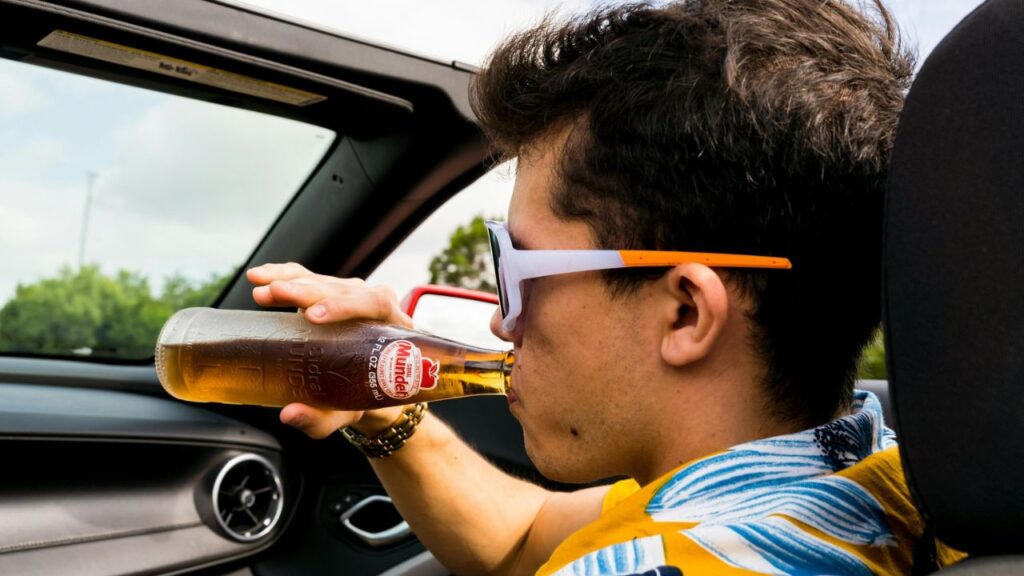
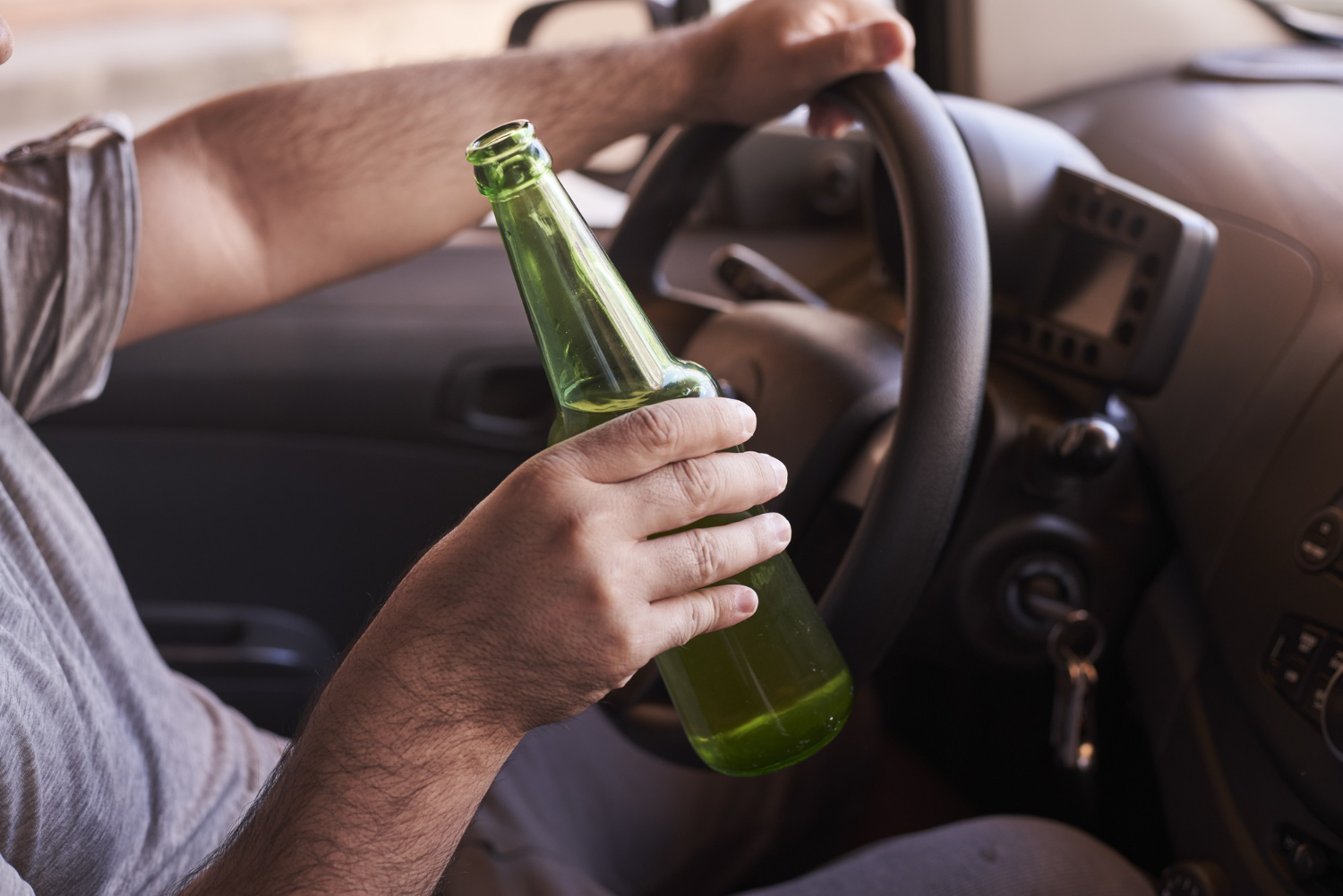
Road trips in the 1980s sometimes included an open beer in the passenger seat, treated like background noise rather than a legal problem. In many places, rules were vague, and enforcement focused mostly on obvious impairment.
As drunk-driving crackdowns grew, states adopted clearer open-container rules that bar drivers and passengers from having opened bottles, cans, or mixed drinks accessible inside a moving vehicle, no matter who is sipping; trunk placement and sealed packaging matter now, and a single can within reach can add fines, support a broader search, and reshape charges after an ordinary stop at night on the shoulder.
Leaving Young Kids Home Alone as a Normal After-School Routine

The latchkey era ran on landlines, familiar neighbors, and a belief that independence built character. Many children walked home, made a snack, and watched TV alone for hours, and adults called it normal childhood.
As neglect cases and after-school accidents drew attention, schools and agencies tightened reporting, and courts pushed parents toward clearer supervision standards; today, leaving a young child alone can trigger a report, a welfare check, or charges tied to neglect, depending on age, duration, home hazards, and the local rules that define what unsupervised means, even when parents mean well, within minutes.
Copying TV Shows to Tape and Passing Them Around

VCRs made it easy to record shows off broadcast TV, label a cassette, and hand it to a friend like a favor. Copying felt private and harmless, especially when everyone was taping the same sitcoms, cartoons, and Sunday games anyway.
The Supreme Court’s 1984 Betamax ruling protected personal time-shifting, but copying for others or building a swap pile outside the household crosses into distribution, and that can be infringement; today, rights-holders can pursue takedowns, statutory damages, and lawsuits when sharing is wide, repeated, or tied to money, even if the original recording started on a living room VCR and traded at work.
Using Strong Lawn Chemicals With Minimal Oversight

Weekend lawn care in the 1980s often meant mixing concentrates in a garage, spraying without gloves, and rinsing equipment where the water ran straight toward a storm drain. The instructions were there, but the culture treated the bottle like permission, not a warning.
As groundwater studies, pet exposures, and drift complaints piled up, federal and state regulators tightened what can be sold and how it can be applied; many products now carry restricted-use labels, licensing requirements, or local bans, and misuse can draw fines when it pollutes waterways or affects neighbors on a windy day, even when the yard looks perfect.
Burning Household Trash in a Backyard Barrel

Burn barrels stayed common in the 1980s where trash pickup felt expensive or unreliable, and a controlled fire looked like a tidy solution. Paper, packaging, and household scraps went into the drum, and smoke was treated as a minor nuisance that would blow away.
Air-quality research and fire codes reframed that habit as a problem, because plastics and treated materials release hazardous pollutants when they smolder at low temperatures; many states and counties now ban burning household garbage outright, even in rural areas, and violations can bring citations, neighbor complaints, and visits from local officials pretty fast.
Riding Bikes Without Helmets Like It Was a Rite of Passage

Kids on BMX bikes and ten-speeds in the 1980s often wore nothing but confidence, and adults rarely insisted on helmets outside serious racing. Falls were framed as part of growing up, even when they meant an ER visit and a summer on the couch.
As pediatric head-injury research spread, states and cities began passing helmet rules for bikes, scooters, and skateboards, especially for minors, and schools added safety requirements for organized rides; the result is a patchwork, but in many places a child riding unhelmeted on streets or trails is a ticketable offense for the caregiver, and repeat violations can escalate beyond a warning.
Buying Certain Cold Medicines Off the Shelf With No ID

In many 1980s drugstores, decongestants and cold remedies sat on open shelves, paid for in cash, and carried out with no questions beyond the price. Security was aimed at shoplifting, not tracking ingredients that could be diverted into illegal production.
Federal meth-control rules later reshaped the aisle: products with pseudoephedrine are often kept behind the counter or in locked cabinets, require an ID check and signature, and get logged with strict limits under the Combat Methamphetamine Epidemic Act, so what used to be a quick grab now comes with records that can be audited and penalties for sloppy sales on busy weekends.
Owning Exotic Pets With No Permits or Inspection

The 1980s had a streak of novelty pets: monkeys, big snakes, wild cats, and other animals bought through ads or traveling sellers. Many owners treated them like conversation pieces, even though typical homes were not built for secure enclosures or escape-proof handling.
As injuries, escapes, and trafficking concerns grew, states moved toward bans and permit systems requiring paperwork, vet records, proof of secure housing, and inspections; today, many species are illegal to own or tightly regulated, and violations can bring confiscation, fines, and charges that would have sounded dramatic to a suburban pet owner in 1986.