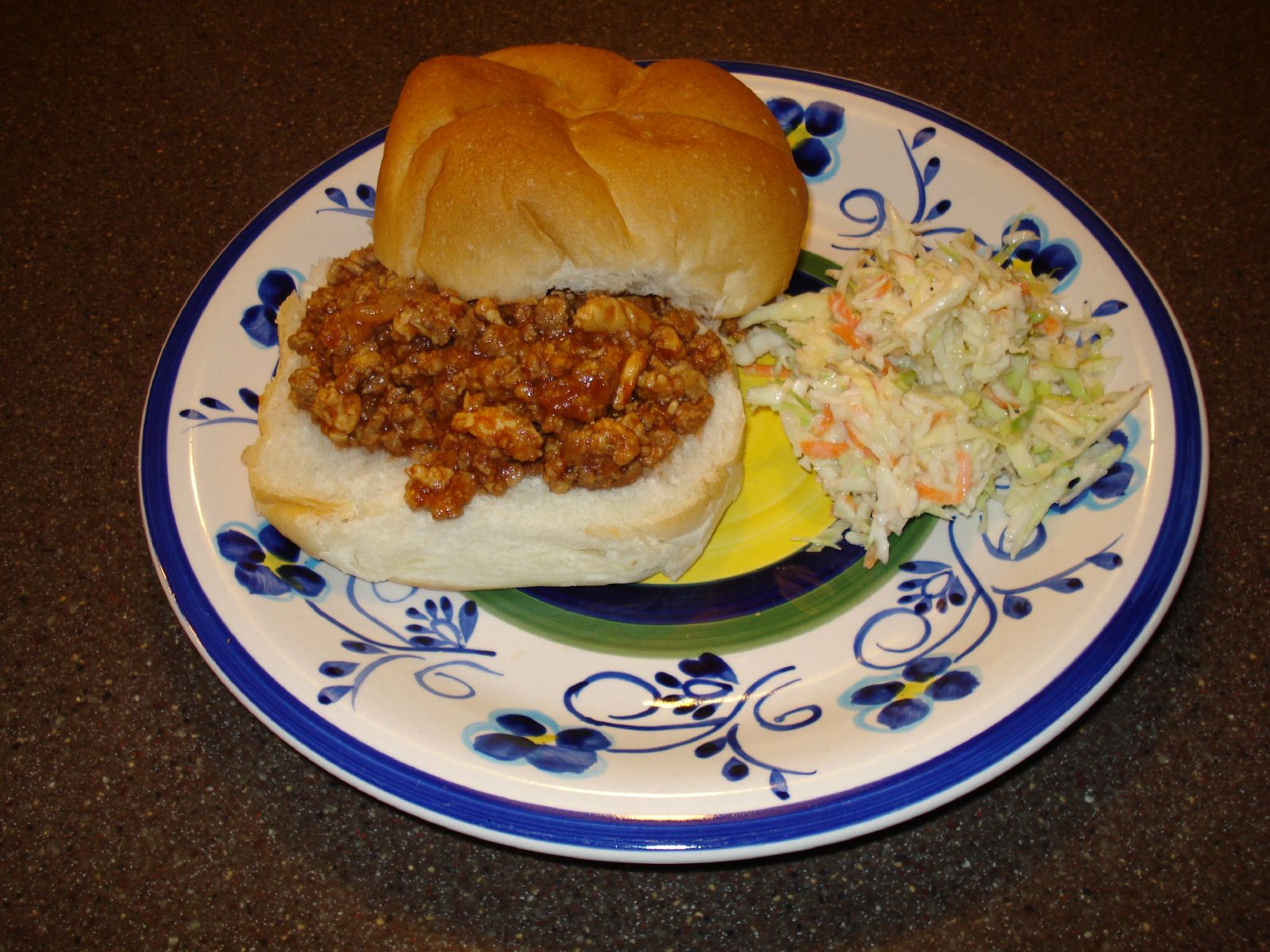
Jail food is rarely discussed in detail, which is why it surprises people when they learn how varied it can be. County kitchens run on tight budgets, strict safety rules, and supply deliveries that do not always arrive on time, so menus lean on shelf-stable basics and repeatable recipes. Still, a quiet food culture forms behind the doors: standardized trays at set hours, plus small acts of improvisation when commissary items, leftovers, and seasoning packets get traded around. Some dishes are written into official menus, while others exist as informal classics that almost never show up in public conversation at all.
Nutraloaf
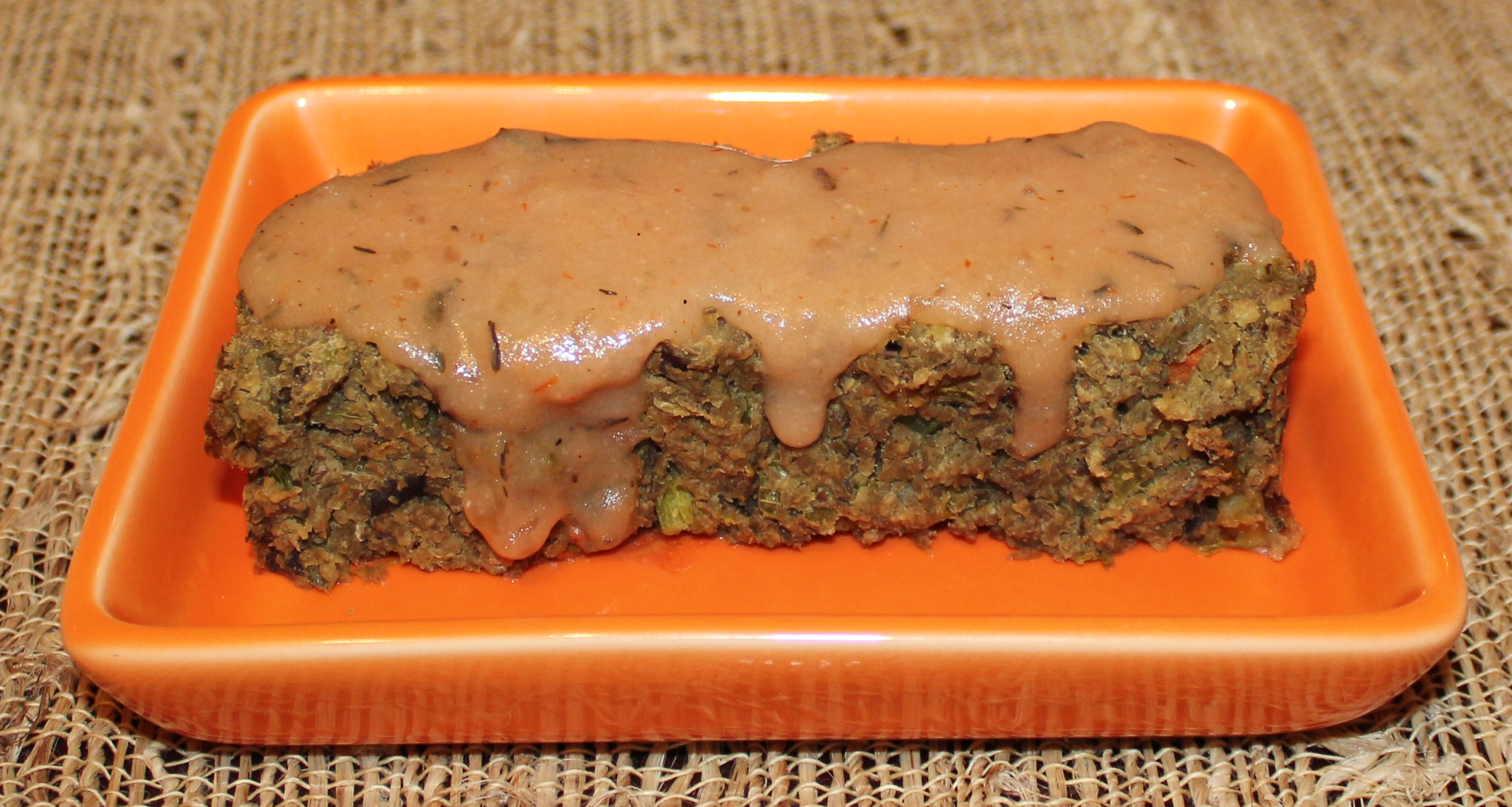
In some facilities, a baked meal loaf shows up as a discipline-friendly entrée because it can be served without utensils and still hit basic nutrition targets. It is often served at room temperature.
It is dense and mild, built from whatever the kitchen can blend and bake in bulk, then portioned into firm slices that hold their shape on a tray. People expect a single recipe, but it varies by kitchen and vendor, which is part of why it stays half-myth outside the walls.
The surprise is the logic: one controlled item that limits waste, lowers conflict over swaps, and keeps the schedule moving when staff and budgets are tight.
Breakfast Cake

One of the most unexpected breakfast items in custody is something labeled breakfast cake, a square that eats like a soft, sweet quick bread.
It appears on some rotating menus beside oatmeal, fruit, or potatoes, and it is built for scale: low cost, shelf-friendly ingredients, and portions that can be counted fast. That practicality matters at 6 a.m., when hundreds of trays have to move without delays.
The taste is usually simple, closer to spice cake or cornbread with extra sweetness than a bakery treat. To outsiders picturing constant gray mush, a cake-like breakfast feels oddly human, which is why people remember it years later.
The Spread
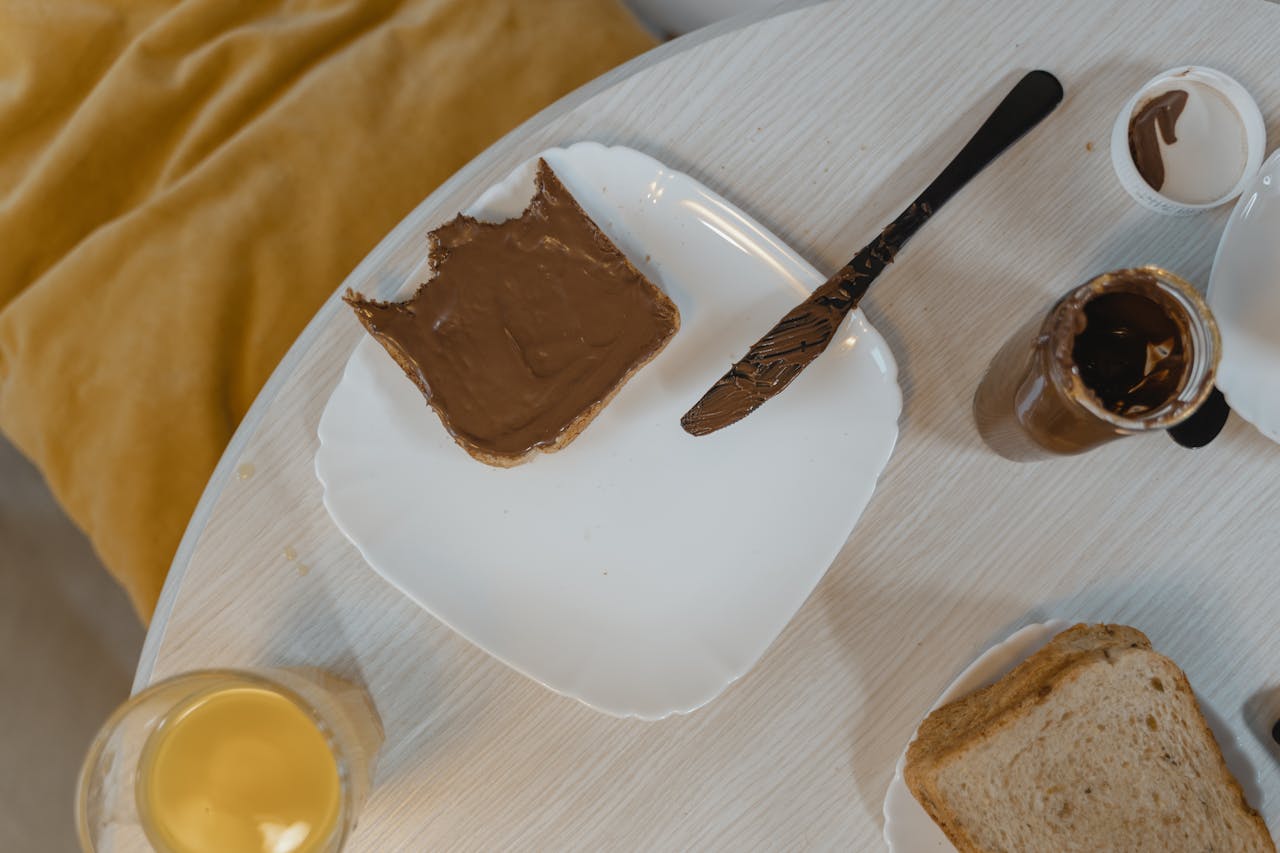
A jail spread is not an official entrée so much as a shared project: instant noodles crushed, softened, and rebuilt into something closer to a casserole.
Ramen is the base, then chips, meat sticks, tuna packets, and seasoning mixes get folded in, often inside a plastic bag or bowl warmed with hot water. Some versions try to echo comfort foods like soups or a cheesy bake, using whatever textures the commissary can provide.
It is part recipe and part social ritual, because every ingredient has a price and every swap has a story. What shocks most people is how familiar the goal is: making a tight place feel briefly communal and full.
Chi-Chi
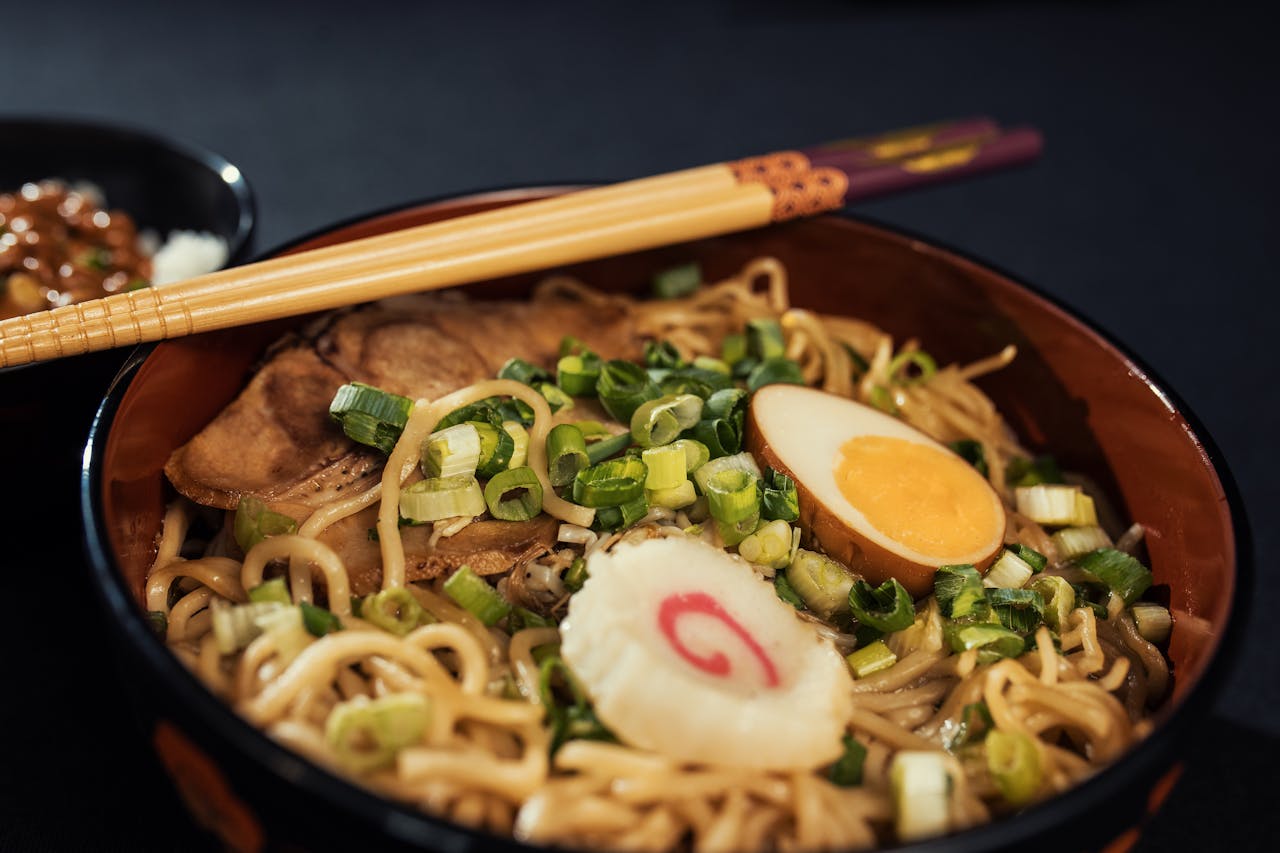
Chi-chi is a name that rarely leaves jail slang, but inside it signals a specific kind of comfort bowl built from cheap, loud flavors.
Instant noodles get mixed with crushed chips or cheese curls, plus whatever protein is available, then softened with hot water until it turns into a thick, spicy mash. It looks improvised, yet the technique is consistent: salt, crunch, heat, and a little sweetness from drink-mix packets.
People outside tend to assume commissary snacks are only snacks. Chi-chi shows how quickly a snack economy turns into a kitchen when time is the main ingredient, and boredom is the fuel after lockdown.
Mackerel Patty

Mackerel rarely enters the average American kitchen, yet it can show up in jail as a budget-friendly protein that stores well and cooks fast.
The fish is mixed into a patty with a simple binder, then baked or pan-finished so it can be served like a burger on a tray, sometimes with a bun or a scoop of rice. The smell is what people mention first, because shared air makes every strong ingredient feel bigger.
In some places it becomes a once-in-a-while feature that people either dread or look forward to, depending on how dry the kitchen runs it that week. Either way, it breaks the usual rotation of chicken, beans, and noodles.
Sack Lunch Bologna Sandwich

On court days, transfers, or late-night intakes, the meal can turn into a sack lunch: a bologna sandwich built for speed, not comfort.
It is cold, wrapped, and paired with a small fruit, cookie, or chips, because kitchens cannot always pause to plate hot trays for groups on the move. The bread is plain, the cheese thin, and the condiments limited, but the format is dependable and easy to count.
Most people do not realize how often custody meals are designed around logistics rather than appetite. The bologna sack lunch is less a recipe than a travel ration for a system that runs through shift changes, paperwork, and long waits.
Chili Mac
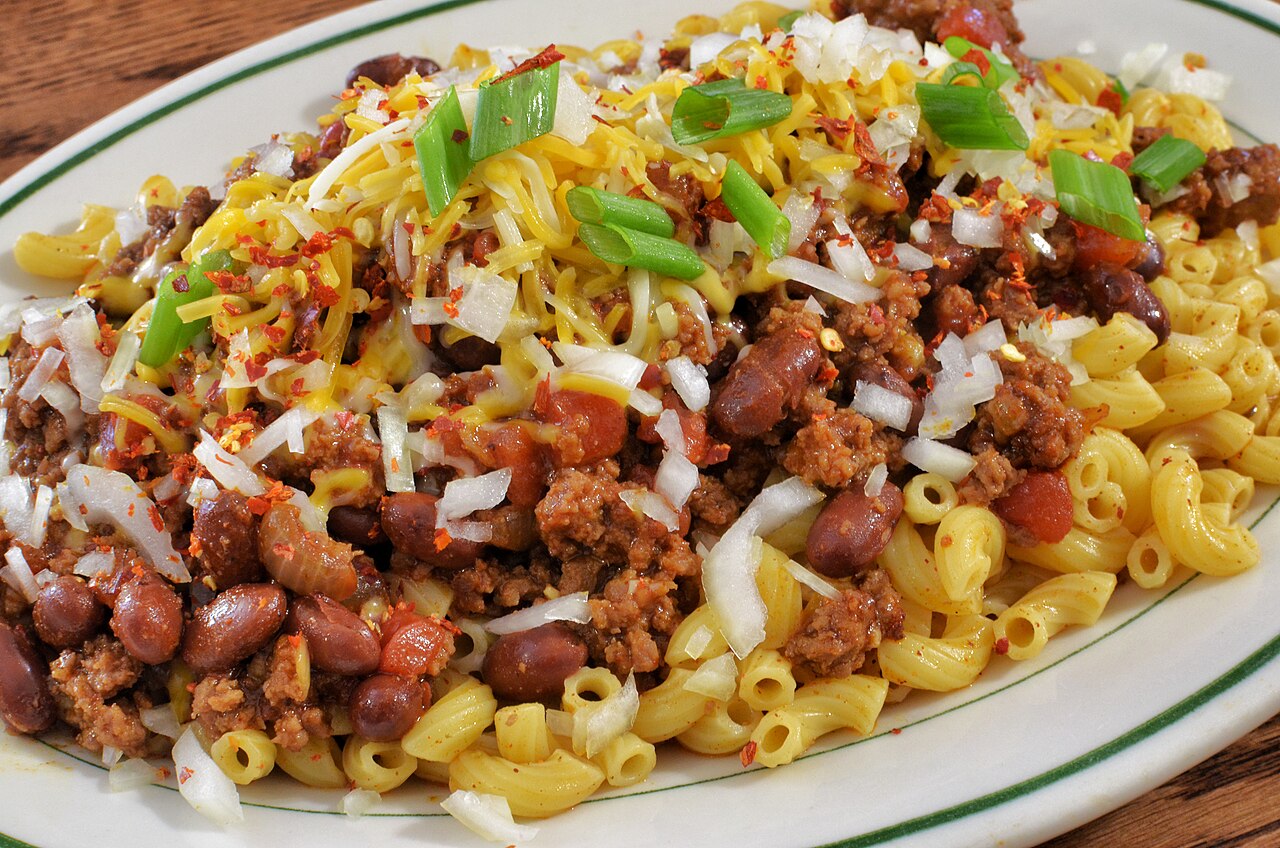
Chili mac is a classic correctional comfort meal because it is cheap, filling, and forgiving when ingredients are inconsistent.
Elbow pasta meets a ladle of bean-heavy chili or meat sauce, then everything gets stirred until it clings together and holds heat on a tray. A little powdered cheese, a few diced onions, or a saved hot-sauce packet can shift it from dull to satisfying.
Most outsiders imagine custody food as separate, bland components. Chili mac is different: one pot, one scoop, and a flavor that feels familiar enough to quiet complaints. It scales up fast, which is the quiet driver of jail menus on busy days.
Instant Potatoes With Gravy
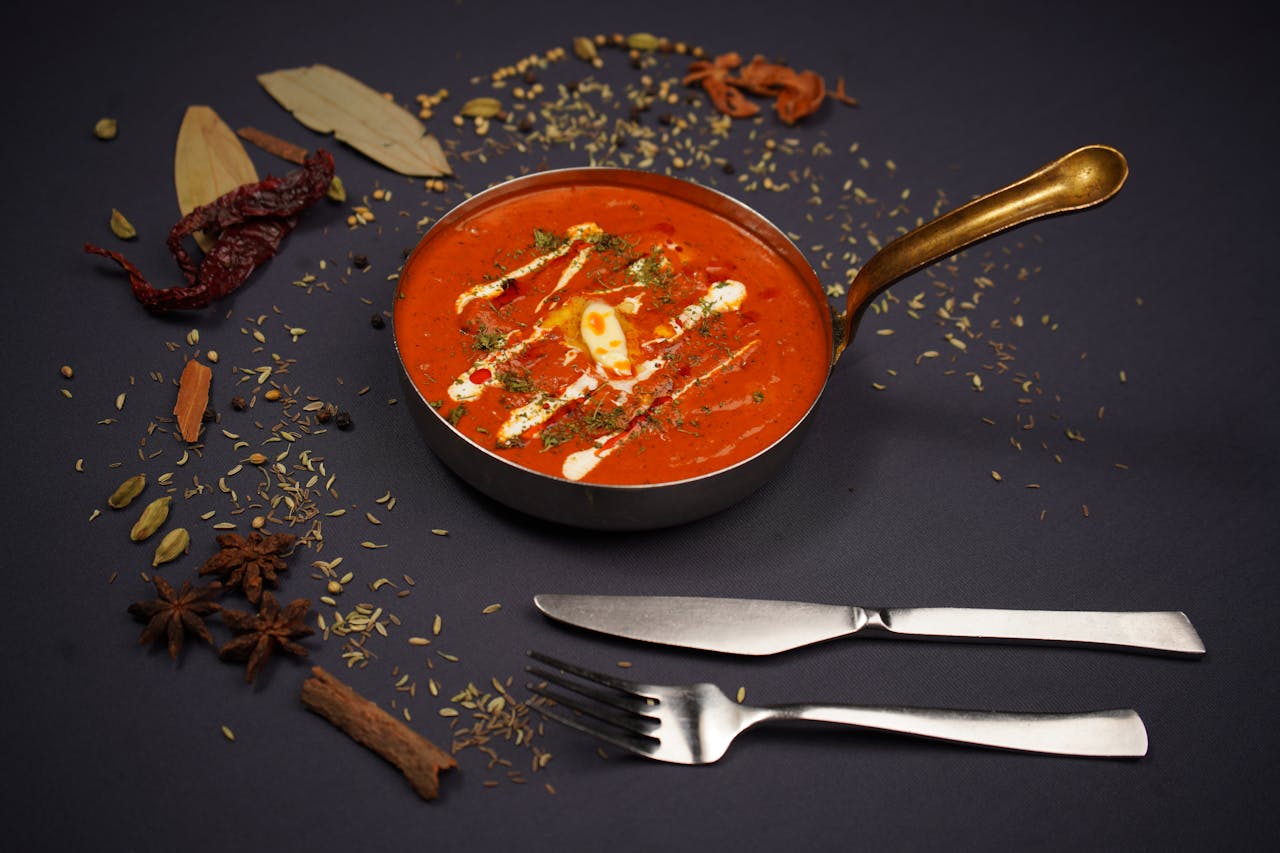
Instant potatoes show up in jails because they are light to store, quick to rehydrate, and nearly impossible to mess up at scale.
Hot water and a little fat turn flakes into a pale mound that holds gravy, beans, or sliced turkey in place, which matters when trays travel far from the kitchen. Salt and pepper packets, when they appear, suddenly become valuable.
On days when the entrée is thin, the potato scoop becomes the real center of the meal. Most people do not know how engineered this side dish is for institutional life: soft, predictable, filling, and able to smooth over the rough edges of whatever sits beside it.
TVP Sloppy Joe
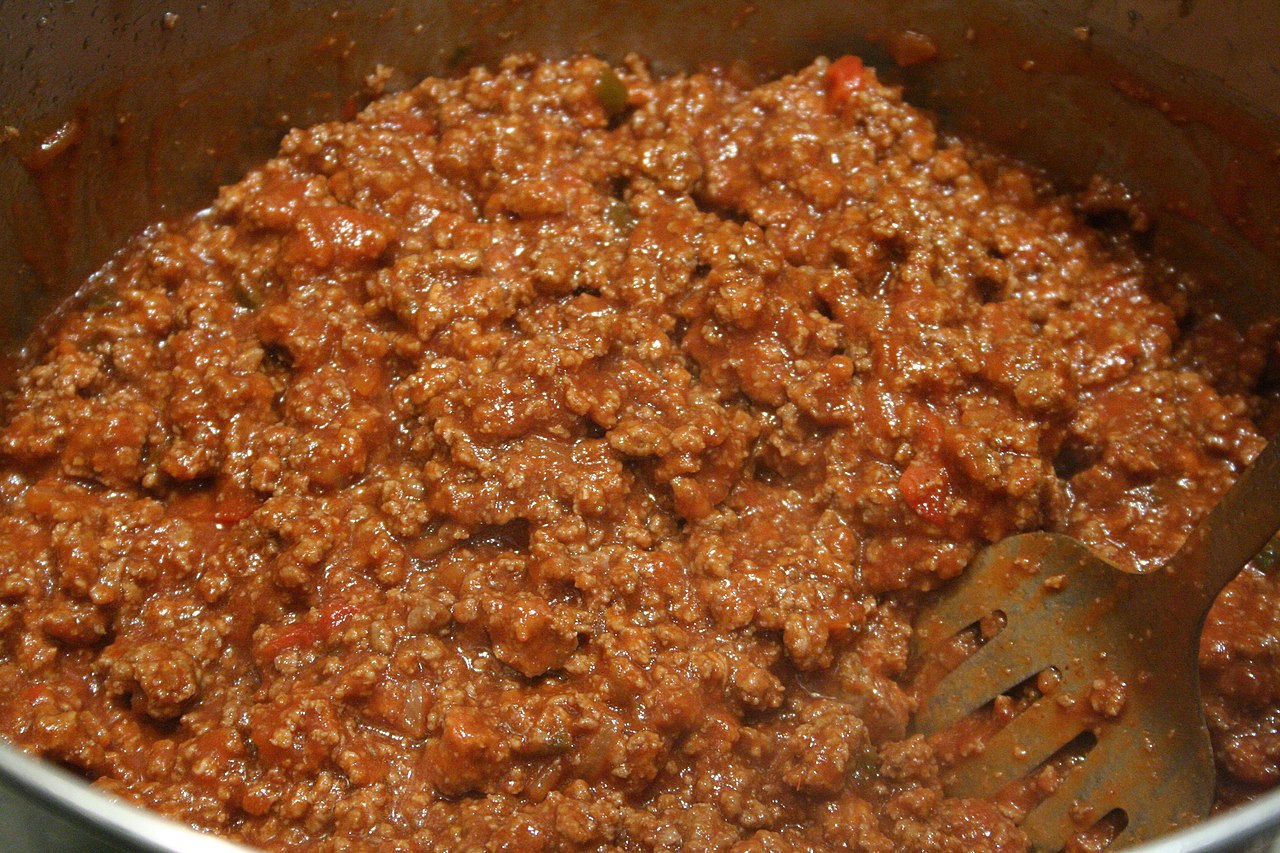
A surprising number of jail meals rely on textured vegetable protein, often shortened to TVP, because it is inexpensive and behaves like ground meat in sauce.
Mixed into a sweet-savory sloppy joe filling, it can be spooned onto a bun and served hot without the food-safety headaches of handling raw beef at volume. When it is seasoned well, the difference is easy to miss; when it is not, the texture gives it away.
Most people do not realize how common plant-based protein is in custody kitchens for purely practical reasons. It stretches budgets, ships easily, and keeps the menu compliant, even when supply orders change midweek.
Cereal Night Tray

Some jails run an occasional cereal supper, a tray that swaps the usual hot entrée for cold cereal, milk, and a piece of fruit.
It sounds like a kid’s meal, but the motive is practical: it is fast to serve, requires little cooking, and still lands within basic calorie and nutrition rules. For kitchens juggling staffing gaps, it can be the difference between on-time chow and a late-night backlog.
Even the details feel specific to custody life, from the pre-portioned cartons to the way cereal becomes both dessert and dinner in one bowl. Most outsiders never picture that kind of meal behind bars, which is why it stands out.