
For decades, the Las Vegas buffet was a quick, low-cost ritual on the Strip, built for speed and a sense of easy abundance. After the pandemic, many buffets closed and did not return, while others reemerged with higher prices and tighter hours. Food halls and celebrity-driven restaurants filled former buffet spaces, and the remaining buffets leaned into spectacle. The change can feel subtle until a menu board shows $80 or $175, and nostalgia meets sticker shock. Returning travelers still arrive expecting the bargain-and-plenty rhythm, then realize the culture has flipped, and even dinner now requires a new kind of plan.
The Buffet Started As A Casino Tool
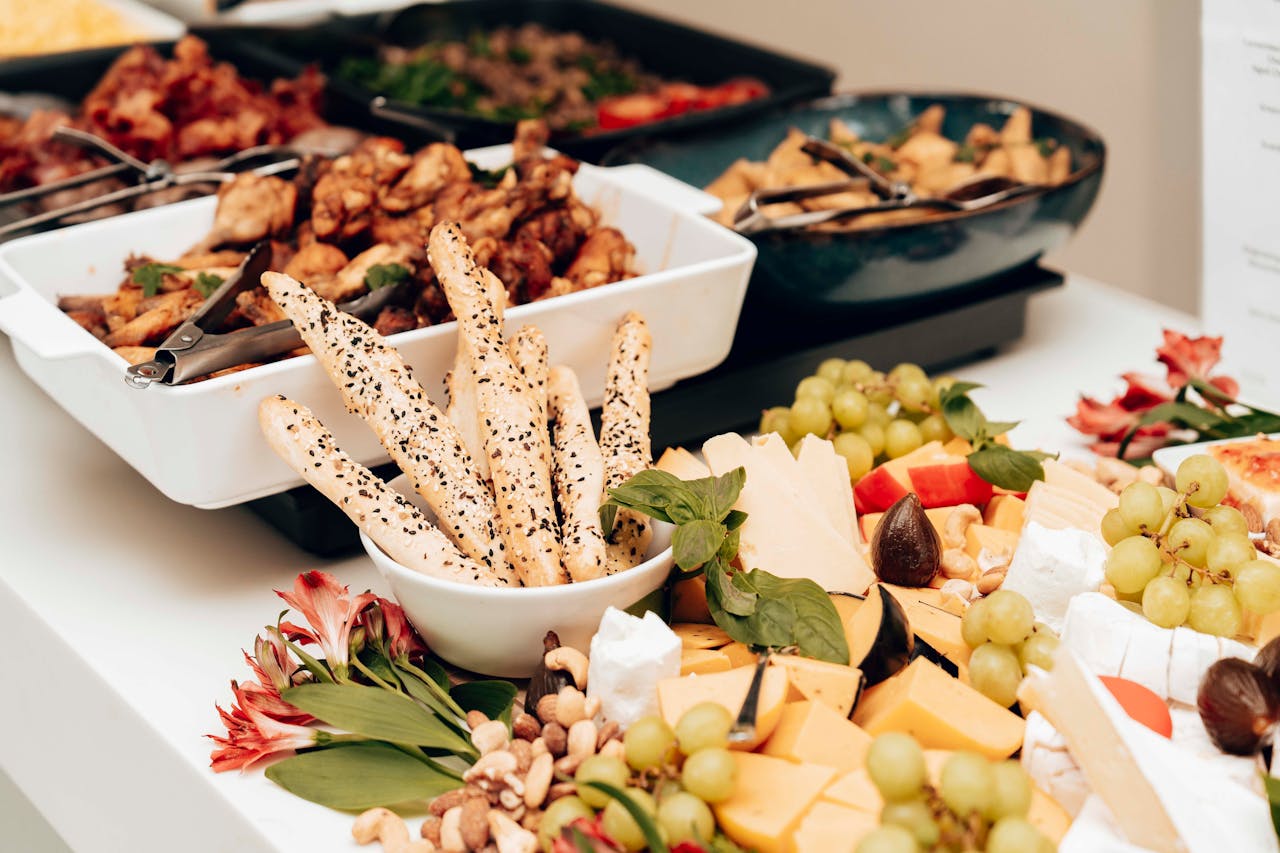
Eighty years ago, the first Las Vegas buffet opened as the $1 Buckaroo Buffet, a western-themed spread of cold cuts and cheese.
Early Strip buffets were not built to make much money. They were designed to feed people cheaply and fast, then send them back to the casino floor with more time to spend. That bargain-and-plenty feeling became part of the city’s identity, before luxury dining took over.
The format stayed popular because it removed friction: no reservations, fast lines, and one price that kept decisions easy. It also gave visitors a taste of extravagance, the sense of something generous in a city built on fantasy.
Only About A Dozen Remain On The Strip
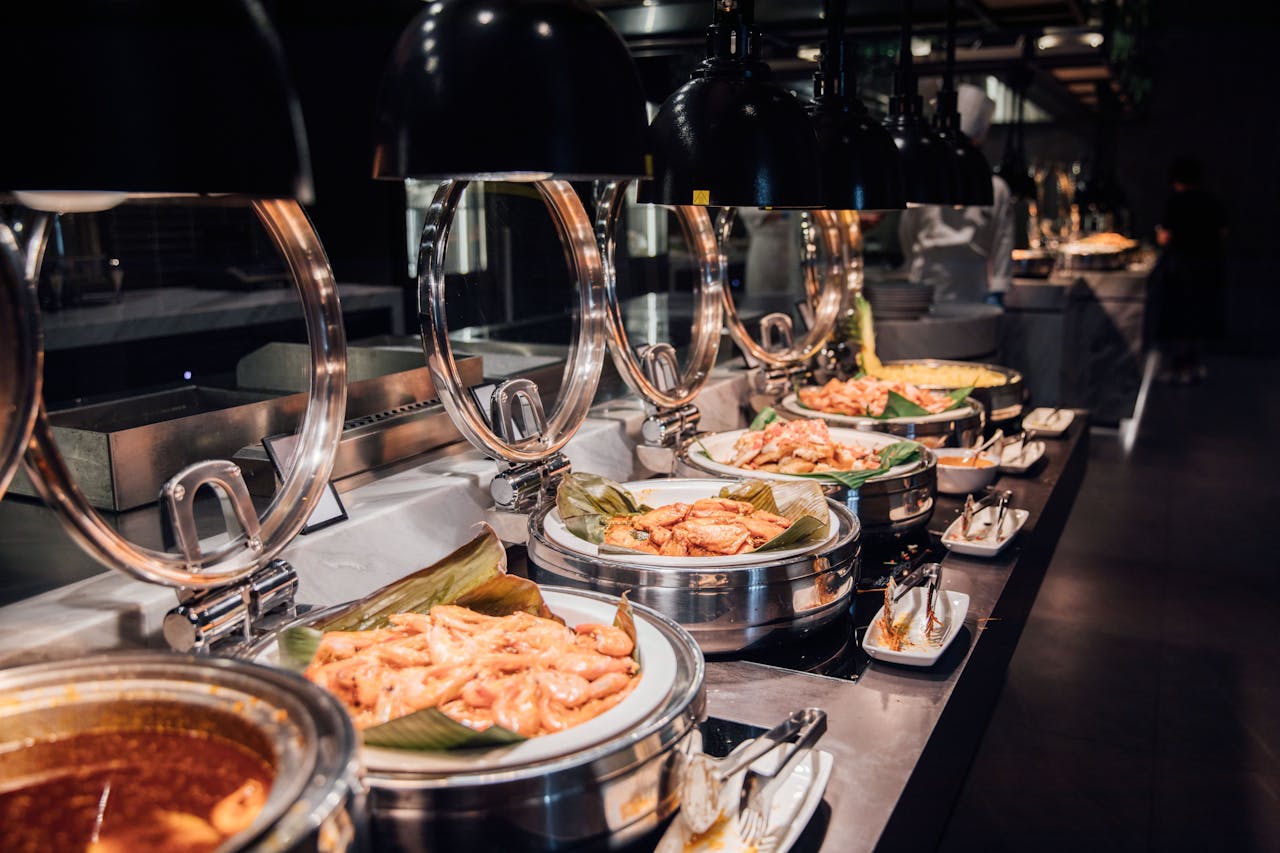
Buffets once felt everywhere on the Las Vegas Strip, but the count has dwindled to around a dozen.
Many closed during the COVID-19 pandemic and chose not to reopen as costs climbed. That decision reshaped how trips get planned, because the old default option is no longer waiting around every corner.
In the spaces where steam tables used to be, operators now favor food halls or celebrity chef restaurants. The remaining buffets often price themselves as an experience, with some visitors paying as much as $175 for lobster tail, prime rib, and limitless drinks. For repeat visitors, the sticker shock lands fast on arrival.
Rio’s Mega Buffet Gave Way To A Food Hall
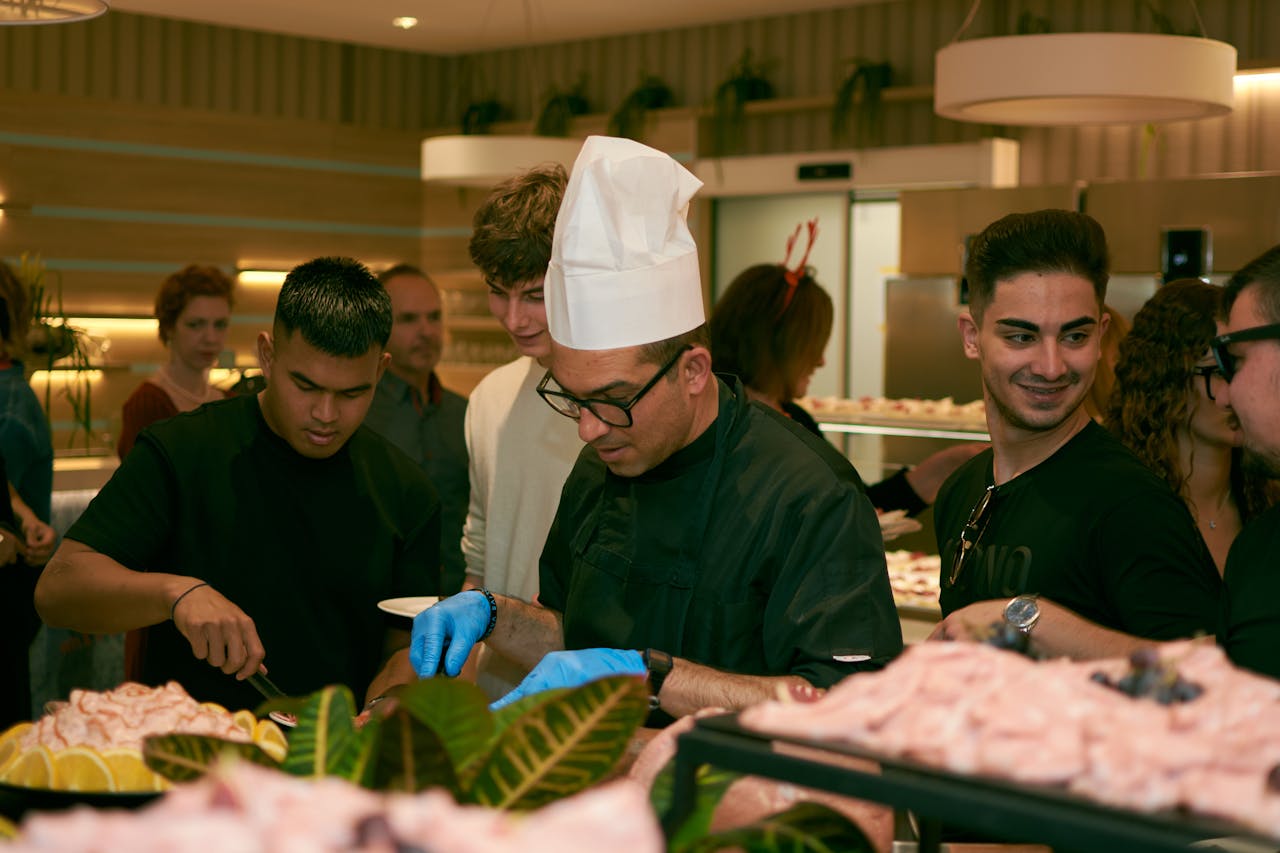
Before it closed in 2020, the Carnival World Buffet at the Rio sold itself as the city’s largest buffet, with 300-plus international dishes.
Las Vegas food tour guide Jim Higgins remembered it as the kind of place that could cover a group’s wish list for around $30, without turning dinner into a debate. It was casual and reliable.
After the closure, the space became the Canteen Food Hall. The swap captures the new logic on the Strip: variety still matters, but it is increasingly delivered through separate counters instead of one buffet price. The experience feels modular, and the total can climb one ticket at a time.
ARIA’s Indian Favorites Became Proper Eats
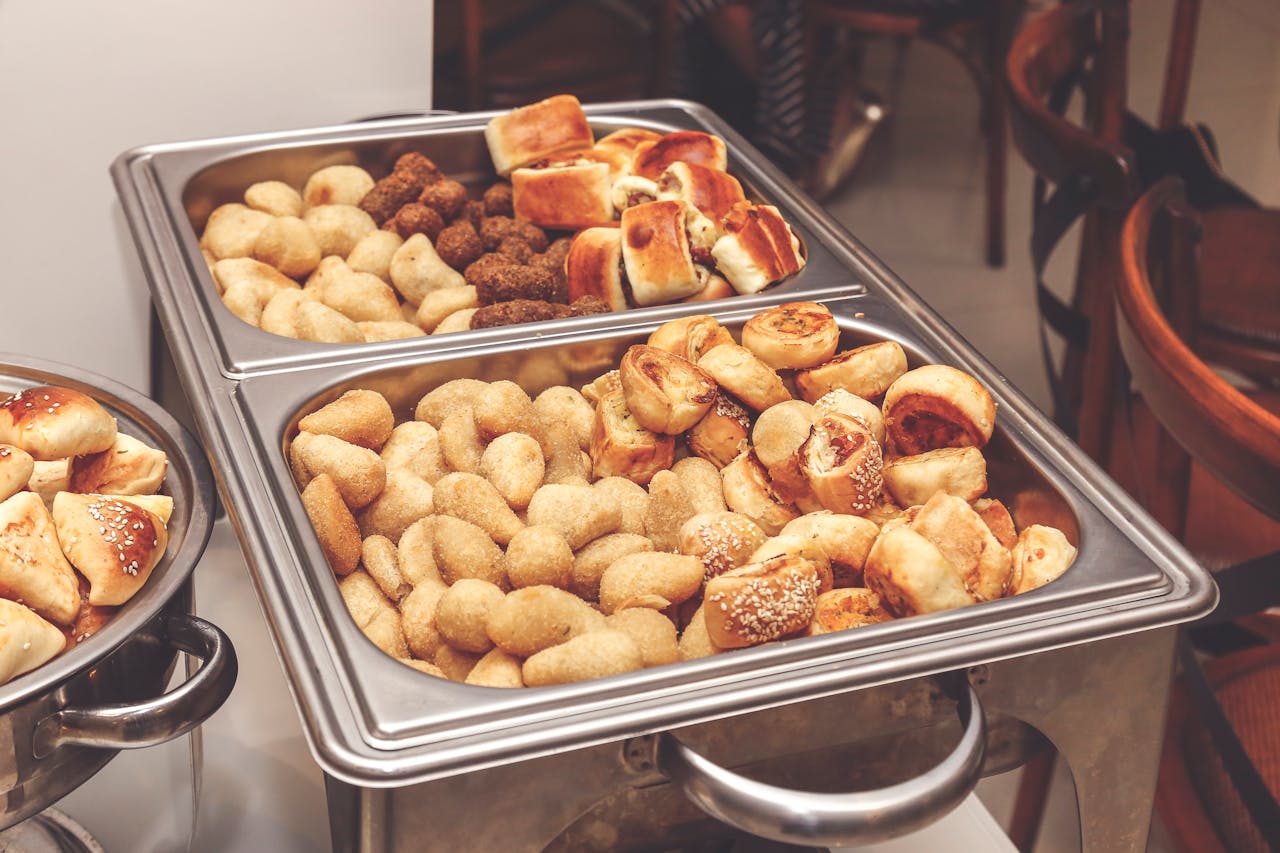
ARIA’s buffet stood out for something rare on the Strip: Indian dishes served with fresh-baked naan as a signature, not a side note.
It closed for good in 2020. When the space returned, it returned as Proper Eats Food Hall, trading one long buffet line for a lineup of separate menus.
Proper Eats offers multiple options, including ramen, sushi, and burgers. The change signals what Las Vegas now rewards: more curated choices, faster turns, and less emphasis on a single room where everything feels included. Food journalist Al Mancini has tied that shift to Las Vegas becoming a foodie town with higher dining expectations.
Luxor’s Themed Buffet Closed, Even With Comps
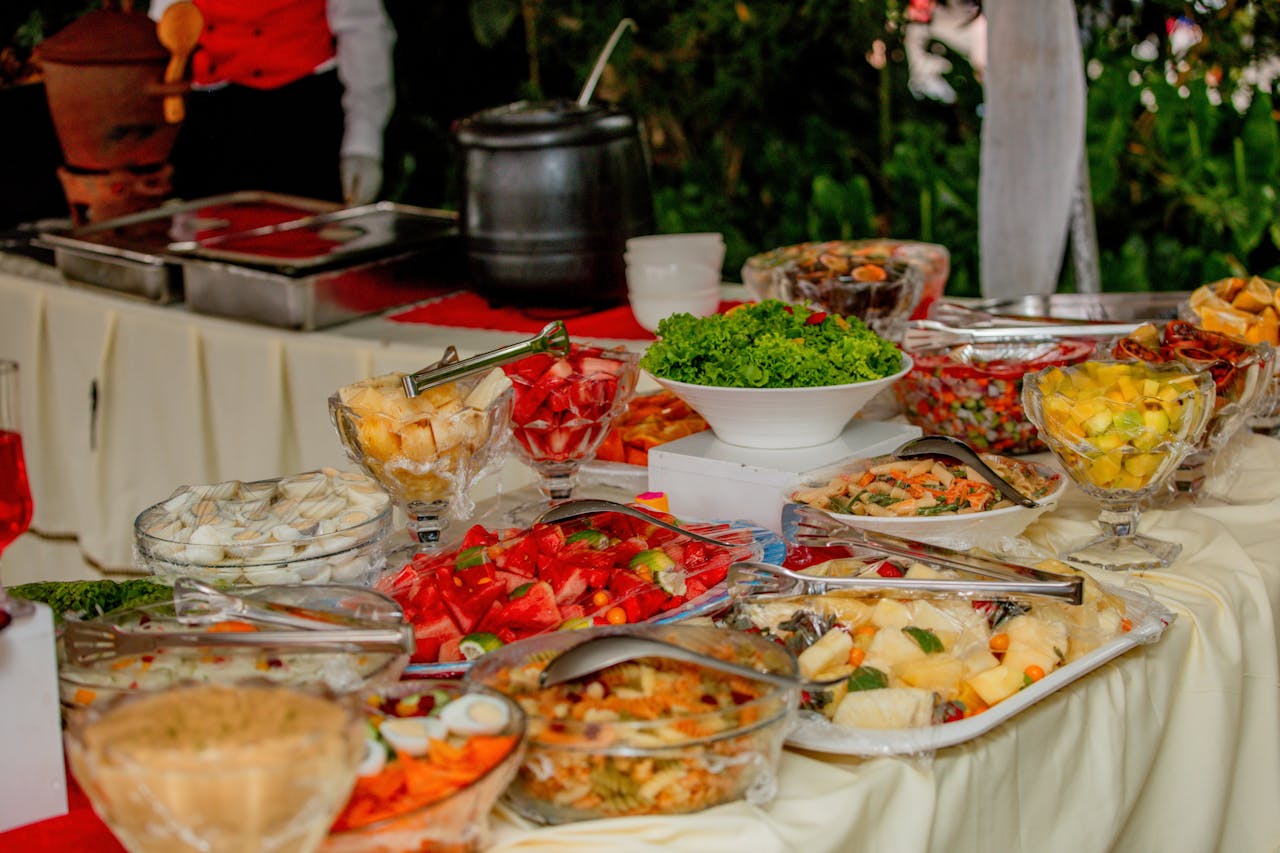
In March, the pyramid-shaped Luxor’s ancient Egypt-themed buffet closed, another familiar stop removed from the Strip’s map. It had been a themed, midpriced option that felt easy to choose.
The price had hovered around $32, yet plenty of people ate for free through casino comps. That made it feel less like a splurge and more like part of the Las Vegas deal that kept visitors optimistic.
When a comp-friendly buffet disappears, the loss is not just a meal. It is a piece of trip math that used to balance out other spending, and many returning travelers notice the gap right away while scanning menus across the Strip immediately.
Luxury Buffets Now Sell Spectacle, Not Savings
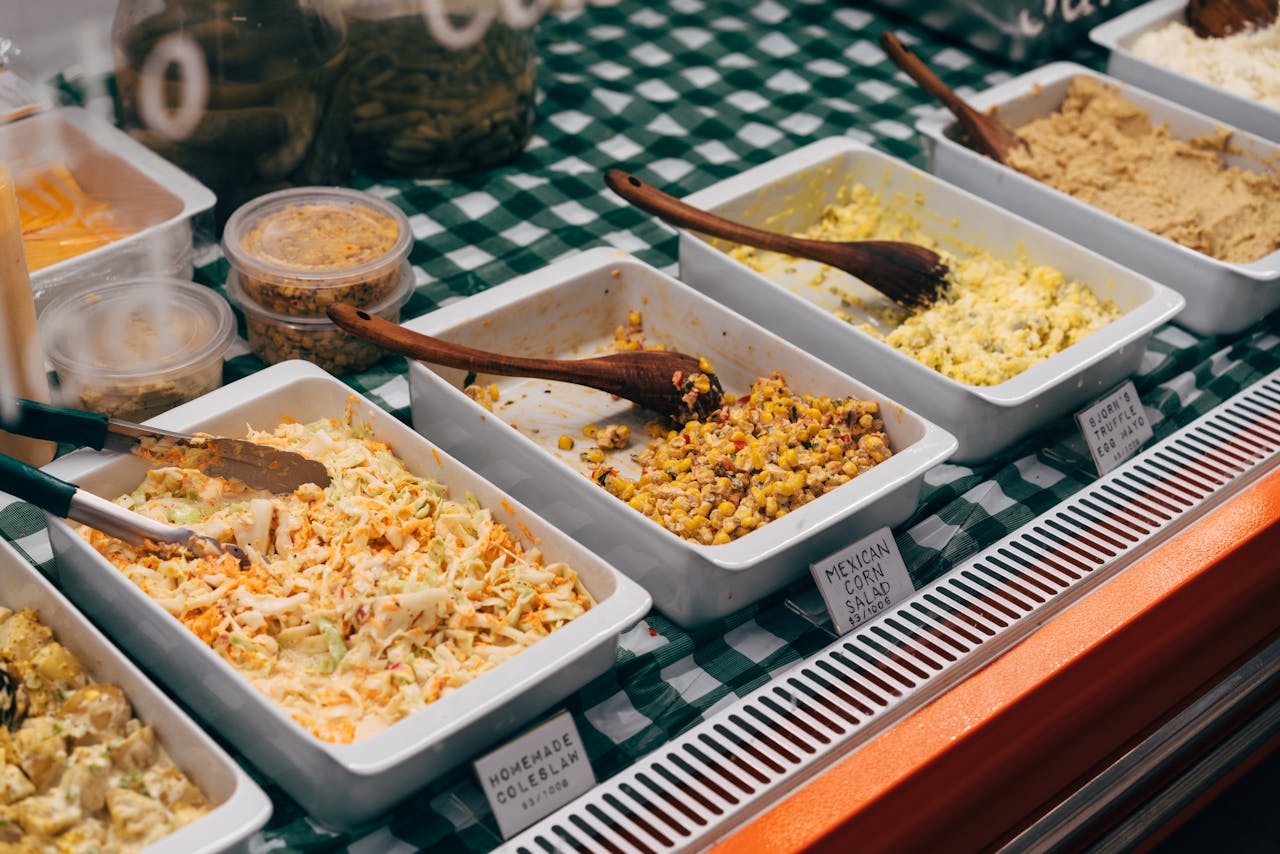
Many visitors still treat the buffet as a must-do, but longtime locals say the deal-hunting era has faded.
Food tour guide Jim Higgins has described the modern buffet as an attraction with an attraction price. Visitors can pay as much as $175 at some luxury buffets for lobster tail and limitless drinks. Jeff Gordon points to the spectacle at the Buffet at Wynn and the Bacchanal at Caesars Palace, where mountains of crab legs sit beside carving stations with smoked brisket.
In that setting, the buffet is no longer a quick refuel. It is part of the show, and travelers pay for the mood as much as the meal. That is the adjustment.
The Plate Was Part Of The Fantasy
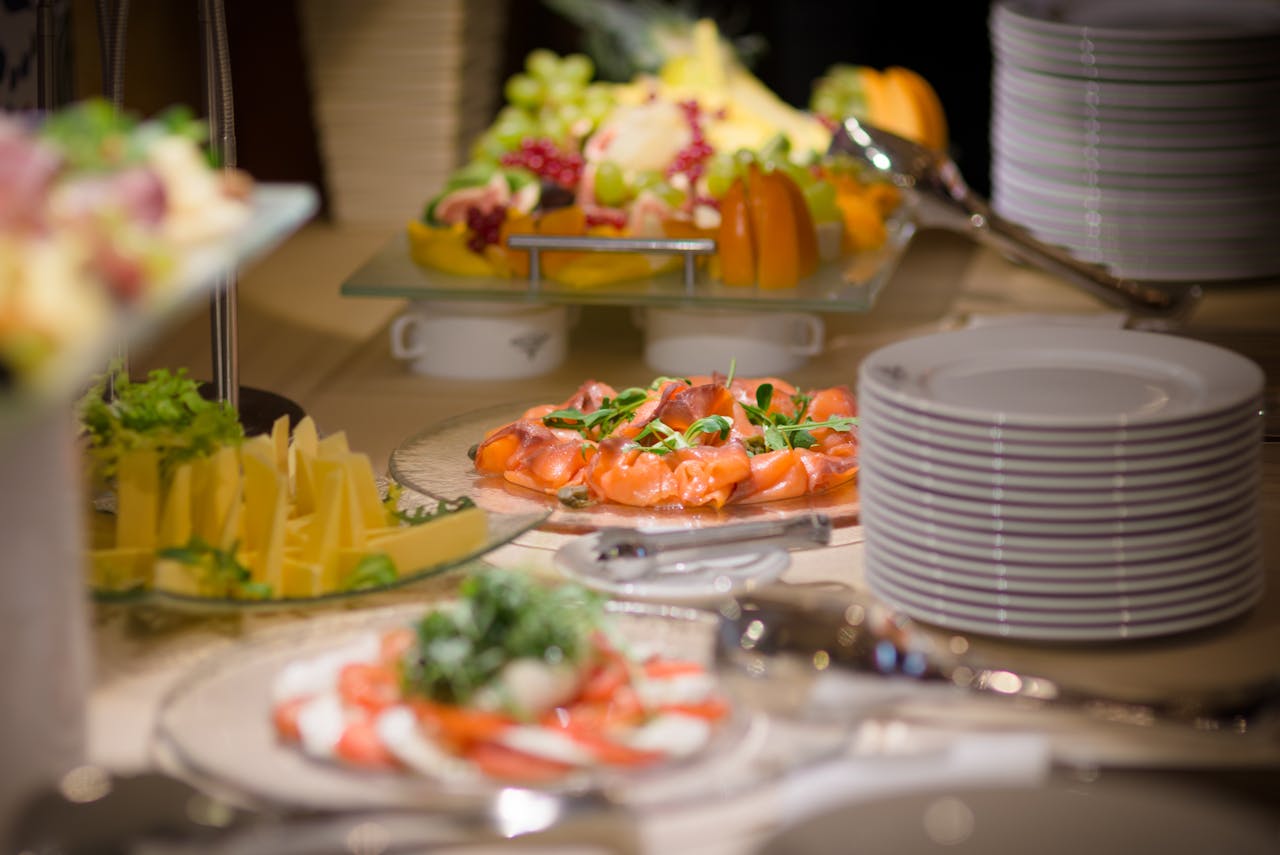
Food journalist Al Mancini argues the buffet fit Las Vegas because the city invites visitors to feel richer than they are, at least for a moment.
With one receipt, diners could load a plate with crab legs and feel a visceral thrill that matched the bright lights outside. The buffet made abundance feel simple, and simplicity is powerful in a place built on impulse. That emotional payoff helped the format stay iconic.
As prices rise and choices break into separate counters, that single-ticket thrill gets harder to replicate. Travelers can still find indulgence, but the old shortcut to feeling like royalty is less common.
A.Y.C.E Shows How Buffets Survive By Adding Theater

At the Palms’ A.Y.C.E Buffet, survival looks like turning dinner into entertainment, not just a long line of trays. That shift shows up before the first plate.
For $80, diners get endless lobster, shrimp cocktail, sushi, snow crab legs, and pasta including lobster mac ’n’ cheese. Specialty themed nights add hula dancers or mariachi, and a lobster mascot sometimes appears.
Executive chef Marcus O’Brien says it is almost like a circus. Food writer Al Mancini argues the Las Vegas buffet will never die, but it will keep evolving alongside the restaurant scene. The message is clear: buffets are priced as attractions, not bargains.