Car USB ports have been common since the mid-2000s, but they used to mean one thing: topping up a phone on the way home. Now the port is a tiny power station, and the gadget shelf keeps growing. Mini fridges, Bluetooth bridges for older stereos, humidifiers for dry A/C air, and dashboard displays all promise a calmer drive. Adapters make USB-A and USB-C mix easily, so a purchase feels harmless in the moment. Then the reality shows up on a hot July afternoon or a long night drive: dangling cords, rattling mounts, and one more object that needs cleaning, refilling, pairing, or finding a place to live without sliding around.
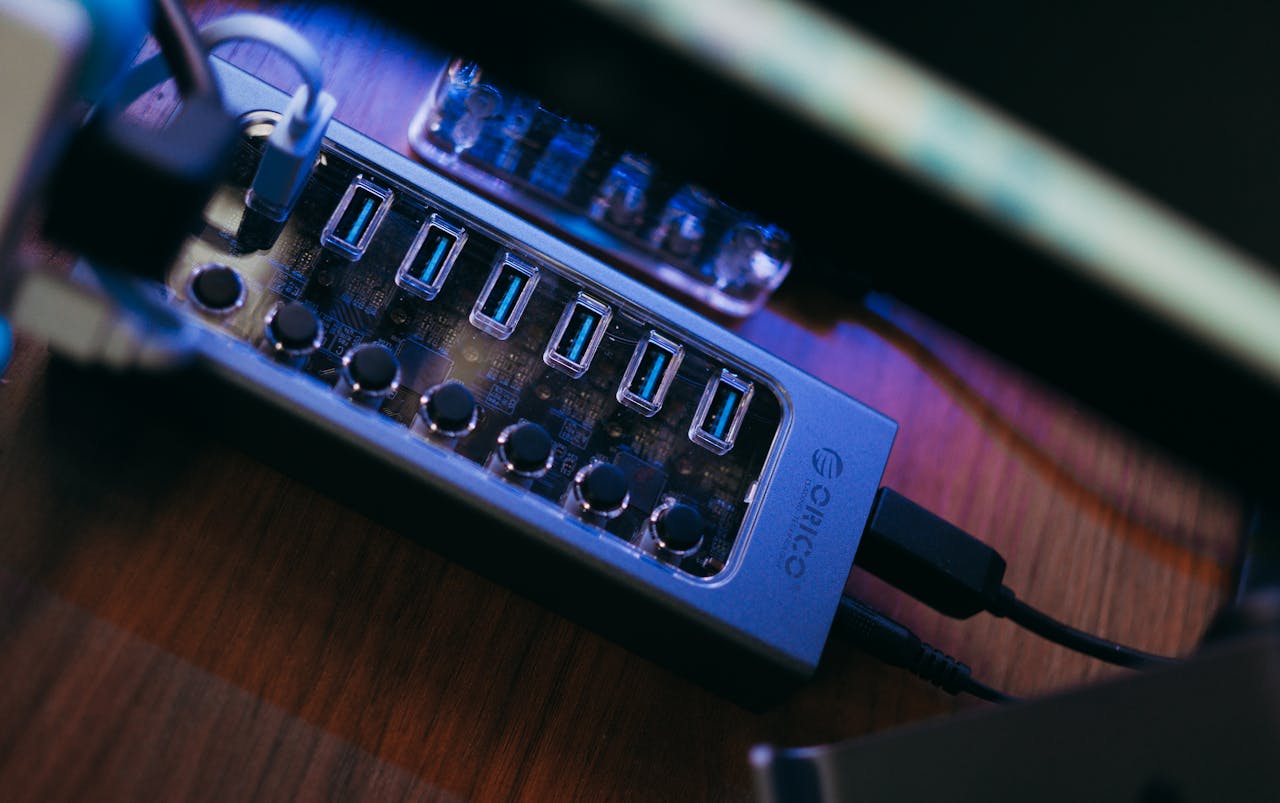
Multi-Port USB Charging Hub
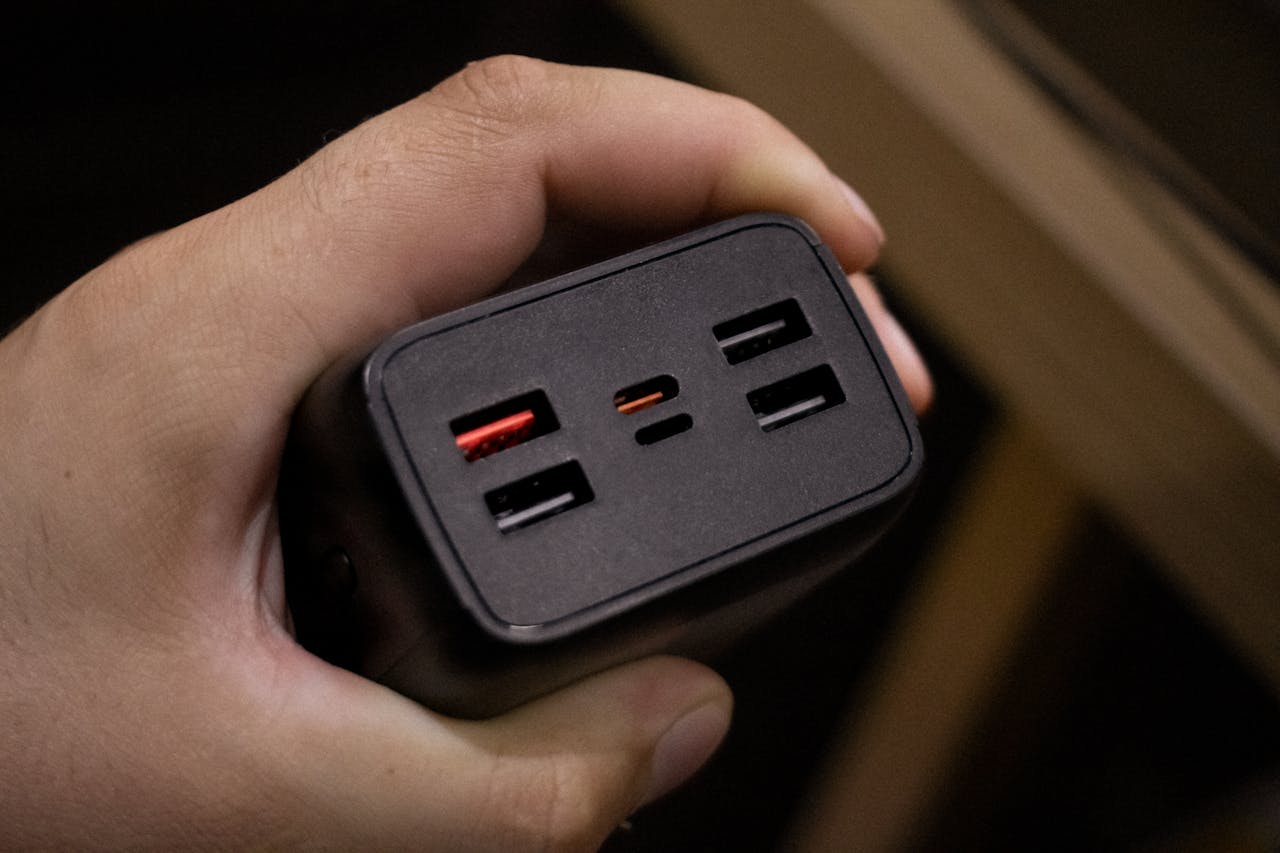
On paper, a hub fixes the classic problem: too many devices and not enough ports. In real cabins it often turns one tidy outlet into a knot of short leads, half-charged phones, and a plastic brick that gets bumped every time a cup holder is used. During carpools, it drifts, dangles, and becomes a snag point.
Cars also vary on whether a port is meant for data, power, or both, so a hub can trigger behavior like slow charging, random disconnects, or a phone that stops playing audio the moment another cable is added. The hub rarely breaks. It simply invites clutter, and the clutter makes the drive feel messier than it started.
Bluetooth Receiver With Aux Cable
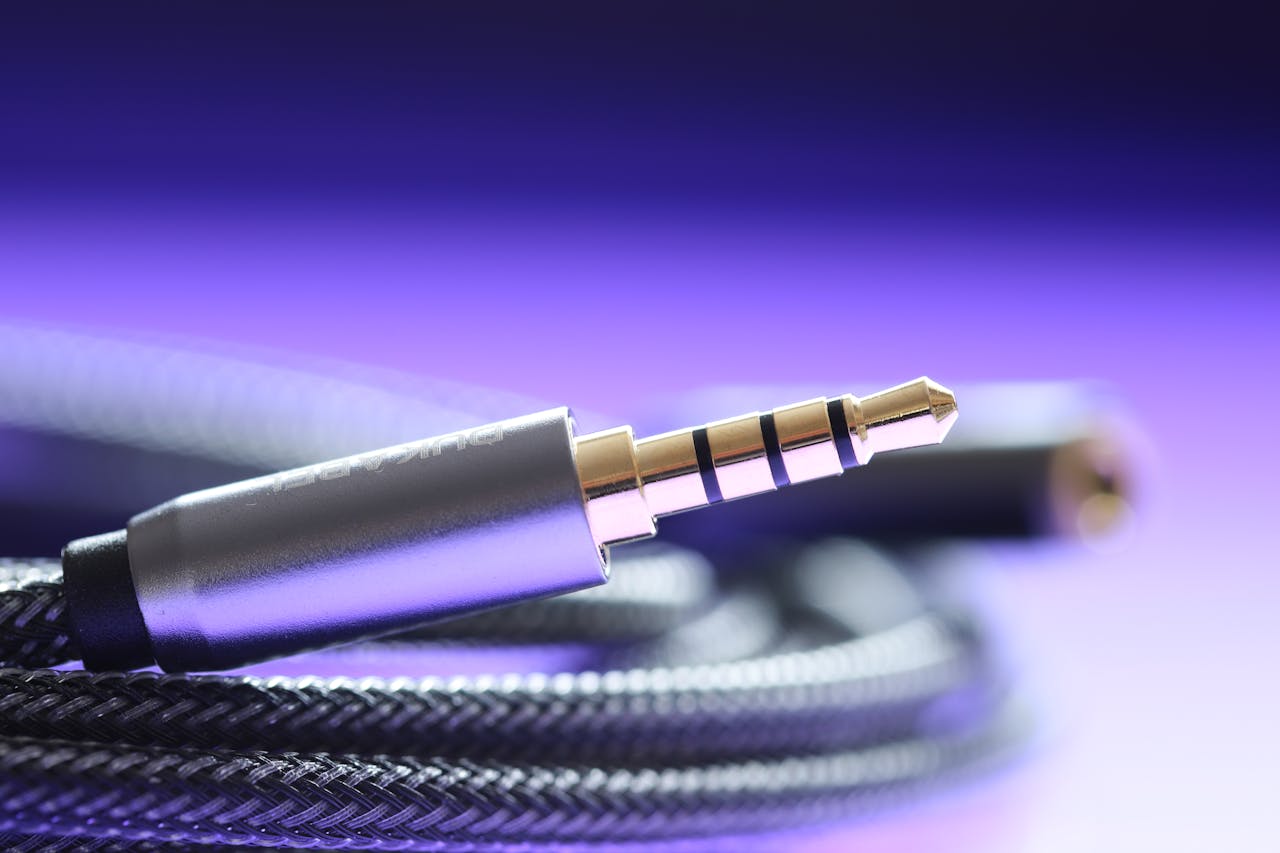
A Bluetooth receiver is a fix for older cars that still rely on an aux jack. The UGREEN model is widely used: over 25,000 reviews and an average 4.6-star rating, plus a low price around $14. It plugs into a 3.5 mm port and a USB-A port, supports Bluetooth 6.0, and can remember up to five devices.
The hassle is social, not technical. In a household car, auto-connect can grab the wrong phone at startup, or two paired devices can compete for control. The coiled cable bounces, the little box gets snagged, and calls can sound fine one day and off the next if the setup shifts. The upgrade works, yet it often adds another ritual.
Portable USB Humidifier

A small humidifier sounds comforting when the A/C has dried the cabin air on long drives. The GENIANI USB model looks convincing, with a 4.1-star rating from nearly 38,000 reviews and sizes from 250 ml up to four liters. The 250 ml version is listed at $27 and is rated for up to eight hours before a refill.
Then the hassle turns practical. The cotton stick needs soaking before the first use, and refills become frequent. It shuts off when water runs low and runs around 38 dB, but the cup holder becomes a water station that can slosh on sharp turns and leave spots to wipe. The relief is real, yet the maintenance keeps returning.
USB Heads-Up Display Speedometer
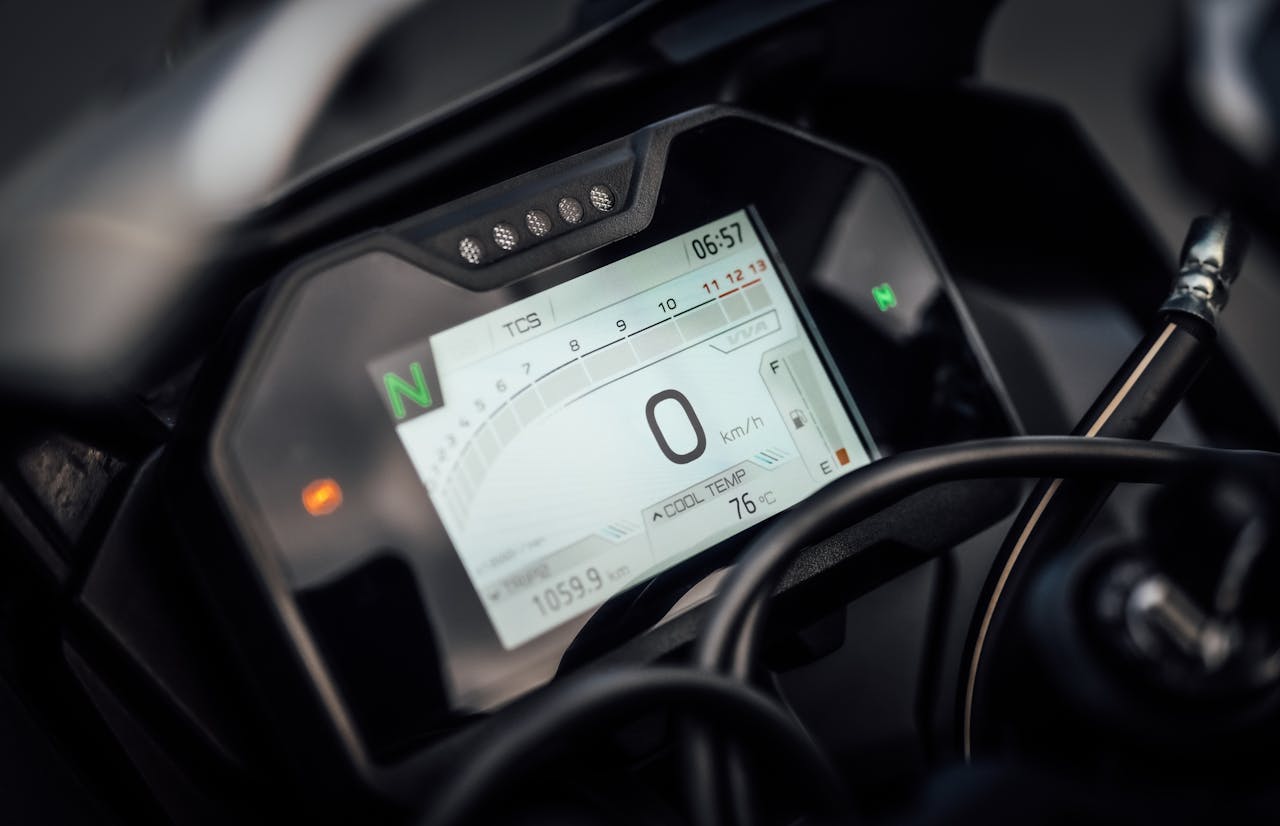
The KUOWEIHUD heads-up display aims to keep speed visible without pulling attention down to the cluster. It runs on 5V USB power, costs about $16, refreshes at 10Hz, and uses GPS that can connect to up to 32 satellites. It shows speed up to 115 mph, adjusts brightness with a light sensor, and relies on a reflective film.
The hassle is the setup and the edge cases. The film placement has to be right, and the unit can slide if the dash is slick or dusty. GPS speed can feel delayed or unsteady in garages, tunnels, or downtown streets, where steady feedback matters. When it works it is satisfying, but it is rarely set-and-forget.
USB Clip-On Fan

USB clip-on fans get bought when the cabin feels stuffy and the back seat never seems to cool well. The idea is simple: plug it in, point it where air gets trapped, and let it help during summer traffic. Most models are small and light, which makes the purchase feel like a low risk fix.
The hassle is how quickly small turns into fussy. Airflow is often modest, so the fan ends up on louder settings that buzz on pavement. Clips loosen, the head droops, and the cord loops across consoles and cup holders. After a week, it becomes another object to move for bags, car seats, and passengers, which defeats the comfort it was meant to add.
USB Mini Vacuum Cleaner
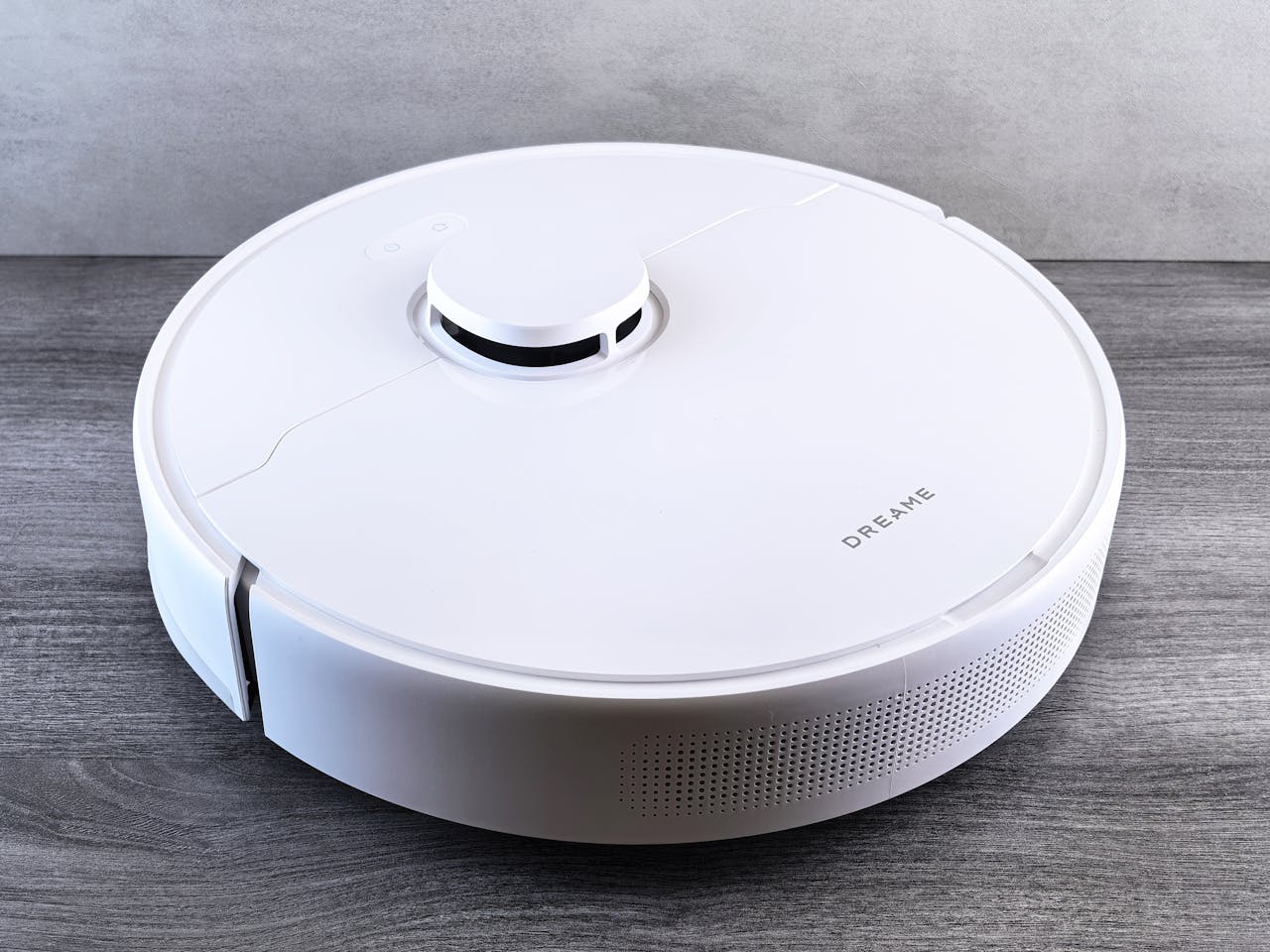
USB mini vacuums get bought after one snack spill, when crumbs seem to multiply in every seam. They promise quick cleanup without dragging out a larger vacuum or hunting for a 12V adapter. The compact shape looks perfect for a console or glove box, so it feels like a tidy solution.
The hassle is power and patience. USB ports are great for charging, but suction is limited, so grit gets pushed around before it lifts. The tiny bin needs constant emptying, filters clog fast, and the short nozzle rarely reaches the worst spots under seats. After a few tries, the vacuum becomes clutter, saved for rare emergencies, then forgotten.