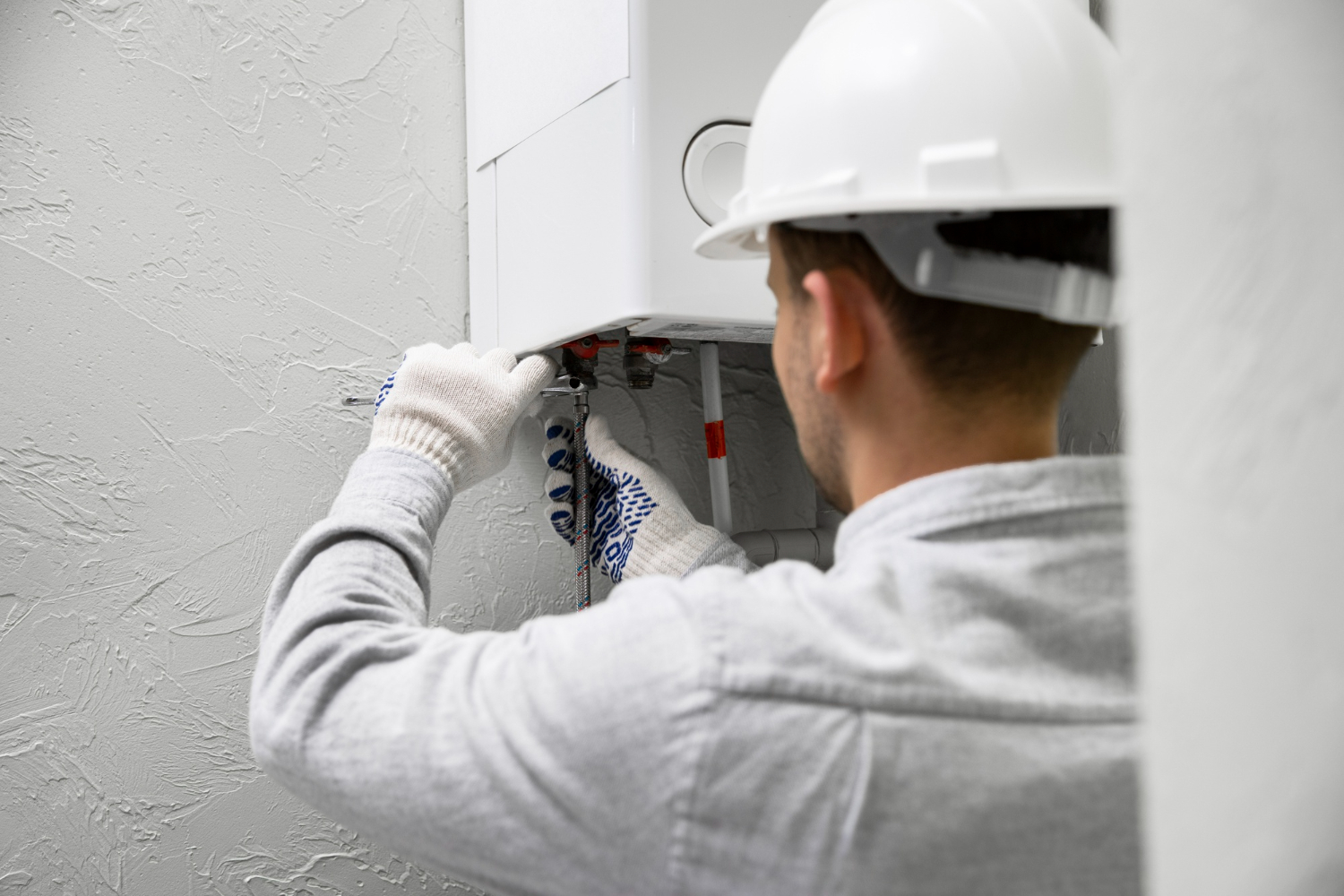
Older houses have charm, but their HVAC often carries years of quiet compromise: patched ducts, tired capacitors, and filters ignored until pollen season.
Neglect rarely arrives as one dramatic failure. It accumulates as small discomforts that repeat, a faint smell that returns on first start-up, and a system that runs longer to do less.
Winter drafts get blamed on age, and summer stickiness gets blamed on weather, yet many problems live inside the equipment and ductwork. Noticing early signals keeps comfort steady, protects paint from moisture swings, and prevents a routine repair from becoming an emergency swap.
Uneven Room Temperatures That Never Settle

One room runs warm while another stays chilly, and the thermostat becomes a referee instead of a guide.
In older houses, long duct runs, leaky joints, and undersized return paths can starve certain rooms while overfeeding others, especially upstairs where warm air naturally rises. Doors that stay shut at night can worsen it, because the return air has no easy way back.
When registers are open and the pattern repeats week after week, the system is pointing to airflow loss, duct leakage, or poor balancing. A technician can measure static pressure, check dampers, and seal the obvious gaps before wear spreads.
Frequent On-Off Cycling That Feels Restless

The system starts, stops, and restarts in tight loops, never settling into a steady run.
That pattern often traces to clogged filters, blocked returns, a dirty coil, or a thermostat placed where drafts or sun skew the reading. Oversized equipment can do it, too, by satisfying the sensor before the house is truly stable. In older homes, duct leaks and door-closed pressure shifts can make it worse.
Each restart adds electrical strain and leaves humidity control unfinished, so comfort feels jumpy even when the set point looks fine. Fixing the cause early can extend the life of motors, contactors, and the compressor.
Weak Airflow That Never Quite Reaches Rooms
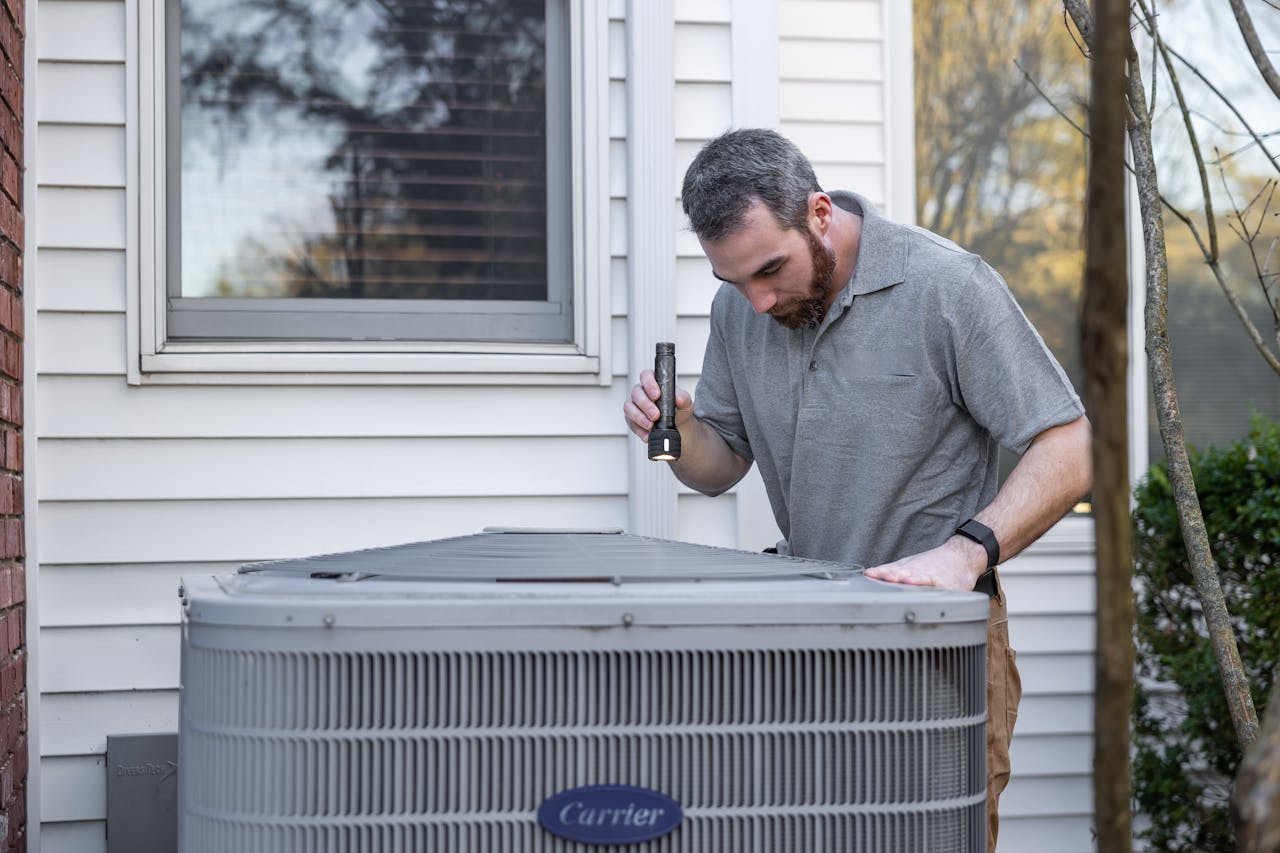
Air still comes from the registers, but it feels thin, as if the house is breathing through a narrow straw. The fan can sound busy, yet the air feels lazy.
Older systems commonly suffer from a packed filter, dust on the blower wheel, or ductwork pinched by later remodels. Static pressure climbs, bedrooms lag for hours, and returns may whistle or pull doors toward the frame when the fan ramps up.
Low airflow also lets debris cling to the indoor coil, reducing heat transfer and raising the chance of icing during humid stretches. A proper cleaning, filter routine, and duct inspection often restore both comfort and efficiency.
Energy Bills That Rise Without A Clear Reason

The utility bill climbs even though daily habits stay the same and the season feels typical. The meter tells the story early.
When filters, coils, or burners are dirty, the system draws more power to move air and hold temperature. Weak capacitors or tired fan motors can add drag. Older houses amplify the waste when leaky ducts spill conditioned air into attics, crawl spaces, or wall cavities.
If the thermostat setting stays steady but costs creep month after month, efficiency is slipping and runtimes are stretching. A tune-up, duct sealing, and basic controls check can stop the slow bleed before peak season arrives.
Dusty Registers And Sooty Smudges Near Vents

Registers look dusty again soon after cleaning, and faint gray smudges return along the grille edges.
In older houses, leaky returns and unsealed joints can pull air from basements, attics, or wall cavities, then distribute that debris through the supply runs. The result is a home that feels stale even when the fan runs, plus a coil and blower that load up faster.
If filter changes are inconsistent and dust shows up most in the same rooms that also heat or cool poorly, the duct system is often part of the problem. Sealing leaks and improving filtration can reduce mess and improve airflow at the same time.
Musty Odors That Follow The HVAC Schedule

A musty odor appears on the first burst of heating or cooling, fades, and then returns with each cycle. It can feel like the house is exhaling old air.
Moisture can cling to coils, condensate pans, and duct insulation, especially during humid shoulder seasons or after the system sits off for days. Dust settles, then gets re-wetted, and that damp film can keep a stale smell circulating long after windows are closed.
When the odor tracks run time rather than cooking or laundry, the air path deserves attention. Clearing the drain, cleaning the coil area, and restoring dry airflow often solves the problem without major parts.
Humidity Swings That Make The House Feel Unsteady
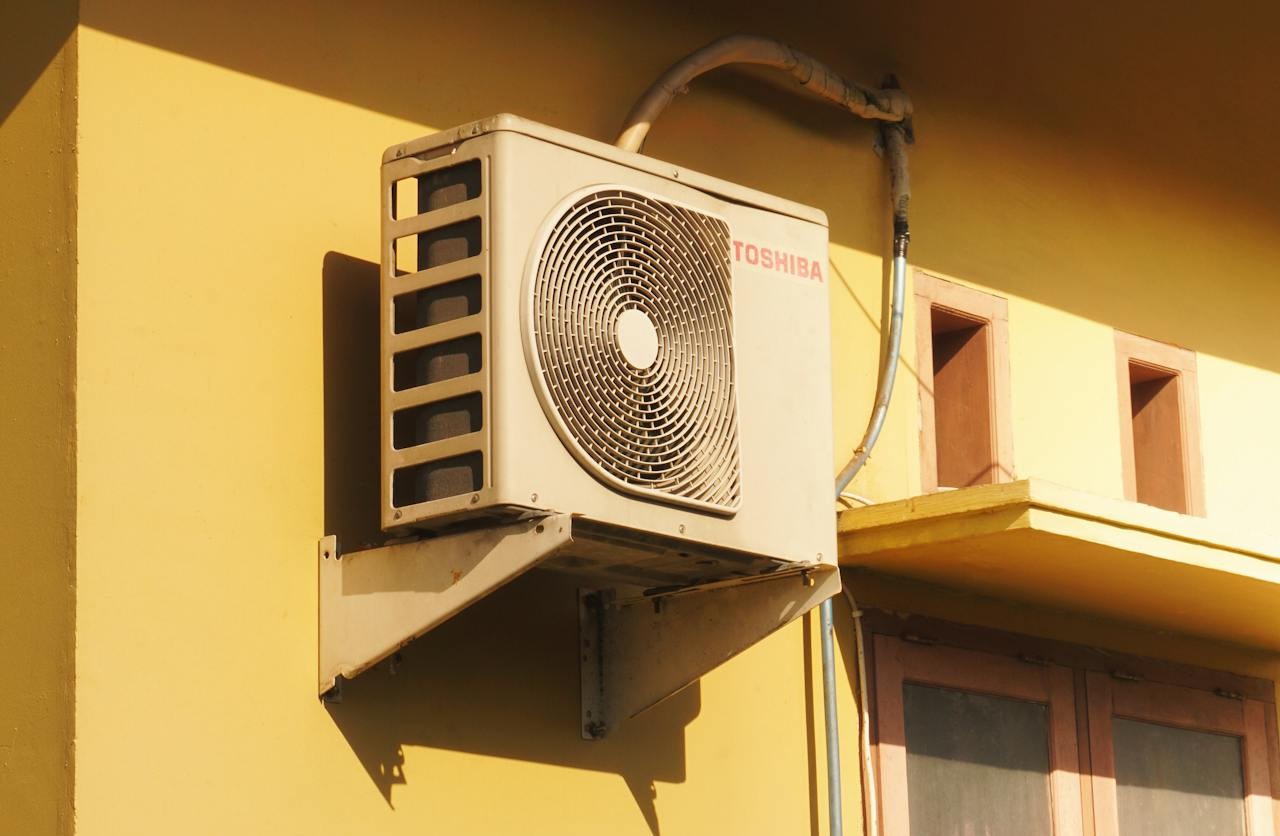
The air feels clammy in summer even when the temperature looks fine, or uncomfortably dry in winter despite steady heat.
Moisture control slips when equipment short cycles, airflow drops, or ducts leak, letting conditioned air mix with outdoor air in uneven bursts. In older homes with partial updates, a strong new unit connected to old ducts can cool fast but remove less moisture.
Signs show up in small ways: bathroom mirrors stay foggy, paint takes longer to dry, or hardwood seams open and close more than usual. Addressing airflow and run time often brings humidity back into a calmer range.
New Noises That Repeat Each Cycle
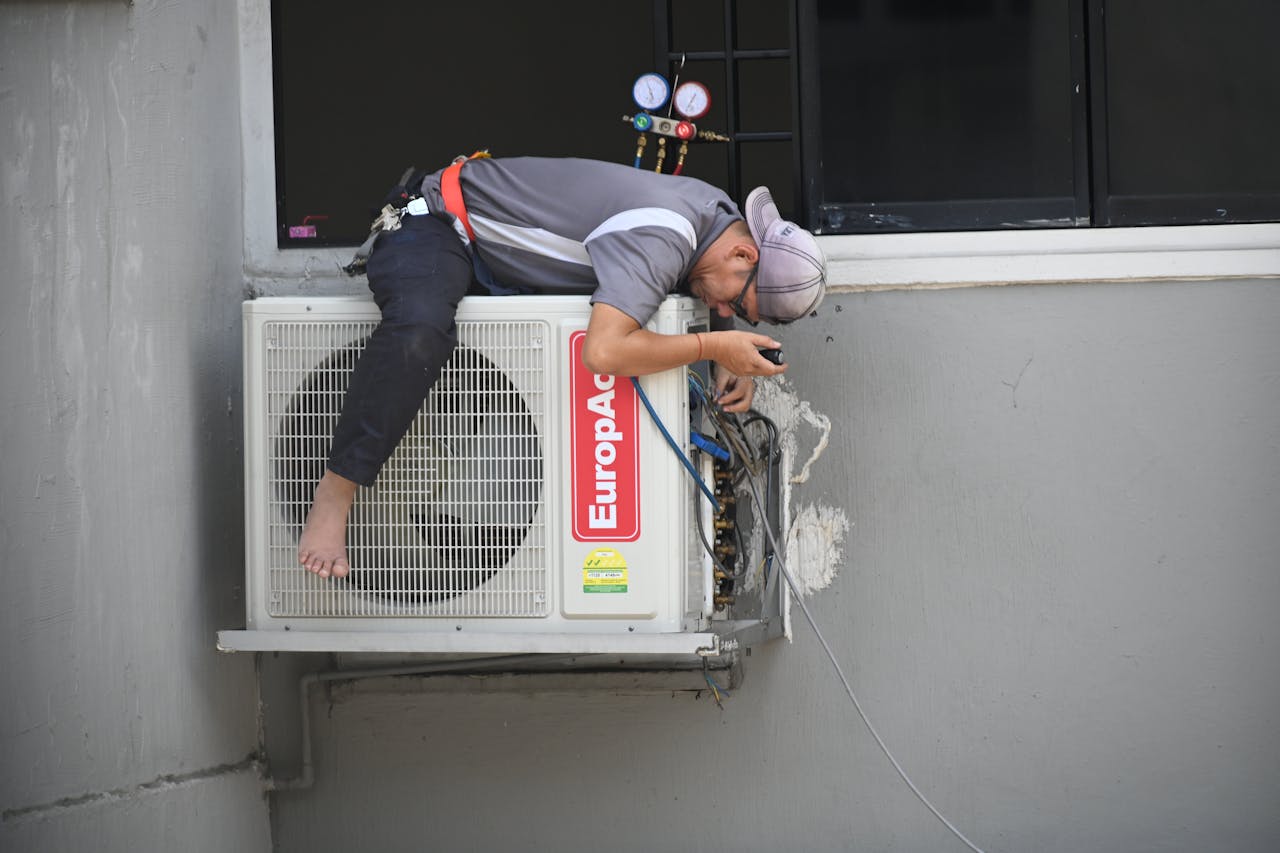
New sounds are rarely random: a rattle at start-up, a soft pop after shutoff, or a squeal that rises with the fan. It becomes easy to predict.
Older equipment vibrates more as mounts loosen and panels flex, and aging ductwork can tick as pressure shifts through long runs. A blower wheel that is out of balance can telegraph through floors and return grilles, making the whole system feel louder than it used to.
When the noise arrives at the same moment every cycle, it usually marks a part drifting out of alignment or lubrication. Fixing it early can prevent extra wear on motors, belts, and housings.
Combustion Warnings And CO Alarm Moments
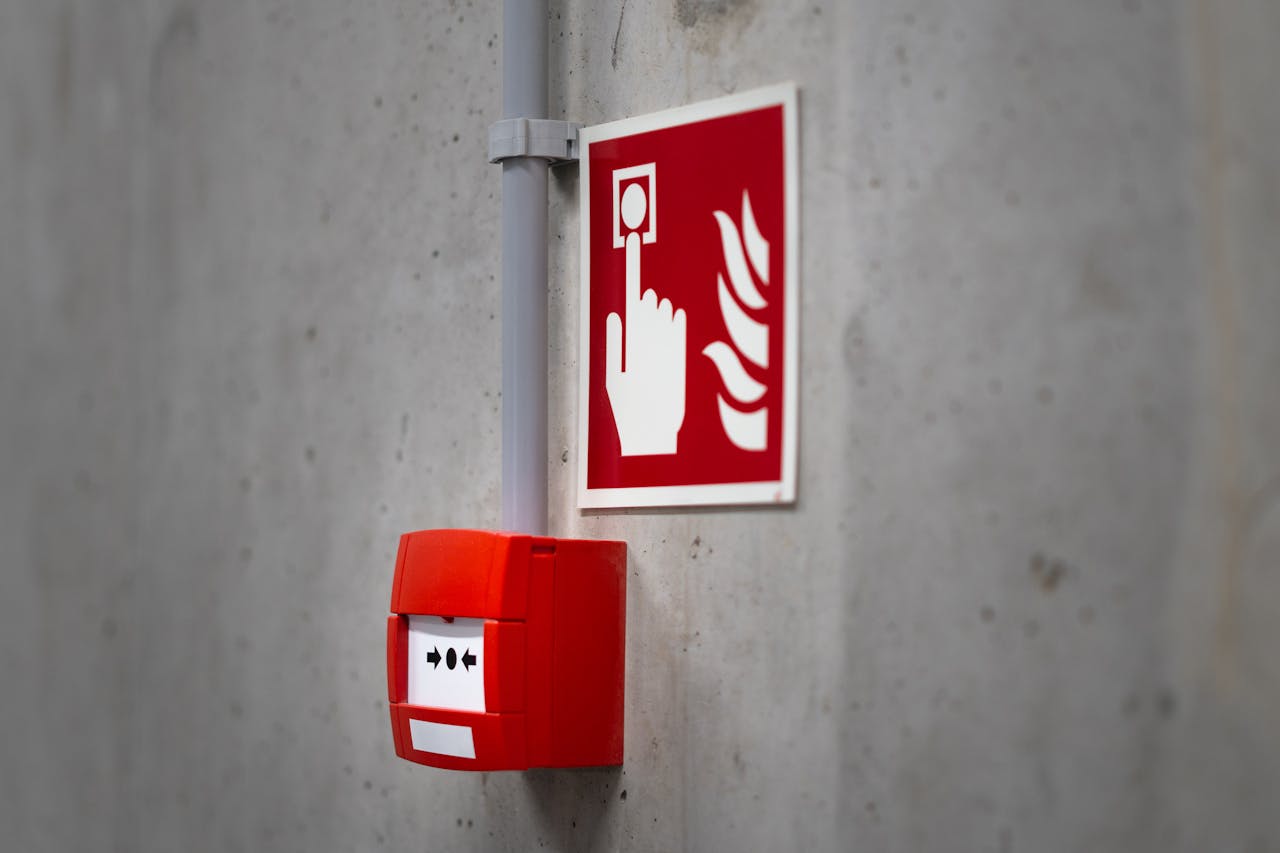
With gas or oil heat, neglect can show up as a burner flame that looks more yellow than blue, soot near the unit, or a faint exhaust smell that was not there before.
Carbon monoxide cannot be seen or smelled, so a sounding CO alarm, a pilot that will not stay lit, or a vent pipe that feels loose should prompt immediate professional service. In older houses, remodels can change combustion air and venting, raising the chance of backdrafting.
Yearly inspections, clean burners, and intact vent connections protect both safety and efficiency. Working CO alarms on every level add a simple layer of reassurance through long heating seasons.