A bright blue character can do strange things to the real world. After Disney’s “Zootopia 2” opened in late Nov. 2025, Gary De’Snake became a breakout favorite in China, flooding feeds with memes, fan art, and sold-out merch. At the same time, the film’s kind framing of reptiles collided with a youth trend already in motion: exotic pets as identity. Searches for real-life lookalike snakes rose sharply, listings spread, and official concern followed. It also shows how an adorable depiction can soften stigma while quietly nudging copycat choices that feel thrilling, not dangerous. The moment shows how pop culture, e-commerce, and teen status games can turn a character into a purchase, then leave families and platforms to carry the risk.
Gary’s Charm Made Reptiles Feel Relatable
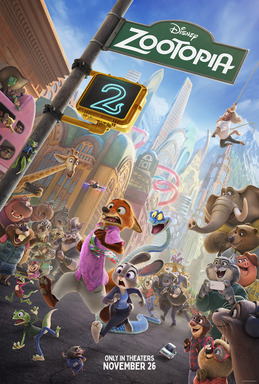
In “Zootopia 2,” Gary De’Snake is warm, earnest, and strangely noble, the kind of character who makes a feared animal feel understandable rather than menacing. That tone matters in China, where reptile owners often describe being mocked for liking creatures dismissed as creepy, and where teens learn early that taste can become a label that follows them in school, comments, and group chats. Gary reframes the hobby as care, responsibility, and pride, so liking a snake reads as curiosity and character, not provocation, and the social temperature around reptiles drops enough for trends to form without immediate backlash in public life.
Search Bars Turned Fandom Into a Shopping Cart

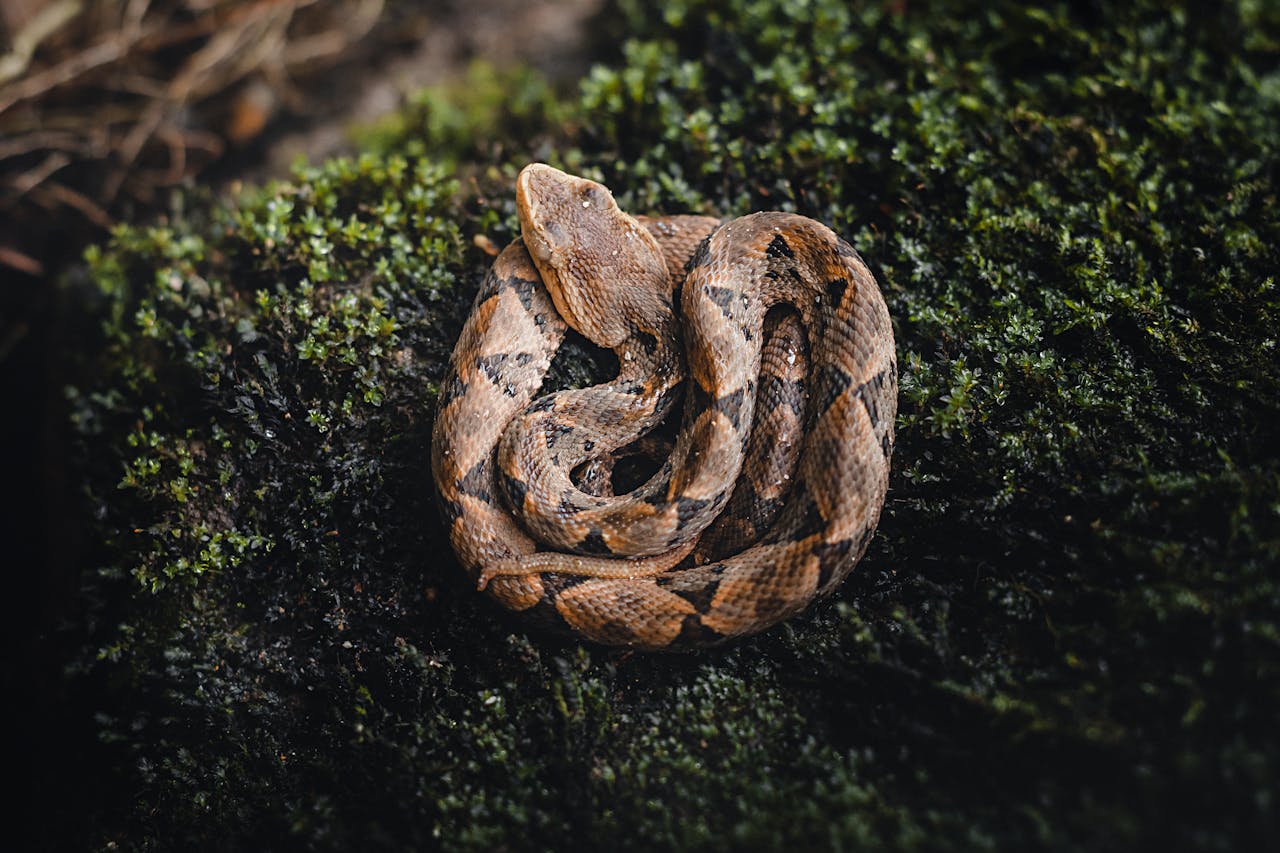
The jump from screen to purchase was almost immediate. A 21-year-old in Jiangxi bought an Indonesian pit viper for 1,850 yuan just two days after the Nov. 26 release, saying the character’s upbeat portrayal finally pushed him to act on a long-held wish for a blue snake. After that, searches and listings for the lookalike surged, and prices swung from a few hundred to several thousand yuan, a classic pattern when scarcity, novelty, and bragging rights collide at once. When algorithms reward curiosity with instant inventory, a living animal can start to look like the ultimate collectible, even to buyers who have not counted the risk.
Gen Z’s Exotic-Pet Boom Set the Stage
Gary did not create China’s exotic-pet craze; he arrived right as it was accelerating. State media has cited more than 17 million exotic-pet owners by the end of 2024 and a market nearing 10 billion yuan, with Gen Z accounting for over 60% of buyers, many living in dense cities where pets double as personal style as self-expression. A 2025 industry report noted snakes as a major share of reptiles kept as pets, and social platforms have normalized terrarium tours, feeding videos, and species chat as content. With that base already built, a blockbuster character in bright blue simply gave the trend a face and an easy origin story.
The Risk Is Not a Metaphor With Venomous Species
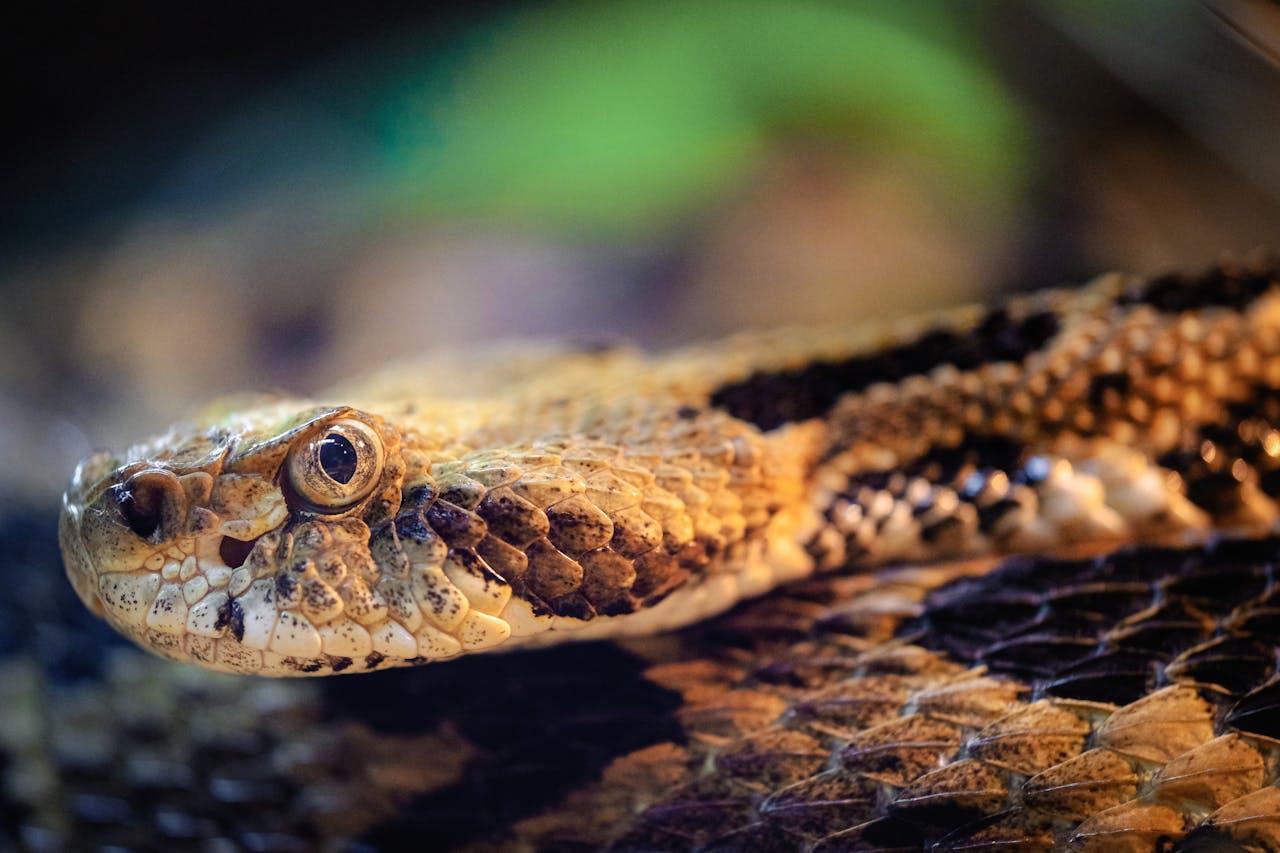
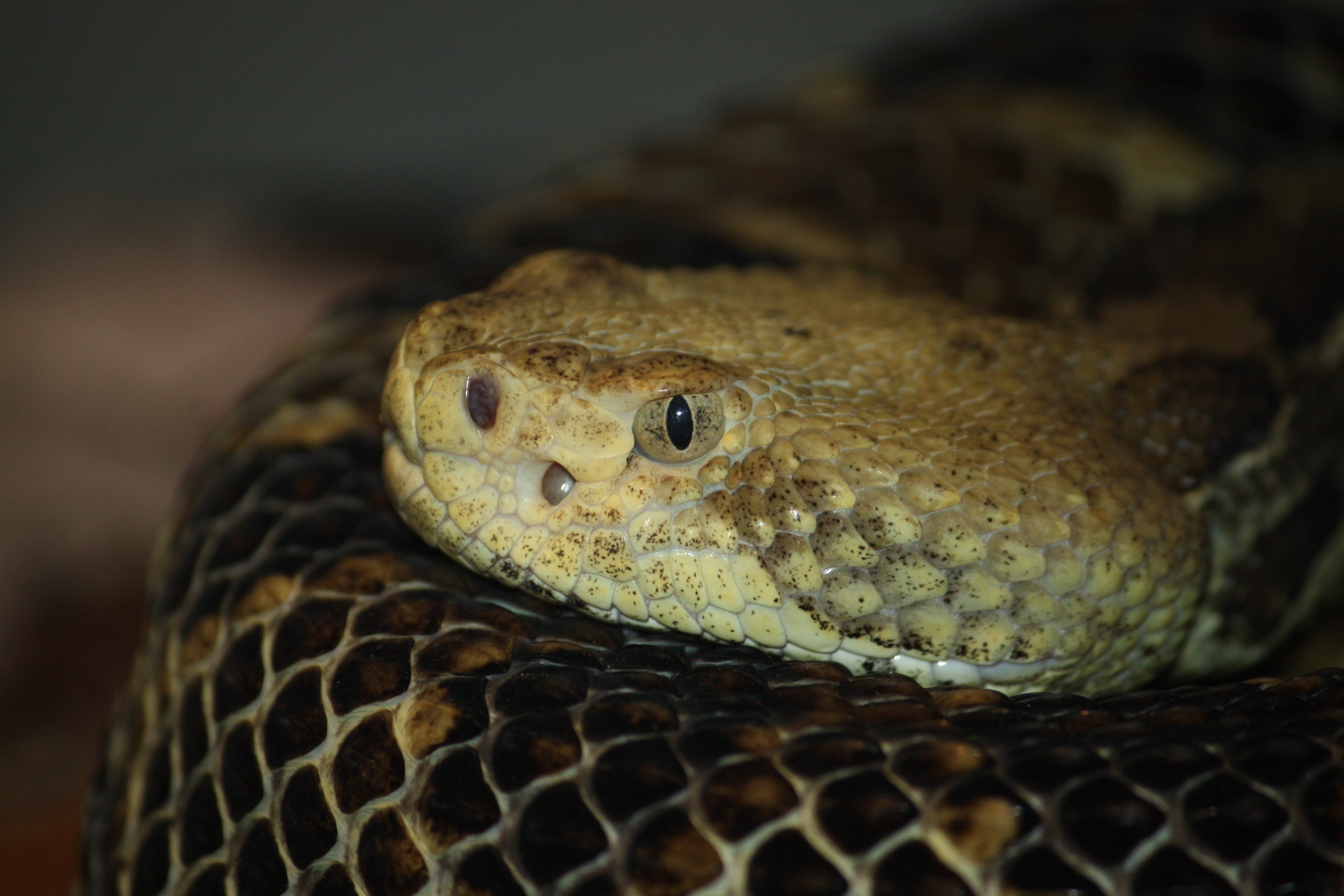
A venomous pit viper is not an edgy upgrade from a beginner reptile. Safe keeping requires locked enclosures, handling tools, strict routines, and a plan for bites and escapes, including access to proper medical care and the self-control to never handle an animal for attention or content. State-linked commentary warned that an incident can endanger not only an owner but also family members and neighbors, turning a private mistake into a public safety event that forces emergency response and community fear. Gary may be brave on screen, but real venom has no charm setting, no moral arc, and no forgiveness for one careless moment.
Online Shipping Made Dangerous Choices Feel Easy

Online sales flattened the decision into a checkout flow, where danger is hidden behind product photos and friendly captions. Chinese rules prohibit mailing various live animals and dangerous items like toxins, yet listings were still seen offering shipping for venomous snakes before removals, creating the impression that delivery equals legitimacy for many buyers. Experienced keepers often insist on in-person pickup, because transport stress, packaging failure, and a loose lid can turn a car ride into an emergency. When a teen can buy with a tap, the missing ingredient is the slow, serious learning curve that should come first.
Veteran Reptile Owners Issued the Strongest Warnings
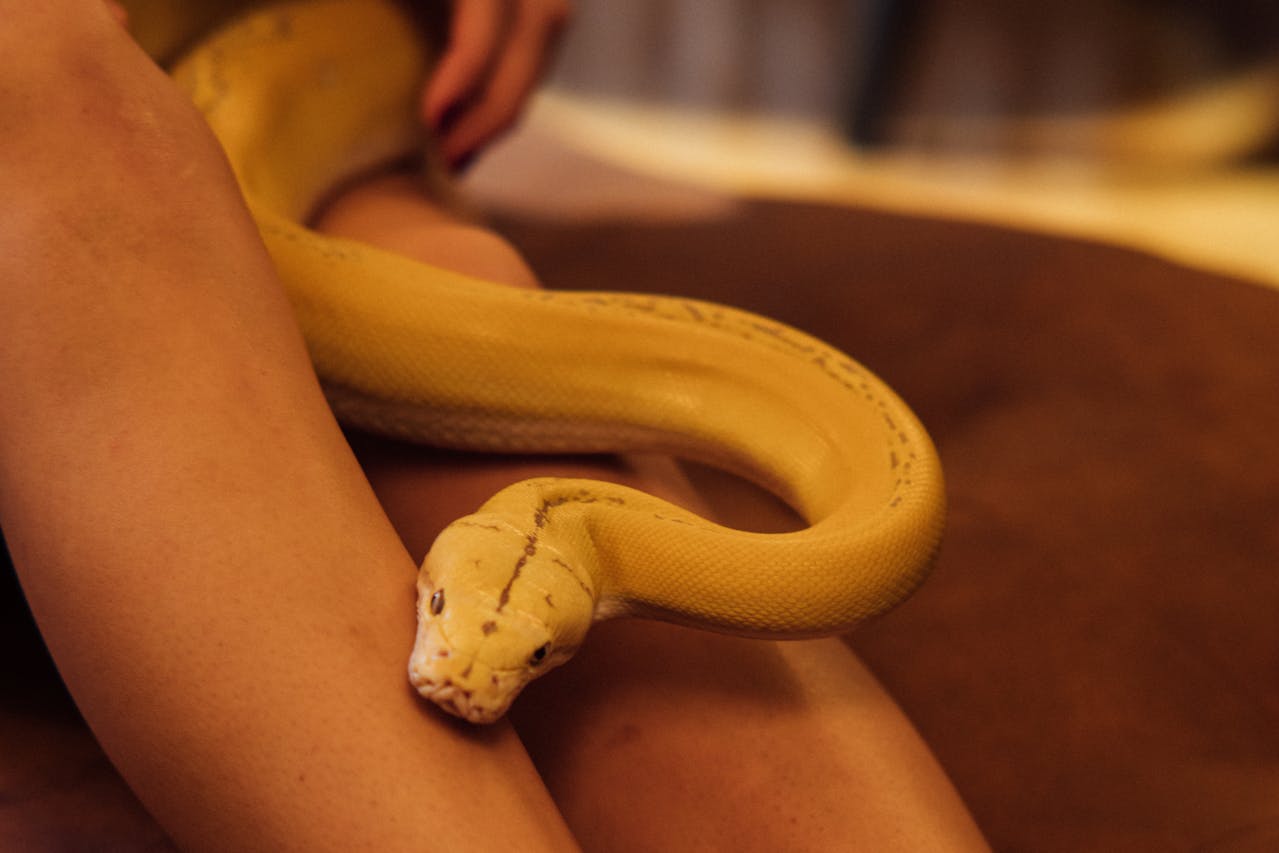
The sharpest caution often came from reptile fans, not from outsiders. The Jiangxi buyer, who described himself as experienced, drove to collect his snake and warned people not to keep venomous snakes without extensive practice, safe equipment, and the discipline to plan for worst-case scenarios before the animal ever enters a home. That kind of peer warning hits harder because it is not moral panic; it is hobby reality, spoken in the language of hooks, locks, bite protocols, and respect for what a stressed animal can do. It draws a clean line between appreciating reptiles and gambling with a mistake that can mark a family forever.
Where the Trend Goes Next Depends on Guidance
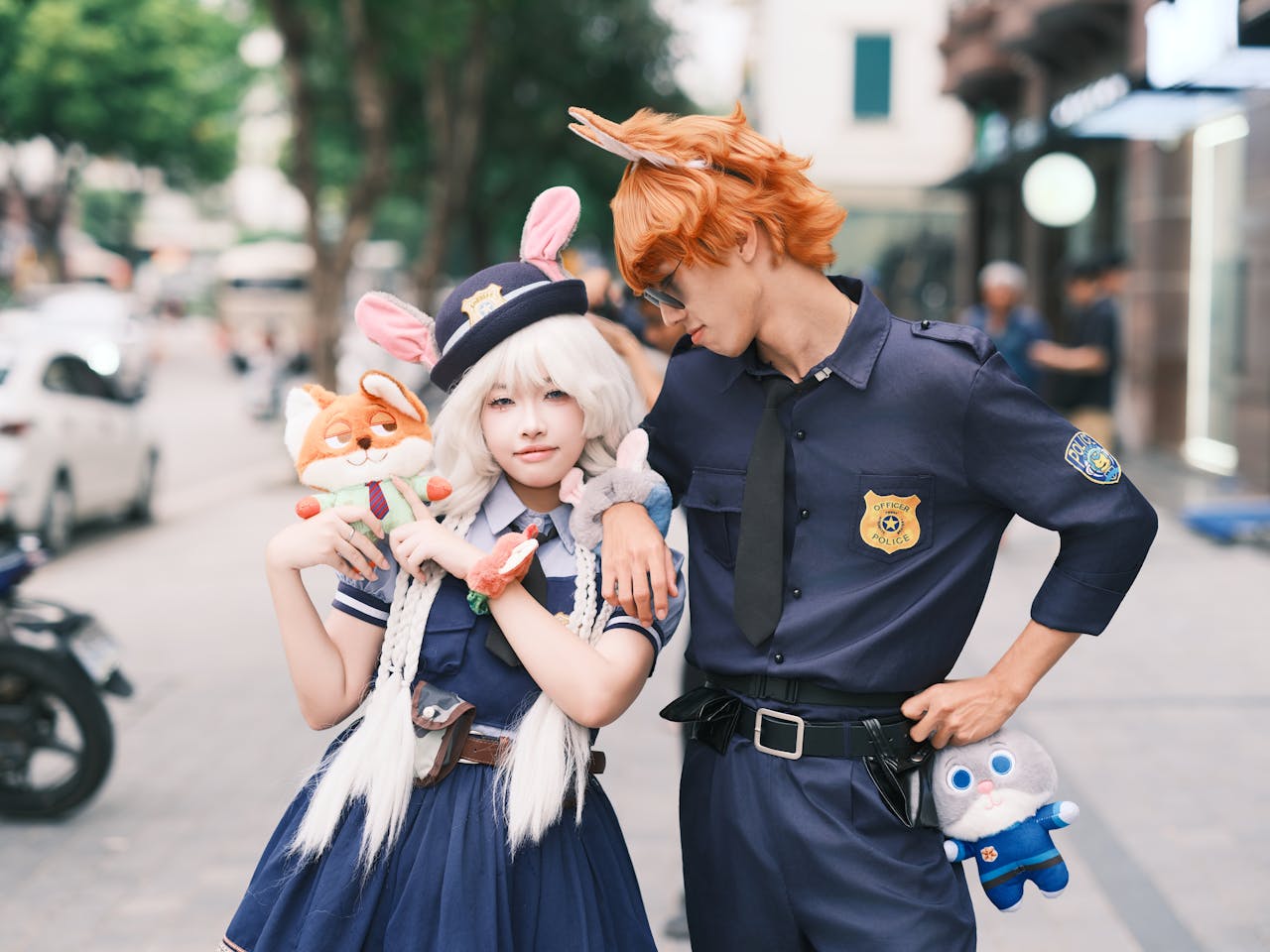
The way forward is not shaming curiosity; it is building guardrails that slow impulse before it becomes a bite. Stronger screening on marketplaces clearer enforcement around shipping, and tighter retailer standards can make venomous animals harder to buy on a whim, especially for minors and new owners. At the same time, education through clubs, zoos, and beginner-safe species can channel fascination into respect, proper handling, and basic animal welfare that is not learned from clips. Gary’s popularity can still soften prejudice toward reptiles, but only if the real-world version of that story includes responsibility, not roulette.