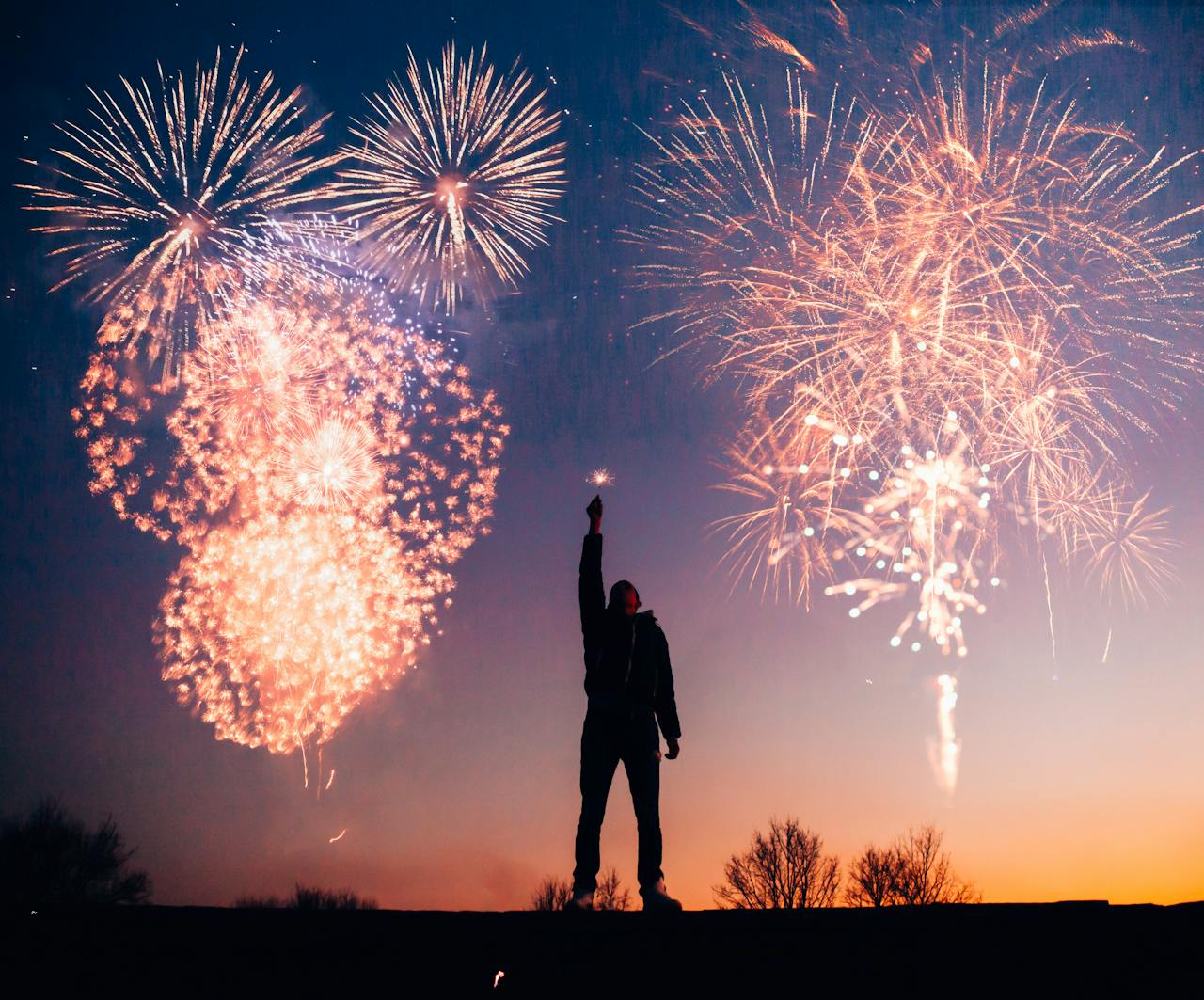
New Year’s Eve arrives with a strange kind of permission: to tidy up the past, to flirt with luck, and to believe that a small ritual can tilt the year. Across the world, midnight is welcomed with gestures that feel half theater and half prayer, shaped by local history, climate, and humor. Some communities chase travel with an empty suitcase. Others feed prosperity by eating on auspicious numbers, or cleanse regret in flames. Even the loudest celebrations often hide a quieter aim beneath the sparkle: making peace with what ended, and stepping forward with intention. These traditions are wildly different in form, but they share the same heartbeat: a desire to start clean, together, and unafraid.
Denmark’s Doorstep Plate Storm

In parts of Denmark, the most appreciated friendships are measured in fragments: throughout December, chipped plates and unwanted cups are saved so they can be smashed on the doorsteps of friends and neighbors as midnight nears. The crash is said to leave grudges behind and pile the entryway with luck, turning a quiet street into a brief percussion concert that startles dogs and makes people laugh into their scarves. By morning, the scatter of shards reads like a social receipt, proof that someone thought of that household before the calendar flipped, even if the broom comes out before the coffee does, for good measure.
Spain’s Twelve Grapes Sprint

In Spain, the final minute of the year is eaten, not toasted. As the clock strikes twelve, many people match each bell with a grape, racing sweetness against the tempo of the chimes, often with a small cup of peeled grapes ready for speed. Each grape stands for a month ahead, so the ritual mixes hope with comic urgency, especially when the fruit is large, the skins are tough, or the bells seem to sprint. Television broadcasts turn the moment into a nationwide choreography from city squares to living rooms, a shared test of composure where luck depends on chewing, swallowing, and keeping time, all at once, without choking.
Ecuador’s “Año Viejo” Fire Goodbye

Ecuador closes the year with a bonfire of personalities. Families and neighborhoods build “Año Viejo” effigies from paper, straw, and old clothes—sometimes politicians, sometimes pop culture villains—then set them alight at midnight to burn away the old year’s residue. The scene plays like street theater: sparks and fireworks, smoke curling between houses, laughter that turns to a brief hush when flames catch and the figure collapses into glowing seams. In some places, the fire becomes a dare as well, with quick jumps across the embers counted like months, turning catharsis into a fast, flickering rite of restart.
Colombia’s Suitcase Lap for Travel Luck
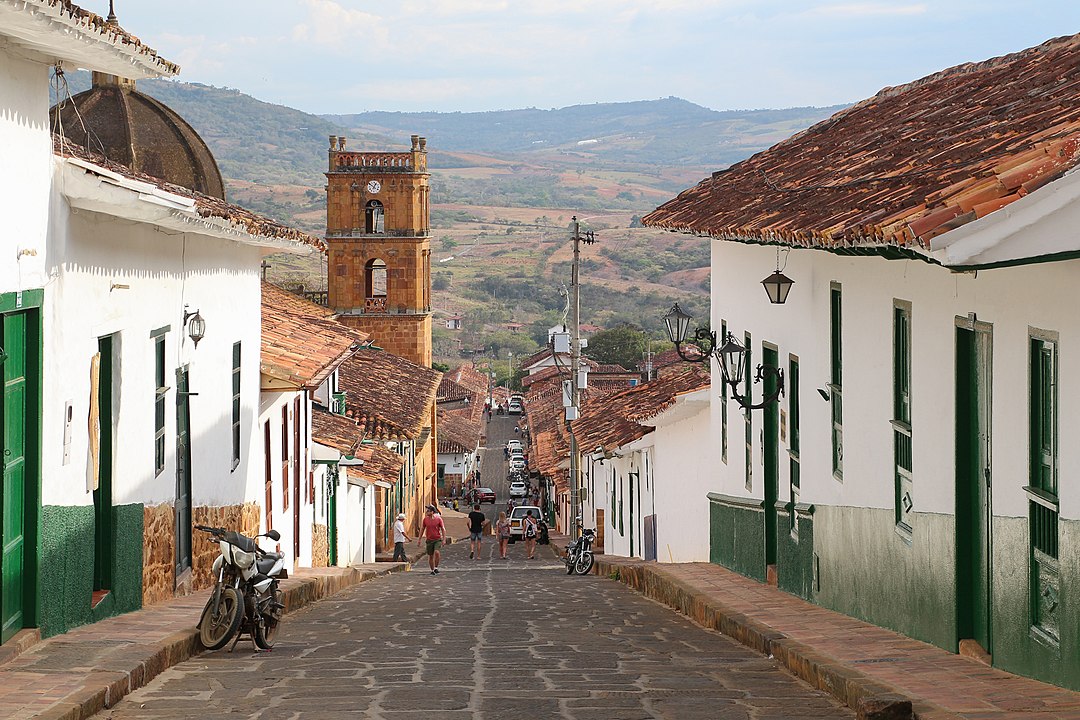
In Colombia, midnight can look like a neighborhood evacuation that never happens. As the year turns, some people grab an empty suitcase and circle the block, acting out the travel they want the next months to bring, sometimes rushing outside right after the final toast. It is playful and oddly earnest: wheels rattle on pavement, fireworks pop overhead, and relatives shout directions like a send-off at an airport curb, laughing when someone drops a handle. Even when the suitcase is scuffed and half-broken, the motion becomes the message—life should move, routes should open, and the year should feel wider than the last.
Romania’s Dancing Bears Parade
In northeastern Romania, the new year is welcomed with fur, drums, and an old fear of bad spirits. Groups of performers wear heavy bear costumes and dance through streets in a ritual tied to regional folklore, shaking bells and moving in practiced lines that can fill a town square. The sound is visceral, more heartbeat than music, and the bears can look both comic and intimidating under streetlights, especially when red pom-poms and ribbons bounce against the dark pelts. When the dance ends, the hope is simple: the noise and motion have chased away what should not follow into January, leaving the streets calm for a while.
Japan’s 108 Bells of Letting Go
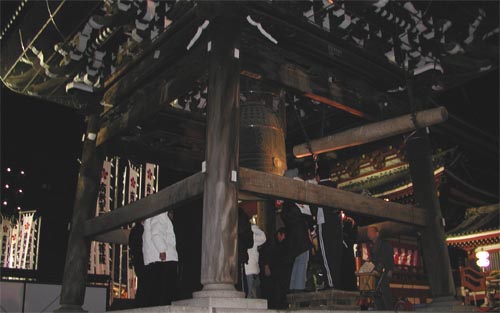
Japan greets midnight with a sound that refuses to hurry. At many Buddhist temples, a huge bell is struck 108 times in a ceremony known as Joya no Kane, a count linked to casting off human impulses and starting the year with fewer attachments. The notes travel far and low, slow enough to feel like weather, and crowds often stand quietly with hands in pockets, letting each reverberation mark a small ending in the cold air above them. Some temples invite visitors to take a turn at the rope, while monks coordinate the rhythm with shouted cues, turning the last stretch of Dec. 31 into shared effort, breath, and release.
Chile’s Cemetery Midnight Vigil
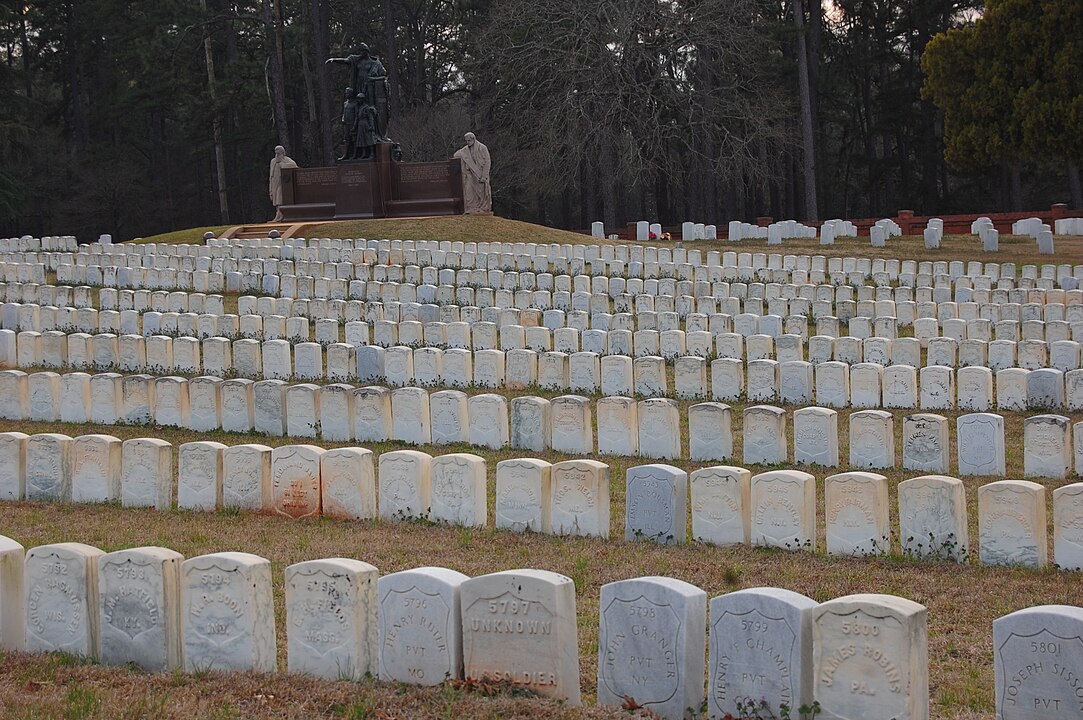
In the Chilean city of Talca, New Year’s Eve can be spent in the company of the dead, a custom that took hold in the mid-1990s and surprises outsiders. Families enter the cemetery before midnight, carrying candles, flowers, and sometimes chairs, settling beside graves as if keeping a late appointment. Music may drift between the rows, but the mood is intimate rather than rowdy, with stories traded softly and long pauses that make space for grief and gratitude at once. The ritual folds remembrance into celebration, as if the year should begin only after everyone who mattered has been included, even in silence, too.
Estonia’s Lucky-Number Feast Marathon
Estonia answers the coming year with a practical question: will there be enough to eat? One tradition says seven, nine, or 12 meals should be eaten on New Year’s, with each lucky number promising strength and plenty, as if the body can be stocked like a pantry. It is less about stuffing and more about symbolism, so plates may be tasted, not finished, and the table stays busy for hours as relatives drift in and out, adding soup, bread, and something sweet. The holiday becomes hospitality turned into a spell, where abundance is practiced in small bites until the idea of scarcity feels a little less certain for everyone.