For decades, the oriental hornet felt like a species Croatia had filed away in the past. It was known from earlier records, yet for most people, it might as well have been a rumor from another era. When something goes unreported for so long, the public story becomes simple: it disappeared. That kind of confidence is comforting, but it can also leave communities unprepared.
Now that comfort is cracking. The hornet has been spotted again near Split, and the timing matters because late-season activity can be intense and defensive. A return like this is not just a bug story. It is about movement across borders, shifting conditions, and how quickly a forgotten risk becomes a local reality when it lands near homes, worksites, and beekeeping country.
The Sighting Near Split That Set Off Concern
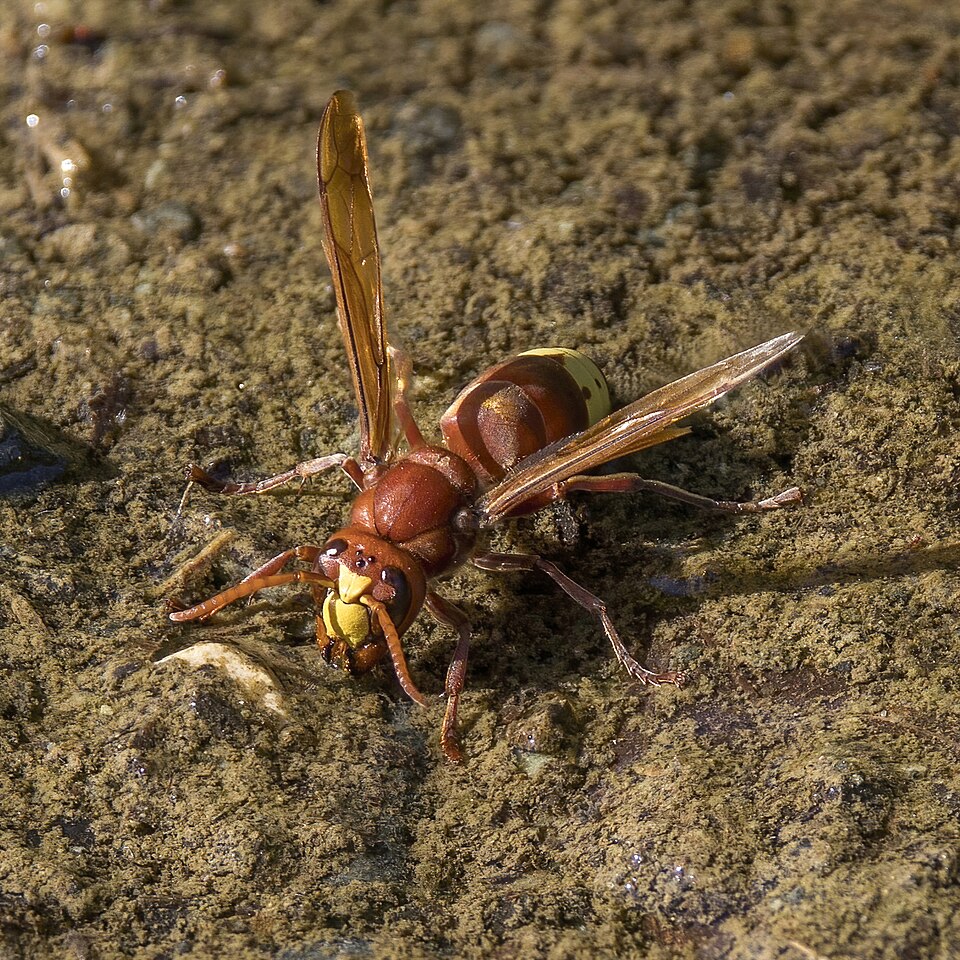
Reports placed the oriental hornet near Split, in the area of a Kaštela quarry, where open ground, heat, and human activity can bring insects and people into the same space. Observers noted peak activity, which is when stings become more likely because hornets are busy foraging and quick to defend themselves if they feel threatened. In a place people pass through, that combination makes officials pay attention.
Public health voices also stressed how long it had been since the hornet was last documented in Croatian literature. The point was not that the insect is completely unknown, but that it has been absent from recorded attention since the 1970s. When a species goes quiet for that long, practical knowledge fades, and even basic recognition becomes harder for the average person.
How It May Have Traveled Down the Adriatic
One plausible explanation centers on earlier sightings in Trieste, Italy, and the reality that shipping can move insects in ways that look improbable until it happens. Ports are full of sheltered corners, containers, and cargo spaces where a hornet, or a queen looking for a nesting opportunity, can survive a journey. Once that bridge exists, a coastal spread stops feeling mysterious.
From there, reporting described a path into neighboring Slovenia and then down the Adriatic coast toward Dalmatia, the southern region of Croatia. That corridor is not just a line on a map. It is a chain of towns, transport links, mild coastal pockets, and human infrastructure that can offer nesting sites, food sources, and cover.
Two things make this kind of movement difficult to track early. The first is that sightings depend on people noticing, identifying, and reporting correctly. The second is that hornets do not need huge numbers to establish a foothold; a small successful presence can exist for a while before anyone labels it a trend.
This is why the first confirmed reports often feel like a sudden arrival. In reality, it may be the first moment the population becomes visible enough, or concentrated enough, to draw attention. That visibility can rise quickly when conditions are right, which is exactly what worries officials watching a stinging insect return to places that stopped expecting it.
Why the Long Absence Still Matters
Even if the oriental hornet is near the edge of its natural range in Croatia, five decades without literature data changes the context. A long retreat suggests the species was not a regular part of the local picture, at least not in a way scientists could confirm. That kind of gap can make a return feel like a new problem, even when it is technically a reappearance.
It also reshapes public behavior. When people are unfamiliar, they either ignore warnings or overreact in risky ways, like trying to handle nests themselves. A long absence does not just remove the insect from view. It removes the small cultural habits that keep people safe around it.
Invasive Species Logic and the Nuisance Reality
Invasive species are typically defined as organisms that are not native to an area and then spread aggressively, overwhelming ecosystems that are not adapted to them. Without predators or checks, they can push out local species and destabilize the environment. That framework explains why officials take reappearances seriously, even when the label is not perfectly clean.
In this case, reporting noted that the oriental hornet may not be strictly invasive in Croatia, because the country sits at the limit of where it can live. Still, a long absence can make its return feel similar to an invasion in practice. People and local systems are not primed for it, and the first impact is felt where humans notice it most: near settlements, near work areas, and near food.
One reason caution is emphasized is that nuisance species can still create outsized problems. A handful of nests in the wrong locations can lead to more stings, more fear, and more pressure on local services. Even if the hornet never blankets the coast, its presence can still reshape how people use outdoor spaces.
The broader lesson is that ecology is not only about definitions. It is about consequences. A species can be technically within range and still become disruptive if it returns after decades to a landscape that has changed, with different land use, different climate rhythms, and different levels of human exposure.
What It Looks Like and What It Is Not
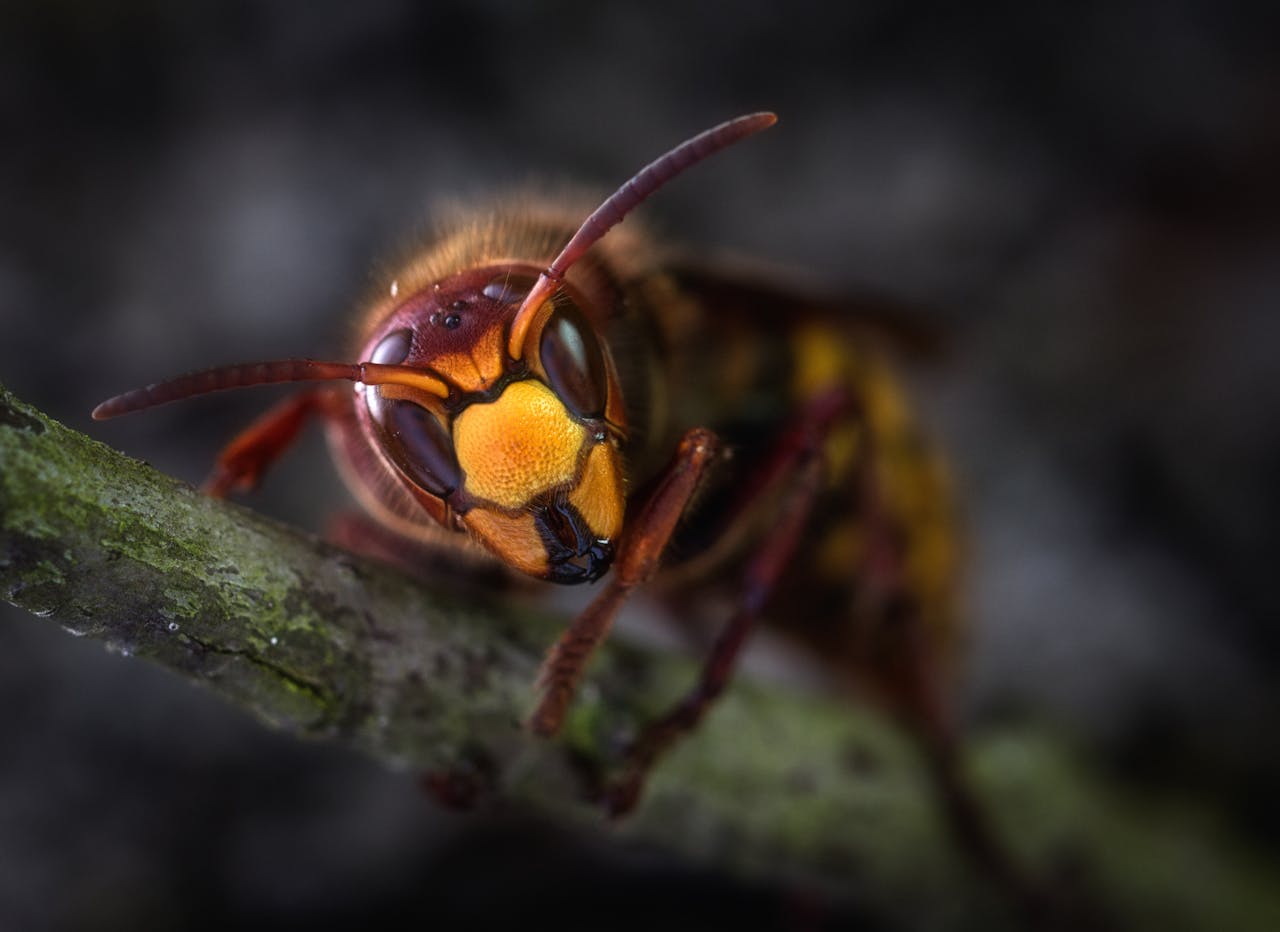
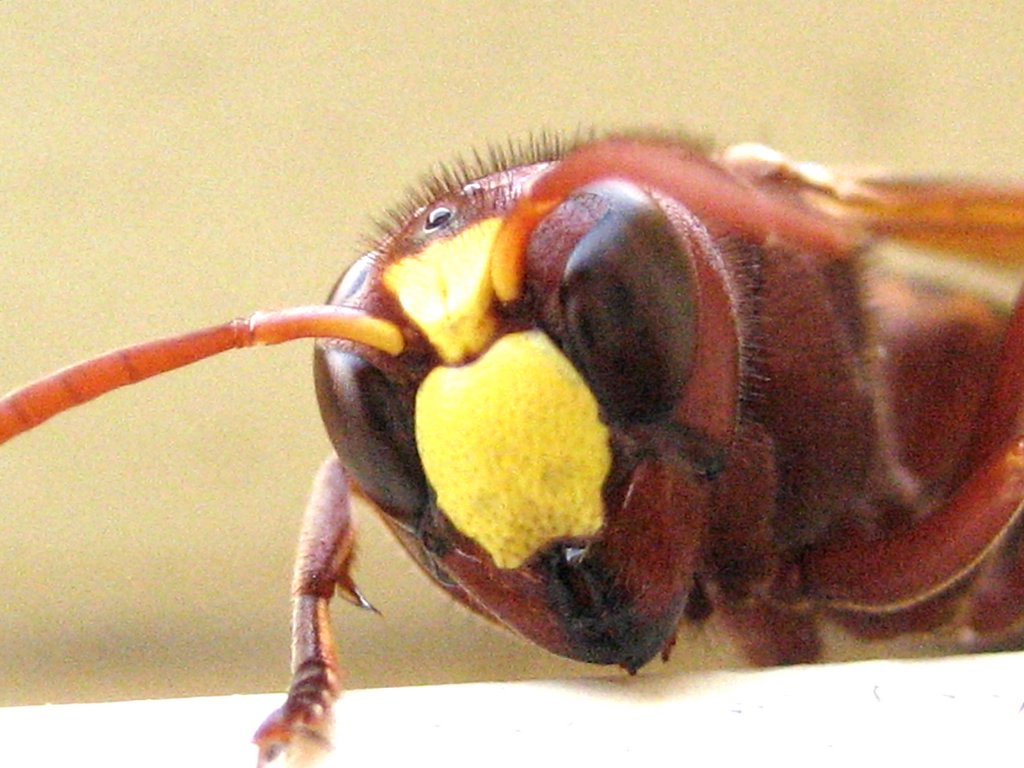
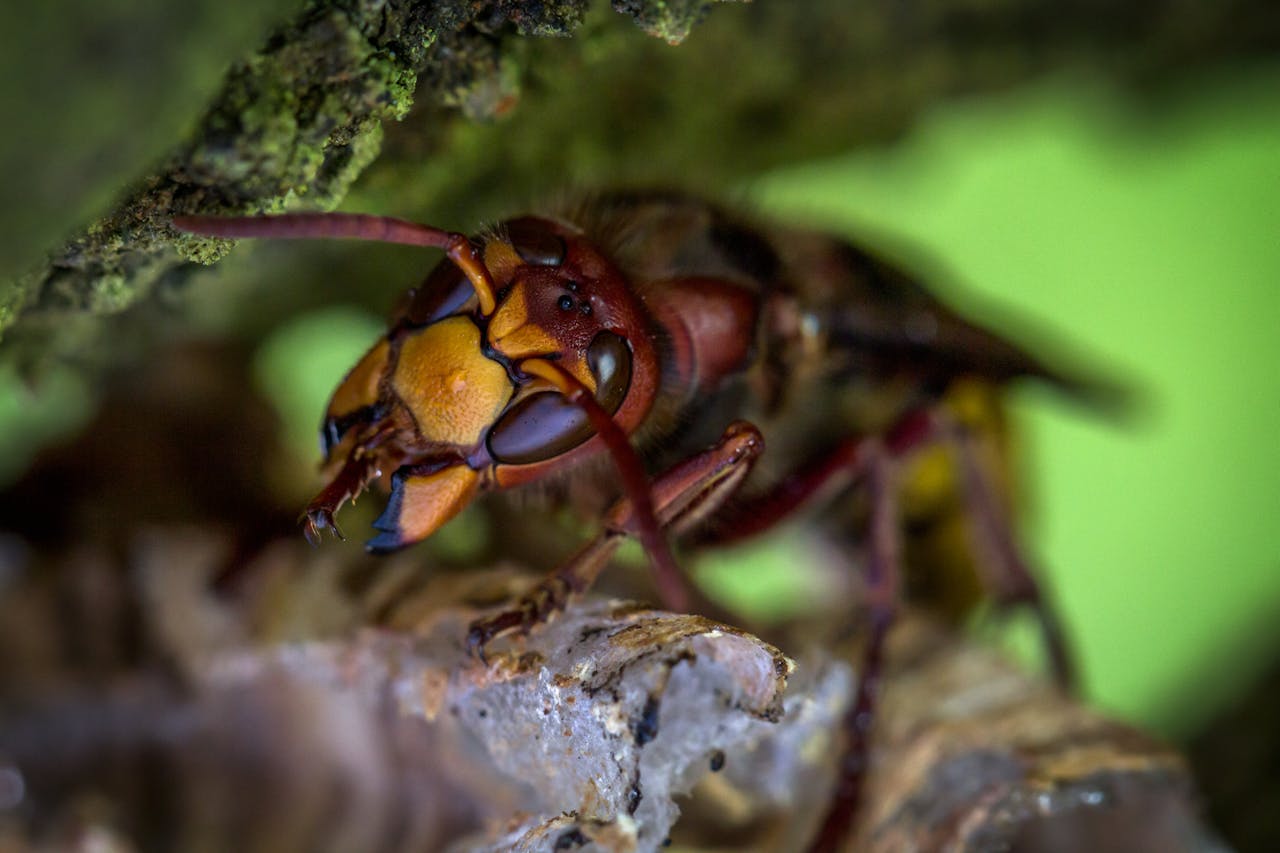
Identification matters because several hornets can look similar at a glance, especially to someone who has never had to care before. The oriental hornet resembles the European hornet, but it is often described as more reddish-brown overall. The yellow bands are also distinct in how they sit on the abdomen, not extending all the way to the end.
It also should not be confused with the Asian hornet, a separate species that has driven monitoring and control efforts in parts of Europe. Mixing up names creates noise, and noise makes response slower. Accurate reporting depends on people knowing what details to look for, and authorities being able to trust what they receive.
A Strange Adaptation and a Real Threat to Bees
Part of what makes the oriental hornet memorable to scientists is that it has been described as capable of converting solar radiation into electrical energy. That detail gives it an almost sci-fi edge, the kind of fact that sticks in the mind because it feels unexpected in an insect most people only notice as a threat.
But the sharper concern is what it does to honeybees. Reporting highlighted that it can endanger bee populations, which matters in any region where beekeeping supports livelihoods and pollination supports agriculture. Bees are already under pressure from disease, habitat changes, and chemicals, so an added predator is not a small stress.
What Officials Are Advising People to Do
The core safety guidance is simple: avoid nests and keep distance. Hornet stings can trigger allergic reactions, and severe reactions can be dangerous, even fatal, for some people. That is why officials urged residents to steer clear rather than treat it as a problem to solve with improvised tools.
For a sting, the reported advice includes washing the area with soap and water, applying an antiseptic, and using a cold compress to reduce pain and swelling. The key line is escalation. If symptoms worsen, or if there are signs of a serious reaction, medical care should be sought immediately instead of waiting it out.
If It Spreads, What Control Could Look Like
If the hornet continues to appear in new areas, Croatia may face choices similar to other places dealing with stinging insects. In the United Kingdom, authorities have captured hornets and used small tracking devices to locate colonies, because eliminating a nest is often more effective than chasing individual insects. The approach is methodical, built for early containment rather than late panic.
The reference point in the United States is different but instructive. With the spotted lanternfly, biologists have emphasized how invasive species can reinforce one another, and how habitat management can reduce the advantage pests gain. Removing certain invasive trees and supporting native plants can encourage local animals to adapt and respond over time.
What this really means is that control is rarely just about killing bugs. It is about monitoring, accurate identification, and reducing the ecological shortcuts pests exploit. When native plants support native animals, ecosystems tend to resist disruption better, and outbreaks become harder to sustain.
Sources
This article is based on reporting and identification guidance from regional Croatian coverage and public health references, along with broader scientific and wildlife context. The goal is to reflect the same factual spine as the reference, while rewording and expanding the explanation so the practical stakes are clear without sensationalism.