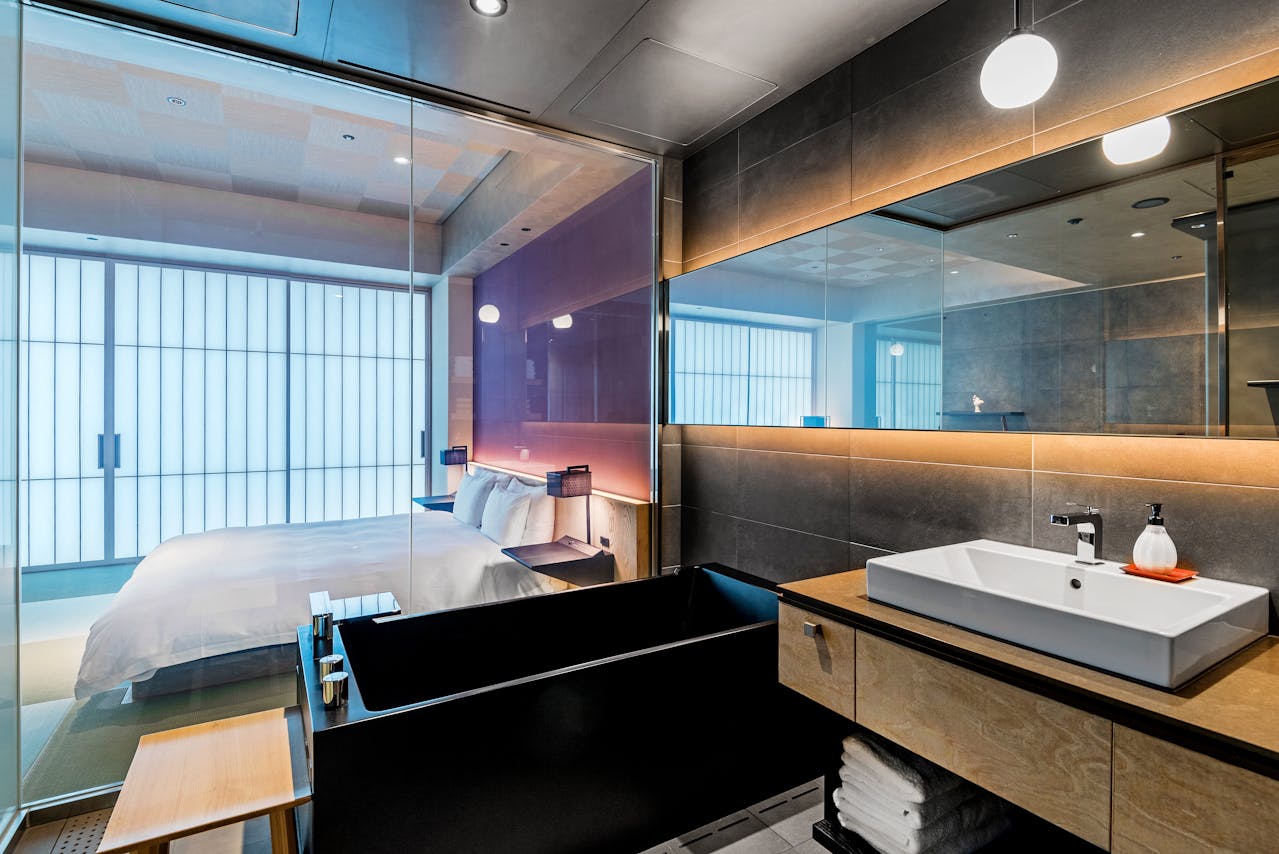
Hotel bathrooms used to be a sealed-off pause, not a shared performance. Yet more rooms now treat privacy as optional: glass toilet pods, sliders that never seal, and showers that put the bed in the splash zone. Designers link the shift to tighter footprints and leaner renovation budgets after the 2008 crash, then another reset after COVID. The backlash grew louder in 2025, when travelers began naming hotels that skipped real doors and tracking them online. What looked sleek in listings started feeling exhausting in real life. Smaller European room standards and photo-first marketing add pressure, but guests still notice every gap.
Frosted Glass Toilet Cubicles With Floor Gaps
Frosted glass around the toilet is sold as a softer alternative to a wall, but panels that stop short of the floor or ceiling still leak sound, light, and silhouettes. When two people share a room, basic routines turn into a schedule, and the bedroom starts to feel like part of the bathroom.
Designers point to lean renovation budgets and compact plans: glass reads intentional, borrows daylight from the sleeping area, and avoids building a thicker enclosure. The problem is acoustics and ventilation, not aesthetics. Guests tend to forgive bold design, but not the sense that privacy was treated as a negotiable extra at check-in.
Doorless Toilet Niches Facing The Beds
A toilet set in an open niche can look clean on a floor plan, yet it removes the one thing guests assume is nonnegotiable: a door that closes. Travelers report the same pattern: the room has two beds, but the toilet has no barrier, so every flush and light switch becomes a shared event.
Design teams often justify the layout as space efficiency, especially in older buildings where walls are hard to move. The backlash is sharper when there is no warning in photos or descriptions. What reads minimal in a listing can feel like a budget shortcut in person, because privacy, odor control, and quiet all land in the same small gap.
Sliding Barn Doors That Never Seal
Sliding barn doors promise extra inches because nothing swings into the room, a practical win in tighter layouts. Yet many hotel versions never seal: side gaps spill light, sound carries, and the door can slide open with a nudge from airflow or a suitcase.
Designers also like barn doors because they are easy to standardize across dozens of identical rooms, with looser tolerance on the opening. That convenience shows up as a flimsy boundary. Late-night routines can wake the other occupant, even when both people are trying to be polite. The bathroom is technically separate, but the room never feels fully at rest after dark.
Pocket Doors Built Like Afterthoughts
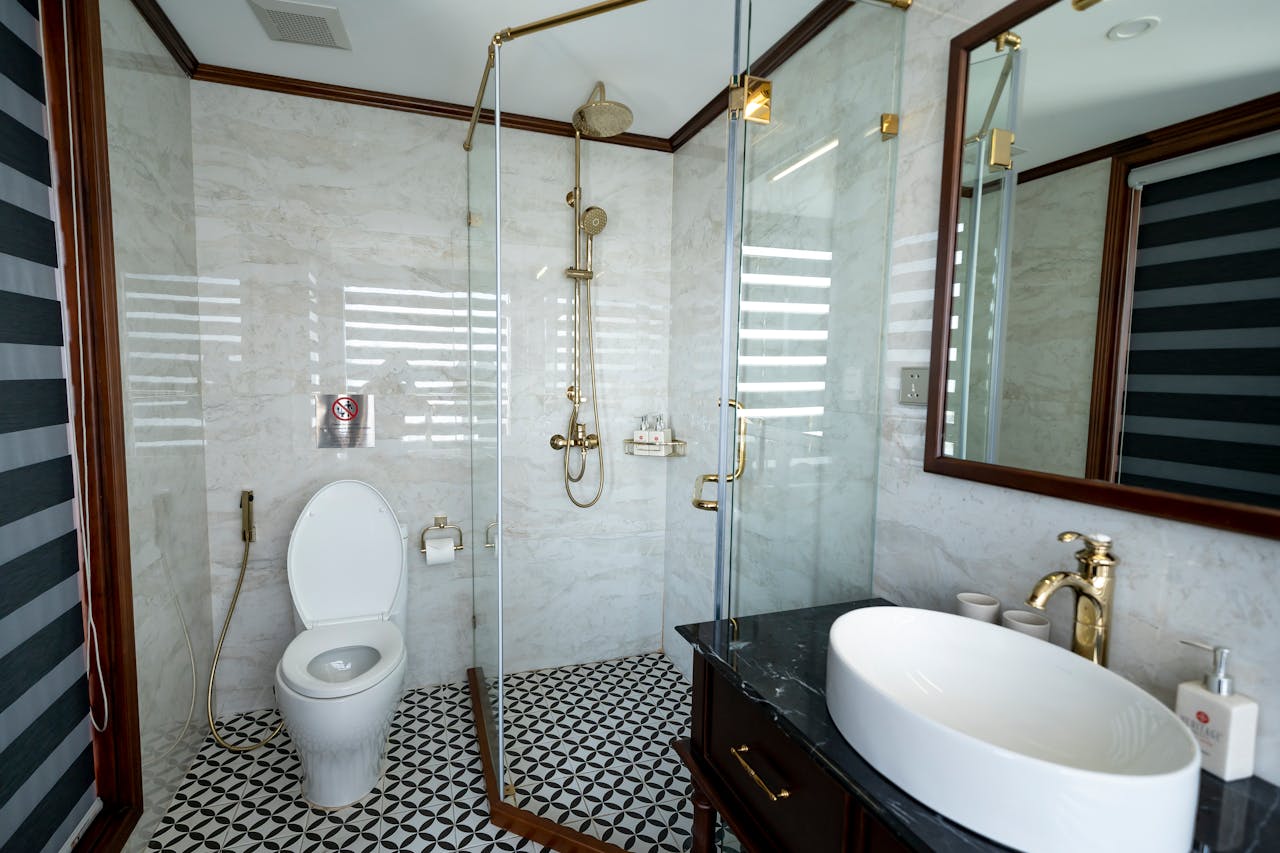
Pocket doors can be the best of both worlds, saving swing space while still offering a real closure. In many hotels, though, the execution is thin: lightweight panels, weak latches, and tracks that rattle, so the door feels more symbolic than secure.
Budget decisions often strip out what makes pocket doors work, like solid cores, seals, and precise framing. Steam escapes, sound travels, and even a hair dryer becomes public. The door can stick halfway open. Designers know the concept can be comfortable, but guests only judge what arrives: a barrier that looks finished in photos and feels unfinished at night in shared stays.
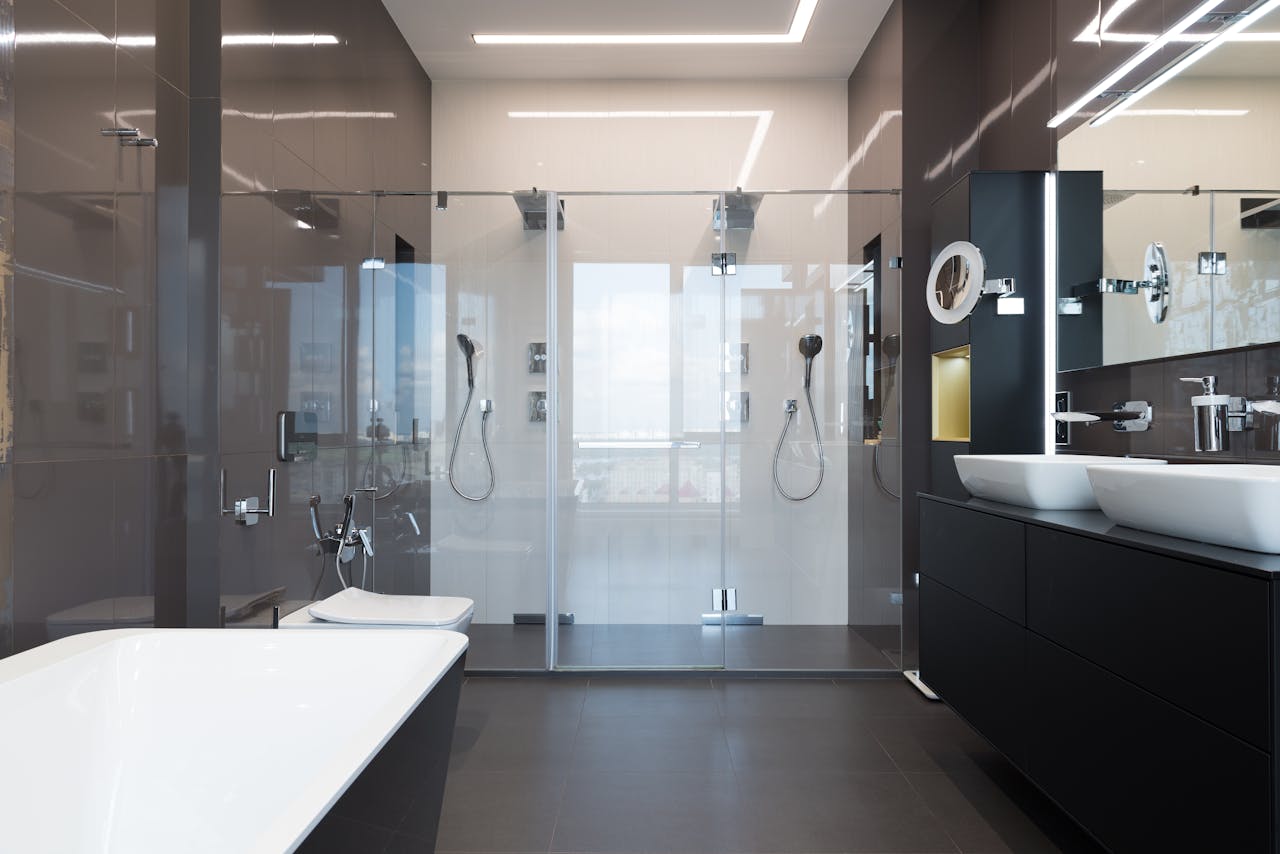
Clear Shower Doors Framed As Modern Luxury
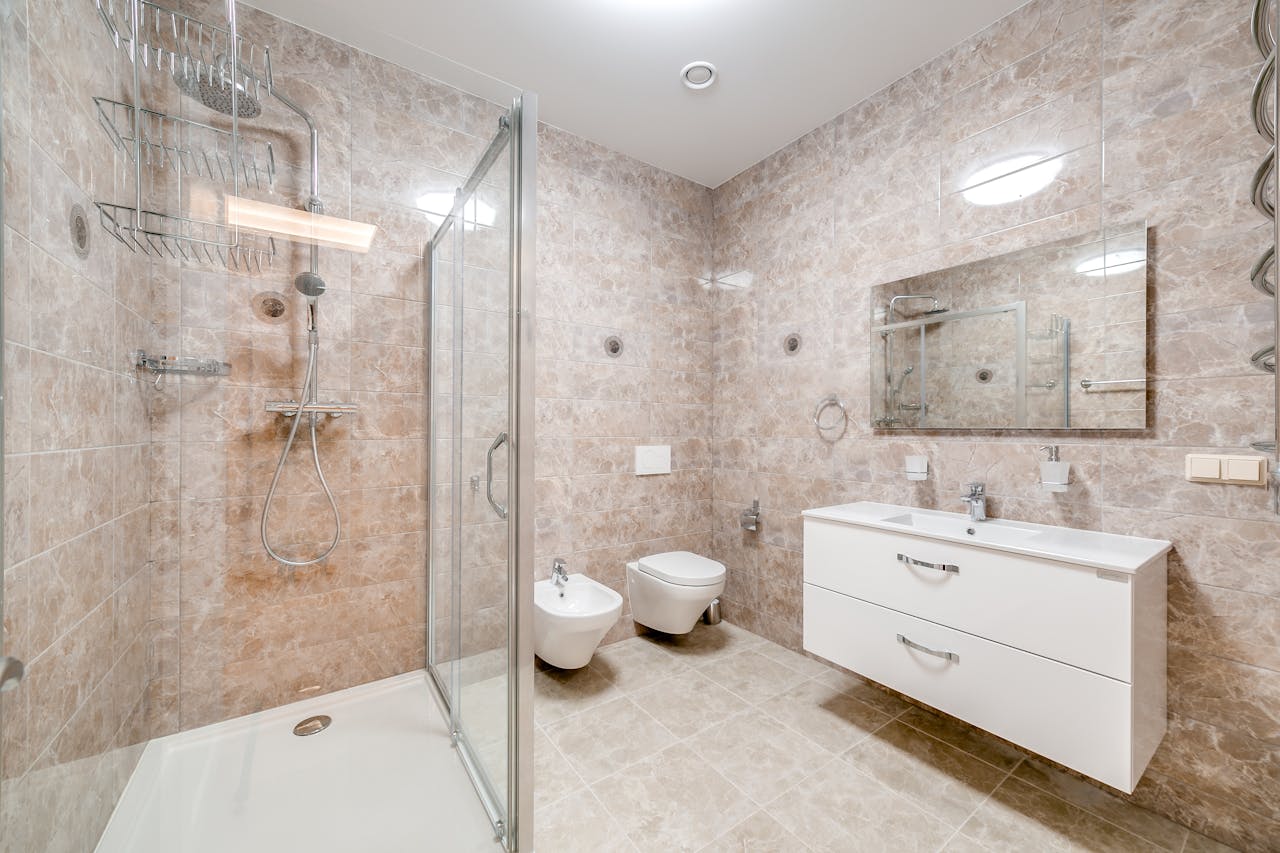
Clear shower doors are marketed as upscale because the bathroom looks larger and brighter, especially when it borrows light from the bedroom. In shared rooms, that transparency can feel like stage lighting, with reflections and movement visible from the beds.
Designers argue the choice can solve real constraints in older buildings where adding ventilation or stronger lighting is difficult. Guests do not object to glass itself; they object to being on display while trying to unwind. The backlash is less about modesty and more about control: a room that cannot provide a private routine stops feeling restorative at any hour.
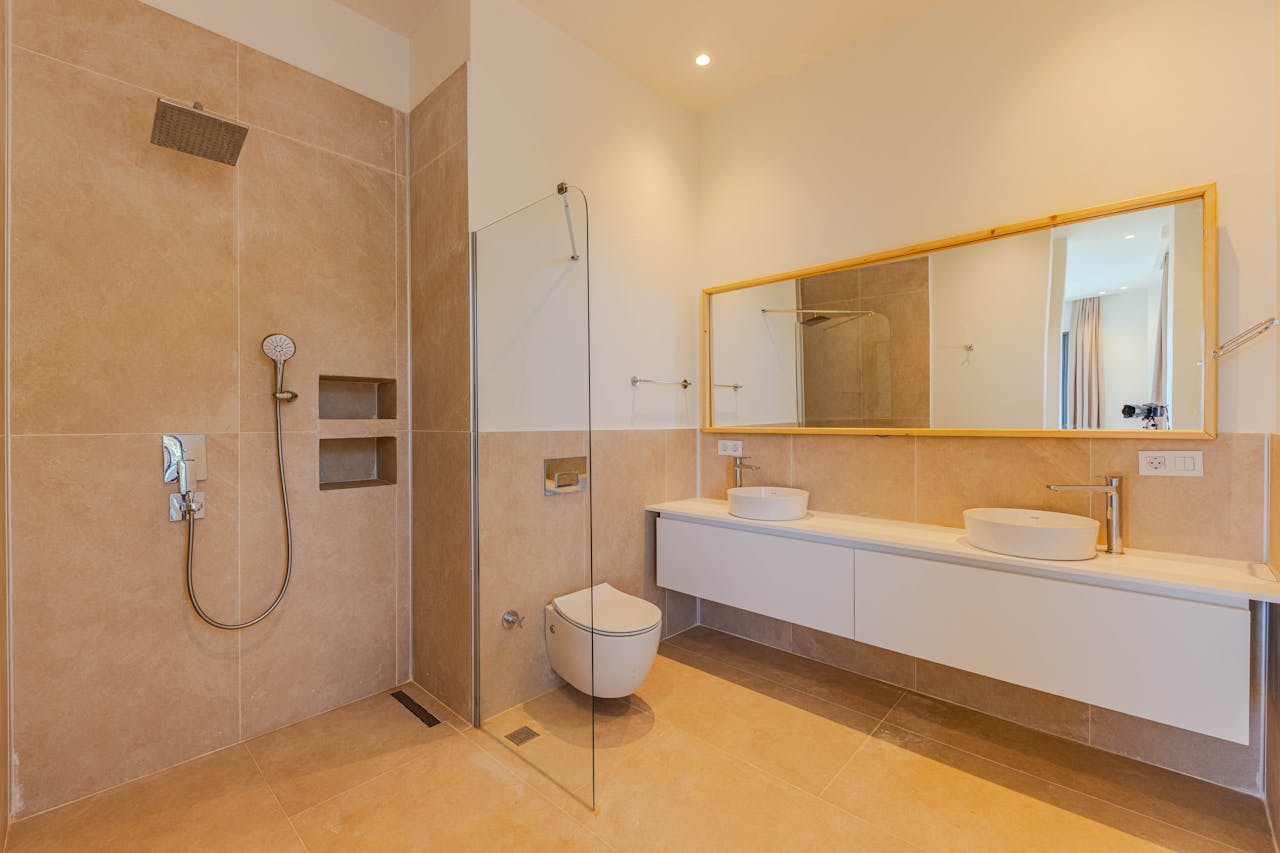
Open Wet-Room Showers That Splash Beyond The Zone
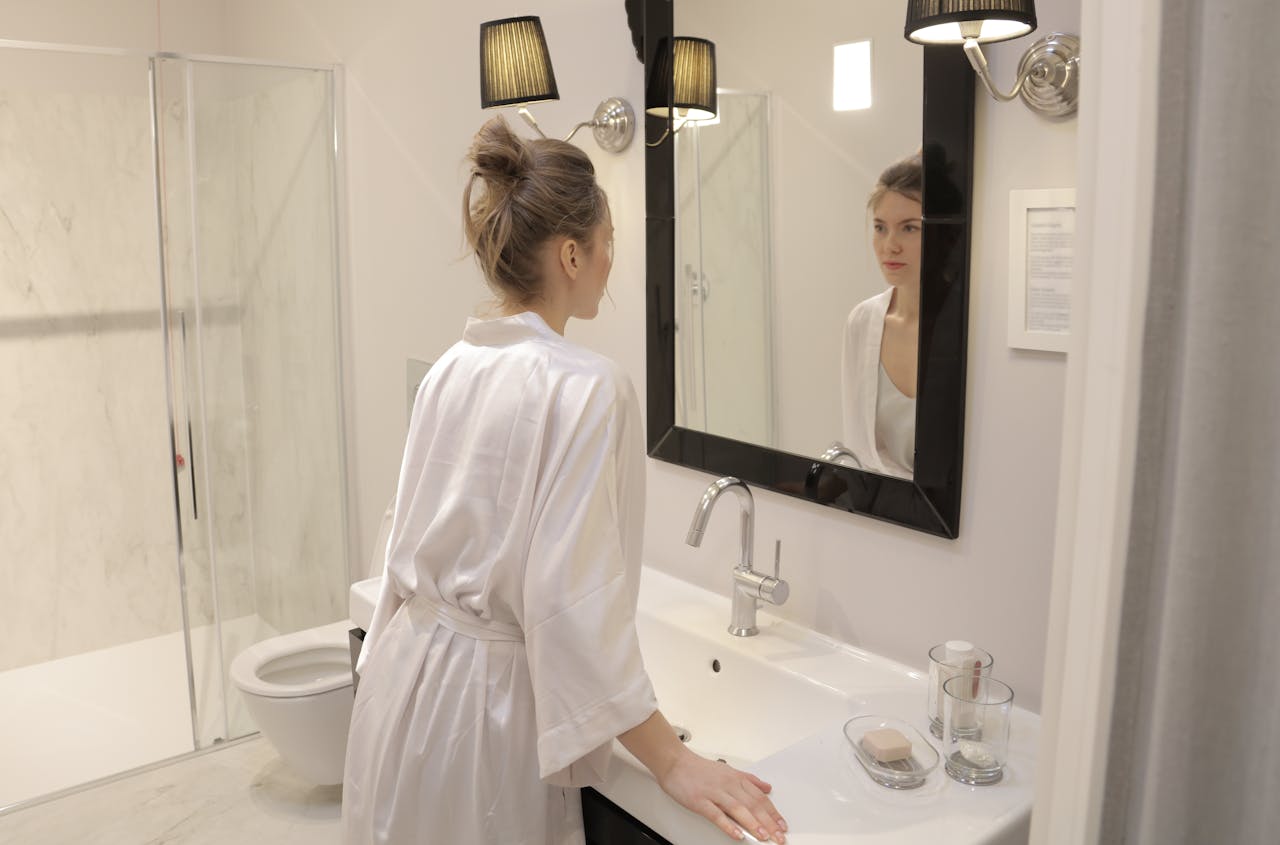
Open wet-room showers with a partial glass wing look spa-like and save space by skipping a full enclosure. The tradeoff is water travel: spray creeps onto the main floor, towels become barriers, luggage wheels pick up puddles, and the room stays damp.
Designers note that some European builds treat the whole bath as a splash zone, while many American guests expect a clear wet-and-dry divide. In a hotel room, the mess is visible from the beds, so it reads as unfinished. Housekeeping fights constant moisture, and guests start moving carefully. Even when everything else is fine, that persistent wet floor drains comfort quickly.
Bedroom Vanities That Pull The Bathroom Into The Room
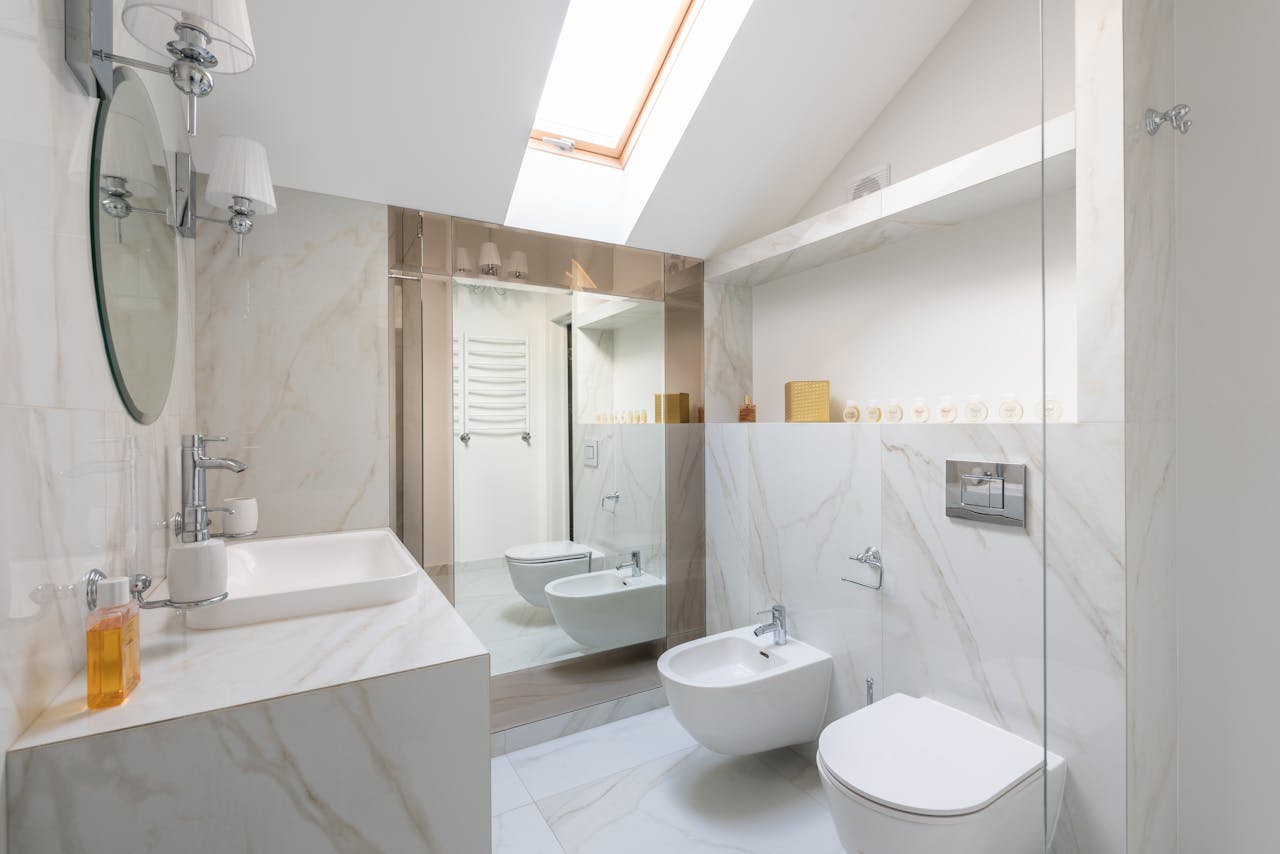
The split-bath plan that puts the sink and mirror in the bedroom is pitched as efficient, letting one person wash up while another uses the toilet. In practice, it drags task lighting, water noise, and damp towels into the sleep zone.
Designers reach for it when plumbing runs are fixed and the bath footprint is tight, so the vanity migrates outward. Early alarms turn into a spotlight at the mirror. Guests bristle when the mirror faces the beds or the counter sits beside luggage, because the room loses a boundary between rest and routine. It can work with simple screening, but as a default, it makes privacy feel scattered.
Glass Walls Used To Borrow Bedroom Light
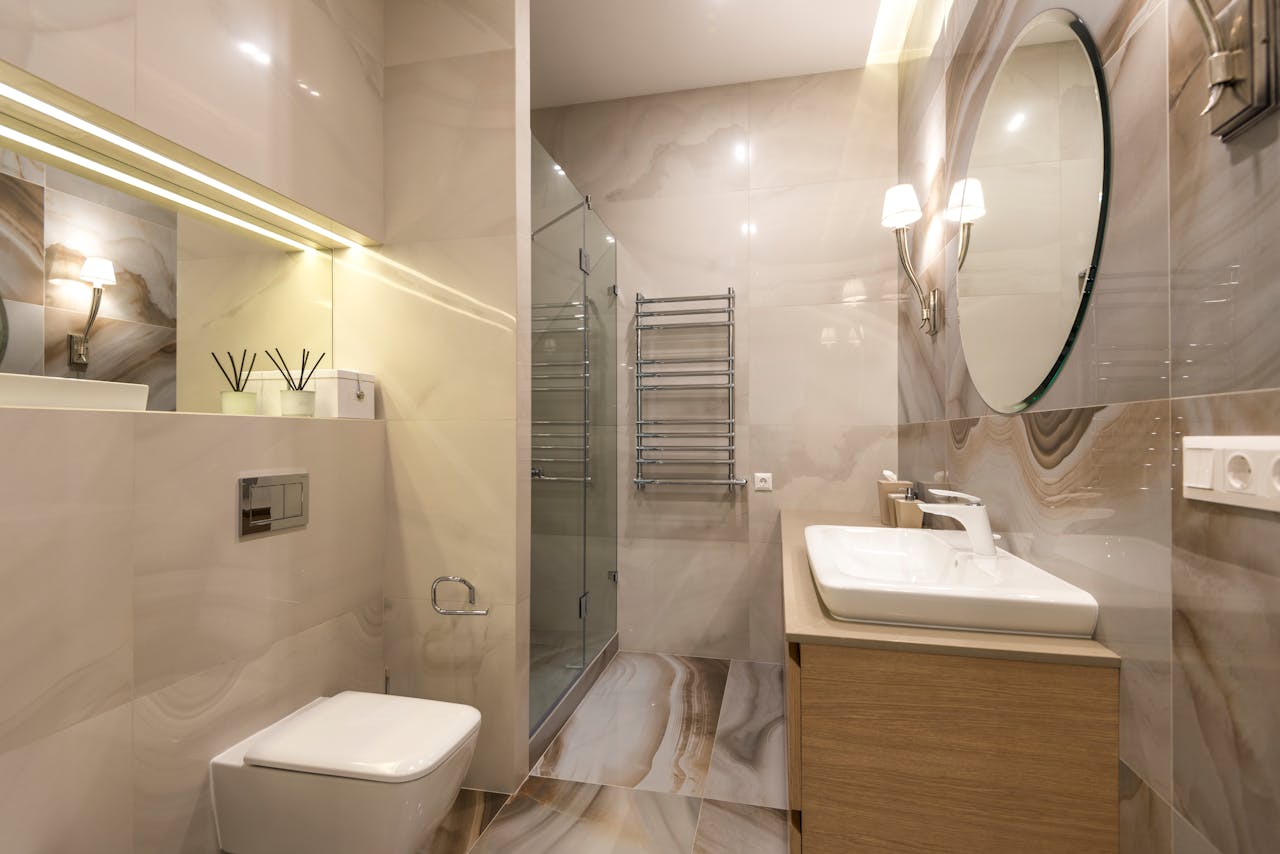
Glass walls, transoms, and interior windows are used to borrow daylight from the bedroom, keeping a small bath from feeling like a dark box. The downside is that shadows, mirror glare, and night lighting bleed through, so private moments feel oddly visible.
Designers say the tactic shows up in historic buildings where adding new lighting, ventilation, or electrical is limited, and glass offers an easy brightness boost. Guests are less forgiving when the glass also carries sound and creates silhouettes at 2 a.m. The room may look airy, but the mood turns tense when privacy depends on timing and darkness in shared rooms.
Bathroom Entrances Placed In The Main Sightline
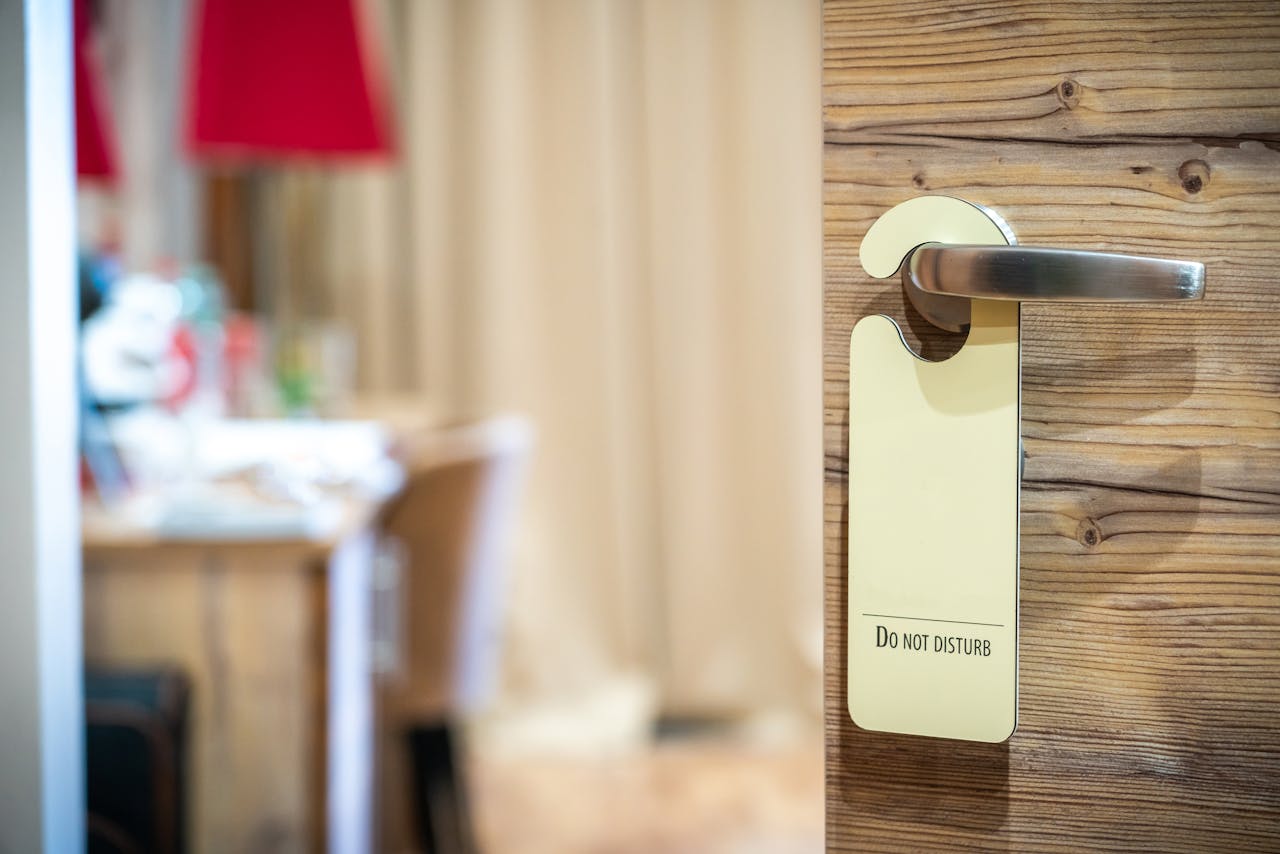
More rooms now put the bathroom entrance on the main sightline from the entry door to the bed. Even with a door, that placement amplifies every gap, reflection, and light spill, turning routine trips into part of the room’s center stage. Night trips can wake the whole space.
This layout can simplify plumbing stacks and make the room feel straightforward for builders and guests. It also means the bathroom becomes the first and last thing visible, which magnifies glass showers and frosted panels. Designers may see clean geometry, but travelers feel exposed, because privacy is not only about a door; it is about being out of view.
Open-Concept Bathrooms Designed For Social Media
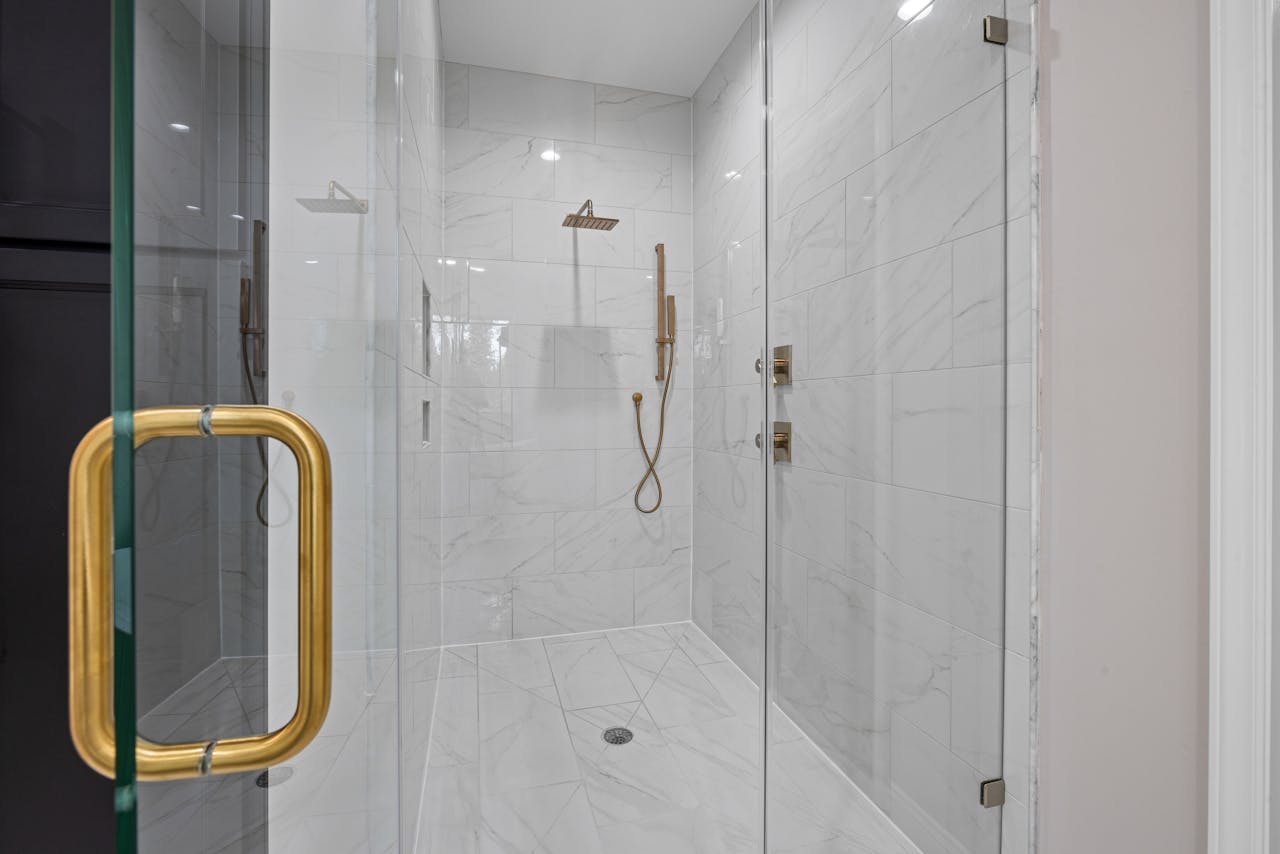
Open-concept bathrooms are often built for the listing photo: glass, tile, and mirrors make the room look bigger, brighter, and more modern in a quick scroll. In a shared stay, the same openness turns the toilet, shower, and vanity into a public zone.
Designers acknowledge that some guests do not mind an open setup, and some brands lean into it as a signature. Backlash hits when it becomes the default and arrives without a clear heads up. By Oct. 2025, travelers were cataloging doorless designs online and avoiding them. The message is simple: a room can be stylish, but it still has to feel like a place to breathe at night.