In the 1970s, American pop culture stocked its shelves with paperback ideas. Some novels never became dinner-table classics, yet their concepts kept resurfacing in film scripts, TV arcs, and the language of fandom. They taught audiences to trust unreliable reality, to laugh inside genre rules, and to fear systems that smile while sorting people. The decade moved on, but the story machinery stayed. These books kept humming in the background, shaping what America watches, quotes, and remixes. Many of today’s tropes trace back to these pages, even when the credit line got lost. The influence arrived sideways, and it stuck.
“The Lathe of Heaven” by Ursula K. Le Guin
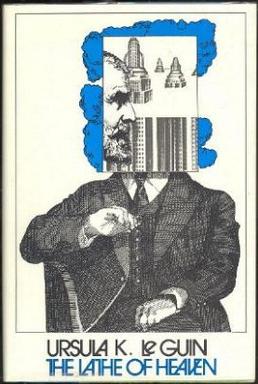
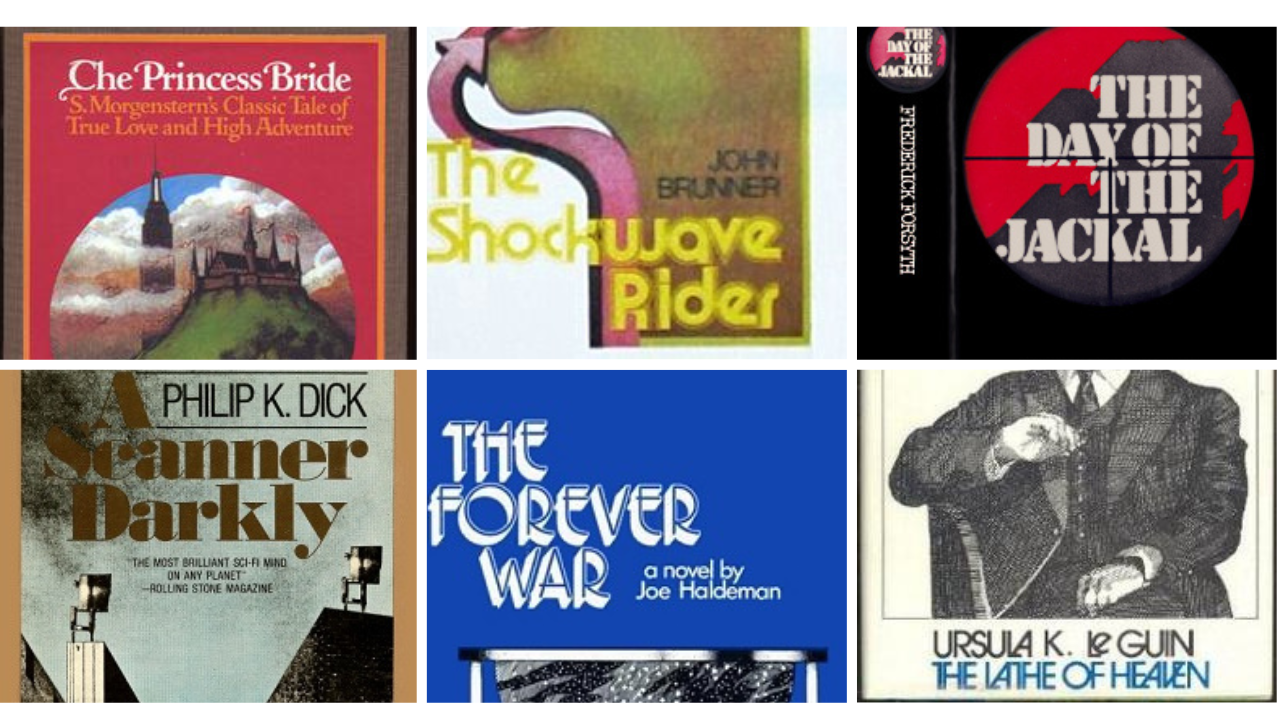
Le Guin’s 1971 novel begins with George Orr, a Portland man whose dreams can rewrite the real world, then asks what happens when a confident specialist tries to steer those changes toward a tidy utopia.
That uneasy mix of expertise and unintended fallout still powers American sci-fi, from timeline stories to tech fables about optimization turning uncanny. A PBS telefilm aired in 1980, and a later adaptation followed in 2002, keeping the premise alive for storytellers who want reality to feel editable, but never safe.
Its quiet lesson is blunt: the future is not a settings menu, and every wish leaves a visible footprint.
“The Day of the Jackal” by Frederick Forsyth
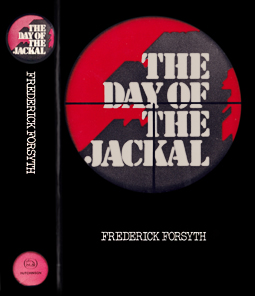
Frederick Forsyth’s 1971 thriller treats suspense like paperwork: forged identities, travel timings, cash drops, and a planned attack on President Charles de Gaulle commissioned by the OAS. It reads like a brief built for cameras.
That procedural texture became a core ingredient of modern American screen thrillers, where preparation is the real spectacle and the smallest detail can swing the outcome. The novel won the 1972 Edgar Award for Best Novel, and the 1973 film adaptation spread its documentary-style rhythm to audiences who may never have opened the book.
It helped teach pop culture to fear competence more than chaos.
“Watership Down” by Richard Adams
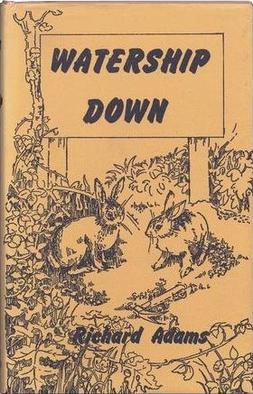
Richard Adams published “Watership Down” in 1972, and the premise sounds gentle until it moves: a small band of rabbits flees a doomed home and builds a new society from rumor, myth, and nerve.
American pop culture absorbed its trick of pairing cute surfaces with adult stakes, a pattern now common in animation, YA fantasy, and games that treat found family as survival strategy. Lapine and Frith also showed how invented lore can feel as quotable as any sitcom line. The 1978 animated film kept the story visible, and later adaptations refreshed it for new audiences again.
It made sincerity feel earned, not sentimental.
“The Princess Bride” by William Goldman
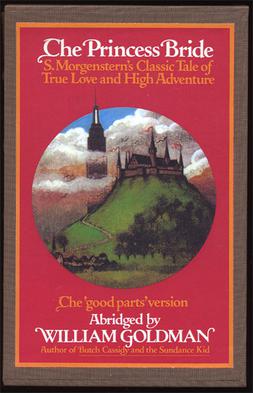
William Goldman’s 1973 “The Princess Bride” pretends to be an abridgment, then uses that frame to mock and honor fairy-tale logic at the same time. Its jokes land because the stakes stay real, too.
That self-aware sincerity became a defining American comedic voice, later echoed in animation, rom-com banter, and genre stories that can joke while staying emotionally straight. Rob Reiner’s 1987 film put its lines into everyday speech, and the Library of Congress added the movie to the National Film Registry in 2016, cementing the book’s afterlife through a different format.
It proved irony can still leave room for heart.
“Rendezvous with Rama” by Arthur C. Clarke
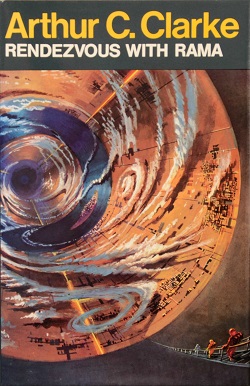
Arthur C. Clarke’s 1973 “Rendezvous with Rama” delivers first contact as architecture: a vast, spinning cylinder glides into the Solar System, and human explorers step inside without a welcome sign.
That choice, awe before explanation, shaped the American appetite for mystery objects in space, from films that linger on silent monoliths to games built around exploration and restraint. The novel won major genre honors, including the Hugo and Nebula awards, and it kept reinforcing a useful rule for pop storytelling: the unknown stays powerful when it does not perform for anyone.
It made curiosity feel like a plot engine.
“Tinker Tailor Soldier Spy” by John le Carré
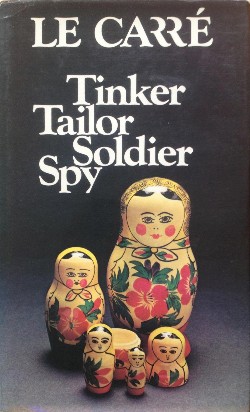
John le Carré’s 1974 “Tinker Tailor Soldier Spy” turns espionage into a slow audit, as George Smiley hunts for a mole inside his own service and learns how loyalty gets monetized. The suspense lives in pauses and what stays unsaid.
That gray, paperwork-heavy mood reshaped the American spy on screen: less gadget hero, more observer, burdened by trade-offs that never resolve cleanly. The 1979 BBC miniseries with Alec Guinness kept Smiley’s methodical pace in the culture, and the 2011 film renewed the template for a new era of prestige thrillers. Every clue feels earned and paid for.
It taught audiences to watch faces, not fireworks.
“The Forever War” by Joe Haldeman
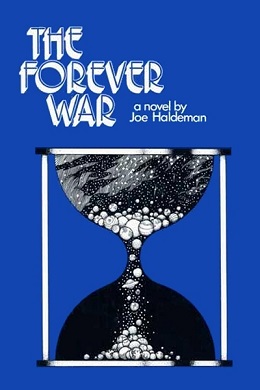
Joe Haldeman’s 1974 “The Forever War” follows William Mandella through an interstellar conflict where relativity turns each deployment into a leap forward in time, making homecoming feel like arriving in a new country.
That emotional math, service measured against a society that keeps changing, echoes across American sci-fi from space operas to prestige TV, where veterans return speaking an older dialect of values. The novel won the Nebula Award for Best Novel in 1975 and later took the Hugo and Locus awards, helping its themes stay present in the genre’s mainstream bloodstream.
It made the future feel personal, not just scenic.
“The Shockwave Rider” by John Brunner
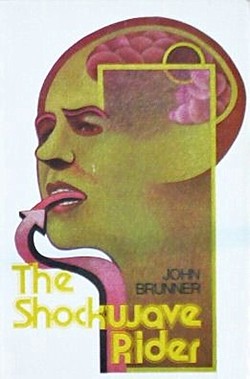
John Brunner’s 1975 “The Shockwave Rider” imagines an America run by data files and automated gatekeepers, where Nick Haflinger survives by rewriting his identity faster than the system can pin it down.
Before cyberpunk had a brand name, the novel forecast pop culture’s big tech anxieties: surveillance that feels polite, scores that follow people, and reputations that can be edited. Brunner even used the term worm for a self-replicating program moving across a network, language later adopted in computing. The story’s bite shows up in everything from hacker dramas to corporate satire.
It warned that convenience can become a cage.
“Interview with the Vampire” by Anne Rice
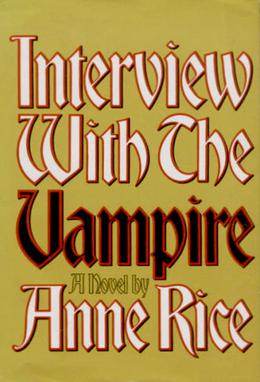
Anne Rice’s 1976 “Interview with the Vampire” reframed the monster as a narrator, letting Louis recount immortality as memory, appetite, and regret rather than menace. Confession becomes the hook.
That intimate voice reshaped American pop culture’s supernatural wave, making room for charismatic antiheroes and fandoms built on emotional complexity, not jump scares. Neil Jordan’s 1994 film carried the story into mainstream cinema, and AMC’s 2022 television adaptation reopened it for a new generation, proving the same core dynamic still holds: power feels different when it has to explain itself.
It turned darkness into dialogue.
“Even Cowgirls Get the Blues” by Tom Robbins
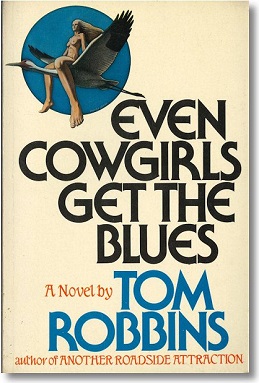
Tom Robbins’ 1976 “Even Cowgirls Get the Blues” follows Sissy Hankshaw, a hitchhiker whose oversized thumbs become a ticket into modeling, misfit politics, and a ranch that turns into a stage for American oddness.
Robbins’ voice, playful but sharp, helped shape the strain of pop comedy that treats the road trip as philosophy, where jokes carry real questions about freedom and belonging. Its lines read like slogans, built for quoting. Gus Van Sant adapted the novel into a film in 1993, but the book’s larger impact stayed in tone: the permission to be whimsical without being shallow.
It kept the counterculture grin alive.
“A Scanner Darkly” by Philip K. Dick
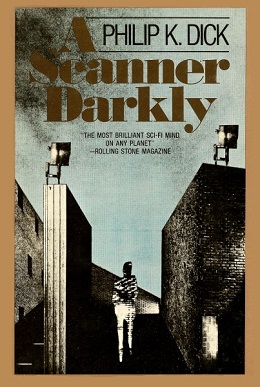
Philip K. Dick’s 1977 “A Scanner Darkly” watches Bob Arctor split in two, an undercover cop surveilling friends while a manufactured high keeps eroding his ability to know himself.
The novel fed a lasting American obsession with identity as a costume, where cameras, bureaucracy, and social pressure can make a person feel doubled. Richard Linklater’s 2006 film, animated through interpolated rotoscope, gave that paranoia a visual language that later creators copied for dreamlike thrillers. It also helped normalize the idea that the scariest future is one that looks like a slightly warped present.
It made mistrust feel intimate.
“Kindred” by Octavia E. Butler
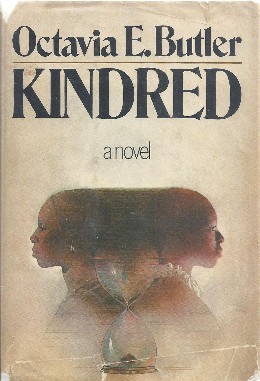
Octavia E. Butler’s 1979 “Kindred” uses time travel as a trapdoor, pulling Dana from California into a Maryland plantation past where survival depends on decisions that never feel clean.
That fusion of speculative mechanism and historical clarity reshaped American storytelling, influencing how pop culture handles ancestry, complicity, and the way the past keeps tugging at the present. The story’s reach expanded through a 2017 graphic novel adaptation and a 2022 television series, both carrying Butler’s unsentimental tension to new audiences.
It proved genre can tell the truth without softening it. The urgency stays.