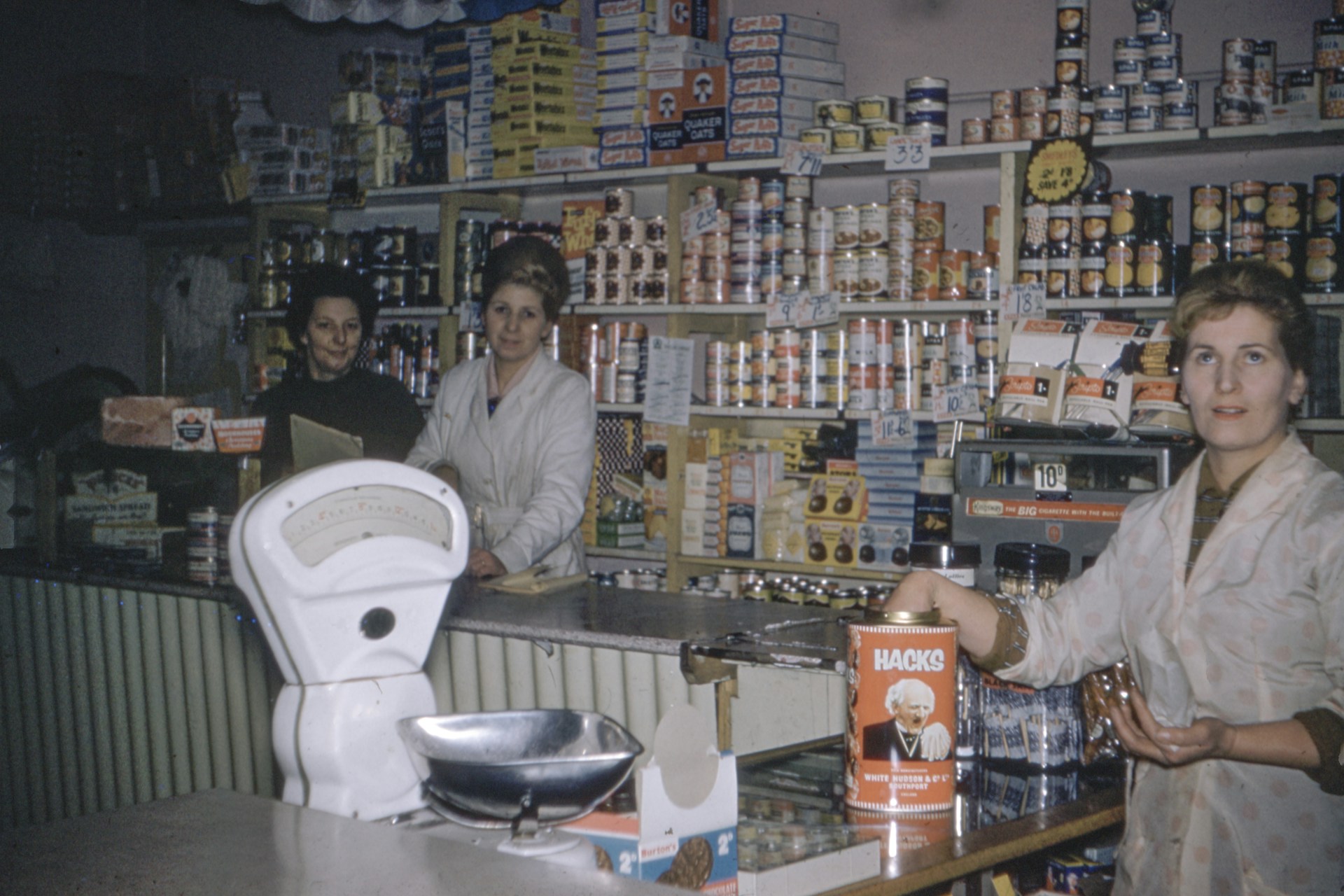
Grocery shelves in the 1960s looked familiar, but the rulebook was thinner.
Colors were louder, cans were built differently, and some farm-to-store shortcuts still passed as normal. Labels did not carry the same warnings, and shoppers rarely saw the testing behind a new ingredient. A product could feel modern simply because it was convenient.
Today, a handful of those everyday staples would violate U.S. food rules outright, from banned additives to packaging that cannot touch food. The point is not to scold the past. It is to see how safety tightened, quietly, item by item, until the pantry changed without anyone noticing.
Lead-Soldered Canned Foods
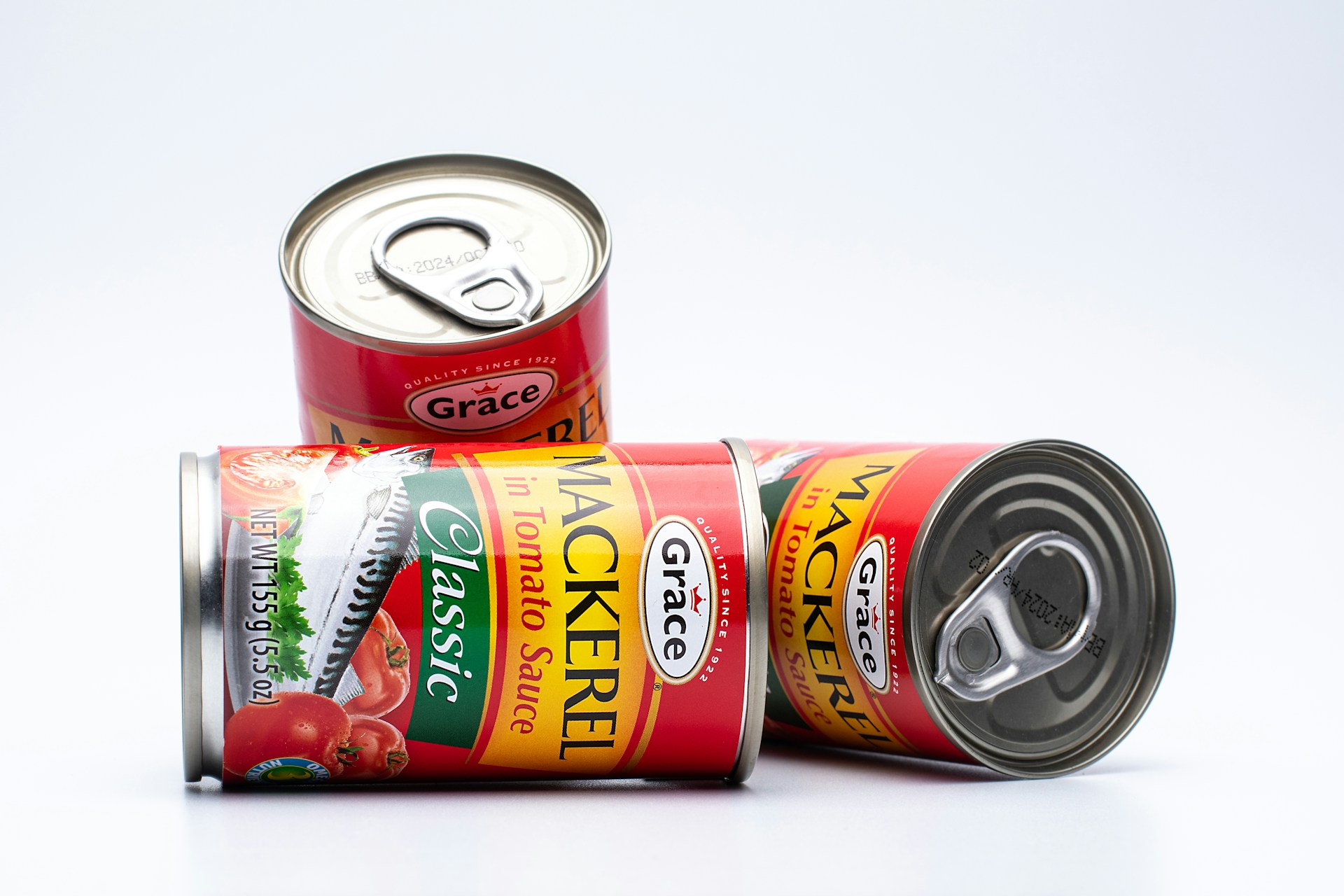
Many canned goods in the 1960s were sealed with lead-based solder along a side seam. It was easy to miss, and it mattered most for acidic staples like tomatoes, fruit, and juices, where long contact could pull trace lead into the food.
Today, selling food in lead-soldered cans is prohibited in the United States. Modern cans use welded seams and approved linings, and lead is treated as an unacceptable food-contact material. A retro can design made the old way would be blocked even if the recipe inside were unchanged, because the container itself breaks the rule and the risk is avoidable. That is the whole point of the modern standard.
Cyclamate-Sweetened Diet Soda
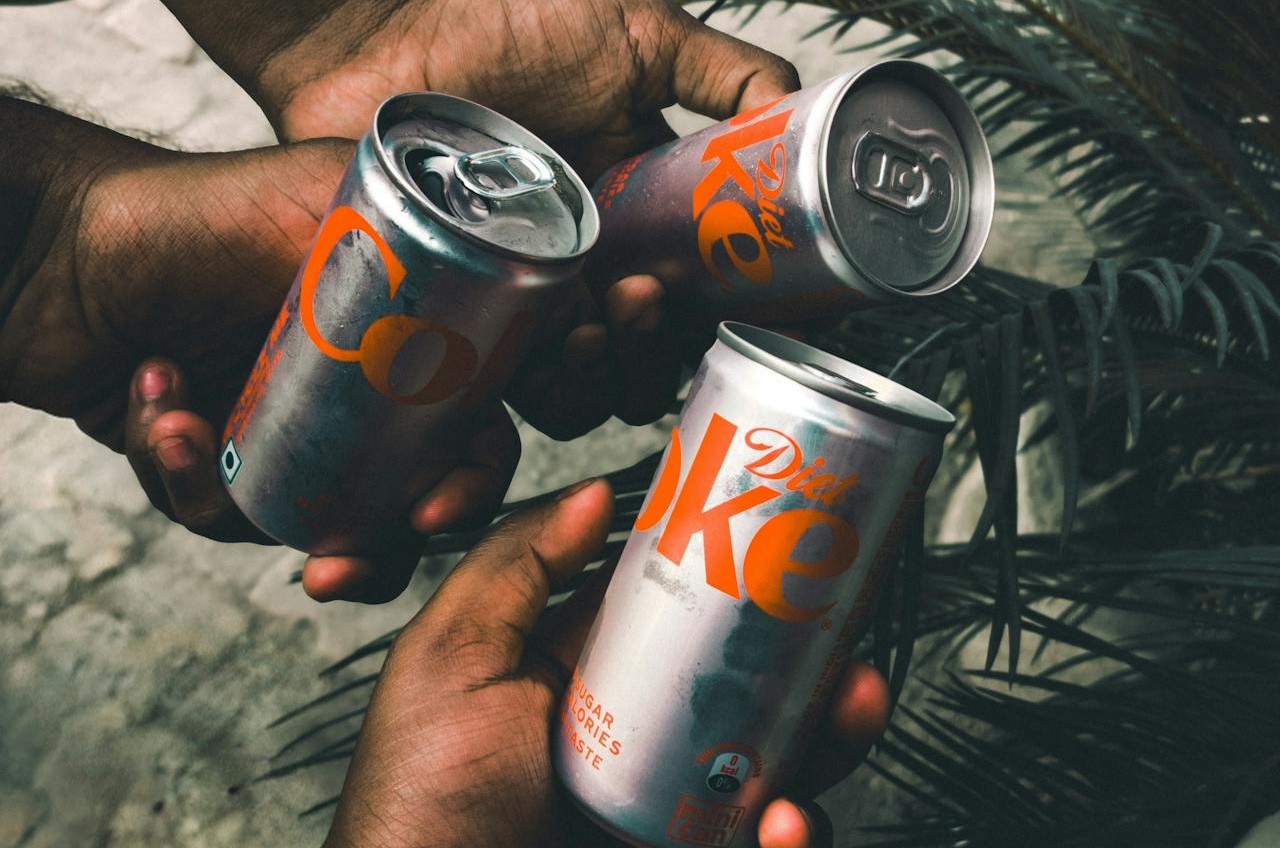
Diet sodas and tabletop sweeteners in the 1960s often used cyclamate, valued for a clean taste and low cost. It showed up in mainstream grocery aisles, so diet felt ordinary, not like a special product. Recipes leaned on it for sweetness without calories, and shoppers rarely questioned the chemistry.
In the United States, cyclamate is not permitted as a food additive, so a classic formula built around it could not be sold today. Modern diet drinks rely on other approved sweeteners, and labels are tightly tied to what the FDA allows. The brand name could survive, but the ingredient panel would not, because approval is the gatekeeper now.
Brominated Vegetable Oil Citrus Drinks
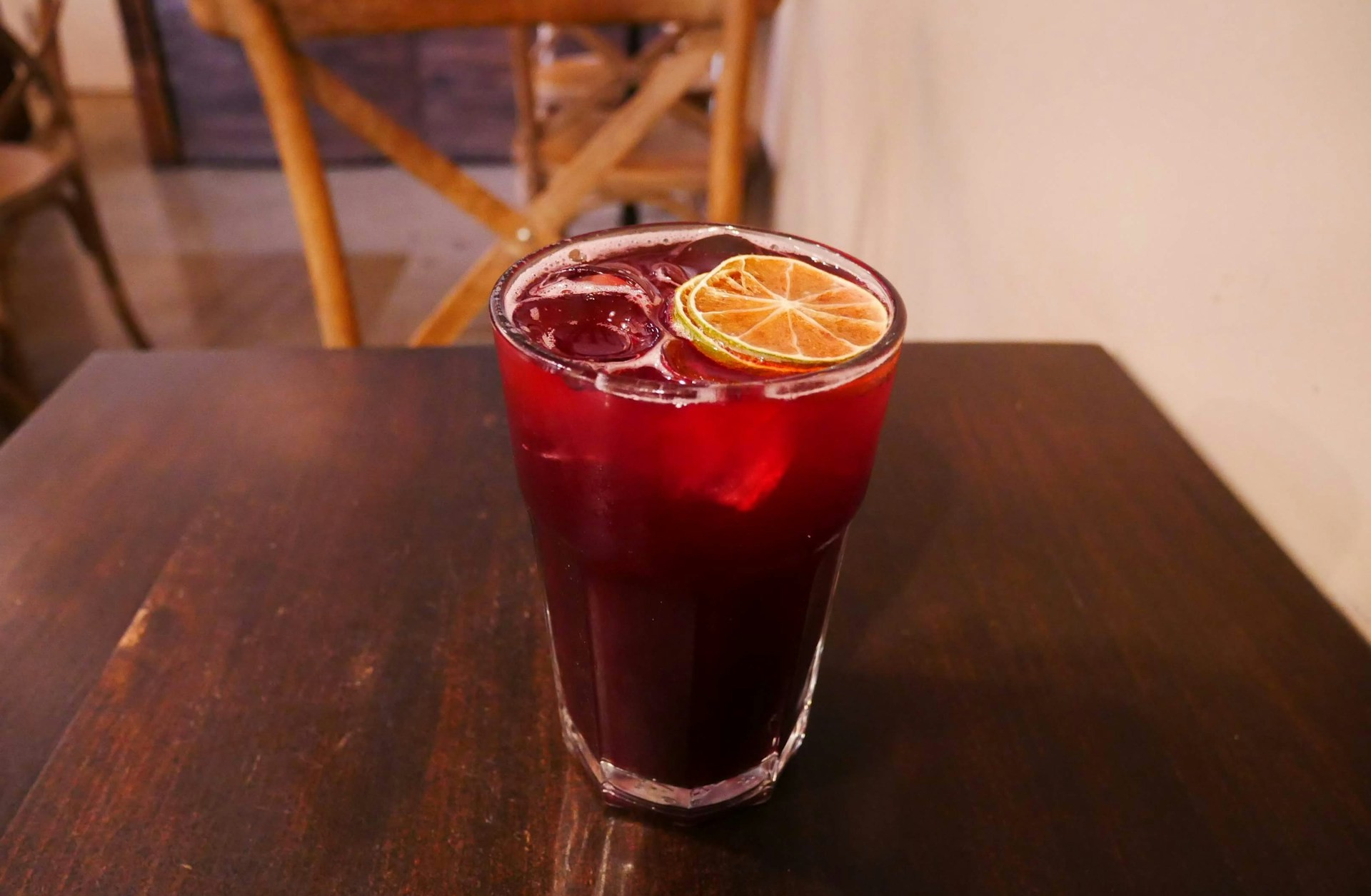
Some citrus sodas in the 1960s used brominated vegetable oil, or BVO, to keep flavor oils suspended. It prevented that floating ring at the top of the bottle, which made a drink look consistent on the shelf. For stores, it also meant fewer complaints from shoppers who assumed separation meant spoilage.
BVO is no longer authorized for use in food in the United States, so a soda relying on it would be illegal to sell. Brands that once used it had to reformulate, even if customers loved the old taste. It shows how modern rules care about long-term exposure, not just whether a drink behaves nicely in a bottle over time, week after week.
FD&C Red No. 2 Candies And Drinks
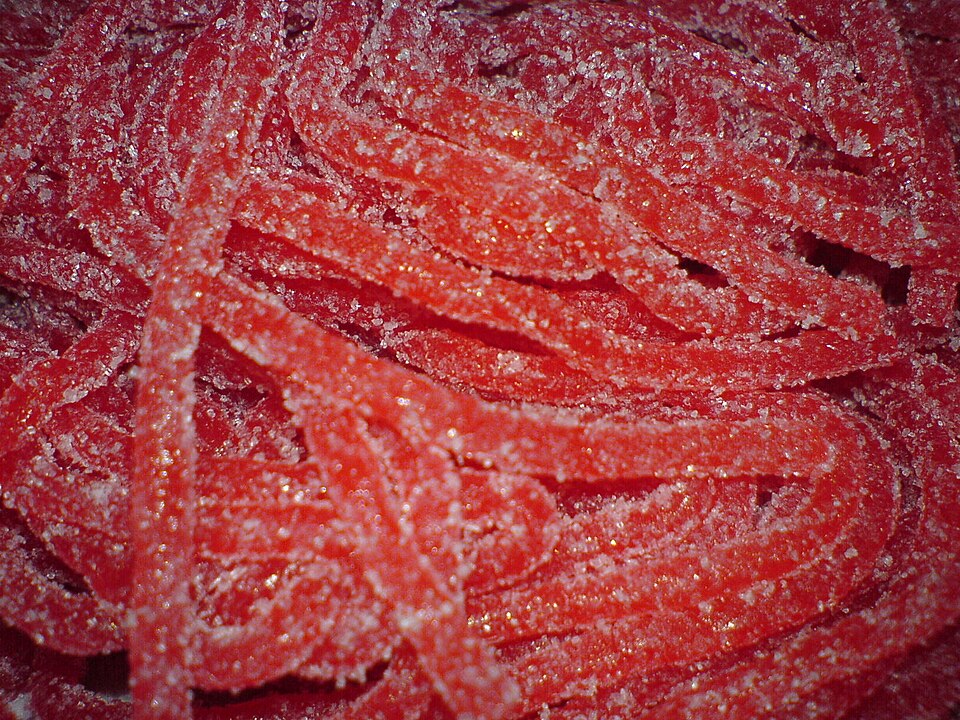
Bright red candies, dessert powders, and drink mixes in the 1960s sometimes relied on FD&C Red No. 2, also called amaranth. It delivered that unmistakable cherry-red look in frosting tubs and gelatin boxes, the color of school parties and holiday punch.
FD&C Red No. 2 is not approved for use in food in the United States today, so products made with it could not be legally sold. Manufacturers switched to other certified colors, and labeling rules grew stricter along with testing. The nostalgia is real, but the exact dye that made the era look so bright is off the menu now, even if a recipe card still calls for it by name. Today.
DDT-Sprayed Produce

In the 1960s, DDT was widely used in U.S. agriculture, so residues could ride along on everyday produce. Shoppers had little insight into what was applied in the field, and the idea of tracing chemicals back to a specific farm was rare.
DDT is no longer registered for routine agricultural use in the United States, and food must meet current pesticide approvals and residue limits. Produce grown and treated under those old practices would violate modern law and could not be sold through normal channels. The shift reflects a hard lesson about persistence: some chemicals do not leave when the season ends, or when the headlines fade.
DES-Boosted Beef
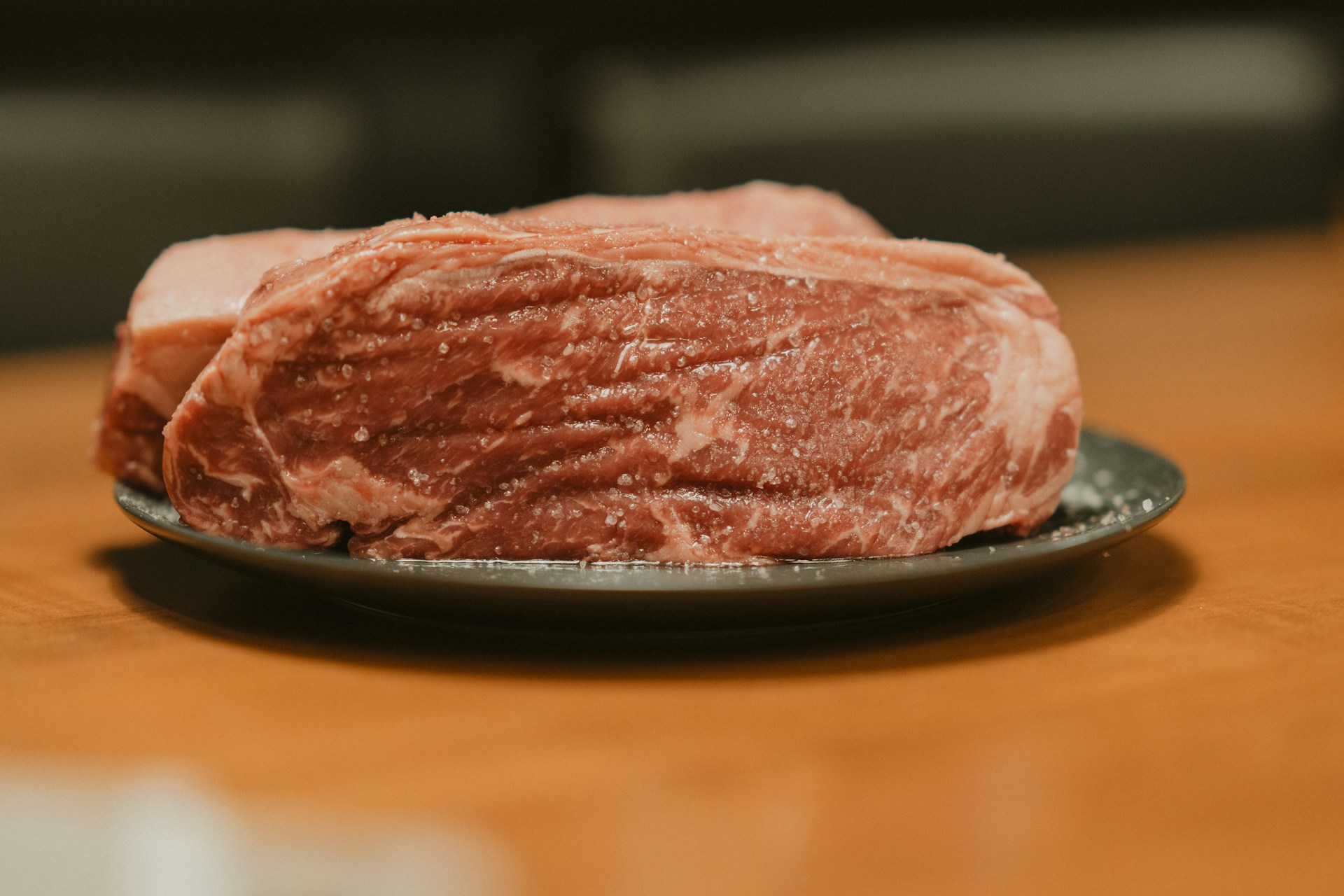
Some beef production in the 1960s used diethylstilbestrol, or DES, a synthetic estrogen used to promote growth. It fit the era’s faith in chemistry and scale, and consumers would not have seen it as unusual at the meat counter.
DES is banned for use in food-producing animals in the United States, so beef raised under that practice would not be legal to sell today. Modern animal drug approvals and residue controls are far tighter, and enforcement is built around documented compliance. What changed was not the desire for affordable meat. What changed was the evidence, and the willingness to turn it into a hard line. In stores.
Raw Milk Shipped Across State Lines
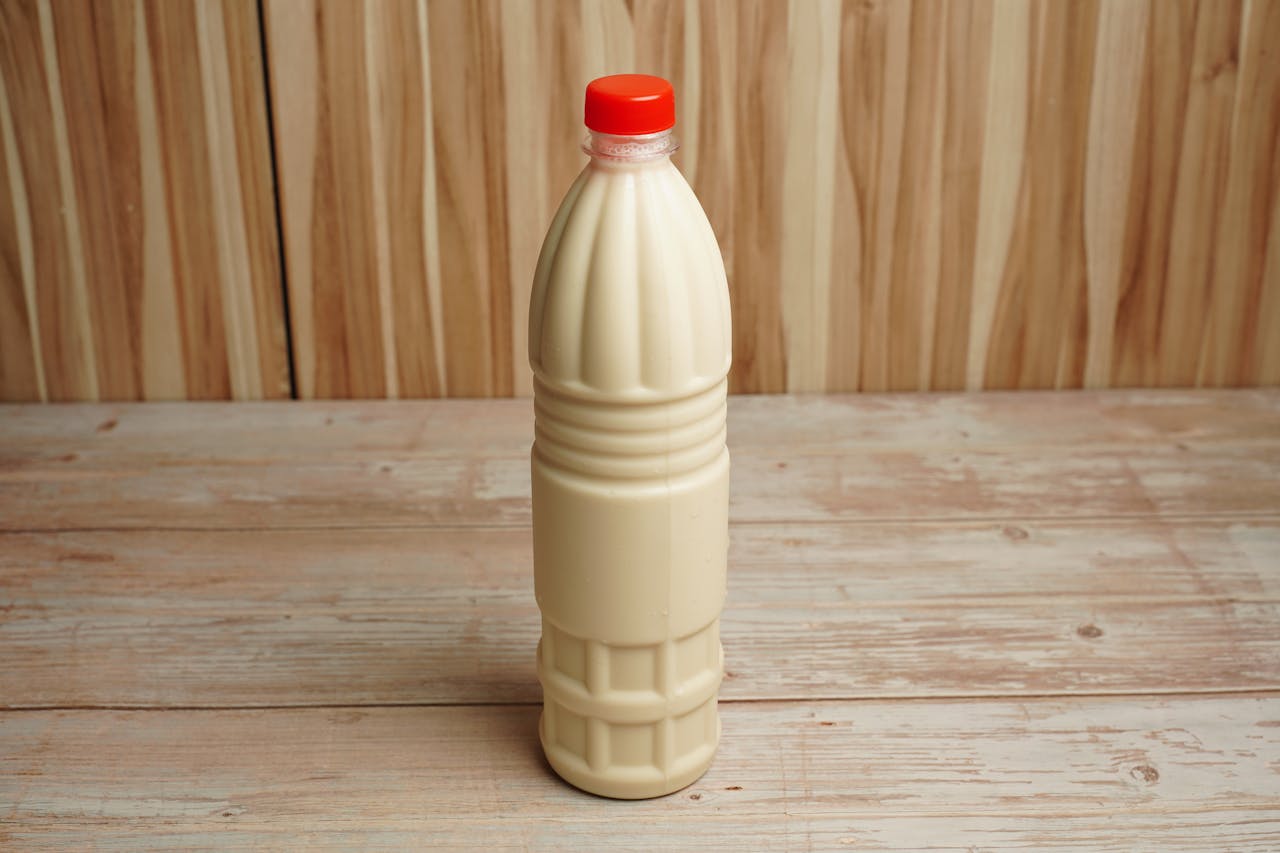
Raw milk could appear in more casual ways in the 1960s, especially through local dairies and small bottlers. In many places it sat in the same cooler as pasteurized milk, treated as a normal staple rather than a special purchase.
Today, U.S. federal rules prohibit selling raw milk across state lines for direct consumption. A supermarket chain moving unpasteurized milk through interstate distribution would be breaking that rule, even if a state allows limited local sales. Modern supply chains are built around pasteurization, testing, and traceability at scale. The old idea of raw milk as routine national retail does not fit.
Fresh Raw-Milk Cheese Sold Young
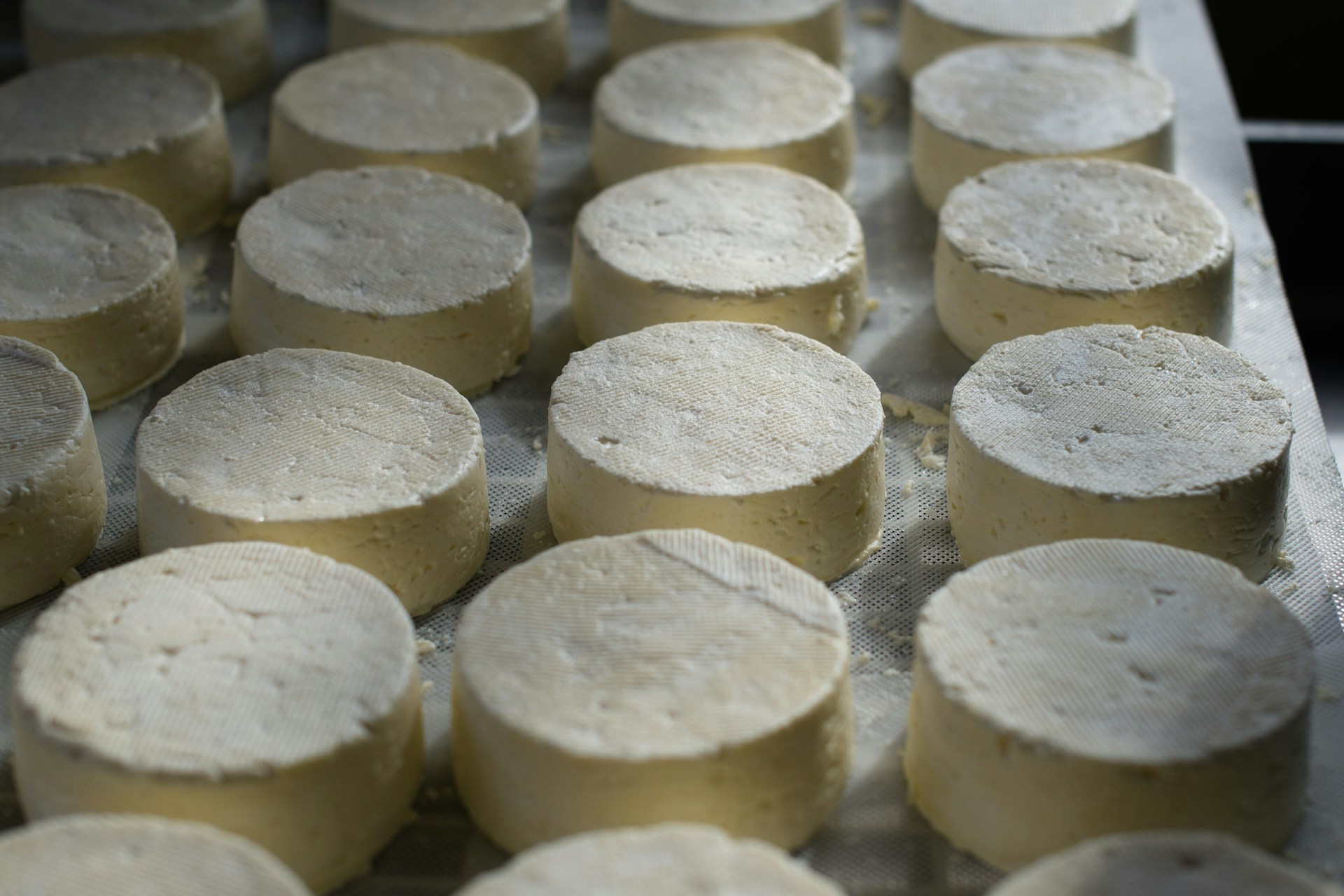
In the 1960s, small dairies and imports could be looser about how quickly young raw-milk cheeses reached shoppers. Soft, fresh styles were sold on tradition and taste, not on standardized timelines that would satisfy modern regulators. In some places, the romance of farm freshness did the convincing.
Under U.S. rules, cheese made from unpasteurized milk generally must be aged at least 60 days at 35°F or above before it can be sold. That means a fresh, soft raw-milk cheese rushed to market would be out of bounds for typical retail. The clock became part of safety, and it quietly reshaped what flavors could legally land in a grocery case.
Home-Canned Green Beans On A Store Shelf
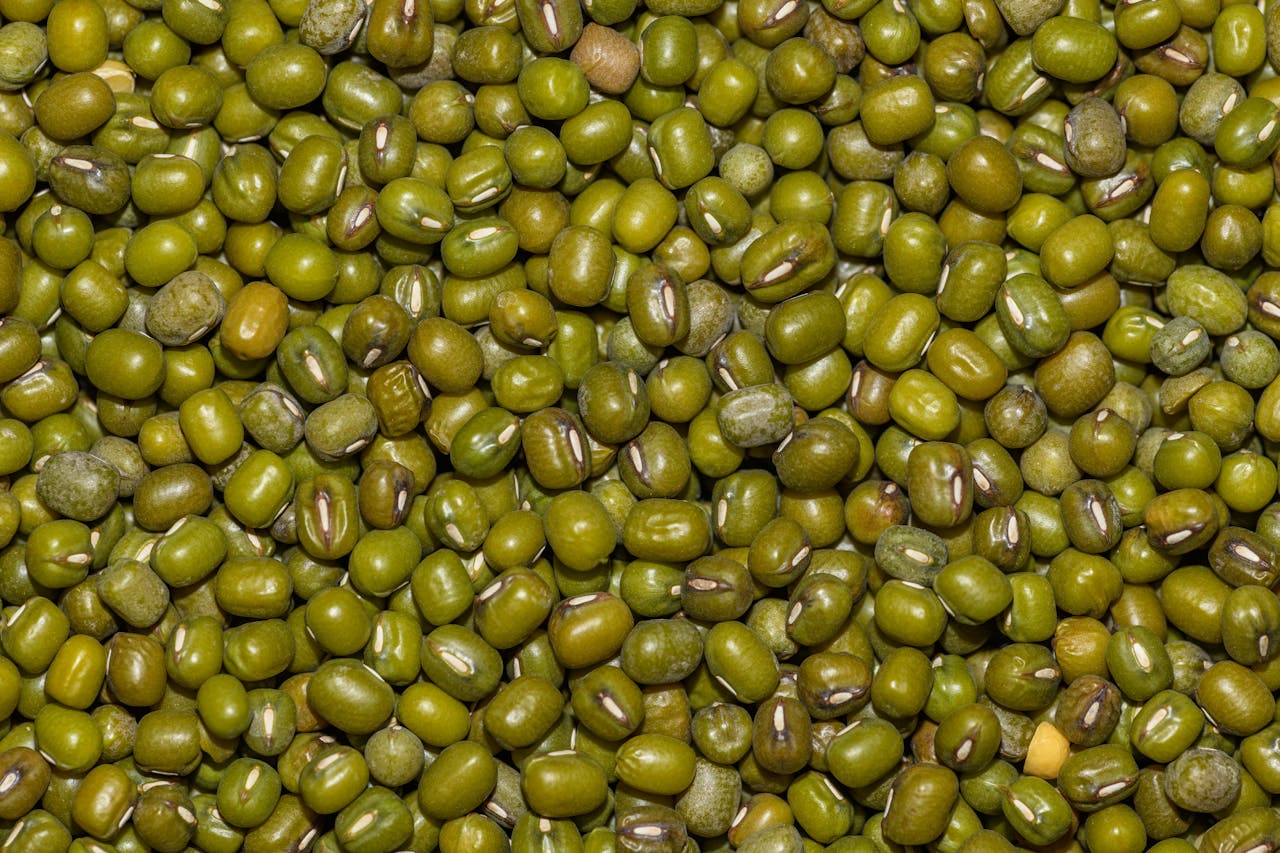
Small groceries in the 1960s sometimes sold local home-canned vegetables the way they sold jam, with a handwritten label and community trust. Low-acid foods like green beans are risky because they require controlled heat processing to be safely shelf-stable.
Today, selling shelf-stable low-acid canned foods in regular retail requires commercial controls, scheduled processes, and inspected facilities. A home kitchen cannot meet those standards for broad sale, and jars without validated processing would be barred. The change is not about romance. It is about acknowledging that room-temperature storage leaves almost no margin for error.
Unpasteurized Juice Without A Required Warning

Fresh-squeezed juice in the 1960s could be bottled by small producers with minimal processing, sold as a wholesome shortcut to vitamins. The risk is invisible: pathogens on fruit surfaces can ride straight into a sealed bottle if the process does not control for them.
Modern U.S. juice rules generally require a validated safety system for retail sale, and unpasteurized juice must carry a specific warning label. A grocery bottle with no warning and no documented process would not meet today’s standards. Fresh flavor is still welcome, but producers must prove the method reduces risk. What changed is the expectation of evidence.
Sulfite-Dipped Fresh-Cut Produce

Supermarkets once used sulfites to keep cut produce looking bright, especially on salad bars and prepared fruit cups. In the 1960s it was an easy cosmetic fix: apples stayed pale, lettuce looked crisp, and fresh held its color under store lights.
Today, adding sulfites to fruits and vegetables intended to be served raw or presented as fresh is prohibited in the United States. That means the old dip-and-display trick would not be legal for a store case. Stores still fight browning, but they do it with faster turnover, temperature control, and safer handling, not a preservative dip meant to hide age. The shine was never the same as freshness.
Oysters Sold Without Harvest Tags

A 1960s seafood counter could feel informal, with oysters piled on ice and little paperwork visible to shoppers. The product looked simple, but shellfish can concentrate contaminants from water, and one bad harvest area can cause widespread illness.
Modern U.S. rules require shellstock to stay tied to harvest tags that show where and when it was collected and which certified dealer handled it. Lots without tags and records are treated as unsafe, and selling them at retail would not be allowed. The tag is not decoration. It is the receipt that lets health officials trace a problem back to a shoreline instead of guessing. Fast.