Big cities are not uniformly dangerous, but the risk can spike fast when lighting, crowding, and exits change after dark.
Most problems happen in predictable pockets: places with low visibility, low foot traffic, or people who are distracted or intoxicated.
Instead of memorizing neighborhoods, learn the patterns that make any block feel unsafe, even in a city that seems familiar.
Think in terms of time and context, not labels: the same street can feel normal at six in the evening and unsettling at midnight.
Plan your route before you leave, and pick streets with open businesses, bright storefronts, and steady pedestrian flow.
If you sense something off, treat that feeling as data. Turning around early is easier than fixing a bad situation later.
Keep your phone ready but not as a tunnel. Awareness beats scrolling, especially near crossings, doorways, and corners.
The goal is not fear; it is control. Choose environments that give you options, visibility, and quick access to help.
Transit Hubs When Platforms Empty Out
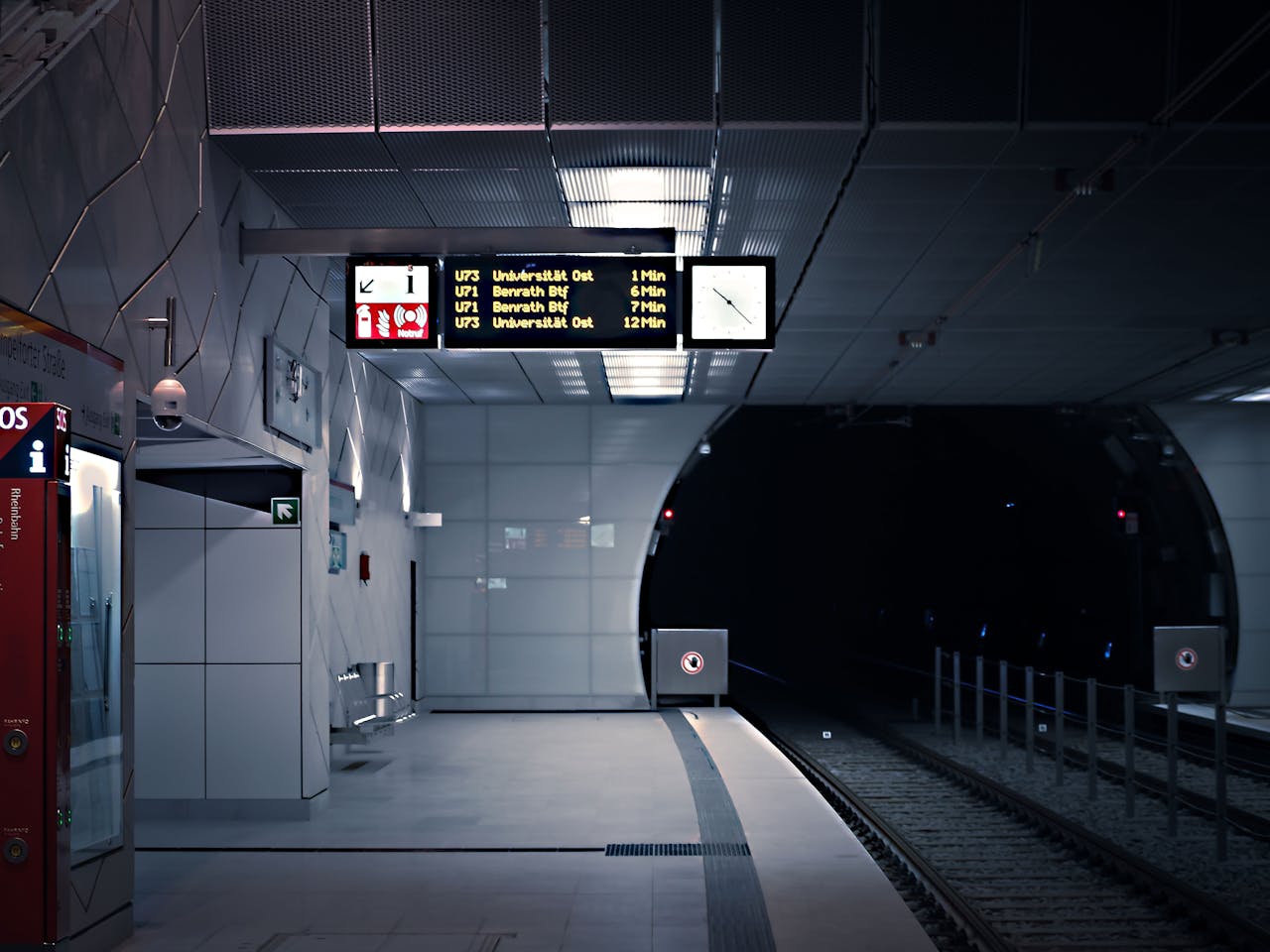
Late at night, stations thin out, staff presence drops, and platforms become wide open spaces with fewer witnesses.
Stick to well-lit entrances and wait near other riders, not at the far end. If the stop feels wrong, take the next one.
Be cautious around bus bays and drop-off lanes where cars idle, because those pauses make it easier for someone to track you.
Choose routes with fewer transfers after dark. Every transfer adds a new platform, stairwell, or sidewalk stretch to manage.
Parking Lots and Garages With Blind Corners
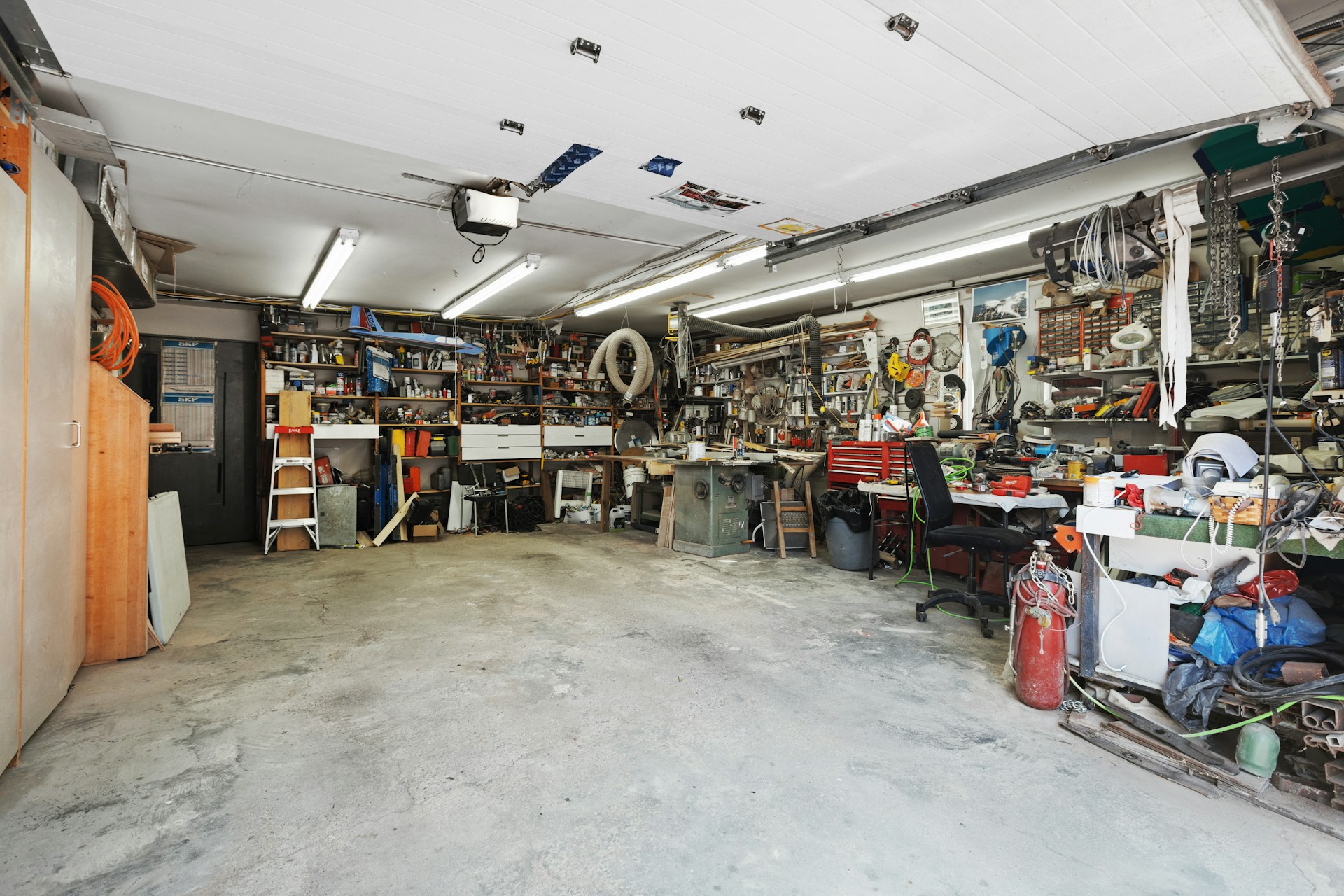
A big lot can feel safe until it is mostly empty, when long sightlines turn into long walks with nowhere to duck into.
Garages add pillars, ramps, and echoing stairwells that hide movement. Park near an elevator that opens to a staffed lobby.
Before you step out, scan around your car, especially the back seat and adjacent vehicles. Do it while your doors are locked.
Keep keys in hand, not buried in a bag. Fumbling at the door is when people become stationary targets.
Skip isolated pay kiosks at night if you can prepay or use a staffed exit. Standing alone at a machine broadcasts vulnerability.
If you must cross a lot, walk where cameras and lights overlap, not between rows. Stay near active storefronts when possible.
Watch for cars that creep without parking or headlights that flip on as you pass. Small patterns can signal surveillance.
When in doubt, call a ride from inside and wait by the main entrance. The extra minute inside is worth the trade.
Nightlife Edges After Last Call
Bar districts look lively, but the edges can be chaotic at closing time, when tempers flare and judgment is impaired.
Trouble often spills into side streets where people argue, smoke, or hunt for rides. Stay on the main strip with lights and staff.
Avoid lingering near bouncers, queues, or groups clustering by doorways. Those spots create sudden crowd shifts and blocked exits.
If you are leaving alone, time it before the full surge. A quieter exit at 12:30 can beat the crush at 2:00.
Be wary of strangers offering help, rides, or shortcuts. Real help does not pressure you to move fast or change your plan.
Pick a clear pickup point in advance, like a hotel lobby or a busy corner, and share it with a friend or family member.
Alcohol changes the whole street, including you. If you have been drinking, default to a car, not a walk, even for short distances.
Dark Shortcuts, Alleys, and Service Passages
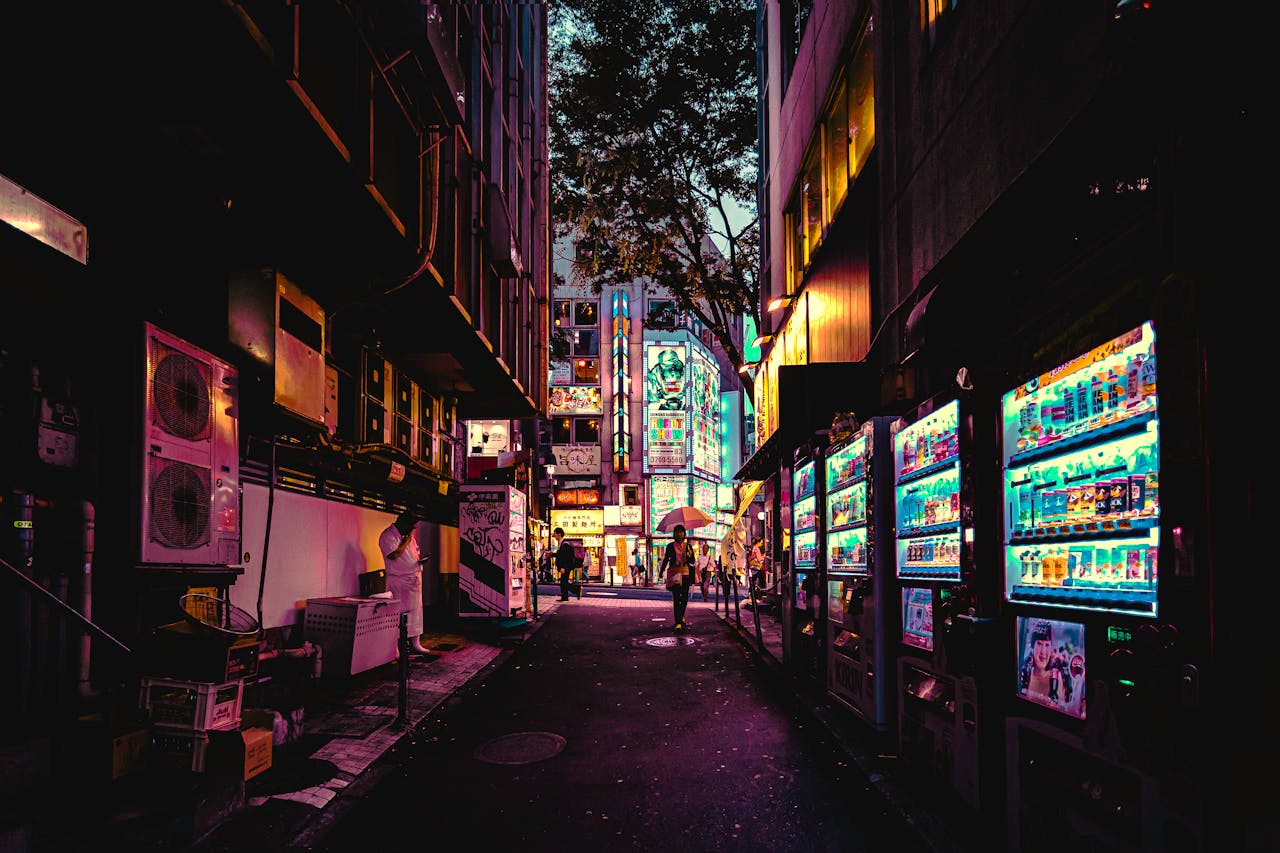
Shortcuts save minutes but remove visibility, and that is the real cost. Alleys also concentrate trash bins, doors, and hiding spots.
Service passages behind restaurants can have open back gates and delivery traffic. That mix creates confusion and fewer clear witnesses.
Choose routes that keep you in the open, even if they are longer. The safest path is usually the one with normal foot traffic.
If you must pass a narrow stretch, stay centered, keep pace, and avoid stopping to check directions. Make turns at bright corners.
Treat doorways and recessed entries as risk zones. Give them space and cross the street early if you see people lingering there.
Secluded Parks, Riverwalks, and Waterfront Paths
Green spaces can be peaceful, but at night they lose the natural supervision that makes them relaxing in daylight.
Paths with trees, curves, and underpasses limit sightlines. Even with lamps, shadows can hide movement until it is too late.
Waterfronts add slippery edges, fewer exits, and long stretches between businesses. That isolation increases the cost of a mistake.
Use parks only if they are well-lit, actively patrolled, and busy with evening runners. Otherwise, stay on the street grid.
Pay attention to points where the path narrows, like bridges and tunnel cut-throughs. Those spots reduce your ability to sidestep.
If you are visiting a new city, assume parks close early for a reason. Treat posted hours as a safety cue, not a suggestion.
Construction Zones and Vacant Buildings
Construction blocks create detours, fences, and dead ends. That forces you into narrow corridors where you cannot pivot quickly.
Vacant storefronts mean fewer eyes and fewer open doors. A lit block with people inside is safer than a pretty block that is empty.
Do not step into unfinished lots or abandoned entries, even if they look like a shortcut, because injury and entrapment risks stack up.
Reroute to a street with businesses, cameras, and steady traffic, and ignore any map shortcut that threads you through a dark block.
ATMs, Cash Points, and Late-Night Convenience Stops
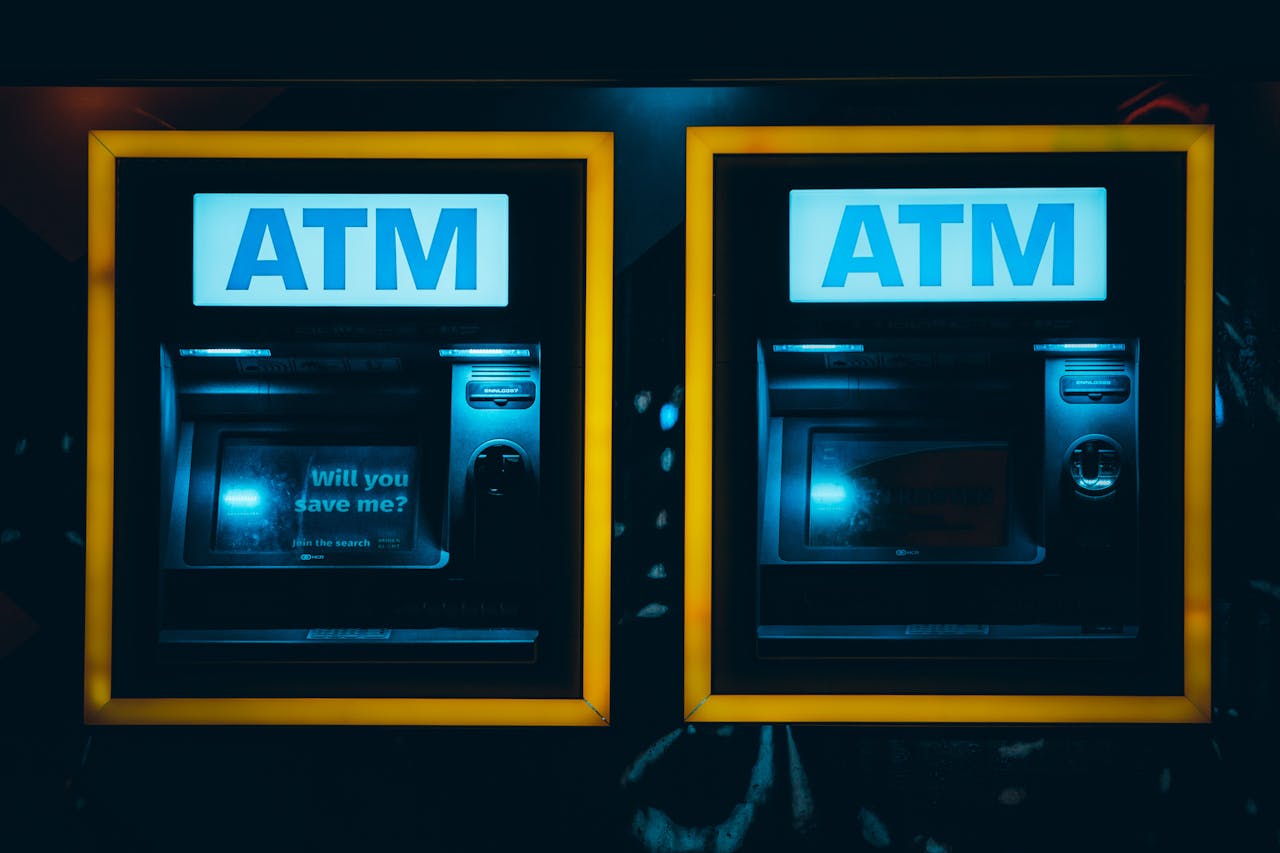
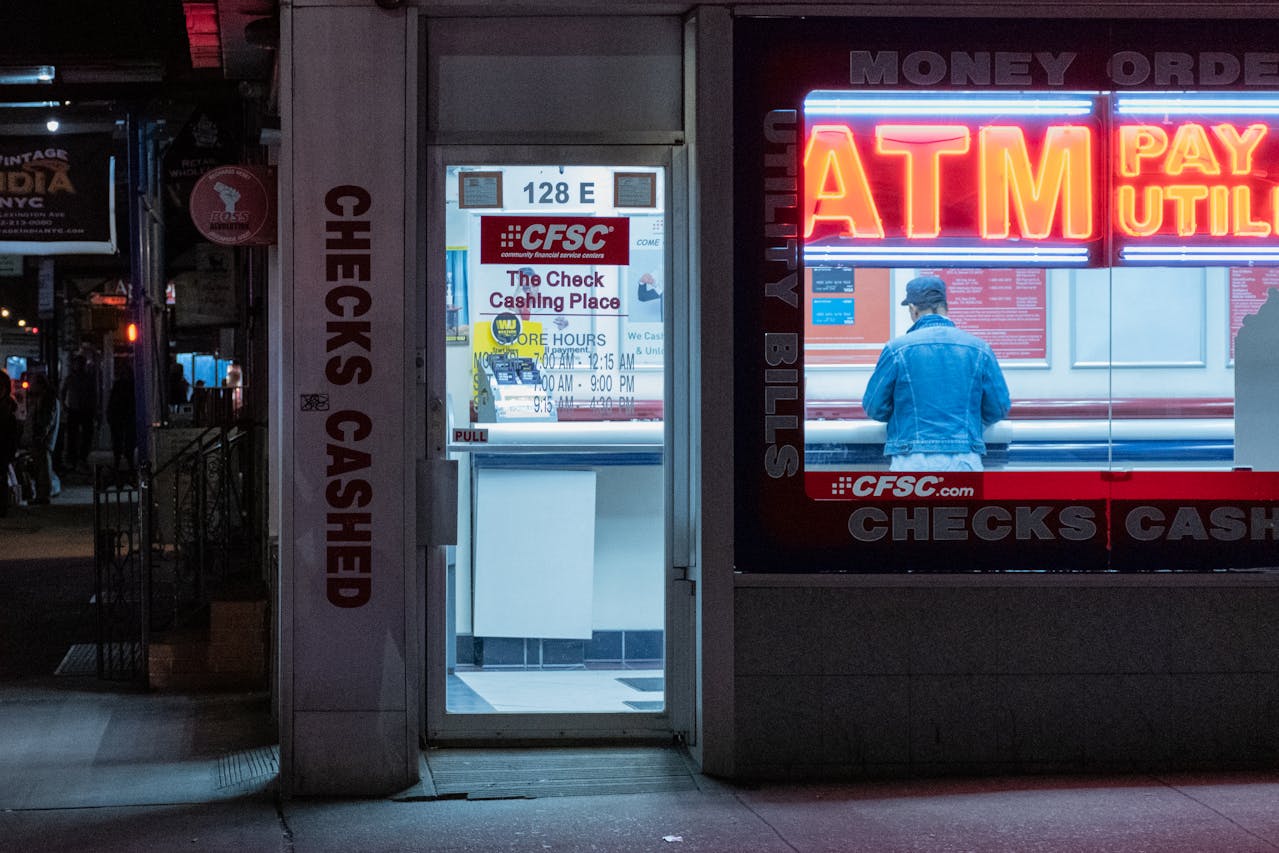
ATMs attract people carrying cash and focusing on screens. That combination makes you less aware and more valuable to a thief.
Use machines inside banks or well-staffed stores, not on the street. If anyone crowds you, cancel the transaction and leave.
Late-night convenience shops can be safe inside, but risky outside near parked cars and loitering. Finish quickly and walk out alert.
Event Areas Once the Crowd Disperses
Stadiums and arenas feel protected during an event, then go quiet in waves. The gaps after the rush can leave you isolated.
Stick with the flow of people until you reach a main road, instead of peeling off into side blocks where pickups and strangers cluster.
Hotels can be safe anchors, but the space between them is not always active. Walk where doormen, cameras, and lights overlap.
If the last mile is dark, switch to a car and call it from inside a lobby or venue exit where staff and cameras are present.