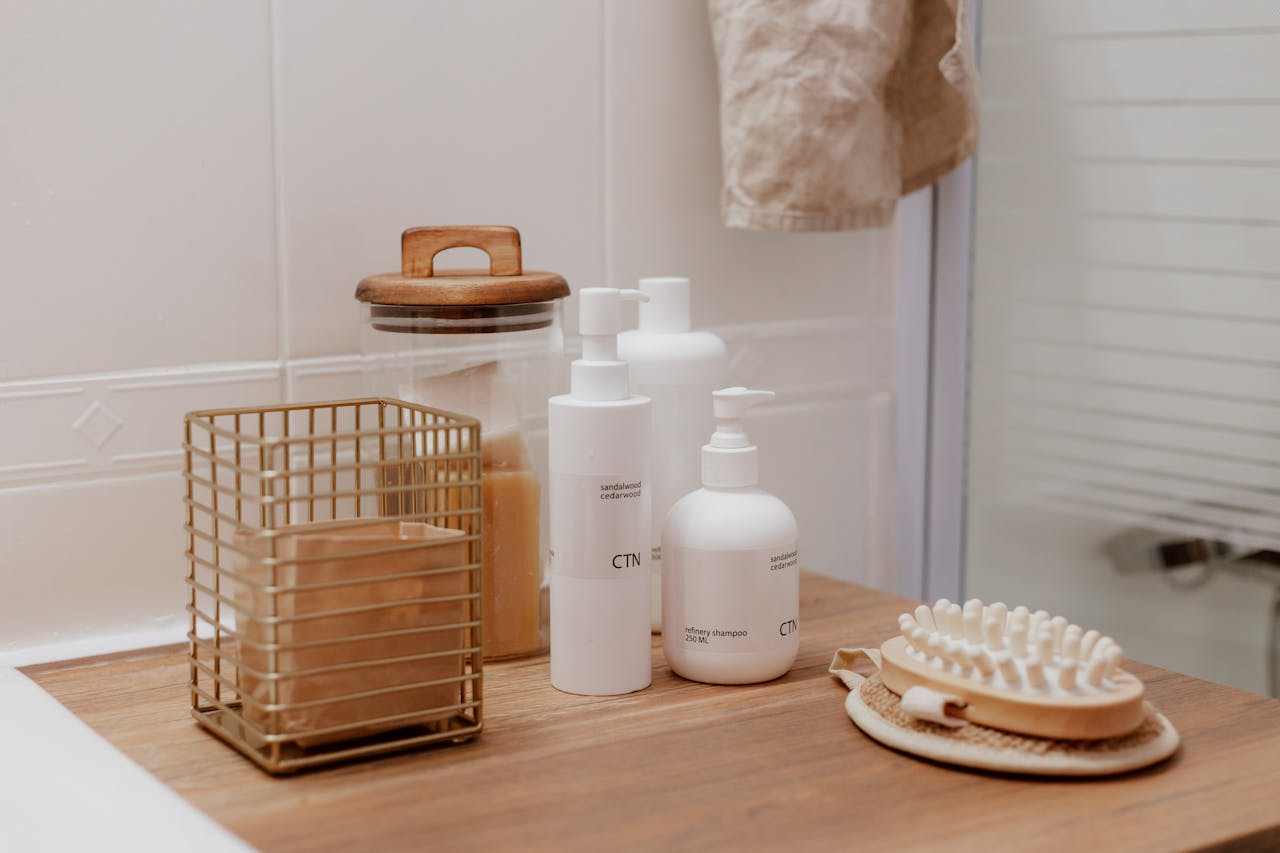
Hotel bathrooms are quietly changing. The neat row of tiny bottles once felt like a welcome ritual, lined up like samples on a vanity, but many properties now prefer clean-lined wall dispensers that feel more like a spa than a souvenir. The shift is not just about being eco-friendly; it also reflects tighter operations, new regulations, and guests who notice when a brand’s details feel intentional. Behind the scenes, staff time, theft, inventory headaches, and hygiene standards all push the same decision. What replaces the minis signals how modern hospitality measures trust, comfort, and accountability at scale, too.
Packaging Waste Adds Up Fast
Mini bottles create a loud kind of trash: plastic caps, labels, and half-used leftovers that rarely travel home, then pile up in housekeeping carts and landfill streams. Dispensers let hotels buy in bulk and slash packaging, which matters when thousands of rooms turn over each week and corporate goals are audited, not simply announced. The environmental story becomes trackable through purchasing and waste metrics, and it avoids the awkward truth that many bathroom plastics are too small or contaminated to be recycled reliably, especially in cities where sorting systems are strained and hauling fees keep climbing.
Bulk Buying Wins the Budget Math

Tiny toiletries look inexpensive until they are ordered, shipped, stored, counted, and replaced one by one across hundreds of bathrooms. Dispensers turn an unpredictable line item into a steadier bulk purchase, reducing the markup on single-use packaging and the labor spent opening cartons, checking barcodes, and chasing last-minute shortages. That stability matters in a world of supply-chain hiccups and brand refreshes, because a consistent fill cycle lowers stock-outs, prevents messy substitutions, and cuts the budget bleed of freebies walking out in suitcases. It also simplifies audits for franchises in busy season.
Hygiene Protocols Are Clearer
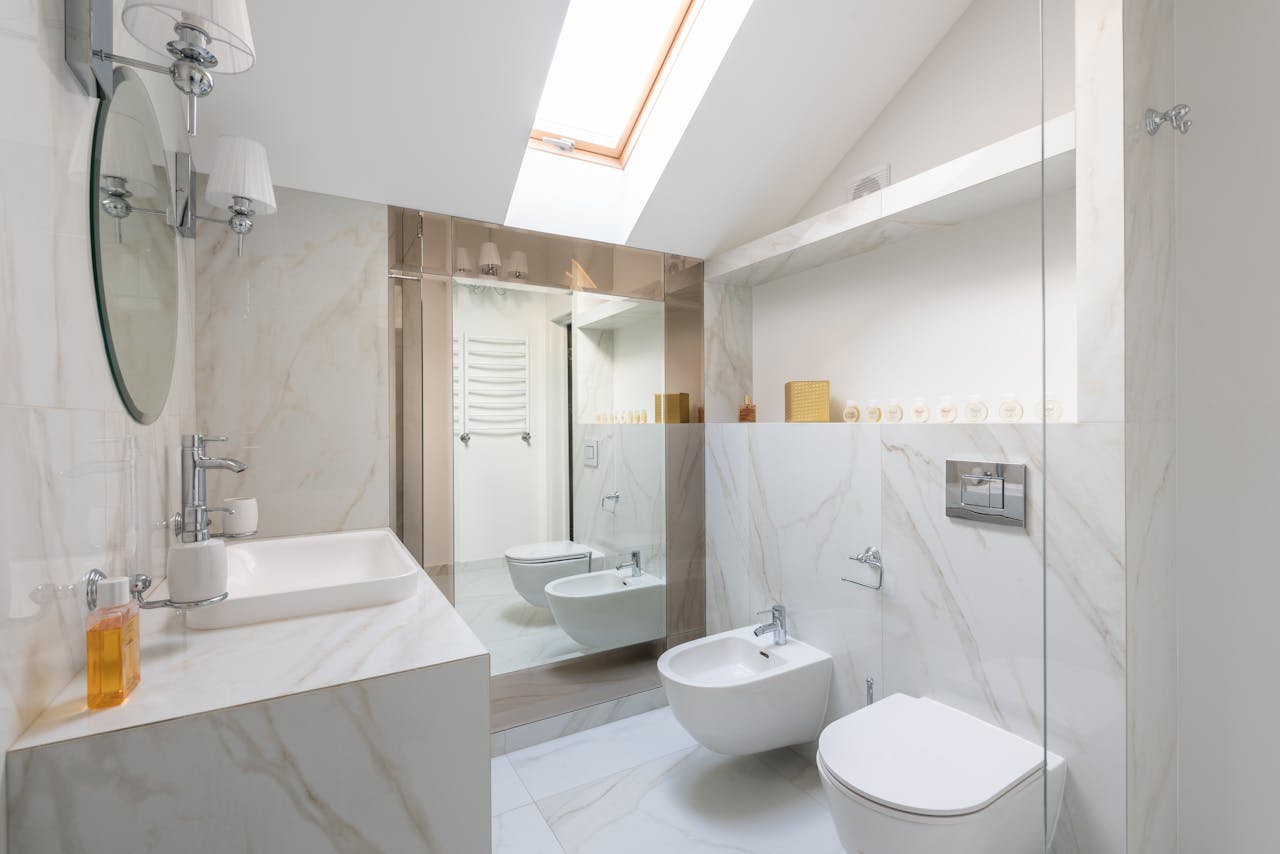
Guests used to wonder who touched a half-used bottle, and staff had to decide whether mostly full was still acceptable, especially when caps leaked or labels peeled. Modern dispensers are built for controlled refills, with locked tops, clear labeling, and routines that tie directly into housekeeping checklists and supervisor inspections. That creates a cleaner hygiene story for everyone, because product stays protected, the refill date can be tracked, and there is less pressure to improvise with half-empty minis during rush turnovers or late-night arrivals, reducing slips and mix-ups for sensitive skin in family rooms.
Brand Consistency Matters More Now
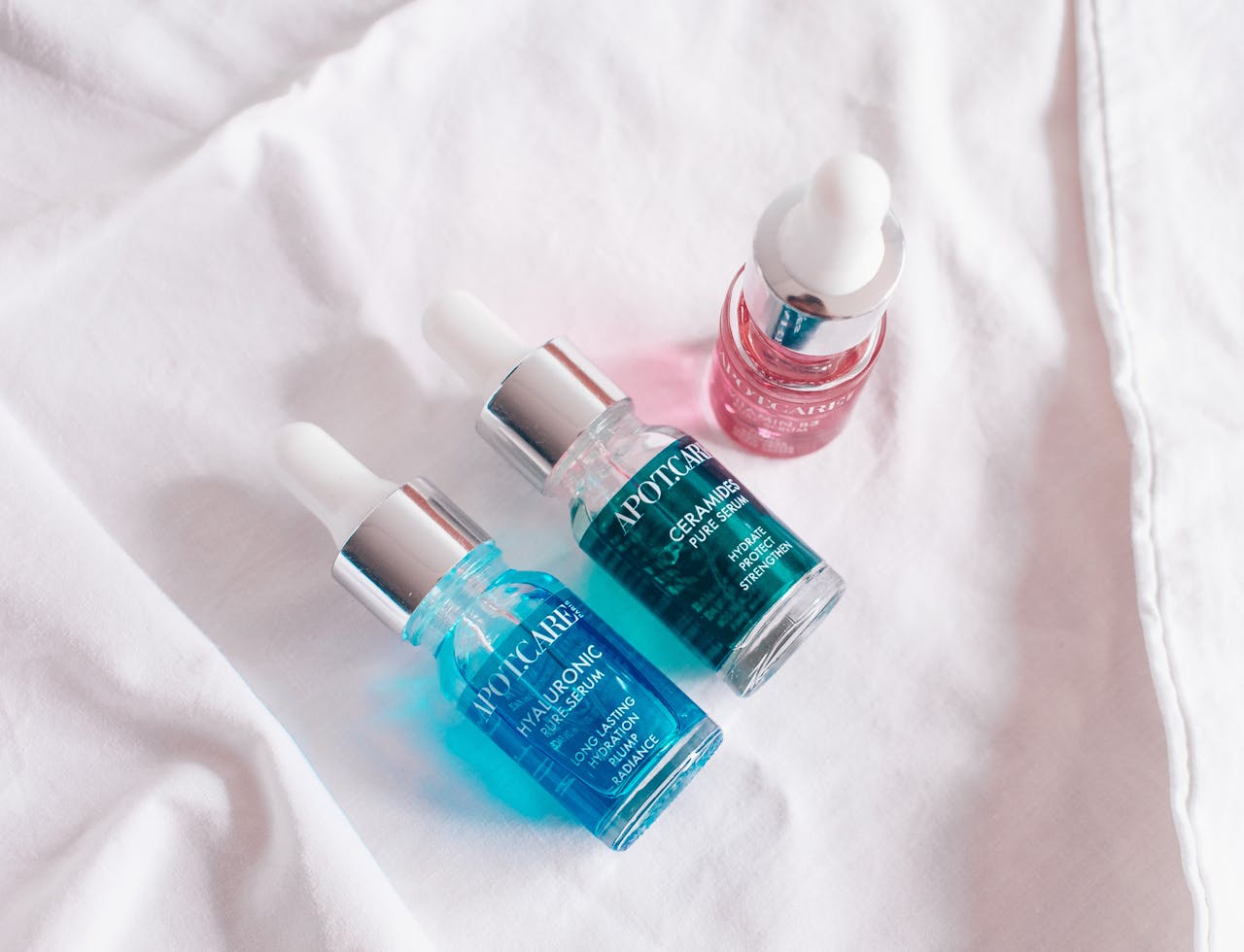
Mini bottles can turn a hotel’s signature scent into a lottery, because suppliers run out, versions change, and substitutions slip in quietly. With dispensers, properties can commit to one formulation, standardize it across locations, and mount containers that look deliberate, photograph well, and match the bathroom’s design language instead of cluttering the counter. That consistency matters when fragrance becomes a memory trigger after checkout, and it supports retail tie-ins, loyalty perks, and partnerships with skincare labels that want their product seen the same way in every room, from rooms to suites, every time.
Housekeeping Moves Faster With Fewer Steps
Restocking minis is surprisingly slow: sorting by brand, counting units, replacing what is missing, and wiping sticky rings left by leaks or melted labels. Dispensers reduce those touchpoints to a quick visual check, a wipe-down, and an occasional refill, so housekeeping can keep pace when early checkouts collide with late arrivals and a corridor of doors needs to flip before 3 p.m. The time savings show up in labor budgets, but also in calmer shifts, fewer forgotten items like conditioner, and bathrooms that look intentional instead of rummaged, even on high-occupancy weekends when staffing runs low and training’s rushed.
Dispensers Cut the Souvenir Effect
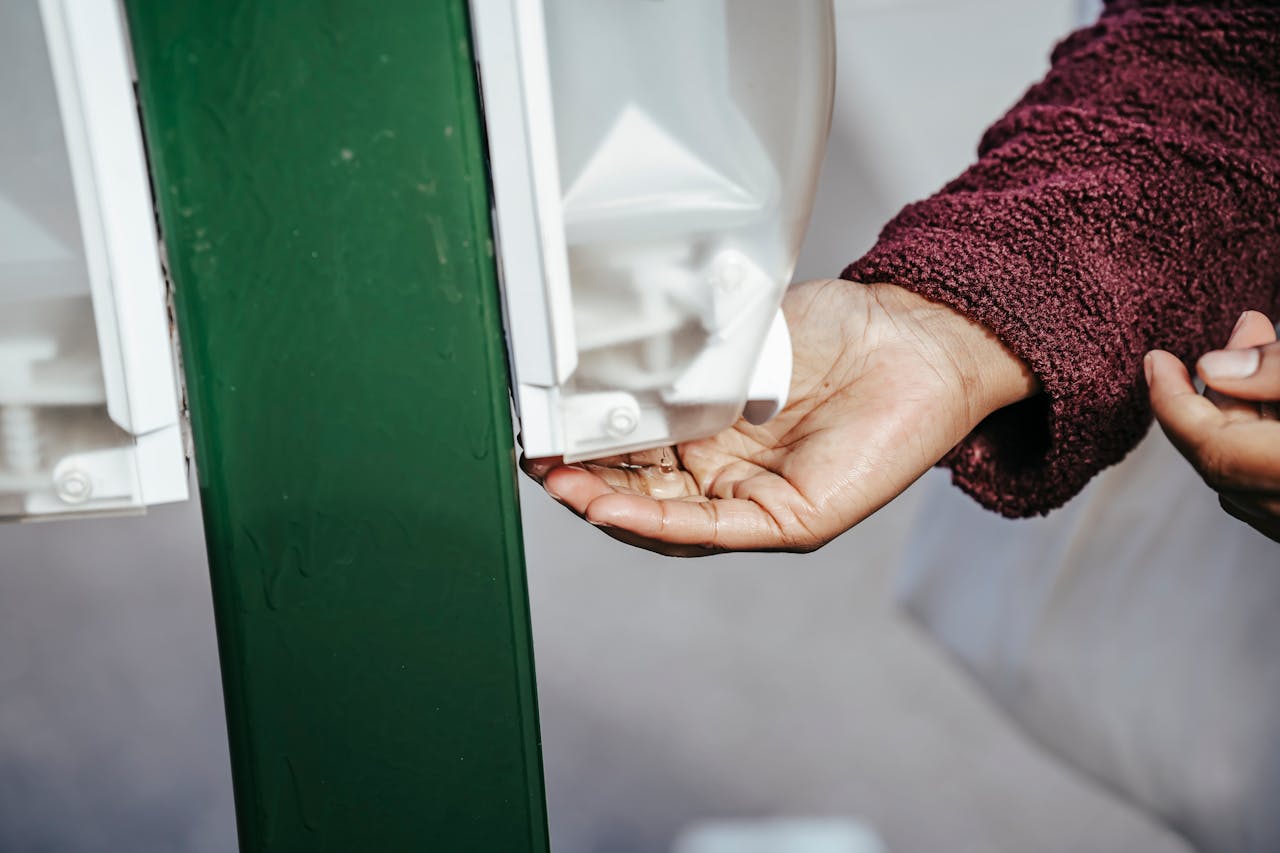
Mini toiletries invite a souvenir mindset, especially in resort towns and airport hotels where bags are already half packed for the next leg. When guests pocket extras or clear the whole tray, the loss becomes an invisible tax on operations, and it pushes some properties into awkward penny-pinching like limiting restocks mid-stay or tracking who requested what. Dispensers remove the temptation without shrinking the sense of abundance, and they cut the extra housekeeping trips triggered by last-minute calls for more conditioner, keeping availability steady for every check-in, including families after red-eye flights.
Rules and Policies Are Getting Stricter
In some destinations, single-use plastics have moved from a preference issue to a compliance issue, and hotel groups would rather standardize than scramble. Dispensers help properties align with municipal rules, airport concessions, and corporate sustainability policies while letting procurement teams negotiate long-term supply contracts without worrying about shifting bottle formats. That uniform approach lowers legal risk and inspection headaches, and it reduces confusion for staff and franchisees, who can follow one playbook instead of juggling different bottle sizes, labels, and disposal expectations from city to city.
Fewer Loose Bottles Means Fewer Hazards
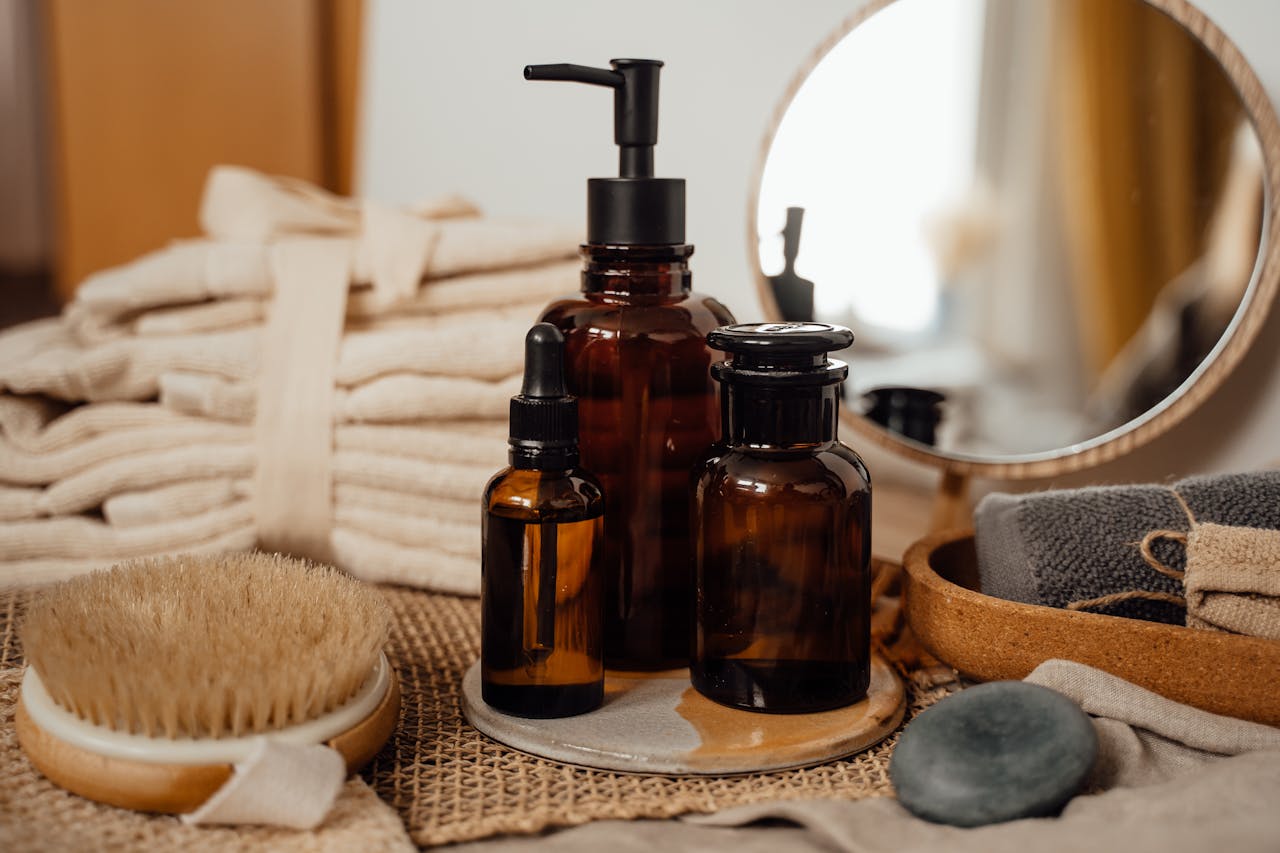
Those tiny bottles are not harmless. They leak in transit, create slick puddles on tile, and leave sharp plastic caps that can end up under bare feet, adding small hazards to a fast-moving job. Dispensers keep product contained and predictable, reducing slip-and-fall risk, cutting sticky residue on counters, and making bathrooms easier to inspect during turnover, especially in older rooms with fussy plumbing. For family travel, fewer loose containers also means fewer accidental messes in tubs and less chance that a curious child empties half the shampoo just for fun, turning a relaxing stay into a cleanup sprint.
The Bathroom Looks Better and Works Better
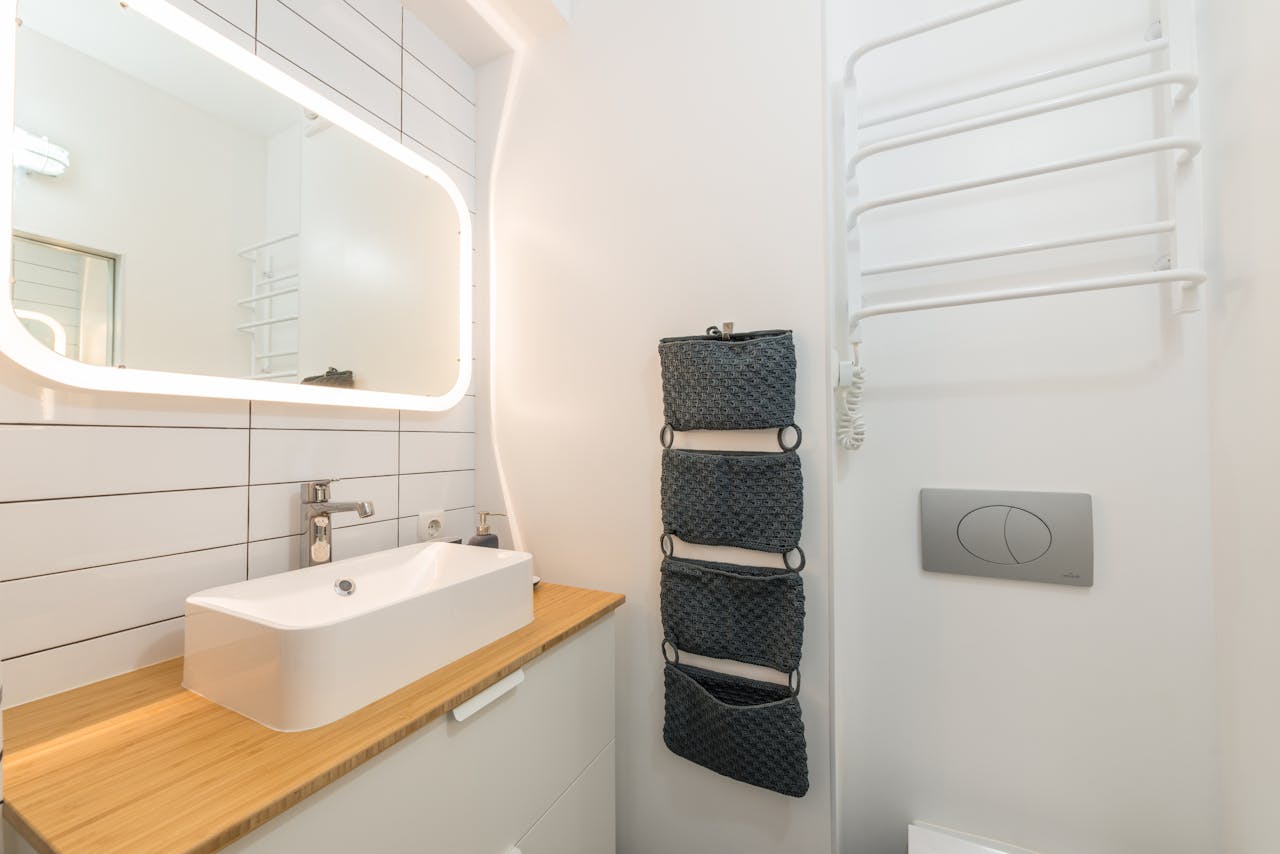
Dispensers also change how a bathroom feels. Without the clutter of minis, the counter looks calmer, the shower reads more intentional, and the product stays in the same spot, even for late arrivals or long-stay guests who notice every small inconvenience. Many hotels pair dispensers with better formulas and a cleaner visual setup, aiming for a boutique look that photographs well, signals care, and avoids the guilt of tossing half-used bottles. Bigger pumps are also easier than tiny flip caps, and the larger volume prevents the frustration of running out of conditioner halfway through a stay, especially after travel days.