Airport rankings rarely tell the whole story, yet they manage to capture a mood many travelers already sense when they step into crowded terminals or wait for updates that never seem to arrive. A recent international analysis measured delays, passenger density, and online searches for lost baggage, then combined them into a score that highlights where the travel system feels most strained. The appearance of four US airports on this global worst list reflects not only operational challenges but also the weight of demand that often grows faster than infrastructure. These snapshots remind people how fragile air travel becomes when the margin for error shrinks.
Hartsfield Jackson Atlanta International Airport
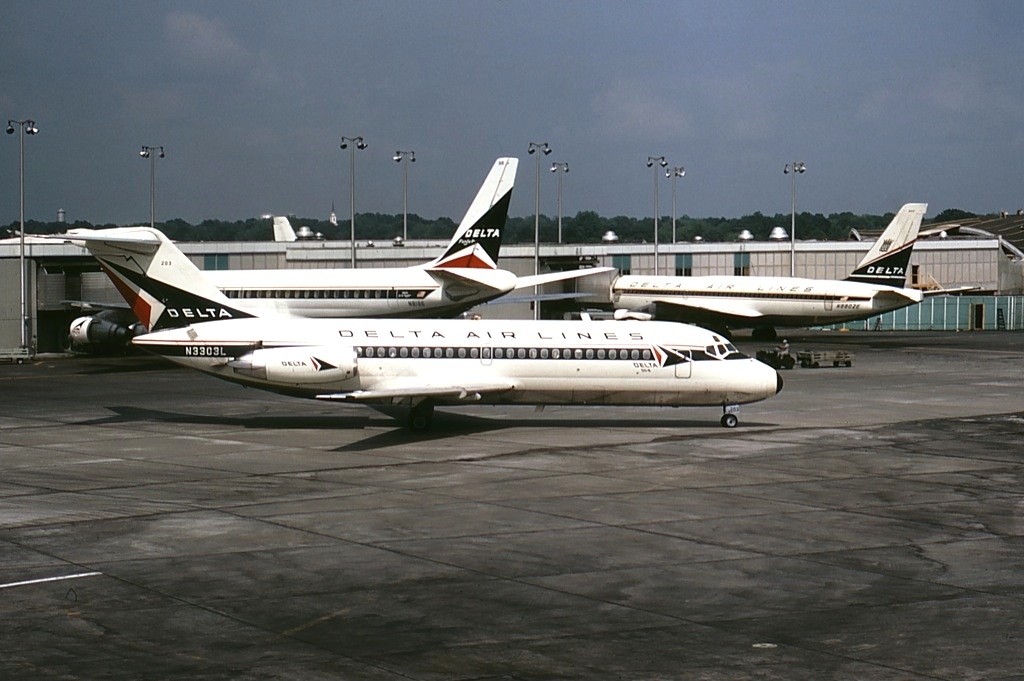
Atlanta carries so much traffic that any small disruption ripples outward with surprising speed. Handling around 108 million travelers each year creates a rhythm that is constant and intense, leaving little breathing room when storms, equipment issues, or staffing shortages arise. About 21 percent of flights run late in the study, a figure that reflects how complex the timing becomes when aircraft depend on precise sequencing and tight gate schedules. Terminals swell with travelers moving between distant concourses, and even simple tasks like picking up a bag feel different when thousands of people are doing the same thing at the same time. Atlanta’s size is its greatest strength and also its greatest vulnerability.
Newark Liberty International Airport
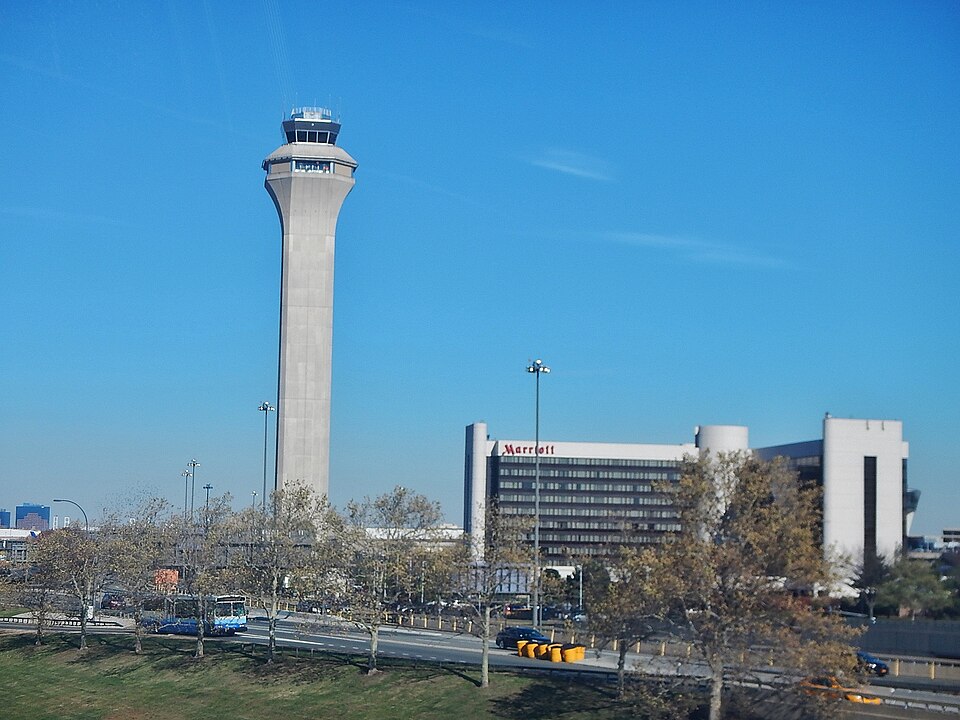
Newark sits inside one of the busiest aviation corridors in the world, and that geography shapes every challenge it faces. Nearly 29 percent of flights in the study departed late, a figure driven by crowded airspace, unpredictable weather, and the sheer density of its terminal footprint. The airport recorded about 5.95 million passengers per square kilometer, an intensity that leaves travelers squeezed into gate areas with little room to breathe. Even small delays magnify under conditions like these, slowing down baggage systems and creating more lost bag searches as ground crews work without enough slack. Newark’s issues come not from a single flaw but from the weight of being a gateway for an entire region.
Seattle Tacoma International Airport
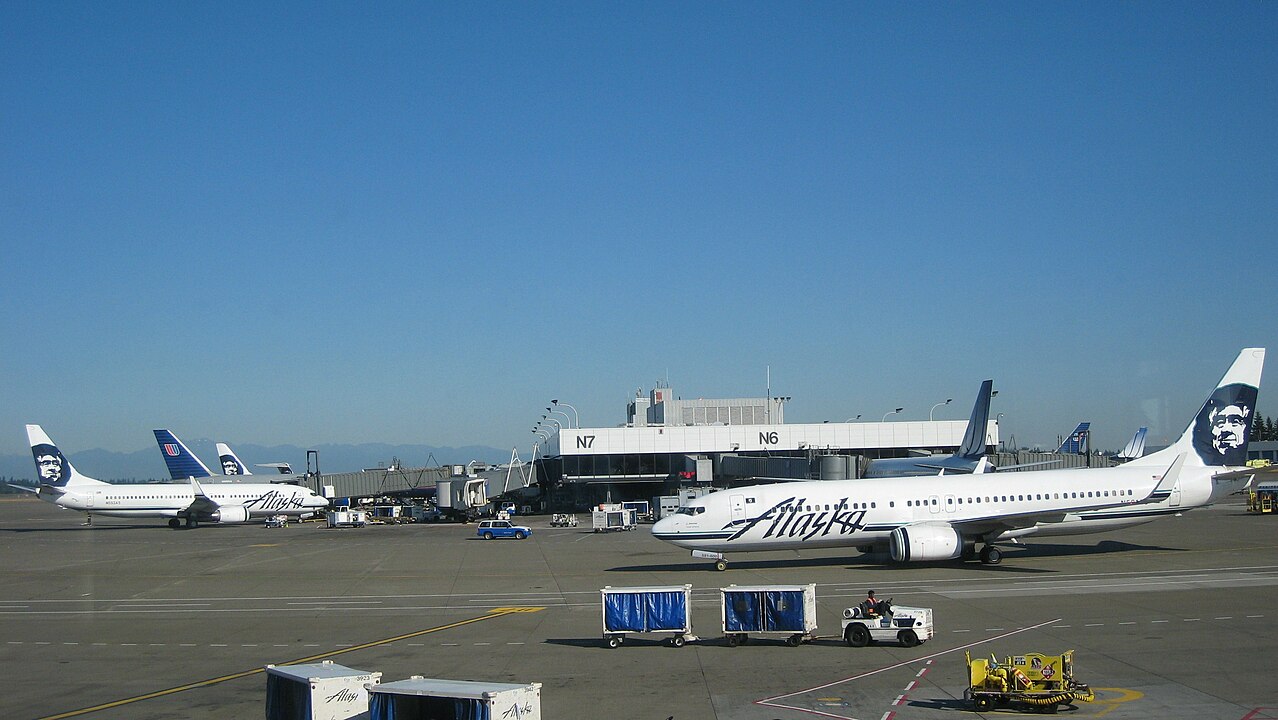
SeaTac carries a mix of regional, national, and long haul traffic, all funneled into a space that often feels undersized for the demand placed on it. About 21 percent of flights were delayed in the analysis, a pattern made worse when peak morning and evening waves arrive with almost no spread between them. Passenger density mirrors other top offenders, which means walkways feel narrow, seating fills quickly, and baggage belts run under constant pressure. The airport also saw roughly 2800 online searches related to missing luggage, suggesting that stressed operations leave gaps that travelers feel immediately. SeaTac’s challenges stem from growth that has outpaced the ability to expand fast enough.
Harry Reid International Airport Las Vegas
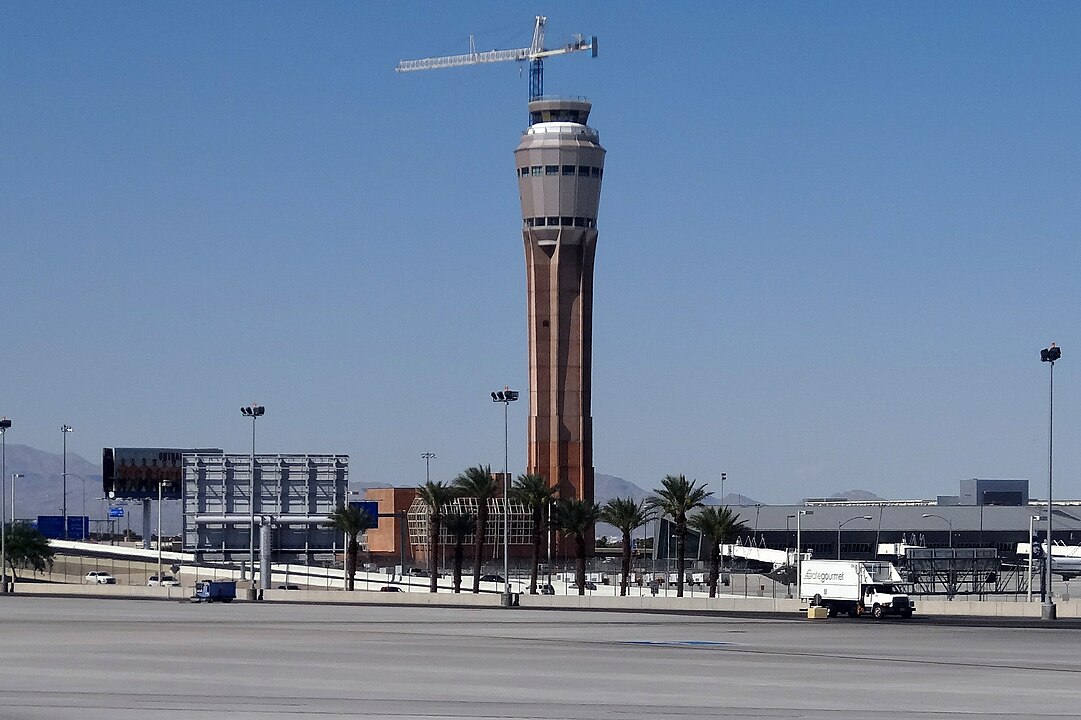
Las Vegas hosts a steady flow of leisure travelers along with convention crowds that surge without warning, creating terminals that feel crowded at nearly every hour of the day. The study reported about 5.16 million passengers per square kilometer, a density that intensifies even routine waits. Roughly 1400 searches for lost bags hint at how often luggage systems reach full capacity as flights arrive in tight clusters. While only around 21 percent of flights ran late, the sensation of chaos grows because the airport never really slows down. Movement between gates becomes harder, lines stretch longer than expected, and travelers often sense they are navigating an environment pushed to its limits.
How The Study Judged Airports Without Guesswork
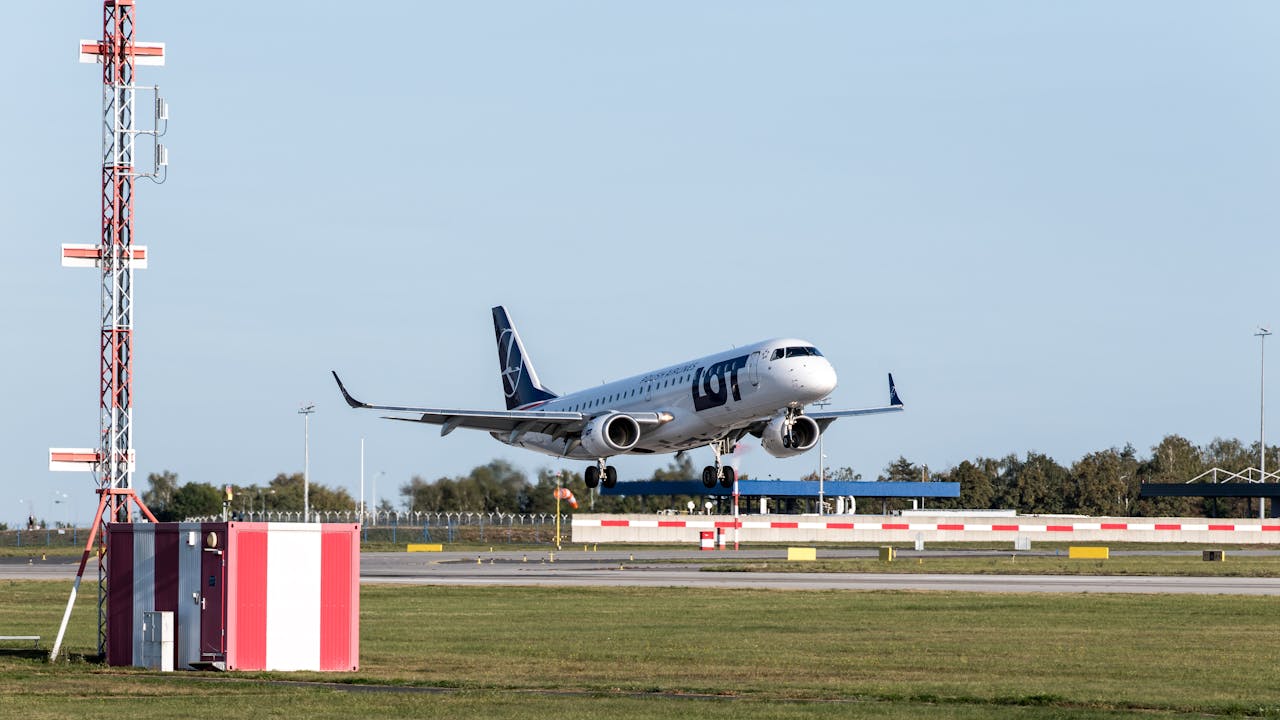
The ranking relied on measurable behavior rather than opinions, collecting data on flight delays, terminal crowding, and web searches from travelers troubleshooting lost luggage. Each metric captures its own form of stress. Delays reshape connections and increase strain on gates and crews. Density affects comfort and movement, making every step feel slower. Lost bag searches reveal trust breaking down at the most basic level. When combined into a single score, the result highlights airports where many small difficulties accumulate into a larger pattern that travelers recognize instantly.
Why These Problems Hold On Year After Year
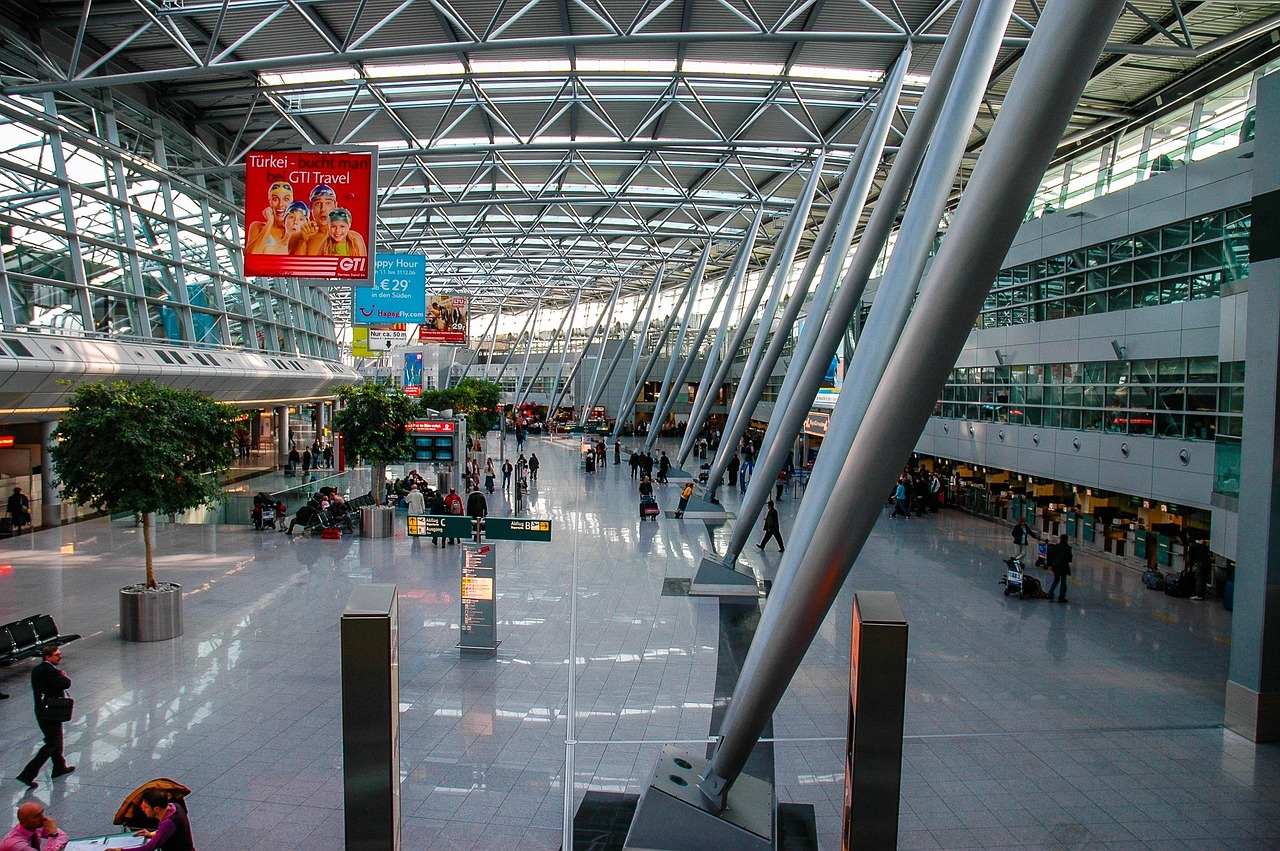
The issues at these airports persist because they sit at the intersection of high demand, aging infrastructure, and operational limits that cannot be expanded overnight. Weather disrupts schedules and creates long chains of delays. Staffing shortages affect ground handling and security. Terminal layouts designed decades ago strain under passenger volumes that never stop growing. Even with ongoing renovations, improvements arrive slower than the needs driving them. These airports bear the weight of national and regional travel patterns that depend on them, which means they often operate close to the edge of capacity.
What Can Actually Improve The Experience
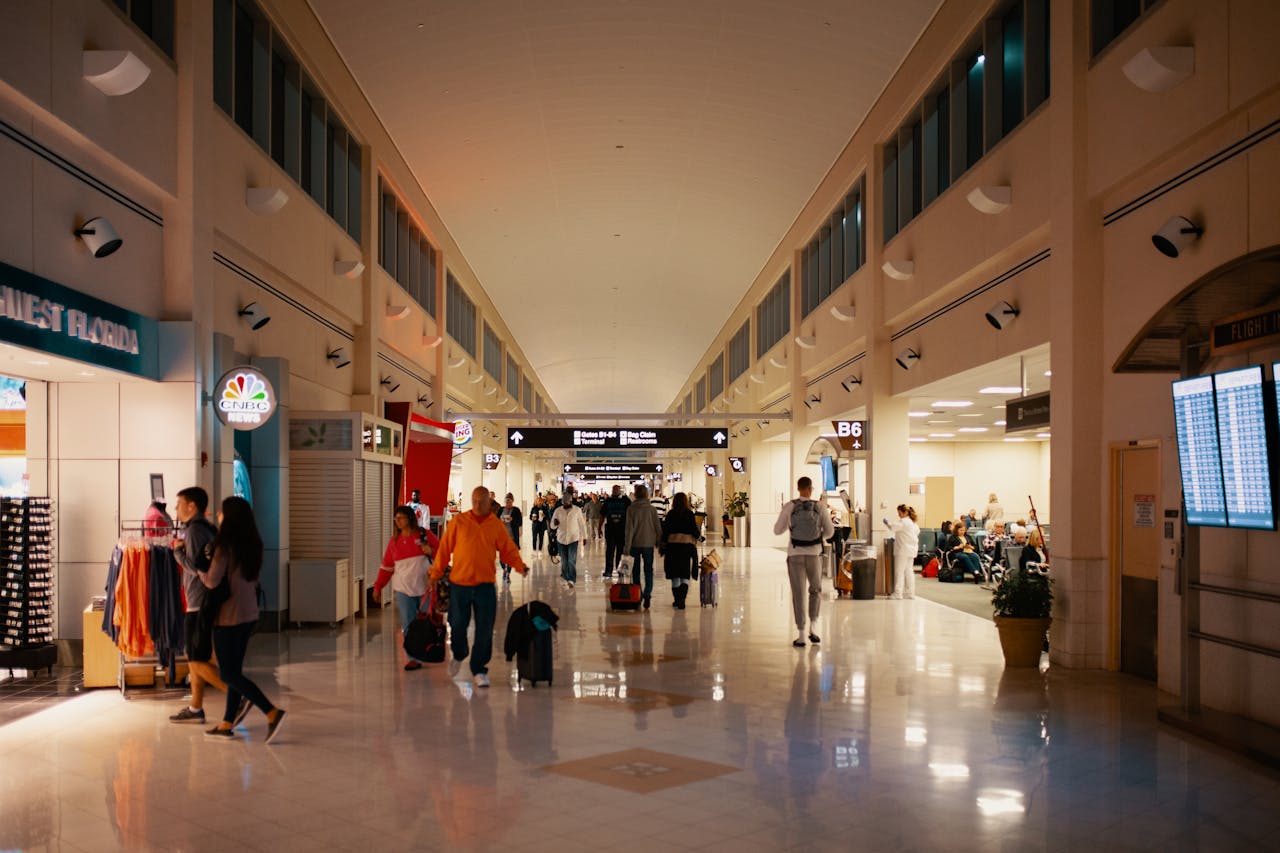
Travelers can adjust their plans with longer buffers, smarter packing, and careful tracking of luggage, but lasting change depends on airports and policymakers. Upgraded baggage systems, reworked passenger flow designs, and more transparent communication during delays can ease stress while larger construction efforts continue. Policymakers can accelerate funding for expansion, improve staffing pipelines, and help airports modernize without endless delays. Progress tends to arrive in steps rather than leaps, yet even modest improvements help create a sense that the system is becoming more humane rather than more chaotic.