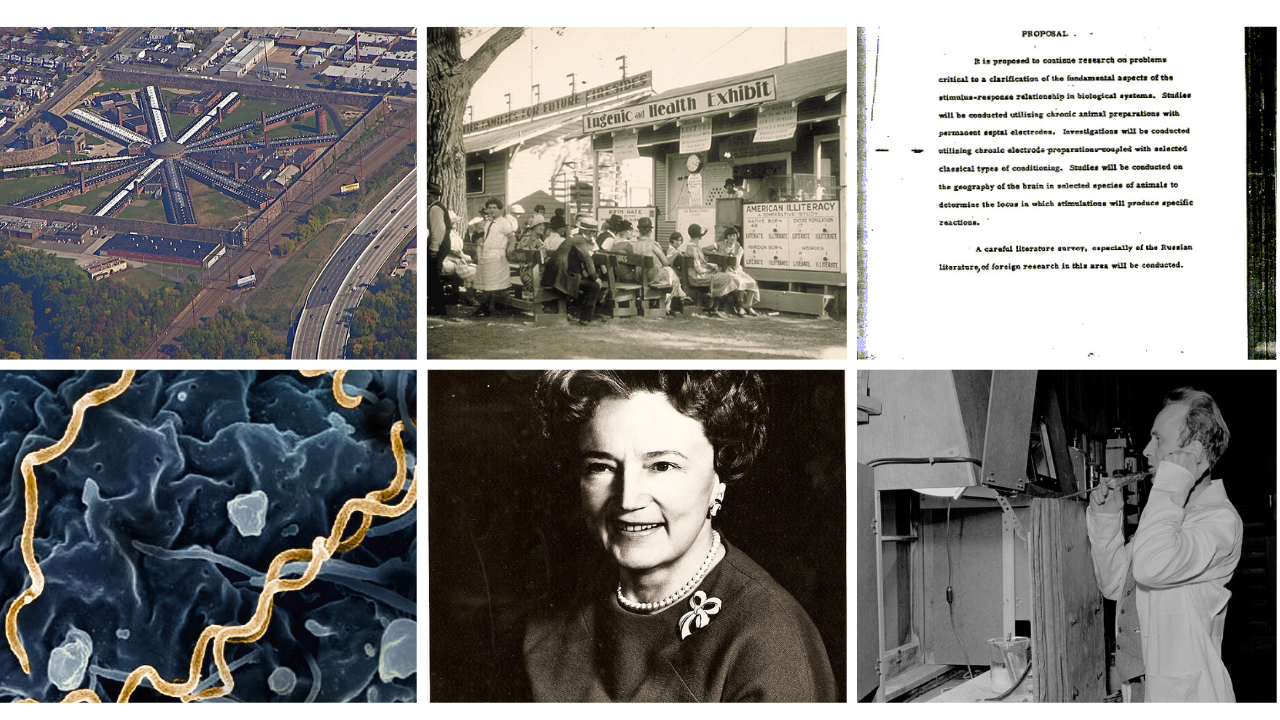
Some medical breakthroughs carry a shadow: progress pursued without true permission, or without respect for who carried the risk. Across the 20th century, researchers and institutions sometimes treated certain lives as easier to study, easier to silence, and easier to forget. Records show how official language could smooth over coercion, how consent forms could hide pressure, and how vulnerable groups were framed as convenient test populations. Public exposure changed the trajectory. Investigations, lawsuits, and professional reckoning helped turn private practices into public scandals, then into rules with teeth. Outlawed is a blunt word, but it captures the shift: from anything-goes experimentation to enforceable limits, independent review, and consent that actually means something. The result was a moral baseline for research.
Nazi Camp Experiments And The Nuremberg Code
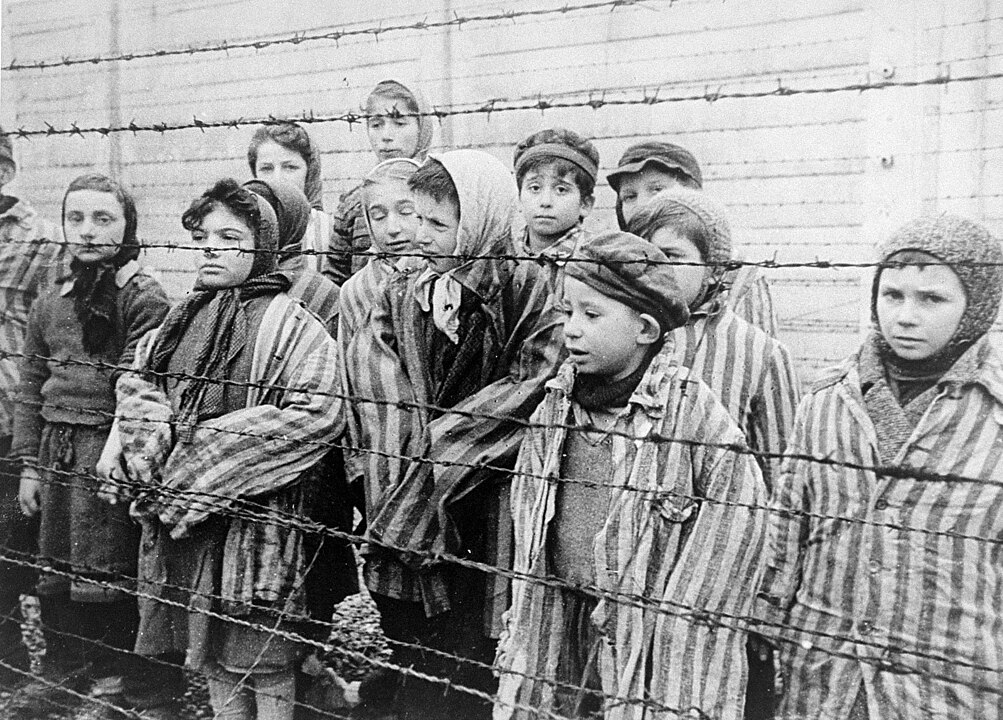
After World War II, prosecutors documented medical experiments carried out on imprisoned people without consent, later defended as science in a crisis. The judges’ 1947 Nuremberg Code answered with a hard rule: voluntary consent is essential, and the duty to secure it cannot be shifted to anyone else. It also demanded a sound scientific basis, a careful risk-benefit balance, and an insistence on avoiding needless injury, turning because we can into because it is justified. Human-subject rules trace back to that break.
The Tuskegee Syphilis Study And The Rise Of IRBs
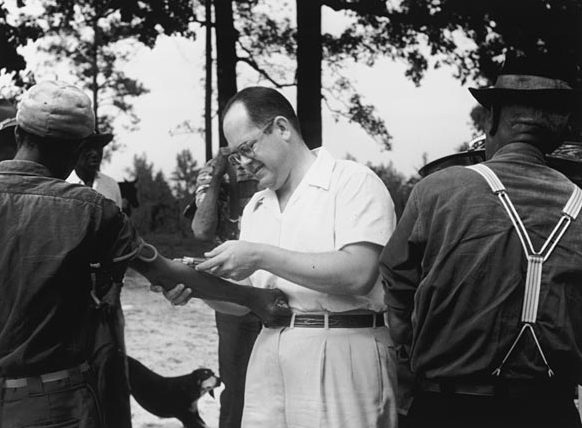
In Alabama, the U.S. Public Health Service observed Black men with syphilis for decades while withholding effective treatment once penicillin became widely available. When the study broke into public view in 1972, the outrage was not just medical, but civic: promises of care had been used to keep participants in place. The backlash helped drive the 1974 National Research Act, the Belmont Report’s ethics framework, and federal rules requiring institutional review boards and documented consent for human-subject research. It also left a lasting scar of distrust that public health still has to earn back in every clinic.
The Guatemala STI Inoculation Experiments

From 1946 to 1948, U.S.-backed researchers in Guatemala intentionally exposed people, including prisoners and patients, to sexually transmitted infections to test prevention and treatment ideas. The work stayed largely hidden until archival research brought it to light decades later, prompting formal U.S. apologies in 2010 and a presidential bioethics investigation. The commission concluded the studies involved gross ethical violations, centering on the absence of informed consent. The case became a reminder that global health partnerships need enforceable guardrails, not trust alone and independent oversight from one.
Willowbrook And Research In A Closed Institution
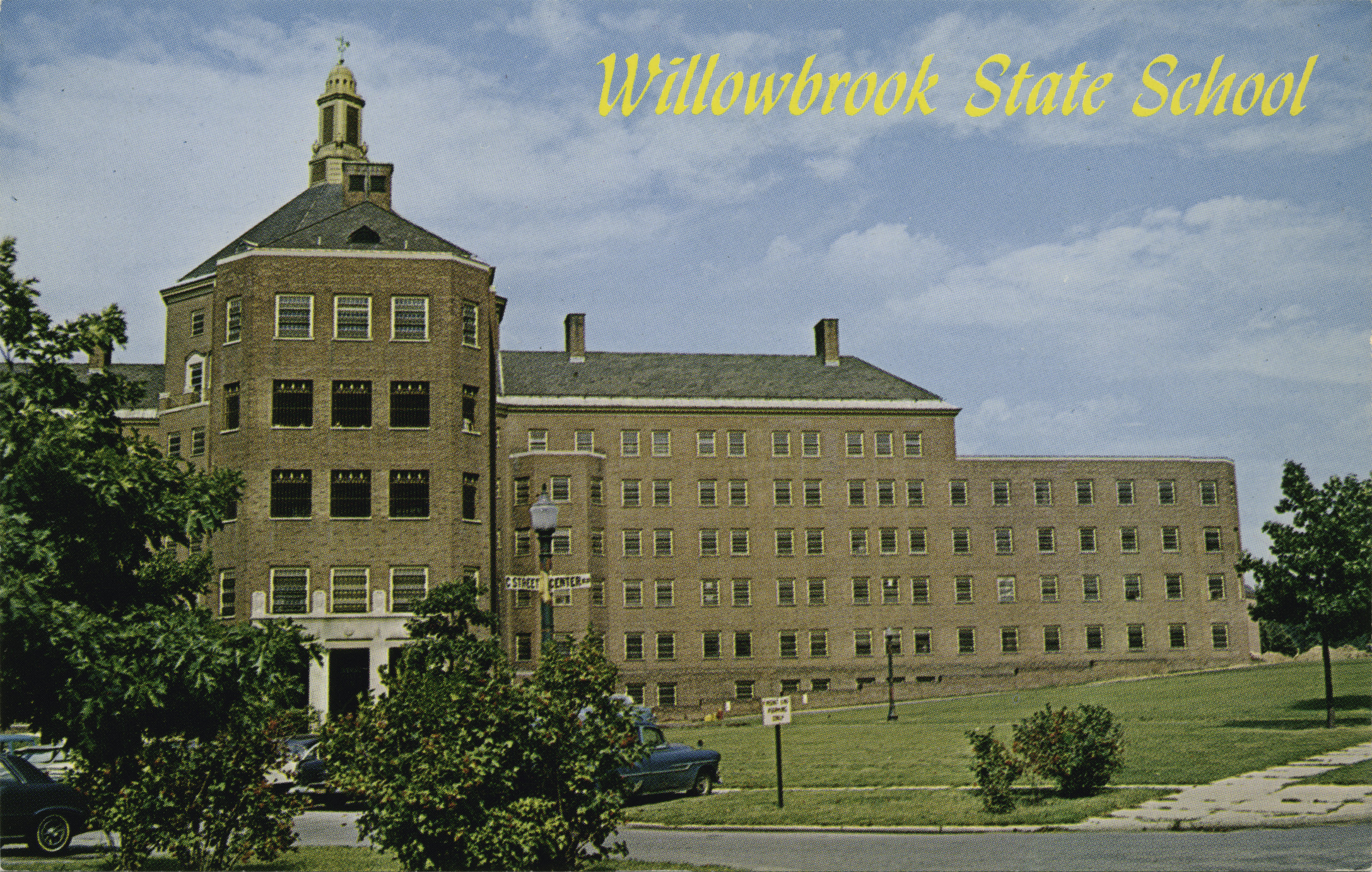
At New York’s Willowbrook State School, researchers studied hepatitis from 1956 to 1971 by deliberately infecting children who lived in an overcrowded institution, arguing that exposure was widespread. Consent was routed through parents, yet the setting raised an uncomfortable question: how voluntary can permission be when admission and basic care feel conditional. Years of controversy, hearings, and public scrutiny helped sharpen rules for studies involving children and other vulnerable groups, including clearer consent language, independent review, and stricter limits on acceptable risk even when the science seemed.
Holmesburg Prison And The Problem Of Captive Consent

From 1951 to 1974 at Philadelphia’s Holmesburg Prison, dermatology and product-testing trials treated incarcerated men as a ready pool of subjects, often paired with small payments and unclear risk framing. The controversy became a symbol of how confinement distorts choice, even when a form is signed and a study is labeled voluntary. As public scrutiny grew in the 1970s, federal policy moved toward sharply limiting prisoner research, adding extra protections, specialized review, and narrow categories of permissible studies under rules such as 45 CFR 46 Subpart C. It became a real brake on experimentation behind bars
Cold War Radiation Studies And The Consent Reckoning

During the Cold War, some U.S. radiation studies and isotope injections were conducted with limited disclosure, wrapped in the language of national urgency and medical progress. Decades later, the Advisory Committee on Human Radiation Experiments reviewed work from 1944 to 1974 and documented how consent and transparency often fell short. The public reckoning strengthened expectations that research risks must be plainly explained, independently reviewed, and never justified by secrecy, especially when participants would not have agreed with full information. It pushed agencies toward clearer, written consent standards.
MKUltra And The Ban On Secret Drug Testing
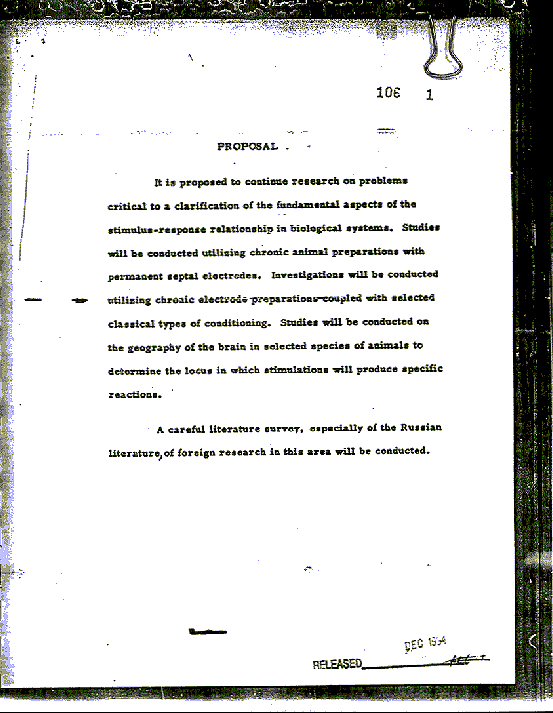
Project MKUltra ran from 1953 to 1973, with covert drug and behavior experiments that, in multiple instances, did not secure informed consent from the people affected. When congressional investigations in the 1970s exposed the program’s scope, it fed a broader demand that intelligence work follow the same ethical floor as medicine. In 1976, President Ford’s executive order on intelligence activities prohibited drug experimentation on human subjects without written, witnessed consent, making the consent requirement enforceable beyond hospital walls. Later executive orders extended the ban to any human experimentation.
Eugenic Sterilization Programs And The Legal End In Virginia
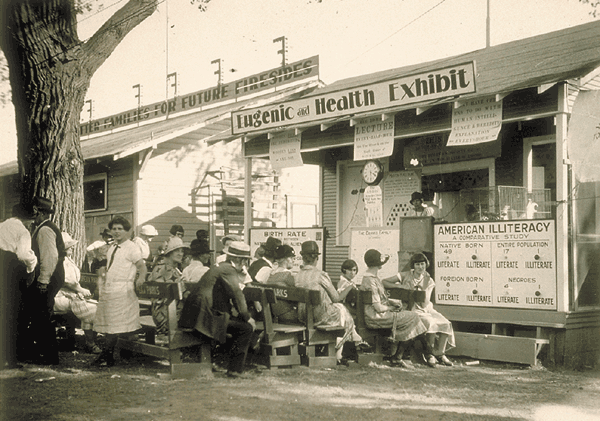
Eugenic sterilization programs treated reproduction as a policy lever, targeting people labeled disabled, poor, or unfit, often through state hospitals and court petitions. In Virginia, the peak years were 1933 to 1944, yet legal sterilizations continued long after, sustained by the logic of Buck v. Bell and the claim of public benefit. The practice was banned in Virginia in 1972, marking a legal end to a system that turned medical authority into social control. Reparations and public apologies arrived later, but the ban drew a clear line around consent and autonomy and forced medicine as policy in plain terms at last.
Puerto Rico’s Pill Trials And The Informed-Consent Standard
In 1955, large-scale trials of the early birth control pill in Puerto Rico recruited poor women with limited information about risks, and complaints about side effects were often minimized. The controversy sits at the crossroads of women’s autonomy and medical gatekeeping: a life-changing technology advanced through uneven power. Over time, U.S. drug law tightened. The 1962 Kefauver-Harris amendments strengthened FDA control of human drug testing and required informed consent in clinical investigations, closing space for test first, explain later. It changed how trials were run, documented, and challenged in court.