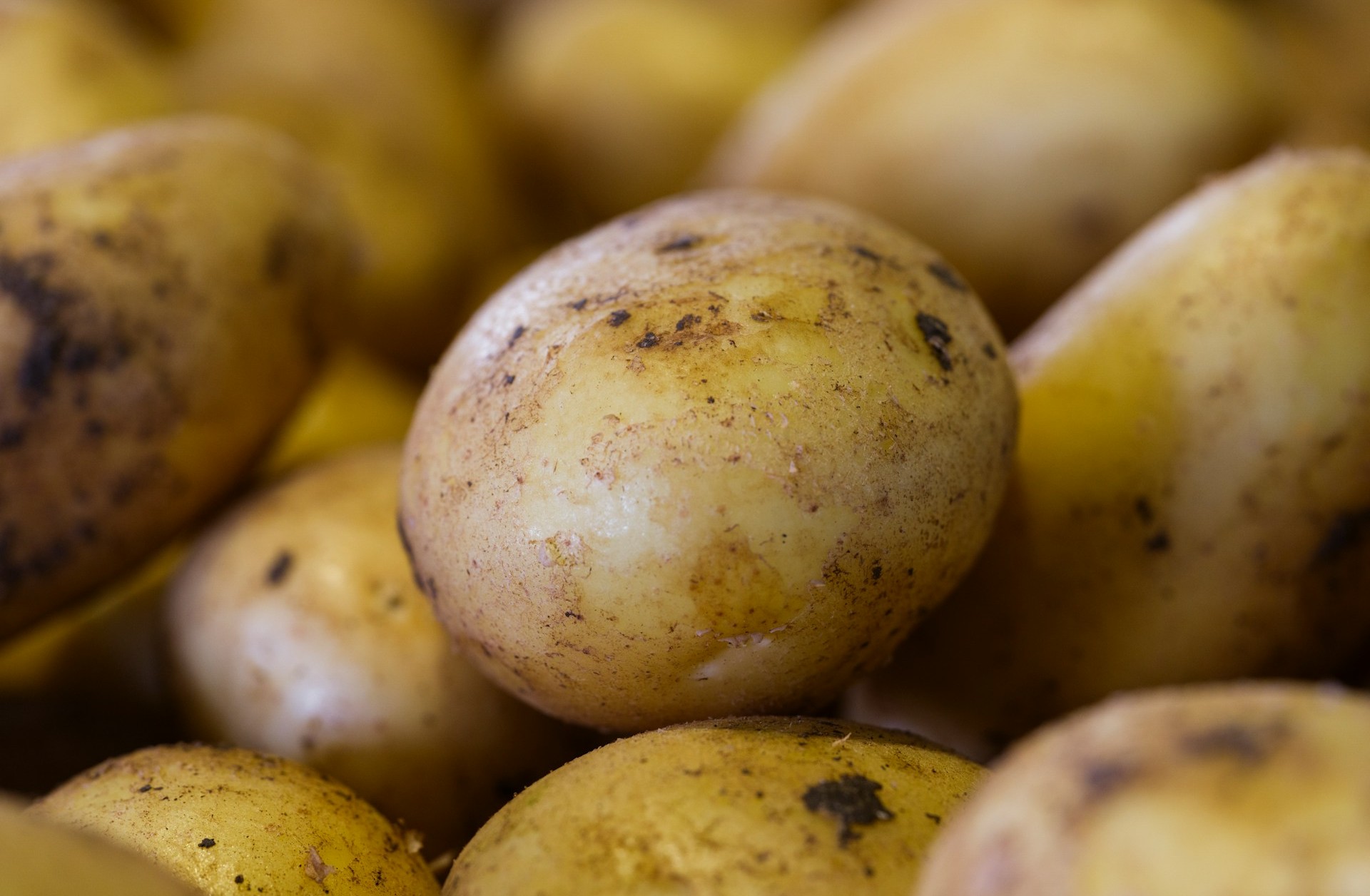
Potatoes are pantry staples because they feel dependable, affordable, and easy to stretch across several meals. Trouble starts when one bag sits too long and the skins turn wrinkled, soft, or patchy, leaving families to guess whether dinner is still safe or whether it should go straight to the bin.
Food safety guidance is clearer than most kitchen myths. Wrinkling alone usually means moisture loss, but softness, long sprouts, greened skin, or mold can signal breakdown and possible toxin concerns. Knowing where that line sits helps households protect health, reduce waste, and cook with confidence instead of uncertainty during busy weeknights.
Wrinkles Often Mean Age, Not Immediate Danger
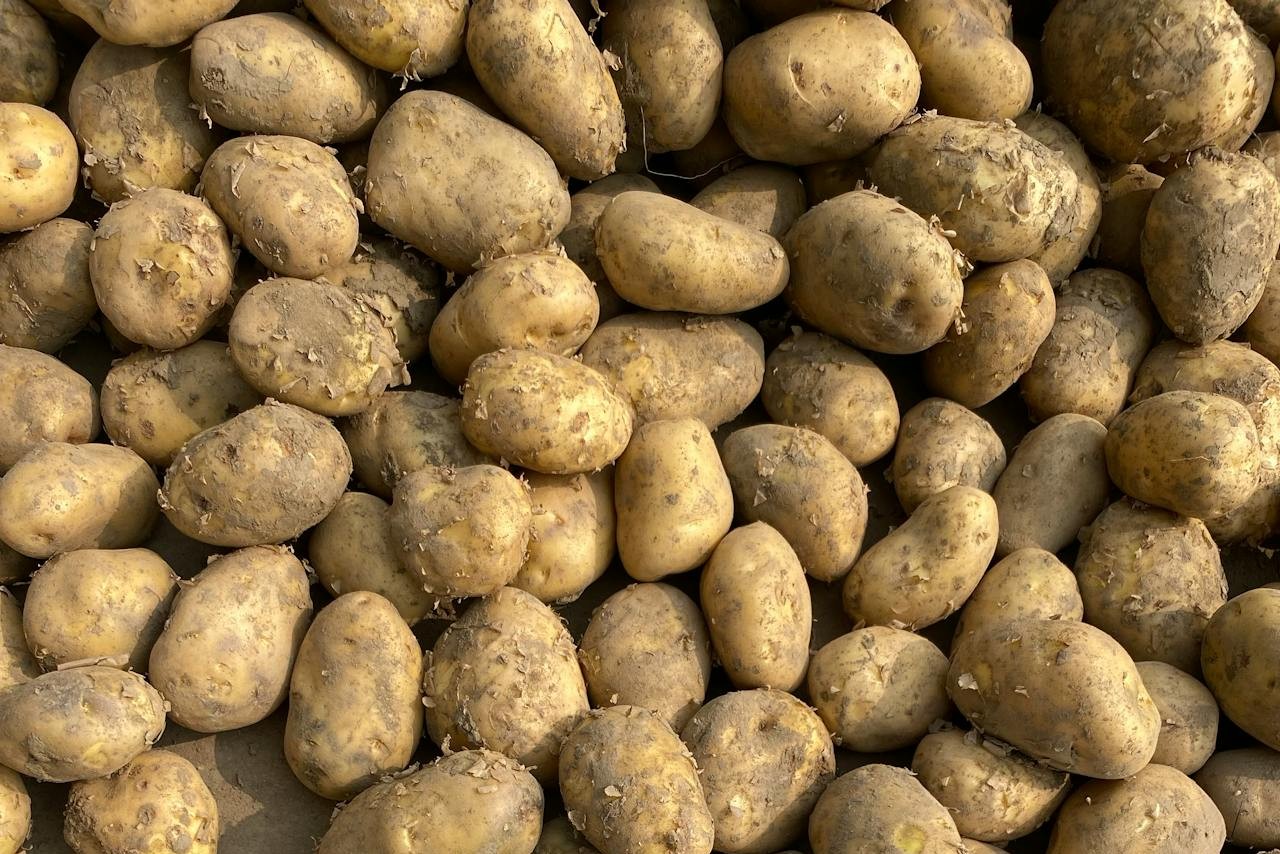
Wrinkled potatoes often look alarming but wrinkling by itself usually means water has evaporated from the tuber during storage. Texture and flavor decline first, so the potato may cook poorly, yet safety does not automatically collapse the moment the skin loses tension.
The decision changes when wrinkles appear with softness, wet patches, sour odor, or dark decay spots. That combination suggests broader breakdown, and food safety educators treat it as a discard signal rather than a quality issue that can be solved with peeling or seasoning at the stove. Once several signs stack together, the safest choice is disposal and a fresh replacement.
Softness Is The Real Stop Signal
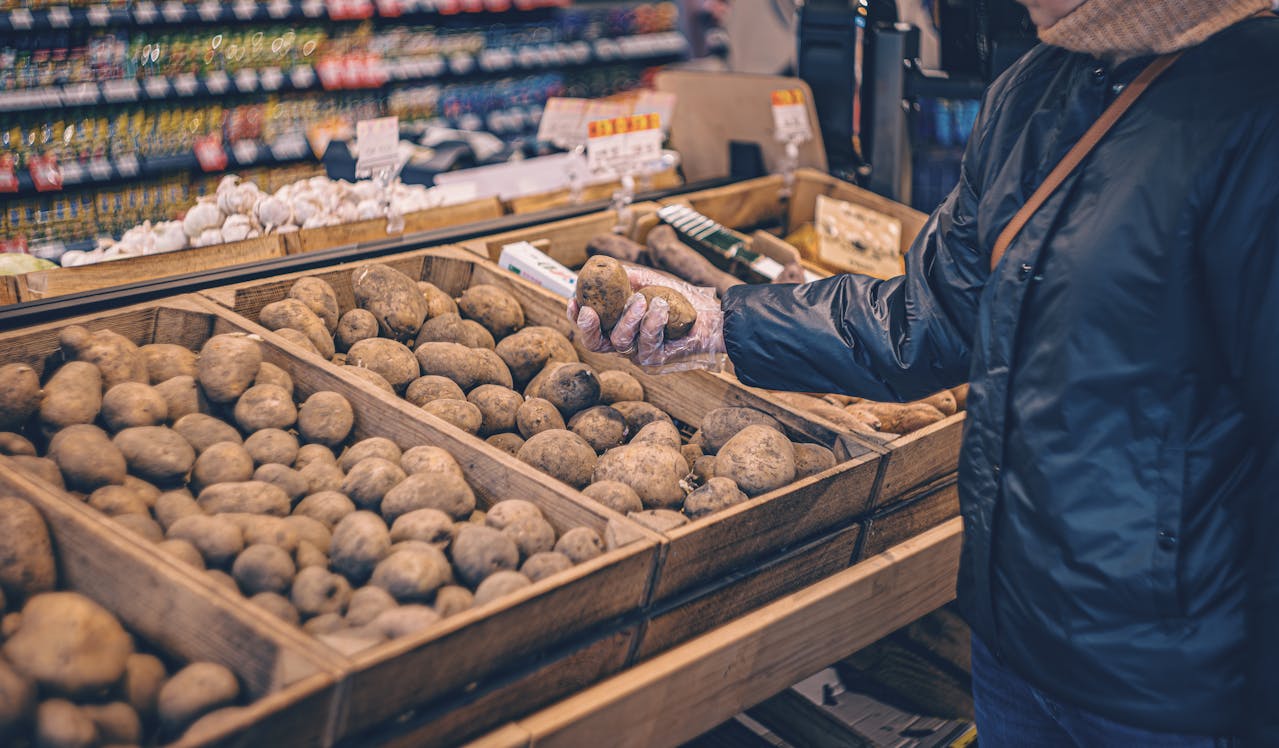
Soft texture is the strongest kitchen warning because it shows the internal cell structure has started to fail. A potato that yields easily under light pressure has moved beyond normal aging even if the surface still looks mostly intact and only mildly wrinkled.
As tissue weakens, spoilage organisms spread faster, flavor turns flat or sour, and cooking quality becomes unreliable. Food safety guidance consistently treats soft, shriveled potatoes as poor candidates for salvage, since trimming the outside cannot restore the integrity of the inside once breakdown is underway. So firmness should be checked before peeling or planning dinner today.
Sprouts Require A Strict Safety Check
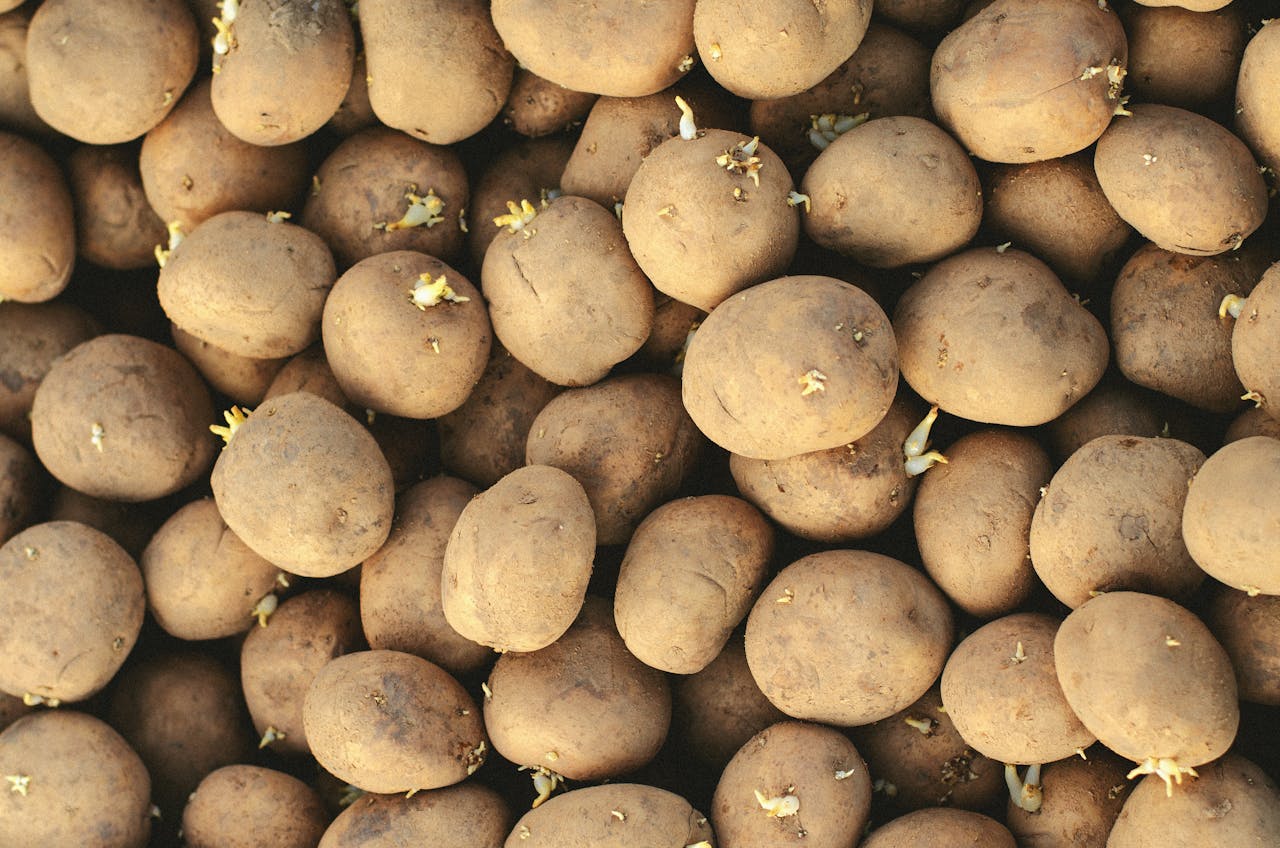
Sprouted potatoes create confusion because some can still be used, while others should be discarded immediately. The practical rule is strict: only firm potatoes with tiny sprouts and no greening can be salvaged and every sprout plus nearby tissue must be removed before cooking.
Once sprouts are long, numerous, or paired with shriveling, the margin of safety narrows fast. Experts discourage risk taking in that stage because sprouts contain higher glycoalkaloid levels, and deterioration often continues beneath the skin even when the outside appears partly acceptable. When in doubt, replacing it is easier than gambling with the whole meal now.
Green Skin Signals Glycoalkaloid Risk
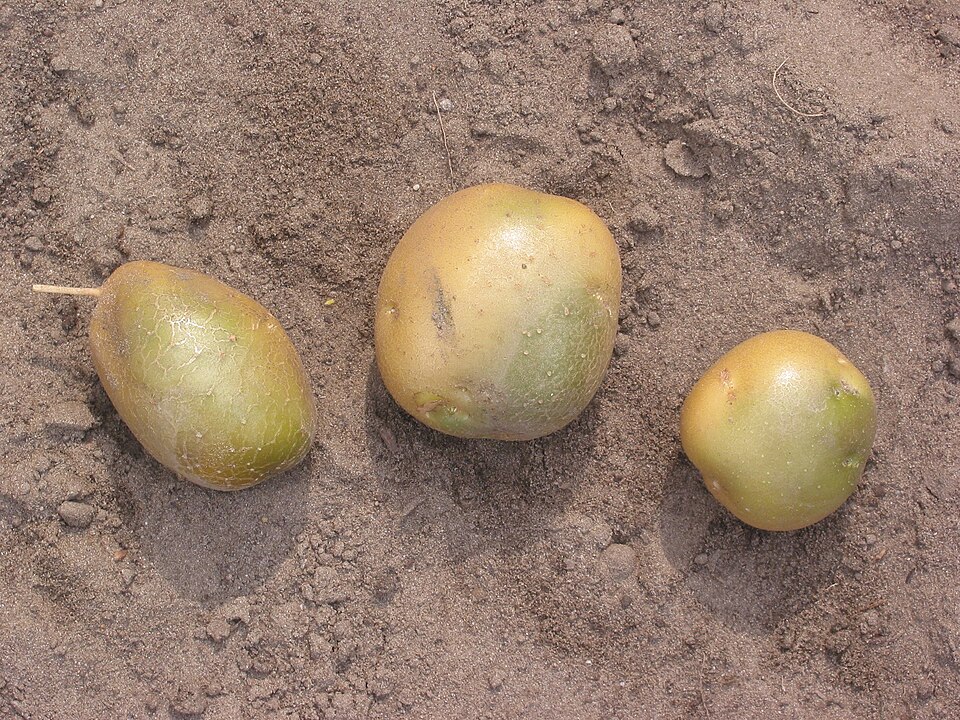
Green patches trigger concern for good reason. The color itself is chlorophyll, but light exposure that causes greening can also increase glycoalkaloids such as solanine and chaconine, especially near the skin where these compounds are naturally concentrated.
A lightly green, firm potato may sometimes be trimmed deeply and cooked, but heavy greening, bitterness, or sprouting should push the decision toward disposal. Cooking methods do not reliably remove these compounds, so prevention through dark storage remains more dependable than rescue at the stove. Green skin is a warning signal, and quick sorting prevents bigger mistakes during meals.
Mold With Moisture Means Discard
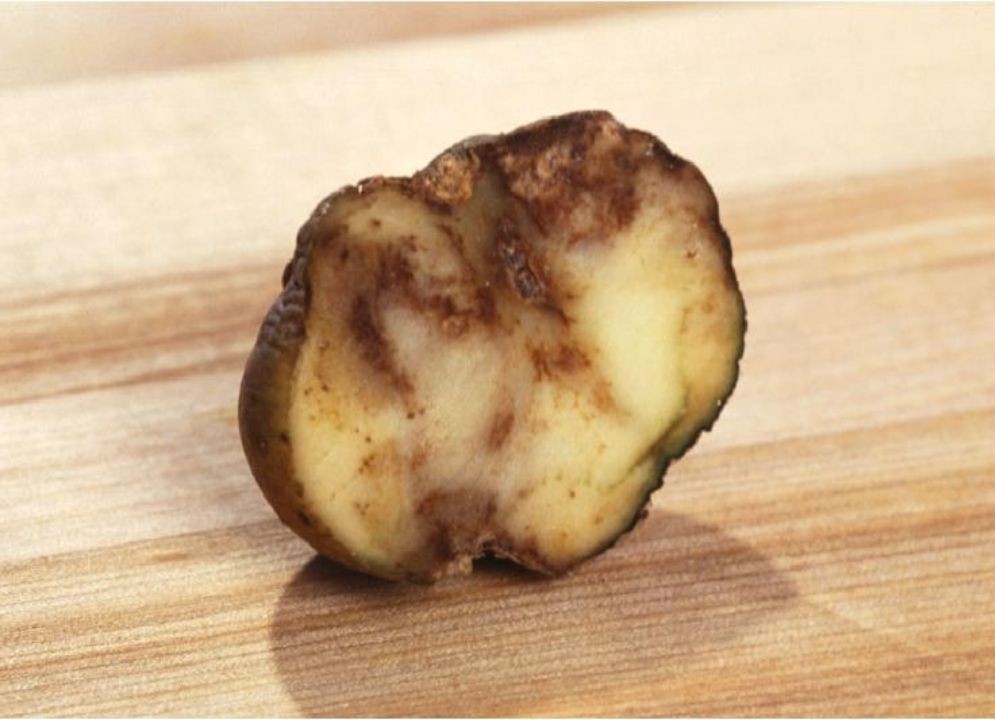
Mold on potatoes should never be shrugged off as a cosmetic flaw. Federal guidance allows limited trimming for some firm produce, but that advice depends on low moisture and solid texture. Many home potatoes with visible mold are already soft, damp or collapsing, which changes the risk picture.
When mold appears with wet spots, musty odor, or tissue breakdown, disposal is the safer call. Hidden growth can spread beyond visible patches, and cutting away the obvious area may leave contamination behind in nearby flesh that still looks normal at first glance. Mold plus softness marks the point where thrift should stop and safety should lead now.
Storage Habits Decide Most Outcomes
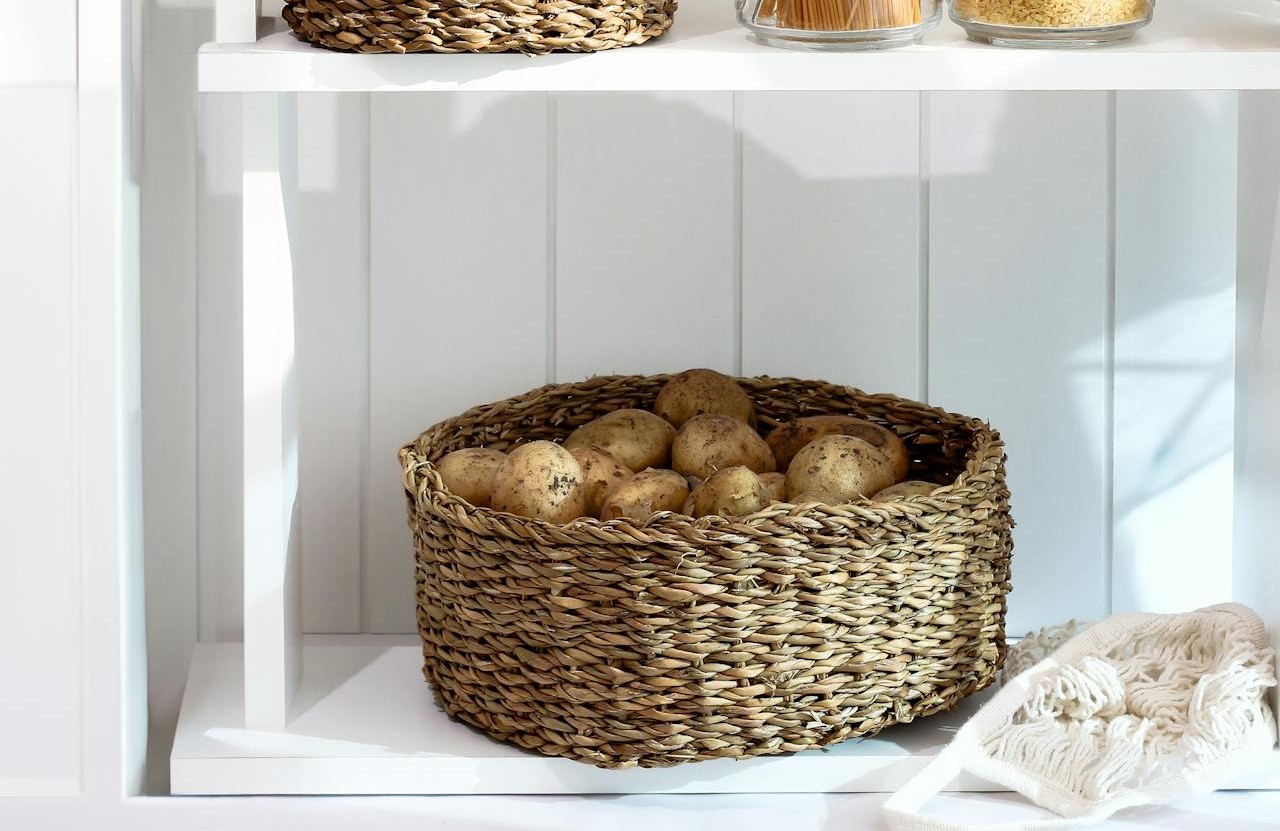
Most risky potatoes begin with storage errors, not bad luck. Potatoes keep best in a cool dark, dry, well ventilated place, stored unwashed until use. Moisture, sealed plastic, and countertop light speed up decline and invite sprouting, greening, and rot.
A breathable basket, paper sack, or vented box usually performs better than tight packaging. Weekly checks matter just as much as location because removing one failing potato early can protect the rest of the batch and prevent a small quality problem from becoming a full bag of waste. Rotating older potatoes to the front is a simple habit that lowers surprise spoilage during busy weeks too.
Refrigeration Can Raise Cooking Risk
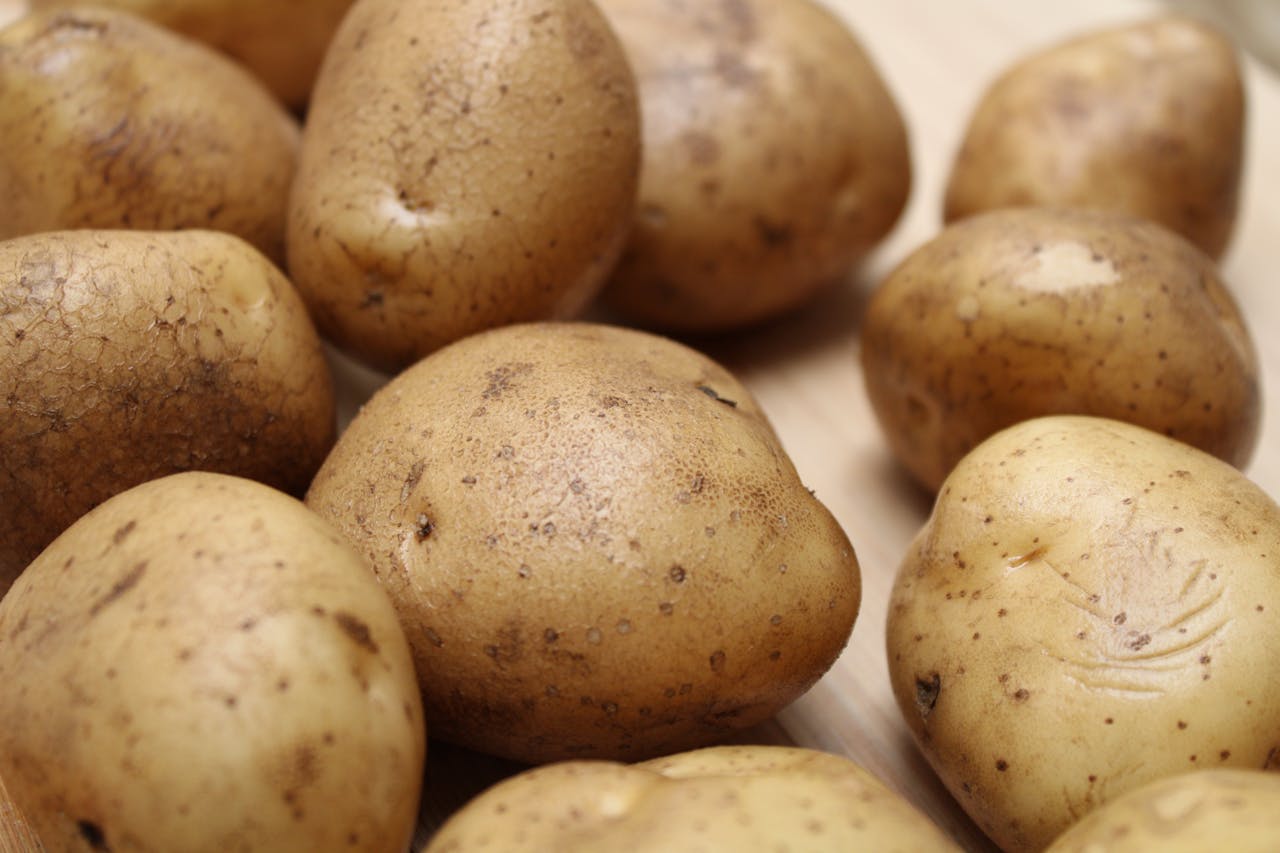
Refrigerating raw potatoes seems sensible, but food regulators warn that cold storage can raise reducing sugars in the tuber. During high heat cooking, those sugars can contribute to higher acrylamide formation, especially in fried or deeply browned foods.
That does not mean panic over one chilled potato, but it does support better routine storage outside the fridge in a cool, dark place. Keeping raw potatoes out of cold conditions protects flavor and texture while reducing avoidable chemical risk during roasting, frying, and other high temperature methods. A cool, dark pantry with airflow is usually the safer choice for daily meals at home.
Separate Potatoes From Onions And Fruit
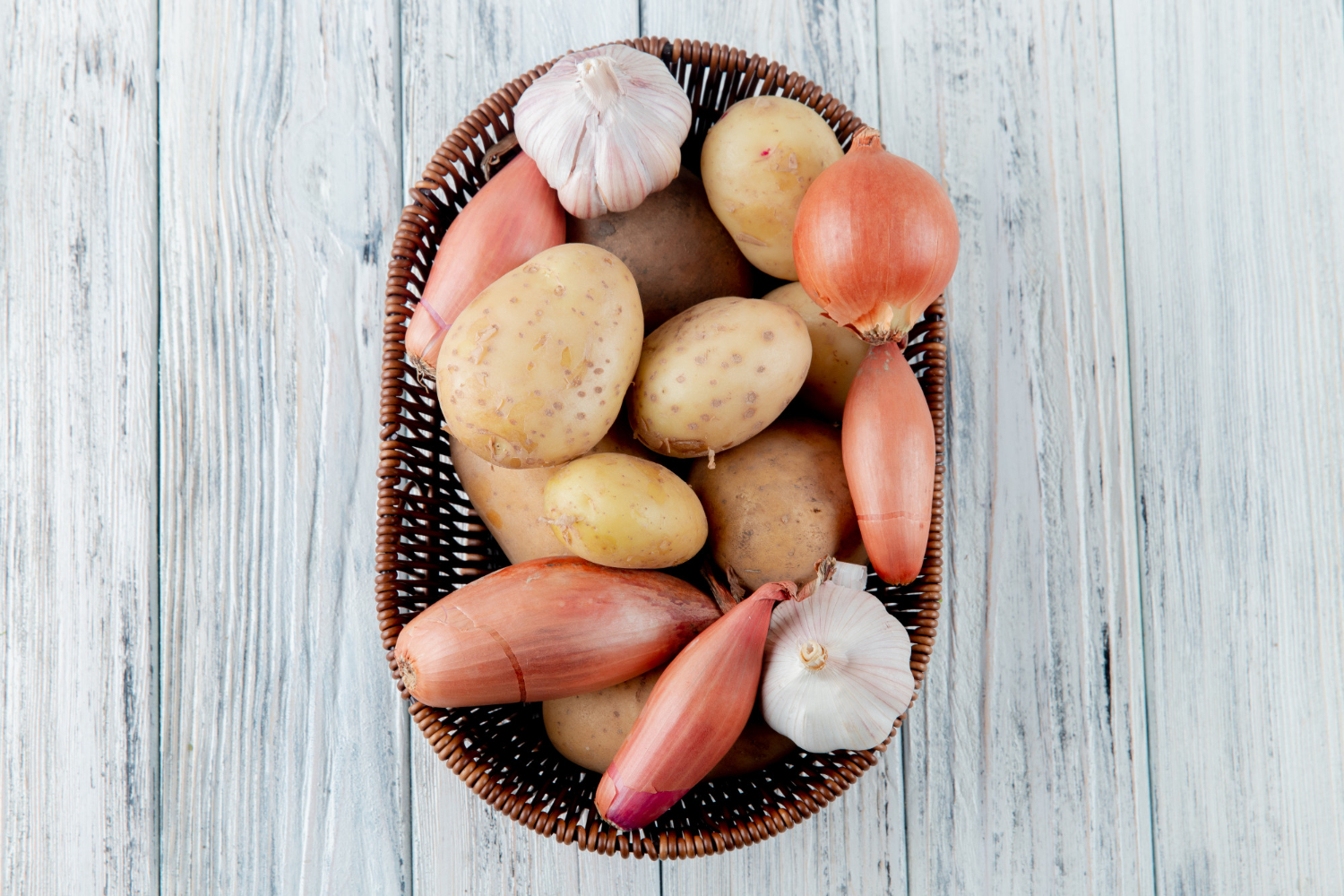
Potatoes stored beside onions, apples, or other ripening produce often deteriorate sooner than expected. Ethylene and shared moisture conditions can speed sprouting and shorten shelf life, which means a bag that looked fine at purchase can become risky before week ends.
Separation is simple and effective. Keep potatoes in their own breathable container, away from fruit bowls and onion bins, and check them once a week for softness, greening, or mold. Layout changes in the pantry prevent guesswork later and make food safety decisions easier during rushed meal prep. That one habit reduces waste and keeps dinner plans more predictable each week.
Use A Clear Keep Or Toss Threshold
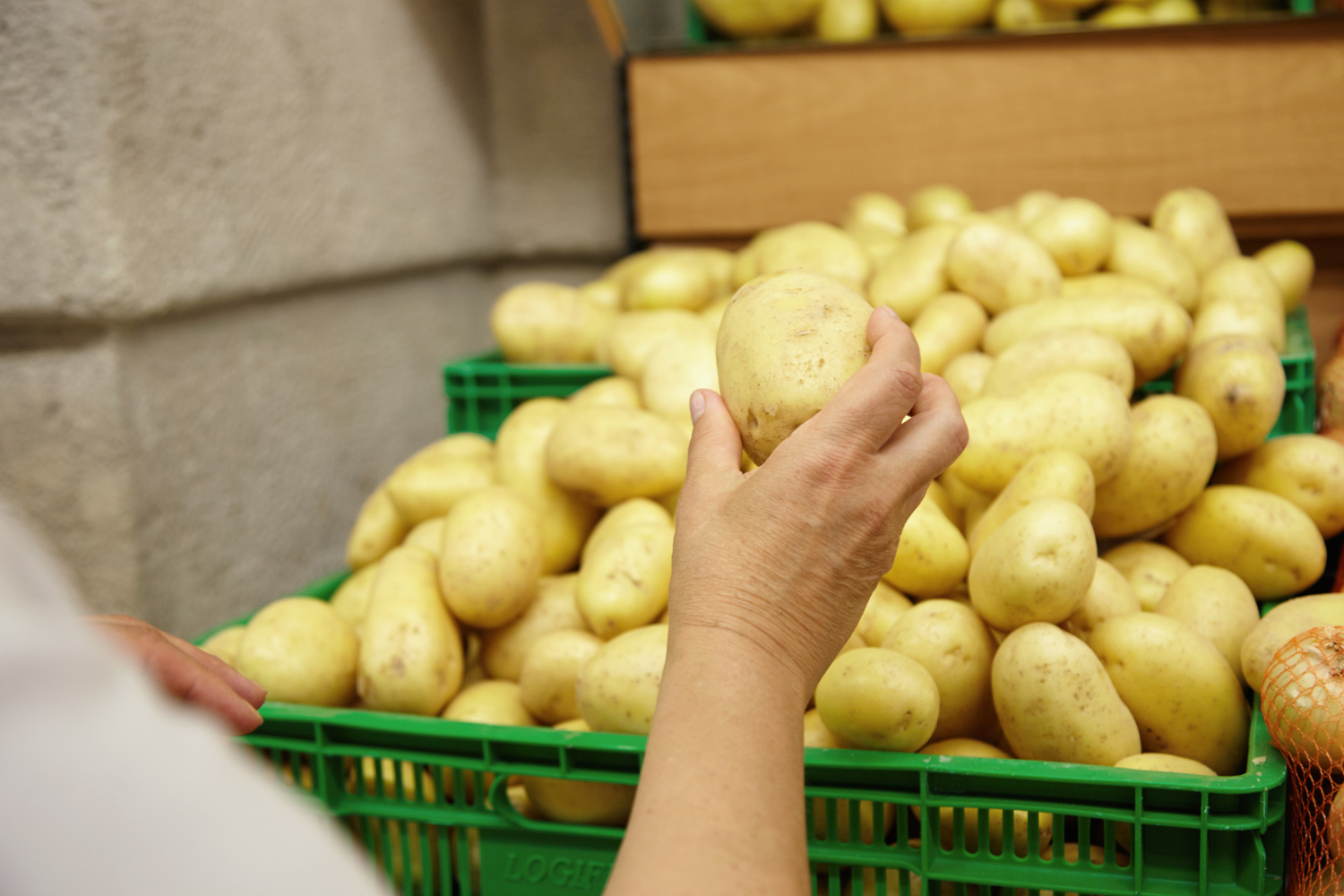
A clear keep or toss checklist removes stress from daily cooking. Keep potatoes only when they are firm, dry, and free of major greening, mold, foul odor, or long sprouts. If several warning signs appear together, disposal is the safer and faster choice, even when the potato seems partly usable.
This approach is practical, not wasteful. It reduces second guessing, protects shared meals, and prevents one uncertain ingredient from affecting everyone at the table. Households that decide early usually waste less over time because storage checks become routine and problems are caught before they spread through the bag. Clear rules prevent errors.
Know Symptoms And Seek Fast Help

When questionable potatoes are eaten, symptoms can include nausea, vomiting, diarrhea, stomach pains, headache, or unusual neurological effects in more severe cases. Public health references on green potato and sprout poisoning advise taking these signs seriously, especially for children, older adults, and anyone with underlying illness.
Fast action improves outcomes. In the United States, Poison Help at 1-800-222-1222 offers immediate guidance at any hour, and emergency services should be used when symptoms escalate. Getting advice early replaces uncertainty with clear next steps and helps families respond calmly and quickly under pressure.