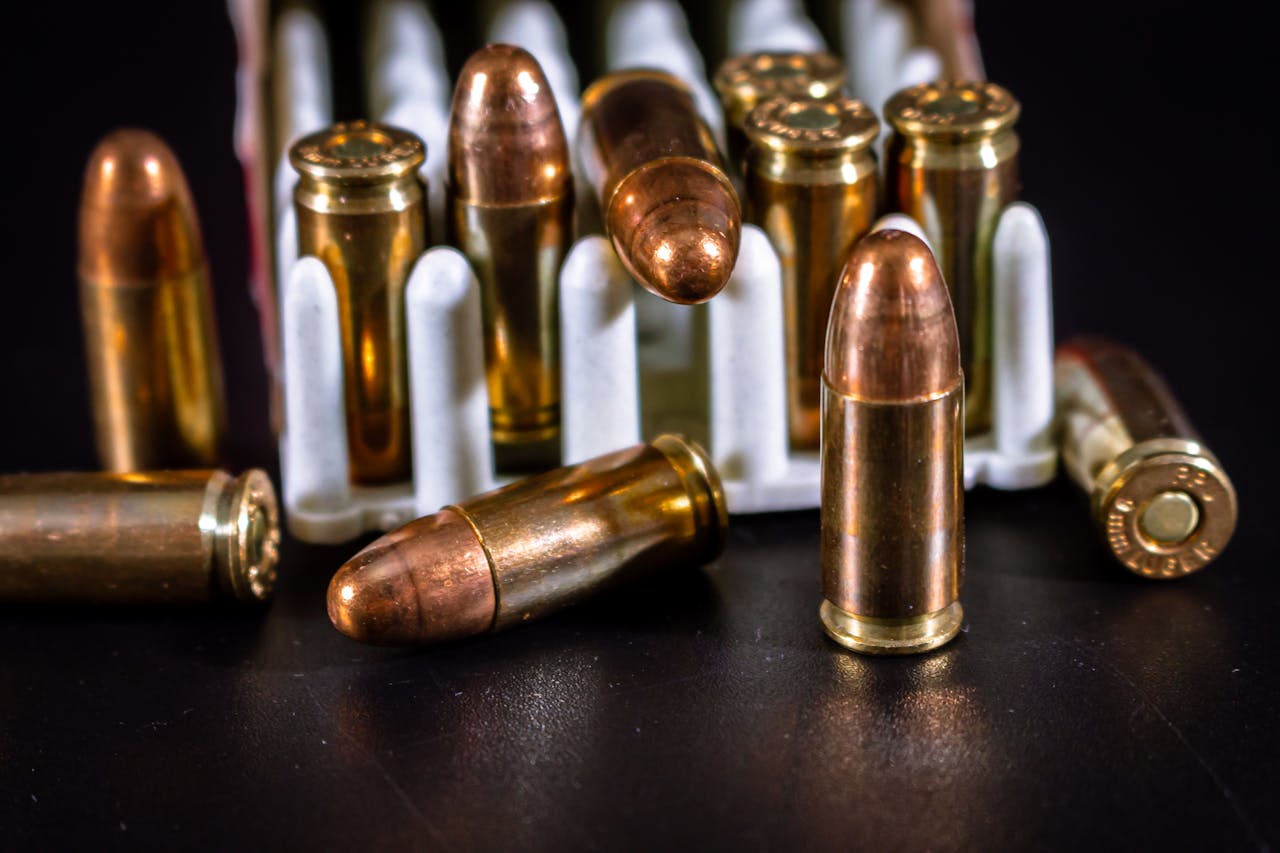
Ballistics analysts are tracking a clear shift in the American defensive-caliber conversation. The debate is no longer just about recoil, velocity, or capacity. It now sits at the intersection of engineering, courtroom battles, state rules, and supply policy.
Across police procurement files, appellate dockets, and standards bodies, the same pattern keeps surfacing: reliability depends on platform fit, while legal exposure depends on where a round is bought, carried, and stored. The result is a market where familiar calibers feel less settled than they did a decade ago, even when their ballistic records remain strong.
9mm Luger
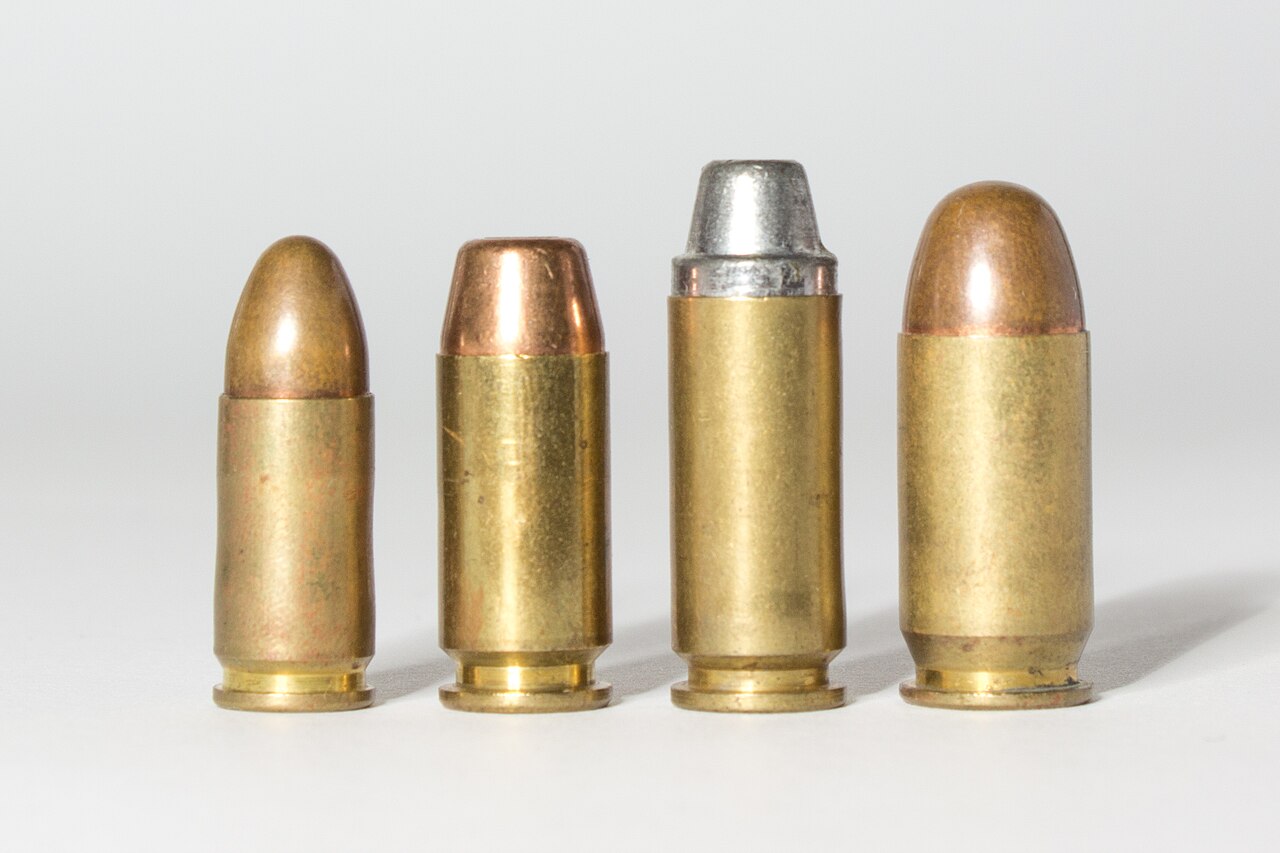
Nine-millimeter Luger remains the baseline in defensive handguns because it balances controllability, speed, and broad firearm compatibility. Analysts still rate it as the easiest centerfire service round for consistent qualification results across different skill levels, especially in mixed-experience departments.
Its growing pressure is legal and transactional. California’s ammunition background-check system, approved in 2016 and active since July 1, 2019, has been revived during appellate review, and an 11 percent state excise tax now increases the cost of steady ammunition purchasing.
.40 S&W
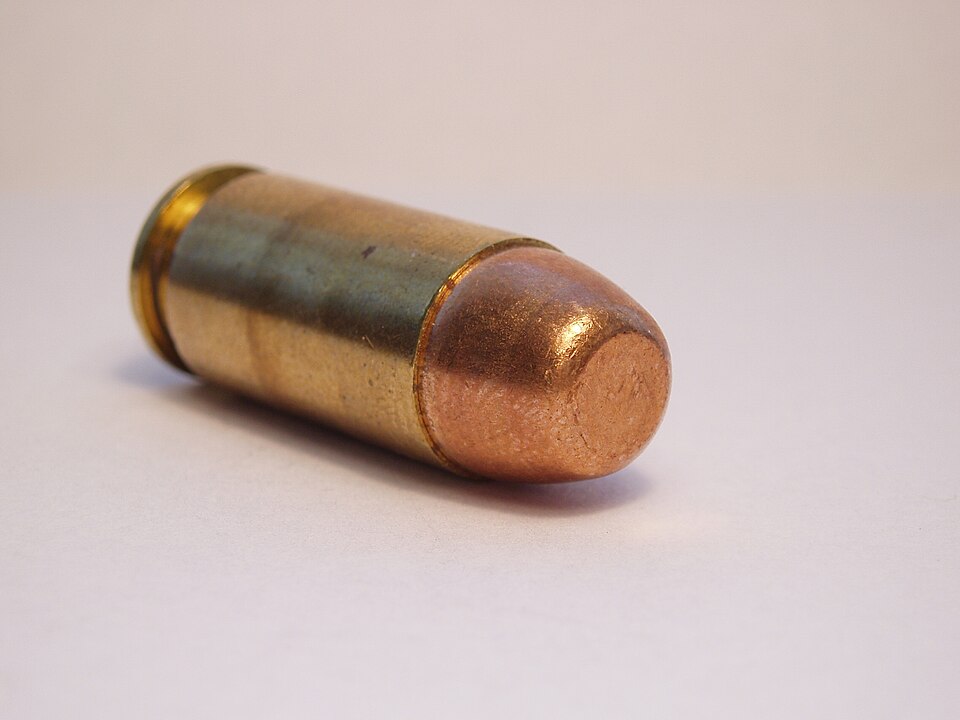
.40 S&W now occupies a complicated middle space. It retains a long service pedigree, yet the modern training emphasis on faster follow-up strings and lower fatigue has pushed many institutions toward lower-recoil calibers, leaving .40 users with less support in new procurement cycles and fewer fresh platform launches.
That shift creates practical reliability pressure. Older pistols and magazines stay in circulation longer, and routine function testing becomes harder to sustain where ammunition costs are elevated by layered federal and state taxes on cartridges and local purchase rules.
.45 ACP
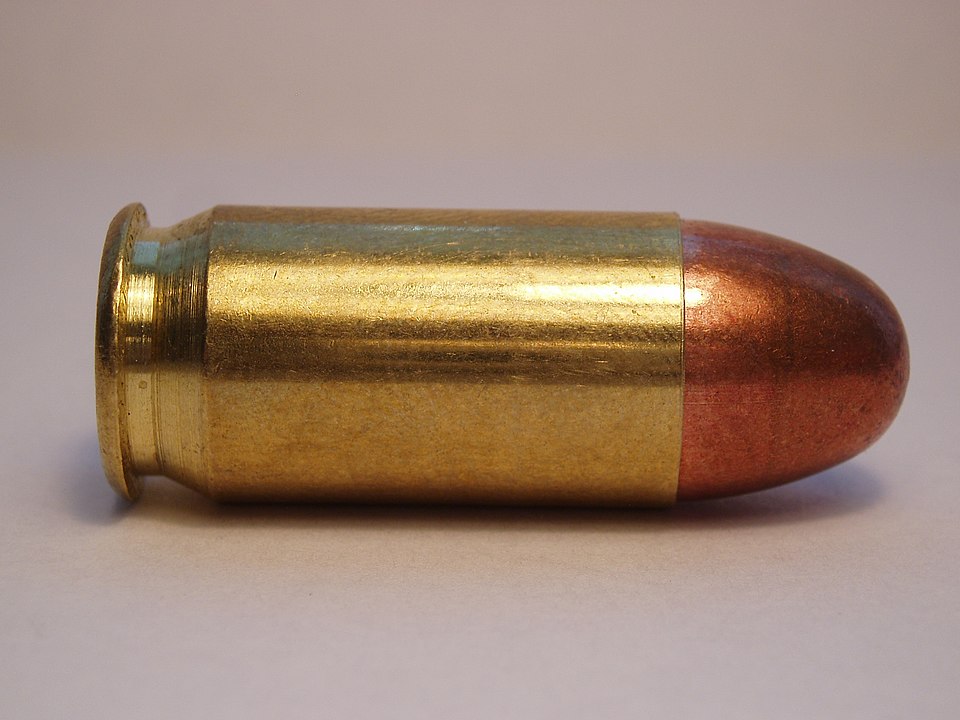
.45 ACP remains respected for heavy-for-caliber projectiles and a recoil pattern many shooters describe as predictable in tuned pistols. Analysts say its strengths still hold, but dependable operation depends on tight maintenance discipline because many platforms trade capacity for larger cartridge dimensions.
Legal scrutiny now weighs heavily on load choice. New Jersey law restricts hollow nose ammunition outside specific statutory exceptions, and federal law imposes strict rules on armor-piercing ammunition manufacture, import, and sale through narrowly defined channels in compliance practice.
.380 ACP
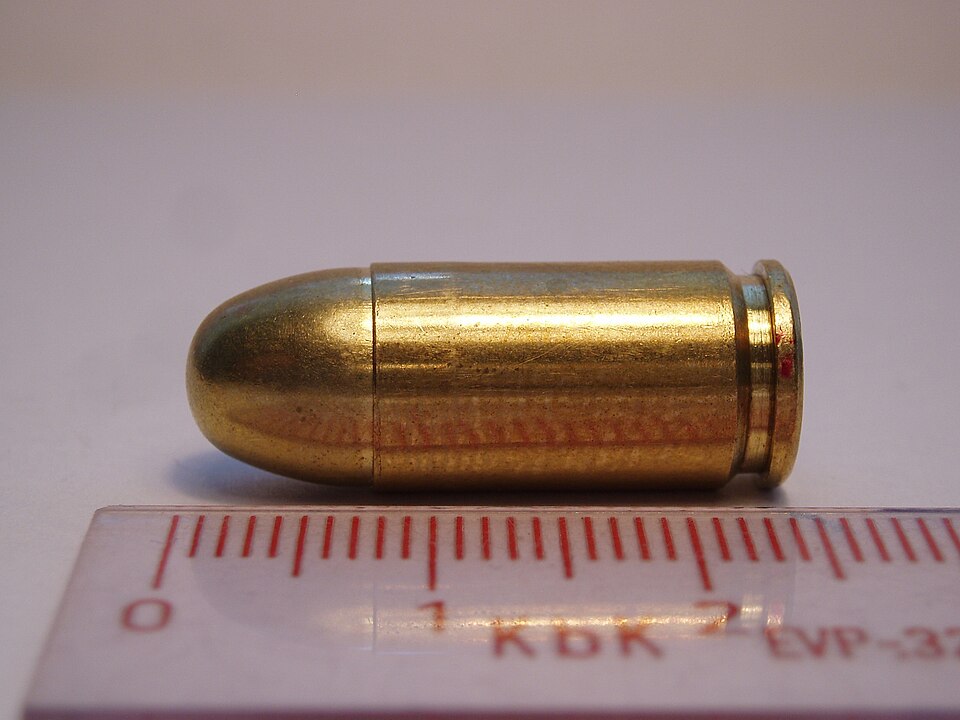
.380 ACP stays relevant in ultra-compact pistols built for concealment, where small size can also narrow the margin for error. Analysts often note that short barrels and light slides can make these platforms more sensitive to ammunition consistency, grip variation, and maintenance timing under stress.
Legal pressure does not skip smaller calibers. Ammunition background-check systems and excise taxes apply regardless of cartridge size, and that can reduce the high-frequency practice cycles compact .380 platforms often need for stable, repeatable reliability in day-to-day carry.
.357 Magnum
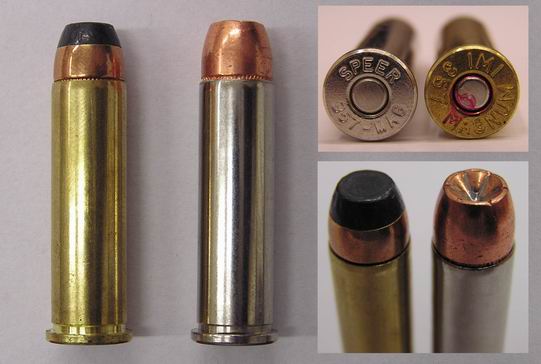
.357 Magnum still carries weight in defensive revolver conversations because it combines proven terminal history with straightforward mechanical operation. Its dual-ammunition flexibility, including .38 Special in compatible revolvers, gives analysts a practical training pathway without changing platform controls.
Current pressure comes from regulation and cost, not nostalgia. Ammunition taxes and screening requirements can raise the price of regular practice, while federal armor-piercing rules keep buyers focused on exact cartridge designations and lawful sales channels during routine purchasing.
.223 Remington / 5.56 NATO
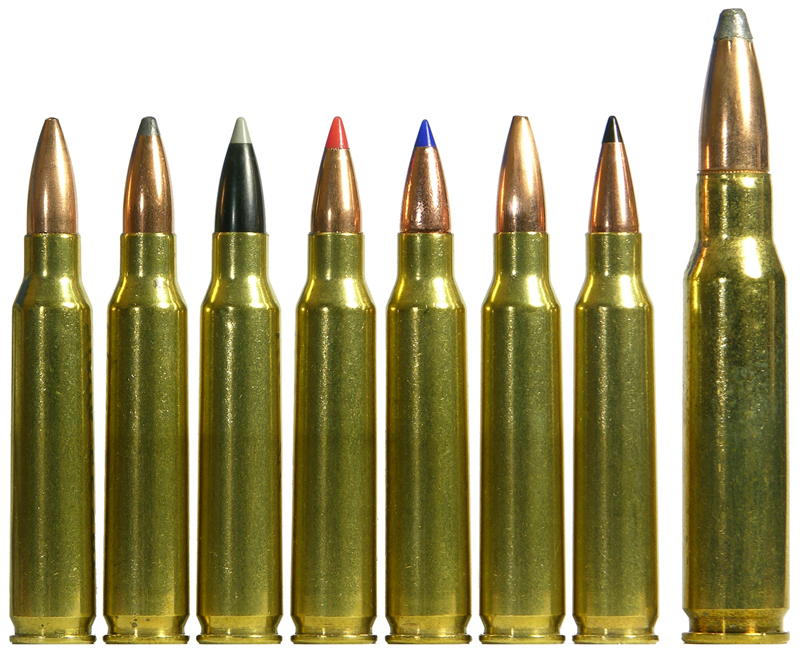
.223 Remington and 5.56 NATO remain central to defensive-rifle discussions, but analysts treat chamber markings as a hard technical boundary. SAAMI warns that firing 5.56 ammunition in firearms marked .223 Remington is unsafe, making specification discipline part of reliability, not just range etiquette or preference.
Legal pressure is intensifying around the same ecosystem. On June 2, 2025, the U.S. Supreme Court declined to hear challenges to Maryland’s semiautomatic-rifle ban and Rhode Island’s over-10-round magazine restriction, leaving both limits in place while broader litigation continues.
7.62×39
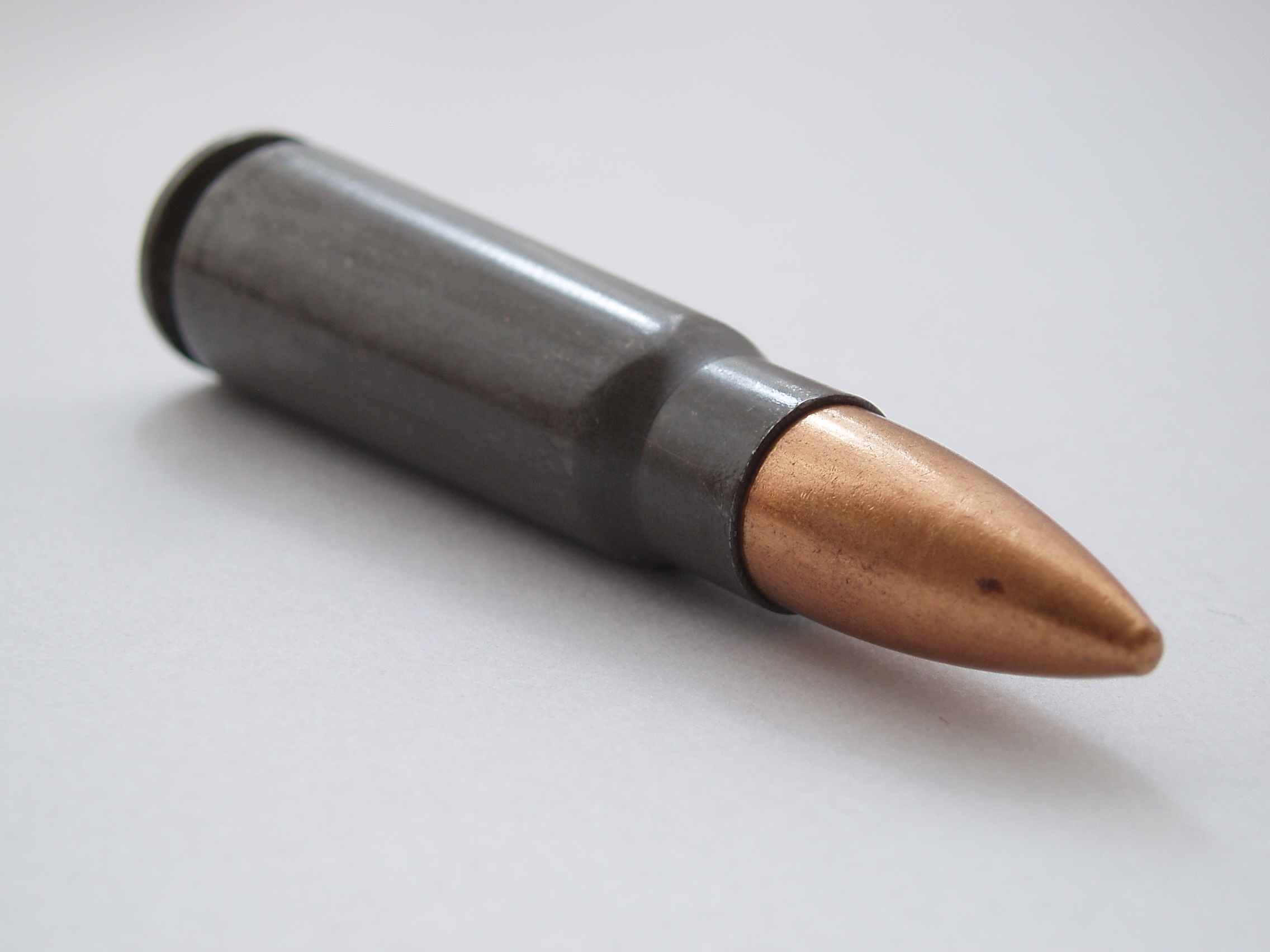
7.62×39 remains attractive to analysts who value heavier intermediate-rifle projectiles and durable platform traditions. Yet supply reliability has shifted under geopolitics, making source consistency a larger variable than it was when low-cost imports were more predictable.
ATF guidance states that new and pending import permits for defense articles made by designated Russian entities are denied while sanctions remain active. That pressure, combined with magazine and rifle restrictions in multiple jurisdictions, has turned legal uncertainty into a core planning factor.