A familiar winter ritual returns on Jan. 1, 2026: brake lights glowing at dawn, coffee cooling in cupholders, and cars inching toward iconic park gates, now with a new checkpoint. Under a new nonresident pricing system, U.S. residents are expected to show a government-issued photo ID at 11 marquee parks to avoid being billed at the higher visitor tier. The change is framed as a way to keep parks affordable for Americans while funding repairs and conservation, but it also adds a real-world moment of friction at the entrance station, where one forgotten wallet can turn excitement into arithmetic in seconds on the spot.
The Rule at the Gate
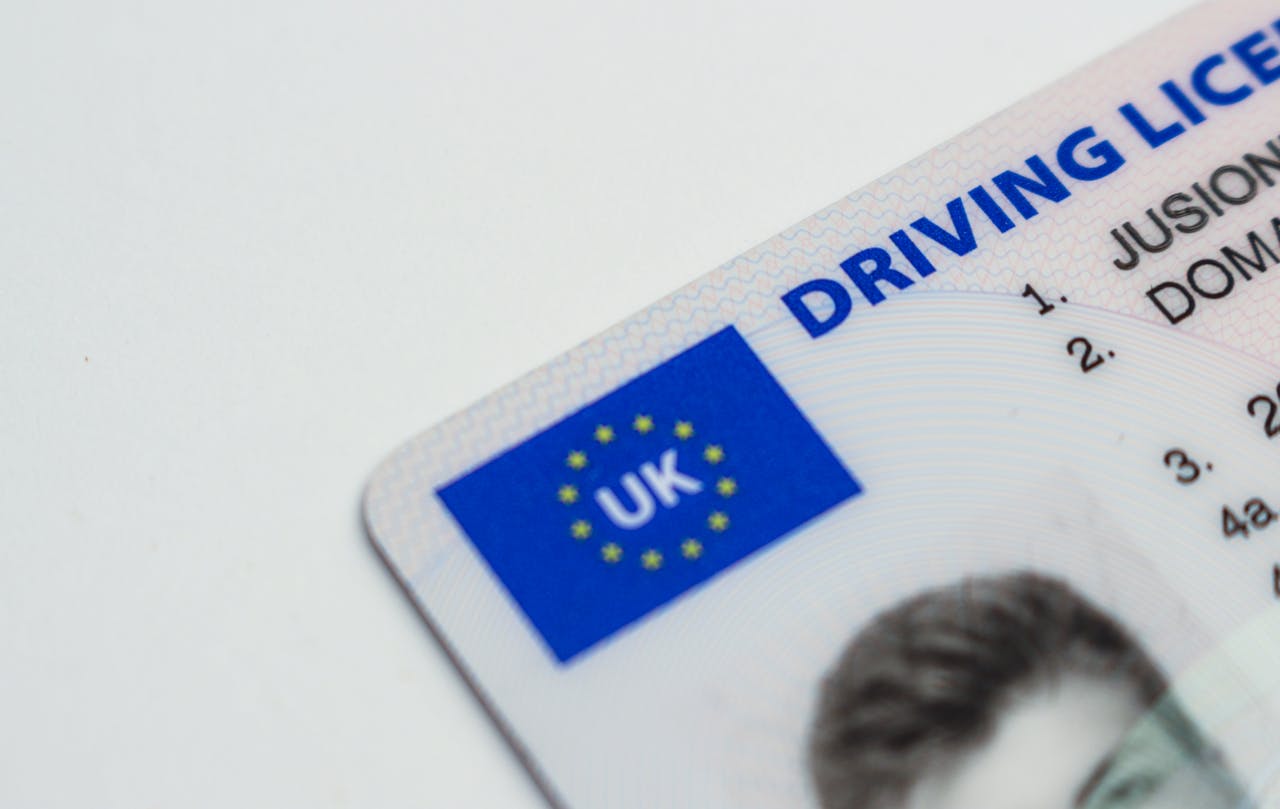
Starting Jan. 1, 2026, entrance stations at 11 marquee national parks may ask for quick proof of U.S. residency or citizenship when a visitor claims resident-only pricing or a resident annual pass. National Park Service guidance says non-U.S. residents ages 16 and older pay the standard entrance fee plus a $100 per-person nonresident fee at these parks, unless covered by a qualifying pass. When ID is missing, the moment can default to the costlier tier or an on-the-spot upgrade request, especially on road trips where documents get split between glove boxes, backpacks, and hotel safes before the window even opens.
The 11 Parks on the Shortlist
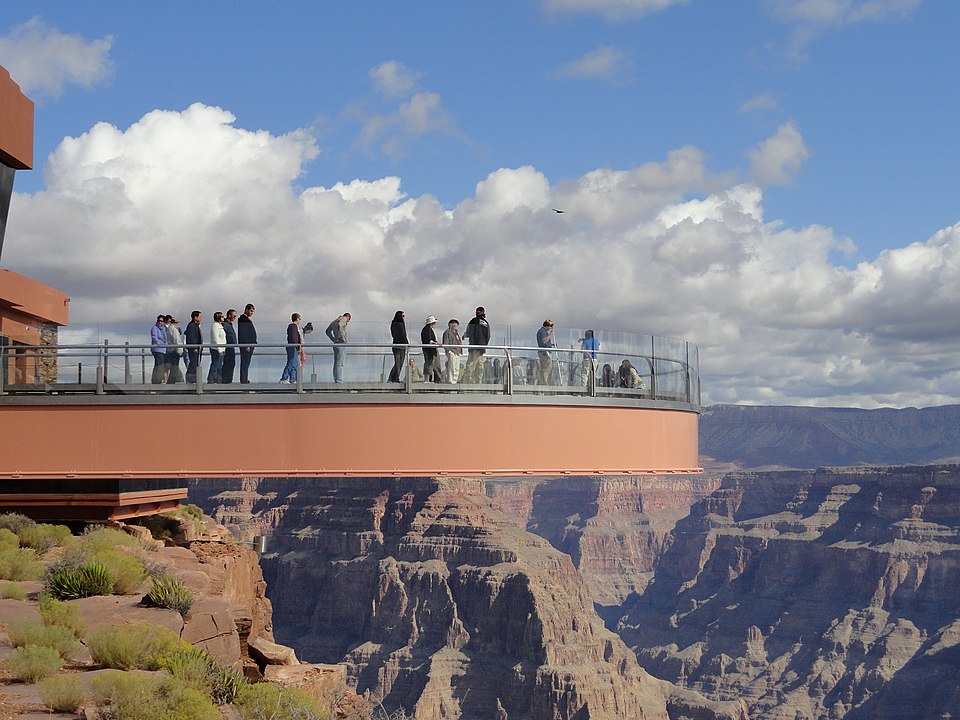
The ID-and-fee checkpoint is not parkwide across the country; it targets 11 of the busiest, most photographed destinations in the system, where entrance booths regularly become the day’s bottleneck. The National Park Service list includes Acadia, Bryce Canyon, Everglades, Glacier, Grand Canyon, Grand Teton, Rocky Mountain, Sequoia and Kings Canyon, Yellowstone, Yosemite, and Zion. From Acadia’s summer loops to Zion’s spring weekends and Yosemite’s holiday crush, these gates already juggle shuttle timing, parking limits, and understaffed lanes, so even a short ID check can echo down the road long after sunrise fades.
What Counts as Proof
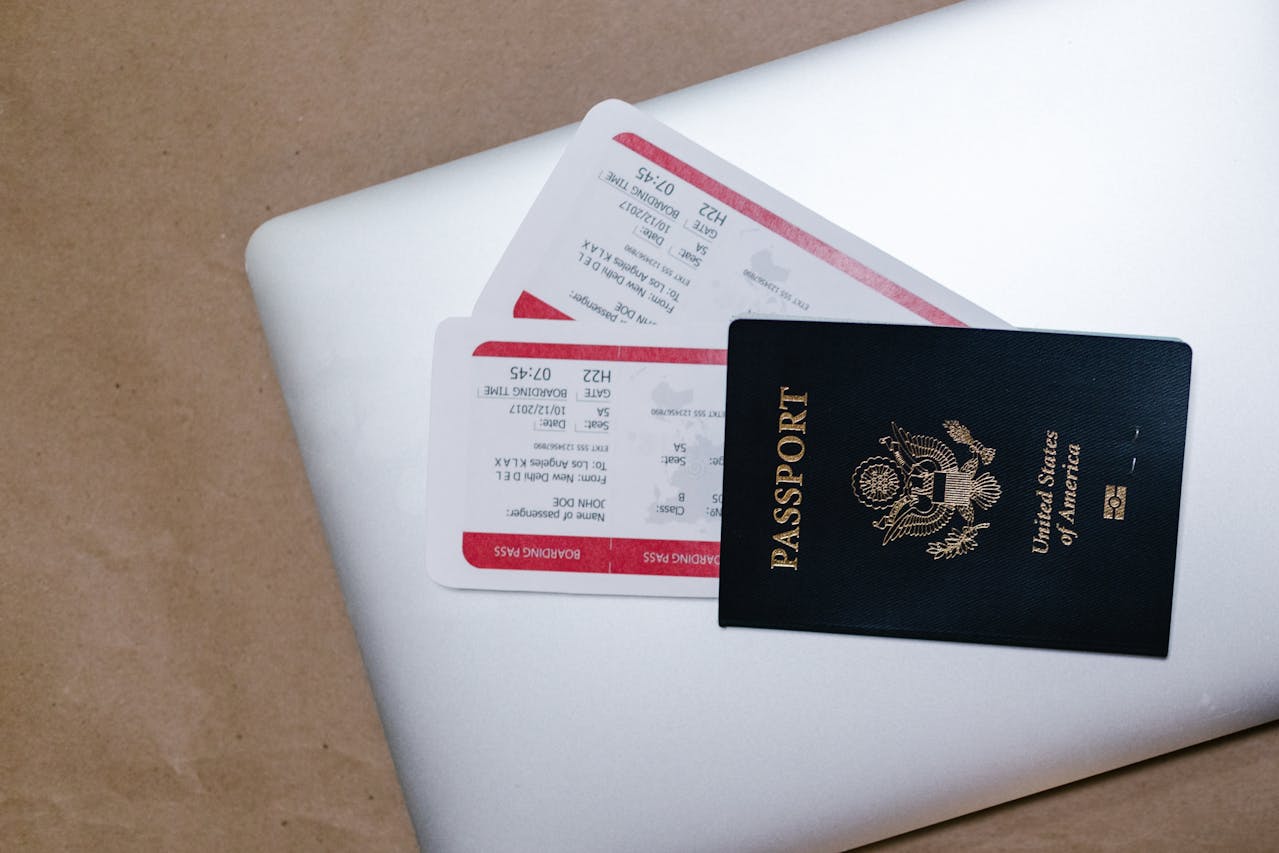
Residency proof is meant to be quick and familiar, not a paperwork scavenger hunt staged on a dashboard while engines idle. For eligibility tied to resident pricing, the National Park Service lists acceptable documents such as a U.S. passport, a U.S. government-issued driver’s license or state ID from a state or territory, or a Permanent Resident card. That list matters for dual citizens, students, and Americans living abroad who may not carry a current state license day to day; expired cards, mismatched names, or a phone photo that will not load can stall the decision at the worst possible moment at a crowded booth.
How the $100 Nonresident Fee Works

The headline number is $100, but the mechanics matter because it is assessed per person, not per vehicle, and it applies only to non-U.S. residents. National Park Service guidance says each non-U.S. resident age 16 and older is charged a $100 nonresident fee on top of the park’s standard entrance fee at the 11 affected parks. For a party with two adults and two teenagers, one gate can add $400 before the first overlook, and a week that loops through Yellowstone, Grand Teton, and Zion can stack those fees quickly unless a $250 nonresident annual pass is covering the group in the same vehicle, for the full day ahead.
The New $250 Nonresident Annual Pass
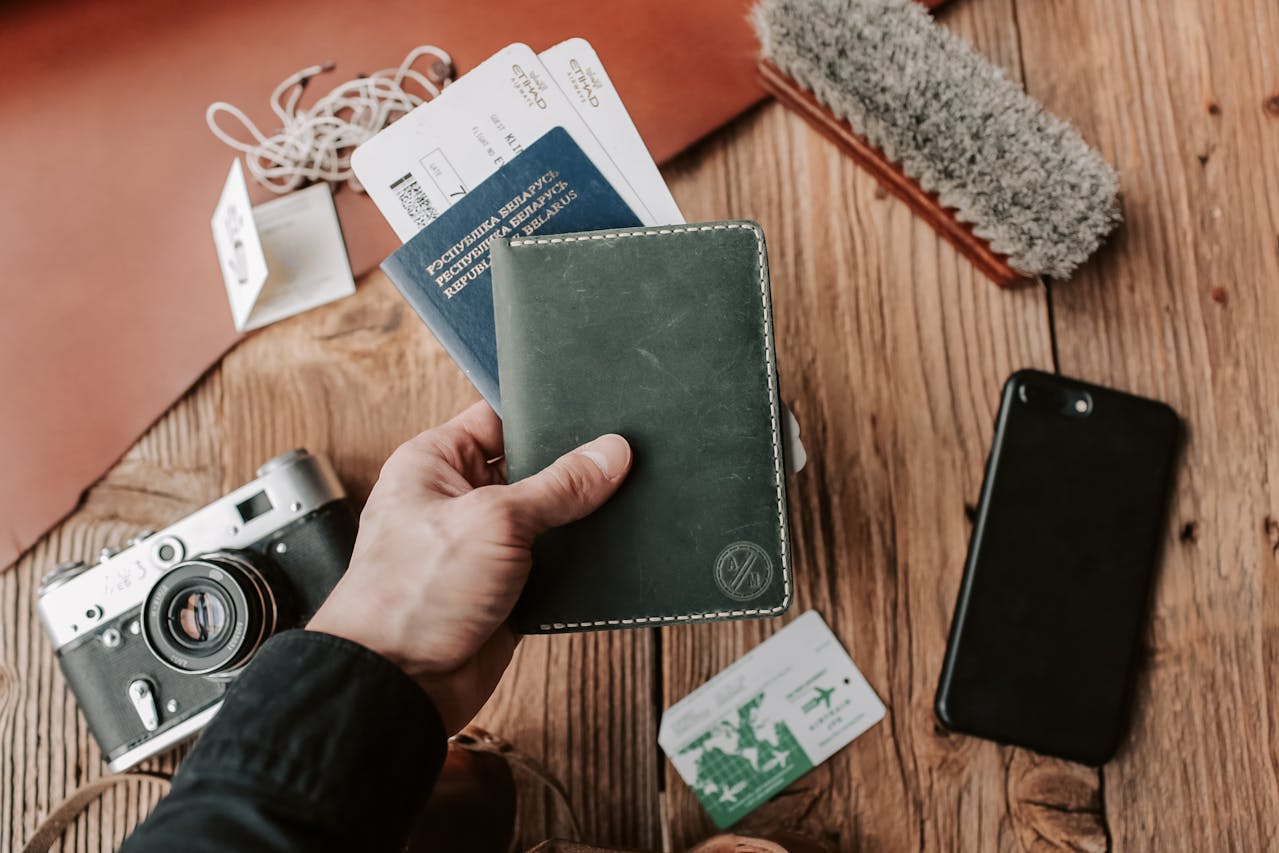
A new annual pass tier arrives alongside the fee, and it quietly changes how repeat visitors do the math across multiple parks. Starting Jan. 1, 2026, the National Park Service says the America the Beautiful Annual Pass is $80 for U.S. residents, while a new America the Beautiful Non-Resident Annual Pass costs $250. National Park Service guidance also says nonresidents holding that $250 pass are not charged the individual $100 nonresident fee at the 11 parks, and it can cover the passholder plus three additional adults where per-person fees apply, making long itineraries feel less like a toll road in plain sight.
Digital Passes and the Upgrade Moment

Digital passes do not erase the ID requirement; they move verification to the point of use, often at an entrance booth where time is measured in seconds. National Park Service guidance says annual pass users show photo ID when presenting a pass, and digital checkout language flags eligibility so an ineligible buyer can be asked to upgrade to the nonresident pass. When that upgrade moment lands at a remote gate, it can collide with patchy cell coverage and the social pressure of a line of cars watching the delay, which is why pass selection has become a before-the-trip decision, not a roadside one for many travelers.
Fee-Free Days Change the Mood
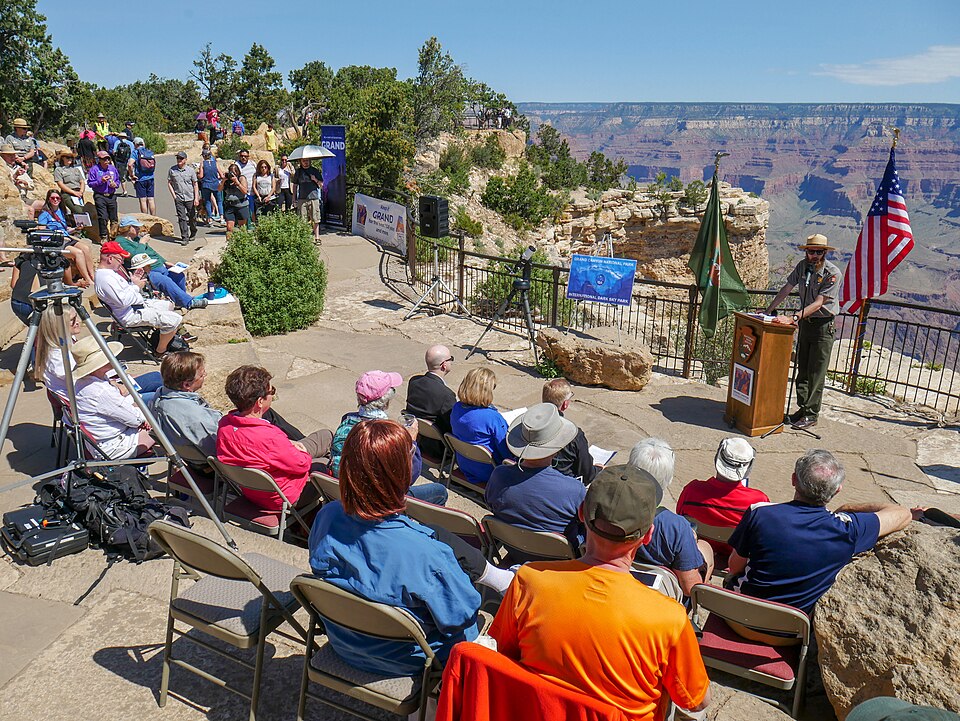
Fee-free days have always carried a festive energy, with packed parking lots, ranger talks that fill, and a sense that the landscape is being shared generously. The National Park Service notes that fee-free days generally allow free entrance to all visitors, but beginning in 2026 those days are for U.S. residents only, while non-U.S. residents still pay the entrance fee and the $100 nonresident fee at the 11 affected parks. The result may be fewer surprise charges for some Americans, but it also raises the odds of awkward window-side sorting on holiday weekends, when mixed groups arrive together and timetables are tight.
Tours, Van Lifers, and Split Wallets

The rule tends to bite hardest in travel styles built on spontaneity, where IDs and passes drift into different bags over the course of a long day. National Park Service guidance says the $100 nonresident fee applies to non-U.S. residents entering these parks as part of commercial tour groups, and companies are expected to know how many nonresidents and nonresident-pass holders are on board before entry. For van lifers, group tours, and families sharing a single vehicle, the calmest arrivals usually come from one organizer holding the documents until the car clears the booth, keeping the lane moving without drama.