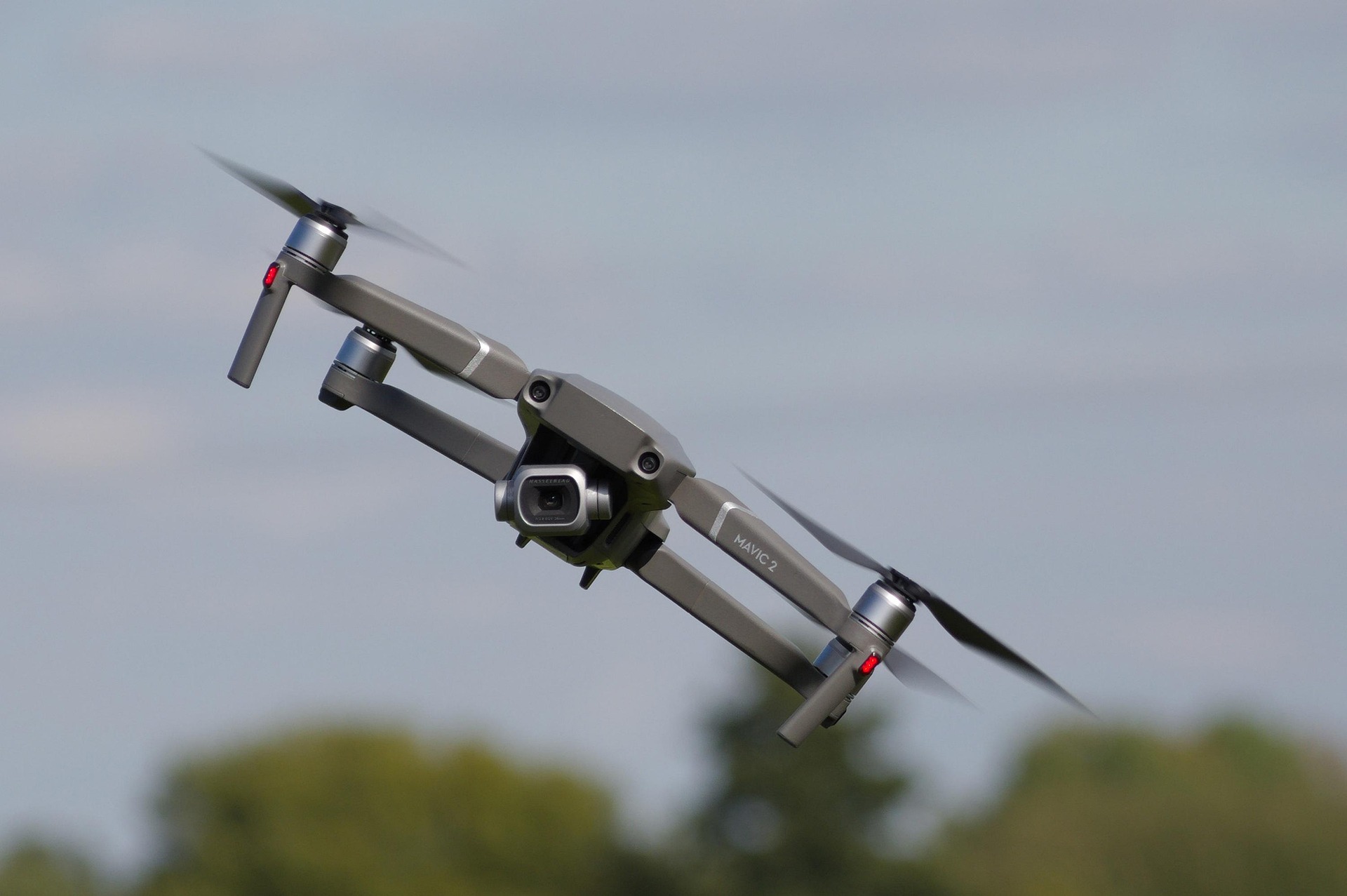
Drones have turned the sky into a creative playground for hobbyists, filmmakers, and social storytellers, yet some corners of the world want no part of that buzz. In these places, rules do not just limit flights, they shut them down entirely. The reasons range from fragile wildlife and sacred rituals to border security and tight control over public imagery. Looking at where drones are truly not welcome reveals how certain landscapes, cities, and sanctuaries still choose privacy, quiet, and safety over the promise of aerial footage.
Antarctica’s Protected Frontiers
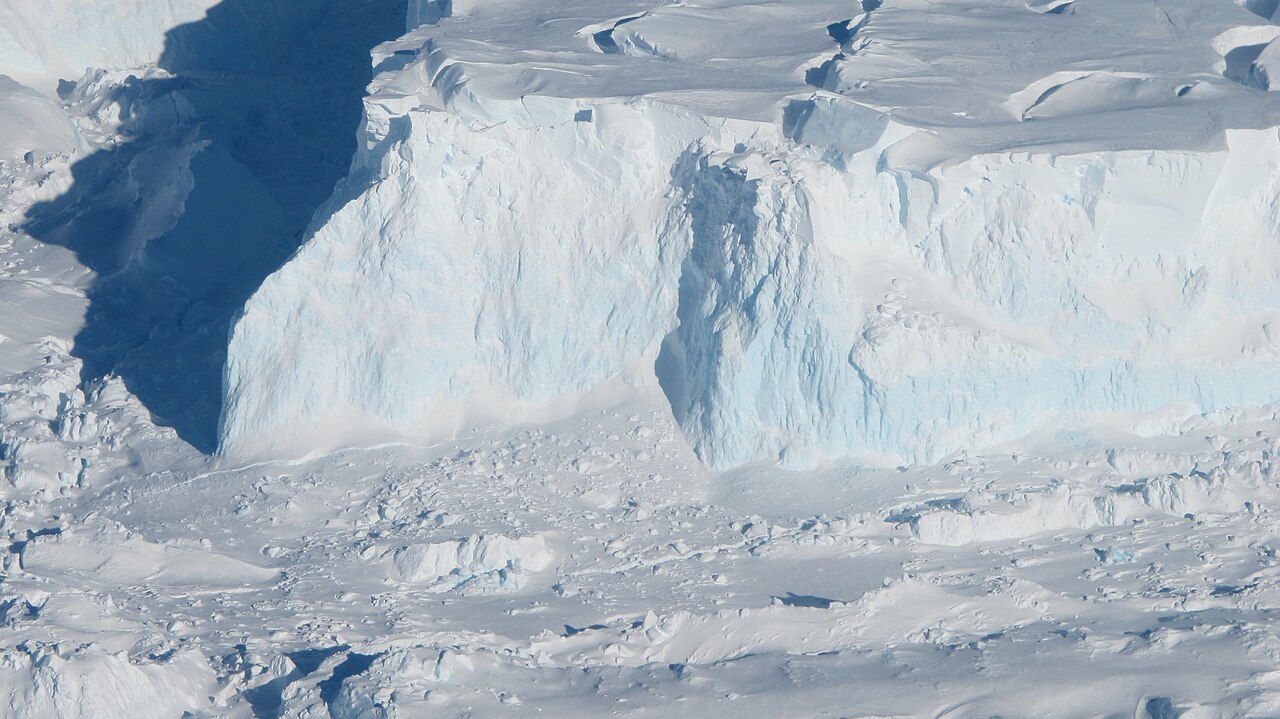
In Antarctica, drones are treated less like toys and more like possible stressors for a fragile world of ice and wildlife. Tour operators working under strict agreements face a full stop on recreational flights along many coasts, because nervous penguins, seals, and nesting birds react to unfamiliar noise. Small disturbances can ripple through feeding and breeding patterns that already strain under shifting sea ice. Drones stay packed away, and visitors learn to work with tripods, patience, and silence while ridges and ice shelves rise untouched above them. That choice keeps the soundscape to wind, waves, and distant animal calls. Calm matters here, always more.
Bhutan’s Restricted Valleys
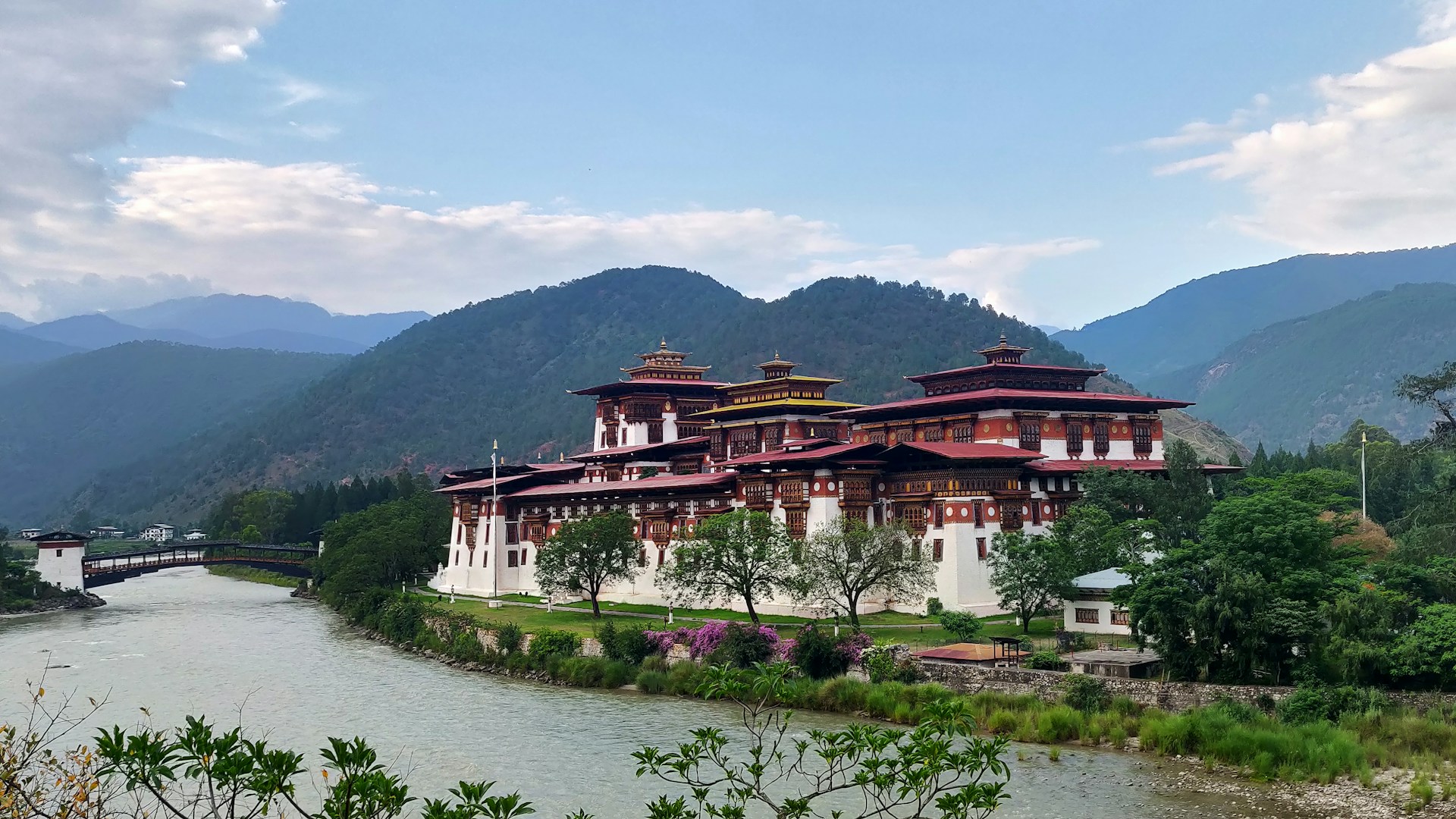
Bhutan’s valleys look made for sweeping aerial shots, yet drones remain effectively off limits to ordinary travelers. The aviation authority reserves approval for government use, and import permits stay locked behind procedures that visitors rarely clear. Customs officials can seize gear on arrival, which quickly ends any dream of filming monasteries from the sky. The rule fits a broader philosophy that shields royal sites, cliff temples, and quiet farm towns from constant recording, keeping the country’s mountain horizons free of buzzing plastic wings. Landscapes stay intimate, seen from footpaths, passes, and windows on long drives through moving clouds late.
Syria’s Locked-Down Airspace
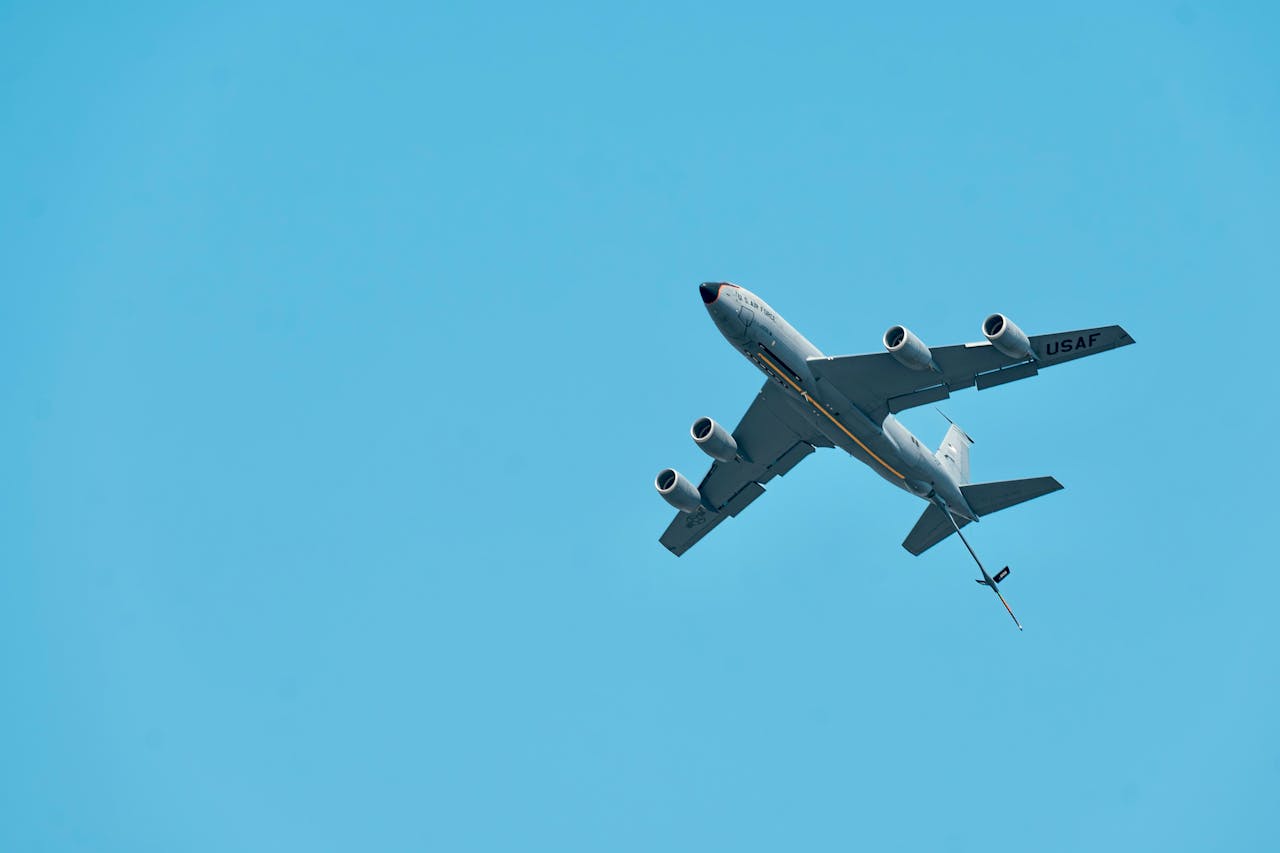
In Syria, a small drone is not read as harmless camera gear but as a potential tool for mapping conflict zones. Authorities heavily restrict civilian ownership and operation, and unregistered devices can be confiscated by security forces. Officials worry that aerial footage might reveal checkpoints, bases, or damaged infrastructure to the wrong audience. For travelers, that reality turns the idea of casual flying into a serious risk, where one impulsive launch could invite questioning, delays at borders, or far worse complications. In a landscape already under watch, the safest approach leaves the sky to birds, dust, haze, smoke, ash, and wind that wanders free.
Egypt’s Security-First Rules
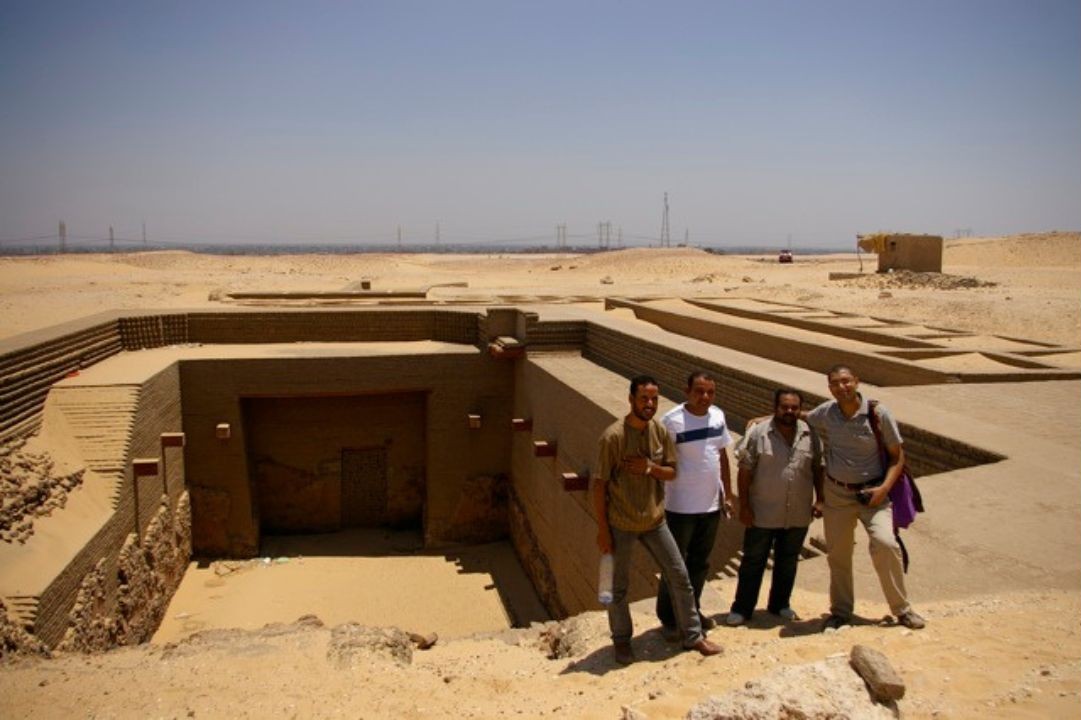
Egypt treats civilian drones with open suspicion, backing that stance with laws that forbid importing, owning, or flying them without rare high level permits. Defense officials handle approvals, and most applicants never reach the final stage, so hobby pilots are left grounded from the start. Customs agents at airports often intercept devices before they clear the belt. The policy protects crowded cities, archaeological zones, and military areas from unwatched eyes in the air, while visitors rely on ground based views of the Nile. Sunsets, river traffic, and temple profiles remain framed from balconies, feluccas, train windows, and slow street cafes at night up.
Cuba’s Confiscation Culture
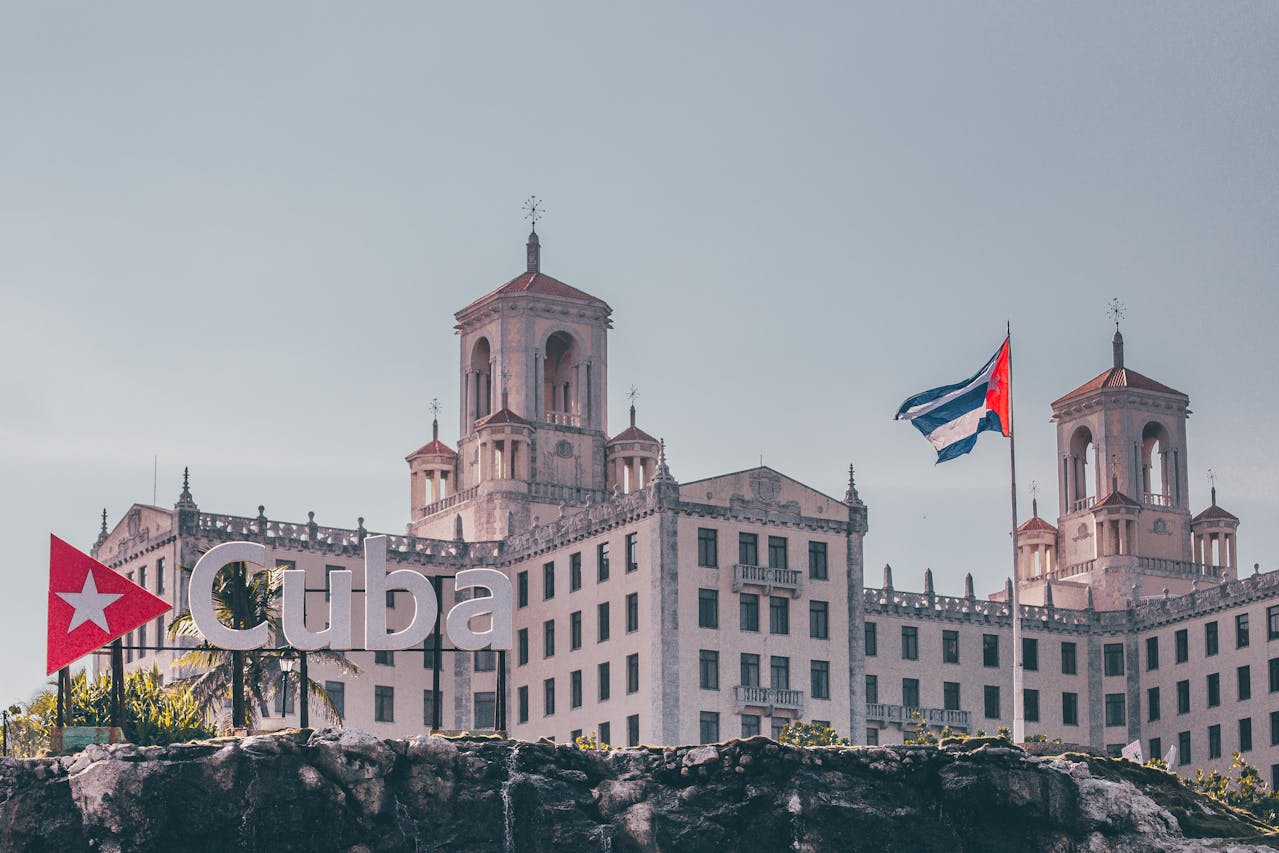
In Cuba, the barrier appears the moment a drone case reaches the customs desk. Regulations classify most models as restricted equipment, and officers usually confiscate them on arrival for storage until departure, if they are allowed in at all. The state has long guarded imagery of ports, government buildings, and communication hubs, so unapproved cameras overhead feel like a security risk. Creators who hope for sweeping shots of Havana’s streets usually have to trade that plan for careful work at street level. Color, music, and old cars fill the frame without a single propeller in sight or sound anywhere along avenues and plazas at dusk, nightly by warm lamps.
Morocco’s No-Import Stance
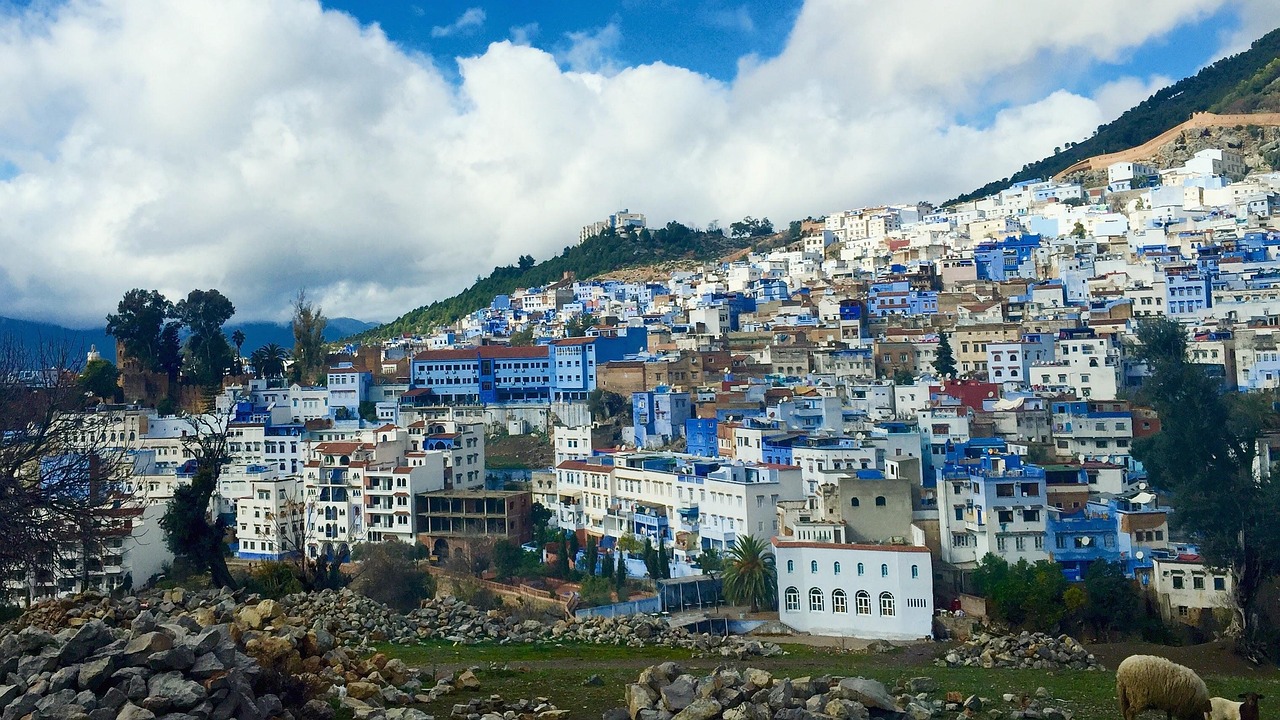
Morocco’s medinas and desert forts seem perfect for low sweeping drone reels, yet the law closes that option for most visitors. Regulations restrict importing unmanned aircraft, and reports from travelers describe routine confiscation at airports, even for small models. Authorities frame the policy as protection for royal palaces, mosques, and security zones around major cities. Instead of spiraling above tiled courtyards and market roofs, storytellers learn to frame arches, lanterns, and dunes from the ground, letting call to prayer fill the sky unbroken. The result is slower, more grounded storytelling that respects guarded perimeters, customs, and daily life.
Vatican City’s Sacred Bubble
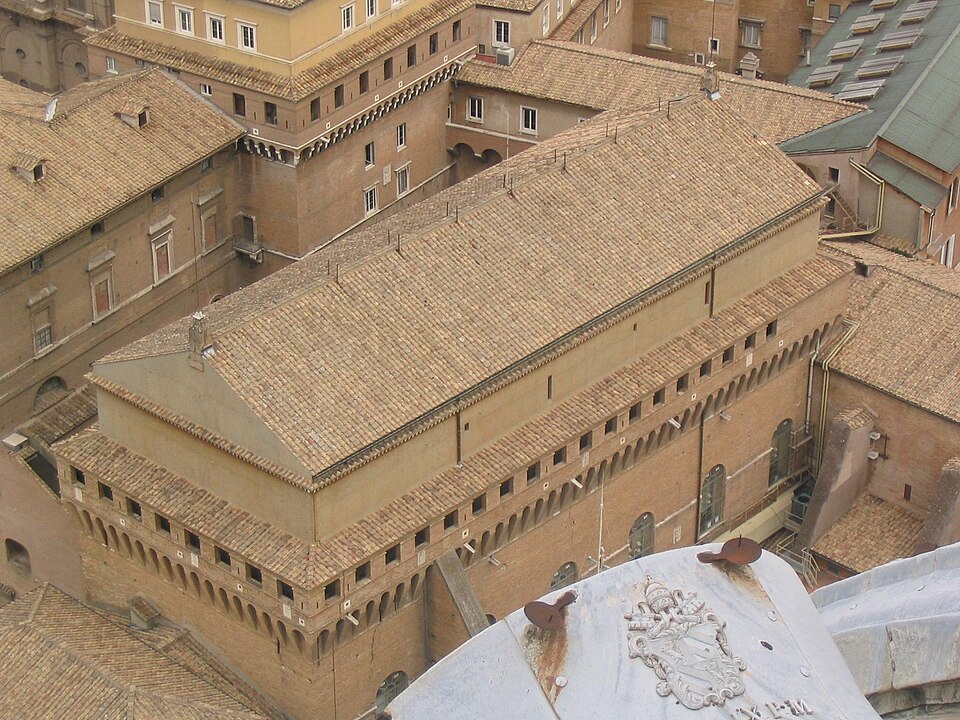
Vatican City may be tiny, but its airspace is treated with the seriousness of a major capital. Drone use is generally banned for visitors, since even a small quadcopter over St. Peter’s Square raises safety, privacy, and terrorism concerns in crowds that include world leaders. Security teams prefer controlled camera positions on terraces and rooftops where every angle is reviewed in advance. Pilgrims, guards, and marble statues share the same quiet dome lined horizon, unbothered by plastic propellers or sudden mechanical whines. Sacred rituals and daily routines continue without unexpected buzzing over heads, flags, banners and raised hands in prayerful silence.
Machu Picchu’s Drone-Free Sanctuary
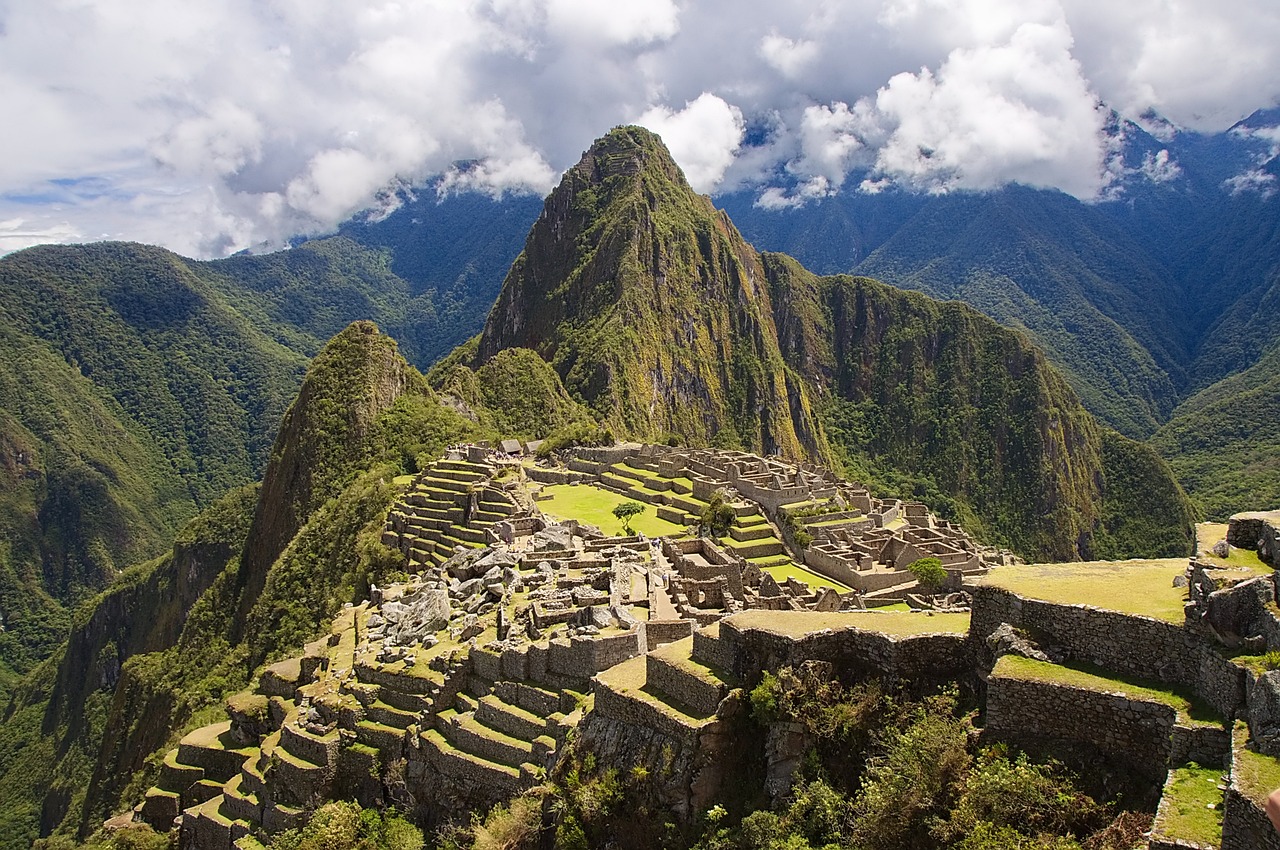
At Machu Picchu, drones collide directly with conservation rules that protect ancient walls and narrow paths. Peru’s culture officials ban unmanned aircraft inside the sanctuary, arguing that crashes, sudden noise, and distracted visitors could damage stonework or cause falls on steep steps. Rangers and guides stay alert for buzzing above the terraces and act quickly when they spot it. The decision keeps condors, mist, and shifting sunlight as the only movement overhead, while travelers explore with steady footing and cameras held close. The silence between stone platforms lets wind and distant river noise carry every careful step, breath, and pause each day up.
U.S. National Parks’ Ground Rules
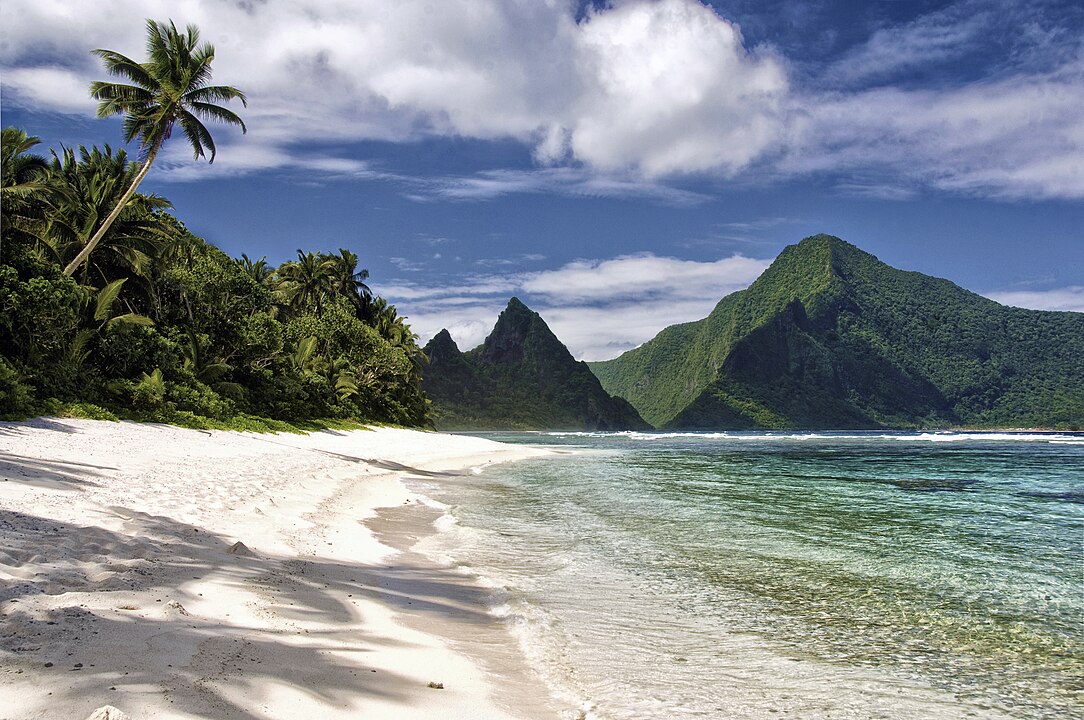
Across the United States, national parks hold some of the most dramatic landscapes on the planet, yet drone pilots meet a very simple rule there. A broad service policy bans launching, landing, or operating unmanned aircraft on park land without special approval. Rangers have documented drones startling wildlife, crowding narrow overlooks, and shattering the natural quiet visitors expect on trails. Aerial filming now happens outside park boundaries, while canyons, arches, and geysers inside remain shaped only by wind, hoofprints, and time. The message from signs and staff is steady, simple, firmly, and consistently enforced at every trail gateway by rangers too.
Tirumala’s Sacred Hills In India
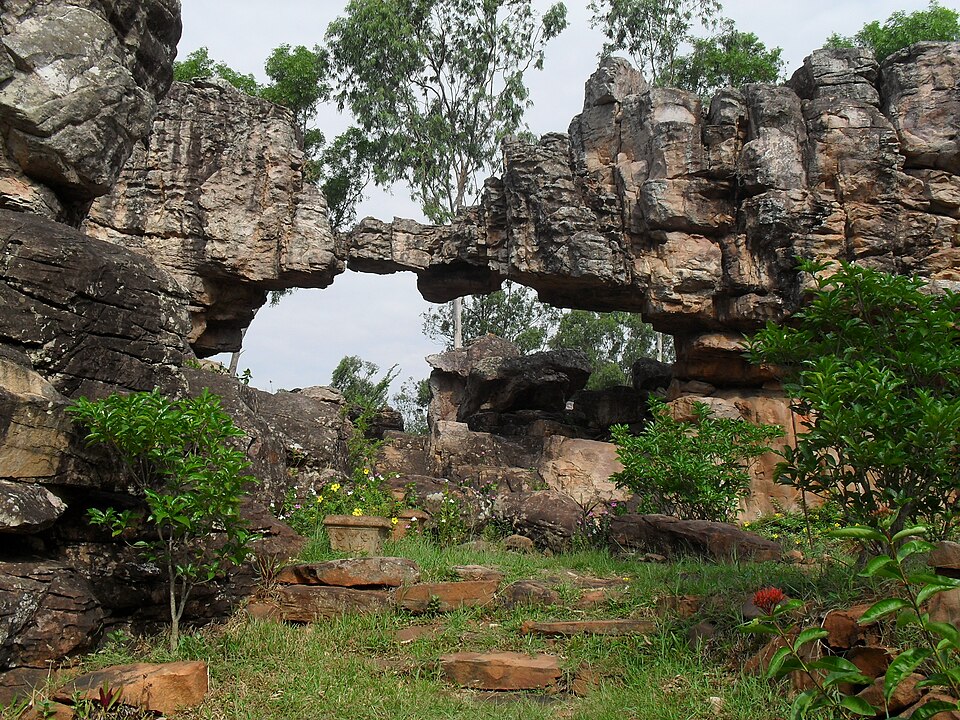
On the sacred hills of Tirumala in India, drones clash with both security planning and spiritual expectations. Local police and temple administrators enforce a strict prohibition on unmanned aircraft in the area, especially during busy festival seasons when crowds surge. Leaders worry about surveillance of cash handling, high profile visitors, and sensitive rituals on the hilltop. When an unauthorized drone appears, response teams move fast, seizing equipment and questioning operators so that lamps, chants, and bells remain the only presence above. Faith, order, and routine rely on keeping curiosity grounded, watchful, patient, and very firmly in place each day.